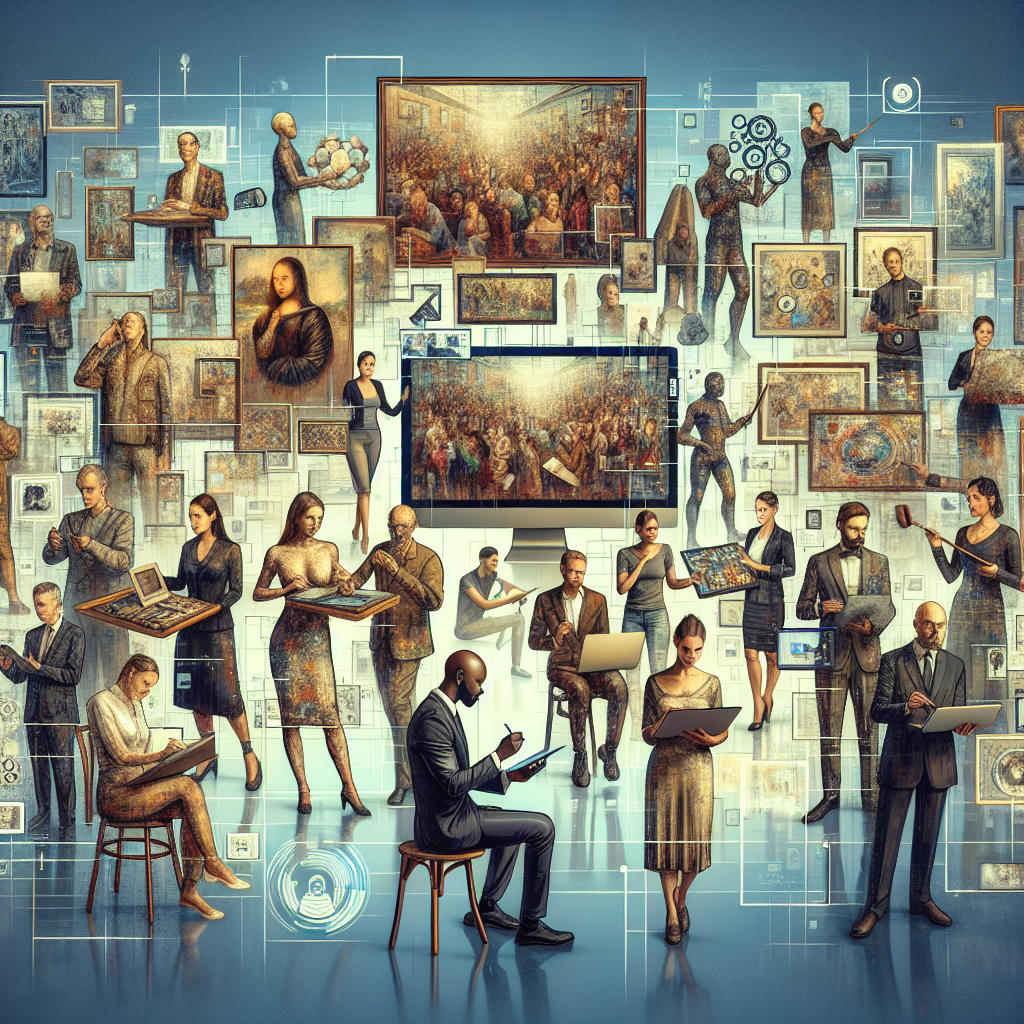
In recent years, the global art market has undergone a significant transformation, propelled by technological advancements and the rise of digital platforms. These changes are not just reshaping how art is bought and sold, but they are also democratizing access to art, making it more inclusive and approachable to a wider audience. This article explores the implications of digital platforms on the accessibility of the art market and the broader cultural landscape.
The Shift from Traditional to Digital
Historically, the art market was characterized by galleries, auctions, and exhibitions, often elitist in nature. Access to art was limited to those with connections, substantial financial resources, or geographic proximity to major art hubs. However, the emergence of digital platforms has disrupted this traditional model, enabling artists, collectors, and enthusiasts to engage with art in new ways.
Online Marketplaces
Platforms like Artsy, Saatchi Art, and Paddle8 have transformed how artworks are presented and purchased. Artists can showcase their work without needing a traditional gallery representation, allowing for a more diverse range of voices to enter the market. Moreover, online marketplaces often feature artworks at various price points, making it possible for collectors with different budgets to make purchases.
Virtual Exhibitions and Tours
Digital technology has also facilitated the creation of virtual exhibitions. Galleries and museums have adapted to the pandemic by offering virtual tours and online viewings. This not only allows art enthusiasts to experience artworks from the comfort of their homes but also expands the audience reach far beyond the physical constraints of a location. Visitors from around the globe can engage with exhibitions that they might not have been able to attend in person.
Social Media Influence
Social media platforms, particularly Instagram, have become vital tools for artists to share their work and connect with potential buyers. Artists can build their brands and engage with a community of followers who appreciate their art. This direct interaction reduces the dependency on traditional gatekeepers and allows for a more personal connection between artists and audiences.
Democratizing Art Access
The implications of increased accessibility through digital platforms are profound:
Inclusivity of Diverse Voices
Digital platforms have created space for emerging artists and underrepresented demographics to showcase their work. This inclusivity enriches the art landscape, fostering new narratives and perspectives that reflect a more diverse world.
Affordability and Accessibility
With the rise of online sales, artworks can be found at various price points, making art more affordable. Pay-as-you-go schemes and installment payments have also gained popularity, allowing collectors to invest in art gradually rather than through upfront purchases.
Education and Resources
Many digital platforms not only serve as marketplaces but also provide educational resources about art. Websites and social media channels offer insights into art history, techniques, and artist backgrounds. This educational component enhances public appreciation for art and encourages more people to participate in the art market.
Challenges and Considerations
While the digital transformation of the art market has many benefits, it is not without challenges. The proliferation of online platforms has led to concerns about quality and authenticity. Additionally, the sheer volume of artworks available online can be overwhelming, making it challenging for buyers to sift through and find meaningful pieces.
Moreover, while accessibility has increased, issues like digital literacy still pose barriers for some potential buyers and artists, particularly in regions with limited internet access.
Conclusion
The digital revolution is changing the landscape of the global art market, creating new opportunities for engagement, education, and inclusivity. As these platforms continue to evolve, they hold the potential to further break down barriers that have historically excluded many from the art world. By embracing the possibilities offered by digital technology, we may witness a more vibrant and diverse art community that is accessible to everyone, regardless of their background or location. This shift not only enriches the market but also deepens our collective cultural narrative, reflecting the dynamic, interconnected world we live in today.