

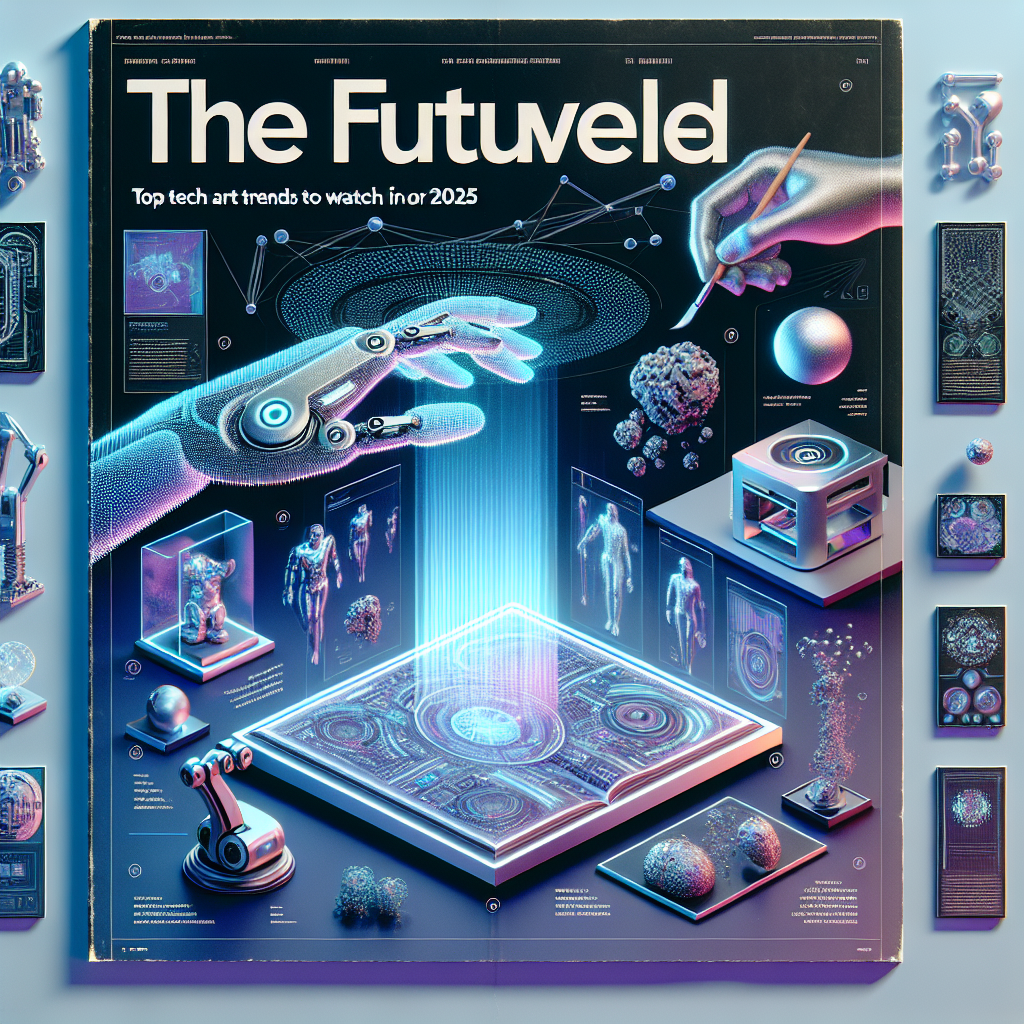
As technology continues to evolve at an unprecedented pace, the art world finds itself at the forefront of innovation, embracing new mediums and methodologies that challenge traditional boundaries. In 2025, we can expect a confluence of creativity and technology that redefines how art is created, experienced, and consumed. Here are the top tech art trends to watch:
1. Artificial Intelligence in Creation
Artificial Intelligence (AI) is becoming more prominent in the creative process. Artists are increasingly using AI algorithms to generate art, create music, and even write poetry. By 2025, we can anticipate a deeper integration of AI as a collaborative tool, where artists harness machine learning to push the boundaries of their imagination. AI-generated art might not only become mainstream but also raise questions about authorship and originality.
2. Augmented Reality (AR) Experiences
Augmented reality is set to transform public art installations and exhibitions. As AR technology matures, artists will create interactive experiences that blend real-world environments with digital enhancements. By using smartphones or AR glasses, audiences will engage with art pieces in ways previously unimagined—turning a static sculpture into an animated narrative or offering historical context through visual overlays.
3. Virtual Reality (VR) Art Spaces
The rise of virtual reality will change how we experience art. In 2025, we can expect fully immersive VR galleries accessible from the comfort of home. These digital spaces will allow artists to explore three-dimensional canvases, creating works that can only exist in a virtual realm. The ability to traverse these environments will provide viewers with a sense of presence that enhances emotional engagement with the artwork.
4. Blockchain and Digital Ownership
Blockchain technology is redefining the concept of ownership in the art world. Non-Fungible Tokens (NFTs) have already made waves, and by 2025, we’ll see an evolution in how digital art is bought, sold, and authenticated. Artists will leverage blockchain to ensure provenance while creating new revenue models. This may lead to a more democratized art market, enabling more artists to monetize their work directly.
5. Sustainability in Tech Art
As climate awareness grows, sustainability will become a key focus for artists and technologists alike. By 2025, expect a rise in eco-conscious art practices, utilizing sustainable materials and energy-efficient technologies. Artists will likely create works that not only provoke thought on environmental issues but also serve as statements promoting sustainability in the tech realm itself.
6. Interactive Holography
Holographic art has been an intriguing concept for years, but advancements in technology will allow artists to create interactive holograms that viewers can manipulate. By 2025, expect to see more exhibitions utilizing holography, where visitors can touch or alter the artwork, fostering a more tactile and intimate experience.
7. Art and Performance in Metaverse Spaces
The concept of the Metaverse will continue to expand, providing new realms for artistic expression. By 2025, performances in virtual worlds could become a norm, blending theater, dance, and multimedia art into a single immersive experience. Artists will experiment with avatar-driven performances, allowing audiences from all over the globe to engage in real-time.
8. Data-Driven Art
As data becomes increasingly abundant, artists will begin to use it as a primary medium. By 2025, the fusion of data visualization and creative expression will lead to dynamic installations that not only tell stories but also provoke discourse on societal issues. This trend will emphasize the narrative potential of data, making complex information digestible through artistic means.
Conclusion
The intersection of technology and art is paving the way for a transformative future. From AI collaboration to immersive virtual experiences, the art world is ready to embrace a wave of innovation that will challenge our perceptions and deepen our connections with creativity. As we look ahead to 2025, it’s clear that the future of art promises to be as diverse and dynamic as the technologies that inspire it. Art is not just being created; it’s being reimagined, inviting everyone to partake in a new narrative. Whether you’re an artist, a technologist, or simply an art enthusiast, staying attuned to these trends will be essential in navigating the evolving landscapes of creativity.


