

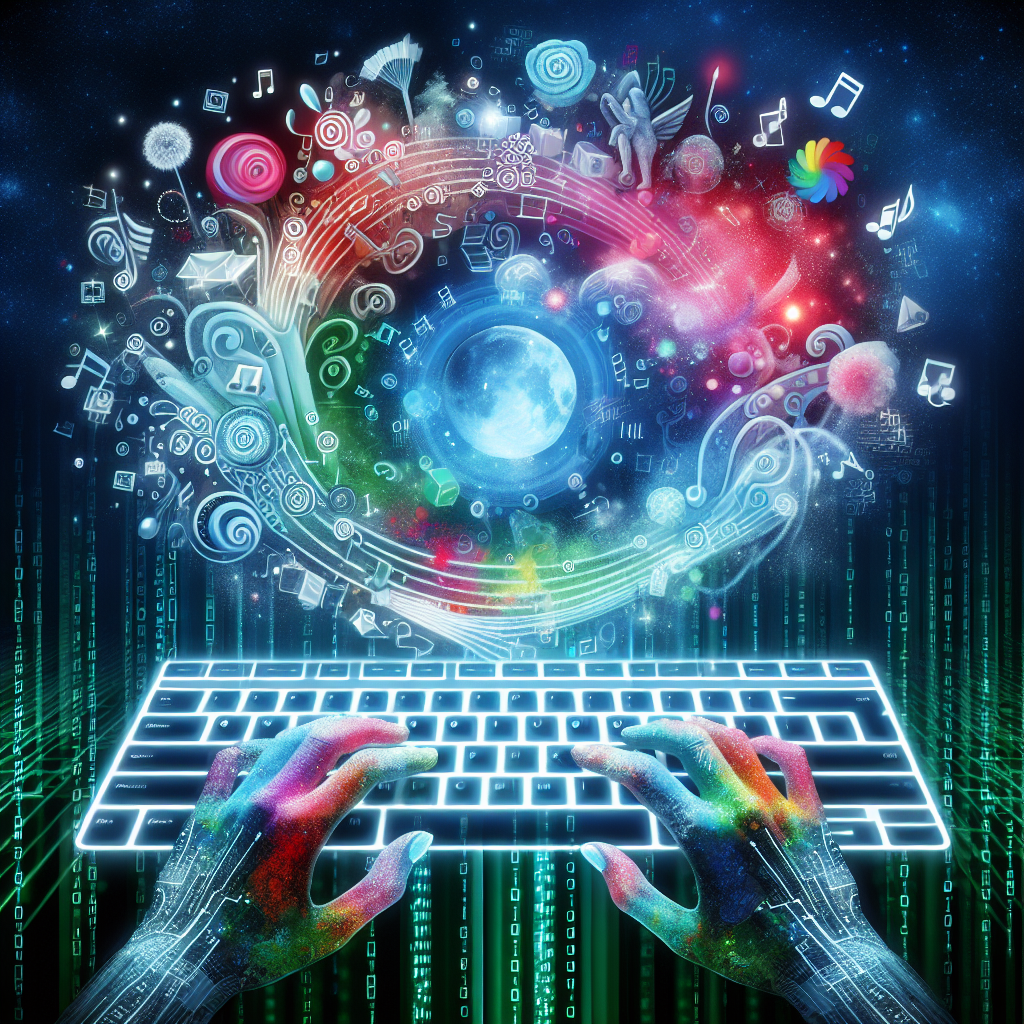
In an age where technology and art intersect like never before, the role of coders in shaping the landscape of digital art has never been more pivotal. As creative barriers dissolve, the fusion of programming and artistry is not merely changing how art is created; it is redefining what art can be.
The Convergence of Code and Creativity
Traditionally, art was seen as a domain of emotional expression, while coding was viewed as a logical, analytical pursuit. However, the emergence of digital platforms has blurred these boundaries, allowing for a new form of expression that combines both technical skill and artistic vision. Artists now wield code as a brush, crafting intricate visuals, interactive installations, and immersive environments that captivate audiences in novel ways.
Generative Art: Code as a Creative Tool
One of the most exciting developments in digital art is generative art, where artists use algorithms to create visuals that can change and evolve. Tools like Processing, p5.js, and TouchDesigner have made it possible for artists to programmatically generate images and animations. This approach embraces randomness and complexity, resulting in artworks that are unique and often unpredictable.
Generative art showcases how code can transcend traditional artistic methods. For instance, renowned artist Casey Reas co-created Processing, a programming platform designed specifically for artists. His work illustrates how intertwining coding principles with artistic intent can lead to innovative outcomes, elevating both mediums.
Interactivity and Immersion
Digital art also allows for interactivity—an area where coding particularly shines. Artists are creating pieces that respond to viewers, changing elements based on audience engagement. This interactive dimension transforms passive observation into active participation, creating a dynamic dialogue between the artwork and its audience.
Virtual reality (VR) and augmented reality (AR) further enhance this interactivity. Artists like Jon Noorlander and Jennifer Steinkamp are employing these technologies to create immersive experiences that challenge viewers’ perceptions of space and reality. Coding becomes the backbone of these experiences, allowing for fluid transitions, responsive environments, and multi-sensory engagement.
AI and Machine Learning: New Artistic Collaborators
Artificial intelligence (AI) is another frontier where coders are revolutionizing digital art. Through machine learning algorithms, artists can collaborate with AI systems to create artworks that are both innovative and unexpected. Platforms like DeepArt and DALL-E allow users to generate artworks from text inputs, effectively democratizing the creation process.
Notable projects include Refik Anadol’s "Machine Hallucinations," which employed AI to analyze vast datasets of images, creating mesmerizing visual narratives. This approach raises intriguing questions about the nature of creativity and authorship, challenging traditional notions of the artist’s role and opening debates about the implications of AI in artistic creation.
The Role of Community and Open Source
The digital art landscape is also characterized by a heightened sense of community. Open-source tools and platforms empower artists and coders to share their work, collaborate, and inspire one another. Online platforms such as GitHub and creative coding forums foster a culture of sharing and learning, enabling artists to build upon each other’s innovations.
This collaborative spirit is further highlighted in projects like “The Coding Train,” led by Daniel Shiffman, which provides coding tutorials specifically tailored for artists and creatives. Such initiatives help nurture a new generation of artists who confidently navigate both creative processes and programming challenges.
Challenges and Ethical Considerations
While the fusion of art and code offers numerous opportunities, it also presents challenges. Questions surrounding originality, copyright, and the role of human creativity are becoming increasingly important as digital art evolves. Additionally, as algorithms become more ingrained in the creative process, concerns about bias in AI-generated art can lead to discussions about the ethical implications of technology in creativity.
Artists and coders must navigate these complexities as they push boundaries and explore new territories. The future of creativity relies not only on technological advancements but also on thoughtful engagement with these pressing issues.
Conclusion: A New Creative Era
The future of creativity is undeniably intertwined with coding and technology. As artists continue to explore the limitless possibilities offered by digital mediums, the role of coders in shaping the narrative of digital art will only grow. This partnership between code and creativity is fostering innovative approaches, challenging traditional definitions of art, and exciting a global audience.
In this new creative era, the canvas is not just a physical surface but a digital realm where imagination knows no bounds. As we forge ahead, the collaboration between coders and artists promises to unlock extraordinary possibilities, transforming our understanding of creativity itself.


