

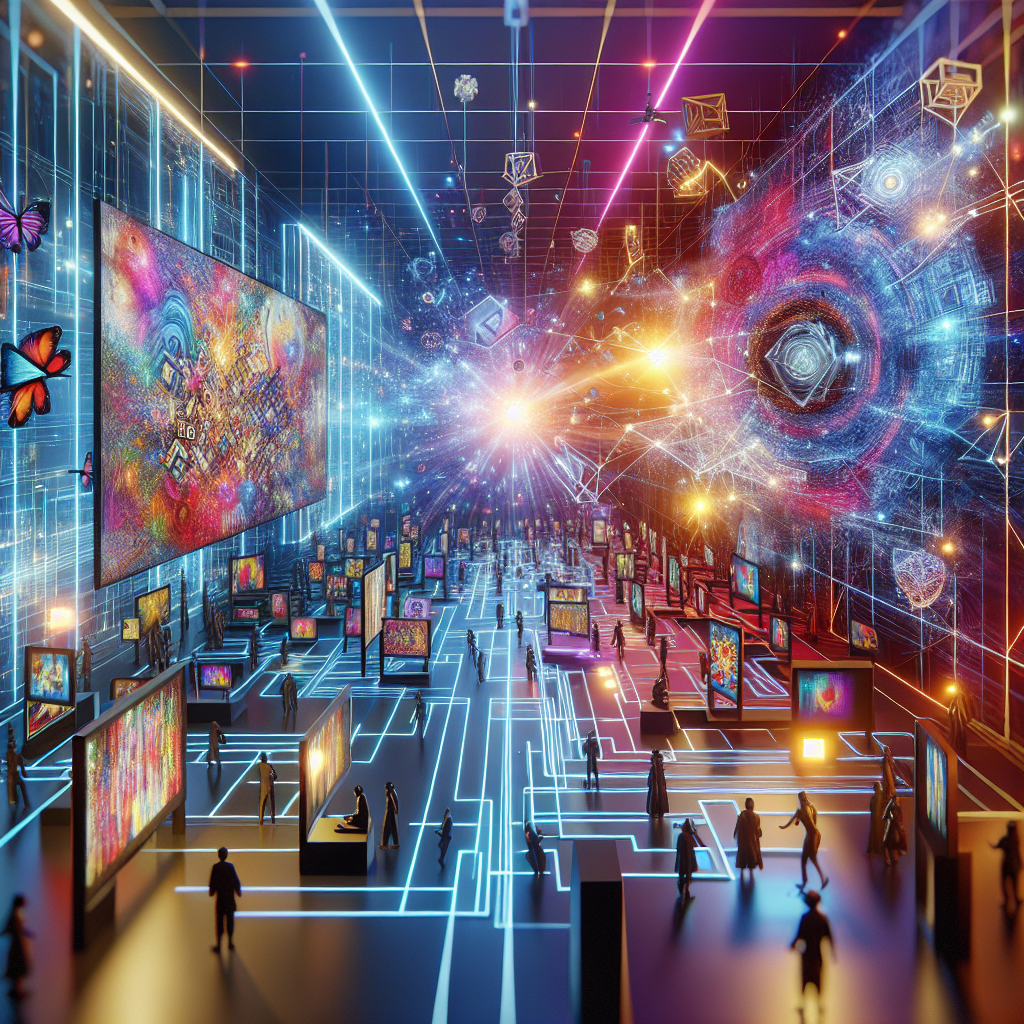
In recent years, the art world has seen a seismic shift catalyzed by the advent of Non-Fungible Tokens (NFTs). Emerging from the realm of cryptocurrency, NFTs are unique digital assets secured on a blockchain, enabling artists to sell and trade their work in unprecedented ways. As we delve into the future of art, it’s clear that NFT technology is not just a passing trend; it’s a transformative force poised to redefine the way we create, own, and appreciate art.
The Democratization of Art
One of the most compelling aspects of NFTs is their ability to democratize the art market. Traditional art sales often require intermediaries, such as galleries or auction houses, which can create barriers for both artists and collectors. NFTs eliminate many of these hurdles by allowing artists to sell directly to their audience via online marketplaces. This means that emerging artists, who may not have had access to prestigious galleries, can reach a global audience, fostering a more inclusive art ecosystem.
Enhanced Ownership and Provenance
NFTs use blockchain technology, which provides a transparent and immutable record of ownership. This transparency engenders trust among collectors, as they can verify the provenance of a digital artwork easily. With traditional art, issues surrounding authenticity and ownership can be murky. NFT technology mitigates these concerns, creating a reliable framework for ownership that can enhance the value of art pieces. Collectors can purchase with confidence knowing they’re acquiring a verified, one-of-a-kind item.
New Revenue Streams for Artists
Traditional models of artistic compensation rely heavily on physical sales or exhibitions, but NFTs open up new avenues for revenue. For instance, artists can program royalties into their NFTs, ensuring they receive a percentage of future sales whenever their artwork is resold. This not only benefits artists by providing ongoing revenue but also encourages a thriving secondary market. As collectors trade art, artists can continue to benefit financially from their work, something that is rarely possible in traditional art sales.
Broader Artistic Expression
NFTs have expanded the possibilities for artistic expression. Digital artists are now able to incorporate multimedia elements such as animations, sound, and interactivity into their works, pushing the boundaries of what art can be. Furthermore, the NFT space has given rise to innovative art forms like virtual reality (VR) installations and generative art, where algorithms create unique pieces. This evolution signifies a new era of creativity that embraces technology, allowing artists to engage with audiences in dynamic ways.
Community and Collaboration
The NFT space is also fostering new forms of community and collaboration among artists and collectors. Platforms like Discord and social media networks see artists, collectors, and enthusiasts uniting around shared interests, offering support and feedback. Collaborative projects, where multiple artists contribute to a single collection, are becoming increasingly common. These communities are not just about transactions; they focus on building relationships and nurturing creativity.
Environmental Concerns and Solutions
A notable critique of NFTs has been their environmental impact, particularly due to the energy consumption associated with blockchain transactions. The industry is aware of these concerns, and many NFT platforms are actively seeking sustainable solutions. For instance, Ethereum, one of the most popular blockchains for NFTs, is transitioning to a proof-of-stake model, significantly reducing its energy footprint. As the technology evolves, so too will its environmental impact, allowing for a more responsible approach to digital art.
Conclusion: A Lasting Legacy
The future of art is undoubtedly intertwined with NFT technology. By democratizing access, enhancing ownership, creating new revenue streams, and promoting innovative expressions, NFTs are revolutionizing the art world. While challenges such as environmental concerns exist, the ongoing evolution of the technology suggests that NFTs are here to stay. As artists and collectors continue to embrace this digital transformation, we stand on the cusp of a new artistic renaissance—one that celebrates creativity and community in the digital age.


