

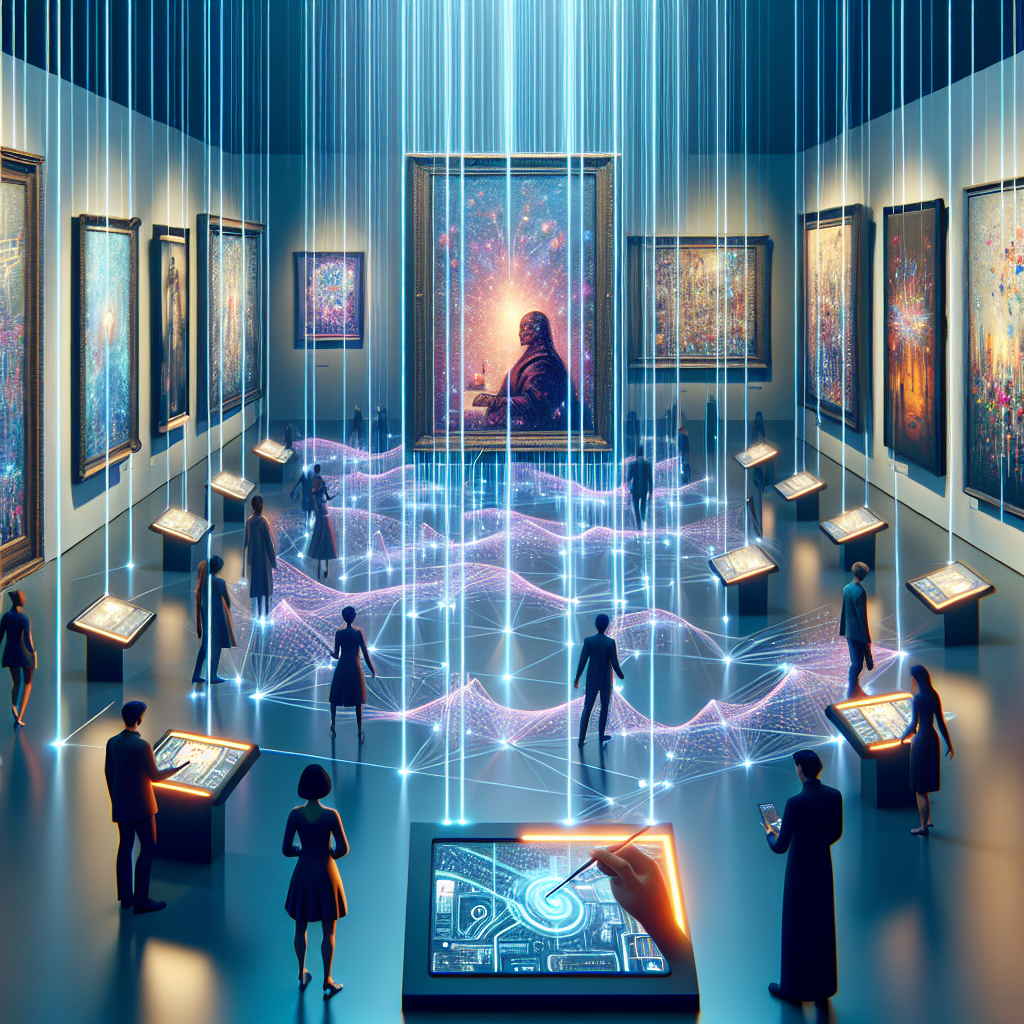
The art world is undergoing a transformative shift, thanks to the advent of generative tools. These innovations combine technology and creativity in unprecedented ways, challenging traditional notions of authorship, skill, and the very definition of art itself. As we look towards the future, it’s essential to explore how these tools are reshaping artistic expression.
What Are Generative Tools?
Generative tools encompass a variety of technologies that enable artists to create, design, or manipulate art through algorithms, artificial intelligence, and machine learning. From software applications that facilitate digital drawing to algorithms that create complex visual patterns, generative tools allow artists to engage in a dialogue with their own work, often resulting in unexpected and unique outcomes.
The Role of AI in Art
Artificial Intelligence (AI) has emerged as one of the primary drivers behind generative tools. Programs like OpenAI’s DALL-E and Google’s DeepDream have gained prominence for their ability to produce visuals based on text prompts or existing images. These AI models learn from vast datasets, allowing them to generate artworks that reflect a blend of different styles and influences.
Artists are now using AI not only as a creative partner but also as a source of inspiration. Instead of merely executing their vision, artists employ AI to explore new territories, pushing the boundaries of what is artistically possible. This partnership between human creativity and machine learning is fostering an environment rich with innovative expressions.
Democratizing Art Creation
One of the most significant changes brought about by generative tools is the democratization of art. Historically, creating art required specialized skills and training, often limiting participation to a select few. Today, with user-friendly generative tools, a broader audience can engage in artistic creation without necessarily having formal training.
Platforms like Artbreeder and Runway ML allow users to experiment with generative art easily. This open-access model encourages creativity among novices and experienced artists alike, fostering a more inclusive art community where diverse voices can share their visions.
New Forms of Artistic Expression
As generative tools evolve, they are enabling entirely new forms of artistic expression. Traditional mediums such as painting and sculpture now coexist with digital art forms, including interactive installations and virtual reality experiences.
For example, artists are using generative algorithms to create immersive environments that respond to the audience’s movements or emotions, enhancing viewer engagement. Additionally, generative music, created through algorithms that synthesize notes and rhythms, has emerged as a captivating new genre, challenging conventional definitions of music.
Ethical Considerations
With the rise of generative tools also comes ethical consideration. Questions regarding authorship, originality, and authenticity are becoming increasingly complex. If a piece of art is created collaboratively by an artist and an AI, who holds the rights? As generative AI continues to learn from existing works, concerns about copyright infringement and the potential replication of styles also arise.
Moreover, the ease of creating art through generative means could lead to an oversaturation of content, diluting the value of artistic expression. Artists and critics are now tasked with navigating these ethical dilemmas, ensuring that innovation does not come at the expense of artistic integrity.
The Future of Artistic Collaboration
Moving forward, the relationship between artists and technology will likely become even more collaborative. Artists are expected to develop a shared consciousness with generative tools, leveraging technology to enhance their creative processes rather than replace them.
Emerging tools may allow for real-time collaboration among artists across the globe, fostering a culture of sharing and co-creation. These tools can enable cross-disciplinary projects, merging visual art with music, storytelling, and performance, leading to fresh, multi-sensory experiences.
Conclusion
The future of art is undeniably intertwined with generative tools that are redefining creativity. As artists embrace these technologies, they are unlocking new forms of expression, democratizing art creation, and engaging audiences in novel ways. While challenges and ethical concerns persist, the dialogue between traditional artistry and technological innovation has the potential to enrich the cultural landscape for generations to come.
As we look ahead, one thing remains certain: the ongoing evolution of art will reflect not just human creativity but the dynamic relationship between humanity and technology. The canvas of the future is broader than ever, inviting everyone to participate in the journey of artistic exploration.


