

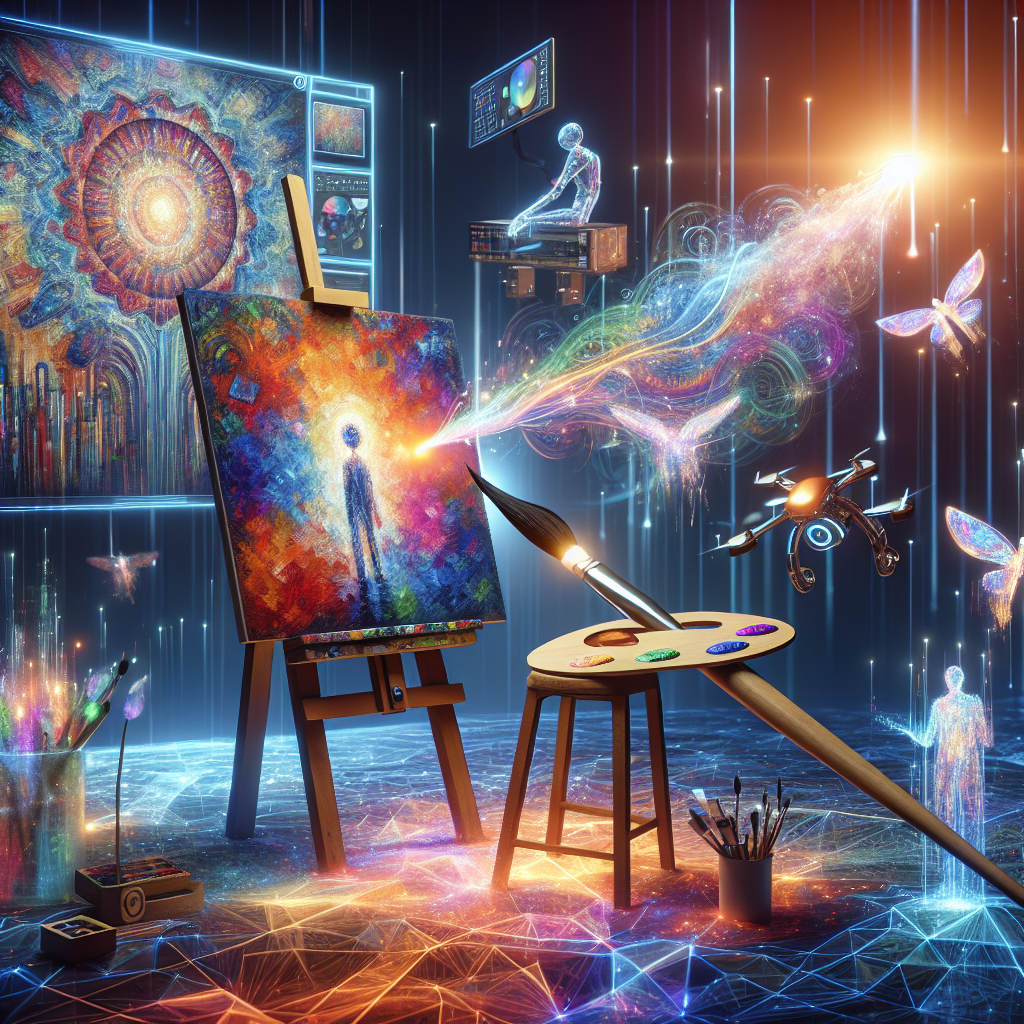
The Future of Art: Embracing the Challenges of Digital Innovation
As we stand on the brink of a new era in artistic creation and consumption, the intersection of art and technology is reshaping the creative landscape. Digital innovation presents an array of both challenges and opportunities that are transforming how artists express themselves, how audiences engage with art, and how the art market operates. This article explores the future of art in the context of digital innovation and the implications that come with it.
The Rise of Digital Art Forms
Digital art has evolved from a niche practice to a dominant force within the art world. Artists now wield tools such as graphic design software, 3D modeling, virtual reality (VR), and augmented reality (AR) to create immersive and interactive experiences. The accessibility of these tools has not only democratized the creation of art but has also expanded the notion of what art can be. For example, works that exist purely in digital spaces—such as NFTs (non-fungible tokens)—challenge traditional notions of ownership and authenticity.
The Democratization of Creation
One of the most significant impacts of digital innovation is the democratization of art creation. Platforms like Instagram, TikTok, and specialized art websites allow artists to bypass traditional gatekeepers, such as galleries and museums, reaching audiences directly. This shift has empowered a new generation of artists to emerge, often leveraging social media algorithms to increase their visibility. As a result, the art world is becoming more inclusive, showcasing diverse voices that may have previously gone unheard.
Challenges of Attribution and Authenticity
With new forms of art come new challenges in attribution and authenticity. In a digital environment, reproducing art is effortless, making it challenging to establish originality. The rise of NFTs is one response to this dilemma, providing a way to authenticate digital art and offer a unique ownership experience. However, the concept of digital ownership is still evolving, as questions about the environmental impact of blockchain technologies and the long-term viability of NFTs linger.
The Evolution of Audience Engagement
Digital innovation profoundly affects how audiences interact with art. Virtual exhibitions and online galleries have become commonplace, especially in the wake of global events like the COVID-19 pandemic. These technologies have broadened access to art for individuals who may have been geographically or financially barred from traditional venues. Moreover, immersive experiences like AR allow audiences to engage with art in dynamic ways, fostering a deeper connection to the work.
Monetization in the Digital Age
The traditional art market is undergoing a significant transformation as digital art becomes mainstream. Artists are exploring alternative monetization strategies, from selling digital prints and limited-edition NFTs to crowdfunding projects through platforms like Patreon. This shift is allowing creators to cultivate sustainable careers while diversifying their income streams. However, artists must remain vigilant about the changes in copyright laws and how they affect their ability to profit from their work.
The Role of Technology in Artistic Expression
As technology continues to advance, it offers artists new mediums and methods to express their visions. AI-generated art, for instance, is challenging the very definition of creativity by questioning whether machines can be true creators. Collaborations between artists and AI are becoming increasingly common, leading to works that blend human insight and computational capabilities. This merger invites an ongoing dialogue about the nature of creativity and the role of the artist in the digital epoch.
Conclusion: A Future of Possibilities
The future of art is undoubtedly intertwined with digital innovation. While the landscape is rife with challenges—from questions of authenticity and ownership to evolving audience expectations—there are also vast opportunities for growth and exploration. As artists continue to push boundaries, they redefine their mediums, engage more people, and create new economic models for art.
In embracing these challenges, the art world stands to benefit from a richer tapestry of voices and ideas, ultimately leading to a more inclusive and dynamic cultural landscape. The horizon looks bright for artists willing to adapt and innovate within this digital framework. As we navigate these exciting times, one thing remains clear: digital innovation will continue to influence the future of art in ways we are only beginning to understand.


