

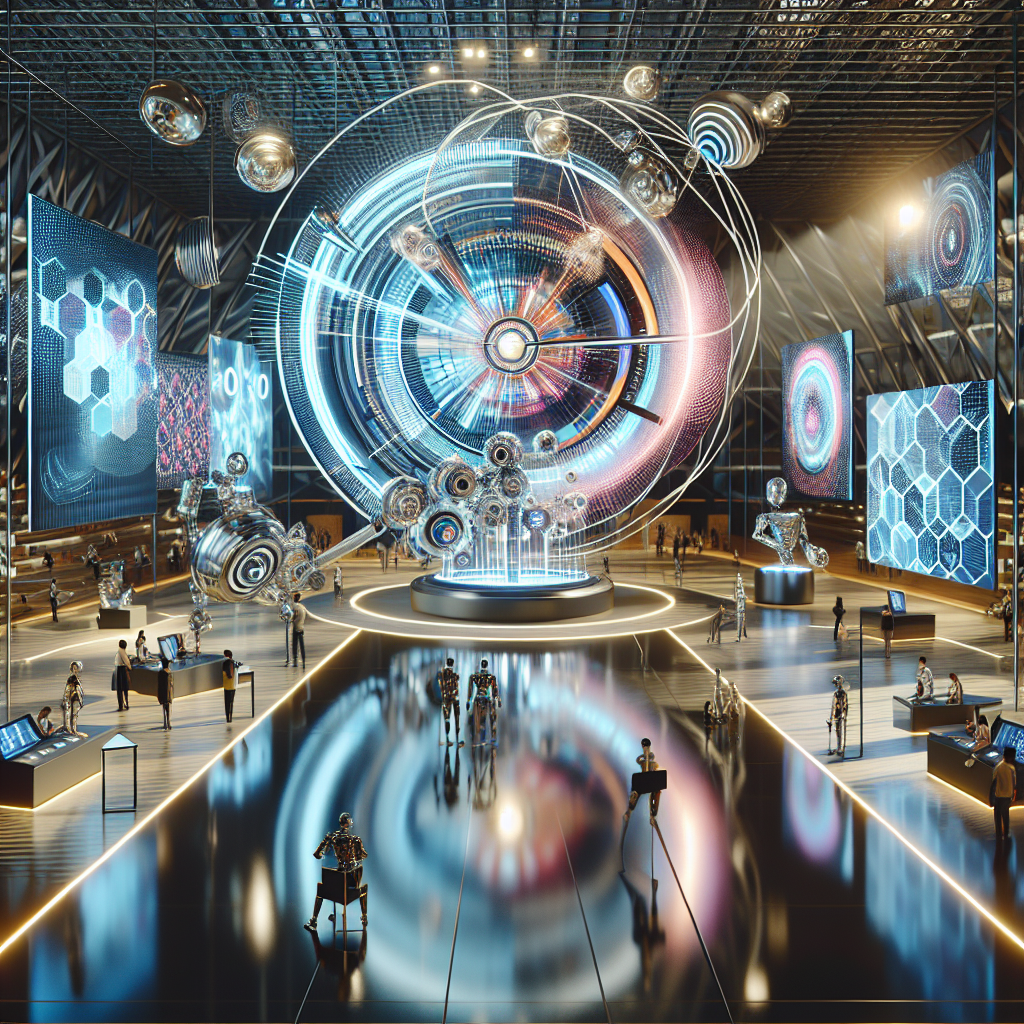
In an age where technology permeates every aspect of our lives, the intersection of art and innovation has never been more compelling. As artists embrace cutting-edge technologies, the art world is witnessing a transformation that not only challenges traditional perceptions of creativity but also redefines the audience’s experience. This article explores the fascinating realm of tech installations, highlighting key examples of how technology and art converge to create immersive and thought-provoking experiences.
The Rise of Tech Installations
Tech installations have gained immense popularity over the past decade, giving rise to a genre that combines visual artistry with interactive technology. These installations often employ augmented reality (AR), virtual reality (VR), artificial intelligence (AI), and robotics, encouraging viewers to engage with art in dynamic and unprecedented ways. By leveraging innovative tools, artists can evoke emotion, provoke thought, and even challenge societal norms.
Immersive Environments
One of the most significant trends in contemporary art is the creation of immersive environments that blur the line between viewer and artwork. Projects like Yayoi Kusama’s "Infinity Mirror Rooms" and teamLab’s "Borderless" rely on digital technology to transport visitors into surreal, multi-sensory experiences. Participants are enveloped in vibrant lights, shifting patterns, and continuously evolving visuals that respond to their movements, fostering a sense of connection to the artwork—an experience that would be impossible through traditional mediums.
Artificial Intelligence as a Collaborator
Artificial intelligence is pushing the boundaries of artistic creation. Artists are using AI algorithms to generate artwork, compose music, and even write poetry. For instance, Refik Anadol employs machine learning to turn vast data sets into mesmerizing visual narratives, exploring the idea of "data painting." By integrating AI into his work, Anadol invites viewers to contemplate the relationship between technology and creativity, sparking discussions about authorship and the future of art.
Interactive Narratives
Interactive narratives are another exciting facet of tech installations. Artists like Jonathan Harris have developed platforms that allow audiences to influence the artwork’s direction through their interactions. In "We Feel Fine," Harris created a project that aggregates and visualizes human emotions shared online. By engaging with such works, art-goers become active participants, influencing outcomes and experiencing art in a way that echoes the digital dialogue of our times.
The Role of VR and AR
Virtual and augmented reality technologies are fundamentally reshaping how art is consumed. VR can transport viewers to entirely different worlds, as seen in projects like "The Night Cafe," which invites participants into a fully immersive reimagining of Vincent van Gogh’s famous painting. On the other hand, AR applications, such as those created by artists like Ryoji Ikeda, overlay digital information onto the physical world, inviting audiences to engage with art in both a tangible and virtual context.
Challenges and Critiques
While the fusion of art and technology brings exhilarating innovations, it also raises important questions. Critics argue that an over-reliance on technology can diminish the emotional depth traditionally associated with art. Additionally, issues surrounding accessibility and the digital divide must be considered. As captivating as these tech installations are, the barriers to technology can limit participation and appreciation to privileged groups.
Conclusion
The fusion of art and innovation through cutting-edge tech installations presents a rich landscape for exploration and creativity. By embracing new technologies, artists are not only expanding the possibilities of what art can be, but they are also engaging audiences in revolutionary ways. As this genre continues to evolve, it promises to challenge our perceptions, provoke our imaginations, and inspire a deeper understanding of the intricate relationship between art and technology. In exploring this fusion, we embark on a journey that could redefine not only how we view art but also how we perceive our increasingly digital world.


