

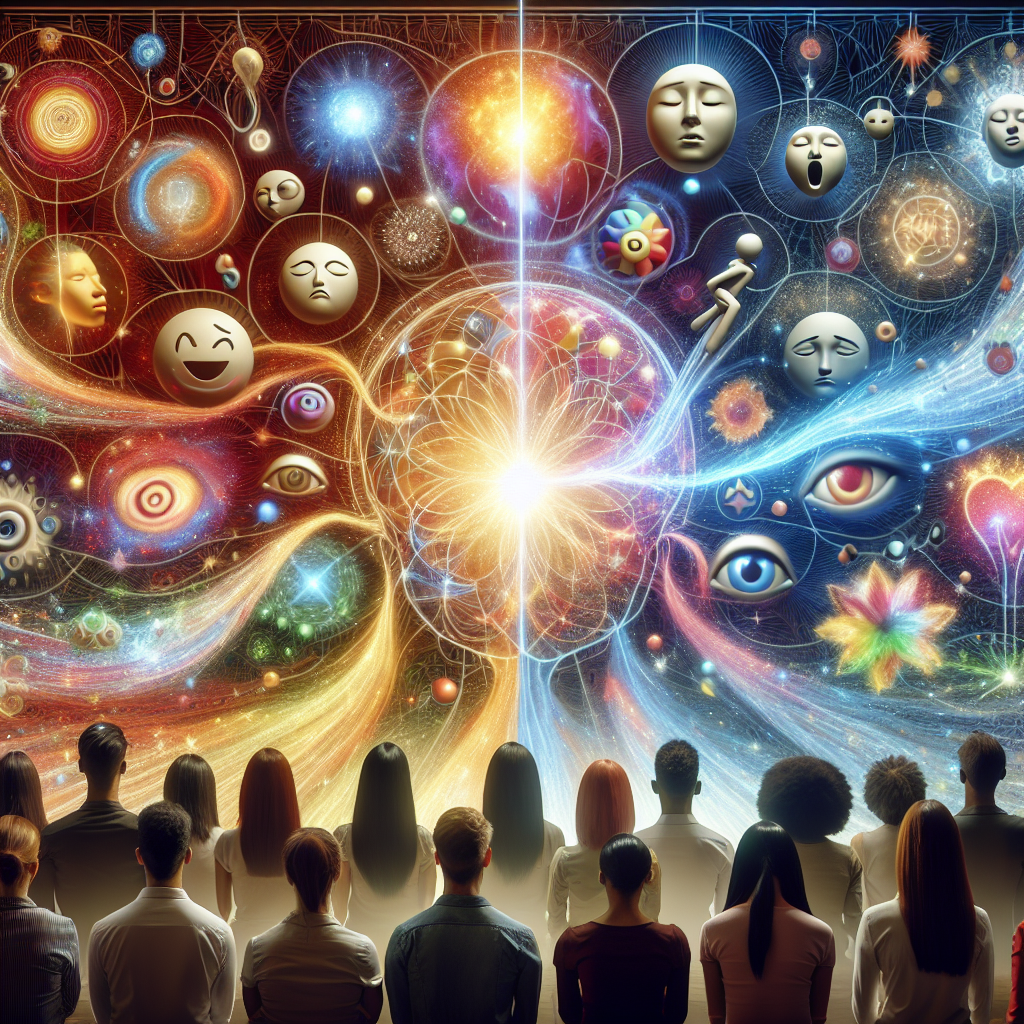
In the rapidly evolving landscape of digital art, the fundamental principle of audience engagement remains paramount. Artists, curators, and institutions are increasingly aware that the emotional connection they foster with audiences can elevate art from mere visuals to transformative experiences. This article explores the concept of emotional engagement in digital art, examining its significance, mechanisms, and the strategies artists can employ to deepen this connection.
The Significance of Emotional Connection
Art has always had the power to evoke feelings. When it comes to digital art—encompassing everything from 3D animations to interactive installations—the emotional connection becomes vital for several reasons:
-
Memorability: Art that resonates emotionally tends to linger in the viewer’s mind. This memorability can drive further exploration and interaction with the artist’s work.
-
Community Building: Emotional engagement can foster a sense of community. When audiences feel connected, they are more likely to share their experiences, whether through social media or in person, helping cultivate a dedicated following.
-
Behavioral Influence: Emotional experiences can drive action, leading to increased support for the artist, such as purchasing artwork, attending exhibitions, or advocating for social causes represented in the art.
Mechanisms of Emotional Engagement
Understanding how digital art engages audiences emotionally requires exploring the elements that contribute to this connection:
1. Storytelling
Digital art thrives on narrative. Whether through rich visual storytelling or interactive experiences that invite audiences to participate, narratives create a pathway for emotional engagement. Artists can use storytelling to address personal experiences, societal issues, or abstract concepts that resonate with viewers’ emotions.
2. Interactivity
One of the defining characteristics of digital art is its ability to be interactive. This interactivity goes beyond mere manipulation of visuals; it allows viewers to influence the art itself. By giving audiences agency, artists can create a deeper sense of involvement, making the experience not just about observation but participation.
3. Sensory Elements
Digital art can engage multiple senses, enhancing emotional impact. Elements like sound, movement, and even haptic feedback can evoke deep emotional responses. For example, soundscapes can amplify the mood of a visual piece, creating a multilayered experience that resonates more powerfully.
4. Accessibility and Inclusivity
Digital platforms allow artists to reach broader audiences, breaking geographical and socio-economic barriers. By creating inclusive art that speaks to diverse experiences and backgrounds, artists can foster a sense of belonging, enhancing emotional engagement.
Strategies for Deepening Emotional Connection
To foster a deeper emotional connection with audiences, digital artists can incorporate several strategies:
1. Authenticity
Authenticity in expression and theme creates trust and relatability. Artists should reflect their passions, experiences, and beliefs while maintaining sincerity in their work. This authenticity resonates with audiences, leading to a more profound emotional connection.
2. Engaging with the Audience
Direct engagement—be it through social media, virtual exhibitions, or interactive installations—allows artists to establish a dialogue with their audience. Sharing insights about the creative process or encouraging audience feedback can create a collaborative atmosphere where viewers feel valued.
3. Iterative Feedback
Digital art benefits from the possibility of rapid iteration. Artists can gather feedback from audiences, enabling them to refine their work in response to emotional reactions. This kind of responsiveness not only enhances the art but also promotes a sense of co-creation.
4. Thematic Relevance
Creating art that reflects current social issues or emotional experiences relevant to audiences can enhance engagement. By addressing themes like mental health, identity, or environmental concerns, artists can tap into collective emotions, creating a shared space for dialogue and reflection.
Conclusion
In the realm of digital art, forging an emotional connection with audiences is not only beneficial but essential. By employing storytelling, interactivity, sensory engagement, and authenticity, artists can create experiences that resonate deeply with viewers. As the digital landscape continues to evolve, the importance of emotional engagement remains steadfast, proving that art, in any form, is ultimately about the connections we forge with one another. Through understanding and harnessing this emotional power, digital artists can transform their work into impactful journeys that resonate well beyond the screen.


