

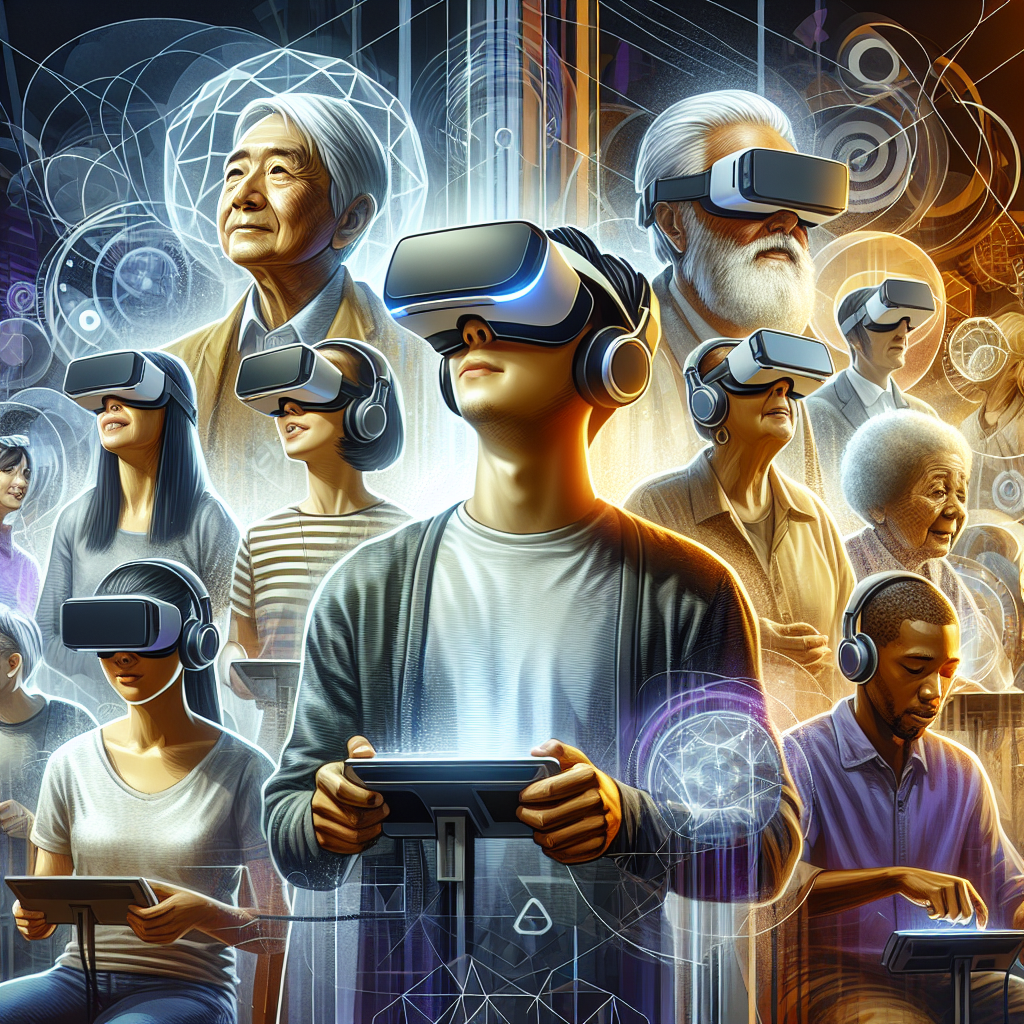
In an era defined by rapid technological advancements, Virtual Reality (VR) installations have emerged as a transformative medium for engaging audiences. Blending art, technology, and storytelling, VR offers immersive experiences that captivate participants in ways traditional art forms cannot. From museums and galleries to public spaces and interactive exhibitions, the integration of VR is reshaping how audiences interact with art and each other.
The Evolution of Virtual Reality in Art
While the concept of virtual reality dates back to the mid-20th century, it has gained traction in the art world over the last two decades. The evolution from rudimentary simulations to sophisticated immersive environments has opened new frontiers for artists and curators. Early implementations were often gimmicky, but today’s VR installations are meticulously crafted works of art that leverage cutting-edge technology to enhance human experience.
Creating Immersive Experiences
Narrative-Driven Art
A significant aspect of engaging audiences through VR is the power of narrative. Artists now have the ability to create rich, multi-layered narratives that unfold in real-time. In a VR installation, participants can step into a story, making choices that influence their journey. This interactive storytelling format fosters a deeper emotional connection compared to passive viewing. For instance, works such as "The Night Cafe" allow participants to explore the immersive recreation of Vincent van Gogh’s famous painting, making the viewer an active participant in the narrative of art history.
Sensory Engagement
Virtual reality stimulates multiple senses, offering a unique layer of engagement. Artists can design environments that engage sight, sound, and even touch. Dynamic soundscapes enhance visual elements, creating a cohesive and immersive experience. Installations like "Tree" by Marshmallow Laser Feast invite users to embody a tree in a lifelike ecosystem, stimulating both auditory and visual senses, thereby elevating the audience’s empathetic understanding of nature.
Fostering Community and Collaboration
Shared Experiences
VR installations also foster communal interactions, allowing participants to share experiences in real-time. Multi-user VR formats enable groups to explore installations together, breaking the traditional solitary consumption of art. This collaborative experience can enhance social connections, as participants share reactions and interpretations, creating a dialogue around the art.
Artist-Audience Interaction
Additionally, VR offers new opportunities for interaction between artists and audiences. Live events, where artists guide participants through their installations, help establish a direct connection. This format humanizes the art-making process, allowing viewers to relate to the artist’s vision and intentions, making the experience richer and more personal.
Challenges and Considerations
Despite its potential, the integration of VR in art comes with challenges. Accessibility remains a crucial concern. Not every audience member may have the means to experience VR, and installations need to take into account different abilities and perspectives. Additionally, the technology itself can be a barrier; the complexity of VR devices may deter participation. Artists and curators must prioritize inclusivity, ensuring that experiences are accessible to a broad range of audiences.
The Future of VR in Interactive Art
As VR technology continues to advance, the possibilities for artistic expression become limitless. Future installations may integrate AI, enabling more personalized experiences that adapt to individual users. Mixed-reality installations that combine both the virtual and physical worlds could further revolutionize how we interact with art.
Moreover, as society places increasing value on experiential learning, VR art installations can serve as educational tools, allowing users to explore histories, cultures, and concepts in an engaging way. Museums and educational institutions are beginning to embrace this potential, creating opportunities for augmented learning experiences.
Conclusion
The art of interaction through virtual reality installations transcends mere entertainment; it offers profound opportunities for connection, understanding, and engagement. By pushing the boundaries of traditional art forms and fostering immersive experiences, artists are not only creating new ways to experience art but also inviting audiences to partake in the creation of meaning. As VR technology evolves, the future of art and audience engagement promises to be as immersive as it is transformative. Through this innovative medium, the dialogue between art and audience is no longer one-sided—it has become a vivid, interactive conversation in a boundless virtual landscape.


