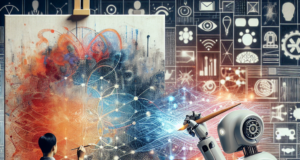
In a rapidly-evolving digital age, the intersection of technology and artistic expression has never been more dynamic. Interactive art, a genre that invites audience participation and engagement, serves as a captivating illustration of this fusion. From immersive installations to augmented reality experiences, a new wave of artists, technologists, and designers are pioneering innovations that challenge traditional boundaries and redefine creativity. This article spotlights some key figures leading the charge in interactive art, showcasing their groundbreaking work and the impact they have on both the art world and beyond.
The Visionaries of Interactive Art
1. TeamLab: Bridging Nature and Technology
Originating in Japan, the collective TeamLab has garnered international acclaim for its stunning digital installations that fuse art, technology, and nature. Known for their immersive exhibitions, such as "Borderless," TeamLab transforms physical spaces into interactive landscapes, where viewers can influence the environment around them through movement and touch. The experience is a seamless blend of art and technology, where participants feel connected to the world in a unique, real-time interplay.
2. Ryoji Ikeda: Exploring the Aesthetics of Data
Japanese artist Ryoji Ikeda is at the forefront of using data as an artistic medium. His work challenges viewers to perceive the unseen: the sheer volume and beauty hidden within digital and scientific data. Through installations like “data.scan” and “test pattern,” Ikeda invites the audience into a sensory experience, allowing them to interact with the numerical world that typically remains invisible. By transforming raw data into immersive audiovisual experiences, Ikeda not only elevates the aesthetic potential of data but also provokes deeper reflections on the nature of information in our lives.
3. Neri Oxman: The Intersection of Nature and Technology
Architect and designer Neri Oxman is renowned for her work in materials science, where she employs cutting-edge technology to create living installations. Her approach, termed "Material Ecology," advocates for designs that draw inspiration from biological processes. At the intersection of art, science, and design, Oxman’s projects often invite interactive engagement, allowing users to witness the transformation and evolution of materials in real-time. Her work not only stimulates curiosity but also prompts conversations about sustainability and the future of our built environment.
4. Marina Abramović: The Pioneer of Performance and Immersive Art
While primarily known for her pioneering role in performance art, Marina Abramović has revolutionized the interactive experience by inviting audiences to engage with her works on a personal level. Her recent piece, “The 7 Deaths of Maria Callas,” combines elements of opera and performance to create an immersive narrative where viewers are encouraged to emotionally connect with the themes presented. By breaking down the barrier between artist and audience, Abramović has redefined the participatory structure of art.
Innovative Technologies Enhancing the Experience
1. Augmented Reality (AR) and Virtual Reality (VR)
Technologies like AR and VR have dramatically transformed how audiences interact with art. Artists can create immersive worlds that allow viewers to experience narratives in a deeply personal way. For instance, apps that utilize AR can overlay digital images onto real-world environments, making exhibitions more vibrant and interactive. These technologies not only enhance engagement but also democratize art by making it accessible to a wider audience.
2. Artificial Intelligence (AI)
AI is increasingly becoming a collaborator in the creative process. Artists are using algorithms to generate unique pieces of art, creating an entirely new genre that combines human creativity with machine learning. This partnership raises questions about authorship and creativity, opening up exciting avenues for discussion and exploration in the art community.
3. Biometric Technology
Some interactive art pioneers are exploring biometric technology to engage viewers on a physiological level. By integrating sensors that respond to heart rates, brainwaves, or even movements, installations can adapt and transform based on the audience’s emotional state. This level of intimacy not only creates a unique experience for each participant but also deepens our understanding of the relationship between art and human emotions.
Conclusion
The pioneers of interactive art are not merely creating experiences; they are challenging us to reconsider the role of technology in our lives and the ways we connect with art. By inviting participation and engagement, they bridge the gap between creator and viewer, transforming art from a passive observation into an immersive journey. As artists continue to innovate at the intersection of technology and talent, the possibilities for interactive art are boundless, promising to shape not only the future of artistic expression but also our collective experience of the world.