

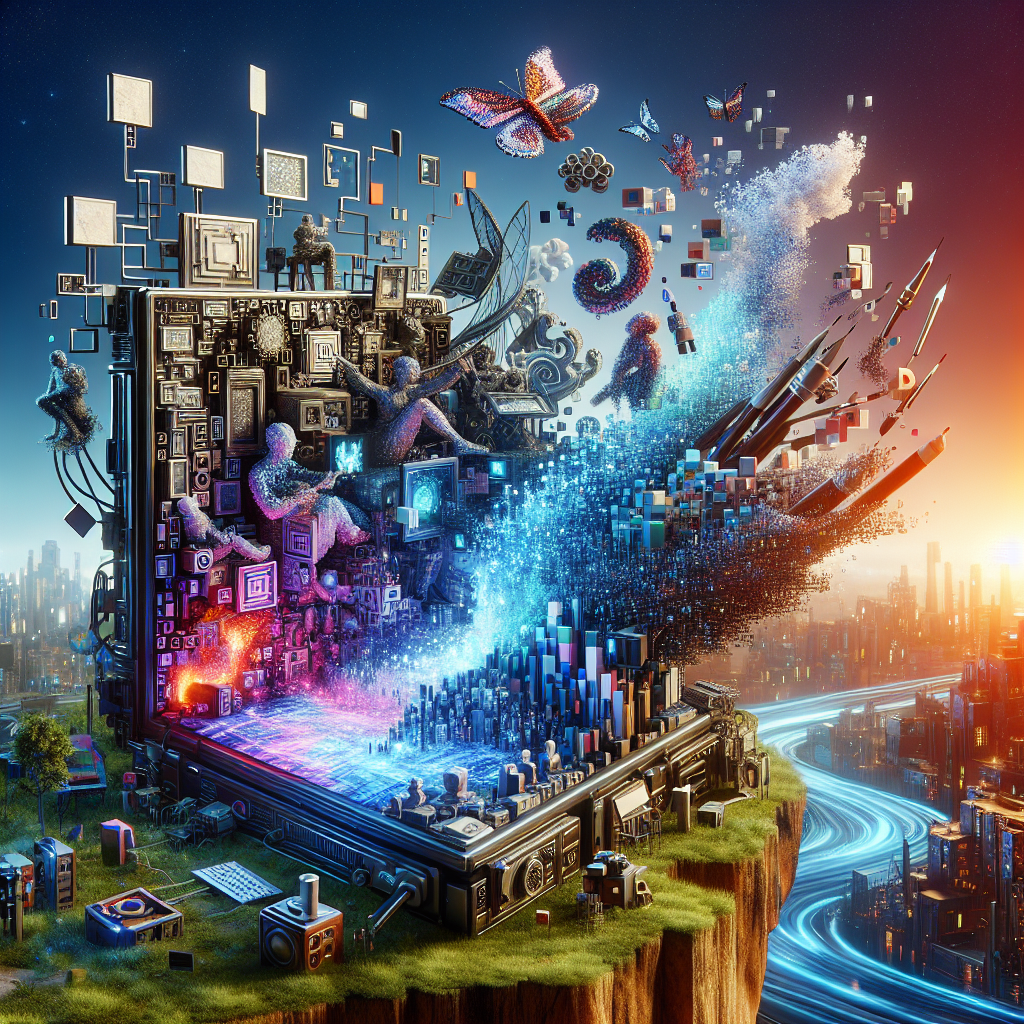
In an era where technology permeates every aspect of our lives, it’s no surprise that the art world is undergoing a dramatic transformation. From virtual reality (VR) installations to algorithm-generated masterpieces, the fusion of technology and creativity is giving rise to a new movement: Tech-Infused Art. This article explores the innovative methods, tools, and philosophies shaping the landscape of digital creativity.
The Intersection of Art and Technology
Art has always been a reflection of society, capturing the zeitgeist of its time. The current landscape is no different. As digital technologies evolve, artists are finding new ways to express their visions. This partnership has birthed various forms of tech-infused art, including:
- Digital Paintings: Artists utilize software like Adobe Photoshop or Procreate to create stunning visuals that blur the lines between traditional and digital art.
- Generative Art: Using algorithms and code, artists create evolving works that can sometimes surprise even the creator.
- Interactive Installations: Exhibitions that engage audiences through touch or movement, often enhanced by technologies like motion sensors and augmented reality (AR).
Tools and Technologies Shaping Digital Creativity
The toolkit available to today’s artists is expansive and ever-changing. Here’s a look at some key technologies driving the evolution of tech-infused art:
-
Virtual and Augmented Reality: Platforms like Oculus Rift and Microsoft HoloLens allow artists to create immersive experiences. Viewers can step into a digital world, interacting with art in ways that were previously unimaginable.
-
Artificial Intelligence: AI is being used to generate patterns, enhance images, and even create entire pieces of art. Tools like DeepArt and DALL-E open conversations about authorship and the role of the artist in the creative process.
-
3D Printing: This technology enables artists to transform digital designs into tangible sculptures. It allows for intricate designs that would be challenging to achieve through traditional sculpting methods.
-
Blockchain and NFTs: Non-fungible tokens have revolutionized the way art is bought and sold. Artists can tokenize their work, providing proof of ownership and authenticity while also opening new revenue streams.
The Impact on Artistic Expression
Tech-infused art is not just about new tools; it also redefines the very notion of creativity. Here are some ways in which technology influences artistic expression:
-
Accessibility: Digital tools lower the barriers to entry. Aspiring artists no longer need access to expensive materials or studios; they can create on their laptops or tablets from anywhere.
-
Collaboration: Technology fosters collaboration across disciplines. Artists can work alongside programmers, engineers, and designers, leading to innovative projects that combine multiple skill sets.
-
Global Reach: Digital art can be shared instantly online, allowing artists to reach global audiences without the constraints of physical galleries. This democratizes art, breaking down geographical and economic barriers.
Challenges and Criticisms
While the integration of technology in art presents exciting possibilities, it also comes with challenges:
-
Authenticity: The rise of AI-generated art has sparked debates over what constitutes "real" art and whether human touch is necessary for authenticity.
-
Over-saturation: The accessibility of digital tools can lead to an overwhelming amount of content, making it difficult for individual artists to stand out.
-
Monetization: Questions about how artists can fairly monetize their digital creations continue to drive discussions within the art community.
Looking Ahead
The future of tech-infused art is as bright as it is unpredictable. As technology continues to evolve, artists will find new mediums and methods to express their visions. Collaborations between artists and technologists will likely yield innovative forms of art that challenge our understanding of creativity.
In this thrilling confluence of creativity and technology, one thing is clear: the art world is changing. As boundaries dissolve and new possibilities emerge, the dialogue surrounding art, technology, and their intersections will only continue to deepen, fueling a vibrant and dynamic ecosystem of digital creativity.
Conclusion
Tech-infused art represents a thrilling frontier, where creativity knows no limits. By harnessing technology, artists are not only redefining their own practice but also challenging audiences to reconsider what art can be. As we move forward, embracing this fusion of art and technology promises to unveil a future rich with innovation and inspiration.


