

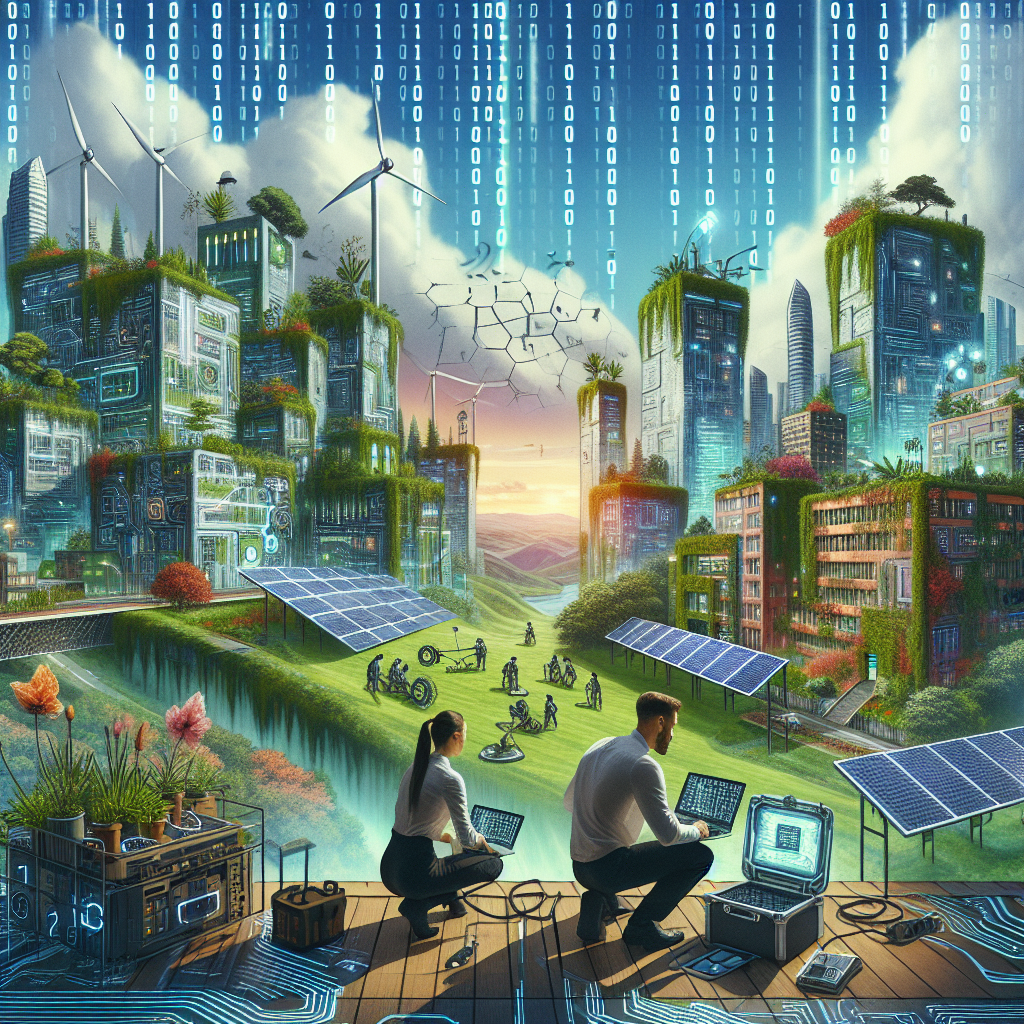
In 2025, the intersection of technology, art, and sustainability is more vibrant than ever, giving rise to a movement known as "Sustainable Tech Art." This innovative fusion reflects a growing commitment toward ecological stewardship while celebrating creativity and cutting-edge technology. Artists, engineers, and environmentalists converge to create works that not only captivate the senses but also inspire dialogue about our planet’s future.
The Rise of Eco-Consciousness
As climate change, pollution, and resource depletion become increasingly pressing global issues, there is an urgent need for solutions that balance creativity with environmental responsibility. Sustainable Tech Art emerges as a response to this need, using art to engage audiences and raise awareness about the importance of preserving our planet.
In the last few years, this genre has gained momentum, attracting a diverse range of influencers from various sectors. Artists are not only creating aesthetically pleasing works but also incorporating eco-friendly materials, renewable energy sources, and digital technologies such as AI and VR in their projects.
Innovation through Collaboration
One of the defining characteristics of Sustainable Tech Art is collaboration. Artists are working hand-in-hand with scientists, engineers, and environmental activists to push the boundaries of what art can achieve. In 2025, we see community-driven projects, multi-disciplinary initiatives, and hybrid creations that challenge traditional art forms.
For instance, installations that convert kinetic energy into visual displays or sculptures made from reclaimed materials not only serve as artistic expressions but also demonstrate sustainable engineering practices. Such collaborations highlight the potential for art to serve as a catalyst for change, raising awareness and inspiring action in viewers.
Key Trends Shaping Sustainable Tech Art
1. Biomimicry and Nature-Inspired Design
Artists are drawing inspiration from nature, implementing biomimicry techniques that mimic natural processes. Projects like self-watering gardens or installations that absorb CO2 not only serve aesthetic purposes but also contribute positively to local ecosystems.
2. Digital Art and Augmented Reality
As technology continues to evolve, artists are leveraging digital platforms for eco-conscious storytelling. Augmented reality (AR) is becoming a popular medium, allowing viewers to experience environmental narratives that educate and inspire action without the need for physical materials.
3. Interactive Installations
Interactivity is a crucial component of Sustainable Tech Art. Installations that respond to audience participation, like those powered by solar energy or those that use motion sensors to adapt their displays, create immersive experiences that engage viewers on multiple levels.
4. Upcycled Materials
A growing trend in Sustainable Tech Art is the use of upcycled materials. Artists are creatively repurposing discarded items like plastics, electronics, and textiles to produce visually stunning works that highlight the importance of waste reduction and recycling.
Cultural Impact and Community Engagement
The impact of Sustainable Tech Art goes beyond aesthetics; it fosters community engagement and dialogue. Many artists are using their platforms to educate the public about sustainability issues, often collaborating with local organizations to address specific environmental challenges in their communities.
Exhibitions and workshops centered around Sustainable Tech Art serve as venues for knowledge exchange, bringing together a diverse audience—artists, scientists, students, and activists. These gatherings cultivate a sense of community and shared responsibility toward the environment, encouraging attendees to rethink their relationship with art and nature.
Looking Ahead: The Future of Sustainable Tech Art
As we look to the future, the potential for Sustainable Tech Art will only expand. With advancements in technology, greater awareness of environmental issues, and a collective push toward a sustainable future, this art form is poised to redefine how we perceive creativity.
Governments, cultural institutions, and private organizations are beginning to recognize the importance of supporting sustainable practices in art. Grants, awards, and residencies focusing on eco-friendly projects are increasingly common, encouraging artists to explore innovative avenues while making a positive impact.
In conclusion, Sustainable Tech Art stands as a testament to the power of creativity in the face of environmental challenges. By merging eco-consciousness with innovation, artists are not only reshaping the art world but also fostering a movement that inspires us to protect and cherish our planet. As we move forward, it becomes clear that art has a pivotal role in shaping a sustainable future, and the possibilities are limited only by our imagination.


