

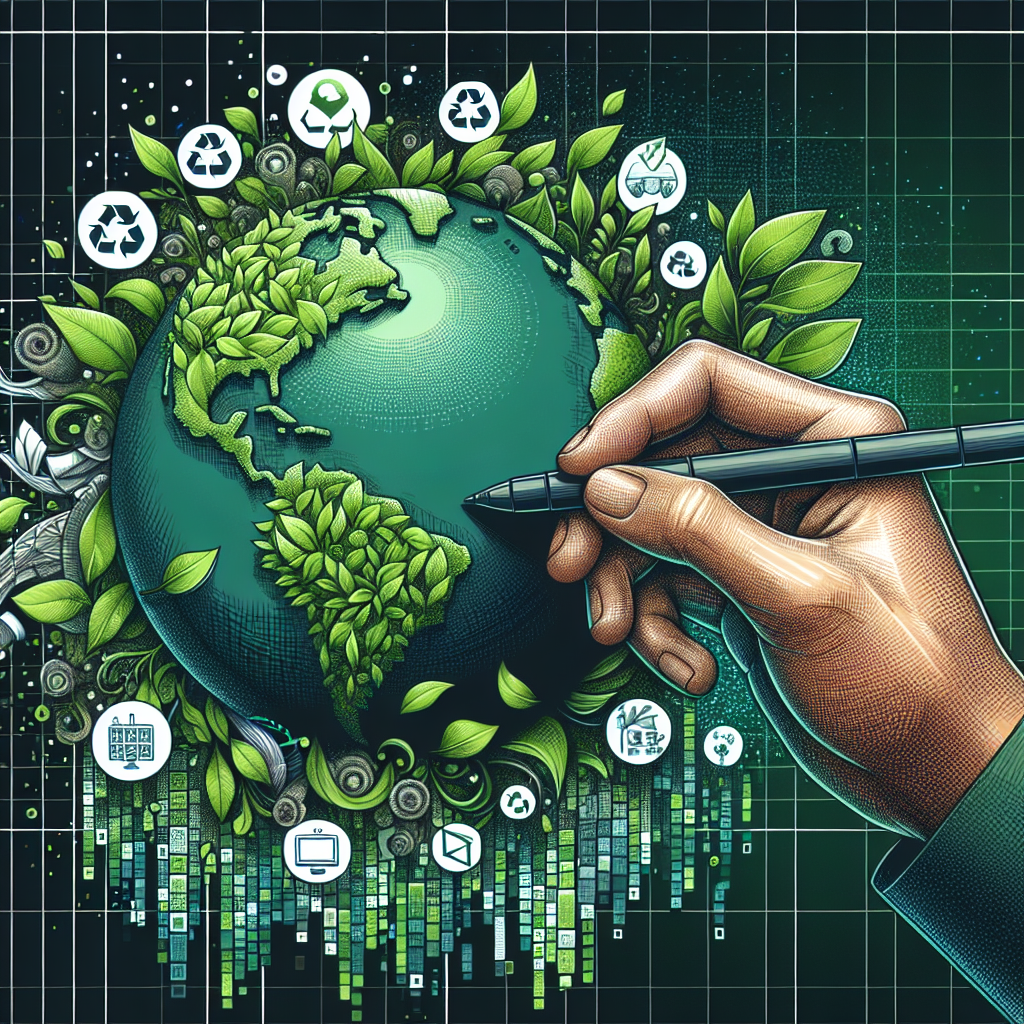
In an era where environmental concerns are reaching critical points, the integration of sustainability within the arts is becoming increasingly significant. Digital art, leveraging technology’s vast potential, offers unique opportunities for artists to create and distribute their work sustainably. This article explores eco-friendly practices in the creation and distribution of digital art, highlighting how artists can contribute to a greener future while expanding their creative horizons.
The Intersection of Digital Art and Sustainability
Digital art refers to any artistic work created using digital technology. With its rise in popularity, particularly in the last few decades, digital art has revolutionized the traditional art landscape. Unlike physical artworks that often require extensive resources for materials and transportation, digital art can be produced, shared, and preserved with significantly lower ecological footprints.
Eco-Friendly Creation Practices
-
Reducing Material Waste
Digital artists inherently minimize waste compared to their traditional counterparts. They no longer require canvases, paints, or other physical materials that contribute to environmental degradation. By using software tools, they can experiment and create infinitely without the logistical constraints of physical supplies. -
Energy-Efficient Hardware
The choice of hardware plays a crucial role in sustainable digital art practices. Artists can invest in energy-efficient devices or use older hardware for longer, thereby reducing electronic waste. Additionally, choosing to work on laptops instead of desktop computers can cut down overall energy consumption. -
Utilizing Eco-Friendly Software
Many software programs focus on sustainability by offering cloud-based solutions that optimize energy use. Artists can also explore open-source programs that reduce dependency on commercial software, thereby supporting a more sustainable digital ecosystem.
Sustainable Distribution Methods
-
Digital Galleries and Platforms
The online showcase of art eliminates the need for physical galleries, cutting down on the carbon footprint associated with transporting artworks. Artists can use platforms like DeviantArt, Behance, or even social media to share their work globally from the comfort of home. -
Print on Demand and Eco-Printing Solutions
For artists who want to offer physical prints, print-on-demand services provide a sustainable alternative to mass production, reducing inventory waste. Many companies now offer eco-friendly printing options, using recycled materials and non-toxic inks. -
Carbon-Neutral Distribution
Whether through art sales or online exhibitions, digital transactions can challenge conventional emissions associated with shipping physical artworks. Artists and curators can partner with carbon-neutral shipping providers to offset emissions generated from transporting products.
Community Engagement and Education
Promoting sustainable practices within the digital art community is paramount. Artists can participate in or initiate workshops focused on eco-friendly digital art techniques, share resources on sustainable practices through blogs or social media, and engage with audiences about the importance of sustainability in art.
Participating in Green Initiatives
Many art events and festivals are establishing eco-friendly initiatives. By participating, digital artists can showcase their commitment to sustainability and inspire others to consider their environmental impact. Collaborations with environmental organizations can also amplify these efforts, creating a cohesive push towards a sustainable future in the arts.
The Role of Art in Advocacy
Digital art has a powerful voice in advocating for sustainability. Artists can address climate change, environmental activism, and social responsibility through their work. By incorporating themes that prompt awareness and discussion, digital artworks can become catalysts for change, inspiring viewers to adopt sustainable practices in their own lives.
Conclusion
As technology continues to intertwine with creative expression, the potential for digital art to pioneer sustainable practices is immense. By prioritizing eco-friendly methods in creation and distribution, artists can reduce their ecological footprints while enriching the cultural landscape. In embracing sustainability, the digital art community not only diversifies its practices but also contributes to the global effort of creating a healthier planet for future generations. Embracing these eco-friendly practices can transform digital art from a reflection of contemporary culture to an active agent for environmental change.


