The AI in wound care market is Valued USD 612.3 Million in 2023 and projected to reach USD 3.13 Billion by 2032, growing at a CAGR of 24.05 % During the Forecast period of 2025-2032.
The Latest Market Research report on “Global AI in wound care Market Report 2025 – Future Opportunities, Latest Trends, In-Depth Analysis, and Forecast to 2032” provides strategic insights into the global AI in wound care market, including market size estimates (Volume – Million Units, Revenue – US$ Billion) for the period 2025 to 2032. This comprehensive study analyzes multiple market segments based on type and application, while also exploring different geographical regions. Additionally, the report features competitive profiling of leading AI in wound care vendors, highlighting their latest advancements.
The study not only examines current market trends but also forecasts future trends that will shape demand. Year-on-year growth rates are provided for each market segment. Moreover, the report evaluates the production landscape, covering raw material costs, technology expenses, labor costs, and overall cost analysis for the AI in wound care market.
Get | Download Sample Copy with TOC, Graphs & List of Figures @
https://www.marketdigits.com/request/sample/4844
Key Companies & Market Insights
Companies are implementing various strategies, such as strategic alliances, market forecast, partnerships, mergers and acquisitions, geographical expansion, and product/service launches, to enhance their presence in the industry.
eKare, Healthy.io, Kronikare, Intellicure, Spectral AI, Perceptive Solutions, Swift Medical, The Wound Pros, Tissue Analytics, Wound Vision and s. Market players are focusing on product advancements, such as user-friendly designs. and Other…
Market Dynamics
Drivers:
Advancements in AI and machine learning: AI and machine learning technologies are enabling faster, more accurate diagnosis and treatment recommendations for wounds.Increasing chronic disease prevalence: The rise of chronic conditions like diabetes, which often result in chronic wounds, is driving the need for innovative wound care solutions.Telemedicine growth: The adoption of telemedicine has increased the demand for AI-driven wound care tools that allow for remote monitoring and diagnosis.
Restraints:
Regulatory hurdles: AI solutions in healthcare must adhere to strict regulatory standards, which can slow development and deployment.Cost and accessibility: The adoption of AI-based wound care may be limited by the costs of technology and the need for specialized infrastructure.
Challenges:
Data privacy concerns: The handling of sensitive patient data, especially with AI applications, raises privacy concerns that must be addressed with robust data protection protocols.Integration with existing healthcare systems: Incorporating AI-driven tools into existing wound care practices and medical records systems can be challenging.
Opportunities:
AI-powered diagnostics: AI can help improve wound care by automating assessments, suggesting treatment plans, and predicting healing outcomes, improving the efficiency of wound care teams.Remote patient monitoring: AI can enhance wound care management by enabling continuous, remote monitoring of patients’ conditions and offering personalized treatment plans.
Market Digits Group provides an analysis of the key trends in each segment of the global AI in wound care market, along with forecasts at the global and regional levels from 2025-2032.
By Type of Wound:
Acute Wound
Chronic Wound
By Type of Acute Wound:
Burns
Surgical Site Infections
Others
By Type of Chronic Wound:
Pressure Ulcers
Venous Ulcers
Diabetic Ulcers
Others
By End-User:
Clinical Trial and Research Centers
Home Health Agencies
Hospitals
Nursing Facilities
Others
Purchase Now Up to 30% Discount on This Premium Report @
https://www.marketdigits.com/checkout/4844?lic=s
Report Content Brief:
– High-level analysis of the current and future AI in wound care Market trends and opportunities
– Detailed analysis of current market drivers, restraining factors, and opportunities in the future
– AI in wound care Market historical market size for the year 2020, and forecast from 2025 to 2032
– AI in wound care Market share analysis at each product level
– Competitor analysis with detailed insight into its product segment, Government & Defense strength, and strategies adopted.
– Identifies key strategies adopted including product launches and developments, mergers and acquisitions, joint ventures, collaborations, and partnerships as well as funding taken and investment done, among others.
– To identify and understand the various factors involved in the global AI in wound care Market affected by the pandemic
– To provide a detailed insight into the major companies operating in the market. The profiling will include the Government & Defense health of the company’s past 2-3 years with segmental and regional revenue breakup, product offering, recent developments, SWOT analysis, and key strategies.
Founded in 2015, MarketDigits Consulting & Advisory Pvt Ltd is a leading business research and consulting firm. Our mission is to empower clients by identifying emerging opportunities and driving revenue growth across industries. We specialize in providing comprehensive market insights, advanced technology solutions, and actionable strategies that support operational and strategic decision-making.
With a focus on the full value chain, our expert team delivers high-quality syndicate research reports, proprietary databases, and consulting services to help clients navigate today’s competitive and dynamic business environment. At MarketDigits, we use advanced analysis to uncover profitable opportunities, enabling businesses to make smart decisions and achieve sustainable success.
Contact Us:
+1 510-730-3200 | +1 276-206-2055
sales@marketdigits.com
1248 CarMia Way Richmond
VA 23235, United States
This release was published on openPR.
About Web3Wire Web3Wire – Information, news, press releases, events and research articles about Web3, Metaverse, Blockchain, Artificial Intelligence, Cryptocurrencies, Decentralized Finance, NFTs and Gaming. Visit Web3Wire for Web3 News and Events, Block3Wire for the latest Blockchain news and Meta3Wire to stay updated with Metaverse News.
In the age of artificial intelligence, it’s easy to believe that our digital world operates without consequence. You tap a screen, prompt an AI to generate music or text, or upload a photo to the cloud, and it all just works—seamlessly, invisibly.
But behind this frictionless user experience lies an immense physical infrastructure with very real energy demands. A growing number of experts are sounding the alarm: the convenience of our digital era is coming at a steep environmental cost, one we can no longer afford to ignore.
The Alarming Forecast
A recent report by the International Energy Agency (IEA) warns that by 2030, energy consumption from data centers is projected to quadruple. The reason? The rapid growth of AI, cloud computing, and blockchain systems.
What sounds like a technical forecast has real-world implications. If these trends continue, AI and associated digital infrastructures could soon consume more electricity than entire countries. And this isn’t a distant future scenario — it’s already starting to play out.
In Ireland, data centers currently account for nearly 20% of the country’s total electricity usage — a staggering figure that’s rising fast. Countries like the Netherlands and Germany are grappling with similar questions: Should precious power be reserved for residential neighborhoods and farms, or diverted to server farms training large language models?
Why AI Is So Power-Hungry
Much of this surge in energy use stems from the scale of modern AI. Running advanced AI models doesn’t just mean writing more code — it means operating enormous fleets of hardware. Specialized GPUs process massive volumes of data 24/7. These machines require continuous cooling, maintenance, and, above all, power.
Even seemingly simple tasks — like asking a chatbot to summarize an article — consume significantly more energy than a standard web search. Now multiply that by the billions of daily queries, and it’s easy to see how quickly this demand escalates.
Yet the energy cost remains largely hidden from users. There’s no smoke, no noise, no visible infrastructure when you use a cloud service or chat with an AI. But the carbon emissions are very real, and the implications are global.
The Problem with Centralized Infrastructure
At the root of this crisis is the way we’ve built the modern internet. Most of today’s infrastructure is centralized — vast, power-hungry data centers located in a few select areas, owned and operated by a handful of corporations.
This centralization introduces several vulnerabilities:
Energy strain on local grids: As seen in Ireland, local energy supplies are being overwhelmed by data centers.
Geopolitical risk: A power failure or policy change in one location can disrupt services globally.
Loss of sovereignty and resilience: When most of the world’s digital infrastructure is controlled by a few entities, communities lose control over their own data, costs, and access.
It’s not just an environmental issue — it’s a question of governance, resilience, and digital autonomy.
The False Promise of Efficiency Alone
To their credit, some large tech companies are trying to address these issues. They’re investing in renewable energy sources, designing more energy-efficient chips, and improving cooling technologies.
But these efforts are fundamentally incremental. We cannot efficiency our way out of a broken model. The reality is that stacking more servers and deploying more solar panels doesn’t solve the deeper problem of overconsumption and centralization.
What we need is a paradigm shift — a rethinking of how we design, power, and govern our digital infrastructure.
A New Approach: Distributed, Not Centralized
One promising alternative lies in distributed infrastructure. Instead of building more centralized mega-facilities, what if we tapped into the underutilized resources already around us?
That’s the idea behind Spheron, a decentralized compute network that turns idle devices into active participants in the cloud. Think gaming PCs, unused laptops, and dormant workstation machines with powerful chips sitting idle for hours each day. Instead of letting them gather dust, Spheron transforms them into micro data centers that support real-world workloads.
The advantages of this model are profound:
Lower environmental impact: No need to build new facilities or drain national grids.
Greater resilience: The network isn’t reliant on a few massive locations.
Community-driven: People can directly contribute to and benefit from the infrastructure they use.
Energy localization: Computation happens closer to where it’s needed, reducing transmission loss and improving efficiency.
This isn’t just a technical solution, it’s a reimagination of the internet itself. A move away from centralized, extractive systems toward distributed, participatory networks.
The Bigger Picture: Sustainability and Trust
We often talk about the importance of energy efficiency in technology. But resilience may matter even more. Resilience means designing systems that adapt to demand, withstand shocks, and evolve with the communities they serve.
And that requires more than engineering. It demands a new philosophy — one that sees sustainability not as a feature, but as a foundation. One that prioritizes transparency, participation, and shared ownership.
This is the vision Hivenet is betting on: a future where the cloud is powered by people, not just corporations. Where data lives closer to the users who generate it. Where digital infrastructure is both environmentally and socially sustainable.
A Fork in the Road
We are not facing a doomsday scenario yet, but we are at a critical inflection point. The digital systems we build today will shape tomorrow’s energy footprint, accessibility, and resilience.
We have the tools to chart a better course. The question is whether we have the will to use them. Let’s move beyond the idea that more compute equals more progress. Let’s build networks that are smarter, more equitable, and more sustainable — by design.
If we want to create a lasting digital future, it shouldn’t be one powered by black-box data centers and unchecked consumption.
It should be something transparent. Something adaptable. Something shared.
This post contains spoilers for “The Last of Us” video game series and its HBO adaptation.
Season 2 of “The Last of Us” has already ventured past its point of no return with the heartbreaking gut-punch that is Joel’s (Pedro Pascal) death. The latest episode maps the aftermath of the incident after a three-month jump, where both Ellie (Bella Ramsey) and Dina (Isabela Merced) are determined to avenge Joel, no matter the cost. While episode 3 acts as a necessary buffer between the intense trauma of losing Joel and the fresh hells that are about to be unleashed, we are also introduced to a new group trying to survive the apocalypse. At first glance, they seem like a religious community moving across Seattle to evade the infected, but their presence in the episode sets the foundation for one of the most antagonistic groups that inhabit the world of “The Last of Us”: The Seraphites.
Advertisement
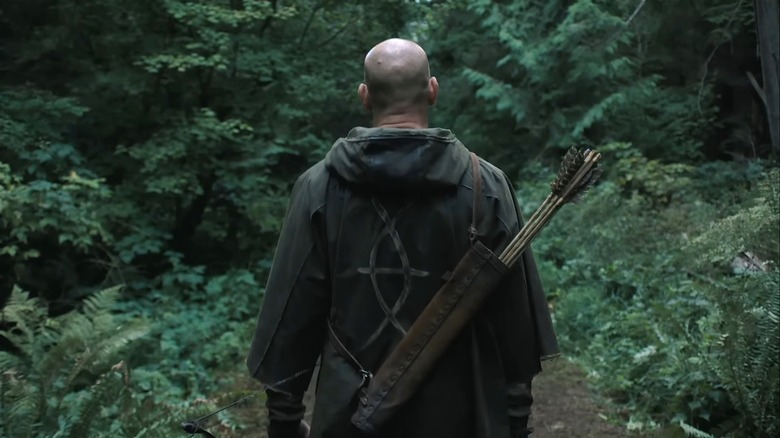
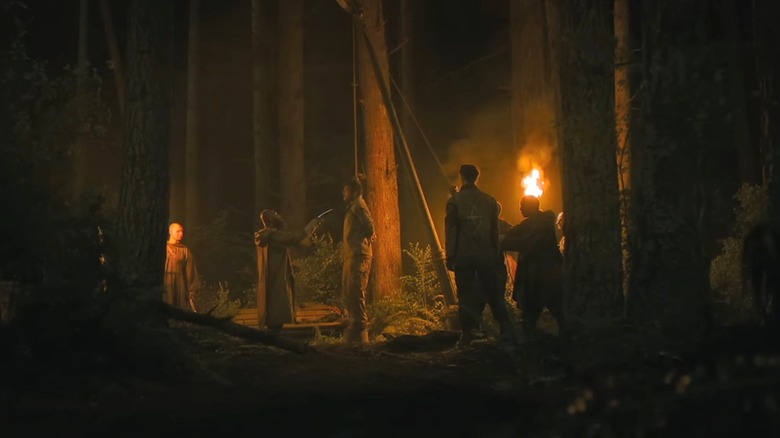
In Naughty Dog’s “The Last of Us Part II,” players can hear the Seraphites even before they’re presented onscreen, thanks to a string of eerie whistling sounds that the group uses to communicate over distances. Also known as the Scars (every member sports a scar on each cheek), the Seraphites often use coded whistling to get the upper hand in fights where the odds are stacked against them. It becomes difficult to predict an enemy that disorients you from the get-go, making it easy for them to flank lone targets or promptly take down groups of two. The latest episode employs the group’s coded whistling to warn them of incoming danger, but the wandering collective (which also included children) is brutally killed by another warring faction (who haven’t been specified yet).
Advertisement
Although the episode frames the Seraphites and their mysterious ways as harmless, they’ll soon strike back and make their vicious presence felt across the highly coveted state of Seattle. Let’s learn more about this antagonistic faction from “The Last of Us Part II,” gauge their motivations, and speculate on the role they might end up playing in the HBO adaptation.
The Seraphites started off as a relatively peaceful community after the outbreak
HBO
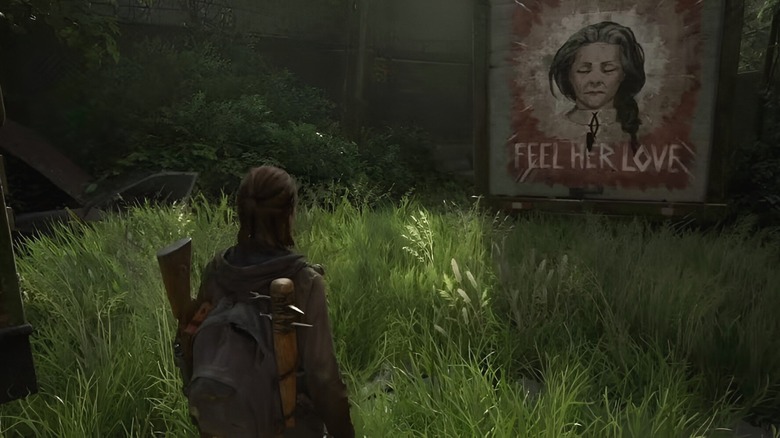
It’s time to dive into some in-game lore and go back in time to a few years after the outbreak. Between 2013 and 2014, the Seraphites were formed under the leadership of a woman who (supposedly) had a spiritual vision that could help humans rebuild civilization on a grander scale. This woman, later dubbed the Prophet (more on her later), wrote hopeful sermons that promised the birth of a new world, while urging her followers to strive for peaceful co-existence with fellow humans.
Advertisement
You might already be aware of the escalating tensions between the Federal Disaster Response Agency (FEDRA) and the Washington Liberation Front (WLF) during the apocalypse, which often led to casualties on both sides. The Prophet, however, was content with etching out an isolated community of Seraphites on an island in Seattle; she was reluctant to be part of such violent clashes that would distract her people from their primitivist way of life. However, circumstantial clashes with both FEDRA and WLF eventually warped what the Prophet stood for, and the Seraphites soon realized that they needed to adopt a brutal, violence-first stance to survive in such an unpredictable world.
Although the group’s roots were relatively peaceful, their core belief systems always hid a kernel of fanaticism, which only grew over time. What was once a community that sought to be independent and self-sufficient quickly evolved into a hateful, deeply violent group. Ellie’s first encounter with the Seraphites in “Part II” is ample proof of their ideological deterioration, as they don’t hesitate to pierce a young girl’s skin with an arrow and aggressively chase her with torchlights at night.
Advertisement
The conflict between Seraphites and WLF/FEDRA in The Last of Us, explained
HBO
Next, we need to understand why the Seraphites clashed with both FEDRA and WLF in “The Last of Us” and how these three-way clashes shaped a chunk of events in the video game. FEDRA first encountered the Seraphites in 2014, finding the small community on the brink of starvation. Although FEDRA tried to persuade them to relocate inside the quarantine zones, they refused, managing to survive this crisis (an incident that the group perceived as a miracle later on).
Advertisement
As time passed, WLF and FEDRA clashed repeatedly as both groups wished to control Seattle for its relatively lucrative location as a fortified city. Once FEDRA’s firm control over the city loosened, the Seraphites moved into former military settlements, causing pre-existing residents to be wary of their increasingly extreme belief systems. This prompted the residents to ally with the WLF, who steadily grew in numbers and persecuted several Seraphites, including a raid in Hillcrest (a location that Ellie visits in the game). The island-like space that most Seraphites lived on transformed rapidly despite these attacks, as the community mostly focused on growing their own crops and recuperating from losses.
Advertisement
After a brief spell of peace, reality invaded, and the Seraphites had to gear themselves for inevitable clashes with the WLF. To counter such a threat, they assembled able-bodied fighters, set up patrols, and caught WLF soldiers off guard with their unique communication tactics. However, their primitive tools (as opposed to the military-grade weapons used by the WLF) were not enough to protect their community, leading to droves of Seraphites dying due to this conflict. It is worth noting that the group viewed these painful struggles as a part of a greater plan that would eventually facilitate their collective salvation.
Who is the Prophet mentioned by the Seraphite in The Last of Us season 2?
Naughty Dog
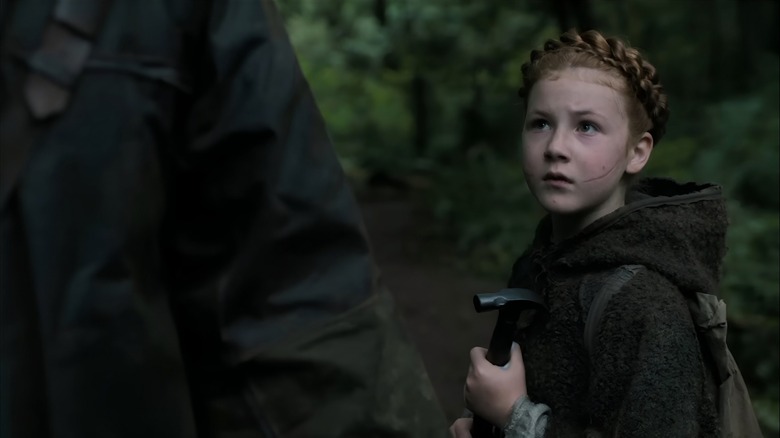
When the Seraphites are introduced in the HBO series, an elderly man speaks to a female child in the group and explains a few things to her. We learn that the travelling group does not have a set destination in mind, but their primary directive is to keep the teachings of the Prophet alive, as she is eternal. This unnamed figure is the same one who founded the religious faction, and the older man’s words denote that she is no longer alive, at least in the earthly realm. We know from the games that the WLF captured the Prophet at some point before “Part II,” and their leader, Isaac Dixon, eventually ordered her execution. Several WLF accounts about the Prophet point to the fact that her teachings impacted their guards to a great degree, and that her views concerning an egalitarian society weren’t as unsustainable as WLF propaganda painted them out to be.
Advertisement
“The Last of Us” season 2 has yet to delve into these complex circumstances, but we will likely be treated to a fleshed-out version of the conflicts that stretched over decades and culminated in the present. Although the Prophet is only ever mentioned in the game, season 2 might incorporate some flashbacks to offer a more tangible idea of her worldviews and how they shaped the Seraphites. As you can guess, her death was a turning point in Seraphite history, fueling their bloodthirsty approach to war and giving them a justification to hit back with lethal measures. This rage-fueled fighting spirit allowed them to take many WLF-controlled areas, and the attitude persisted over the decades.
As with most religious figures who establish a cult-like following, the Prophet was later treated as a martyr and a messiah, and her teachings began to be interpreted as tools to fight and win the war against enemies.
Advertisement
How the primitivist cult’s beliefs impact their arc throughout The Last of Us Part II
HBO
Episode 3 allows us a glimpse into the Seraphites’ way of existence, which paints them as a cult-like community who abide by the Prophet’s sermons and stick to primitive weapons like hammers and arrows. As evidenced by what happens later, these weapons are no match for guns, and even the timeliest whistled warnings cannot save such a vulnerable group from a brutal ambush. Part II grants us plenty of insight into the group’s collective mindset, including their belief that guns were part of the “old world,” which, by extension, was considered sinful. As the group aims to attain salvation and step into the new world, they shun these weapons and favor anything that can be forged without a machine.
Advertisement
However, these beliefs aren’t as steadfast as they seem, as the Seraphites often employed snipers (!) on higher floors to take out unsuspecting WLF patrollers, who believed that the group wouldn’t reject their Prophet’s sermons and use such “old world” weapons. From a neutral perspective, it is not hard to gauge why the Seraphites were willing to bend the rules, as circumstances demanded measures that would put them at an advantage, even though they were inferior both in terms of collective fighting tactics and numbers. With both factions eager for conflict, any attempts to broker peace didn’t last very long, leading to noxious cycles of death and conflict.
Moreover, the increasing clashes with the WLF only intensified the group’s devout fanaticism, as they wholeheartedly began to view their fight against the infected and the WLF as a divinely ordained test to attain salvation. In light of these extremist views that justified violent confrontations, the Prophet’s sermons about the society-shattering Cordyceps outbreak being wrought as punishment for humanity’s sins gained newfound significance. These evolving beliefs birthed new rituals, such as the scarification of those initiated to become soldiers, which was considered a rite of passage for every follower who devoted themselves to the Prophet’s cause.
Advertisement
What we can expect from the Seraphites in future episodes of the HBO adaptation
HBO
Although there’s a clear roadmap for the WLF-Seraphite conflict in the game, along with Ellie’s run-in with them in 2038, the HBO series might take significant liberties to heighten the stakes. The structure of a combat and exploration-heavy game allows us to piece together lore and navigate maps at our own pace, but a television series needs to more clearly knit events together to generate interest. It is worth noting that the events of “The Last of Us Part II” paint the Seraphites as the most vicious, as they successfully wipe out droves of WLF soldiers while dismembering their bodies in horrific ways. These events eventually connect their fates with Abby (Kaitlyn Dever) and her friends, who are inevitably linked to Ellie and Dina’s quest for revenge.
Advertisement
With this in mind, it is difficult to predict what directions the show might opt for, but episode 3 lays the groundwork for Ellie and Dina’s involvement with the Seraphite problem. The duo deduce that the roadside ambush might’ve been orchestrated by Abby’s group, which drives them further inside Seattle in search of clues that might grant them answers. Moreover, we know that Jeffrey Wright is portraying Isaac Dixon in the HBO series (Wright also provided the voice and motion-capture performance for the character in the game), which will undoubtedly set up storylines that will explore the nitty-gritties of WLF as a fringe group that suddenly rises to prominence in the city.
We can also expect violent clashes between the WLF and the Seraphites, where the latter manage to defeat military-trained soldiers through sheer grit (and the power of extremist ideologies) alone. Additionally, we might learn more about the Seraphites through prominent members featured in the game, such as Lev and Yara, giving us a more grounded understanding of how inter-faction conflicts doomed humanity instead of uniting them against a common enemy. But hey, these are just conjectures based on what happens in “Part II,” and HBO’s “The Last of Us” might switch things up for the better.
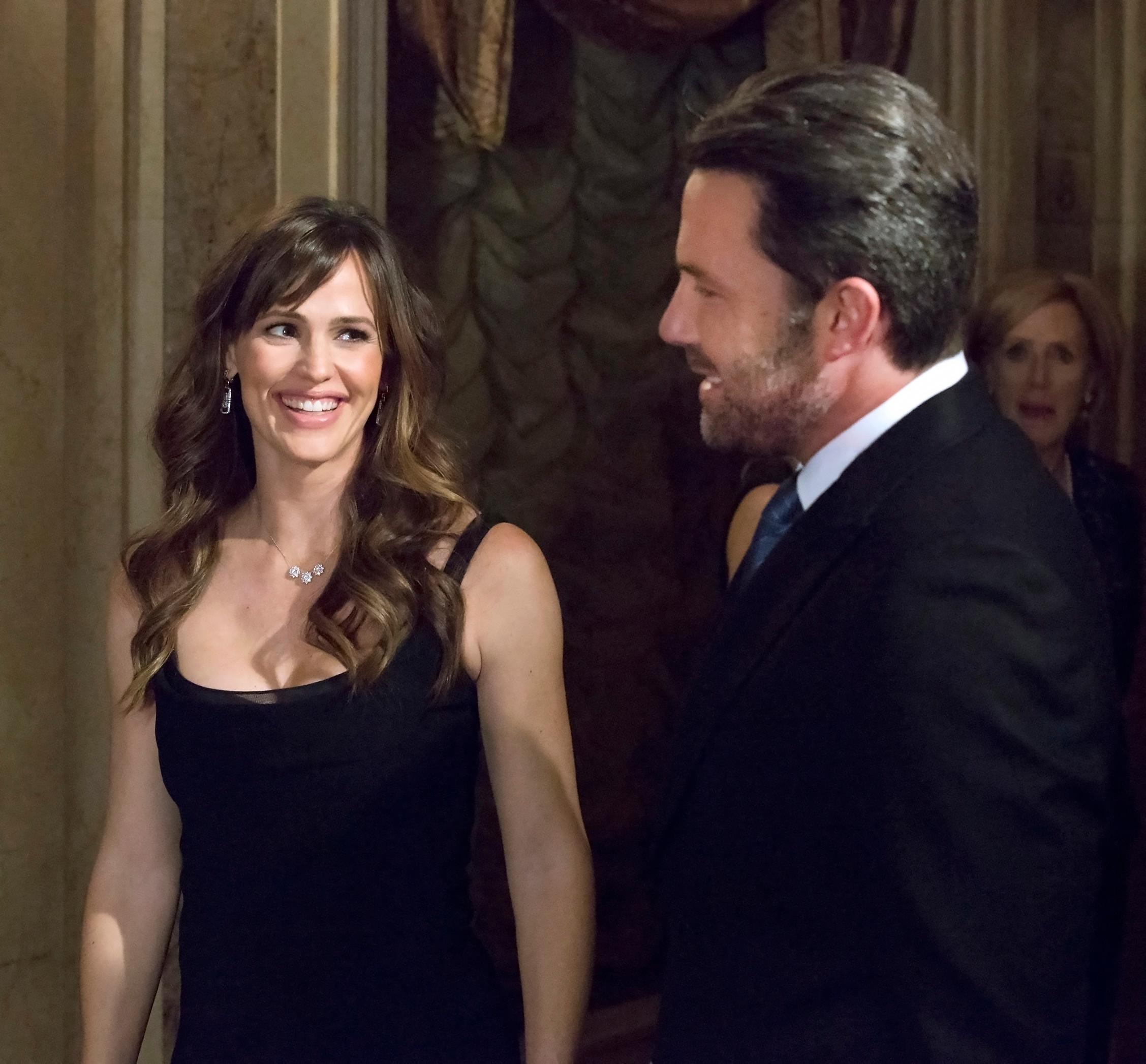
According to reports, John Miller, who has been in a long-term relationship with Garner, sees Affleck’s actions as a form of “meddling.”
He has reportedly asked Jennifer Garner to set clear boundaries with her co-parent and also had couples therapy with the actress to address Ben Affleck’s interference.
Article continues below advertisement
Jennifer Garner’s Boyfriend Is Reportedly Tired Of Ben Affleck’s ‘Meddling’
The celebrityfinder/MEGA
According to Radar Online, Affleck has been looking to co-star in a movie alongside his ex-wife Garner, with whom he co-parents their kids, Violet, 19, Seraphina [Fin], 16, and Samuel, 13.
The two previously shared the screen in the 2003 action movie, “Daredevil,” and Affleck is hoping to rekindle their working relationship.
However, Garner’s partner, Miller, is none too pleased with her ex-husband Affleck’s latest professional moves and is said to be “fuming.”
“John has just about had it with Ben’s meddling,” an insider said about Miller, who began dating Garner shortly after she divorced Affleck.
Due to their co-parenting arrangement and friendship, Affleck’s close relationship with Garner has already caused some problems in Miller’s relationship with the actress.
Article continues below advertisement
Insiders close to the couple previously told the news outlet that they were pushed into couples therapy because of her close ties with Affleck.
Miller also reportedly demanded that Garner establish clear boundaries with her ex-husband.
Article continues below advertisement
Jennifer Garner Has No Issues Working With Ben Affleck
MEGA
On a number of occasions, Affleck has been seen showering praise on Garner in interviews. Now, sources believe the actor’s lingering affection will make such a potential work relationship tough to balance for Garner.
“Ben makes it clear how much affection and admiration he still has for Jen as a mom, an actress, and even as a businesswoman,” a source told the outlet. “She’s good at just about everything and continues to be incredibly important to him.”
Despite the possibility of having to face awkward situations with Affleck if they work together, Garner is said not to see it as an issue, as she believes she can clearly set boundaries between them.
However, insiders don’t think Miller would be satisfied with just trusting Garner to do the right thing.
Article continues below advertisement
“For Jen, working with Ben’s studio would be a no-brainer. Even if Ben blurs the boundaries between them, she knows where to draw the line,” the source noted, adding, “But that’s likely not enough to keep John happy.”
Article continues below advertisement
The Actor Called His Ex-Wife Jennifer Garner A ‘Good Partner’
MEGA
One of the instances of Affleck praising Garner occurred during his recent GQ cover story. He described Garner as a solid “partner” whom he is grateful to have and emphasized how well they work together.
“I’m really lucky that I have a really good co-parent and partner in Jennifer Garner, the kids’ mom, who’s wonderful and great, and we work together well,” he told the outlet.
The actor also partly attributed the success of their parenting arrangement to how they have safeguarded their lives from the media and ensured that their kids are kept informed about everything they do.
“We used to have a thing, my ex-wife and I, when they would see something on a supermarket stand,” Affleck shared at the time, noting, “we would say, well, ‘You know this isn’t always true because if it were, you would have 15 brothers or sisters or whatever the number of stories is where they said that your mom was pregnant.'”
Article continues below advertisement
Ben Affleck And Jennifer Garner Are Not Rekindling Their Past Romance
The celebrityfinder/MEGA
Beyond Affleck praising Garner, the duo were recently seen engaging in a display of affection during a family outing.
The act involved Affleck casually wrapping his arm around Garner’s waist, which led to speculations that they might be considering getting back together.
However, the rumors were later slammed by sources close to Affleck, who deemed it “ridiculous.”
The sources also noted that the actor has no interest in rekindling his past romance with Garner, and that the pair are simply friends.
Jennifer Garner Is ‘Happy’ In Her Relationship With John Miller
MEGA
Reports also emerged revealing that Garner is “happy” with her current lover and has no intention of cutting ties with him to reconnect with Affleck.
“She’s happy with John, and that’s just not where her head is at,” an insider said about the actress, per the Daily Mail. “She has a great co-parenting relationship with Ben, and that’s where things stand on her end at the moment.”
Garner and Miller first connected in 2018 and began dating after she finalized her divorce from Affleck.
They split in late 2019 but reconnected in 2021, and since then, the couple’s relationship has blossomed.
Hey folks. Y’all feeling alright after last week’s harrowing episode of The Last of Us? Everybody have a productive therapy session to talk about your TV peepaw’s death? Alright, cool, because we’re gonna spend this week’s episode doing more therapy and leaning harder into the show’s worst tendencies. Strap in, folks. I’m about to start swinging.
4 Essential Tips to Survive Clair Obscur: Expedition 33’s Brutal First Hours
Post trauma
We open on the bloody aftermath of the battle in Jackson. Corpses, human and infected, are scattered across the small town. But the body we linger on didn’t come from the massive clash; it’s Joel’s. In a somber moment, Tommy (Gabriel Luna) comes to the morgue to see his big brother. He starts to clean his arm and sees the broken watch on his wrist. He gives his brother one more longing look and tells him to “give Sarah [his] love” before getting back to work.
Last week, I was admittedly pretty dismissive of some of these smaller added moments of grief the show adds to what was in The Last of Us Part II, the game on which this season is based. Ellie crawling to Joel’s body and cuddling up to him felt performative to me in the moment, and maybe that was more me reacting to the show’s broader lack of restraint than to the scene itself. But this scene with Tommy landed for me because we got remarkably little of Tommy’s grief in Part II, and because it wasn’t led up to by 10 minutes of monologuing and telling me what to feel. Tommy is speaking to Joel, not to the audience.
We then see a bustling hospital full of the injured from the battle. Ellie is also here after Manny kicked her in the chest and seemingly collapsed one of her lungs. She’s breathing weakly through a chest tube as she wakes, but immediately starts screaming as she remembers what Abby did to Joel until she’s sedated. Cut to credits.
We then jump forward to three months later. Things are warming up, and Jackson has made good progress rebuilding after the battle against the horde. Ellie, meanwhile, has also made good progress and is getting her final check-up with the doctors after her injuries. But she has to see one more person before she can leave the hospital: Gail (Catherine O’Hara).
As I said in the episode one recap, Gail is one of my least favorite additions in the show, not because O’Hara isn’t wonderful, but because she facilitates some of the show’s worst tendencies. Ellie, clearly telling Gail what she thinks she wants to hear, now unloads about how she misses Joel, laments that the “last time” they spoke was the New Year’s dance fiasco, and says that your final moments with someone shouldn’t define your life with them. Then when the conversation veers into when Joel supposedly “wronged” her, Ellie says she doesn’t know what he could have meant and wishes she could have “let him off the hook” for that, but that she’ll also need to “let herself off the hook” for not being able to do so.
Image: HBO
Gail lets Ellie go but seems mostly unconvinced by her performative response to her line of questioning. And as soon as they’re done, Ellie’s chipper facade falls away quickly, and the smile disappears from her face as quickly as she put it on. The irony of this scene is that Ellie is speaking aloud the things she will eventually learn, even if she doesn’t believe any of it right now. She pulls off a convincing enough performance to leave the facility, but there was still part of me that felt suspicious of this exchange after the show has already proven it doesn’t trust its audience to follow along. I can’t help but look at this scene and feel like it’s meant to tell viewers what Ellie should be feeling rather than the feelings of fury she does right now. A therapist approved all these lines of thought, right? That’s the only way she’s deemed of sound mind to walk around the citizens of Jackson once again. In a vacuum, the scene is fine and illustrates that Ellie is still very much wrestling with debilitating anger and doesn’t trust the adults in her life, but again, every time The Last of Us describes the themes of the source material in no uncertain terms, I’m left wondering why showrunner Craig Mazin has made these blunt edits. Does he not have faith in the viewers to get it, or is he making up for what he perceives as a weak link in the game’s writing?
Speaking of showing instead of telling, we now get the show’s version of one of The Last of Us Part II’s best sequences: Joel’s home. After Ellie is released from the hospital, she heads home, and instead of going straight to her shed, she goes to Joel’s big empty house. Flowers and tributes cover the white picket fence. They’ve been there for months, but this is the first time Ellie’s seen them. To Abby, Joel was a murderer. To Ellie, he was a complicated father figure. To the people of Jackson, he was a beloved member of their community. There are different versions of each of us in the minds of everyone we’ve ever met, and the truth is we all exist somewhere in the middle. That’s why people come away from The Last of Us Part II with such contrasting feelings: because the entire game is about that concept.
One nice touch the show adds to this segment is that Ellie has a room in Joel’s house that wasn’t present in the game. Though the mattress is no longer here and is now in the shed out back, the rest of the room looks largely untouched. It’s covered in astronaut stickers, old sketches, and toys. It feels like a childhood bedroom, whereas her new space gives off something more like college burnout. The brief shot we see of the old room illustrates how much Ellie has grown up, but maybe also how Joel probably felt left behind. He has this snapshot of a younger version of his surrogate daughter in his own home. No wonder he didn’t understand the rift between them as she grew up.
Then we reach the gut punch: Joel’s bedroom. It’s full of unfinished wood carving projects he’ll never return to, but it also has a small red box sitting on the bed. Inside, Ellie finds the last of Joel’s belongings: his broken watch from Sarah and his trademark revolver. Ellie only takes the latter before turning to leave, but also takes a moment to stop in Joel’s closet and take a whiff of his leather jacket. Then she finally allows herself to cry before this moment is interrupted by Dina (Isabela Merced) calling to her from the lower floor.
Her friend brings with her two things: cookies and information. She says that, when visiting Ellie in the hospital, she’d hid that she knew most of Abby’s group’s names because the doctors told her not to tell Ellie anything that might upset her while she was recovering. Ellie is furious because Joel’s killers now have a three-month head start, but Dina, being the more level-headed person in the room, reminds her that if you want to find someone and you know where they’re going to be, you should let them get there. Then Dina reminds Ellie that she loved Joel, too. In Part II, Dina went to Seattle because she’s a ride or die, but the show is giving her more personal stakes in seeing justice for Joel because they had a relationship of their own. It’s a good change; a lot of Dina’s characterization—such as her relationship with her family’s Jewish history—is lost without the ambient dialogue between her and Ellie in the early game, so this helps fill out her character more in a way I appreciated.
Dina runs down what she knows, including the names of most of the group and a wolf patch she saw on their gear with the initials “W.L.F.” She recalls a story Eugene told her before his passing about subsets of civilian militia that were trying to fight FEDRA, the government agency that turned fascist after the cordyceps outbreak, including one called the Washington Liberation Front. They don’t know what they’re up against, but hopefully it’s not too much for them to handle.
But rather than head out immediately, Ellie and Dina go to see Tommy. He’s hesitant because the town is still recovering and not in any position to send out a squad of vengeful soldiers. Ellie says Joel would have already been halfway to Seattle by now, a claim which Tommy rebuts, saying that he’d only take that kind of risk to save someone he cared about, not to seek revenge (I don’t know about that one, chief). If they’re going to do this, they have to go through Jackson protocol, which means taking it to Maria and the town’s council. Ellie isn’t thrilled, but Tommy says he’ll back her, and lets Dina know that if she holds back information again, there will be consequences. As the girls leave, Tommy tells Ellie that they buried the dead after the attack south of town, if she wants to visit. Ellie says she will when she’s on the way to Seattle. Tommy said in episode one that Ellie and Joel were the exact same person, and her self-assured stubbornness in this moment is giving Pedro Pascal. To her, this whole song and dance is just another obstacle in the way of something inevitable. She can’t imagine any other possibility.
Literal and metaphorical scars
We’ve spent a lot of time in Jackson these past few episodes, so this next scene gives us a preview of what to expect in Seattle. We open on a lone man walking through a forest wearing a tattered trench coat, sporting a shaved head, and with twin scars across his face. He whistles to a group of similarly dressed people elsewhere in the forest, and one of the adults asks a young girl to translate the meaning of the whistles, which were orders to keep moving as there was no danger present. The group apparently doesn’t know where they’re headed, but there’s a “reason” for this pilgrimage with no known destination. There was a war happening wherever they’re fleeing from, and the prophet they once followed has been dead for a decade, so she can’t protect them. But they keep her spirit alive by following her teachings. To do this, they have to keep themselves safe, which is why they’re armed with hammers and bows. Just as the girl says she feels safe, another whistle comes from the lookout, warning the group of incoming danger. They hide in the forest, and the girl asks if it’s “demons,” to which the man replies that it’s “wolves.” On that ominous note, the show pops back over to Dina’s sketch of the wolf patch she saw on Abby’s clothes.
If you felt that was disorienting, I wouldn’t blame you, but these people with all their cultish language and archaic weaponry are the Seraphites, a cult in Seattle that is at war with the W.L.F. As we get close to the Emerald City, some of the uglier parts of the series to unpack will start to become more prominent, as the violence between the Seraphites and W.L.F. is inspired by the ongoing conflicts in Palestine and Israel which have only escalated in the years since the game came out. This isn’t me projecting; series director Neil Druckmann has said as much. The actual specifics of how The Last of Us portrays its fictional war, and how Druckmann’s public pro-Israel reaction to the ongoing real-world conflict have justifiably colored the interpretations and experiences of the series for many players, are a lot to untangle and dissect. It’ll be some time before the show really dives into this plot thread and we really need to dig into it in these recaps, but I felt it was important context to bring up now as we begin our journey to Seattle, where this storyline becomes more prevalent.
Image: HBO
Ellie, meanwhile, is training for the upcoming fight. Jesse is impressed that she’s bounced back so quickly after being hospitalized, but not impressed enough to be forthcoming with her about the upcoming council meeting. Now that he’s on the council, he can’t discuss his or anyone else’s votes, even as Ellie tries to appeal to their friendship. As a sign of good faith, he does give Ellie some advice, telling her to write her thoughts down and read them to everyone in the meeting. Ellie dismissively takes this as a sign that she’s “stupid,” but Jesse says it’s because she’s angry, and her inability to take that well-meaning advice as such is further proof of that.
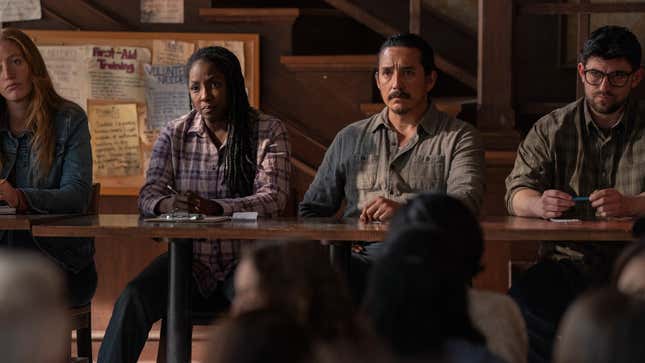
Unfortunately for Ellie, she has a lot of time to organize her thoughts at the council meeting because her revenge tour is not the only issue on the agenda. Some folks came to talk more mundane shit like livestock. But when the topic of sending people to Seattle comes up, Ellie isn’t the first one to take the stand, it’s a woman who points out that Jackson lost a lot more people that day than just Joel. Things are too fragile right now, she says, to send a large group chasing after Abby’s crew. Another man stands up and says that they should separate themselves from the raiders and murderers by showing mercy. Then, Ellie finds an unexpected ally (see what I did there) in Seth, who says that those murderers don’t deserve mercy. The town bigot is the only one to support vengeance for the man who knocked him on his prejudiced ass the night before he died. Seth says that they’ll be back to finish the job if Jackson doesn’t send someone after them.
When The Last of Us Part II came out, there were criticisms that the game boiled down to a metatextual scolding about something obvious to most civilized people: violence is bad, actually. Revenge is not it. Even Kotaku’s review by Riley MacLeod touches on this, with him writing, “Late one night, I paused the game and asked myself aloud if the developers thought I was stupid, if they thought the existence of violence had just never occurred to me before.” I never felt this kind of condescension when I played the game, largely because I viewed revenge as one piece of the puzzle, rather than the full thing, but I can’t shake that feeling when I watch the show. I really felt it in this scene that sounded like a podcast of people debating the morality of The Last of Us Part II. The show’s heavy-handed dialogue continues to feel weirdly patronizing, like it needs to make sure you have considered every nuance that should feel.
Finally, Ellie is allowed to speak. She followed Jesse’s advice and wrote her thoughts down to read. She says she doesn’t want revenge, she wants justice. Then she points out that if they do nothing, no one will do anything because no one else is fighting for Jackson. Ellie appeals to the community aspect Jesse has been hammering into her head, and points out that while the rest of the world is full of dangerous “strangers,” she wants to know that the people of Jackson can count on each other. This is a version of Ellie we’ve seen who is very jaded toward the idea of community, and it’s unclear if this is her trying to appeal to the sensibilities of the council or if it’s a last-ditch effort to convince herself that there is a community for her here. While Joel may have been a beloved member of Jackson, Ellie has been ostracized by several people in this small town. Her discomfort has been ignored by the adults in her life, her desires have often been denied to her because they think they know better, and yet all that’s ever been said to her is that the good of the community comes first. If she’s supposed to be part of that fellowship, why are her needs never a priority? Whatever her reasoning, Ellie knows now that she can’t count on Jackson because the council votes against her proposal. A wave of relief fills the room, but Ellie silently walks out.
It’s now Tommy’s turn to see the town counselor. He tracks Gail down at a tee-ball game and she has her own theories about Ellie’s speech. Tommy’s worried that Ellie’s going to do something reckless, and Gail asks if he believes Ellie’s words at the council meeting. She says that the girl is a “liar.” Tommy says she doesn’t want Ellie to go down the same path as Joel, who would also come up with justifications for every violent act he carried out in this desecrated world. Gail asks if Ellie might have learned this behavior from Joel, but says that “nurture” can only do so much, and that if violence is who Ellie is, it wasn’t because Joel taught her to be. She also says that some people can’t be saved, and as much as Tommy would like to change that, it’s probably true of Ellie, as well.
Alrighty, so I alluded to this conversation in my episode one recap, and I consider it one of the most disappointing in all of season two. The Last of Us showrunner Craig Mazin has talked at length about how he believes Ellie to be a naturally violent individual, and it shows in the sadism she expresses in season one. This is a marked change from how the character was portrayed in the first game, which showed her having no proclivity towards violence, just a desire to be trusted to carry it out when it was necessary. When it became clear that Mazin’s choice to make Ellie more intrinsically violent for the show was made in a misguided attempt to lean into Ellie’s violent tendencies in season two, I wrote about how the only reason Ellie’s shift towards violence in Part II works is because that game goes out of its way to show that she’s not cut out to inflict the kind of violence she learned from Joel. There are scenes in the game that have Ellie trying and failing to use Joel’s exact interrogation techniques, and Druckmann and game actor Ashley Johnson have spoken in Part II Remastered’s commentary about how the point was to show how Ellie was very different from her surrogate father, and that this violence may have been innate to who he was, but not her.
Without getting too specific about future episodes, I still find the show’s suggestion that Ellie’s sadism and anger are just part of who she is to be both a misguided change and a fundamental misunderstanding of the story of The Last of Us Part II. Where some changes, like revealing Abby’s motivations early or heavily implying that Ellie had some kind of reconciliation with Joel, undercut the narrative tension of the source material but leave character dynamics intact, this shift just lets Joel off the hook for who Ellie grew up to be and colors her grief-driven crusade as more of a tantrum that needs to be managed rather than as the actions of woman lashing out at a life that has taken most of the things she’s ever wanted from her. Ellie’s arc in these games is so much more complex than anger issues, and I find the show’s vision of her violence to be so one-dimensional. Violence is a language characters use to express everything from love to hatred in The Last of Us, and it’s one that the show barely knows how to read.
Back in her shed, Ellie is doing exactly what Tommy feared: something stupid. She’s got guns and supplies spread around her space and is clearly gearing up to head out by herself. Dina arrives and points out how an arsenal and canned food isn’t enough to reach Seattle and kill Abby. She has no plan, no route, no map; just a switchblade and a dream. Dina’s not here to talk her out of it, she’s here to make sure she doesn’t get herself killed on the way. In another life, Dina would be the one who plans the girls’ two-week overseas vacation down to booking the flights and itinerary, where Ellie gets to be a passenger princess who just has to show up.
Ellie thanks Dina as she leaves, to which Dina replies that she could have just asked. Ellie says she didn’t realize that, and if she’s become this jaded toward the community of Jackson, it makes sense that she wouldn’t even feel like she could rely on her best friend. But hopefully, Dina’s actions quell any of her fears. As the two prepare to leave with their horse Shimmer, they’re sent off by none other than Seth. He offers Ellie his rifle, some supplies, and a few words of encouragement. Ellie is skeptical the whole time, even scoffing at the notion that revenge for Joel is a collective cause between the two of them. But as they leave, the two exchange a silent handshake. Maybe bigots can grow. A radical thought.
Image: HBO
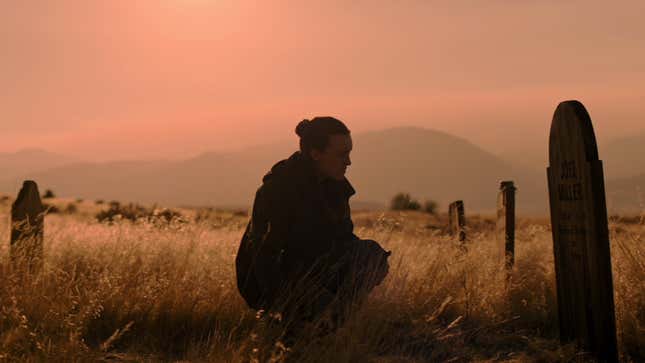
But before we head out, Ellie has one more place she needs to go. She and Dina stop at a graveyard just south of Jackson and find one marked “Joel Miller, beloved brother and father.” Ellie unwraps some coffee beans and spreads them over the soil, lingers for a moment, then silently turns to leave. I’m glad the show displays some restraint here, because it would not have surprised me if Ellie had voiced everything she ever wanted to say to Joel, as that’s often the show’s M.O. Instead, we got an understated moment with a cute nod to Joel’s coffee fixation. It’s good.
Washington bound
We skip forward a bit as Dina and Ellie play games to pass the time on horseback. Dina asks Ellie about her first kill. She says she won’t talk about the first one (we don’t need to relive Riley’s tragic fate), but she does tell her about her and Joel’s time in Kansas City. Dina says she’s sorry Ellie had to go through that, which surprises our funky little lesbian. “I shoot a guy and you feel sorry for me?” “I’m just loyal like that,” Dina replies.
The pair’s trip is put on hold as a storm passes over them. That’s how you know they’re getting closer to Seattle. They set up a tent, and it’s clear that Ellie is unsure what to do with all this closeness. Just as the girls are about to get some shuteye, Dina turns the lantern on and says she wants to talk about New Year’s Eve and their big kiss. You know, before Seth ruined it. Ellie seems to have stopped reading into it because they were both intoxicated, but Dina wants to know how Ellie would rate it. Ellie isn’t looking to play along, and when Dina reminds the room that she’s “not” gay, Ellie finally gives her a number: six. Dina doesn’t believe this rating, but when Ellie tells her she can go back to Jesse if she wants something better, Dina reveals she already did. That’s seemingly resolved that issue.
By this point in Part II, Dina and Ellie were established as girlfriends, and all the romantic tension was gone in favor of two girls getting to know each other in this new context. I’m okay with the show taking a different approach to this, as a lot of the relationship building between Ellie and Dina is lost when we can’t spend hours wandering around Seattle and chatting. Introducing Dina and establishing their relationship as quickly as the game does probably wouldn’t work for TV, so replacing it with some “will they/won’t they” awkwardness is probably the right call. A lot of fans were disappointed that this meant one of the best scenes between the two in Jackson, which involved passing weed back and forth among other activities, went out the window. But we’re making up for some lost ground in this scene, so I’m willing to see where this goes and weigh in later.
Dina asks if Jesse seems sad to Ellie, and she replies without hesitation that he does, though neither of them is sure why. Dina thinks maybe that’s just who he is. At least, she hopes so. Because if it’s not, then maybe she makes him feel that way. Before the two drift off to sleep, Dina tells Ellie she “wasn’t that high” when they kissed. Girl, you’ve got some decisions to make.
The two get back on the road in the morning, and are just about 10 miles out of Seattle when they come across the aftermath of some kind of battle. Bodies of the Seraphite crew from earlier in the episode are scattered across the trail, and as Dina investigates further, she runs back to Ellie to puke in the bushes. Ellie goes to see what elicited such a response and finds their bodies decomposing. Dina apologizes for her sickness, pinning it on the smell. Ellie guesses from the caliber of the various bullet casings at the scene that this might have been Abby’s crew. Now they have another reason to feel vindicated in coming all this way.
Then we finally reach Seattle. From a distance, you would have no idea there’s a war happening here. Dina says there might not be that many wolves for them to deal with, to which Ellie says there are about to be “a whole lot less.” Dina asks if that was a cool action movie line from the Curtis & Viper movies Joel loved so much. Ellie says that one was all her; she was just trying to sound like a badass. “You don’t need to try,” Dina whispers in her ear. Girlypop, don’t play like this when you’ve got a man waiting for you back home. (Do it. Give in to the gay thoughts.)
Spaking of wolves, we see the first sign of life from Abby’s crew. Manny (Danny Ramirez) is keeping watch from the remains of the Space Needle, and luckily doesn’t see the Jackson girlies as he gives the all-clear for a W.L.F. crew to move through the city. While Ellie and Dina may be expecting a small group of heavily armed bandits, the group Manny clears to move through the city is sporting tanks, military-grade weapons and armor, and is moving like a well-trained unit. Ellie’s rage may have brought her this far, but she’s gonna need a lot more than that to fight her way through Seattle to Abby.
New episodes of The Last of Us premiere on Sundays at 9 p.m. Eastern on Max.
Claudia Winkleman previously opened up about the backlash she received for replacing Jonathan Ross on BBC’s movie review show, Film.
The TV legend, 53, has been a staple on screens for over three decades. From stints on The Traitors to The Piano – which returns tonight (April 27) – Claudia has remained booked and busy over the years.
Back in 2010, Claudia landed a gig as the new presenter on Film, a BBC movie review show, replacing Jonathan Ross.
But the decision didn’t go down well with some – and Claudia was quick to react to the criticism.
Claudia hosted the review show for six years (Credit: BBC)
Claudia Winkleman on replacing Jonathan Ross
In 2010, Claudia took over from Jonathan Ross as host of BBC’s Film. Jonathan had been at the helm of the show since 1999.
Talking about being the new presenter, Claudia said at the time: “I am completely over the moon about being given this enormous honour and am incredibly proud to be to be presenting the new look Film 2010.”
Claudia – who co-hosted with film journalist Danny Leigh – added: “It’s an honour to follow on from the brilliant Jonathan Ross.”
But Claudia’s new role was met with backlash; something she said she “didn’t disagree with”.
She replaced Jonathan (Credit: ITV)
Claudia responds to backlash
“I’ve watched that show every week since I was 14. Whoever took over from Jonathan would have made me livid,” Claudia told Scotsman in 2010.
She then quipped: “I am livid! I will miss him too. I get it. So I’m not grumpy at all.”
However, despite the divided reception, Claudia admitted: “It’s a biggie and it’s my dream job. The job of my life. And I’m very happy to say that if I’m not good I’m going to stop doing it.”
When did Claudia quit BBC’s Film?
Fast forward to 2016, and Claudia announced she had quit the show after six years.
“I’m incredibly sad about leaving the film show and it wasn’t an easy decision,” she said in a statement at the time.
Claudia added: “At this time of year I juggle all kinds of things for TV and radio and the show simply deserves someone who can give it their all.”
Watch Claudia on The Piano on Sunday (April 27) at 9:00PM on Channel 4.
Read more: Traitors star Maia Gouveia welcomes baby as Claudia Winkleman sends her love
So what do you think of this story? You can leave us a comment on our Facebook page @EntertainmentDailyFix and let us know.
Danny Dyer and Mark Wright have been embroiled in a ‘feud’ for years – and it’s fair to say things between the two have previously got pretty messy.
Actor Danny, 47, – who is on The Great Celebrity Bake Off for SU2C today (April 27) – and presenter Mark, 38, are possibly two of the UK’s biggest stars.
However, despite never directly working together, the pair have locked horns on several occasions.
From public spats to brutal swipes, here, we’re taking a look inside Danny and Mark’s reported decade-long feud…
The beef reportedly started back in 2013 (Credit: ITV)
Danny Dyer slams ‘irritating’ Mark Wright
Danny and Mark’s reported feud kicked off way back in 2013, when Danny made a savage swipe at former TOWIE star Mark.
“I got mistaken for him [Mark] once. In a cafe. It put me right off my beans. Again, I don’t know him, but he’s everything I hate about this whole celebrity world,” Danny told Digital Spy.
“It’s mainly because of some of his quotes saying he wants to be the next James Bond. If he’s the next James Bond, it’s over for me. It’s the arrogance of it all – it irritates me.”
Not done, Danny brutally added: “Mark’s not up my street, he’ll never be a mate of mine. Good luck to him, just stay away from me.”
Mark’s brother also got involved (Credit: BBC/YouTube)
Danny and Mark’s ‘altercation’ in changing room
Soon afterwards, it was reported EastEnders star Danny and Mark previously had an altercation at a charity football match.
At the time, and stirring things up, Danny took aim at Mark when he tweeted in August 2016: “My worst nightmare would be listening to Heart FM while eating an Oykos yoghurt. It would be like [bleep]ing razor blades.”
Danny was referring to Mark being a DJ on the radio station, as well as his advert for the yogurt brand.
However, Danny’s swipe caught the attention of Mark’s brother Joshua – who soon fired back.
He said: “Malcolm, you must still be hurting from when Mark gave you a slap in the changing room that day. Get over it, you melt @MrDDyer.”
Danny then recalled the altercation: “At a charity football match for terminally ill children, then run behind his dad. What a geezer. My bird hits harder.”
Joshua disagreed and replied: “@MrDDyer Not sure it happened like that mate, you ran your mouth as always and pushed him into corner so he protected himself by slapping you,” before adding his dad wasn’t even there at the time.
Replying to criticism from one user on X, Danny then said: “Hardly a dig. The fact I suffered it was there was kids waiting outside with months to live. He’s a disgrace.”
V Festival bust-up
Things then took a dramatic turn that same month in August 2016, when Danny reportedly got into a physical altercation at V Festival with at least five of Mark’s friends.
Mark denied he was personally involved in the incident – and Danny was quick to fire back.
Mark wrote on X, then known as Twitter: “Seen some stories online today about V Festival. I would like to confirm that I personally wasn’t involved in any physical confrontation.”
Danny said: “No. True. Where was ya?? Do you wanna declare who ya snakey two-bob mates are?? Especially the one squaring up to my Dani, [Danny’s daughter].”
Danny’s daughter witnessed the altercation (Credit: YouTube)
Danny’s daughter defends ‘sensitive’ dad
Dani also called out Mark’s pals and said her “heart is broken” after witnessing the altercation.
“The only thing I’m even gonna say is my dad is the strongest person I know. He isn’t a fighter – just because he plays good acting roles as a hard man does not mean he is that in real life.
“I admit I was shouting that Mark Wright is a [bleep]. Because his silly mates thought it was okay to barge past my dad knowing he was drunk, my heart is broken as I witnessed the whole thing.”
She added: “My dad is such a sensitive loving person who wouldn’t want to hurt a fly. Five on one is never fair. But I love you Papa and seeing that just proved how I would have wished to have smacked them in the mouth. Love you.”
Michelle was called out amid the drama (Credit: BBC)
Danny’s wife slams Michelle Keegan
Around the same time, and following the reported V Festival bust-up, Danny Dyer’s then-fiancee and now-wife, Joanne, hit out at Mark’s wife Michelle Keegan.
Sticking up for her EastEnders star partner, Joanne Mas penned on X: “It’s official. I’m going to be promoting MY GIRL and the [bleep] she witnessed.”.
Joanne’s dig was in response to Michelle – who wasn’t at the festival – promoting her BBC show, Our Girl.
Mark and Danny ‘will never get on’
Since the V Festival bust-up, Mark and Danny managed to avoid any other spats. In March this year, though, it was claimed that Danny and Mark will never see eye-to-eye.
“The Dyers and the Wrights will never get on. Both families have a real dislike for each other, and the tension is unlikely to ever thaw,” an insider alleged to The Sun.
“There’s only a 45-minute drive between them, but even if they lived next door, they certainly wouldn’t be popping round for a cuppa.”
The source continued: “He [Danny] thinks he crossed the line when his mates jumped him at V Festival, especially as he was with his wife and daughter at the time. In his world, he thinks that’s unforgivable.”
Watch Danny on The Great Celebrity Bake Off for SU2C on Sunday (April 27) at 8:00pm on Channel 4.
Read more: Danny Dyer in tears as he opens up on marriage issues after wife Joanne ‘kicked him out’
So what do you think of this story? You can leave us a comment on our Facebook page @EntertainmentDailyFix and let us know.
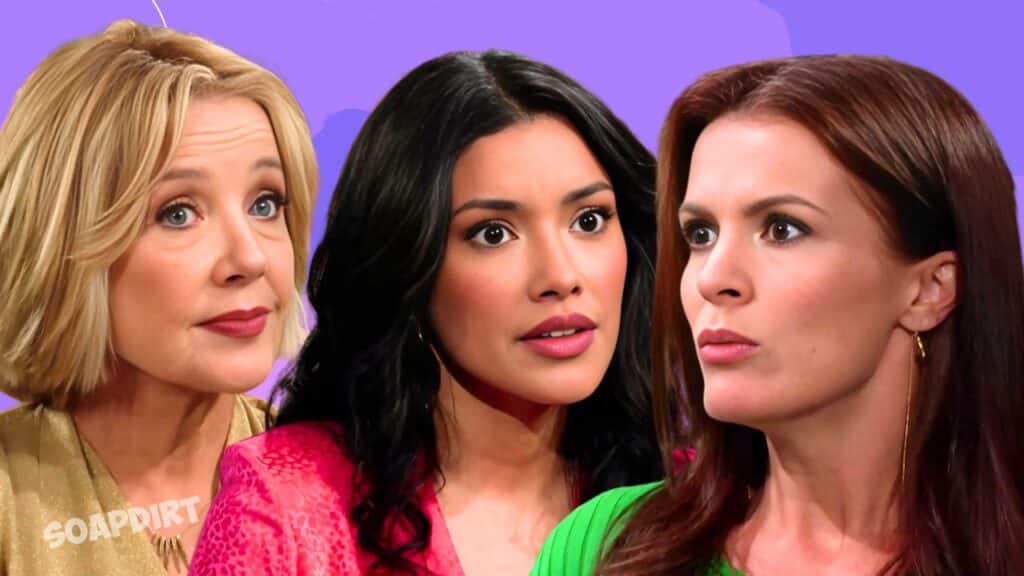
Young and the Restless weekly predictions include Nikki Newman‘s (Melody Thomas Scott) defiance of her husband, Chelsea Lawson Newman (Melissa Claire Egan) walking out, and Audra Charles (Zuleyka Silver) getting in over her head.
We’ve also got predictions for Claire Grace Newman (Hayley Erin), Summer Newman (Allison Lanier), Victor Newman (Eric Braeden), Cole Howard and Victoria Newman (Amelia Heinle).
We’ve also got a glimpse ahead for Billy Abbott (Jason Thompson), Phyllis Summers (Michelle Stafford), and Sally Spectra (Courtney Hope).
Nikki’s Gets an Apartment for Claire and Kyle? – Young and the Restless Prediction
Nikki Newman may help Claire Grace Newman’s and Kyle Abbott’s (Michael Mealor) move-in plan happen. So, on Monday, Claire Grace Newman tells Kyle Abbott no about moving into the Abbott mansion.
She wants their own apartment. Kyle Abbott agrees to wait but thinks it could be a while before they find a place.
On Wednesday, Nikki Newman takes matters into her own hands to help Claire Grace Newman and Kyle Abbott. And on Thursday, Victor Newman ups the stakes with Audra Charles. Those are the spoilers.
Now, let’s talk about the prediction. So, Kyle Abbott is obviously eager to move in with Claire Grace Newman, but she says no to the mansion because she knows that’ll make everything worse with Victor Newman.
Kyle Abbott is worried about how long a real estate search will take, but Claire Grace Newman also needs a little time to adjust because she really hasn’t been out from under Jordan Howard’s (Colleen Zenk) thumb for that long.
Victoria Newman and Nikki Newman and Cole Howard are all gonna find out from Claire Grace Newman she’s moving in with Kyle Abbott.
Claire Grace Newman also promises Kyle Abbott on Monday she’s not going to let Victor Newman control her and she’s going to tell her granddad this is what she’s doing. She loves Kyle Abbott, period.
Where Will Kyle and Claire Live Now?
And Nikki Newman promised Claire Grace Newman last week she wouldn’t let Victor Newman interfere and that she has her granddaughter’s back.
So Nikki Newman may go ahead and just get Kyle Abbott and Claire Grace Newman an apartment. They don’t need to rent one.
She can buy one or find one that somebody else in the family has. Maybe Adam Newman’s (Mark Grossman) old one is available.
So, Victor Newman is obviously going to be upset, and that could be why he starts to pressure Audra Charles, but Nikki Newman may tell Victor Newman, “Stop interfering and let Claire Grace Newman live her life, or else.”
Nikki Newman may try and get Victor Newman to realize he could lose Claire Grace Newman if he doesn’t stop. We all know he’s not going to stop.
Chelsea’s Career Shift: How Will Her Departure Impact Summer at Marchetti? – Young and the Restless Predictions
Our second prediction is that Chelsea Lawson Newman leaves Summer Newman scrambling when she walks out. So, on Thursday, Summer Newman deals with a professional crisis.
And on Friday, Chelsea Lawson Newman makes a bold move. Last week, if you remember, Adam Newman was pitching to Chelsea Lawson Newman, come work with me at Newman Media. And of course, she’s working for Summer Newman at Marchetti.
But Sally Spectra had basically filled in for her. And then Summer Newman, I think, launched the Marchetti Z line to keep Sally Spectra around because she really likes her designs.
So, Chelsea Lawson Newman was worried asking Adam Newman if it’s a bad idea for them to spend so much time together, but he thinks no. He thinks it’ll make their relationship stronger.
So, it looks like Chelsea Lawson Newman is going to quit Marchetti to go to work with Adam Newman, which means Summer Newman is going to have to scramble to replace her. Maybe she’s going to promote Sally Spectra or give her some more power.
And I do also wonder if this might be an opportunity for Summer Newman to hire Holden Novak (Nathan Owens) and then get him to conspire with her on the Claire Grace Newman and Kyle Abbott front.
Young and the Restless: Nikki, Chelsea, and Audra
Victor’s Manipulation: Will Audra Seduce Kyle to Break Up Claire’s Relationship?
And our third prediction is that Victor Newman demands that Audra Charles really seduce Kyle Abbott and do it ASAP.
So on Thursday, spoilers say that Victor Newman raises the game stakes with Audra Charles. With Claire Grace Newman telling the Newmans she’s moving in with Kyle Abbott, time is up for the people plotting against her and her honey.
Victor Newman knows he has to stop Claire Grace Newman and discredit Kyle Abbott before it is too late. And whatever plan that Audra Charles is cooking up has not moved the needle.
So, Victor Newman may demand that Audra Charles go ahead and really seduce Kyle Abbott. So, they know for certain that Claire Grace Newman will walk out if she catches them together.
And so, if Victor Newman dangles the idea that he may pull this company back from her, Audra Charles may do something truly awful and Holden Novak may actually help her because he would do anything she asked.
So, she may drug Kyle Abbott and climb in bed with him, maybe snap some photos to show Claire Grace Newman or Holden Novak can make sure that Claire Grace Newman walks in on them.
Audra Charles likely would not actually do the deed with Kyle Abbott. I don’t think she would actually cheat on Nate Hastings. And Kyle Abbott also would not touch Audra Charles with a six-foot pole. So, drugging him is likely her only option.
But in the end, Nate Hastings will definitely find out. And even if Audra Charles doesn’t actually cheat, everybody will still think she betrayed Nate Hastings and he’s not going to like the optics of that, even though he himself has been a cheater in the past.
Phyllis’s Breakdown: Will Billy Betray Sally to Support His Former Flame? – Young and the Restless Drama
Our fourth prediction, Phyllis Summers has a breakdown that lures Billy Abbott away from Sally Spectra.
So on Monday, Billy Abbott is telling Jack Abbott (Peter Bergman) about Phyllis Summers and insisting that Daniel Romalotti (Michael Graziadei) come to Abbottcom, and Daniel Romalotti says no.
And Jack Abbott is talking to Billy Abbott saying Phyllis Summers always has some kind of drama going on, but Billy Abbott thinks it’s more than the usual Phyllis Summers being Phyllis Summers. He thinks this is leftover trauma from her kidnapping ordeal.
And in the promo, Billy Abbott hits Phyllis Summers with an ultimatum. Billy Abbott says, “Daniel Romalotti and I have both told you to stop this, but you won’t, so you’ve given me no choice.” And Phyllis Summers asks what he means.
So last week, Billy Abbott already snapped to Phyllis Summers and said he cannot work with her if she doesn’t drop the Daniel Romalotti thing because her son doesn’t want to be there. So just stop it. You know, quit pressuring him, right? Quit bugging me. Quit pressuring him.
Phyllis Summers clearly doesn’t do it even after that ultimatum. And that’s what leads to another showdown with Billy Abbott in the week ahead.
Looks like he may threaten to toss Phyllis Summers out of Abbottcom because she is unhinged. He’s very worried about her though.
Sally Spectra told Audra Charles that Billy Abbott gives Phyllis Summers a lot of attention, which she needs and craves, but it makes Sally Spectra uncomfortable.
Audra Charles advised Sally Spectra to play dirty and get Phyllis Summers out of Billy Abbott’s life, but of course, Sally Spectra won’t do that.
Will Phyllis Have a Breakdown?
So, Phyllis Summers may have a full-scale breakdown. She’s not in therapy after this trauma. Even though she and Sharon Newman (Sharon Case) are okay with each other now, it’s not fixed what happened to her.
I do think Phyllis Summers has some sort of PS PTSD. She’s spiraling. Daniel Romalotti is working through his issues in a healthy way, it seems.
But Phyllis Summers is on an emotional ledge. Billy Abbott is going to be there if she spirals out, and he may give Phyllis Summers what she needs, even if that means betraying Sally Spectra, because I mean, we all know that Billy Abbott has an occasional wandering eye.
Cole’s Health Scare: Will Victoria Face Another Heartbreak?
Our fifth and final prediction is that Cole Howard is sick. So on Wednesday, Victoria Newman is pushing Cole Howard to make a tough decision. So Cole Howard has this nagging cough.
He just did a bunch of traveling. It could be something serious. He could have picked up something from all the various places he went.
And Victoria Newman may ask him to stop traveling and go see a doctor. Maybe she doesn’t think it’s a good idea he travels at all.
So maybe out of that we’ll get some Elena Dawson scenes as Cole Howard’s doctor. And of course, if you don’t remember his history, his mom, who is Crazy Jordan Howard’s sister, Eve Howard, died of a bizarre thing she picked up while she was traveling.
Eve died of Venezuelan encephalitis she picked up during a cruise when she was bitten by a mosquito.
I just wonder if they’re doing some kind of weird nod to history and Cole Howard is going to have some bizarre illness like his mom.
And of course, bottom line, Y&R never lets Victoria Newman be happy in a relationship. Something bad always happens. But let’s hope this time whatever is wrong with Cole Howard isn’t fatal and doesn’t drag him away from her.
Choosing the right strategy is critical when deciding which crypto to buy now. While many investors chase short-term price spikes, serious builders are locking in real cash rewards through BlockDAG’s booming presale. With $219 million already raised, 19.3 billion BDAG coins sold, and an astonishing 2,380% ROI since batch 1, BlockDAG is setting a new standard for early adopters.
For those who think like entrepreneurs rather than casual traders, the opportunity is clear: earn $25,000 in pure cash bonuses by recruiting a small but powerful referral army of high-value buyers. This guide breaks down exactly how to capitalize on BlockDAG’s limited-time offer before batch 27 closes.
Step 1: Buy BDAG First to Unlock Your Referral Link
Anyone wondering which crypto to buy now should start by taking action with BlockDAG. Securing a personal stake not only locks in future potential but also activates the gateway to serious referral income. The process is simple: buyers need to purchase any amount of BDAG first, starting from just $15, through the official BlockDAG site. Once the purchase is complete, users can access their unique referral code directly in their dashboard.
This is not about spreading links randomly. The smartest movers understand that owning BDAG themselves builds credibility when pitching to high-value buyers. With the current presale price temporarily slashed from $0.0248 to just $0.0025, the timing has never been better to get involved. Those looking for which crypto to buy now cannot afford to miss this window, especially with the 1000% bonus at its peak and the mainnet launch set for 2025.
Step 2: Build a 10-Person Network of Serious $5K+ Buyers
Instead of recruiting hundreds of small buyers, strategic referrers are building tight, 10-person networks of serious investors. These are friends, family members, colleagues, and crypto enthusiasts capable of purchasing at least $5,000 to $10,000 worth of BDAG each. Every $10,000 purchase nets the referrer a 25% cash reward, equivalent to $2,500 per person.
With just 10 serious referrals, the math becomes undeniable:
10 people × $10,000 purchases = $100,000 in total referred volume25% referral bonus = $25,000 cash straight into the referrer’s wallet
Serious builders who are scanning the market for which crypto to buy now realize that no other presale is offering these kinds of cash incentives on leading of explosive growth potential. BlockDAG’s structure rewards focus and smart networking, not just blind shilling. Those who approach this like a business, targeting quality over quantity, stand to create a strong passive income funnel before the mainnet even goes live.
Step 3: Daily Actions to Follow the $25K Blueprint
Building a 10-person referral network sounds simple on paper, but it requires daily action and consistency. Successful referrers set a clear goal: connect with one or two serious prospects every day. They follow up with direct messages, short video demos of the X1 miner app, and screenshots of the BlockDAG dashboard showing real-time earnings. They keep conversations personalized and highlight the urgency: the current batch price of $0.0025 will not last long, and early buyers have already secured up to 2,380% returns.
Here is what daily action looks like:
Morning: Identify 2-3 new high-net-worth contacts (LinkedIn, Telegram, Discord).Afternoon: Send customized pitches focused on BlockDAG’s $219 million presale success and the limited batch 27 pricing.Evening: Follow up on previous conversations, emphasizing the 5% cash bonus that every buyer gets on their own purchase.
By treating the opportunity like a serious project instead of a side hustle, builders position themselves to earn $25,000 or more in cash bonuses well before the official BlockDAG mainnet launch. Those asking themselves which crypto to buy now will quickly recognize that BlockDAG is offering both massive coin growth and real-world income today.
Seize the $25K Opportunity Before It Closes
In the search for which crypto to buy now, few opportunities match BlockDAG’s blend of presale momentum, cash rewards, and future scalability. With $219 million raised, batch 27 is selling fast, and a special $0.0025 price live for a limited time, serious investors and builders have a rare shot to lock in extraordinary value.
By buying BDAG first, building a compact network of ten $10,000 buyers, and taking daily action, individuals can realistically pocket $25,000 or more before the year ends. In crypto, timing is everything, and BlockDAG’s window is wide open for those ready to move today.
The crypto bull market is an exciting period marked by rising prices, increased investor confidence, and a positive feedback loop that fuels further growth. During this time, digital asset values surge as new trends emerge and market sentiment turns optimistic.
This article explores the key strategies for navigating a bull market, including understanding market cycles, leveraging technical indicators, and managing risk effectively. Whether you’re a seasoned trader or just starting out, learning these techniques can help you maximize gains and make informed decisions in a rapidly evolving crypto market.
Keep in mind that none of this information is investment advice. We’re merely looking at popular investment strategy types to consider when crypto bull markets happen.
What is a Bull Market?
A bull market, or bull run, in the crypto world refers to a prolonged period of rising prices and high investor confidence. During these phases, digital assets such as Bitcoin, Ethereum, and various altcoins experience significant gains, often driven by increased adoption, positive news, and robust trading volumes.
Bull markets tend to be fueled by optimism, where investors expect continual upward movement, leading to a self-reinforcing cycle. This period is marked by a surge in buying activity, which drives prices higher and attracts more participants, creating a positive feedback loop.
With that in mind, bull markets are always finite and often see eventual corrections or reversals as market dynamics change.
Factors Influencing Crypto Bull Runs
Investor confidence, optimism, and hype drive rapid buying.Tech innovations like breakthroughs in blockchain tech and DeFi spur confidence.Favorable news on industry regulations typically boosts investor confidence.Macro-scale external factors like low interest rates and generally higher economic growth typically support higher valuations.Media coverage can sway public opinion substantially, with positive articles and social content amplifying momentum.
How do crypto bull markets start and end?
Crypto bull markets typically begin when positive market sentiment is sparked by breakthroughs, strong adoption, or favorable regulatory news. They often end when investor exuberance wanes, external economic pressures mount, ortechnical indicators signal overbought conditions, leading to market corrections.
How long do crypto bull runs last?
The duration of one crypto bull market to another can differ wildly. Some are over in months, some last for years, and some are over in just weeks. Each one will depend on variables like investor behavior, market dynamics, and countless external economic factors.
Top Narrative to Watch in Bull Market
One of the most compelling narratives in any crypto bull market is the rise of blockchain projects that disrupt traditional finance and foster decentralized innovation.
In this cycle, key trends include the growth of DeFi platforms, increased institutional participation, and the integration of AI and machine learning for improved trading strategies. Investors are increasingly drawn to projects that blend cutting-edge technology with robust risk management, as these ventures offer both growth potential and stability.
What is a Bear Market?
A bear market in the crypto space refers to a prolonged period where prices steadily decline, leading to a widespread sense of pessimism among investors. During these phases, market sentiment shifts dramatically, and trading volumes often decrease as confidence wanes. Investors begin to liquidate their positions, fueling further downward pressure on prices.
Bear markets can be triggered by a range of factors, including adverse regulatory news, macroeconomic downturns, or overextended bull runs that lead to profit-taking and market corrections. In a bear market, the overall value of crypto assets drops significantly, and volatility tends to increase as panic selling takes hold.
While these periods are challenging, they can also present opportunities for long-term investors to acquire assets at lower prices. Understanding the signs and underlying causes of bear markets can help traders and investors navigate the downturn and position themselves for recovery when market sentiment eventually shifts.
Reasons Why Crypto Bull Markets Turn into Bear Markets
Profit-Taking: Investors often sell assets to lock in gains, reducing buying pressure.Market Saturation: Excessive optimism leads to overvaluation, triggering corrections.Regulatory Changes: Negative or unexpected regulatory news can undermine investor confidence.Macroeconomic Shifts: Economic downturns or rising interest rates may divert capital from crypto markets.Technological or Security Issues: Major hacks or system failures can erode trust in digital assets.Liquidity Shortages: Reduced liquidity during market corrections can intensify price declines, hastening the conversion of bull to bear markets.
Bull Market vs Bear Market: Key Differences
Bull MarketBear MarketMarket DirectionPrices steadily rise, driven by optimism and positive sentiment.Prices decline over time, often due to negative sentiment and market corrections.Investor BehaviorInvestors actively buy and hold, capitalizing on rising prices and taking profits.Investors tend to sell or avoid investing because of capital preservation and risk reduction for dollar-cost averaging.Trading VolumeGenerally high trading volume as increased buying momentum drives rapid price increases.Often lower trading volumes with increased volatility, reflecting uncertainty and fear.Emotional ClimateThere is widespread optimism and confidence, creating a positive feedback loop that fuels further growth.There is a prevalent fear and pessimism, where uncertainty and market stress lead to cautious trading.Economic IndicatorsThey often align with periods of economic growth and strong fundamentals, supporting investor confidence.Tend to occur during economic downturns or uncertainty, reflecting contraction and market instability.Exit StrategiesInvestors focus on systematically taking profits, using strategies like sell limit orders and HIFO.Investors prioritize preserving capital, with strategies such as short-selling or holding defensive assets.
Crypto Bull Market Strategies
1. Using technical indicators to spot a bull run
Traders rely on technical indicators such as moving averages, RSI, and MACD to identify bullish trends. By analyzing these metrics, investors can detect momentum shifts, assess overbought or oversold conditions, and time their entry points for maximum profit potential during a bull run.
2. Take profits regularly with sell limit orders
Implementing sell limit orders at predetermined price levels enables investors to secure gains as prices rise. This strategy helps avoid the pitfalls of emotional decision-making and market volatility, ensuring that profits are systematically locked in, even if a sudden market reversal occurs during a bull run.
3. HODL but earn interest
Long-term holders can continue to HODL their assets while earning interest through staking or yield farming. This approach combines the benefits of holding crypto during a bull market with additional passive income streams, allowing investors to maximize returns even when market conditions fluctuate.
4. Reduce gains with HIFO accounting
Using the HIFO method, or highest-in-first-out, can help investors reduce taxable gains during a bull market. By selling the most expensive assets first, traders minimize capital gains taxes, preserving more profit and enhancing overall investment returns when market prices eventually decline.
5. Take profits in stablecoins
Converting a portion of your crypto portfolio into stablecoins during a bull run can secure gains and protect against volatility. Stablecoins provide a predictable value, allowing investors to re-enter the market when prices stabilize while maintaining liquidity and minimizing exposure to sudden downturns.
6. Diversify holdings
Diversification is crucial during bull markets. Spreading investments across various assets, including major cryptocurrencies, DeFi tokens, and stablecoins, helps reduce risk and smooth out volatility. A diversified portfolio can better withstand market corrections and capture gains from multiple emerging trends simultaneously.
7. Have an exit strategy
Develop a clear exit strategy that defines profit-taking thresholds and stop-loss levels. Knowing when to exit ensures that you lock in gains and minimize losses. This disciplined approach prevents emotional decisions and enables you to adapt swiftly if market conditions shift, preserving capital for future opportunities.
History of bull and bear markets
2013 Bull Run
Source: TradingView
In 2013, Bitcoin’s price surged from under $100 to over $1,000 in a short period, igniting widespread interest in cryptocurrencies. This early bull run was driven by increasing media attention, technological breakthroughs, and growing global awareness, setting the stage for future rapid growth in the crypto market.
2017 Bull Run
Source: TradingView
The 2017 bull run saw explosive growth across the crypto market, with Bitcoin reaching nearly $20,000 and numerous altcoins skyrocketing. This period was marked by a surge in ICO activity, intense investor enthusiasm, and significant adoption of blockchain technology, though it later led to heightened market volatility.
2020-2021 Bull Run
Source: TradingView
From 2020 to 2021, the crypto market experienced a prolonged bull run fueled by institutional investments, mainstream adoption, and innovative DeFi projects. Bitcoin and major altcoins hit new all-time highs, while investor confidence soared amid supportive economic conditions and rapid technological advancements in the blockchain space.
2021-2022 Bear Market
Source: TradingView
Following the highs in 2021, the crypto market entered a bear phase in 2021–2022. Heightened regulatory scrutiny, profit-taking, and macroeconomic uncertainty led to a sharp decline in prices. This period of correction highlighted the market’s volatility and the inherent risks of rapid bull run cycles.
Conclusion
The crypto bull market offers exciting opportunities, but it is also a dynamic cycle of peaks and corrections. Through a basic understanding of the fundamentals of bull and bear markets and as many of the factors that impact crypto as possible, you can better navigate market swings and maximize gains. As the market evolves, ongoing research and disciplined strategies will be the keys to thriving in this volatile yet potentially rewarding landscape.
FAQs
Why is it called a bull and bear market?
Bull markets are named for the upward thrust of a bull’s horns, symbolizing rising prices, while bear markets reference a bear’s downward swipe, indicating declining prices.
Is a crypto bull run coming? When is the next crypto bull run?
Predicting a bull run is challenging; market trends, investor sentiment, and external factors all influence timing. Analysts use technical indicators, but exact timing is impossible to predict.
Is crypto in a bull market now?
Market conditions constantly change. While recent trends might indicate bullish sentiment, always refer to up-to-date market analysis and indicators before making investment decisions.
What to do during a crypto bull run?
During a bull run, consider taking profits regularly, diversifying holdings, and using technical indicators to time your trades. Maintain an exit strategy and invest in assets with strong fundamentals to safeguard gains.