Home Blog Page 1287

Exploring This Week’s Fashion Trends in the Metaverse
Exploring This Week’s Fashion Trends in the Metaverse

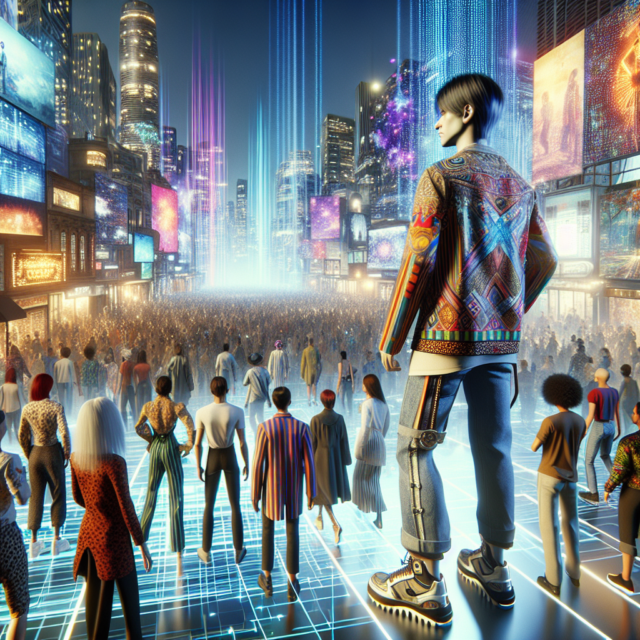
As the digital realm continues to expand and intertwine with our daily lives, the metaverse has emerged as a vibrant hub for creativity and self-expression. This week, the fashion trends within this virtual universe are as dynamic and diverse as ever, offering a fascinating glimpse into how digital fashion is evolving. From cutting-edge virtual clothing lines to innovative avatar styling, the metaverse is redefining what fashion means in the digital age.

Discover the Latest Virtual Fashion Statements

Virtual fashion has become a significant aspect of the metaverse, with designers and brands pushing the boundaries of creativity. This week, digital runways are showcasing a mix of futuristic designs and nostalgic nods to past fashion eras. Holographic materials and iridescent textures have taken center stage, reflecting the metaverse’s ability to transcend the limitations of the physical world. These elements are not only visually striking but also highlight the limitless potential for innovation in virtual fashion.

In addition to futuristic aesthetics, sustainability has emerged as a key theme in this week’s fashion trends. Designers are increasingly focusing on creating eco-friendly digital outfits, utilizing virtual materials that leave no carbon footprint. This shift towards sustainability is resonating with environmentally conscious users who wish to express their values through their avatars’ attire. As a result, virtual fashion is becoming a platform for promoting environmental awareness and responsibility.

Collaborations between digital designers and real-world fashion brands are becoming more common, resulting in unique virtual collections that blend both realms. These partnerships are capturing the attention of fashion enthusiasts eager to explore new styles without the constraints of physical clothing. This week, several high-profile collaborations have debuted, showcasing how the metaverse can serve as a bridge between digital and traditional fashion.

The versatility of virtual fashion is also being highlighted through customizable clothing options. Users can now personalize their avatars’ outfits with intricate details, from color schemes to patterns, allowing for a unique and personalized fashion statement. This trend empowers individuals to express their identities in a way that physical clothing sometimes cannot, further cementing the metaverse as a space for self-expression.

Accessories are playing a crucial role in defining this week’s virtual fashion statements. From oversized glasses to avant-garde headpieces, these items are adding an extra layer of creativity to avatar ensembles. This focus on accessories demonstrates the metaverse’s ability to elevate even the simplest of outfits, providing endless opportunities for experimentation.

Finally, the influence of social media cannot be underestimated in shaping this week’s virtual fashion trends. Platforms like Instagram and TikTok are serving as showcases for the latest avatar styles, with influencers and fashion bloggers curating looks that inspire their followers. This digital word-of-mouth is driving the rapid dissemination of trends, making the metaverse a constantly evolving fashion landscape.

Analyzing Trendy Metaverse Wardrobe Choices

This week’s metaverse fashion trends reveal a fascinating array of wardrobe choices, reflecting both individual creativity and broader cultural influences. One standout trend is the resurgence of retro styles, with avatars donning outfits inspired by the 1980s and 1990s. Neon colors, bold patterns, and iconic silhouettes are making a comeback, offering a nostalgic yet modern twist to virtual fashion.

Another noteworthy trend is the emphasis on gender-neutral clothing. As the digital world allows for fluidity and freedom of expression, more users are opting for outfits that transcend traditional gender norms. This shift is not only broadening the fashion landscape but also promoting inclusivity and acceptance within the metaverse community. Brands are responding by offering a wider range of unisex options, catering to this growing demand.

The influence of streetwear is also evident in this week’s metaverse fashion trends. Casual, comfortable styles with an edge are dominating virtual wardrobes, with hoodies, sneakers, and graphic tees being popular choices. This trend reflects the metaverse’s role as a space where users can relax and express themselves authentically, free from the constraints of formal attire.

In contrast, high fashion is making its mark in the metaverse with avant-garde designs and luxurious virtual fabrics. This juxtaposition of casual and couture highlights the diversity of fashion choices available to users, allowing them to switch between styles with ease. Virtual fashion weeks are further amplifying this trend by showcasing high-end designs that captivate and inspire.

The concept of digital twin clothing is gaining traction, with users opting for virtual outfits that mirror their real-world wardrobes. This trend allows individuals to maintain a consistent personal style across both realms, blurring the lines between physical and digital fashion. It also highlights the metaverse’s potential to enhance and complement real-world fashion experiences.

Finally, the role of community in shaping this week’s wardrobe choices cannot be overlooked. Fashion-focused metaverse groups and forums are thriving, providing spaces for users to share ideas, collaborate on designs, and inspire one another. These communities are fostering a sense of belonging and creativity, driving the evolution of fashion trends within the metaverse.

How Avatars are Adopting New Fashion Styles

Avatars are at the heart of metaverse fashion, serving as the digital embodiments of their users’ identities and style preferences. This week, avatars are embracing new fashion styles that reflect both personal tastes and broader trends. One significant development is the adoption of digital haute couture, with avatars donning elaborate and intricately designed gowns that rival those seen on physical runways.

In addition to haute couture, avatars are exploring the world of cosplay, incorporating elements from popular culture into their fashion choices. This trend is particularly popular among fans of movies, video games, and anime, allowing them to express their fandoms through their avatars. Cosplay-inspired outfits are adding a playful and imaginative dimension to metaverse fashion, highlighting the creative possibilities available to users.

The rise of virtual fashion influencers is shaping how avatars adopt new styles. These influencers curate and share their favorite looks, often collaborating with digital designers to create exclusive collections. Their influence is driving the popularity of certain styles and encouraging users to experiment with new fashion choices, further diversifying the metaverse fashion landscape.

Customization is a key aspect of how avatars are adopting new fashion styles. This week, users are taking advantage of advanced customization tools to create unique looks that reflect their individuality. From altering the fit and shape of virtual garments to designing bespoke accessories, avatars are becoming canvases for personal expression, showcasing the limitless potential of digital fashion.

Avatars are also experimenting with hybrid fashion styles that blend elements from different cultures and time periods. This eclectic approach is resulting in innovative and unexpected combinations, challenging traditional fashion norms and encouraging creativity. The metaverse’s global nature is facilitating this trend, allowing users to draw inspiration from diverse sources and cultures.

Finally, the integration of technology into avatar fashion is opening up new possibilities for interactivity and engagement. This week, avatars are adopting clothing with embedded animations and effects, adding a dynamic and immersive element to their fashion choices. This technological integration is enhancing the overall metaverse experience, making fashion not just a visual statement but an interactive and engaging aspect of digital life.

As the metaverse continues to evolve, so too does its fashion landscape, offering an ever-changing array of styles and trends for users to explore. This week’s fashion trends highlight the metaverse’s role as a platform for creativity, self-expression, and cultural exchange. With its limitless possibilities, the metaverse is redefining fashion in ways that are both exciting and transformative, paving the way for a future where digital and physical fashion seamlessly coexist. Whether through cutting-edge designs, nostalgic nods, or innovative technology, metaverse fashion is a testament to the power of imagination and the boundless potential of the digital world.
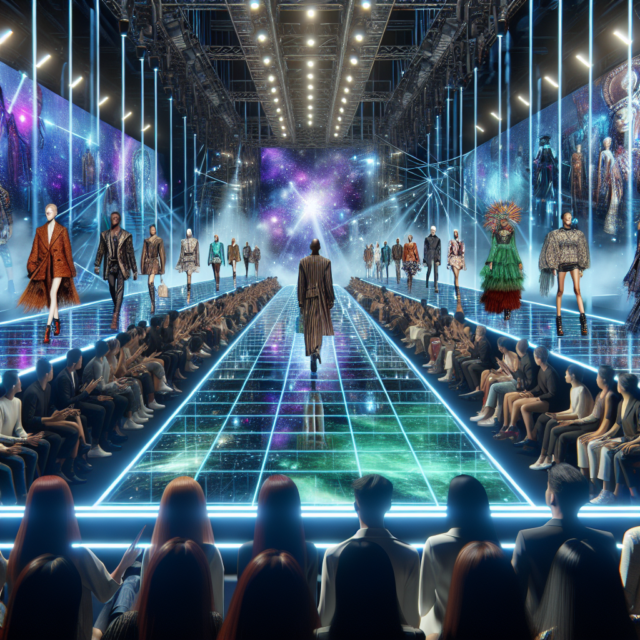
Global Highlights from This Week’s Fashion Week Events

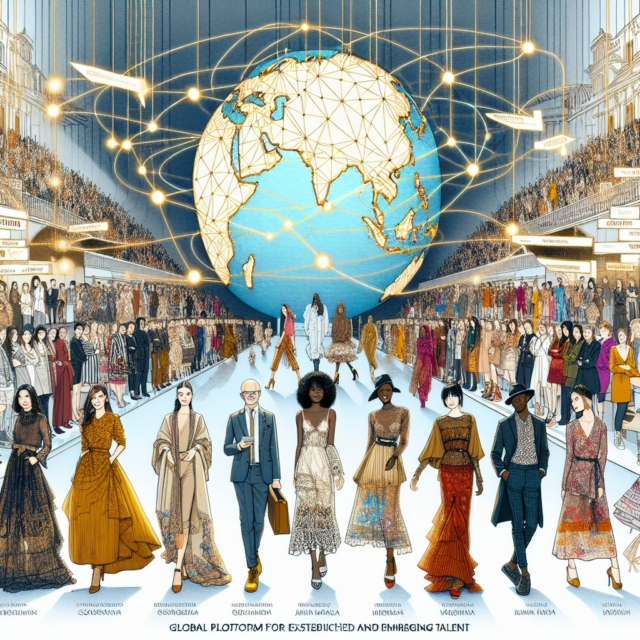
This week, the global fashion scene was abuzz with excitement as cities around the world hosted their much-anticipated fashion week events. These gatherings not only serve as a platform for established designers to showcase their latest collections but also provide an invaluable opportunity for emerging talent to make their mark. With a diverse range of designers, innovative textiles, and emerging trends, this year’s fashion week events have sparked conversations and set the stage for the future of fashion.

Diverse Designers Shine at Global Fashion Week

Fashion week events across the globe have long been a celebration of creativity and innovation, but this year, diversity took center stage. Designers from a myriad of cultural backgrounds presented collections that were as varied as they were stunning. From the vibrant streets of Lagos to the chic runways of Paris, each city offered a unique perspective that highlighted the rich tapestry of global fashion.

In New York, the spotlight was on designers who incorporated elements of their heritage into modern designs. Brands such as LaQuan Smith and Pyer Moss showcased collections that celebrated African American culture, weaving historical motifs with contemporary aesthetics. These designers not only paid homage to their roots but also challenged the fashion industry’s often narrow standards of beauty and creativity.

Across the Atlantic, London Fashion Week was a testament to the city’s reputation as a melting pot of cultures. Designers like Rejina Pyo and Supriya Lele brought their Korean and Indian heritages to the forefront, respectively, blending traditional techniques with modern silhouettes. Their collections were a reminder of the power of fashion as a form of cultural expression and storytelling.

In Milan, the emphasis was on sustainability and inclusivity, with designers like Stella Jean advocating for ethical fashion practices. Jean, known for her Haitian-Italian background, used her platform to highlight the importance of supporting artisans from marginalized communities. Her collection was a vibrant fusion of prints and textures that spoke to the beauty of cross-cultural collaboration.

Meanwhile, in Tokyo, avant-garde designers pushed the boundaries of conventional fashion with their bold and experimental approaches. The city’s fashion week was a playground for creativity, with designers like Tomo Koizumi and Anrealage leading the charge. Their collections, characterized by voluminous shapes and transformative designs, captivated audiences and challenged traditional norms.

As the curtains closed on this week’s fashion week events, it was clear that diversity was not just a theme but a driving force behind the collections. Designers from all corners of the world brought their unique voices to the runway, enriching the global fashion narrative and paving the way for a more inclusive industry.

Innovative Textiles and Designs Take Center Stage

Innovation was the buzzword at this week’s fashion week events, with designers showcasing textiles and designs that pushed the boundaries of creativity. From sustainable materials to cutting-edge technology, the collections were a testament to the endless possibilities of fashion as an art form.

In Paris, designers captivated audiences with their use of innovative textiles that combined luxury with sustainability. Stella McCartney led the charge with her collection crafted from eco-friendly materials, demonstrating that style and sustainability can go hand in hand. Her use of regenerated cashmere and organic cotton underscored a commitment to reducing the industry’s environmental impact.

In New York, technology and fashion converged in exciting ways. Designer Zac Posen unveiled garments that incorporated 3D-printed elements, offering a glimpse into the future of fashion design. The intricate details and precise craftsmanship highlighted the potential of technology to revolutionize the way garments are created and worn.

Across the globe in Seoul, designers explored the intersection of tradition and innovation through textiles. Hanbok-inspired collections made waves on the runway, with designers like Kim Minju reimagining traditional Korean garments using modern fabrics and techniques. The result was a stunning blend of history and futurism that resonated with audiences both locally and internationally.

In Milan, the focus was on craftsmanship and the revival of artisanal techniques. Designers like Bottega Veneta showcased collections that celebrated the art of leatherwork, with intricate weaving and hand-stitched details. These collections were a reminder of the enduring value of craftsmanship in an increasingly digital world.

Tokyo Fashion Week was a testament to the city’s reputation as a hub for avant-garde fashion. Designers experimented with fabric manipulation and unconventional silhouettes, creating garments that were more art pieces than clothing. The use of reflective materials and optical illusions added an element of surprise and intrigue to the collections.

As the fashion week events drew to a close, it was evident that innovation in textiles and design is not just a trend but a driving force shaping the future of fashion. Designers across the globe are embracing new technologies and materials, pushing the boundaries of what is possible and redefining the very essence of fashion.

Emerging Trends Set to Influence Upcoming Seasons

As fashion week events wrapped up around the world, several emerging trends began to take shape, offering a glimpse into what the future holds for the fashion industry. From bold colors to nostalgic revivals, these trends are set to influence upcoming seasons and capture the imagination of fashion enthusiasts everywhere.

One of the most notable trends was the resurgence of vibrant colors and bold patterns. Designers in cities like Milan and New York embraced a palette of bright hues, from electric blues to fiery reds. This shift towards color was a welcome departure from the muted tones of previous seasons, signaling a desire for optimism and self-expression in uncertain times.

Another trend that dominated the runways was the return of retro-inspired silhouettes. In London, designers paid homage to the 70s and 80s with collections that featured flared trousers, oversized blazers, and disco-inspired dresses. This nod to the past was a reminder of fashion’s cyclical nature and the enduring appeal of vintage aesthetics.

Sustainability continued to be a driving force, with designers across the globe incorporating eco-friendly practices into their collections. From recycled materials to zero-waste designs, the emphasis on sustainability was evident in every city. This trend reflects a growing awareness of the fashion industry’s environmental impact and a commitment to creating a more sustainable future.

In Tokyo, the emphasis was on gender-fluid fashion, with designers challenging traditional notions of masculinity and femininity. Collections featured androgynous silhouettes and unisex garments, highlighting the industry’s move towards more inclusive and diverse representations of gender.

The rise of digital fashion was another emerging trend, with designers exploring virtual runways and digital garments. This shift towards digitalization was particularly evident in cities like Paris, where designers experimented with augmented reality and virtual reality to create immersive fashion experiences.

As the curtains closed on this week’s fashion week events, it was clear that these emerging trends are set to shape the future of fashion. Designers across the globe are embracing bold colors, retro silhouettes, and sustainable practices, paving the way for a new era of creativity and innovation in the fashion industry.

This week’s global fashion week events have once again demonstrated the industry’s resilience and adaptability in the face of ever-changing challenges. From celebrating diversity to embracing innovation and setting emerging trends, designers have showcased their ability to inspire and captivate audiences worldwide. As we look towards the upcoming seasons, the influence of these events will undoubtedly continue to shape the future of fashion, driving the industry towards a more inclusive, sustainable, and innovative future.

Fashion Shows Evolve: Merging Style with Experience

Fashion shows have long been the pinnacle of creativity and style, serving as the ultimate showcase for designers to present their latest collections to the world. Traditionally confined to a linear runway format, these events have evolved significantly over the years. With the advent of technology and changing consumer expectations, fashion shows are no longer just about the clothes; they are immersive experiences that engage multiple senses and redefine how audiences interact with fashion. This evolution marks a significant shift in the industry, blending style with experience in innovative ways that captivate audiences globally.

Fashion Shows: Beyond the Traditional Runway

Fashion shows have traditionally been synonymous with the runway—a long, narrow platform where models strut in designer creations, often to the beat of pulsating music. This format, while iconic, has remained largely unchanged for decades. However, the landscape of fashion shows is undergoing a transformation, moving beyond the conventional runway to explore new dimensions of presentation. This shift is driven by the desire to create more engaging and memorable experiences for attendees, as well as the need to adapt to the digital age.

Designers are increasingly stepping away from the confines of the traditional runway, opting instead for innovative venues that enhance the storytelling aspect of their collections. From historic landmarks to unconventional urban spaces, these locations provide a backdrop that complements the narrative of the designs. This approach not only highlights the clothing but also immerses the audience in the world the designer has envisioned, making the fashion show an experiential journey rather than a mere exhibition.

In addition to venue changes, the format of fashion shows is also evolving. Static presentations are being replaced by dynamic performances that blend fashion with elements of theater, dance, and multimedia. This hybrid approach allows designers to convey the mood and inspiration behind their collections more effectively, engaging audiences on a deeper emotional level. By incorporating live music, theatrical lighting, and interactive elements, designers are transforming fashion shows into multisensory spectacles that captivate and inspire.

The evolution of fashion shows is also influenced by the growing importance of inclusivity and diversity in the industry. Designers are increasingly using their shows to make social and political statements, challenging traditional beauty standards and celebrating individuality. This shift is reflected in the casting of models who represent a broader range of ethnicities, body types, and gender identities, making fashion shows more representative of the world we live in.

The digital revolution has further expanded the possibilities for fashion shows, allowing designers to reach global audiences through live streaming and virtual reality. This technological integration not only democratizes access to high fashion but also enables designers to experiment with digital elements, such as augmented reality and holographic displays. These innovations are reshaping the way fashion is consumed, making it more interactive and accessible to a wider audience.

As fashion shows continue to evolve, they are becoming more than just a platform for showcasing clothing. They are emerging as immersive experiences that blend art, culture, and technology, redefining the boundaries of fashion presentation. This evolution reflects the industry’s response to changing consumer expectations and the desire to create memorable, impactful experiences that resonate with audiences long after the show has ended.

Immersive Experiences Meet Cutting-Edge Style

In an era where consumer engagement is paramount, fashion shows are increasingly embracing immersive experiences that go beyond the visual appeal of garments. This shift is driven by the recognition that audiences crave more than just a static display of clothing; they seek an emotional connection and a memorable experience that resonates on a personal level. As a result, designers are integrating cutting-edge technology and innovative storytelling techniques to create fashion shows that are as much about experience as they are about style.

One of the key elements driving this evolution is the use of technology to enhance the sensory experience of fashion shows. Designers are leveraging advancements in virtual and augmented reality to create interactive experiences that allow audiences to engage with collections in new and exciting ways. These technologies enable viewers to explore garments in 3D, experience virtual environments, and even interact with digital avatars of models, blurring the lines between the physical and digital worlds.

In addition to technology, immersive experiences in fashion shows are often characterized by the integration of various art forms. Designers are collaborating with artists, musicians, and performers to create multisensory spectacles that captivate audiences. For example, live music performances, choreographed dance routines, and elaborate stage designs are becoming increasingly common, adding depth and dimension to the presentation of fashion collections. This fusion of art and fashion creates a dynamic and engaging atmosphere that leaves a lasting impression on attendees.

Moreover, the rise of experiential fashion shows is closely tied to the growing importance of storytelling in the industry. Designers are using their shows as a platform to convey narratives that reflect their brand ethos and inspirations. By crafting compelling stories that resonate with audiences, designers are able to create a deeper emotional connection with their collections. This narrative-driven approach not only enhances the impact of the fashion show but also strengthens the brand’s identity and message.

Immersive experiences in fashion shows are also being shaped by the demand for inclusivity and diversity. Designers are using innovative techniques to celebrate individuality and challenge traditional norms, creating shows that are more representative of the diverse world we live in. This includes casting models of different ethnicities, body types, and gender identities, as well as incorporating cultural references and elements that reflect a broader spectrum of experiences. By doing so, designers are creating fashion shows that resonate with a wider audience and foster a sense of belonging and representation.

As fashion shows continue to evolve, the integration of immersive experiences with cutting-edge style is redefining the industry. Designers are pushing the boundaries of what a fashion show can be, creating events that are not only visually stunning but also emotionally engaging and thought-provoking. This shift reflects a broader trend towards experiential marketing, where the focus is on creating memorable experiences that leave a lasting impact on audiences. As a result, fashion shows are becoming a powerful tool for brands to connect with consumers on a deeper level, fostering loyalty and engagement in an increasingly competitive market.

Redefining Fashion: A New Era of Engagement

The evolution of fashion shows into immersive experiences marks the beginning of a new era of engagement in the fashion industry. This transformation is driven by the recognition that audiences are no longer passive observers; they are active participants who seek meaningful interactions with brands and designers. As a result, fashion shows are being reimagined as platforms for engagement, where audiences can connect with the brand’s story, values, and vision in innovative ways.

One of the key drivers of this new era of engagement is the rise of social media and digital platforms, which have revolutionized the way fashion shows are experienced and shared. Designers are leveraging these platforms to reach global audiences and create interactive experiences that extend beyond the physical event. Through live streaming, social media campaigns, and virtual reality experiences, fashion shows are becoming more accessible and inclusive, allowing audiences from around the world to participate and engage with the brand.

In this new era, fashion shows are also becoming more collaborative, with designers partnering with influencers, artists, and other creatives to co-create experiences that resonate with audiences. This collaborative approach not only enhances the creativity and diversity of fashion shows but also fosters a sense of community and connection among attendees. By involving audiences in the creative process, designers are able to create more authentic and engaging experiences that reflect the values and interests of their target audience.

Moreover, the focus on engagement is leading to a greater emphasis on sustainability and ethical practices in fashion shows. Designers are using their shows as a platform to raise awareness about environmental and social issues, and to promote sustainable practices within the industry. By incorporating eco-friendly materials, ethical production methods, and socially responsible messaging, designers are creating fashion shows that align with the values of conscious consumers and inspire positive change.

The new era of engagement in fashion shows is also characterized by a shift towards personalization and customization. Designers are using data and technology to create personalized experiences that cater to the individual preferences and needs of attendees. This includes personalized invitations, interactive elements that allow audiences to customize their experience, and digital content that is tailored to specific audience segments. By offering personalized experiences, designers are able to create a deeper connection with their audience and foster a sense of loyalty and engagement.

As fashion shows continue to evolve in this new era of engagement, they are becoming more than just a showcase for clothing; they are a platform for storytelling, connection, and innovation. This transformation reflects a broader shift in the industry towards creating meaningful and memorable experiences that resonate with audiences. By embracing this new era of engagement, designers are not only redefining the fashion show experience but also shaping the future of the fashion industry as a whole.

The evolution of fashion shows into immersive and engaging experiences marks a significant shift in the fashion industry. By moving beyond the traditional runway and embracing cutting-edge technology, storytelling, and collaboration, designers are creating fashion shows that are not only visually stunning but also emotionally resonant and thought-provoking. This transformation reflects the industry’s response to changing consumer expectations and the desire to create memorable experiences that leave a lasting impression. As fashion shows continue to evolve, they are redefining the boundaries of fashion presentation and shaping the future of the industry, creating a new era of engagement that connects brands with audiences on a deeper level.

Global Fashion Weeks: Today’s Highlights and Trends

Global Fashion Weeks are the pinnacle of the fashion industry, where creativity, innovation, and style come together on runways across the world. These events, held in fashion capitals such as New York, London, Milan, and Paris, set the stage for designers to showcase their latest collections, while industry professionals, celebrities, and fashion enthusiasts gather to witness the unveiling of new trends. This article delves into the essence of these fashion weeks, highlights the key moments from around the globe, and explores the emerging trends that are shaping the fashion landscape today.

The Essence of Global Fashion Weeks Unveiled

Global Fashion Weeks are not merely a series of runway shows; they are a celebration of artistry and a testament to the evolving nature of fashion. Each season, designers push the boundaries of creativity, presenting collections that reflect cultural influences, social issues, and personal stories. These events serve as a platform for designers to communicate their vision, challenge the status quo, and inspire future generations of fashion enthusiasts.

The atmosphere during fashion weeks is electric, with a palpable sense of excitement and anticipation in the air. Attendees, ranging from industry insiders to influencers and celebrities, flock to the fashion capitals to witness firsthand the unveiling of new collections. The streets become an extension of the runways, as fashion-forward individuals showcase their unique styles, often setting trends that ripple through the industry.

Behind the scenes, the preparation for fashion weeks is a monumental task. Designers and their teams work tirelessly for months, meticulously planning every detail of their shows. From selecting the perfect venue to curating the music and lighting, every element is carefully considered to create an immersive experience that complements the collection. The dedication and passion of those involved are evident in the seamless execution of these grand events.

Fashion weeks also play a crucial role in the business side of the industry. Buyers from major retailers attend these events to scout for the next big thing, making decisions that will influence what consumers will see in stores. For emerging designers, a successful showing can catapult their careers, providing opportunities for collaborations, partnerships, and increased visibility in a highly competitive market.

Furthermore, global fashion weeks are a reflection of the cultural zeitgeist. Designers often draw inspiration from current events, societal changes, and global movements, translating them into sartorial expressions that resonate with audiences worldwide. This interplay between fashion and culture underscores the industry’s ability to adapt and remain relevant in an ever-changing world.

Ultimately, the essence of global fashion weeks lies in their ability to bring people together, transcending geographical boundaries and cultural differences. They are a celebration of diversity, creativity, and the universal language of fashion, offering a glimpse into the future of style while honoring its rich history.

Key Highlights from Fashion Capitals Worldwide

This season, the fashion capitals of the world have once again dazzled audiences with their distinctive flair and creativity. In New York, the runway was dominated by bold colors and daring silhouettes, as designers embraced a spirit of optimism and individuality. Standout collections included those by emerging talents who infused their designs with a sense of youthful exuberance, capturing the essence of the city’s vibrant energy.

Across the Atlantic, London Fashion Week continued to be a hub of innovation and experimentation. This year, sustainability took center stage, with designers showcasing collections made from recycled materials and eco-friendly fabrics. The emphasis on ethical fashion was palpable, as the industry shifts towards more responsible practices. London’s reputation as a breeding ground for avant-garde talent was further cemented by the boundary-pushing designs that graced the runways.

In Milan, the focus was on craftsmanship and luxury, with Italian designers delivering collections that exuded elegance and sophistication. The intricate detailing and impeccable tailoring highlighted the artistry and skill that define Italian fashion. This season also saw a resurgence of classic styles reimagined for the modern era, proving that timeless elegance never goes out of style.

Paris, the grand finale of the fashion week circuit, lived up to its reputation as the epicenter of haute couture. The city’s runways were a spectacle of grandeur and opulence, with designers presenting collections that were nothing short of theatrical. The interplay of textures, colors, and silhouettes created a visual feast, leaving audiences in awe of the sheer creativity on display. Paris Fashion Week once again affirmed its status as the ultimate stage for fashion’s most visionary talents.

Beyond the big four, other cities such as Tokyo, Seoul, and Copenhagen have also made significant contributions to the global fashion narrative. These emerging fashion capitals are gaining recognition for their unique perspectives and innovative approaches, offering fresh takes on style that resonate with a global audience.

Overall, this season’s fashion weeks have been a testament to the industry’s resilience and adaptability. Despite the challenges posed by the pandemic, designers have continued to push the envelope, delivering collections that inspire and captivate. The highlights from fashion capitals worldwide serve as a reminder of the power of fashion to transcend boundaries and bring people together in celebration of creativity.

Emerging Trends Defining the Fashion Landscape

As the curtains close on this season’s fashion weeks, several emerging trends have begun to take shape, signaling the direction in which the industry is headed. One of the most prominent trends is the continued emphasis on sustainability and ethical fashion. Designers are increasingly prioritizing eco-friendly materials, transparent supply chains, and sustainable practices, reflecting a growing consumer demand for responsible fashion.

Another trend that has emerged is the blurring of gender lines in fashion. Many designers have embraced gender-neutral collections, offering versatile pieces that can be worn by anyone, regardless of gender. This shift towards inclusivity and diversity is reshaping the fashion landscape, challenging traditional norms, and encouraging self-expression.

The influence of technology on fashion is also becoming more pronounced. From digital runway shows to virtual try-ons, the integration of technology is transforming the way fashion is presented and consumed. Designers are leveraging digital platforms to reach wider audiences, while consumers are enjoying more personalized and interactive shopping experiences.

In terms of aesthetics, maximalism is making a comeback, with designers embracing bold patterns, vibrant colors, and eclectic styles. This trend reflects a desire for self-expression and individuality, as people seek to break free from the constraints of minimalism and celebrate their unique identities through fashion.

Comfort and functionality have also become key considerations, as the pandemic has shifted priorities towards more practical and versatile clothing. Designers are responding to this demand by creating collections that balance style with comfort, offering pieces that can seamlessly transition from work to leisure.

Lastly, the revival of vintage and nostalgic styles continues to influence the fashion scene. Designers are drawing inspiration from past decades, reinterpreting classic silhouettes and prints for the modern era. This trend speaks to a longing for familiarity and nostalgia, as well as a desire to celebrate fashion’s rich history.

As global fashion weeks come to a close, the industry stands at the cusp of a new era defined by innovation, inclusivity, and sustainability. The highlights and emerging trends from fashion capitals worldwide offer a glimpse into the future of fashion, where creativity knows no bounds. As designers continue to push the envelope and challenge conventions, fashion enthusiasts can look forward to a dynamic and ever-evolving landscape that celebrates diversity and self-expression. The spirit of global fashion weeks endures, reminding us of the power of fashion to inspire, unite, and transform.

Exploring Emerging Opportunities in the Web3 Ecosystem

The digital world is undergoing a transformative shift with the advent of Web3 technologies. These innovations promise to redefine how we interact with the internet, offering a decentralized and user-centric approach. As we stand on the brink of this new era, it is essential to explore the emerging opportunities within the Web3 ecosystem. This article delves into the potential of Web3 technologies, the key innovations reshaping the digital landscape, and the challenges and opportunities that lie ahead.

Unveiling the Potential of Web3 Technologies

Web3 represents the next generation of internet technologies, emphasizing decentralization, transparency, and user empowerment. Unlike its predecessors, Web3 is built on blockchain technology, which enables peer-to-peer interactions without the need for intermediaries. This decentralization promises to return control to users, allowing them to own their data and digital identities. As a result, Web3 has the potential to democratize access to digital resources and services, fostering a more equitable online environment.

One of the most significant aspects of Web3 is its ability to facilitate decentralized finance (DeFi). DeFi platforms eliminate the need for traditional financial intermediaries, such as banks and brokers, by leveraging smart contracts on blockchain networks. This innovation opens up a world of financial services, including lending, borrowing, and trading, to anyone with an internet connection, regardless of their geographic location or socio-economic status.

Web3 also holds the promise of transforming digital ownership through non-fungible tokens (NFTs). NFTs are unique digital assets that represent ownership of a specific item or piece of content, such as art, music, or virtual real estate. By utilizing blockchain technology, NFTs ensure the provenance and authenticity of digital assets, enabling creators to monetize their work directly and securely. This shift towards digital ownership could revolutionize industries ranging from entertainment to gaming.

Another burgeoning area within the Web3 ecosystem is decentralized autonomous organizations (DAOs). DAOs are entities governed by smart contracts and community consensus rather than traditional corporate hierarchies. They offer a new model for collective decision-making and resource allocation, enabling communities to self-organize around shared goals and interests. This decentralized governance structure has the potential to disrupt traditional business models and empower individuals to participate in decision-making processes.

The potential of Web3 extends beyond financial and ownership paradigms, with implications for data privacy and security. By leveraging encryption and decentralized networks, Web3 technologies can enhance user privacy and protect sensitive information from unauthorized access. This increased security is particularly relevant in an era where data breaches and cyber threats are prevalent, offering individuals greater control over their digital footprints.

Finally, Web3 technologies can drive innovation and collaboration across industries by facilitating interoperability and open-source development. By enabling different platforms and applications to communicate seamlessly, Web3 encourages the creation of interconnected ecosystems that foster collaboration and innovation. This interconnectedness can lead to the development of new business models and services, ultimately enhancing the digital experience for users worldwide.

Key Innovations Reshaping the Digital Landscape

The Web3 ecosystem is characterized by several key innovations that are reshaping the digital landscape. Among these, blockchain technology stands out as the foundational element. By providing a decentralized and immutable ledger, blockchain enables secure and transparent transactions, paving the way for various applications beyond cryptocurrencies. Its potential to streamline processes and reduce fraud has captured the attention of industries ranging from supply chain management to healthcare.

Smart contracts are another pivotal innovation within the Web3 ecosystem. These self-executing contracts are coded onto blockchain networks, allowing for automated and trustless agreements between parties. By removing the need for intermediaries, smart contracts can reduce transaction costs and increase efficiency in sectors such as real estate, insurance, and legal services. Their adaptability and reliability make them a cornerstone of the Web3 revolution.

The rise of decentralized finance (DeFi) platforms is a testament to the transformative power of Web3 technologies. DeFi applications leverage blockchain and smart contracts to offer financial services that are accessible to anyone with an internet connection. These platforms enable users to lend, borrow, and trade assets without relying on traditional financial institutions. As DeFi continues to evolve, it has the potential to democratize finance and challenge existing financial systems.

Non-fungible tokens (NFTs) have emerged as a groundbreaking innovation in the Web3 ecosystem, revolutionizing the concept of digital ownership. Unlike cryptocurrencies, which are interchangeable, NFTs are unique digital assets that represent ownership of a specific item or piece of content. By providing verifiable proof of ownership and provenance, NFTs have opened new revenue streams for creators and collectors in industries ranging from art and music to gaming and fashion.

Decentralized autonomous organizations (DAOs) exemplify the potential of Web3 to redefine governance and collaboration. DAOs operate on blockchain networks, enabling communities to make decisions collectively without the need for centralized leadership. This decentralized approach to governance empowers individuals to participate in decision-making processes and allocate resources based on consensus. As DAOs gain traction, they could transform how organizations are structured and managed.

Interoperability is a crucial innovation driving the adoption of Web3 technologies. By enabling different blockchain networks and applications to communicate and collaborate, interoperability fosters the creation of interconnected ecosystems. This seamless integration allows for the development of new services and business models that transcend traditional boundaries. As interoperability advances, it could unlock unprecedented levels of innovation and collaboration across various sectors.

Navigating Challenges and Opportunities in Web3

While the Web3 ecosystem offers numerous opportunities, it also presents several challenges that need to be addressed. One of the primary concerns is the scalability of blockchain networks. As the number of users and transactions on these networks increases, so does the demand for processing power and storage. Ensuring that blockchain networks can scale efficiently without compromising security or decentralization is crucial for the widespread adoption of Web3 technologies.

Regulatory uncertainty is another significant challenge facing the Web3 ecosystem. As governments and regulatory bodies grapple with the implications of decentralized technologies, there is a need for clear and consistent regulatory frameworks. Balancing the need for innovation with consumer protection and financial stability requires collaboration between stakeholders, including policymakers, industry leaders, and technology developers.

Security and privacy concerns also pose challenges to the Web3 ecosystem. While blockchain technology offers enhanced security through encryption and decentralization, it is not immune to vulnerabilities. Cyberattacks, smart contract bugs, and data breaches remain potential threats. Addressing these security concerns requires ongoing research, development, and collaboration to create robust and resilient systems.

Despite these challenges, the Web3 ecosystem presents numerous opportunities for innovation and growth. The decentralized nature of Web3 technologies enables the creation of new business models that prioritize user empowerment and community engagement. Entrepreneurs and developers have the opportunity to build platforms and services that challenge traditional paradigms and offer users greater control over their digital experiences.

The Web3 ecosystem also offers opportunities for collaboration and cross-industry partnerships. By facilitating interoperability and open-source development, Web3 technologies encourage collaboration between different sectors and industries. This interconnectedness can lead to the creation of innovative solutions that address complex global challenges, such as climate change, healthcare, and education.

Finally, the Web3 ecosystem provides opportunities for individuals to participate in the digital economy in new and meaningful ways. From creating and trading NFTs to participating in DAOs and DeFi platforms, users can engage with digital assets and services in ways that were previously unimaginable. As the Web3 ecosystem continues to evolve, it holds the potential to empower individuals and communities, driving economic growth and social change.

As we explore the emerging opportunities within the Web3 ecosystem, it is clear that these technologies have the potential to reshape the digital landscape profoundly. From decentralizing finance and ownership to enabling new forms of collaboration and governance, Web3 offers a vision of a more equitable and user-centric internet. However, realizing this vision requires addressing the challenges of scalability, regulation, and security. By navigating these challenges and harnessing the innovations of Web3, we can unlock unprecedented opportunities for growth, collaboration, and empowerment in the digital age.

Exploring Fashion Week’s Virtual Runway in the Metaverse

In recent years, the fashion industry has witnessed a technological revolution, one that blends the artistry of design with the capabilities of digital innovation. As we step into a new era of creativity, the traditional runway is being reimagined through the lens of the metaverse, a virtual universe that offers endless possibilities for designers, brands, and fashion enthusiasts. This article explores how Fashion Week is embracing this digital frontier, transforming the runway experience, and immersing audiences in a new realm of style and creativity.

Unveiling the Metaverse: Fashion Week’s New Frontier

The metaverse, a digital universe where people can interact in virtual spaces, is reshaping the landscape of Fashion Week. As designers and brands seek innovative ways to connect with global audiences, the metaverse offers a new frontier for showcasing collections. This virtual arena allows fashion houses to transcend physical limitations, reaching audiences that might otherwise be inaccessible due to geographic or economic barriers. By unveiling their collections in this digital space, designers can tap into a worldwide network of fashion enthusiasts, influencers, and media, creating a truly global Fashion Week experience.

In the metaverse, the boundaries of creativity are expanded beyond the constraints of physical materials and traditional design processes. Designers can experiment with avant-garde concepts, utilizing digital tools to craft garments that defy gravity, change colors, or morph in real-time. This freedom allows for a level of ingenuity and imagination that can redefine fashion as we know it. The virtual runway becomes a canvas for innovation, where the only limit is the designer’s vision.

Moreover, the metaverse provides an interactive platform for audiences to engage with fashion in unprecedented ways. Attendees can explore virtual showrooms, interact with digital garments, and even customize pieces to see how they would fit into their personal style. This level of engagement transforms spectators into active participants, fostering a deeper connection between the audience and the brand. The metaverse’s interactive nature encourages a sense of community, where fashion lovers can come together to share their experiences and insights.

As Fashion Week ventures into the metaverse, it also opens up new opportunities for collaboration across industries. Designers can partner with tech companies, digital artists, and virtual reality developers to create cutting-edge experiences that merge fashion with technology. These collaborations can lead to groundbreaking innovations, from holographic displays to augmented reality experiences, further blurring the lines between the digital and physical worlds.

The metaverse also challenges traditional notions of exclusivity in the fashion industry. By democratizing access to Fashion Week, this digital space allows a wider range of voices to be heard and seen. Emerging designers, who may not have the resources to participate in traditional runway shows, can showcase their work alongside established brands. This inclusivity fosters diversity and innovation, enriching the fashion landscape with fresh perspectives and ideas.

Finally, the metaverse offers a sustainable alternative to traditional fashion shows. By reducing the need for physical venues, travel, and materials, virtual runways can significantly lower the environmental impact of Fashion Week. As the industry continues to grapple with sustainability challenges, the metaverse presents a viable solution that aligns with the growing demand for eco-conscious practices.

Digital Elegance: Virtual Runway Transformations

The transformation of the runway in the metaverse is marked by a new era of digital elegance, where technology and design converge to create mesmerizing fashion experiences. Virtual runways offer designers the freedom to defy the laws of physics, presenting garments that float, shimmer, or transform with a simple gesture. This digital elegance not only enhances the visual spectacle but also allows for storytelling that captivates audiences in ways traditional runways cannot.

In a virtual setting, designers can manipulate environments to complement their collections, creating immersive worlds that transport audiences into the heart of their creative vision. Whether it’s a futuristic cityscape, an enchanted forest, or an abstract dreamscape, these digital backdrops enhance the narrative of the collection, providing a deeper context for each piece. The result is a multi-sensory experience that engages not just the eyes, but the imagination.

The virtual runway also allows for unprecedented customization and personalization. Attendees can choose their viewing angles, zoom in on details, and even try on digital garments using augmented reality technology. This level of interaction creates a more intimate connection between the audience and the collection, allowing individuals to explore fashion in a way that resonates with their personal tastes and preferences.

Digital elegance extends beyond the runway itself, influencing how fashion is marketed and sold. Virtual showrooms and digital boutiques provide seamless integration between the runway and retail, allowing customers to purchase or pre-order items directly from the show. This immediacy not only capitalizes on the excitement of Fashion Week but also caters to the modern consumer’s desire for instant gratification.

Furthermore, virtual runways offer a platform for showcasing digital-only fashion, a burgeoning market where garments exist solely in the digital realm. These pieces, which can be worn by avatars or integrated into digital content, represent a new form of luxury that appeals to tech-savvy consumers and collectors. Digital-only fashion challenges traditional notions of ownership and value, introducing a new dimension to the fashion economy.

As the concept of digital elegance continues to evolve, it also influences the aesthetic language of fashion. Designers are inspired to incorporate digital motifs, such as glitch patterns, pixelated textures, and holographic elements, into their collections. This fusion of digital and physical aesthetics reflects a broader cultural shift towards embracing technology as an integral part of our lives and identities.

Immersive Trends: Fashion Week Meets Virtual Reality

Virtual reality (VR) is at the forefront of transforming Fashion Week into an immersive experience that transcends the limitations of traditional runways. By leveraging VR technology, fashion houses can create captivating environments that envelop audiences in a 360-degree spectacle. These virtual spaces allow viewers to feel as though they are part of the show, walking alongside models or exploring the intricate details of each garment up close.

Immersive trends in VR fashion shows are characterized by their ability to blend reality with fantasy. Designers can craft virtual landscapes that defy the ordinary, transporting audiences to otherworldly realms where anything is possible. This immersive storytelling not only enhances the emotional impact of the collection but also creates a memorable experience that resonates long after the show has ended.

The use of VR in Fashion Week also opens up new possibilities for interactive participation. Viewers can customize their avatars, choose their seating arrangements, and even influence the show’s narrative through real-time interactions. This level of engagement transforms passive spectators into active contributors, fostering a sense of ownership and connection to the brand.

Moreover, VR technology allows for global accessibility, enabling fashion enthusiasts from around the world to attend shows without the need for physical presence. This inclusivity democratizes the Fashion Week experience, allowing a diverse array of voices and perspectives to engage with and influence the fashion narrative. As a result, brands can reach a broader audience, building a more inclusive and connected fashion community.

The integration of VR into Fashion Week also presents opportunities for sustainability and innovation. By reducing the need for physical resources and travel, virtual shows can minimize their environmental footprint. Additionally, the digital nature of VR allows for experimentation with new materials and techniques, pushing the boundaries of what is possible in fashion design.

As immersive trends continue to shape the future of Fashion Week, they challenge designers to rethink the way they present their work. The fusion of fashion and technology not only enhances the creative process but also redefines the relationship between the designer, the garment, and the audience. In this new era of immersive fashion experiences, the possibilities are as limitless as the imagination.

The convergence of fashion and technology in the metaverse heralds a new chapter for Fashion Week, one where creativity knows no bounds. As designers embrace digital elegance and immersive trends, they redefine the runway experience, offering audiences a glimpse into the future of fashion. By exploring the possibilities of virtual reality and digital innovation, the fashion industry is poised to create a more inclusive, sustainable, and engaging future. As we continue to navigate this digital frontier, the metaverse stands as a testament to the transformative power of technology in shaping the world of fashion.

Latest Insights and Highlights from Couture Shows

Latest Insights and Highlights from Couture Shows

The world of couture is a dazzling realm where creativity knows no bounds, and this season’s couture shows have once again proven to be a testament to the boundless imagination and skill of fashion’s most revered designers. As the curtains lift on these grand spectacles, we are treated to an array of breathtaking creations that challenge conventions and set the stage for future trends. This article delves into the latest insights and highlights from the couture shows, exploring the season’s masterpieces, the innovative styles that push boundaries, and the key trends emerging from the runways.

Unveiling the Season’s Couture Masterpieces

The latest couture shows have unveiled a stunning array of masterpieces that reflect the intricate artistry and meticulous craftsmanship synonymous with high fashion. Each piece is a testament to the designer’s vision, with collections that range from opulent gowns to avant-garde ensembles. The attention to detail is evident in every stitch, bead, and embroidery, as designers strive to create garments that are not only visually striking but also tell a unique story.

Among the standout collections, one can find a renewed emphasis on the use of luxurious fabrics. Silks, velvets, and brocades dominate the runways, their rich textures and vibrant hues captivating the audience. Designers are also experimenting with unconventional materials, incorporating elements like feathers, metallic threads, and even recycled plastics, showcasing their commitment to both sustainability and innovation.

The color palette for this season is a symphony of contrasts. While some designers opt for ethereal pastels and soft neutrals, others embrace bold, saturated colors that demand attention. This juxtaposition of hues creates a dynamic visual experience, highlighting the diversity of styles and inspirations that define the current couture landscape.

Silhouettes play a crucial role in the season’s masterpieces, with designers exploring a range of shapes from structured, architectural forms to fluid, flowing lines. The interplay of volume and proportion is expertly manipulated to create garments that are both dramatic and elegant, each piece a testament to the designer’s mastery of form and function.

Accessories, too, have become an integral part of the couture narrative, with designers crafting pieces that complement and enhance the overall aesthetic. From oversized hats and elaborate headpieces to intricately designed footwear and statement jewelry, these elements add an extra layer of sophistication and flair to the collections.

Ultimately, the season’s couture masterpieces are a celebration of creativity and craftsmanship, each piece a work of art that transcends the conventional boundaries of fashion. Through their innovative designs and meticulous attention to detail, designers continue to push the envelope, setting new standards for what couture can be.

Designers Push Boundaries with Innovative Styles

This season, designers have truly pushed the boundaries of traditional fashion by embracing innovative styles that challenge the norms and redefine the concept of couture. The runway has become a playground for imagination, where designers experiment with new techniques, materials, and concepts to create garments that are both groundbreaking and captivating.

One of the most notable innovations is the integration of technology into couture design. Designers are utilizing cutting-edge techniques such as 3D printing and laser cutting to create intricate patterns and structures that would be impossible to achieve by hand. These advancements allow for a new level of precision and complexity, resulting in garments that are as much a feat of engineering as they are of artistry.

Sustainability is another key focus for many designers this season, with a growing emphasis on eco-friendly practices and materials. Collections feature garments made from recycled fabrics, organic textiles, and even biodegradable materials, reflecting a commitment to reducing the environmental impact of fashion. This shift towards sustainability is not only a response to consumer demand but also a testament to the industry’s ability to innovate for a better future.

The fusion of different cultural influences is also prevalent in the latest collections, with designers drawing inspiration from a diverse range of sources. Traditional techniques and motifs are reimagined in a contemporary context, resulting in garments that are both timeless and modern. This blending of cultures creates a rich tapestry of styles that reflects the global nature of fashion today.

In terms of design, asymmetry and deconstruction are prominent themes, with designers playing with unconventional shapes and silhouettes. The deliberate disruption of traditional forms creates a sense of movement and dynamism, challenging the viewer’s perception and inviting them to see fashion in a new light. These experimental designs are a bold statement of creativity, pushing the boundaries of what is possible in couture.

Collaboration is also a driving force behind many of the season’s most innovative styles, with designers partnering with artists, architects, and technologists to bring their visions to life. These interdisciplinary collaborations result in garments that are truly unique, combining fashion with elements of art, design, and technology to create something entirely new.

Key Trends Emerging from the Latest Runways

As the curtain falls on the latest couture shows, several key trends have emerged that are set to influence the fashion landscape in the coming months. These trends reflect both the current cultural zeitgeist and the evolving tastes of the fashion-forward consumer, offering a glimpse into the future of style.

One of the most prominent trends is the resurgence of maximalism, with designers embracing bold patterns, vibrant colors, and exaggerated silhouettes. This trend is a response to the minimalist aesthetic that has dominated fashion in recent years, offering a refreshing alternative that celebrates individuality and self-expression.

Romanticism is also making a comeback, with collections featuring delicate lace, ruffles, and floral motifs. This trend evokes a sense of nostalgia and whimsy, with designers drawing inspiration from historical fashion to create garments that are both timeless and enchanting. The use of soft, flowing fabrics and ethereal color palettes adds to the dreamlike quality of these pieces.

The trend of gender fluidity continues to gain momentum, with designers blurring the lines between traditional menswear and womenswear. Collections feature androgynous silhouettes, unisex garments, and a mix of traditionally masculine and feminine elements, reflecting a more inclusive and diverse approach to fashion.

Another key trend is the emphasis on craftsmanship and artisanal techniques. Designers are revisiting traditional methods such as hand embroidery, weaving, and knitting, creating garments that are not only beautiful but also reflect a deep appreciation for the art of making. This focus on craftsmanship speaks to a growing desire for authenticity and quality in fashion.

Statement outerwear has also emerged as a key trend, with designers creating bold, eye-catching coats and jackets that serve as the focal point of an outfit. From oversized capes to sculptural trench coats, these pieces are designed to make a statement and elevate any ensemble.

Finally, the trend of sustainability continues to shape the fashion industry, with designers increasingly prioritizing eco-friendly materials and practices. This shift towards sustainability is not only a response to consumer demand but also a reflection of the industry’s commitment to creating a more responsible and ethical future.

As the latest couture shows draw to a close, the fashion world is left with a wealth of inspiration and innovation to explore. From the season’s breathtaking masterpieces to the boundary-pushing styles and emerging trends, these shows have once again demonstrated the power of couture to captivate and inspire. As designers continue to push the limits of creativity and craftsmanship, the future of fashion looks brighter and more exciting than ever.

Exploring Recent Innovations in the Metaverse World

The metaverse has emerged as a frontier where digital and physical realities converge, offering a myriad of possibilities for innovation and interaction. As technology continues to advance at a rapid pace, the metaverse is evolving into a sophisticated ecosystem that integrates cutting-edge technologies, virtual reality (VR), and augmented reality (AR) to create immersive experiences. This article delves into the recent innovations shaping the metaverse, exploring the transformative role of VR and the enhancements brought by AR in crafting digital worlds that are increasingly indistinguishable from reality.

Unveiling Cutting-Edge Technologies in the Metaverse

The metaverse is being revolutionized by a suite of cutting-edge technologies that are redefining how users interact within these digital realms. Blockchain technology, for instance, is playing a pivotal role by enabling decentralized economies within the metaverse. Through non-fungible tokens (NFTs), users can own and trade digital assets, fostering a new wave of digital ownership and commerce that transcends traditional boundaries.

Another groundbreaking innovation is the advent of artificial intelligence (AI) and machine learning algorithms that enhance user interactions. These technologies are used to create intelligent avatars and NPCs (non-playable characters) capable of responding to users in a lifelike manner, thereby enriching the user experience. AI-driven analytics also allow for personalized environments, adapting virtual spaces to meet individual preferences and needs.

The integration of 5G and edge computing has significantly improved the metaverse’s accessibility and performance. With faster data transmission and reduced latency, users can enjoy seamless interactions in real-time, making the metaverse more accessible to a global audience. These technologies are critical in supporting the vast computational demands of immersive VR and AR experiences.

Haptic technology has also seen significant advancements, providing users with tactile feedback that enhances the sense of presence within the metaverse. Through haptic gloves and suits, users can feel textures and forces, adding a new layer of realism to virtual interactions. This innovation is particularly impactful in fields such as virtual training and remote collaboration.

Furthermore, spatial computing is transforming how users navigate and interact within the metaverse. By blending the digital and physical worlds, spatial computing enables intuitive interactions, allowing users to manipulate digital objects as if they were tangible. This technology is crucial in creating immersive environments that feel natural and engaging.

Finally, advancements in photorealistic graphics and rendering techniques are pushing the boundaries of visual fidelity in the metaverse. By harnessing the power of ray tracing and advanced shaders, developers can create stunningly realistic environments that blur the line between the virtual and the real, offering users an unprecedented level of immersion.

Virtual Reality’s Role in Shaping New Experiences

Virtual reality is at the forefront of creating transformative experiences in the metaverse, offering users an unparalleled sense of presence and immersion. VR technology immerses users in fully realized digital worlds, where they can explore, interact, and engage in activities that mirror real-world experiences. This technology is reshaping entertainment, education, and social interaction within the metaverse.

In the realm of entertainment, VR has opened up new possibilities for storytelling and gaming. Users can step into the shoes of their favorite characters, experiencing narratives from a first-person perspective. This level of immersion transforms passive viewers into active participants, making stories more engaging and emotionally resonant.

Education is another area where VR is making significant strides. Virtual classrooms and training simulations allow students to learn in immersive environments that replicate real-world scenarios. From medical students practicing surgery to engineers simulating complex machinery, VR provides a safe and effective platform for experiential learning.

Social interaction within the metaverse is being redefined by VR, as users can meet and communicate in shared virtual spaces. Virtual social platforms enable users to attend events, collaborate on projects, and socialize with friends from around the world, all while experiencing a sense of physical presence that traditional digital communication lacks.

The healthcare industry is also benefiting from VR innovations. Virtual reality is used for therapeutic purposes, such as treating phobias and PTSD through controlled exposure in a safe environment. Additionally, VR is employed in pain management and rehabilitation, providing patients with immersive distractions that alleviate discomfort.

Moreover, VR is enhancing remote work by creating virtual offices where employees can collaborate in real-time. These virtual workspaces mimic physical offices, complete with digital tools and resources, fostering a sense of camaraderie and productivity among remote teams.

Finally, VR is driving innovation in tourism and travel, allowing users to explore destinations from the comfort of their homes. Virtual tours and experiences provide a taste of different cultures and landmarks, inspiring wanderlust and potentially influencing travel decisions.

Augmented Reality Enhancements in Digital Worlds

Augmented reality is bridging the gap between the digital and physical worlds by overlaying digital information onto the real environment. This technology is enhancing the metaverse by providing users with interactive and contextually relevant experiences that augment their perception of reality.

One of the most significant applications of AR in the metaverse is in retail and e-commerce. AR allows consumers to visualize products in their own space before making a purchase, enhancing the shopping experience and reducing the likelihood of returns. Virtual try-ons for clothing, furniture placement, and car visualization are just a few examples of how AR is transforming the retail landscape.

In the field of navigation and geolocation, AR is providing users with real-time information overlaid onto their surroundings. This is particularly useful for indoor navigation in complex environments like airports and malls, where traditional GPS systems may fall short. By enhancing spatial awareness, AR is making navigation more intuitive and efficient.

AR is also playing a crucial role in enhancing communication and collaboration in the metaverse. By enabling users to share digital content in physical spaces, AR facilitates dynamic interactions that are not confined to screens. This capability is being harnessed in industries such as architecture and design, where professionals can showcase and modify 3D models in real-world settings.

The entertainment industry is leveraging AR to create interactive experiences that engage users in novel ways. From AR games that blend with the physical environment to live performances augmented with digital effects, AR is expanding the possibilities for creative expression and audience engagement.

Education is another area where AR is having a profound impact. By overlaying educational content onto the real world, AR provides students with interactive and engaging learning experiences. Complex concepts can be visualized and explored in three dimensions, facilitating a deeper understanding and retention of information.

Moreover, AR is enhancing cultural and historical experiences by bringing static exhibits to life. Museums and heritage sites are using AR to provide visitors with enriched narratives, interactive displays, and virtual reconstructions, offering a more immersive and informative experience.

As the metaverse continues to evolve, the integration of cutting-edge technologies, virtual reality, and augmented reality is reshaping how we interact with digital worlds. These innovations are not only enhancing the richness of experiences within the metaverse but also blurring the lines between the virtual and the real. As these technologies advance, they hold the promise of unlocking new possibilities for creativity, collaboration, and communication, ultimately transforming the way we live, work, and play in an increasingly interconnected world. The metaverse is not just a digital escape; it is becoming an integral part of our reality, offering endless opportunities for exploration and innovation.

Exploring Cutting-Edge Innovations in Web3 Technology

The digital landscape is undergoing a seismic transformation with the advent of Web3 technology. As the next iteration of the internet, Web3 promises to decentralize power, enhance security, and foster innovation across industries. This article delves into the latest breakthroughs in Web3 technology, examines key innovations shaping the future of decentralization, and explores Web3’s profound impact on digital transformation. With a neutral tone, we aim to provide a comprehensive overview of these developments and their implications.

Unveiling the Latest Breakthroughs in Web3 Tech

Web3 technology is at the forefront of a digital revolution, bringing forth innovations that are reshaping the way we interact with the internet. One of the most significant breakthroughs is the development of decentralized finance (DeFi) platforms. These platforms leverage blockchain technology to offer financial services without intermediaries, enabling users to lend, borrow, and trade assets seamlessly. With DeFi, financial inclusion is becoming a reality for millions who previously lacked access to traditional banking systems.

Another pivotal breakthrough is the rise of non-fungible tokens (NFTs), which have taken the digital art and collectibles market by storm. NFTs provide a mechanism for proving ownership and authenticity of digital assets, allowing artists and creators to monetize their work in unprecedented ways. The integration of NFTs into various sectors, from gaming to real estate, is expanding the possibilities for digital ownership and commerce.

Interoperability among blockchain networks is also a groundbreaking development in Web3 technology. Projects like Polkadot and Cosmos are creating ecosystems where different blockchains can communicate and share information seamlessly. This interoperability is crucial for building a cohesive decentralized web where users can move assets and data across platforms without friction.

The emergence of decentralized autonomous organizations (DAOs) represents a new paradigm in governance and organizational structure. DAOs operate on blockchain technology, allowing communities to make decisions collectively and transparently. This innovation is empowering individuals to have a direct say in the operations of projects and businesses, thereby democratizing decision-making processes.

Privacy and security are fundamental concerns in the digital age, and Web3 is addressing these issues through advancements in cryptographic techniques. Zero-knowledge proofs and homomorphic encryption are enhancing privacy by enabling secure transactions and data sharing without revealing sensitive information. These breakthroughs are vital for building trust in decentralized systems and ensuring user confidentiality.

Finally, the integration of artificial intelligence (AI) with blockchain technology is opening new avenues for innovation. AI-driven smart contracts and decentralized applications (dApps) are providing enhanced automation and decision-making capabilities. This synergy between AI and Web3 is poised to revolutionize industries by streamlining processes and creating intelligent, self-executing systems.

Key Innovations Shaping the Future of Decentralization

Decentralization is a core tenet of Web3, and several key innovations are driving its evolution. One such innovation is the development of decentralized identity solutions. These solutions enable users to own and control their digital identities without relying on centralized authorities. By leveraging blockchain technology, decentralized identity systems provide enhanced privacy, security, and interoperability across platforms.

Another crucial innovation is the concept of tokenization, which is transforming the way assets are represented and traded. Tokenization allows for the fractional ownership of assets, enabling broader participation in investment opportunities. From real estate to art, tokenization is democratizing access to valuable assets and creating new markets for investors and creators alike.

The rise of decentralized storage solutions is also shaping the future of decentralization. Platforms like Filecoin and Arweave provide secure, distributed storage networks that eliminate the need for centralized data centers. By decentralizing data storage, these solutions enhance security, reduce costs, and empower users to control their data.

In the realm of governance, liquid democracy is emerging as a powerful tool for decentralized decision-making. This system combines direct and representative democracy, allowing individuals to delegate their voting power to trusted representatives while retaining the ability to vote directly on issues. Liquid democracy is fostering more inclusive and flexible governance models in decentralized communities.

Decentralized finance (DeFi) continues to be a driving force in the evolution of Web3. Innovations like yield farming, liquidity pools, and decentralized exchanges are reshaping the financial landscape by providing alternatives to traditional financial services. These innovations are increasing financial accessibility, reducing costs, and creating new opportunities for users to engage with financial markets.

Finally, the integration of oracles into blockchain networks is enhancing the functionality and applicability of smart contracts. Oracles provide external data to blockchain networks, enabling smart contracts to interact with real-world information. This innovation is crucial for bridging the gap between blockchain and traditional systems, allowing for more complex and dynamic decentralized applications.

Exploring Web3’s Impact on Digital Transformation

Web3 technology is playing a pivotal role in the ongoing digital transformation across various sectors. In the financial industry, Web3 is revolutionizing how financial services are delivered and accessed. Decentralized finance (DeFi) platforms are providing users with alternatives to traditional banking services, offering greater financial inclusion and autonomy. This transformation is particularly impactful in regions with limited access to banking infrastructure.

In the realm of digital content, Web3 is empowering creators by enabling new monetization models through non-fungible tokens (NFTs). Artists, musicians, and writers can now tokenize their work, allowing them to retain ownership and earn royalties directly from their audience. This shift is democratizing the creative industry and providing creators with greater control over their intellectual property.

Supply chain management is another area where Web3 is driving digital transformation. Blockchain technology is being used to enhance transparency and traceability in supply chains, reducing fraud and inefficiencies. By providing a decentralized and immutable ledger, Web3 solutions are ensuring that all stakeholders have access to accurate and up-to-date information, leading to more efficient and trustworthy supply chain operations.

Healthcare is also experiencing a digital transformation with the integration of Web3 technology. Decentralized health platforms are enabling secure and private sharing of medical records, enhancing patient privacy and data security. Additionally, blockchain-based solutions are facilitating the tracking of pharmaceuticals and medical devices, ensuring their authenticity and safety throughout the supply chain.

Web3 is transforming the concept of digital identity by providing individuals with greater control over their personal information. Decentralized identity solutions are enabling users to manage their identities across platforms without relying on centralized authorities. This shift is enhancing privacy, security, and interoperability, allowing users to engage with digital services in a more secure and efficient manner.

Finally, the impact of Web3 on digital transformation is evident in the realm of governance. Decentralized autonomous organizations (DAOs) are creating new models for governance and decision-making, allowing communities to self-organize and manage resources collectively. This transformation is fostering more democratic and transparent governance structures, empowering individuals to have a direct say in the projects and organizations they support.

As we explore the cutting-edge innovations in Web3 technology, it becomes clear that this paradigm shift is reshaping the digital landscape in profound ways. From decentralized finance and identity solutions to tokenization and decentralized storage, Web3 is driving a new era of decentralization and digital transformation. These innovations are not only enhancing security and privacy but also democratizing access to opportunities and empowering individuals to take control of their digital experiences. As Web3 continues to evolve, its impact will be felt across industries, paving the way for a more inclusive and decentralized digital future.

Exploring Web3: The Future of a Decentralized Web

The internet is on the brink of a transformative evolution with the advent of Web3, heralding a new era of decentralization. As the successor to Web2, which brought about social media and user-generated content, Web3 promises to redefine how we interact with the digital world. By leveraging blockchain technology and decentralized networks, Web3 aims to empower users, enhance privacy, and foster a more equitable digital ecosystem. In this article, we delve into the fundamentals of Web3 technology, explore the key innovations driving this decentralized internet, and examine the potential challenges and opportunities in its adoption.

Understanding the Fundamentals of Web3 Technology

Web3, or the decentralized web, represents a paradigm shift from the current centralized model of the internet. At its core, Web3 aims to eliminate intermediaries, giving users direct control over their data and online interactions. This is achieved through the use of blockchain technology, which provides a secure and transparent way to record transactions and store data across a distributed network. Unlike traditional databases, blockchain is immutable and decentralized, meaning no single entity can alter the data without consensus from the network participants.

One of the foundational elements of Web3 is the use of smart contracts. Smart contracts are self-executing contracts with the terms of the agreement directly written into code. They automatically enforce and execute the terms of an agreement when predefined conditions are met, without the need for intermediaries. This not only streamlines processes but also reduces the risk of fraud and manipulation, making transactions more secure and efficient.

Decentralized applications (dApps) are another cornerstone of Web3 technology. These applications run on a decentralized network, rather than a centralized server, and utilize blockchain for data storage and transaction processing. dApps offer greater transparency and user control, as they often operate on open-source code and are governed by decentralized protocols. This democratizes the development and usage of applications, encouraging innovation and collaboration in the digital space.

Web3 also introduces the concept of decentralized identity, where users have control over their digital identities without relying on centralized authorities. This is facilitated through cryptographic keys and blockchain technology, allowing individuals to manage their identities securely and privately. Decentralized identity systems aim to reduce the risk of data breaches and identity theft, while providing users with a seamless and user-centric experience across various platforms and services.

Interoperability is a critical aspect of Web3, ensuring that different blockchain networks and protocols can communicate and work together. This is achieved through cross-chain technologies and standards that enable seamless interaction between disparate systems. Interoperability is vital for creating a cohesive and integrated decentralized web, where users can freely move assets and data across different platforms without friction.

Finally, Web3 emphasizes the importance of decentralization in governance. Decentralized autonomous organizations (DAOs) are entities governed by smart contracts and run by a community of stakeholders, rather than a centralized authority. DAOs enable collective decision-making and resource management, fostering a more democratic and transparent approach to governance. This shift towards decentralized governance models is seen as a way to empower communities and reduce the concentration of power in the digital realm.

Key Innovations Driving the Decentralized Internet

The decentralized internet is being driven by a range of innovative technologies and concepts that are reshaping the way we think about online interactions. One of the most significant innovations is blockchain technology, which provides the foundational infrastructure for Web3. Blockchain’s decentralized ledger system ensures transparency, security, and immutability, making it an ideal solution for managing digital assets and data.

Another key innovation is the rise of decentralized finance (DeFi), which leverages blockchain technology to create a more open and accessible financial system. DeFi platforms offer a range of financial services, such as lending, borrowing, and trading, without the need for traditional banks or financial intermediaries. This not only democratizes access to financial services but also introduces new opportunities for financial inclusion and innovation.

Non-fungible tokens (NFTs) have emerged as a groundbreaking development within the Web3 ecosystem, enabling the tokenization of unique digital assets. NFTs represent ownership of a specific item or piece of content, such as art, music, or virtual real estate, on the blockchain. This allows creators to monetize their work directly and provides collectors with verifiable proof of ownership. The NFT market has seen explosive growth, highlighting the potential for new forms of digital expression and commerce.

Decentralized storage solutions are also playing a crucial role in the development of the decentralized internet. Traditional cloud storage relies on centralized servers, which can be vulnerable to data breaches and censorship. In contrast, decentralized storage networks distribute data across multiple nodes, enhancing security and resilience. Projects like IPFS (InterPlanetary File System) and Filecoin are pioneering this approach, offering scalable and efficient alternatives to centralized data storage.

The concept of tokenomics is central to many Web3 projects, where tokens are used to incentivize participation and foster community engagement. Tokens can represent a variety of assets or utilities within a network, such as voting rights, access to services, or rewards for contributing resources. By aligning incentives with the interests of the community, tokenomics encourages active participation and collaboration, driving the growth and sustainability of decentralized ecosystems.

Finally, the development of cross-chain technologies is facilitating the interoperability of different blockchain networks, a crucial aspect of the decentralized internet. Solutions like Polkadot and Cosmos are enabling seamless communication and interaction between disparate blockchains, allowing for the transfer of assets and data across ecosystems. This interoperability is essential for creating a unified and cohesive decentralized web, where users can access a wide range of services and applications without being confined to a single platform.

Potential Challenges and Opportunities in Web3 Adoption

As promising as Web3 is, its adoption faces several challenges that need to be addressed for it to realize its full potential. One of the primary hurdles is scalability. Current blockchain networks often struggle with processing large volumes of transactions quickly and efficiently. This limitation can hinder the widespread adoption of Web3 applications, as users demand fast and reliable services. Solutions such as layer 2 scaling and sharding are being explored to overcome these limitations, but significant advancements are still needed.

Another challenge lies in the user experience. For the average internet user, navigating the complexities of blockchain technology, wallets, and private keys can be daunting. Improving the usability and accessibility of Web3 applications is crucial for mainstream adoption. This includes developing intuitive interfaces, seamless onboarding processes, and comprehensive educational resources to help users understand and engage with decentralized technologies.

Regulatory uncertainty poses another significant challenge for Web3 adoption. Governments and regulatory bodies around the world are still grappling with how to approach decentralized technologies and digital assets. The lack of clear regulatory frameworks can create uncertainty for developers and businesses, potentially stifling innovation. Engaging with regulators and policymakers to establish clear guidelines and standards is essential for fostering a supportive environment for Web3 growth.

Despite these challenges, Web3 presents numerous opportunities that could transform various industries. The decentralization of finance, for instance, offers the potential to provide financial services to underserved populations, fostering greater financial inclusion. Similarly, the tokenization of assets through NFTs and blockchain technology could revolutionize the way we buy, sell, and trade digital and physical assets, opening up new markets and revenue streams.

Web3 also has the potential to enhance data privacy and security, addressing some of the most pressing concerns of the digital age. By giving users control over their data and identities, Web3 can reduce the risk of data breaches and identity theft. This shift towards user-centric privacy models could lead to a more secure and trustworthy internet, where individuals have greater agency over their online presence.

Finally, the decentralized web could foster innovation and collaboration on an unprecedented scale. By removing barriers to entry and promoting open-source development, Web3 encourages experimentation and creativity. This could lead to the emergence of new business models, services, and applications that we have yet to imagine, driving economic growth and societal progress.

The journey towards a decentralized web is fraught with challenges, but the potential rewards are immense. Web3 technology promises to reshape the internet, offering a more equitable, secure, and user-centric digital landscape. As we navigate the complexities of this new frontier, collaboration between developers, regulators, and users will be key to overcoming obstacles and unlocking the full potential of Web3. As we stand on the cusp of this digital revolution, the future of the internet looks more promising than ever, paving the way for a more decentralized and democratized online world.

Popular Posts

My Favorites

Black Myth Wukong Xbox Version Rated by ESRB, Announcement Incoming?

0
While Game Science's Black Myth Wukong has been out for more than two months on PS5 and PC, the game's in-development Xbox version...