BIO Protocol is a trailblazing project in the field of decentralized science (DeSci), designed to revolutionize biotechnology innovation through a decentralized scientific model. This protocol creates a platform to connect scientists, investors, and the global community to collaboratively fund, build, and own groundbreaking biotechnology research. Beyond financial support, BIO Protocol encourages active community participation in the development and governance of biomedical projects.
BIO Protocol isn’t just a crowdfunding platform. It aims to establish a holistic ecosystem where biotech projects are incubated, managed, and developed with access to decentralized resources. This ecosystem enables researchers to transform innovative ideas into actionable projects, access critical resources, and turn scientific breakthroughs into practical applications, thereby driving sustainable growth in biomedical science.
BIO Protocol Products
BIO Protocol provides a decentralized infrastructure to support biotech research and development. Its offerings are divided into three primary products:
1. BIO Protocol Infrastructure
BIO Protocol forms the backbone of its ecosystem, enabling the efficient operation of decentralized science DAOs (bioDAOs). This infrastructure facilitates resource distribution, IP-token management, liquidity layers, and on-chain research economy frameworks.
Key features include:
Governance: BIO token stakers approve new bioDAOs and gain early access to their tokens.
Funding: Supports bioDAOs in raising funds and managing liquidity.
Incentives: Offers rewards for significant milestones, such as launching IP-tokens or conducting decentralized clinical trials.
2. BIO Launchpad
BIO Launchpad connects investors with biotech projects through token auctions, enabling bioDAOs to secure early funding. Investors can bid on tokens and claim them after approval. This platform accelerates funding for research initiatives.
3. BioDAO Incubator
The BioDAO Incubator is a 16-week hybrid program designed to nurture promising biotech DAO projects. It provides financial backing, mentorship, and technical resources to overcome challenges in biotech DAO development.
Participants gain access to expert guidance, funding, and networks to successfully launch their DAOs.
Tokenomics of BIO Protocol
Token Details
Ticker: BIO
Blockchain: Ethereum
Type: Utility, Governance (ERC-20)
Total Supply: 3,320,000,000 BIO
Circulating Supply: 1,296,529,168 BIO
Token Distribution
Community: 56% (including 20% for auctions and 6% for airdrops) Ecosystem Incentives: 25% Investors: 13.6% Core Developers: 21.2% Advisors: 4.2% Molecule Fund: 5%
Utility of BIO Token
The BIO token serves as the governance and utility token of the ecosystem, granting holders rights to:
Vote on and approve new bioDAOs. Access early-stage funding rounds for bioDAOs. Receive financial rewards for contributions, including health data sharing and clinical trial participation.
Notable Projects in the BIO Ecosystem
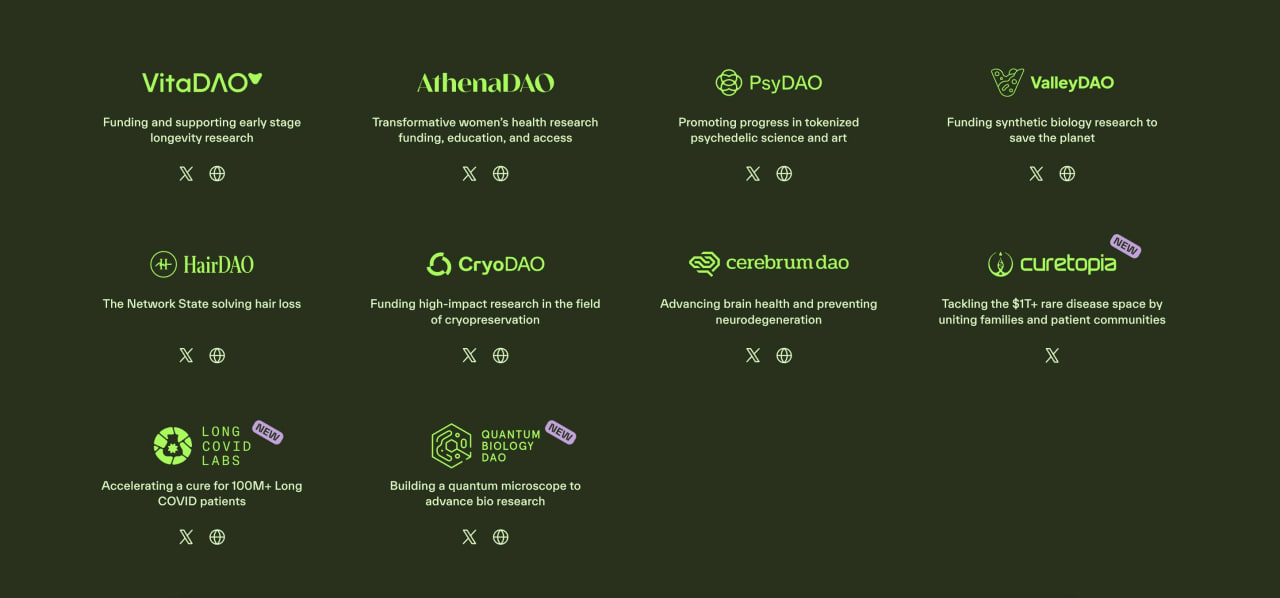
BIO Protocol’s ecosystem includes prominent bioDAOs working on diverse biotech innovations:
VitaDAO: Research on longevity.
AthenaDAO: Women’s health.
PsyDAO: Mental health science and art.
ValleyDAO: Biotech solutions for environmental sustainability.
HairDAO: Hair loss treatments.
CryoDAO: Cryopreservation advancements.
Curetopia: Rare disease treatment.
Quantum Biology DAO: Quantum microscopy for biology.
Storing and Trading BIO Tokens
Storage
BIO tokens can be stored in wallets like Trust Wallet or cold wallets (Ledger, Trezor) for enhanced security.
Trading
Starting January 3, 2025, BIO tokens will be available on Binance and other platforms.
Conclusion
BIO Protocol represents a groundbreaking approach to biotechnology, combining cutting-edge technology with decentralized innovation. Its integration of blockchain and scientific research promises to deliver transparent, inclusive, and impactful solutions for global health challenges. As one of the most prominent DeSci projects, BIO Protocol offers a compelling investment opportunity in a rapidly evolving industry.
In the world of high fashion, some pieces become more than just serving the purpose of being there in favor of a work of art. Skirts, for instance, with kinetic forms and infinite permutations, present a canvas for designers to reveal their creativity and craftsmanship while incorporating a flair for the extraordinary. From haute couture embroidery intricacies to outrageous shapes that dare to break all rules, luxury most expensive skirts epitomize the symbol of sartorial excellence.
But what makes these skirts so pricey and dear to fashion enthusiasts? It is not only about the brand reputation or the designer piece. But these Luxury skirts are made with extraordinary care using rarely available or luxurious materials, hours of labor and handwork, and utmost resolve to perfection.
Made with Swarovski crystals, pearls, and intensive embroidery, they are more than clothes-they are artworks.
Below are the pieces of top luxury designers who have created phenomenal skirts, along with a brief description of their masterpiece creations of the most sublime skirt designs and the price tags associated with them. Each garment would carry a tale of tradition, innovation, and exclusiveness, creating a pedestal to explain why these skirts became legendary pieces in fashion circles.
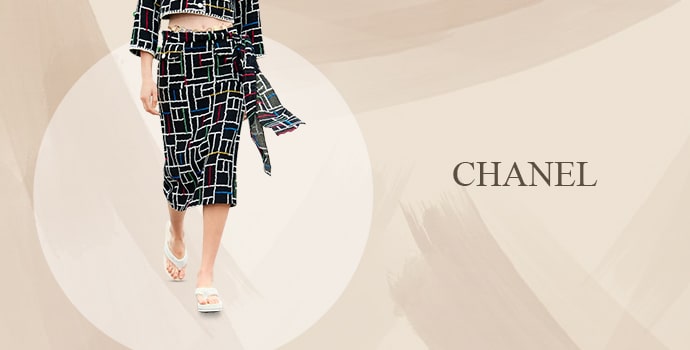
1. Chanel
For luxury fashion, no other brand is more sophisticated or elegant than Chanel. It was the young creative mind of Gabrielle “Coco” Chanel, who popularized the practicality of women’s clothing infused with elegance. To date, Chanel is still one of the highest standards of luxury, and the skirts do not differ.
Here’s a brief about Chanel’s iconic piece.
Pearl-Embroidered Couture Skirt
Chanel’s pearl-embroidered couture skirts are the epitome of refinement. Handcrafted by skilled artisans, the skirts feature intricate beadwork, delicate pearl embellishments, and luxurious tweed or silk fabrics. The design reflects the brand’s legacy of understated elegance, with every detail meticulously executed to perfection.
Why It’s So Expensive
Pure Materials: Only the finest tweeds, silks, and pearls are used. They’re sourced from the best ateliers worldwide.Artisanal Craftsmanship: The skirt takes hundreds of hours to complete, with master embroiderers and seamstresses. Timeless appeal: Creating elegant timeless pieces is what Chanel is popular for, hence the skirts become a prized possession as heirlooms.
Chanel skirts are far beyond being mere garments. They represent wearable art in their expression of French haute couture. From being shown on the runway or in a special elite event, the timeless beauty of Chanel skirts will surely continue to astound the world.
A Pearl-Embroidered Couture Skirt by Chanel typically costs anywhere between $20,000 to $50,000.
2. Dior
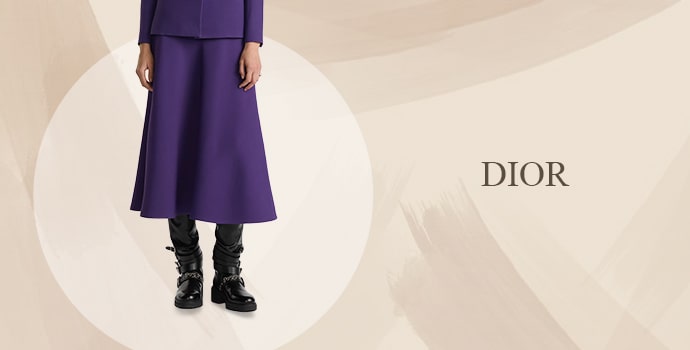
The House of Christian Dior has been the epitome of grace, femininity, and opulence since its creation in 1946. Dior transformed the face of fashion with its now-iconic “New Look,” emphasizing nipped-in waists and full skirts, a silhouette that redefined post-war elegance. Today, Dior continues to take the skirt to an art form, blending classic designs with contemporary flair.
The iconic piece of skirt by Dior
The Haute Couture Tulle Skirt
Dior’s haute couture tulle skirts are simply magical. These are the skirts that have been seen adorning red carpets and gracing the pages of fashion editorials many times. These skirts are made from multiple layers of fine tulle that give a kind of ethereal volume. Delicate embroidery, sequins, and floral appliqués are used to adorn these. This reflects the brand’s commitment to perfect craftsmanship and beauty that is timeless.
Why It’s So Expensive
1. Luxurious Fabrics: Dior employs the finest tulles, silk organza, and the most beautiful embroidery, which are all acquired from the best artisans.
2. Superb Craftsmanship: Every skirt is a product of hours of handwork by Dior’s expert couturiers, guaranteeing precision and artistry.
3. Haute Couture: These skirts are often bespoke pieces, part of the haute couture collection, offering a unique, personalized luxury experience.
A Dior skirt is more than just clothing, it is a symbol of polish and a tribute to femininity. Every creation recites a tale of a legacy in preserving haute couture. The approximate price of a Haute Couture Tulle Skirt typically ranges between $20,000 and $100,000, depending on the designer, level of craftsmanship, and materials used.
3. Alexander McQueen
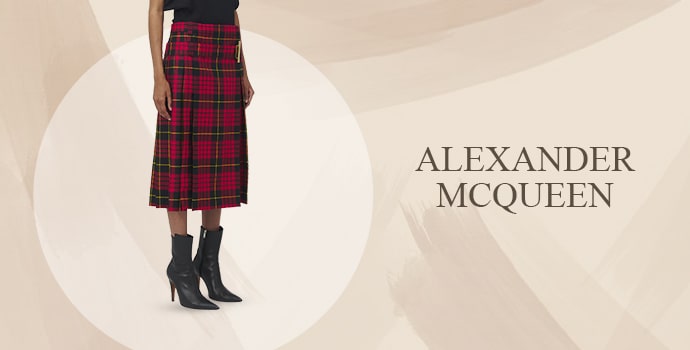
Alexander McQueen is known for its dark romanticism and daring designs. Founded by the late Lee Alexander McQueen, it is a brand that celebrates all that is bold and groundbreaking in terms of luxury aestheticism. McQueen’s skirt designs are a reflection of combining dramatic silhouettes with intricate detail to create wearable masterpieces.
The most lovable skirt by Alexander McQueen
The Skull-Embroidered Silk Skirt
The skull-embellished silk skirts of Alexander McQueen epitomize the brand’s edgy sophistication. They are made of luxurious silk with intricate skull motifs and beading that shine with every movement. The softness of the fabrics is combined with macabre details, making for a striking statement piece.
Why It’s So Expensive
1. Experimental Design: The McQueen silhouettes are appreciated for their bold, daring aesthetics and are a perfect mix of gothic and high fashion.
2. Exquisite Material Sourcing: Best-quality silks, bespoke trimmings, and trims are meticulously sourced to perfect the cut.
3. Fastidious Hand-Stitching: Each skirt requires painstaking hours of hand embroidery and detailing that stand as a testament to McQueen’s artisanal sense.
McQueen’s skirts are not merely a piece of fashion but collectibles, capturing the brand’s fearless attitude towards design. Designed for people who dare to be different, these pieces epitomize individuality and the beauty of the unexpected. A Skull-Embroidered Silk Skirt by Alexander McQueen would likely be priced between $10,000 and $25,000
4. Prada
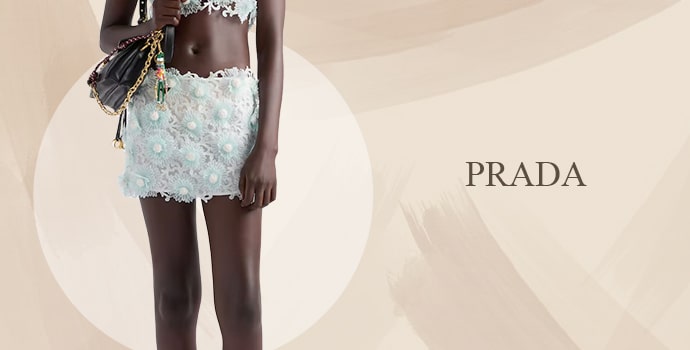
Prada has always earned respect for its ability to blend sophistication and innovation. From Mario Prada who initiated the company to Miuccia Prada who brought it even more to a higher state, the brand is revered for its subtle elegance and most up-to-date designs. There’s no other word that can define Prada skirts better but something so perfect with luxurious fabric, clean lines, contemporary touches, and a real winner in the fashion world today.
Iconic skirt by Prada
The Crystal-Studded Pencil Skirt
Prada’s crystal-studded pencil skirts are a testament to the brand’s mastery of modern luxury. These sleek designs have a tailored silhouette with meticulously placed crystals that shimmer subtly, imbuing refined glamour. Perfect for evening wear or high-profile events, these skirts blend minimalism with striking embellishment.
Why It’s So Expensive
1. Premium Materials: Silk and wool from the north of Italy with Swarovski crystals make Prada luxury richly dressed.
2. Modern Artisan Techniques: The best in tailoring precision blended with modern ornamentation ensures the end product is the kind of piece that each woman can elevate.
For those who appreciate subtle opulence with a fresh twist, Prada delivers like no other. Prada skirts are the epitome of quiet luxury, pieces that whisper elegance while making a powerful statement. Prada’s Crystal-Studded Tulle Midi Skirt is a luxurious piece that combines intricate design with high-quality materials. The skirt has a different price on various platforms, but approximately it costs around $5,600.
5. Valentino
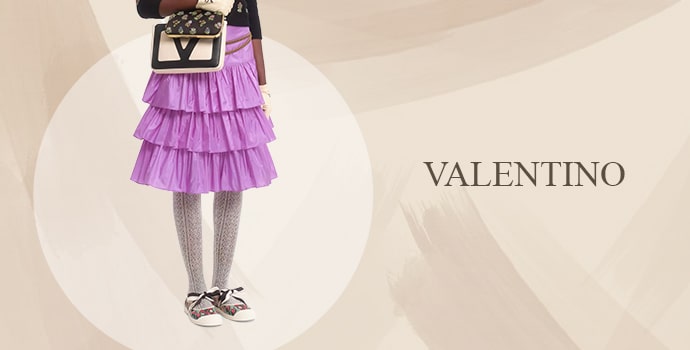
Valentino is the epitome of romance, luxury, and exquisite craftsmanship. Ever since its inception by Valentino Garavani, the Italian fashion house has been celebrated for its dramatic designs and ethereal beauty. Valentino skirts are perfect representations of timeless luxury infused with a touch of modern artistry, thanks to their use of bold colors, intricate detailing, and feminine silhouettes.
The most popular iconic piece by Valentino
The Feathery Fantasy Skirt
Valentino’s feathery fantasy skirts are masterpieces of haute couture, where whimsy and fantasy are blended with exquisite craftsmanship. These skirts have layers of tulle and silk organza and are covered with hand-placed feathers, giving them an air of movement and a dreamlike elegance. Often, they are dyed in vivid, romantic shades, such as Valentino red or pastel hues, to make them a showstopper on the runway and red carpets.
Why It’s So Expensive
1. Luxurious Materials: Valentino’s skirts are made of expensive materials such as silk chiffon, delicate lace, and premium feathers that come from specialized ateliers.
2. Handmade Details: This skirt has a very delicate design as each feather is hand-stitched, and sequins or embroidery is applied with precision to perfection.
3. Iconic Design Aesthetic: Valentino skirts are all about artistry and functionality which come together and offer designs that pay homage to the brand’s heritage while setting modern trends.
Valentino skirts are not just a garment, they are romantic expressions of style evoking awe and admiration. For those who want to make a big statement, Valentino is a sartorial dream come true. The iconic Feathery Fantasy Skirt is priced at $19,000 and the price can vary depending on the collection and its craftsmanship.
6. Versace
Few brands capture the essence of power and opulence quite like Versace. Founded by Gianni Versace, the Italian fashion house is known for its daring designs, vibrant prints, and iconic Medusa logo. Versace skirts embody the brand’s commitment to making bold fashion statements, blending sensuality with high-fashion extravagance.
Iconic Piece of Skirt by Versace
The Gold-Threaded Baroque Skirt
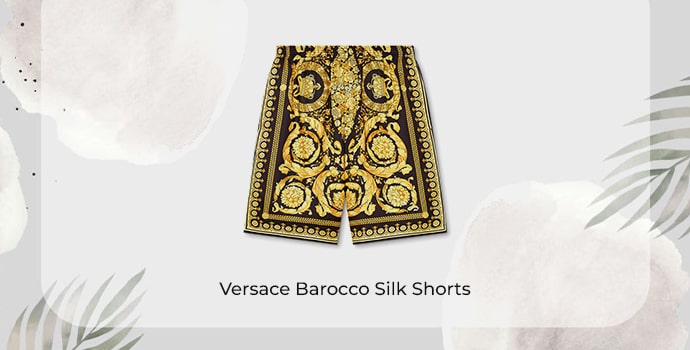
Versace’s gold-threaded baroque skirts are the ultimate expression of luxury. Featuring the brand’s signature baroque patterns woven with metallic threads, these skirts are as eye-catching as they are opulent. Often styled with figure-hugging silhouettes and dramatic slits, they exude confidence and glamour.
Why It’s So Expensive
Signature Aesthetic: The baroque print is a hallmark of Versace’s identity, and its intricate execution requires advanced weaving techniques.Luxurious Materials: Rich velvets, silks, and metallic threads create a dazzling, high-quality finish.Craftsmanship and Detail: Each skirt is meticulously crafted, with embellishments like sequins, gold accents, or crystal detailing often added by hand.
Versace skirts are for those who aren’t afraid to stand out. Radiating confidence and sophistication, they represent the brand’s dedication to celebrating individuality and unapologetic luxury. Whether worn on the runway or at an exclusive event, a Versace skirt always makes a statement. The approximate price of the Iconic Gold Threaded Baroque Skirt is $2000 depending on its design and collection.
7. Gucci
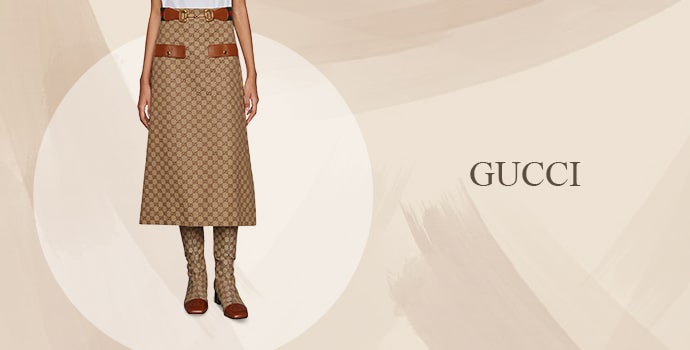
Under the creative direction of Alessandro Michele, Gucci has redefined modern luxury in its bold, nostalgic, and innovative approach. Its eclectic designs and intricate detailing make Gucci skirts an epitome of avant-garde fashion. The perfect combination of contemporary elements with vintage-inspired aesthetics makes these creations staples for the style-conscious elite.
The most iconic skirt by Gucci
The Velvet Maxi Skirt with Embroidered Florals
Gucci’s velvet maxi skirts, adorned with hand-embroidered floral motifs, are a testament to the brand’s commitment to artistry and luxury. The rich velvet fabric exudes opulence, while the intricate floral detailing adds a touch of whimsical beauty. These skirts are versatile, effortlessly transitioning from runway glamour to a chic evening ensemble.
Why It’s So Expensive
1. Luxurious Weave: Gucci dresses made of rich velvets, silks, and jacquards with flamboyant embellishments added on, and these fabrics look so vogue.
2. Floral Embellishments: Every floral design requires hundreds of hours of fine artisan handwork that adds a beautiful feminine aesthetic to the skirt.
3. Unique Style Statement: The bold, eclectic styles of Gucci designs ensure these skirts are distinctive, yet highly desirable to modern women.
Gucci skirts are more than clothes-they are statement pieces that represent the wearer and his or her love for luxury. Ideal for fashion lovers who enjoy combining loud prints with classic elegance, a Gucci skirt is something special to add to a wardrobe.
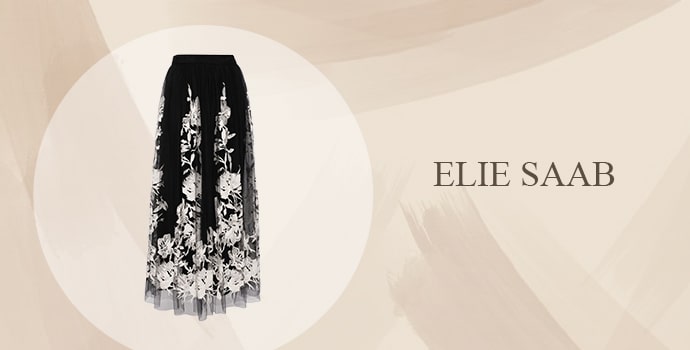
8. Elie Saab
Elie Saab has been the quintessence of fairy tale luxury and femininity. Having been known for his breathtaking haute couture, the Lebanese designer captures romance and sophistication into every piece he designs. Elie Saab’s skirts also take his attention to detail with a love for embellishment, which makes them ideal for red carpet wear and high-end wardrobes.
Iconic piece by the fashion house
The Glittering Ballgown Skirt
Elie Saab’s glittering Ballgown skirts are a magical art of luxury. They are made of layers of soft tulle, organza, or silk and covered with shimmering Swarovski crystals, intricate beadwork, and floral appliqués. Their luminous finish and regal silhouette make them the ultimate statement of couture luxury. The Glittering Ballgown Skirt by Elie Saab is priced between $2,000 and $5,000.
Why It’s So Expensive
1. Use of Luxurious Materials: The finest fabrics and luxurious embellishments like Swarovski crystals and hand-cut lace are used in crafting these skirts.
2. Exquisite Craftsmanship: Hundreds of hours of time-consuming handwork are put into each skirt, from embroidery to layering the fabrics for perfect flow.
3. Couture Exclusivity: Most of Saab’s skirts are custom-made with a one-of-a-kind approach to perfection.
Elie Saab skirts are not just clothes, they are creations that celebrate femininity and elegance. For those looking for a piece that embodies timeless beauty and couture artistry, an Elie Saab skirt is the ultimate choice.
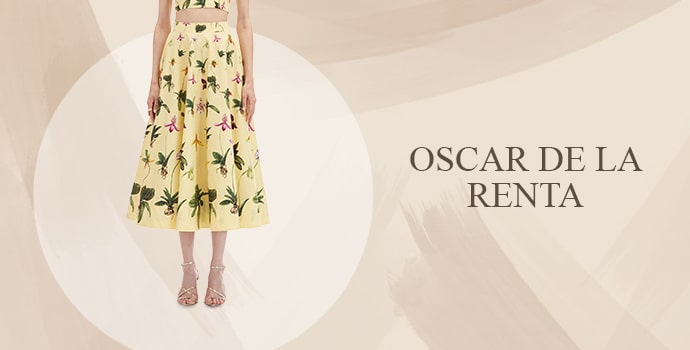
9. Oscar de la Renta
Oscar de la Renta, known for his sophisticated and timeless designs, has long been a favorite among the world’s elite. His creations exude elegance, grace, and a sense of refined femininity, making him one of the most influential designers in fashion history. Oscar de la Renta skirts embody all that is luxurious, with a perfect balance of classic style and intricate detailing.
Iconic piece of skirt that the brand offers
The Hand-Painted Silk Skirt
Oscar de la Renta’s hand-painted silk skirts are masterpieces that combine art and fashion. Crafted from the finest silk, these skirts are adorned with delicate hand-painted designs, often inspired by floral patterns, lush landscapes, or abstract motifs. Each skirt is a one-of-a-kind creation, showcasing the designer’s dedication to craftsmanship and attention to detail.
Why It’s So Expensive
Luxurious Fabrics: Oscar de la Renta’s skirts use the finest silks, taffetas, and organza, elevating the feel and flow of the garment.Hand-Painted Detailing: The intricate hand-painting process requires hours of work by skilled artisans, ensuring that each skirt is unique and exceptional.Timeless Craftsmanship: Every skirt is designed to perfection, with meticulous stitching and attention to the silhouette, making it a true couture piece.
Oscar de la Renta skirts represent the height of elegance and craftsmanship, often seen on the most exclusive red carpets and fashion events. A skirt from Oscar de la Renta is not just a piece of clothing but a statement of refined luxury, ideal for those who seek timeless beauty and grace. Oscar de la Renta’s Hand-Painted Skirts are celebrated for their intricate designs and are priced from $2,290 to $4,795.
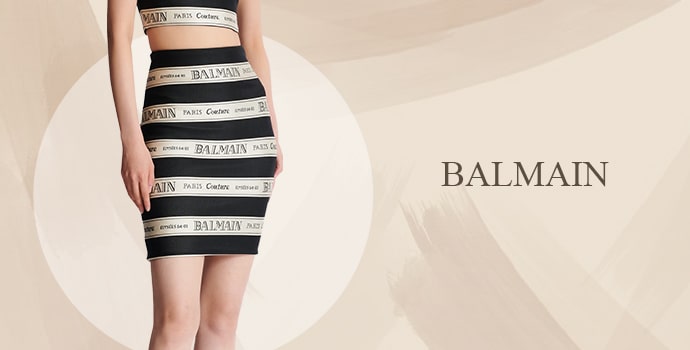
10. Balmain
Under the creative direction of Olivier Rousteing, Balmain has become synonymous with modern luxury and edgy glamour. Known for its bold structures, military-inspired designs, and impeccable tailoring, Balmain skirts embody the brand’s signature blend of sophistication and rebellious spirit. These pieces often incorporate sharp lines, intricate embellishments, and an unmistakable sense of power.
Iconic Piece
The Military-Inspired Beaded Mini Skirt
Balmain’s military-inspired beaded mini skirts are a striking example of the brand’s ability to mix structure with opulence. These skirts command attention, featuring structured silhouettes, gold beadwork, and sharp, tailored lines. The beaded embellishments often form intricate patterns, highlighting the brand’s craftsmanship while maintaining an edgy, rock-inspired vibe.
Why Is It So Expensive
Expert Tailoring: Balmain skirts are known for their flawless, structured tailoring, often requiring expert craftsmanship to achieve their perfect fit.Intricate Embellishments: Gold beadwork, studs, and sequins are painstakingly applied by hand, ensuring each skirt is a work of art.Luxury Materials: Balmain uses premium fabrics such as silk, velvet, and heavy crepe, ensuring a luxurious finish.
Balmain skirts are a statement of confidence and power. With their perfect blend of opulence and rock-inspired glamour, they’re designed for those who aren’t afraid to stand out and embrace a modern, bold luxury aesthetic. A Balmain skirt is the ultimate choice for anyone looking to make an unforgettable fashion statement, the Military-Inspired Beaded Mini Skirt is likely priced between $1,500 and $4,000.
Conclusion
Luxury skirts are more than just garments, they are a confluence of art, history, and extraordinary craftsmanship. Designers like Alexander McQueen, Chanel, and Elie Saab have redefined the boundaries of fashion, creating skirts that are celebrated for their opulence, exclusivity, and storytelling. Each piece is a masterpiece, woven with the essence of the designer’s vision and the heritage of haute couture.
From intricate embroidery and rare fabrics to unparalleled attention to detail, these designers have elevated the skirt into a symbol of status and sophistication. For the discerning few who appreciate the finer things in life, these skirts offer more than just style as they provide a tangible connection to the legacy of luxury fashion.
As we celebrate these trailblazers, their creations remind us of the timeless appeal of high-end fashion that doesn’t just follow trends but defines them. In a world where personal expression meets high art, these luxurious skirts are the one of the most strongest proof that true elegance is always in vogue. Whether you admire them from afar or indulge in the splendor, they serve as an enduring testament to the magic of design.
FAQs
Q1. Do these skirts appreciate in value over time?
Ans. Certain designer skirts, particularly limited-edition or vintage couture pieces, can appreciate in value over time. They are often considered collectible items, especially if they are part of a significant collection or have historical or cultural relevance.
Q2. What makes designer skirts so expensive compared to regular skirts?
Ans. The high price of designer skirts comes from the combination of premium materials, skilled craftsmanship, exclusive designs, and the brand’s reputation. Many skirts are handmade and hence require hours, or even months of meticulous labor, which significantly increases the level of craftsmanship, quality, and value.
Q3.How much does the most expensive skirt in the world cost?
Ans. The cost of the most expensive skirts in the world can range from tens of thousands to millions of dollars. For instance, couture skirts by designers like Guo Pei or Elie Saab can cost over $100,000 due to their intricate craftsmanship and rare materials.
Luxury winter collections redefine alpine wear by merging technical excellence with high-end aesthetics, setting a new benchmark for elegance both on and off the slopes. Brands like Louis Vuitton, Tod’s, ZEGNA, and Gucci are embracing the duality of winter style — balancing functional innovation with opulent craftsmanship.
From Louis Vuitton’s sleek Monogram Miroir accessories and versatile ski-ready ensembles to ZEGNA’s Oasi Cashmere ski suits and Triple Stitch Vetta shoes, these collections showcase winter fashion as a sophisticated art form. Tod’s reimagines alpine essentials with shearling-lined Gommino boots, while Gucci captures the festive spirit with knitwear and metallic accents designed for serene mountain retreats. These offerings highlight the seamless transition between high-performance gear and après-ski sophistication, perfect for both alpine adventures and urban settings.
Louis Vuitton’s 2024 LV Ski Collection
Louis Vuitton’s latest LV SKI collection blends alpine performance with high-end elegance, offering everything from practical sportswear to sophisticated après-ski looks. Designed for both slopes and resort settings, the collection strikes a perfect balance between style and functionality. The range features body-hugging base layers, plush fleece, and ribbed cashmere knits, all offering warmth while maintaining a refined silhouette. Versatile leggings or jeans are paired with knee-high shearling boots, while all-weather nylon outerwear such as gilets and puffer jackets offer protection against the elements, with quilted detailing that recalls the iconic malletage finish found within Louis Vuitton trunks.
Shearling also appears in the accessories collection, including the return of the Cozygram and a Monogram Carryall crafted from suede and shearling. The LV Snow range — featuring the OnTheGo and Keepall bags in gradient silver Monogram nylon — makes a striking winter statement. The Coussin bag comes in new gradient shades, reflecting the ready-to-wear collection’s print. The Monogram Miroir collection revisits Louis Vuitton’s exploration of reflective surfaces, recalling the metal trunks of 1892 and the silver bags of the early 2000s. The glossy Monogram Miroir treatment — embossed with the LV Monogram — creates a retro-futuristic effect across the Alma, Loop, and Pochette Twin bags. With accessories like furry accents and streamlined goggles, the LV SKI collection offers an expansive wardrobe, perfect for a variety of winter occasions. Imbued with Louis Vuitton’s signature spirit of travel, the collection is designed to be worn throughout the season, transitioning seamlessly into spring.
Tod’s Holiday Collection 2024
Tod’s latest Holiday collection effortlessly merges luxury with practicality, exemplifying the evolving appeal of winter fashion. As ski resorts become key destinations for high-end winter wardrobes, Tod’s designs combine technical sophistication with refined aesthetics, crafting pieces that work both on and off the slopes. This season, the brand introduces an elevated take on alpine wear that balances technical innovation with timeless Italian craftsmanship. The collection seamlessly bridges the gap between functional winter gear and stylish resort attire, offering versatile pieces designed to thrive in both active and après-ski settings.
Classic pieces like the Gommino loafers and Winter Gommino boots are reimagined for the season, combining luxury leathers with plush shearling to deliver a refined yet practical winter wardrobe. These pieces are designed for more than just the slopes — they capture the essence of mountain resort life, offering stylish, comfortable footwear for everything from a casual stroll to an après-ski gathering.
The collection also showcases Tod’s ability to elevate everyday essentials with thoughtful detailing. T Vintage sneakers — crafted in soft fur — add a playful yet sophisticated twist to classic silhouettes, while the brand’s attention to quality ensures that each piece combines luxury with functionality. Whether layered for warmth or worn as statement pieces, these designs meet the season’s demands without sacrificing style. By fusing high-performance elements with the brand’s renowned aesthetic, Tod’s is redefining winter fashion as a seamless blend of technical wear and sophisticated leisure. With each piece thoughtfully designed for both elegance and comfort, the collection captures the dual appeal of winter fashion, where form and function coexist effortlessly.
Ferragamo’s Winter Collection
Ferragamo’s latest selection of winter accessories effortlessly combines refined design with functionality, offering elevated pieces perfect for both alpine adventures and relaxed resort settings. The brand’s dedication to exceptional craftsmanship is evident in each item, providing luxurious options that marry practicality with sophisticated style. For womenwear, the signature Hug bag takes centre stage, featuring a suede lining enhanced with merino edges, while the mini version boasts soft merino and calfskin handles with gold Gancini buckles, contrasting elegantly with its natural tones. The cotton ribbon shoulder strap adds versatility, allowing it to be worn by hand or over the shoulder.
Ferragamo also nods to its heritage with ballet flats inspired by a 1950s design for Audrey Hepburn, featuring soft shearling uppers, tassel straps, and side buttons engraved with the Ferragamo logo. Meanwhile, for colder days, a soft calfskin boot with a Gancini buckle strap and a lightweight sole designed from an archival 1938 model combines classic design with modern functionality.
For menswear on the other hand, the collection includes sleek Chelsea boots crafted from smooth abrasivated calfskin with ultralight rubber soles, embossed with the Gancini symbol, alongside a sophisticated duffle bag in technical canvas. The collection also sees the embossed Gancini backpack — made from durable hammered calfskin. Complementing the accessories are fluffy scarves in wool and alpaca, emblazoned with the Venna logo.
Montblanc Happy Holidays Capsule Collection
This holiday season, Montblanc unveils its Happy Holidays capsule, inspired by the grandeur of Mont Blanc itself. The collection evokes the beauty of snow-covered peaks and includes a selection of pieces that offer both style and practicality for winter journeys. The Tote Bag, Cabin Size #MY4810 Trolley, and Pouch showcase refined black embroidery depicting a lively winter scene, reminiscent of ink on paper. Finished with leather details inspired by the nib of a fountain pen, these accessories marry luxury with utility, making them ideal for the modern traveller. The #MY4810 Trolley, designed in ivory polycarbonate, not only ensures efficient packing but adds a touch of winter charm to any getaway. For alpine pursuits, Montblanc introduces the Rectangular Ski Mask, a functional yet stylish piece. The photochromatic lenses adapt to changing weather conditions, while the jacquard headband, adorned with the Montblanc logo, offers comfort and durability on the slopes. Rubber details inside the mask ensure a snug fit, balancing style with practicality for winter adventures. In line with the trend of luxury winter fashion, where technical design meets elevated aesthetics, Montblanc’s winter accessories and capsule collections epitomise this fusion, ideal for both winter escapes and everyday elegance.
In addition to winter accessories, Montblanc’s writing instruments, such as the Meisterstück Gold-Coated 149 fountain pen and the StarWalker Doué, continue to reflect the brand’s commitment to timeless luxury. The Meisterstück — with its rich black precious resin and solid gold nib — is a symbol of craftsmanship and sophistication. Meanwhile, the StarWalker Doué — with its platinum-coated fittings and blue translucent dome emblem — channels the spirit of exploration and innovation, making it an ideal gift for the Christmas season.
Gucci Gift Campaign — Chapter 2: To the Mountains
Gucci’s latest campaign for the holidays — conceived by Creative Director Sabato De Sarno — captures the essence of togetherness through the act of gifting. Unfolding over four chapters, the campaign explores the deep connections formed during shared experiences, where meaningful gifts transcend their material form. The story highlights the joy of giving and receiving, set against a backdrop of intimate celebrations and winter escapes.
In the second chapter, “To the Mountains,” the campaign takes us to a snowy retreat, where a group of friends and loved ones escape the hustle and bustle of the season to embrace the quiet beauty of the mountains. Amidst this serene setting, the focus shifts to connection, with Gucci’s latest collections offering both style and comfort for such winter getaways. Kendall Jenner, draped in GG Monogram outerwear, epitomises winter elegance, while Jannik Sinner brings a laid-back, yet sophisticated, touch in logo-embellished knitwear paired with a metallic silver Gucci duffle. Kendall Jenner’s shimmering GG Monogram outerwear, paired with the brand’s signature GG Emblem and GG Marmont handbags, demonstrates the brand’s effortless blend of functionality and refined winter elegance. Knitwear crafted for both warmth and style merges effortlessly with metallic accents that capture the festive spirit of winter adventures. Gucci’s emphasis on comfortable, elevated fashion pieces underscores the trend of luxury brands integrating technicality into their collections — proving that winter fashion can be as functional as it is fashionable. Accessories like the GG Emblem and GG Marmont handbags complete the looks, seamlessly blending high fashion with the practicality of winter travel. The chapter also features heartwarming family moments, where models Kirsty and Violet Hume are captured in a touching mother-daughter scene, further elevating the narrative of love and connection that defines this festive season.
ZEGNA Luxury Outdoor Collection
Just in time for the holiday season, ZEGNA has introduced its Winter 2024 Luxury Outdoor collection — a blend of performance-driven design and elevated aesthetics, offering key pieces in Oasi Cashmere and fresh colourways of the Triple Stitch Vetta shoes. This collection marks a more active expression of ZEGNA’s Luxury Leisurewear, drawing inspiration from the dual worlds of Oasi Zegna—skiing and après-ski. With a versatile aesthetic that transitions seamlessly between the mountains and urban environments, the collection brings together technical functionality and luxurious materials to cater to both alpine adventures and city life.
The star of the collection is once again Oasi Cashmere, featuring three standout ski suits — a lightly padded Oasi Cashmere option, a technical wool suit with three layers, and a groundbreaking Cashco corduroy ski suit that blends high-performance function with luxurious fabric. Elevating winter outerwear, the down jackets are crafted with corduroy Cashco and knitted Oasi Cashmere, while hybrid knitwear and jersey underpinnings add depth for improved layering. The collection also integrates winter-themed jacquard patterns and monochromatic graphics, extending to accessories like hats and scarves, creating a cohesive look that effortlessly bridges mountain retreats with urban style.
The Triple Stitch Vetta Shoe complements the collection with its rugged elegance, designed for both outdoor activities and relaxed city life. Featuring a “VIBRAM ARCTIC GRIP” sole for superior traction in icy conditions, this hybrid shoe is inspired by the trails of Oasi Zegna and combines technical design with ZEGNA’s hallmark craftsmanship. The shoe is equipped with a removable footbed and Sanitised antimicrobial technology, offering maximum comfort and freshness, making it the ideal footwear for the winter season.
Celine’s Apres Ski Collection
Celine’s winter collection brings a sleek and modern edge to alpine wear, blending technical innovation with the brand’s iconic minimalist design. The standout ski parka, crafted in shiny technical ripstop fabric, features a loose fit, high neck with an adjustable drawstring hood, and practical elements like multiple zipped pockets, engraved snap buttons, and side zips for flexibility. The Celine print adds a signature touch, while the polyester filling ensures warmth without compromising style. Complementing the parka are the Celine ski pants, made from technical nylon ripstop fabric, offering a loose fit and functional details like jacquard branding on the waistband, side leg pockets, and a secure zip-and-snap closure. These pieces combine performance-ready functionality with the refined aesthetics of Italian craftsmanship. Completing the look, the Celine ski mask provides both style and protection, featuring an injected nylon frame, smoke lenses with UVA/UVB protection, and an adjustable band embroidered with the Celine signature. Together, these pieces redefine slope-side sophistication, with a seamless blend of form and function.
Moncler Grenoble Skiwear & Knitwear
Moncler juxtaposes technical skiwear with luxurious knitwear, showcasing the versatility and sophistication of modern winter fashion. The Cerro GORE-TEX ski jacket exemplifies high-performance outerwear, tailored for alpine pursuits with its wind and waterproof GORE-TEX fabric that ensures complete weather protection while remaining breathable. Equipped with Primaloft Gold Insulation, heat-sealed seams, a powder skirt, and a RECCO reflector, the jacket is designed to provide optimal warmth and safety on the slopes. Presented during the autumn/winter ’24 fashion show in the Alps, it stands as a testament to the fusion of technical innovation and elevated design.
Contrasting this technical marvel is Moncler’s embroidered mohair and wool jumper, offering a softer, more intimate approach to winter luxury. Crafted from a plush mohair and wool blend, the heavy knit features hand-embroidered crystals that add a touch of opulence. With its brioche stitch back, cable rib knit, and polo neck, this jumper seamlessly transitions from city streets to cosy chalets. Together, these pieces highlight the duality of luxury winter fashion — where performance-driven skiwear meets the refined comfort of artisanal knitwear
Read More: Luxury Brands Leverage Personalised Offerings For Product Differentiation
For more on the latest in fashion and style reads, click here.
Published: December 24, 2024 at 2:04 am Updated: December 24, 2024 at 2:04 am
by Ana
Edited and fact-checked:
December 24, 2024 at 2:04 am
To improve your local-language experience, sometimes we employ an auto-translation plugin. Please note auto-translation may not be accurate, so read original article for precise information.
In Brief
Gate.io introduced the Prometheus System, a risk control solution designed to enhance safety measures for users engaging in copy trading.
Cryptocurrency exchange Gate.io introduced what it describes as the first risk control system designed specifically for copy trading leaders, known as the Prometheus System. Developed with standards comparable to those used in quantitative fund-level risk management, the system aims to enhance safety measures for users participating in copy trading. This introduction represents a notable advancement in managing risks within the cryptocurrency market.
Copy trading has gained popularity among cryptocurrency investors in recent years because it offers a straightforward and flexible approach to trading. By replicating the strategies of experienced traders, often referred to as copy leaders, users can explore potential profit opportunities. However, this trading model carries certain risks, including exposure to high leverage, impulsive trading practices, and limited transparency, all of which can result in substantial financial losses for users pursuing higher returns.
Gate.io, as a recognized player in the industry, acknowledged these challenges and utilized its technical expertise to create the Prometheus System. This system addresses a critical gap in the market by providing enhanced safeguards for users, particularly in managing the uncertainties and fluctuations inherent to cryptocurrency trading.
Prometheus System Features: Intelligent Risk Control Across Entire Trading Process
The Prometheus System is a sophisticated risk management framework designed to enhance safety and transparency for copy trading users. It incorporates intelligent monitoring, adaptable configurations, and clear reporting to deliver a risk management experience aligned with quantitative fund-level standards. The system operates through three distinct layers of control to safeguard user investments.
One key feature is Leverage Limits, which dynamically adjust the maximum leverage available based on the copy leader’s capital scale and trading pairs. This proactive approach reduces the likelihood of liquidation events caused by excessive leverage, effectively addressing risks at their origin and protecting users.
The system also includes Real-Time Leverage Monitoring, enabling continuous oversight of trading activities. If a copy leader engages in risky behavior, such as scaling positions irresponsibly while incurring losses, the system intervenes by restricting further actions. This measure helps preserve user assets by preventing compounding risks.
Additionally, the Net Value Drawdown Stop-Loss feature adds another layer of security. When a copy leader’s net value drawdown reaches a pre-set limit, the system enforces a full-position stop-loss. This mechanism mitigates risks associated with prolonged or deliberate position-holding and ensures fair protection for all users, regardless of when they began participating in copy trading.
The Prometheus System also offers real-time, transparent data reports, enabling users to continuously monitor their trading activities and risk management status. This feature improves trading visibility, instills user confidence, and encourages more informed decision-making.
The system is designed to empower everyday investors to participate in the cryptocurrency market without the burden of high-risk trading practices. Simultaneously, it delivers comprehensive risk management options to institutional investors and high-net-worth individuals, addressing their unique requirements.
By mitigating trading risks, the Prometheus System fosters a more standardized, transparent, and dependable cryptocurrency trading environment. This innovation not only prioritizes user safety but also strengthens trust in the broader cryptocurrency ecosystem.
Disclaimer
In line with the Trust Project guidelines, please note that the information provided on this page is not intended to be and should not be interpreted as legal, tax, investment, financial, or any other form of advice. It is important to only invest what you can afford to lose and to seek independent financial advice if you have any doubts. For further information, we suggest referring to the terms and conditions as well as the help and support pages provided by the issuer or advertiser. MetaversePost is committed to accurate, unbiased reporting, but market conditions are subject to change without notice.
About The Author
Alisa, a dedicated journalist at the MPost, specializes in cryptocurrency, zero-knowledge proofs, investments, and the expansive realm of Web3. With a keen eye for emerging trends and technologies, she delivers comprehensive coverage to inform and engage readers in the ever-evolving landscape of digital finance.
More articles
Alisa Davidson
Alisa, a dedicated journalist at the MPost, specializes in cryptocurrency, zero-knowledge proofs, investments, and the expansive realm of Web3. With a keen eye for emerging trends and technologies, she delivers comprehensive coverage to inform and engage readers in the ever-evolving landscape of digital finance.
The world of couture and high-end fashion is characterized by its constant evolution and adaptation to emerging trends. As technology advances and consumer preferences shift, luxury brands are reimagining their strategies to stay relevant and innovative. Three key trends are shaping the future of couture: the rise of digital fashion, the increasing focus on sustainability, and the emphasis on personalization. Each of these trends is transforming how designers create, market, and sell their products, offering new opportunities and challenges for the industry.
The Rise of Digital Fashion in Couture Design
In recent years, digital fashion has emerged as a groundbreaking trend in the couture industry, offering designers unprecedented creative freedom. By utilizing digital tools and platforms, designers can experiment with new forms, textures, and colors without the limitations of physical materials. This shift towards virtual design is not only revolutionizing the creative process but also opening doors to innovative expressions of fashion that were previously unimaginable.
One of the most significant advantages of digital fashion is the ability to create and showcase designs in a virtual space, thus eliminating the need for physical samples. This not only reduces production costs but also accelerates the design process. Designers can quickly iterate and refine their creations, allowing them to respond to trends and consumer feedback in real time. Furthermore, digital fashion shows and virtual runways have become increasingly popular, offering immersive experiences that captivate global audiences.
The integration of augmented reality (AR) and virtual reality (VR) technologies is further enhancing the appeal of digital fashion. Consumers can now visualize and try on garments virtually, bridging the gap between the online and in-store shopping experience. This technological advancement is particularly appealing to younger, tech-savvy consumers who value convenience and innovation. As a result, high-end brands are investing in digital platforms to engage with this demographic and stay ahead of the competition.
Digital fashion also presents an opportunity for couture brands to reach new markets and expand their global presence. By leveraging online platforms and digital marketing strategies, luxury labels can connect with consumers across the world, regardless of geographical limitations. This democratization of fashion allows brands to build diverse and inclusive communities, fostering a sense of belonging among their customers.
However, the rise of digital fashion is not without its challenges. Issues such as digital piracy and intellectual property rights pose significant concerns for designers, who must navigate the complexities of protecting their creations in the virtual realm. Additionally, the environmental impact of digital technologies, such as energy consumption and electronic waste, must be addressed to ensure the sustainability of digital fashion practices.
Despite these challenges, the potential of digital fashion to transform the couture industry is undeniable. As technology continues to evolve, so too will the possibilities for creative expression and consumer engagement, paving the way for a new era of fashion that is both innovative and inclusive.
Sustainability: A New Pillar in Luxury Fashion
Sustainability has become a crucial consideration for high-end brands, as consumers increasingly prioritize ethical and eco-friendly practices. In response to this growing demand, luxury fashion houses are re-evaluating their production processes and supply chains to minimize their environmental impact. This shift towards sustainability represents a fundamental change in the industry’s approach to design and manufacturing.
One of the primary ways couture brands are embracing sustainability is by sourcing materials that are both high-quality and environmentally friendly. This includes the use of organic fabrics, recycled materials, and innovative alternatives such as lab-grown leather and plant-based textiles. By prioritizing sustainable materials, designers can reduce their carbon footprint while maintaining the luxurious appeal of their creations.
In addition to material sourcing, luxury fashion brands are adopting more sustainable production techniques. This includes reducing waste through made-to-order models, optimizing energy consumption in manufacturing facilities, and implementing circular design principles that promote recycling and reuse. By integrating these practices, brands can create garments that are not only beautiful but also environmentally responsible.
Collaborations with environmental organizations and sustainability experts are also becoming more common in the luxury fashion sector. These partnerships enable brands to leverage external expertise and resources to develop sustainable initiatives and promote transparency in their operations. By aligning with reputable organizations, high-end labels can enhance their credibility and build trust with environmentally conscious consumers.
The commitment to sustainability extends beyond production to include marketing and consumer engagement. Many luxury brands are using their platforms to raise awareness about environmental issues and inspire positive change. Through storytelling and advocacy, these brands are not only promoting their sustainable practices but also encouraging consumers to adopt more eco-friendly lifestyles.
However, the journey towards sustainability in the couture industry is not without its challenges. High production costs, limited availability of sustainable materials, and the need for industry-wide collaboration are significant obstacles that brands must overcome. Despite these challenges, the pursuit of sustainability remains a priority for luxury fashion houses, driven by a shared vision of a more ethical and environmentally conscious future.
Ultimately, sustainability is reshaping the luxury fashion landscape, offering brands the opportunity to innovate and lead by example. As consumers continue to demand greater accountability and transparency, the integration of sustainable practices will become increasingly essential for the success and longevity of high-end brands.
Personalization: Tailoring the High-End Experience
In an era where individuality is highly valued, personalization has become a defining trend in the luxury fashion industry. High-end brands are increasingly focusing on creating bespoke experiences that cater to the unique preferences and tastes of their customers. This trend is reshaping the way couture houses engage with their clientele, offering a more intimate and tailored approach to luxury fashion.
Personalization in couture design often begins with customized garments that reflect the personal style and fit preferences of the customer. From selecting fabrics and colors to tailoring the fit and silhouette, the process allows clients to play an active role in the creation of their garments. This level of involvement not only enhances the exclusivity of the product but also strengthens the emotional connection between the brand and the customer.
Beyond customized clothing, high-end brands are offering personalized shopping experiences that cater to the individual needs of their clients. This includes private appointments, personalized styling consultations, and exclusive access to limited-edition collections. By providing a tailored shopping experience, luxury labels can foster loyalty and create lasting relationships with their discerning clientele.
The integration of technology is also playing a significant role in the personalization trend. Advanced data analytics and artificial intelligence (AI) are enabling brands to gain insights into consumer behavior and preferences, allowing them to offer personalized recommendations and marketing strategies. This data-driven approach enhances the customer experience by delivering relevant and timely content that resonates with individual consumers.
In addition to enhancing the shopping experience, personalization extends to marketing and brand communication. High-end brands are leveraging digital platforms to create personalized content that speaks directly to their target audience. From personalized emails and social media interactions to tailored advertising campaigns, luxury labels are using personalization to build meaningful connections with their customers.
While personalization offers significant benefits, it also presents challenges for luxury brands. Balancing the need for exclusivity with the demand for customization requires careful consideration and strategic planning. Additionally, brands must navigate privacy concerns and ensure that their data collection practices are transparent and respectful of consumer rights.
Despite these challenges, the trend towards personalization is set to continue shaping the future of luxury fashion. As consumers seek more meaningful and individualized experiences, high-end brands will need to embrace personalization as a core component of their strategy. By doing so, they can differentiate themselves in a competitive market and deliver unparalleled value to their customers.
As the couture and high-end fashion industry navigates the complexities of the modern world, the adoption of digital fashion, sustainability, and personalization will be crucial for its evolution. These trends are not only redefining the creative and operational aspects of luxury fashion but also reshaping consumer expectations and interactions. By embracing these changes, couture brands have the opportunity to lead with innovation, responsibility, and a deep understanding of their clientele. As we look to the future, the fusion of technology, ethics, and individuality will continue to drive the transformation of high-end fashion, ensuring its relevance and allure for generations to come.
Exploring the Future of Digital Luxury Experiences
The digital landscape has dramatically transformed the luxury industry, ushering in a new era where opulence is no longer confined to physical spaces. As technology continues to evolve, so does the concept of luxury, reshaping consumer expectations and experiences. This article delves into how digital innovations are redefining luxury, exploring the roles of immersive technologies and artificial intelligence in crafting exclusive experiences.
The Evolution of Luxury in the Digital Age
The luxury industry has always been synonymous with exclusivity, craftsmanship, and status. Traditionally, luxury was experienced through tangible products and face-to-face interactions. However, the digital age has brought about significant changes, challenging traditional notions of luxury. Today, luxury brands are leveraging digital platforms to reach and engage with a broader audience, offering personalized experiences that were once unimaginable.
Digital transformation has opened up new avenues for luxury brands to tell their stories and create deeper connections with consumers. Through social media, brands can showcase their heritage and craftsmanship, while influencers and digital ambassadors help amplify their message to a global audience. This shift has democratized luxury, making it more accessible while maintaining its allure.
E-commerce has also played a pivotal role in the evolution of digital luxury. High-end brands that once hesitated to embrace online sales now offer seamless shopping experiences that reflect their brand values. Websites and apps are designed to provide a sense of exclusivity and sophistication, with virtual try-ons and personalized recommendations enhancing the shopping journey.
Moreover, the rise of digital luxury is also evident in the growing importance of sustainability and ethical practices. Consumers are increasingly demanding transparency and accountability from luxury brands, and digital platforms allow for better communication and engagement in these areas. Brands can share their sustainability initiatives and engage with consumers on a more personal level, building trust and loyalty.
The evolution of luxury in the digital age is also characterized by the blending of physical and digital experiences. Luxury brands are investing in creating immersive environments that merge the tactile with the virtual, offering consumers a holistic experience that transcends traditional boundaries. This fusion of the physical and digital is paving the way for a new era of luxury that is both experiential and aspirational.
As the digital landscape continues to evolve, luxury brands must adapt and innovate to stay relevant. Embracing digital transformation is no longer optional but essential for survival in a competitive market. By leveraging technology, luxury brands can create unique and unforgettable experiences that resonate with the modern consumer, ensuring their continued success in the digital age.
Immersive Technologies Redefining Opulence
Immersive technologies, such as virtual reality (VR) and augmented reality (AR), are revolutionizing the luxury industry by offering new ways to experience opulence. These technologies provide consumers with interactive and engaging experiences that transcend traditional boundaries, allowing them to explore luxury in unprecedented ways.
Virtual reality offers a unique opportunity for luxury brands to create immersive environments where consumers can experience their products and services in a highly realistic setting. For example, VR can transport consumers to a virtual showroom, where they can explore a collection of high-end fashion or luxury automobiles without leaving their homes. This not only enhances the shopping experience but also allows brands to showcase their offerings in a more dynamic and engaging manner.
Similarly, augmented reality is redefining opulence by overlaying digital content onto the real world. AR applications allow consumers to visualize luxury products in their own environment, whether it’s trying on a virtual watch or placing a digital piece of furniture in their living room. This level of interactivity not only enhances the consumer experience but also provides a sense of exclusivity and personalization.
Beyond product visualization, immersive technologies are also being used to create unique brand experiences. Luxury brands are leveraging VR and AR to host virtual events, fashion shows, and exclusive previews, allowing consumers to participate from anywhere in the world. These digital experiences not only build excitement and anticipation but also foster a sense of belonging and community among luxury enthusiasts.
The integration of immersive technologies into the luxury industry is also driving innovation in product design and development. Designers can use VR to experiment with new materials and concepts, while AR can assist in visualizing prototypes and making real-time adjustments. This not only accelerates the design process but also allows for greater creativity and experimentation.
As immersive technologies continue to evolve, they will play an increasingly important role in redefining opulence in the digital age. By embracing these technologies, luxury brands can create unique and memorable experiences that resonate with consumers, reinforcing their position as leaders in innovation and exclusivity.
The Role of AI in Curating Exclusive Experiences
Artificial intelligence (AI) is transforming the luxury industry by enabling brands to curate personalized and exclusive experiences for their consumers. Through data analysis and machine learning, AI can provide insights into consumer preferences and behavior, allowing brands to tailor their offerings to meet individual needs.
One of the key applications of AI in the luxury industry is personalization. By analyzing consumer data, AI can recommend products and services that align with individual tastes and preferences. This level of personalization not only enhances the consumer experience but also fosters a sense of exclusivity and uniqueness.
AI is also being used to enhance customer service in the luxury industry. Chatbots and virtual assistants powered by AI can provide instant support and assistance, answering queries and providing recommendations in real-time. This not only improves the efficiency of customer service but also ensures a seamless and personalized experience for consumers.
Moreover, AI is playing a crucial role in optimizing supply chain management and inventory control for luxury brands. By analyzing data and predicting demand, AI can help brands manage their inventory more effectively, ensuring that the right products are available at the right time. This not only reduces waste but also enhances the overall consumer experience by ensuring product availability.
In addition to enhancing personalization and efficiency, AI is also driving innovation in product design and development. By analyzing trends and consumer preferences, AI can provide insights into emerging styles and designs, allowing brands to stay ahead of the curve. This level of innovation not only reinforces the brand’s position as a leader in the luxury industry but also ensures that their offerings remain relevant and desirable.
As AI continues to evolve, its role in curating exclusive experiences in the luxury industry will only grow. By leveraging AI, luxury brands can create personalized and memorable experiences that resonate with consumers, reinforcing their position as leaders in innovation and exclusivity.
The future of digital luxury experiences is being shaped by the continuous evolution of technology. As the digital landscape transforms, so too does the concept of luxury, with immersive technologies and AI playing pivotal roles in redefining opulence. By embracing these innovations, luxury brands can create unique and personalized experiences that resonate with the modern consumer, ensuring their continued relevance and success in an ever-changing market. The journey toward digital luxury is only just beginning, and the possibilities are as limitless as the imagination itself.
Exploring Couture’s Evolution in the Metaverse Realm
The fashion industry has always been a dynamic and ever-evolving landscape, where the boundaries of creativity and technology continuously intersect. In recent years, the emergence of the metaverse has introduced a new dimension to this evolution, challenging designers to rethink traditional couture and embrace virtual reality. This article delves into the fascinating journey of couture’s evolution within the metaverse, examining the intersection of fashion and virtual reality, how designers are adapting to this new era, and the future trends shaping digital fashion.
The Intersection of Couture and Virtual Reality
The intersection of couture and virtual reality represents a groundbreaking shift in the fashion industry, where the lines between physical and digital worlds blur. This convergence allows designers to explore limitless possibilities, crafting garments that defy the constraints of reality. Unlike traditional couture, virtual fashion exists in a space where materials, physics, and gravity are mere suggestions, offering an unprecedented playground for creativity. This has enabled the development of fantastical designs that push the boundaries of imagination, from garments that change color with the flick of a switch to outfits that defy gravity, floating effortlessly in virtual spaces.
Virtual reality also democratizes access to couture. Traditionally, haute couture has been the realm of an exclusive few, with garments crafted for a select clientele. However, in the metaverse, digital couture can be accessible to anyone with an internet connection. This shift challenges the exclusivity of high fashion, allowing a broader audience to engage with and appreciate the artistry and craftsmanship of couture designs. As a result, virtual reality is not only transforming how couture is created but also how it is consumed.
Moreover, the intersection of couture and virtual reality is fostering new collaborations between fashion designers and technology experts. The creation of digital couture requires a fusion of skills, bringing together the worlds of fashion design, computer graphics, and virtual reality development. This collaboration is leading to innovative techniques and tools that are redefining the design process. Designers are now exploring 3D modeling software, augmented reality applications, and virtual reality platforms to bring their visions to life in the digital realm.
The metaverse also offers a platform for sustainability within the fashion industry. Digital couture eliminates the need for physical materials, reducing waste and the environmental impact associated with traditional garment production. This shift towards sustainable practices aligns with the growing demand for eco-conscious fashion, allowing designers to experiment with new ways to create without the constraints of resource limitations. In this way, the intersection of couture and virtual reality is not only reshaping design but also encouraging a more sustainable approach to fashion.
Furthermore, the immersive nature of virtual reality enhances the storytelling aspect of couture. Fashion shows in the metaverse are no longer limited by physical space or time constraints, enabling designers to craft immersive experiences that transport audiences into their creative universes. These virtual presentations can incorporate elements such as interactive environments, soundscapes, and narrative-driven showcases, providing a multi-sensory experience that captivates and engages viewers in ways that traditional runway shows cannot.
Finally, the intersection of couture and virtual reality is redefining the concept of personal expression. In the metaverse, individuals can curate their digital identities through fashion choices that transcend the limitations of the physical world. This newfound freedom allows for a more diverse and inclusive representation of style, where self-expression knows no bounds. As a result, virtual reality is not only reshaping the fashion landscape but also empowering individuals to explore and express their unique identities through digital couture.
How Designers Adapt to the Metaverse Era
As the metaverse continues to gain prominence, designers are adapting to this new era by embracing digital tools and technologies that redefine the creative process. One of the key ways designers are adapting is by integrating 3D modeling software into their workflows. This technology allows designers to create intricate digital garments with precision and flexibility, enabling them to experiment with shapes, textures, and colors in ways that were previously unimaginable. By leveraging 3D modeling, designers can iterate rapidly, bringing their visions to life in the digital realm and pushing the boundaries of traditional couture.
In addition to 3D modeling, designers are harnessing the power of augmented reality (AR) to bridge the gap between physical and digital fashion. AR technology allows users to overlay digital garments onto their physical selves, providing a seamless and interactive experience. This adaptation not only enhances the consumer experience but also offers designers a new way to showcase their creations. By utilizing AR, designers can create virtual fitting rooms, allowing customers to try on digital couture before making a purchase decision, thereby revolutionizing the traditional shopping experience.
The metaverse era also demands a shift in the skill sets required by designers. To thrive in this digital landscape, designers must acquire new technical skills, such as coding, graphic design, and virtual reality development. This shift has led to the emergence of hybrid roles, where designers collaborate with technologists to create immersive digital fashion experiences. By embracing these new skills, designers can navigate the complexities of the metaverse and unlock new avenues for creativity and innovation.
Collaboration is another key aspect of how designers are adapting to the metaverse era. The creation of digital couture often requires a multidisciplinary approach, bringing together experts from various fields, including fashion, technology, and gaming. Designers are forming partnerships with developers, graphic artists, and virtual reality specialists to bring their digital visions to life. This collaborative approach not only enhances the quality of digital couture but also fosters a cross-pollination of ideas, leading to groundbreaking innovations in the fashion industry.
Moreover, designers are exploring new business models to adapt to the metaverse era. The digital nature of virtual couture allows for unique opportunities in terms of distribution and monetization. Designers can sell digital garments directly to consumers through online platforms and virtual marketplaces, eliminating the need for traditional retail channels. Additionally, the concept of scarcity can be redefined in the digital realm, with designers creating limited edition digital pieces that hold value and exclusivity. This shift in business models is reshaping the fashion industry, offering new revenue streams and opportunities for designers to thrive in the metaverse.
Finally, designers are embracing the metaverse as a platform for social change and inclusivity. The digital realm allows for a more diverse representation of fashion, where designers can challenge traditional beauty standards and promote inclusivity. By creating digital couture that caters to a wide range of body types, gender identities, and cultural backgrounds, designers are using the metaverse as a tool for empowerment and self-expression. This adaptation not only reflects the changing values of society but also positions the fashion industry as a catalyst for positive change in the digital era.
Future Trends in Digital Fashion Evolution
The future of digital fashion holds exciting possibilities, with emerging trends set to redefine the landscape of couture in the metaverse. One of the key trends is the integration of artificial intelligence (AI) in the design process. AI-powered tools can analyze vast amounts of data to identify emerging fashion trends, consumer preferences, and design patterns. By leveraging AI, designers can gain valuable insights that inform their creative decisions, enabling them to create digital couture that resonates with audiences on a deeper level.
Another trend shaping the future of digital fashion is the rise of virtual fashion influencers. In the metaverse, virtual influencers are digital personas that engage with audiences through social media platforms and virtual environments. These influencers, often created by designers or brands, showcase digital couture and set new trends in the virtual fashion landscape. As virtual influencers gain popularity, they are becoming powerful marketing tools, allowing designers to reach new audiences and drive engagement in the digital realm.
The concept of digital ownership is also evolving, with blockchain technology playing a pivotal role in the future of digital fashion. Blockchain allows for the creation of non-fungible tokens (NFTs), unique digital assets that represent ownership of digital couture. This technology enables designers to create limited edition digital garments that hold value and authenticity. As NFTs gain traction, they are set to revolutionize the way digital fashion is bought, sold, and collected, offering new opportunities for designers and consumers alike.
The future of digital fashion also holds promise for enhanced personalization and customization. In the metaverse, consumers can curate their digital wardrobes with garments tailored to their unique preferences and styles. This trend is driven by advancements in AI and machine learning, which allow for personalized recommendations and customization options. As a result, digital fashion is becoming more individualized, empowering consumers to express their identities through bespoke digital couture.
Sustainability will continue to be a driving force in the evolution of digital fashion. As consumers become more conscious of their environmental impact, the demand for sustainable digital couture will grow. Designers are exploring eco-friendly materials, virtual production techniques, and circular fashion models to create digital garments that align with sustainable practices. This trend not only reflects the values of the modern consumer but also positions the fashion industry as a leader in sustainable innovation.
Finally, the future of digital fashion is likely to see an increased focus on immersive experiences. As technology continues to advance, the boundaries between the physical and digital worlds will blur even further. Designers will have the opportunity to create fully immersive environments where consumers can interact with digital couture in real-time. These experiences will transcend traditional fashion shows, allowing audiences to engage with fashion in unprecedented ways. This trend promises to redefine the way fashion is experienced and consumed, paving the way for a new era of digital fashion in the metaverse.
As couture continues to evolve within the metaverse realm, the fashion industry is poised for a transformative journey. The intersection of couture and virtual reality has opened up new avenues for creativity, accessibility, and sustainability. Designers are adapting to this new era by embracing digital tools, collaborating across disciplines, and exploring innovative business models. Looking ahead, the future trends in digital fashion promise to redefine the landscape, with advancements in AI, blockchain, and immersive experiences shaping the way couture is created and consumed. As the metaverse continues to expand, the evolution of couture within this digital realm will undoubtedly continue to captivate and inspire, offering endless possibilities for the future of fashion.
In recent years, the luxury sector has experienced a profound transformation driven by digital innovation. As technology continues to evolve at a rapid pace, luxury brands are increasingly embracing digital trends to enhance customer experiences, streamline operations, and maintain their competitive edge. This article delves into the intersection of luxury and digital innovation, examines transformative technologies shaping luxury markets, and explores the challenges faced by luxury brands in navigating the digital landscape.
The Intersection of Luxury and Digital Innovation
The luxury sector, traditionally characterized by exclusivity and personalized service, is now intersecting with digital innovation in unprecedented ways. This intersection is reshaping how luxury brands interact with consumers, offering new avenues for engagement and personalization. Digital channels are no longer just supplementary but have become integral to the luxury experience, allowing brands to reach a broader audience while maintaining their aura of exclusivity.
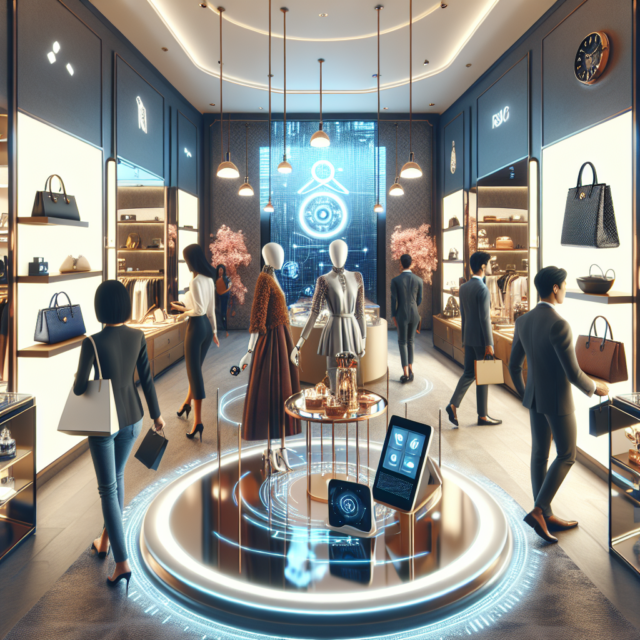
Luxury brands are leveraging digital platforms to create immersive experiences that resonate with tech-savvy consumers. Virtual reality (VR) and augmented reality (AR) are being used to offer virtual showrooms and try-before-you-buy experiences, enabling customers to engage with products in innovative ways. This blend of digital and physical realms not only enhances the shopping experience but also strengthens brand loyalty by offering unique, memorable interactions.
Social media has emerged as a critical tool for luxury brands to connect with their audience. Platforms like Instagram and TikTok are not just for marketing products but also serve as storytelling mediums where brands can share their heritage, craftsmanship, and values. Influencer collaborations and user-generated content further amplify brand visibility and consumer engagement, creating a dynamic online presence that reflects the brand’s identity.
E-commerce has become a key component of the luxury market, with brands investing in sophisticated online platforms to ensure seamless shopping experiences. The integration of AI-powered chatbots and virtual assistants enhances customer service, providing personalized recommendations and support. This digital shift not only caters to the convenience-oriented consumer but also enables brands to gather valuable insights into consumer preferences and behaviors.
Luxury brands are also exploring blockchain technology to enhance transparency and authenticity. Blockchain can provide a secure, immutable ledger for tracking the provenance of luxury goods, addressing concerns about counterfeiting and ensuring the integrity of high-value items. This technological integration reinforces trust and confidence among consumers, aligning with the luxury sector’s emphasis on quality and authenticity.
As luxury brands continue to embrace digital innovation, they face the challenge of balancing technological advancements with the traditional values of exclusivity and craftsmanship. The key lies in leveraging digital tools to enhance, rather than dilute, the luxury experience, ensuring that the essence of luxury remains intact even as it evolves in the digital age.
Transformative technologies are redefining the luxury landscape, with artificial intelligence (AI) leading the charge. AI is being harnessed to offer hyper-personalized experiences, from tailored product recommendations to bespoke services. By analyzing vast amounts of data, AI enables luxury brands to understand consumer preferences on a granular level, allowing them to create customized offerings that resonate with individual tastes.
The rise of the Internet of Things (IoT) is also having a significant impact on the luxury sector. Smart devices and connected products are enhancing the functionality and appeal of luxury goods. For instance, smartwatches and connected fashion accessories offer not only aesthetic appeal but also advanced features such as health monitoring and seamless integration with other digital devices. This convergence of luxury and technology is appealing to a new generation of consumers seeking both style and substance.
3D printing is another transformative technology making its mark in the luxury industry. It allows for the creation of intricate designs and customized products, reducing production times and costs. Luxury brands are using 3D printing to experiment with new materials and design concepts, offering unique, limited-edition items that cater to discerning consumers seeking exclusivity and innovation.
The luxury automotive sector is embracing autonomous driving technology and electrification, reflecting a broader shift towards sustainability and innovation. Electric vehicles and self-driving cars are becoming status symbols, appealing to environmentally conscious consumers who prioritize cutting-edge technology. These advancements not only align with changing consumer values but also position luxury car manufacturers at the forefront of automotive innovation.
The integration of virtual and augmented reality is transforming luxury retail spaces, creating immersive environments that enhance the shopping experience. Virtual try-ons, interactive displays, and digital fitting rooms allow consumers to engage with products in novel ways, blurring the lines between the physical and digital worlds. This technology-driven approach adds a new dimension to luxury retail, attracting tech-savvy consumers and fostering deeper brand engagement.
Blockchain technology is revolutionizing supply chain transparency and authenticity in the luxury sector. By providing a secure and verifiable record of a product’s journey from creation to purchase, blockchain addresses concerns about counterfeiting and ensures the integrity of luxury goods. This technology not only safeguards brand reputation but also empowers consumers with the knowledge and assurance that they are investing in genuine, high-quality products.
Navigating Challenges in the Digital Luxury Space
Despite the opportunities presented by digital innovation, luxury brands face several challenges in navigating the digital landscape. One of the primary concerns is maintaining the exclusivity and prestige associated with luxury products in an increasingly democratized online environment. As luxury brands expand their digital presence, they must carefully balance accessibility with the need to preserve their aura of exclusivity.
Data privacy and security are critical challenges in the digital luxury space. With the increasing reliance on data-driven strategies, luxury brands must ensure that consumer information is protected. High-profile data breaches can damage brand reputation and erode consumer trust, making robust cybersecurity measures essential. Brands must navigate the fine line between personalization and privacy, ensuring that data collection and usage are transparent and ethical.
Another challenge is the risk of diluting brand identity in the pursuit of digital transformation. As luxury brands embrace new technologies and platforms, they must remain true to their core values and heritage. Authenticity and craftsmanship are hallmarks of luxury, and brands must ensure that these elements are not compromised in the digital realm. Striking the right balance between innovation and tradition is crucial for maintaining brand integrity.
The rapid pace of technological change presents a challenge for luxury brands striving to stay ahead of the curve. Keeping up with emerging trends and consumer expectations requires significant investment in research and development. Brands must be agile and adaptable, ready to pivot their strategies in response to technological advancements and shifting market dynamics. This requires a forward-thinking approach and a willingness to embrace change while remaining grounded in the brand’s legacy.
Luxury brands also face the challenge of integrating digital and physical experiences seamlessly. As consumers increasingly expect an omnichannel experience, brands must ensure that their online and offline offerings are cohesive and complementary. This requires a strategic approach to digital integration, where technology enhances rather than replaces the tactile, personalized experiences that define luxury.
Finally, the digital luxury space is characterized by intense competition, with both established brands and new entrants vying for consumer attention. To stand out, luxury brands must differentiate themselves through unique value propositions and exceptional customer experiences. This requires a deep understanding of consumer preferences and a commitment to innovation, ensuring that the brand remains relevant and desirable in a crowded marketplace.
The fusion of luxury and digital innovation presents both opportunities and challenges for brands navigating this dynamic landscape. By embracing transformative technologies and maintaining a focus on authenticity and exclusivity, luxury brands can enhance their offerings and engage with a new generation of consumers. However, the journey requires careful navigation of digital challenges, ensuring that the essence of luxury remains intact even as it evolves in the digital age. As the luxury sector continues to innovate, the successful integration of digital trends will be key to sustaining growth and maintaining relevance in an ever-changing market.
Fashion and technology, two seemingly disparate worlds, are increasingly converging to create a vibrant, innovative landscape where creativity knows no bounds. As we stand on the cusp of a new era, the fusion of couture and cutting-edge technology is redefining the boundaries of style and design. This dynamic intersection is not only reshaping the aesthetics and functionality of garments but also transforming the very way we conceive fashion. In this article, we delve into the exciting world where fashion meets technology, explore the groundbreaking innovations that are revolutionizing couture, and spotlight the visionary designers spearheading this transformative journey.
Exploring the Intersection of Fashion and Tech
The intersection of fashion and technology represents a thrilling frontier where traditional craftsmanship meets modern innovation. Historically, fashion has always embraced new technologies, from the sewing machine to synthetic fabrics, but today’s advancements are taking this relationship to unprecedented levels. The digital revolution has not only changed how fashion is produced but also how it is consumed and experienced. With the advent of virtual reality (VR) and augmented reality (AR), consumers can now engage with fashion in immersive environments, trying on clothes virtually and experiencing runway shows from the comfort of their homes.
Moreover, the integration of technology into fashion design is leading to the creation of garments that are not only aesthetically pleasing but also functional. Wearable technology, for instance, is blurring the lines between clothing and gadgets. Smart textiles embedded with sensors and electronics are being developed to monitor health metrics, adjust temperature, and even change color according to mood or environment. This convergence is fostering a new wave of innovation where fashion is not just about personal expression but also about enhancing the human experience.
The digitalization of fashion also extends to the manufacturing process. 3D printing technology is revolutionizing how garments are constructed, allowing for more sustainable production methods and the creation of intricate designs that were previously impossible to achieve. This technology enables designers to experiment with new materials and structures, pushing the boundaries of what is possible in fashion design. As a result, the fashion industry is becoming more inclusive and adaptable, catering to a wider range of tastes and preferences.
Another significant development at this intersection is the rise of artificial intelligence (AI) in fashion. AI-powered tools are being used to predict trends, personalize shopping experiences, and even design new garments. These technologies are providing designers with valuable insights into consumer behavior and preferences, enabling them to create collections that resonate more deeply with their audience. This data-driven approach is not only optimizing the design process but also making fashion more accessible and personalized.
The growing synergy between fashion and technology is also fostering greater sustainability within the industry. With increased awareness of the environmental impact of fashion, technology is playing a crucial role in developing sustainable practices. From using blockchain to track the supply chain and ensure ethical sourcing to creating biodegradable materials, technology is helping to address some of the industry’s most pressing challenges. This alignment is paving the way for a more responsible and eco-conscious fashion future.
In conclusion, the intersection of fashion and technology is a dynamic and rapidly evolving space that holds immense potential for innovation. By embracing technological advancements, the fashion industry is not only enhancing its creative capabilities but also addressing critical issues such as sustainability and inclusivity. As these two worlds continue to converge, they are poised to reshape the future of fashion in ways we are only beginning to imagine.
Innovations Redefining the Couture Landscape
Innovations in technology are redefining the couture landscape, introducing new possibilities in design, production, and consumption. One of the most groundbreaking advancements is the use of bioengineering in fashion. Designers are experimenting with lab-grown materials, such as leather and silk, which offer a sustainable alternative to traditional fabrics. These bio-fabricated materials are not only environmentally friendly but also allow for greater customization and creativity in design, opening new avenues for haute couture.
In addition to bioengineering, smart textiles are making a significant impact on couture fashion. These textiles, embedded with microelectronics, offer interactive features that enhance the functionality of garments. For instance, fabrics that can change color, emit light, or even charge electronic devices are becoming increasingly popular. These innovations are transforming garments into dynamic pieces that respond to the wearer’s needs and environment, adding a new dimension to couture fashion.
The use of 3D printing in fashion design is another innovation that is reshaping the couture landscape. This technology allows designers to create complex, avant-garde structures that were previously impossible to achieve with traditional methods. 3D printing offers unparalleled precision and flexibility, enabling the production of custom-made garments with unique textures and patterns. This capability is particularly valuable in haute couture, where exclusivity and individuality are paramount.
Augmented reality (AR) and virtual reality (VR) are also revolutionizing the way couture is presented and experienced. These technologies allow designers to create immersive fashion shows that transcend physical limitations, offering audiences a unique, interactive experience. Through AR and VR, consumers can explore collections in virtual showrooms, try on garments using digital avatars, and even participate in virtual fittings. These innovations are making couture more accessible and engaging, broadening its appeal to a global audience.
Artificial intelligence (AI) is playing a crucial role in redefining the couture landscape by offering new tools for design and personalization. AI algorithms can analyze large datasets to identify emerging trends and consumer preferences, enabling designers to create collections that resonate with their audience. Moreover, AI-powered design tools are assisting designers in generating new patterns and silhouettes, providing a fresh perspective on traditional couture techniques. This integration of AI is streamlining the design process and fostering greater creativity and innovation.
Finally, blockchain technology is emerging as a powerful tool for enhancing transparency and authenticity in couture fashion. By providing a secure, decentralized platform for tracking the provenance and authenticity of garments, blockchain is helping to combat counterfeiting and ensure ethical sourcing. This technology is also enabling designers to create digital identities for their garments, offering consumers a new level of engagement and trust. As these innovations continue to evolve, they are set to redefine the couture landscape, offering exciting possibilities for the future of fashion.
Designers Pioneering the Future of Fashion
Several visionary designers are at the forefront of this technological revolution, pioneering the future of fashion with their innovative approaches and groundbreaking designs. One such designer is Iris van Herpen, renowned for her avant-garde creations that seamlessly blend traditional craftsmanship with cutting-edge technology. Van Herpen has consistently pushed the boundaries of fashion by incorporating 3D printing, laser cutting, and other technological advancements into her collections, creating ethereal garments that challenge conventional notions of couture.
Another trailblazer in the fusion of fashion and technology is Hussein Chalayan, known for his experimental designs that incorporate elements of science and technology. Chalayan has explored themes of transformation and metamorphosis in his work, using technology to create garments that change shape, illuminate, or even disappear. His innovative approach has redefined the possibilities of fashion, demonstrating how technology can be harnessed to tell compelling stories through clothing.
British designer Stella McCartney is also leading the charge in integrating technology with sustainable fashion. McCartney has been a vocal advocate for environmentally conscious practices, utilizing innovative materials and technologies to reduce the environmental impact of her collections. From using bio-fabricated materials to experimenting with AI in design, McCartney is setting a new standard for sustainability in couture, proving that fashion can be both luxurious and eco-friendly.
In the realm of wearable technology, designers like Anouk Wipprecht are pioneering the integration of electronics and fashion. Wipprecht’s creations are not only visually striking but also highly functional, incorporating sensors and microcontrollers that respond to the wearer’s environment. Her work exemplifies the potential of wearable technology to enhance the functionality and interactivity of garments, offering a glimpse into the future of fashion.
Chinese designer Guo Pei is another notable figure pushing the boundaries of couture through her innovative use of technology. Known for her opulent, intricately detailed gowns, Guo Pei has embraced digital tools and techniques to elevate her designs to new heights. By incorporating 3D printing and digital embroidery, she has created garments that are both traditional and futuristic, bridging the gap between past and present.
As these designers continue to explore the possibilities of technology in fashion, they are paving the way for a new era of couture that is more innovative, inclusive, and sustainable. Their pioneering work is not only redefining the aesthetics and functionality of fashion but also inspiring a new generation of designers to embrace technology as a powerful tool for creativity and expression. Together, they are shaping the future of fashion, where the possibilities are limited only by imagination.
The convergence of fashion and technology is ushering in a new era of creativity and innovation, where the possibilities are as limitless as the imagination. As we explore the intersection of these two dynamic fields, we witness a transformation in the way fashion is designed, produced, and experienced. From groundbreaking innovations that are redefining the couture landscape to visionary designers pioneering the future of fashion, this fusion is setting the stage for a more inclusive, sustainable, and technologically advanced industry. As we look to the future, the synergy between fashion and technology promises to continue reshaping the world of couture, offering exciting possibilities for designers and consumers alike.
Welcome to the latest installment of our podcast series, where we dive deep into the significance and implications of verifiability in technology and...