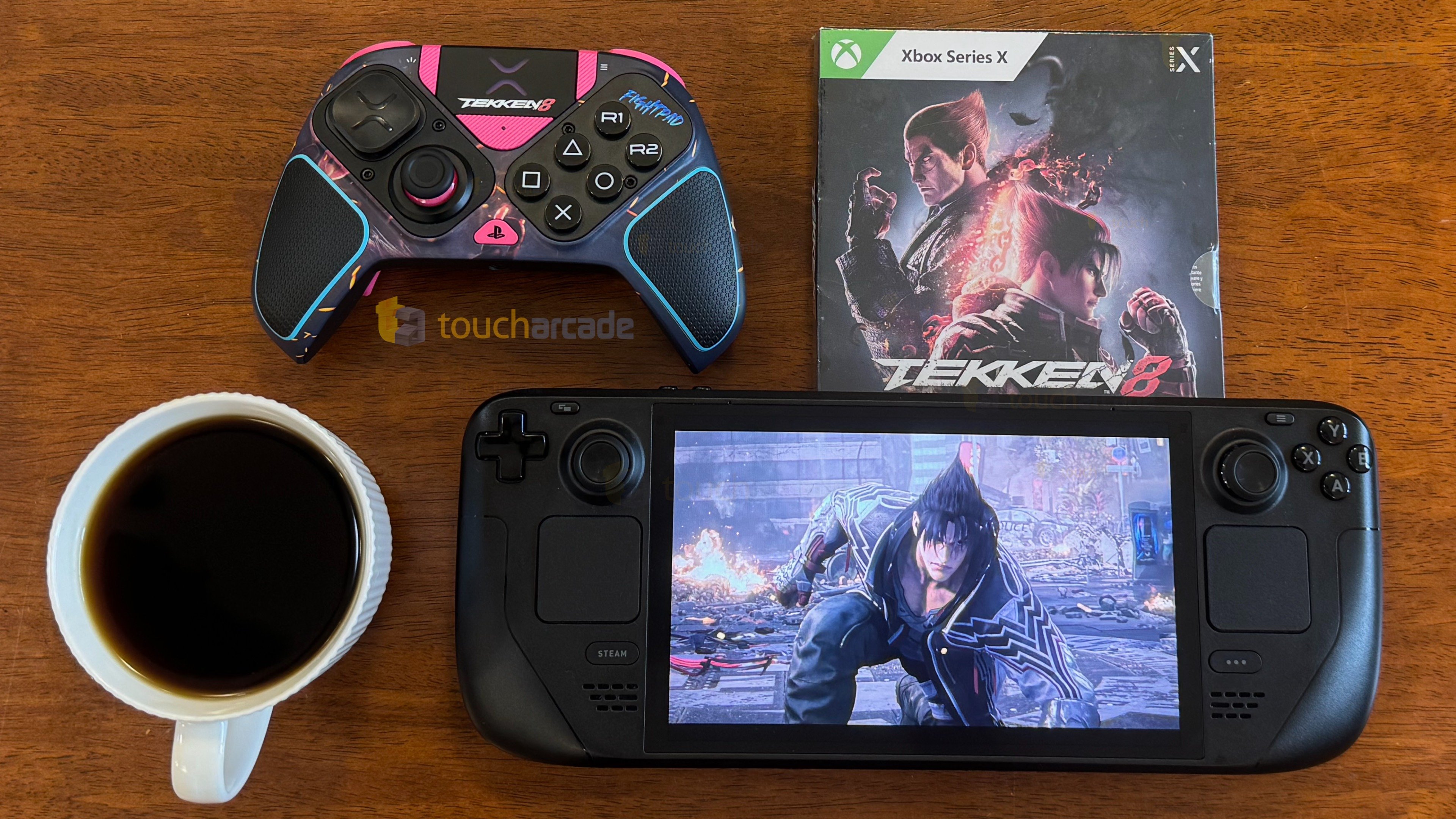
This is a post that I’ve known was coming for quite some time, but that doesn’t make it any easier to write. After more than 16 years TouchArcade will be closing its doors and shutting down operations. There may be an additional post here or there in the coming weeks as we try to honor any previously agreed to obligations, and a proper farewell post is in the works too, but as of now our normal daily operations have ceased. The reason we’re shutting down probably isn’t a surprising one: Money.
Many of you who have followed TouchArcade for a long time are well aware that we’ve had financial troubles for many years now, and to be frank I think it’s a miracle that we’ve been able to last as long as we have. The truth of the matter is that a website like ours just doesn’t make money anymore. To our own detriment we’ve resisted things like obnoxious in-your-face advertising, egregious clickbait headlines, or ethically questionable sponsorships, which sadly are the types of things that actually still make money in the internet of today.
There are a number of other reasons that have contributed to us reaching this point, but I’d rather not get into all that right now. TouchArcade was an institution for many millions of people over the past 16 years, and it was my full-time job for the last 14+ years. A solid third of my life. In many ways it is like one of my children, and having to say goodbye to it is very difficult to do. I’d really rather focus on all the great times we had than dwell on the things which we cannot change.
Also, as a man with a wife and two young children, and a mortgage, and all that other fun adult stuff, this is the end of my livelihood, and despite them being “freelancers” in a technical sense that is true for the other two people who have been the beating heart of TouchArcade, Shaun Musgrave and Mikhail Madnani. Which brings me to my next point…
PLEASE HIRE US!
The job market is not great anywhere, and finding new work is tough, especially in the games industry. If you are reading this and you have a need for very capable game industry veterans such as ourselves, please reach out.
Jared Nelson – That’s me! Obviously I have more than 14 years of experience working right in the very thick of the mobile gaming boom here at TouchArcade. Writing, editing, managing staff, traveling to conventions. I’ve pretty much done it all. I also have a pretty varied work history previous to TouchArcade, including in management roles, that I think gives me a really well-rounded set of skills. You can contact me on LinkedIn or by email at jared [at] toucharcade [dot] com.
Shaun Musgrave – Shaun has been with TouchArcade for a bit over 11 years, but has been in professional games media for more than 25 years overall. He is hands down one of the most gifted writers I have ever encountered, and if we needed a review for a big, important game and needed it by a very tight deadline Shaun was always dependable. He also uses his vast, almost uncanny knowledge of video game history to find interesting angles to write about games that only he could find. Shaun lives in Japan and is fluent in both Japanese and English, making him a great candidate for localization work as well. Please reach out to him at muzkind [at] hotmail [dot] com.
Mikhail Madnani – As part of TouchArcade for more than 7 years, Mikhail has been the workhorse of our staff. Posting the bulk of what you would see on a day to day basis, there is no possible way our website could have kept running for so long without Mikhail’s contributions. An expert at sniffing out interesting news stories and then posting them in a timely fashion, but also able to put together huge features like in-depth interviews and multi-platform reviews. His coffee-laden header images are legendary as well. If you need someone who can reliably and consistently post video game-related content, then I cannot recommend Mikhail highly enough. Reach out to him at hello [at] failgunner [dot] com.
So What Happens Now?
If there is some sort of silver lining to all of this, it’s that for the foreseeable future all of the content that has ever been posted to TouchArcade will remain online and accessible to all. More than 33,000 published articles, including more than 4,000 game reviews, not to mention all of our yearly Best Of content and Game of the Year picks. These should hopefully all continue living on into the future for reference purposes and just to look back and see how drastically the mobile gaming landscape changed over the last decade and a half.
We are also hoping to continue with our Podcast, The TouchArcade Show, which very recently just celebrated its 600th(!) episode. There are a couple co-hosts who have come and gone during the course of the podcast (shout out to Brand and Mike!) but myself and Eli Hodapp have been a constant presence on the show since the very beginning, and it’s really crazy that we’ve both spent 13+ years of our lives putting out hour-long podcasts on a (nearly) weekly basis.
Related to that, you may be wondering about our Patreon. The support from our Patreon has far and away been the biggest contributor to TouchArcade continuing to exist since we launched it in June of 2015, almost a decade ago. Our thoughts are to pivot the Patreon contributions towards keeping the podcast going, and perhaps occasional posts or special features written by the staff here. Perhaps a random “SwitchArcade” or a review about a particularly high-profile mobile game launch. Maybe we could even squeeze in a Game of the Year for this year? It’s just a nugget of an idea right now, but it would be pretty cool to see TouchArcade be able to live on even in that small way.
Whatever the case ends up being, I will explicitly change the verbiage of our Patreon to state that it’s no longer about supporting the website, and if people choose to stop contributing then that is totally understandable. If people are giving us money monthly I want to be absolutely transparent about what it’s going towards. Anyway, look for more news about this in the coming weeks, and at the very least be sure to follow along as a free member on our Patreon to stay in the loop. Also if you have any questions or concerns, please feel free to reach out to me at tips [at] toucharcade [dot] com or leave a comment below.
Well, that about does it, I think. I speak for all of us who have contributed to running TouchArcade over the past 16 years–from the co-founders Arnold Kim and Blake Patterson, to the first full-time hire and future Editor in Chief Eli Hodapp, and to the dozens of other writers and freelancers who have helped make TouchArcade what it is–we just want to give a sincere thank you for ever reading our site, listening to our podcast, or attending one of our events. It has been an absolute pleasure to have such a wonderful audience who appreciated what we did so much and we will all forever be grateful for the time that we were able to spend together.
Get ready for an exciting new chapter in the world of digital art as Slimesunday, the Boston-based artist, unveils his latest solo show, “The Mixtape.” The exhibition will take place at Pellas Gallery on Thursday, October 3rd, 2024, from 6:30 PM to 9:00 PM, promising an immersive experience that pushes boundaries with its innovative blending of nostalgia, censorship, and deeply personal expression.
A Deeper Dive into Slimesunday’s Artistic Vision
Slimesunday, known for his controversial and thought-provoking digital collages, has become one of the most prominent creators in the NFT and digital art space. His work often explores themes of censorship, technology, and the relationship between digital and physical reality. “The Mixtape” represents his most expansive body of work to date, reflecting years of exploration into visual storytelling through fragments of culture.
By blending elements of nostalgia—a longing for the past—and censorship—the control of what can or cannot be shown—Slimesunday captures a duality that resonates with both the digital-native and art-world audiences. His work often draws on the chaotic yet beautiful interplay between freedom and restriction, with bold visual narratives that challenge societal norms.
The Mixtape: A Masterpiece of Personal Expression
In “The Mixtape,” Slimesunday takes a deeply personal approach. He uses this series as a way to channel emotions and memories, creating a mosaic of images that reflect both individual and collective experience. Expect to see art that plays with familiar, yet distorted, imagery from popular culture, all set against the backdrop of his signature surrealist, avant-garde style. Each piece is a visual mixtape, echoing the way music mixtapes were used to convey personal expression in an analog era.
This collection is not just a reflection of personal history but also a commentary on how art and expression are controlled in the digital age. Slimesunday has often faced censorship challenges on platforms like Instagram, where his provocative imagery is frequently flagged. “The Mixtape” is, in many ways, a response to these limitations—a bold and unapologetic statement of artistic freedom.
Join the NFT and Art Community for This Must-See Event
If you’re a fan of digital art, NFTs, or Slimesunday’s work, this is an event you won’t want to miss. The opening will take place at Pellas Gallery, located at 73 Newbury St., 2nd Floor, Boston, MA, and it promises to be one of the most talked-about exhibitions of the year. “The Mixtape” showcases not just the evolution of Slimesunday’s artistic journey but also the evolving conversation around censorship, technology, and personal expression in today’s digital landscape.
Whether you’re a collector, artist, or enthusiast, this exhibition is the perfect opportunity to experience cutting-edge digital art in a gallery setting, bringing the digital and physical worlds together in an engaging and provocative display.
When: Thursday, October 3rd, 2024, 6:30 PM to 9:00 PMWhere: Pellas Gallery, 73 Newbury St., 2nd Floor, Boston, MA
We can’t wait to see you there!
TL;DR:
Slimesunday is unveiling his latest solo show, “The Mixtape,” at Pellas Gallery in Boston on October 3rd, 2024. This expansive collection blends nostalgia and censorship, offering bold personal expressions through provocative digital art. The event will take place from 6:30 PM to 9:00 PM, showcasing his most extensive body of work to date.
SocialFi app Phaver launched its Phavercoin (SOCIAL) token today, initiating the Phairdrop event that marks the platform’s transition to a token-powered decentralized social ecosystem. The token generation event signifies Phaver’s move from the “DeSoc” era to the “SocialFi” era, integrating the SOCIAL token into its point economy and in-app functionalities.
As of press time, SOCIAL is trading around $0.0148 with a market cap of $146 million.
The SOCIAL token has a total supply of 10 billion tokens. While the initial circulating supply has not been specified, the token distribution involves several methods. Users who opted in on Cyber will receive tokens directly in their Phaver Primary Wallet today. Others can claim tokens on the Phaver website using their Primary Wallet, which requires Base ETH for gas fees. Eligibility criteria include possessing a Lens profile, a Farcaster profile, or at least one Cred item connected on Phaver. The Season 1 snapshot has already determined user allocations based on these criteria.
Trading of SOCIAL commenced today on multiple exchanges. Bybit has confirmed the listing, making the token accessible to its user base. The SOCIAL/USDT trading pair began trading on Sept. 24 at 10:00 UTC. Deposits are already open on MEXC, and withdrawals will be enabled on Sept. 25 at 10:00 UTC. The token is issued on the Base network, with the contract address ‘0xD3C68968137317a57a9bAbeacC7707Ec433548B4‘ provided for verification.
Phavercoin utility in decentralized social media apps
The utilities of the SOCIAL token within the Phaver ecosystem are multifaceted. Users can earn SOCIAL by redeeming Phaver Points in unique campaigns, with higher Cred levels affording better point-to-token conversion ratios. Holding SOCIAL tokens enhances a user’s Cred score and accumulates more Points, which are instrumental in the platform’s reward system. Higher Cred levels unlock benefits such as increased monthly withdrawal quotas, VIP support, preferential visibility, and early access to new features and whitelists.
Per Phaver’s whitepaper, the token can be utilized for various platform features, including advertising, boosting posts, and collaboration tools. Additionally, SOCIAL tokens can be used to purchase Points within the app, offering a more cost-effective option than other in-app payment methods.
Tokenomics details reveal that 300 million tokens (3% of the total supply) are allocated for user airdrops. Season 2 redemptions are set at 200 million tokens (2% of the total supply), scheduled to occur one month after the token generation event. Eligibility for Season 2 redemptions depends on user levels, with Level 1 users being ineligible. The conversion ratio for redemptions is influenced by the user’s Cred level and average SOCIAL holdings over 30 days before redemption, potentially offering up to a 60x multiplier.
Phaver’s platform integrates with Lens Protocol and Farcaster Protocol, enabling cross-posting capabilities that enhance user experience across decentralized social networks. The Phaver Point system incentivizes community participation, while the Cred credibility score system is designed to prevent bot abuse and improve the utility of NFTs within the platform.
Holding SOCIAL tokens may provide access to future opportunities, including whitelists, airdrops, and benefits from Phaver’s partners, which include notable companies like Animoca, Pudgy Penguins, and Rakuten Group. By encouraging users to hold tokens, Phaver aims to foster a sustainable ecosystem that rewards long-term engagement and supports the token’s value over time.
As Phaver embarks on this new phase with the launch of the SOCIAL token, users and investors are advised to stay informed through official channels for updates on token distribution, exchange listings, and platform developments and to stay vigilant of scams. Links to token claiming are available through Phaver’s iOS and Android apps via the Phairdrop website.
Like a Dragon series, formerly known as the Yakuza series, has carved out a unique niche in the gaming world. Its blend of action, drama, and humor has set it apart from other titles. This comprehensive analysis will compare the Like a Dragon series to other popular games, exploring similarities, differences, and the series’ distinctive qualities.
Similarities to Other Games
Open-world exploration: The Like a Dragon series shares similarities with other open-world games, such as Grand Theft Auto and Saints Row. Players can freely explore vibrant cities, interact with NPCs, and complete various side activities.
Action-adventure gameplay: Like many action-adventure games, the Like a Dragon series features combat mechanics involving melee attacks, firearms, and special abilities.
Character development: The series emphasizes character development, allowing players to deepen their understanding of the protagonists and their relationships with other characters.
Storytelling: The Like a Dragon series is known for its engaging and often emotional storytelling, similar to narrative-driven games like The Witcher series and Red Dead Redemption.
Differences from Other Games
Japanese culture: The Like a Dragon series is deeply rooted in Japanese culture, offering a unique perspective on the country’s history, traditions, and society. This sets it apart from many Western-developed games.
Over-the-top action: While the series shares similarities with other action-adventure games, it often leans towards a more over-the-top and comedic style, with exaggerated characters and humorous situations.
Mini-games: The Like a Dragon series is known for its extensive variety of mini-games, ranging from karaoke and hostess club management to baseball and bowling. This adds depth and replayability to the games.
Substories: The series features numerous substories that often provide humorous or heartwarming moments, adding to the overall experience and world-building.
Comparison to Specific Games
Grand Theft Auto: Both series feature open-world environments, criminal activities, and a focus on character development. However, the Like a Dragon series offers a more grounded and character-driven narrative, while Grand Theft Auto often leans towards satire and over-the-top humor.
Saints Row: Both series share similarities in terms of action, humor, and over-the-top elements. However, the Like a Dragon series tends to be more grounded in reality, while Saints Row often embraces a more fantastical and absurd approach.
Yakuza: While the Like a Dragon series is essentially a continuation of the Yakuza series, there are some notable differences. The newer games have expanded the scope of the series, introducing new characters, settings, and gameplay mechanics.
The Witcher series: Both series offer deep storytelling, character development, and a focus on moral dilemmas. However, the Like a Dragon series is more action-oriented and features a more comedic tone, while The Witcher series is darker and more serious.
The Unique Qualities of the Like a Dragon Series
The Like a Dragon series stands out from other games due to its unique blend of elements. Here are some of its distinctive qualities:
Japanese culture: The series offers a deep dive into Japanese culture, providing a unique perspective on the country’s history, traditions, and society.
Character-driven narrative: The series focuses on compelling characters and their personal journeys, creating a strong emotional connection with players.
Humor and drama: The series expertly balances humor and drama, offering a wide range of emotions throughout the gameplay experience.
Mini-games: The extensive variety of mini-games adds depth and replayability to the series, offering a break from the main story.
Substories: The substories provide a rich and diverse experience, offering humorous, heartwarming, or thought-provoking moments.
Read Also: Like a Dragon Series Controller Settings (A Comprehensive Guide)
Conclusion
The Like a Dragon series offers a unique and engaging gaming experience that sets it apart from other titles. While it shares similarities with other games in terms of genre and mechanics, its distinctive qualities, such as its focus on Japanese culture, character-driven narrative, and humor, make it a truly special series. Whether you’re a fan of open-world games, action-adventure titles, or simply looking for a captivating story, the Like a Dragon series is worth exploring.
In recent years, the demand for luxury activewear has increased highly, blending high-performance fabrics with cutting-edge fashion is what attracts fashion enthusiasts toward luxury activewear. No longer confined to the gym, activewear has become a staple of modern wardrobes, offering the perfect balance between function and style.
Whether you’re breaking a sweat in the gym or transitioning to a casual day out, luxury activewear brands are redefining the workout wardrobe with chic designs and premium materials. In this blog, we’ll explore the top 20 luxury activewear brands that not only enhance your workout performance but also elevate your style game.
Here’s a list of the top 20 luxury activewear brands that blend style and performance, making them perfect for workouts:
1. Alo Yoga
Alo Yoga strikes the perfect balance between high-fashion looks and ultra-high performance. Originally based in Los Angeles, Alo stands for “Air, Land, Ocean,” a name indicative of its mission to create eco-conscious, versatile activewear. In sleek, minimalist designs, Alo Yoga has a following of loyal yogis and fashionistas alike.
Alo Yoga collections maintain soft fabrics, flattering fits, and stylish silhouettes that have made the brand perfect both for working out and casually wearing. Each item speaks of mindfulness in movement; it guarantees comfort and flexibility without letting go of style. Whether you practice yoga, hit the gym, or just like to lounge around, Alo Yoga can give you a high-class version of everyday activewear.
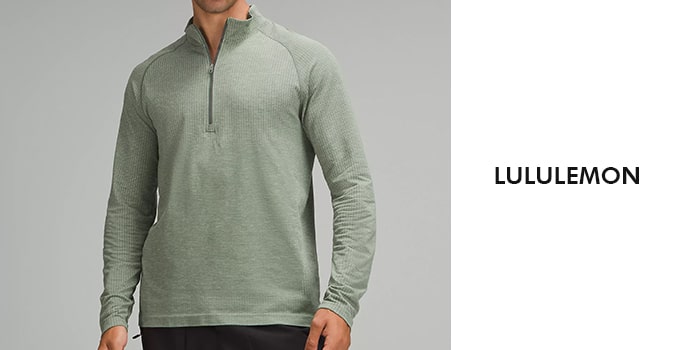
2. Lululemon
Lululemon is the global leader in the luxury activewear space, but its innovative designs and fabrics set it apart. The company was founded in Vancouver in 1998 and initially targeted yoga wear, going on to expand into a wide range of athletic wear designed for both men and women. What finally makes Lululemon so successful is their dedication to function and fashion where outfits not only perform well but also look good outside of the gym area.
Lululemon differs in the attention it gives to fabric technology. Its trademark fabrics, like Luon and Everlux, are engineered for comfort, breathability, and durability. From leggings that do not fall down at the most intense exercise to versatile tops and outerwear, Lululemon provides a fit that feels luxurious but moves with your body. More and more, athletes, yogis, and fitness lovers alike have fallen in love with the brand for its superior activewear with a modern minimalist edge.
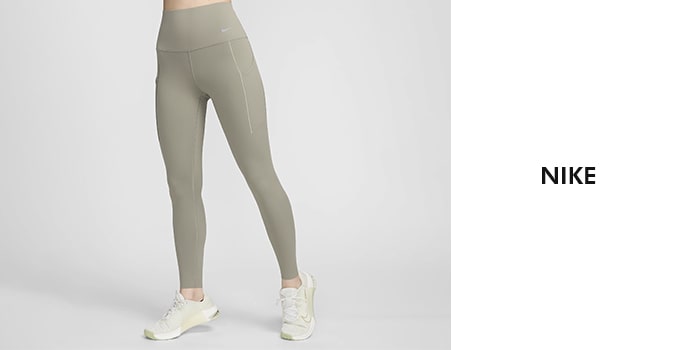
3. Nike
Nike is one of the most iconic and influential brands in the world of sportswear, known for pushing the boundaries of innovation and design. While Nike is globally recognized for its broad range of athletic gear, its luxury activewear collections offer a unique blend of cutting-edge technology and sleek style. These premium lines incorporate advanced fabric engineering and bold aesthetics, making them perfect for athletes and fitness enthusiasts seeking high performance without compromising on fashion.
Nike’s luxurious workout wear includes their Dri-FIT technology, designed to wick away moisture, and AeroLoft, which provides lightweight insulation for optimal body temperature regulation. From high-performance leggings to minimalist sports bras and trendy outerwear, Nike’s luxury offerings cater to the modern athlete who values both functionality and style. With a commitment to innovation, Nike continues to lead the way in activewear that enhances performance while delivering a polished, sophisticated look.
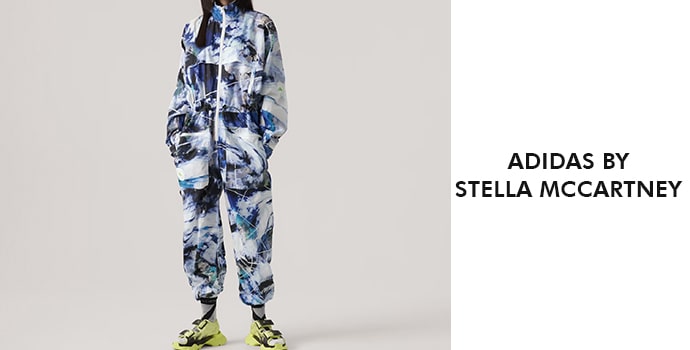
4. Adidas by Stella McCartney
One of the most popular collaborations of brands in the fashion world, Adidas by Stella McCartney offers a collection after collaboration that blends Adidas’ athletic expertise with the high-fashion and eco-conscious ethos of designer Stella McCartney. These brands collaborated in the beginning of 2005, this partnership has redefined luxury activewear as they offered performance-driven pieces with a distinctive, fashion-forward edge.
This collaborative line features a wide range of activewear, each piece is designed to support intense workouts while maintaining a chic, polished look. What sets Adidas by Stella McCartney apart is its ability to fuse high-fashion details, like asymmetrical cuts and vibrant prints, with functional designs, and that makes it a go-to brand for those who want to look stylish while breaking a sweat and doing good for the planet.
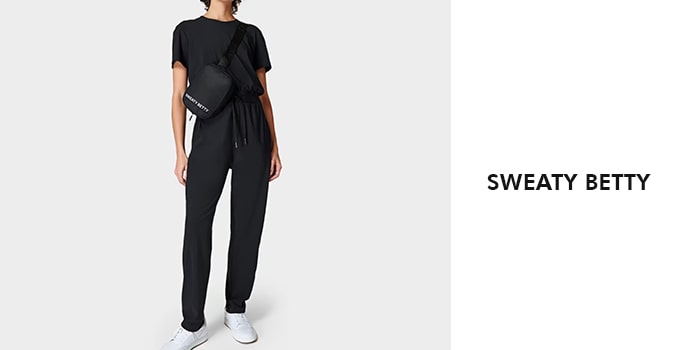
5. Sweaty Betty
Sweaty Betty is a fashion activewear brand, purveyors of styles to get women moving. Since 1998, Sweaty Betty has grown into a reputable high-end activewear label, marrying function with a flattering fit. The brand is known for its range of designs, as good-looking as they feel, to take you from high-intensity workouts to more casual everyday looks.
Sweaty Betty is popular for using technical fabrics that offer durability, breathability, and comfort when designing. From bold patterns to sleek designs and hidden pockets to adjustable waistbands, Sweaty Betty blends style and functionality with ease. This has ensured that the brand name is on the lips of every fitness enthusiast worldwide.
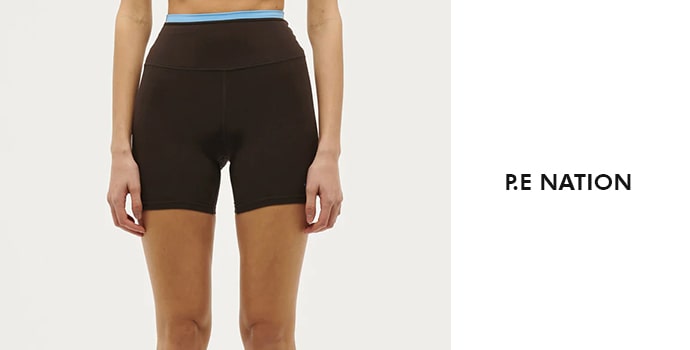
6. P.E Nation
Founded in 2016 by Pip Edwards and Claire Tregoning, the brand has quickly gained a cult following for its dynamic designs that cater to both fitness and fashion enthusiasts. This Australian activewear brand merges high-performance functionality with bold, street-style aesthetics.
Built for the modern, multi-tasking woman, P.E Nation focuses on versatility, offering pieces that work just as well for high-intensity workouts as they do for casual, everyday wear. Their use of technical fabrics ensures durability, comfort, and performance, while their bold, edgy designs keep you looking stylish. Whether you’re hitting the gym, running errands, or meeting friends, P.E Nation’s activewear brings a unique fusion of style, functionality, and attitude.
7. Varley
Varley is a high-fashion brand for luxurious activewear, striking a perfect balance between West Coast casual and London sophistication. Since its launch in 2015, it has quickly gained popularity for its chic and low-key designs that easily make their way from a workout into wear-anywhere fashion. The Varley collection is underplayed in terms of color palette, neat lines, and high-quality fabric to give it a really posh interpretation of activewear.
Innovative materials by the brand ensure comfort and performance with moisture-wicking properties and four-way stretch. Sleek leggings, stylish sports inners, and versatile outerwear are common components of Varley’s designs; this brand makes it rather easy to look polished, and active. From functionality to aesthetic appeal, Varley caters to those who like luxury and elegance in their fitness wardrobe.
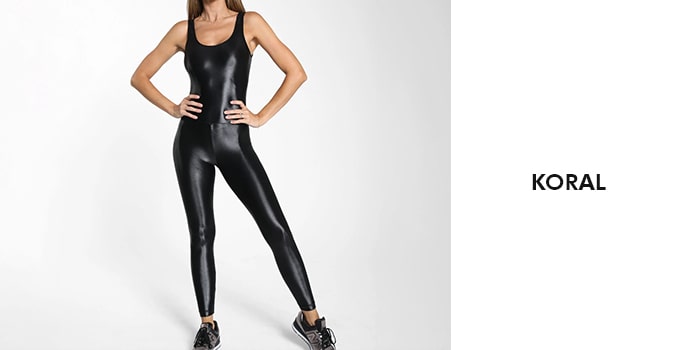
8. Koral
Koral is a high-end activewear brand that impresses not only with its sleek and modern design but also with its high-performance fabrics. Founded in 2014 by Ilana Kugel, Koral combines the newest in textile technology with a sophisticated, fashion-forward approach. The brand epitomizes pieces that are both stylish and functional and meant to enhance both performance and style.
The premium fabrics that are known as the star in Koral’s collections are her signature Koral Lustrous fabric that looks very glossy and chic, yet breathable and wicking. Items range from elegant leggings to flattering sports upper wear and outerwear that are equally great for post-workout errands or just running around on the weekends.
The designs are minimalist in feel, exuding luxury. Koral’s focus is on a close-to-the-body fit for contemporary fashion and activewear for both the gym and lifestyle. Hence, this brand is for those who want activewear to be versatile and fashionable.
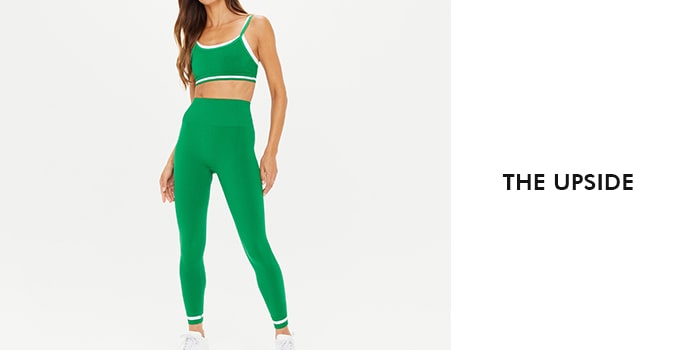
9. The Upside
The Upside is an Australian activewear brand popularly recognized for its bright-colored, playful designs, and high-performance functionality. Founded in the year 2014 by Jodhi Meares, The Upside stands out for its distinctive prints, bold colors, and unique patterns that add a dash of fun to your fitness wardrobe.
The brand is focused on designing activewear that is not only good for performance but can also make a style statement. Most collections feature striking patterns and cuts, ranging from supportive sports bras to high-waisted leggings, not forgetting stylish outerwear. The Upside manufactures its activewear with high-quality, moisture-wicking fabrics for ultimate comfort and durability, while the fashion-forward design makes it easy to transition from workout to casual wear.
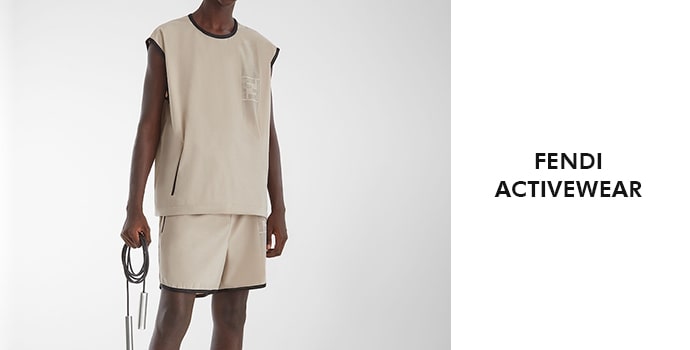
10. Fendi Activewear
Fendi Activewear fuses the luxury and sophistication of this iconic Italian fashion house into the world of sports and fitness. With a blend of high-end fashion and impeccable craftsmanship, Fendi’s activewear collection parades classic luxury with performance-driven designs.
The line includes high-end workout attire that features sleek leggings, stylish sports inners, and chic outerwear all with Fendi’s signature branding and elegant details. Each product is made of high-quality materials that merge functionality with the brand’s signature style and pizzazz.
Fendi Activewear gains extra points for attention to detail such as refined prints, and sumptuous finishes perfect for those who link high fashion with a workout routine. Whether one hits the gym or decides to go outdoors, Fendi’s activewear gives them that touch of opulence and style.
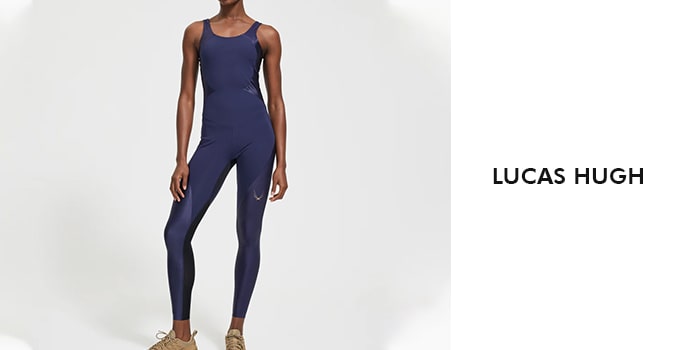
11. Lucas Hugh
LUCAS HUGH is a fashion brand of luxury activewear. Founded in London in 2010 by Anjhe Mules, the label carved a niche in the activewear world with fashion-forward and sophisticated pieces, knowing exactly how to marry technology and style. The brand very often garnishes its designs with striking, geometric patterns while showing streamlined silhouettes and surprising details to let its pieces stand out.
But what sets Lucas Hugh apart is the sophisticated fabric technology at play, from bonded seams to moisture-wicking and compression fabrics that enable one to perform better while providing a slick, body-sculpting fit. Each piece is designed with an intense workout in mind and does so in a chic, minimalist style. Using an avant-garde perspective along with attention to detail, Lucas Hugh creates activewear for the discerning person who demands both luxury and innovation in their wardrobe for fitness and beyond the gym.
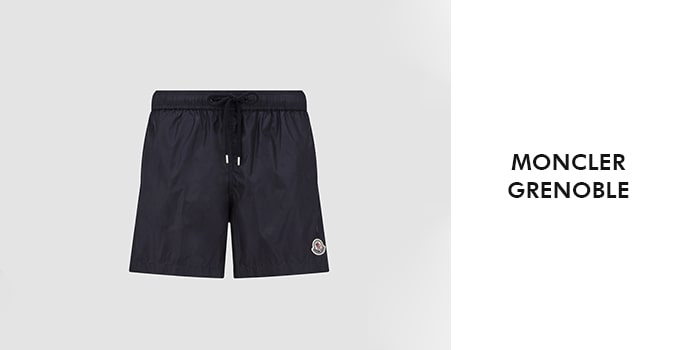
12. Moncler Grenoble
Moncler Grenoble is a high-end activewear line from the well-known French-Italian brand Moncler. It is targeted at high-performance sportswear combined with alpine elegance. Founded as far back as 1952, Moncler created outerwear for extreme weather conditions, and the Grenoble line brings that expertise into the world of activewear.
Moncler Grenoble collections represent the perfect combination of technical innovation combined with stylish and fine design. The collection includes insulated ski jackets, performance leggings, and versatile activewear pieces to perform well outdoors while keeping up with the polished look. Advanced materials combined with great craftsmanship keep Moncler Grenoble warm, comfortable, and durable.
Moncler’s activewear collections combine their expertise in outerwear with performance-focused workout pieces.
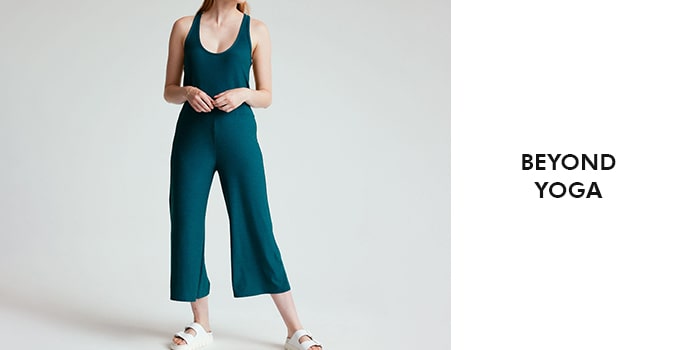
13. Beyond Yoga
Beyond Yoga is a luxury activewear brand, praised for ultra-soft fabrics and comfortable fit in its range of pretty inclusive sizes. Founded by Jodi Guber Brufsky and Michelle Wahler back in 2005, Beyond Yoga concerns designing versatile activewear that ensures the healthiness of high-performance functionality combined with comfort unsurpassed. This brand creates pieces designed to move with the body ideal for everything from yoga and Pilates to lounging or casual outings.
Beyond Yoga is known for its buttery-soft fabrics, such as Spacedye. Its leggings, tops, and sports bras are adored for their smooth, flattering fit that feels luxurious on the skin. It’s also big on body positivity with its wide range of sizes available for women of every shape and size. Simple in design, with a focus on timeless elegance, Beyond Yoga makes sure you look polished as you stay comfortable in there whether you work or just relax.
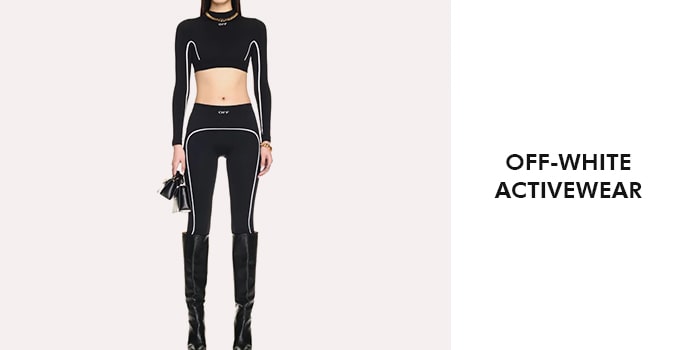
14. Off-White Activewear
By the late Virgil Abloh, Off-White Activewear translates the brand’s signature streetwear sensibilities into exclusive fitness gear. Characterized by bold, avant-garde designs and a strong urban aesthetic, Off-White Activewear combines high-fashion elements with functional workout gear and is perfect for anyone who wants a modern edgy style inside and outside the gym.
The collection generally includes the signature Off-White symbols, such as the classic arrow and striped motifs on a diagonal axis, beside high-performance fabrics that support a broad range of activities. Statement leggings and crop tops are contrasted with sleek outerwear whereby activewear pieces balance audacious design with functionality.
Having been at the edge in innovation and a keen focus on streetwear culture and athleticism, Off-White Activewear is ideal for anyone who would wish to make their fashion statement while maintaining activity.
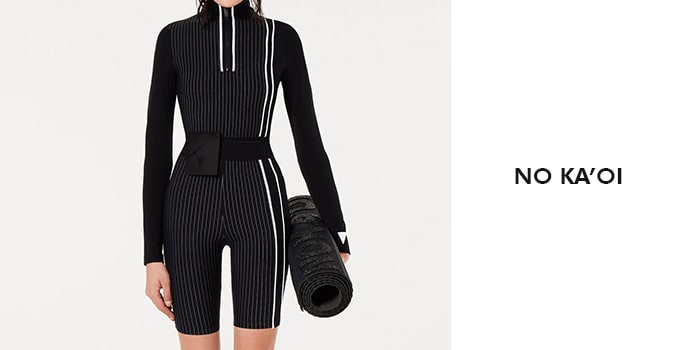
15. No Ka’Oi
No Ka’Oi is a fashion luxury activewear brand, distinguished by vibrant, fashion-forward prints and impeccable craftsmanship. Founded by Simona Finelli in 2014, taking inspiration from Hawaiian culture, “No Ka’O”i means “the best” in Hawaiian. The brand’s pieces are an odd combination of art, fashion, and functionality where bold colors along with geometric patterns fuse with high-performance fabrics for yoga, Pilates, and other low-impact workouts.
What really sets No Ka’Oi apart, however, is the couture-level detailing, such as hand-sewn seams and expert stitching techniques, to ensure each garment is both ultra-comfy and durable. The brand’s collections comprise some really trendy leggings, sports bras, and outerwear supremely able to transition from studio to street with perfection- for those in love with high-fashion aesthetics when it comes to their workout wardrobe.
By marrying athleticism with avant-garde design, No Ka’Oi offers activewear to the modern woman who demands each piece exude performance, luxury, and individuality.
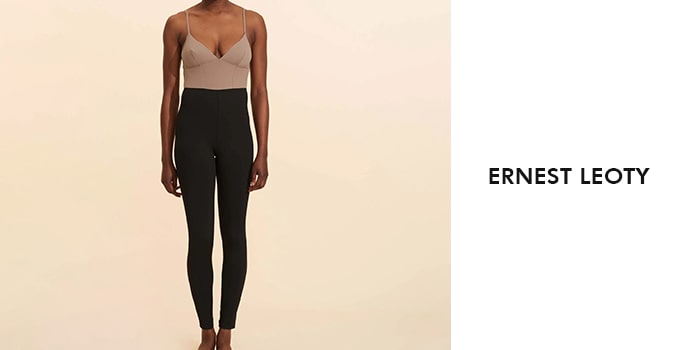
16. Ernest Leoty
Ernest Leoty is a couture that offers an ultra-luxury activewear brand inspired by the namesake, a 19th-century corset maker, mixing French elegance with a modern active function. Founded by Marion Rabate, this brand is all about making workout clothes that feel like couture, offering seamless style, structure, and comfort.
Ernest Leoty combines old-school French craftsmanship with clean lines, minimalist designs, and flattering silhouettes. Very well-known, the brand is famous for its corset-inspired sports bra, leggings, and bodysuits that offer great support without sacrificing a chic, classy look. Each piece is made from high-quality breathable fabrics that allow ease of movement during activities such as yoga, Pilates, and barre.
17. La Perla Activewear
La Perla Activewear represents a heady blend of the luxurious feel from this iconic Italian lingerie brand into the world of fitness and leisure. Renowned for its expertise in crafting exquisite lingerie, La Perla is translating refined elegance and meticulous craftsmanship into activewear-workout pieces both functional and stunningly beautiful.
Collections of activewear by La Perla boast the finest fabrics, such as soft stretch fabrics and breathable, wicking textiles, to ensure comfortable fits for workouts. Sleekly feminine designs use silhouettes that encourage grace in movement, with delicate details that capture the body without gagging it. From leggings and sports bras to fashionable outerwear, every piece is designed with precision and thoughtfulness to serve as a sophisticated update on the most common activewear.
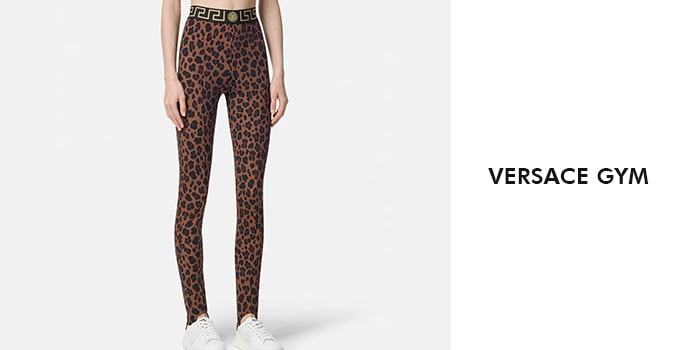
18. Versace Gym
Versace Gym is the activewear offshoot of the iconic Italian fashion house Versace, known for its bold, glamorous designs and overall luxury aesthetic. True to the opulent style of the brand, Versace Gym combines high-performance fabrics with eye-catching details to make workout pieces both functional and unapologetically glamorous. The collection features the signature Versace motifs, such as the Medusa logo, baroque prints, and striking color palettes, giving the activewear a distinctively high-fashion edge.
Versace Gym includes leggings, sports inners, and jackets in premium material for support, flexibility, and comfort during workouts. These pieces effortlessly marry athletic performance with the opulence and style that Versace is known for; thus, they are ideal for anyone who wants to turn heads both in and outside of the gym.
Whether it’s an extreme workout session or simply looking for fabulous athleisure wear with a sense of class, Versace Gym is made for the fitness enthusiast who never fails an opportunity to make a bold fashion statement.
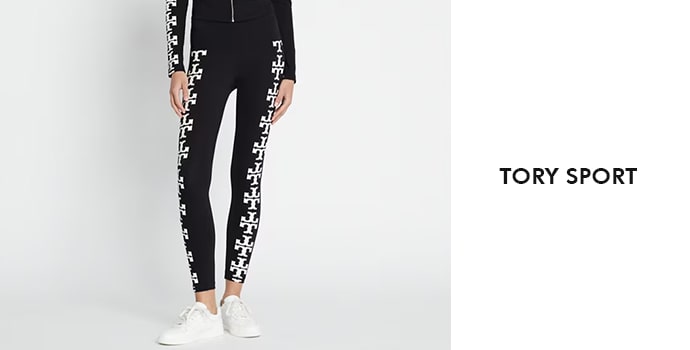
19. Tory Sport
Tory Sport by American designer Tory Burch marries classic elegance with high-performance functionality. Launched in 2015, Tory Sport brings a chic and sophisticated approach to activewear with its inspiration from the iconic style of American sportswear from the ’70s. The brand focuses on creating versatile pieces that can easily be worn for workouts and other everyday activities while balancing style with functionality.
Everything, from leggings to tennis skirts and performance jackets to sneakers, is made from technical fabrics that improve comfort, breathability, and durability. Tory Sport is preppy with bold stripes, color-blocking, and retro-inspired details. Whether it be yoga, running, tennis, or just lounging around, Tory Sport is good to go for any kind of activity and gives women the opportunity to keep being stylish without giving up even a bit of their zeal for being active.
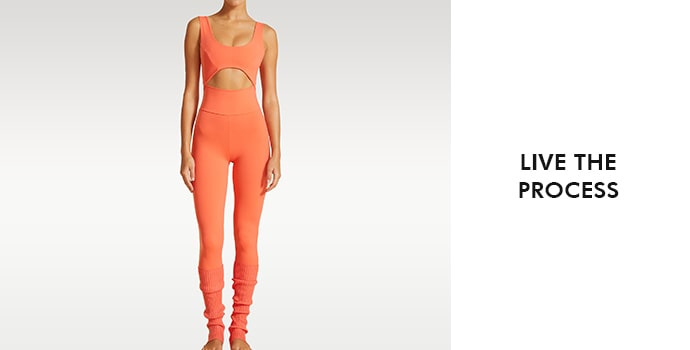
20. Live The Process
The brand Live The Process is a minimalistic activewear brand that embodies elegance and sophistication, focused on high-quality pieces that are fit for both body and soul. Founded in 2013 by Robyn Berkley, the brand promotes a holistic approach to wellness, with designs that focus on simplicity, elegance, and functionality. At Live The Process, they produce versatile activewear that converts smoothly into daily wear from the gym for the person who prioritizes style as much as purpose in the gym.
Sleek leggings and sculpting bodysuits are offered in a collection that is known for its high-quality and earth-friendly fabrication. Live The Process is known for its refined yet subtle creations. The brand showcases neutral tones and clean lines that can easily appeal to customers who appreciate subtlety and class. Each piece has been designed for comfort and support through low-intensity activities such as yoga, Pilates, and meditation, all while considering fashion.
The world of luxury activewear offers an impressive array of brands that blend high-performance functionality with fashion-forward design. From the sleek, modern aesthetics of brands like Alo Yoga and Koral to the bold, statement-making styles of Versace Gym and Off-White, there’s something for every fitness enthusiast who values both style and performance.
Whether we talk about eco-conscious designs, technical innovation, or a seamless transition from gym to street, these luxury activewear brands provide the perfect balance of comfort, support, and elegance. Elevate your workout wardrobe with pieces that not only enhance your performance but also allow you to express your individuality and style
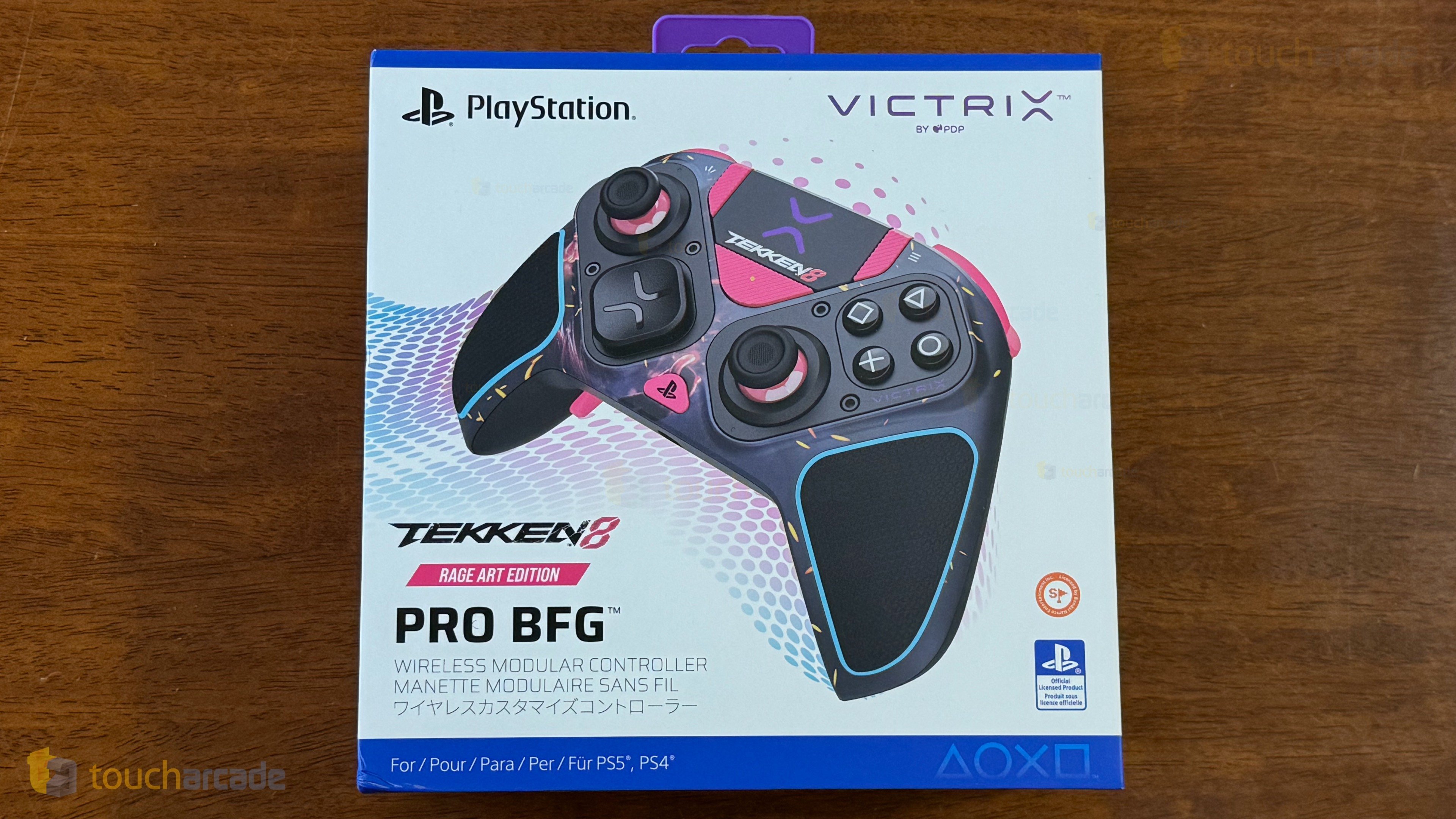
For our last full controller review on TouchArcade, I’ve been using the Victrix Pro BFG Tekken 8 Rage Art Edition for PC and PlayStation across my Steam Deck, PS5, and PS4 Pro for over a month now. Before I interviewed PDP Victrix about the controller and arcade sticks, I was very curious about the controller for its modular nature and also because I’ve wanted to try out another “Pro” controller after adoring the Xbox Elite (1st generation) and DualSense Edge over the years.
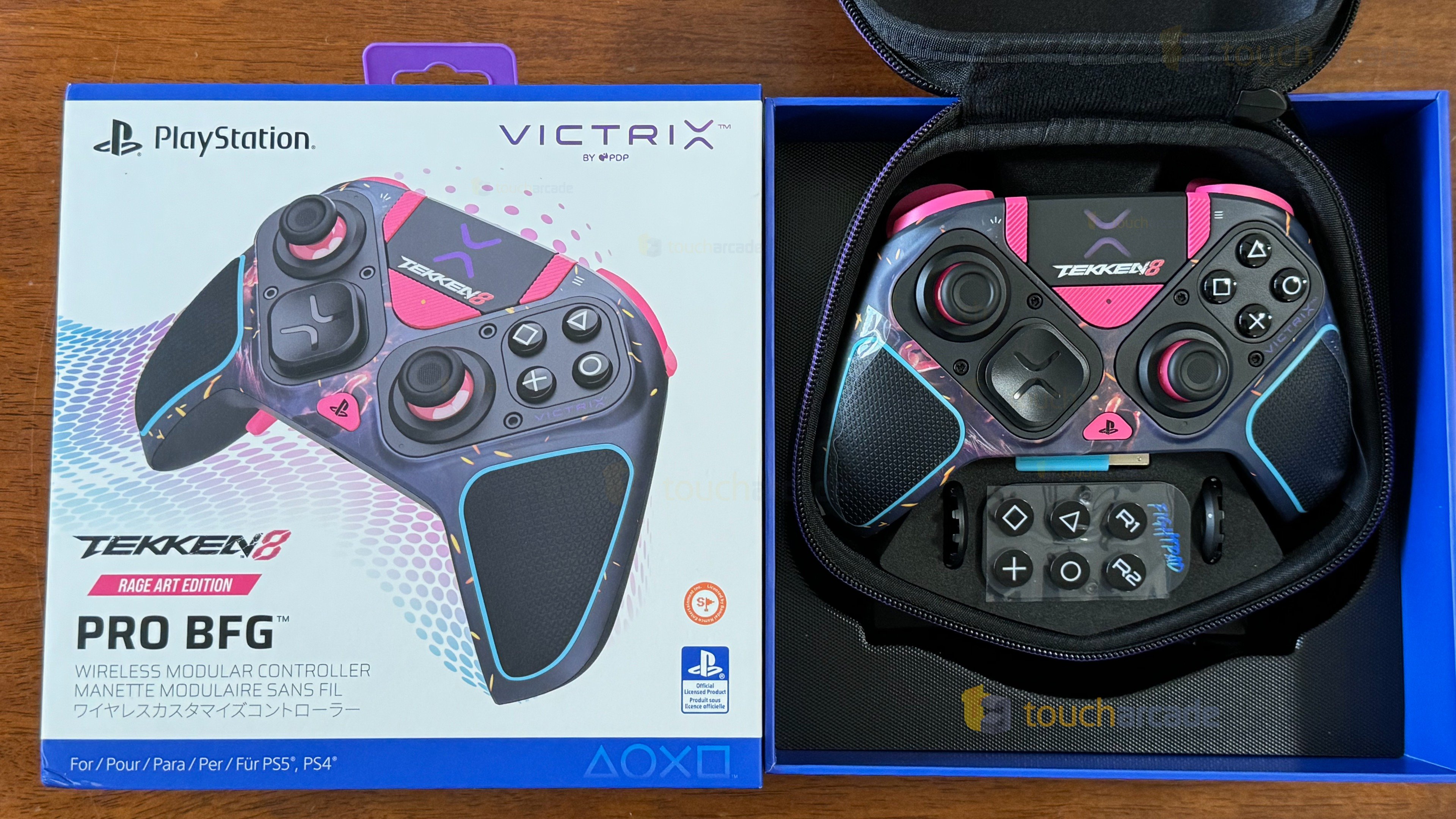
Victrix Pro BFG Tekken 8 Rage Art Edition Controller – what’s in the box
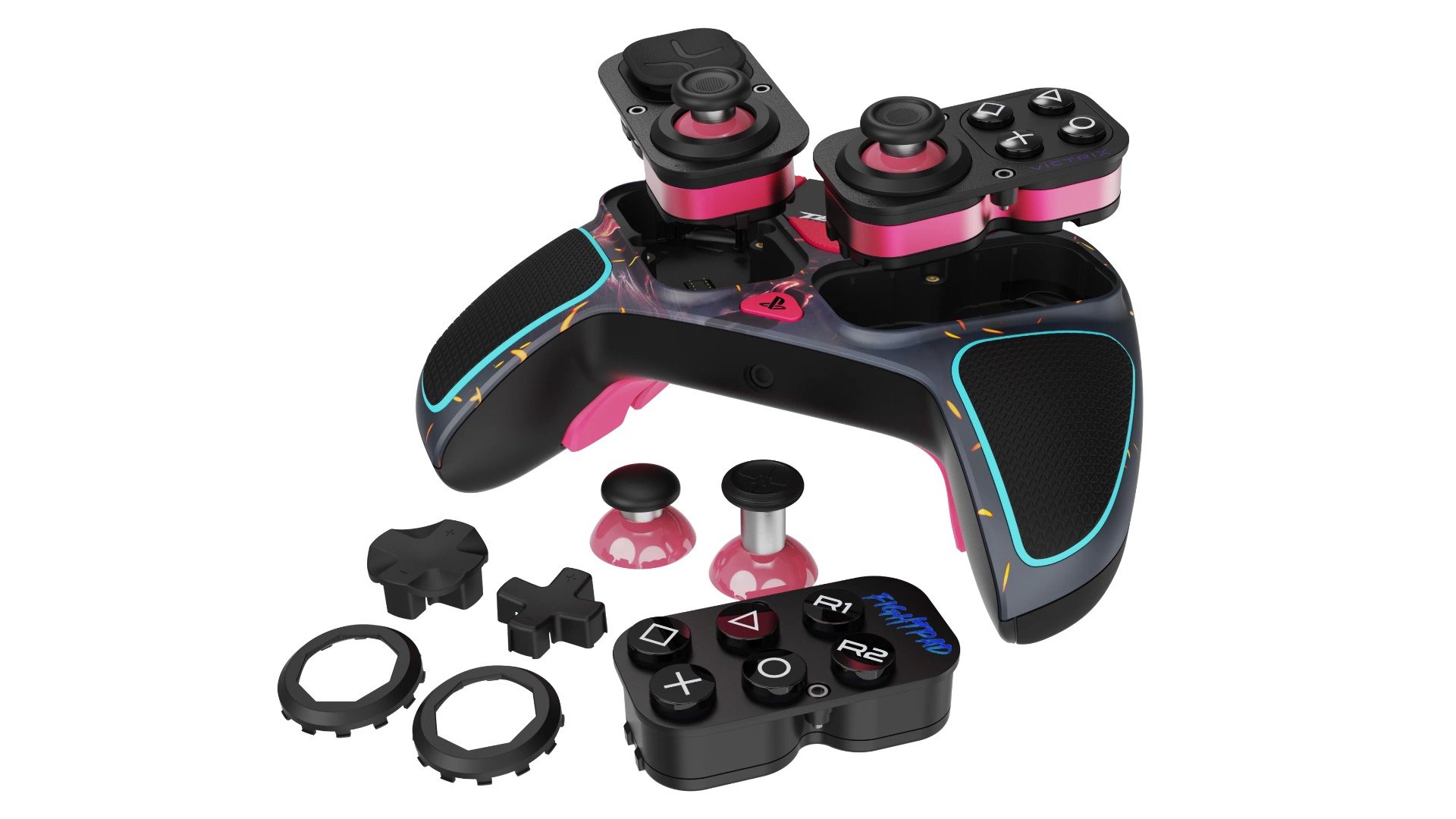
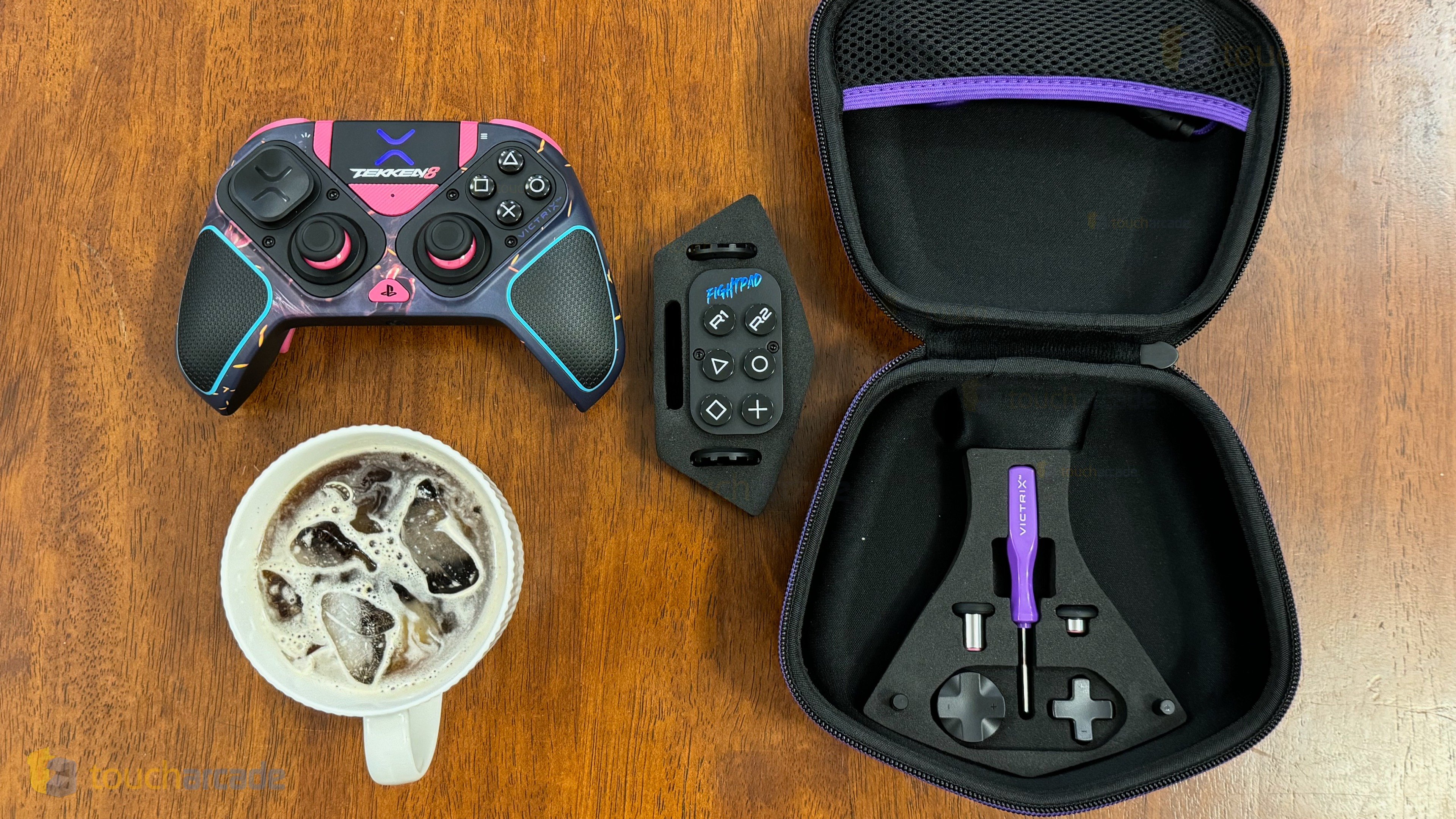
Usually, controllers just ship with a cable and sometimes a charging stand. In the case of the Victrix Pro BFG Tekken 8 Rage Art Edition, you get the controller, a braided cable, a high quality protective case to house the controller and everything else it ships with, a replacement fightpad module with a six button layout for fighting games, two gates, two replacement analog stick caps, two d-pad caps, a screwdriver for use with the controller, and a blue wireless USB dongle.
The items are all neatly placed within the case which is very good quality on its own. Unlike the normal Victrix Pro BFG controller, some of the items with this one are themed to match the new Tekken 8 Rage Art Edition aesthetic. Keep this in mind as I don’t see replacements available officially for this, but I hope they start selling them soon.
Victrix Pro BFG Tekken 8 Rage Art Edition Controller compatibility
On paper, the Victrix Pro BFG Tekken 8 Rage Art Edition Controller supports PS5, PS4, and PC. I don’t use Windows anymore, so I was curious if this would work on Steam Deck out of the box. Since I prefer the PlayStation button prompts in games, I set it to PS5 and plugged in the dongle into my Steam Deck Docking Station. It worked without issue and without needing any update.
On the console side, if you want to play wirelessly, you need the same dongle and to set the toggle to PS4 or PS5. I had no issues playing with it on my PS4 Pro in PS4 mode and on my PS5 in PS5 mode. In fact, since I don’t have any PS4 controller that works outside of arcade sticks with PS4 support, this is a very good bonus to have for when I want to test something on PS4 to compare with PS5.
Victrix Pro BFG Tekken 8 Rage Art Edition Controller features
The big draw of the Victrix Pro BFG controller is the modular nature letting you work with a symmetric stick layout, asymmetric stick layout, change things up for fighting games with the fightpad, adjust the triggers, thumbsticks, and also the d-pads. The aim with this design was to allow you to adjust the controller depending on the game you’re playing. As an example, I’d use the symmetric stick layout when playing Katamari Damacy Reroll, but I might swap to the Xbox-style asymmetric layout while playing DOOM Eternal.
Being able to adjust the trigger stop is also great as I can change that when playing a racing game with analog trigger support and also go for the shortest stop when playing a game with digital trigger support. Beyond that, the multiple d-pad options are very nice, but I’ve been trying to stick to the default diamond shape one to get used to it, and I like it a lot. I wouldn’t use it for platformers though, but the other d-pad options work well here.
Since this is an official PS5 and PS4 licensed controller, it is worth noting that this has no rumble, no haptic feedback, no adaptive trigger support, and no gyro/motion control support. I don’t care about gyro much, but no rumble at all is disappointing since you have sub $30 controllers now offering decent rumble, though they aren’t PS5 compatible. I’ve been informed that third party wireless controllers for PS5 might have restrictions for rumble as well, and I’ve seen more reports from folks using other third party controllers here. Either way, this is disappointing.
The Victrix Pro BFG Tekken 8 Rage Art Edition ships with 4 paddles or well paddle-like buttons. I wish there were proper paddles you could remove though. I mapped two of them to L3 and R3 and the ones above to L1 and R1 since I use those the most in games like Monster Hunter World and also hate pressing the sticks. Having four buttons here is very good though.
Victrix Pro BFG Tekken 8 Rage Art Edition Controller look and feel
Visually, I love the gorgeous and bright highlights and colors used on the Victrix Pro BFG Tekken 8 Rage Art Edition. It isn’t as elegant as the default black model with purple highlights, but for a themed controller it looks very good with its light blue, pink, purple, and Tekken 8 branding.
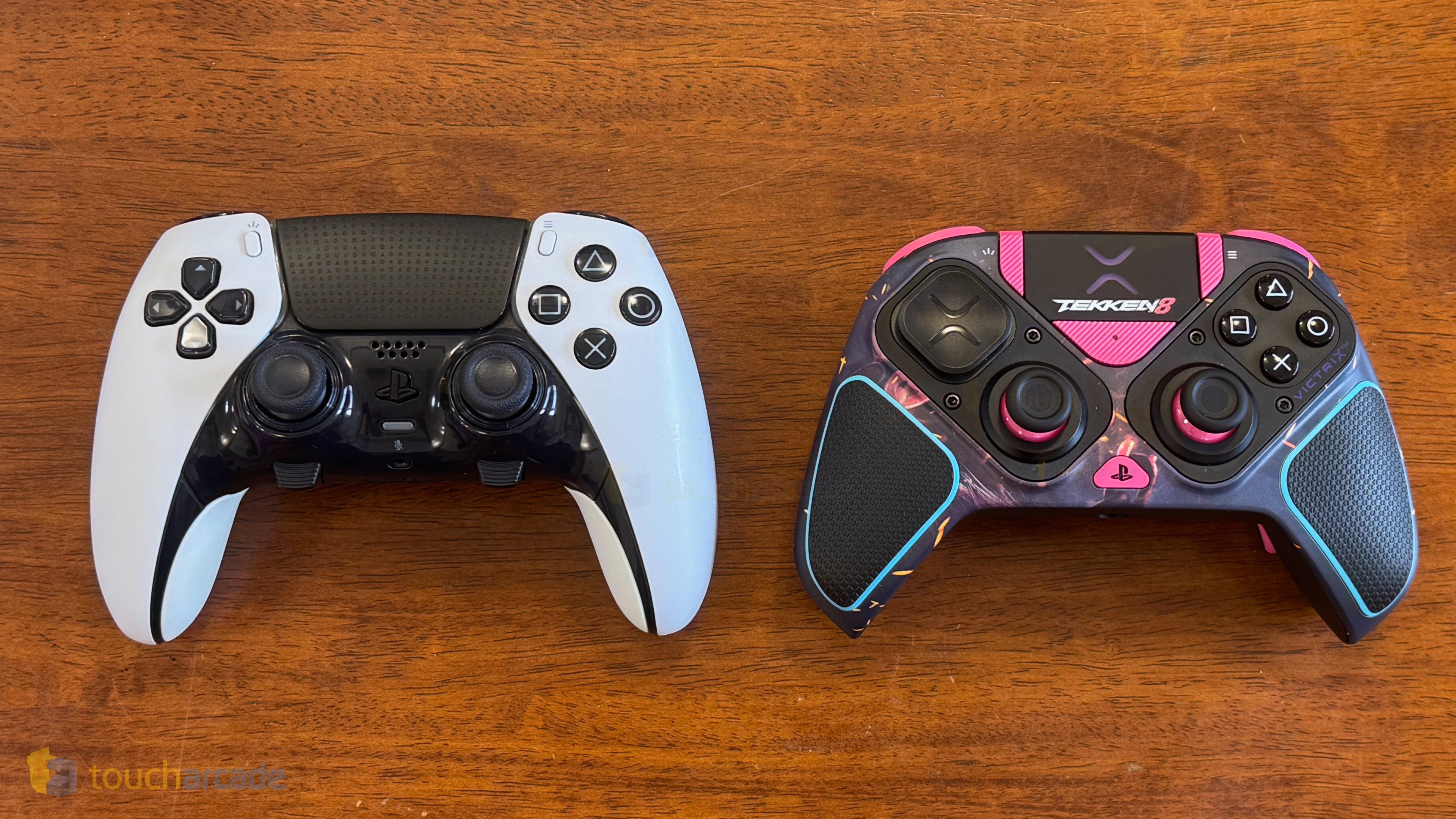
The Victrix Pro BFG Tekken 8 Rage Art Edition feels very comfortable, but it is a bit too light for my liking. The material on the main controller body ranges from feeling premium to just fine. It is a far cry from the premium feeling DualSense Edge, but that controller has that ugly glossy front plate that ruins things. The grip on this controller makes a big difference, and I’ve had 8 hour sessions with the controller wired without getting tired of holding it. It being light pays off here.
Victrix Pro BFG Tekken 8 Rage Art Edition Controller on PS5
On PS5, there are a few things to keep in mind. This is an officially licensed controller, but you can’t turn on your PS5 with it. This seems like a limitation for 3rd party controllers on PS5, but is an annoyance to keep in mind. Beyond that, haptic feedback, adaptive triggers, and gyro are not available here. Aside from that, it has touchpad support and all the buttons I use on a DualSense controller including the share button.
Victrix Pro BFG on Steam Deck
Like I mentioned above, the Victrix Pro BFG Tekken 8 Rage Art Edition works out of the box on Steam Deck with the dongle plugged into the official Docking Station I use. It even correctly is recognized as a PS5 Victrix controller with the share button working for capturing screenshots and the touchpad working as it should in PC games that have PlayStation controller support. This was great to see as some games don’t even recognize my DualSense correctly.
Victrix Pro BFG Tekken 8 Rage Art Edition Controller battery life
The huge advantage the Victrix Pro BFG Tekken 8 Rage Art Edition Controller or the normal one has over the DualSense and DualSense Edge is the battery life. It lasts multiple times longer than the DualSense and the DualSense Edge on a single charge. It also helps that the logo on the touchpad indicates when the battery is low. This is good for playing on Steam Deck as other controllers don’t really visually indicate when the battery is low.
Victrix Pro BFG Tekken 8 Rage Art Edition Controller software
The software is something I couldn’t test as it is only available on the Microsoft Store and I don’t use Windows anymore. Thankfully, it works out of the box with Steam Deck, PS5, and PS4. The one thing I was hoping to see is if the controller would work on iOS. I tested wirelessly with the dongle on my iPad, wired on my iPhone 15 Pro, and also wired on my iPad Pro with no luck.
Victrix Pro BFG Tekken 8 Rage Art Edition Controller negatives
Right now, it has a few big negatives. These include no rumble, the low polling rate, not shipping with the Hall Effect sensors, and it requires a dongle for wireless, at least for the model I have. The lack of rumble might not be an issue for some, but for a “Pro” controller, the polling rate is disappointing. There are multiple videos on YouTube showcasing this and why it is a problem as well. Comparatively, the DualSense Edge wired is massively better with its response.
As for the Hall Effect sensors, I’m glad Victrix now sells the new modules, but why do new purchases of the controller not just ship with those in the first place? Also if I were to buy either of the module color options available for my Victrix Pro BFG Tekken 8 Rage Art Edition Controller, it wouldn’t fit with the aesthetic and will not have PS5 face buttons.
Victrix Pro BFG Tekken 8 Rage Art Edition Controller Review
Having gotten well over a hundred hours of use out of the controller per platform across games like UFO 50, Street Fighter 6, Tekken 8, Persona 3 Reload, and many more, I can safely say that I love using the controller, but the few issues are annoying to see given its price point. In a lot of ways, the Victrix Pro BFG Tekken 8 Rage Art Edition has the potential to be one of the best controllers in years if it sees some fixes and changes for a potential successor. Right now, there are a few too many caveats involved for its high asking price that make sure it is very good, but not amazing. The big issues holding it back right now are the lack of rumble (which seems like a restriction from Sony), dongle requirement, additional cost involved for Hall Effect sticks, and the polling rate. These might not matter to some folks, but for a “Pro” controller priced at $200, I expected a bit more.
Victrix Pro BFG Tekken 8 Rage Art Edition Review Score: 4/5
Update: Added more information for the lack of a rumble feature.
0G is a transformative blockchain infrastructure project that facilitates high-performance applications such as on-chain AI, gaming, and decentralized finance (DeFi) through an advanced data availability and decentralized storage system. By providing a scalable, secure, and efficient platform, it seeks to address some of the most pressing challenges in the blockchain space, including scalability, data processing speeds, and interoperability.
The goal of 0G is to democratize access to blockchain technology and enable the development of applications that were previously not feasible due to technological constraints, thus bridging the gap between Web3 capabilities and Web2 performance standards.
Origin Story
0G Labs was founded to address the limitations of existing blockchain data storage and availability solutions. The founders recognized that as blockchain adoption grew, so did the need for efficient and scalable data solutions. Traditional blockchains struggled with data storage and throughput, leading to high costs and inefficiencies. 0G Labs’ mission is to create an infinitely scalable data layer that can handle the increasing data demands of modern blockchain applications.
Who are the 0G founders?
The founders of 0G are a group of individuals with deep expertise in blockchain technology, AI, and decentralized systems, each bringing a unique set of skills and experiences to the project:
Michael Heinrich- Acting as the CEO, Michael has a diverse background spanning software development, technical product management, and business strategy. Before 0G, he scaled a Web 2.0 company to significant heights, showcasing his ability to lead and grow technology-driven enterprises.
Ming WuAs the CTO, Ming brings an extensive research and development background from his time at Microsoft Research Asia, where he focused on distributed systems, storage, computation, and AI platforms. His expertise is crucial in building 0G’s technical foundation.
Fan LongAs Chief Strategy and Security Officer (CSSO), Fan combines his academic research in system security and blockchain with entrepreneurial experience. His academic tenure and co-founding experience in blockchain projects lend 0G a robust strategic and security direction.
Thomas YaoAs the Chief Business Officer (CBO), Thomas’s background in physics, self-driving technology, and venture capital provides 0G with strategic business insights and investment expertise. His experience in early blockchain investments and technology startups is invaluable for navigating the project’s business aspects.
Together, these founders form a well-rounded team equipped to tackle the complexities of building a next-generation blockchain infrastructure. They aim to make AI and other high-performance applications more accessible and efficient on the blockchain.
0Gs Architecture
0Gs high scalability hinges on separating the data availability workflow into:
a) The Data Storage Lane: This lane achieves horizontal scalability through well-designed data partitioning for large data transfers. Significant data can be stored or accessed nearly instantaneously.
b) The Data Publishing Lane: Guarantees data availability using a quorum-based system that assumes an honest majority, with the quorum randomly selected via VRF. This only takes up a tiny flow of data and avoids any data broadcasting bottlenecks, allowing space for the larger Data Storage Lane transfers.
0G Storage is 0Gs on-chain database comprising a network of Storage Nodes actively participating in a PoW-like mining process known as Proof of Random Access (PoRA). PoRA requires miners to correctly answer random queries relating to archived data, with the corresponding Storage Node rewarded accordingly. 0G focuses on rewarding nodes for their contributions rather than punishing them for misbehavior to encourage network participation in network maintenance and improve scalability.
0G DA is 0Gs infinitely scalable DA Layer directly built on top of 0G Storage. A quorum-based architecture provides DA confirmation using an honest majority assumption whereby nodes agree on available data. A VRF is used to randomize the quorum, while GPUs accelerate the erasure coding process needed to store data properly.
What Does 0G Solve?
The need for greater Layer 2 (L2) scalability has directly coincided with the recent rise of DA Layers, with L2s widely agreed upon as the solution to Ethereums scaling woes. L2s conduct transactions off-chain and settle on Ethereum for security purposes, meaning that they must post the actual transaction data somewhere so that it may be confirmed as valid. Publishing data onto Ethereum directly spreads its high fees amongst L2 users, increasing scalability.
DALs provide a more efficient means of publishing off-chain data and keeping it available for anyone to inspect.
That being said, existing DALs are inadequate for supporting the exponentially increasing amount of data arriving on-chain. They cannot store vast sums of data and have limited throughput, which is especially concerning for data-intense use cases like on-chain AI.
0G provides a 1,000x performance improvement over Ethereums danksharding and a 4x improvement over Solanas Firedancer, providing the necessary infrastructure to massively scale Web3s data needs. AI is a significant focus, as 0G Storage can store vast datasets while using 0G DA to quickly create AI models on-chain.
Beyond this, other use cases include:
0G Labs Use Cases
a) L1s / L2s: These parties may use 0Gs AI models or 0G for data availability and storage. Partners include Polygon, Arbitrum, Fuel, Manta Network, and more.
b) Bridges: Given that networks can easily store their state using 0G, state migration is possible between networks, facilitating secure cross-chain transfers. For example, relevant user balances can be stored as data and communicated cross-chain for fast, accurate transfers.
c) Rollups-as-a-Service (RaaS): a DA option and data storage infrastructure for RaaS providers like Caldera and AltLayer.
d) DeFi: 0Gs quick and scalable DA may support highly efficient DeFi on specific L2s & L3s due to fast settlement and storage, such as high-frequency trading.
e) On-chain Gaming: Gaming requires vast amounts of cryptographic proof-related data that need to be reliably stored on top of all regular metadata, such as a given players assets, points, actions, and more.
f) Data Markets: It makes the most sense that Web3 data markets truly store their data on-chain, which is currently only feasible on a large scale using 0G.
0G is the scalable, low-cost, and fully programmable DA solution necessary to truly bring vast amounts of data on-chain. This would not be possible without 0Gs complementary role as an on-chain data storage solution, which unlocks even more use cases (such as providing database infrastructure for any on-chain application).
0G can store any type of Web2 or Web3 data while efficiently proving its data availability. The benefit of this extends far beyond confirming Layer 2 transactions, as any data (large-scale datasets, a blockchains state, crypto.
How does 0G differentiate itself from projects like Avail, Eigen DA, Espresso, and Celestia?
0G sets itself apart by focusing on unmatched performance, scalability, and flexibility, tailored explicitly for high-performance applications such as AI, gaming, and DeFi. Heres how:
Performance: With speeds up to 50 gigabytes per second, 0G offers Web2-like efficiency with Web3’s decentralization. Its competitors dont match this level of scalability and cost-effectiveness.
Scalability: 0G’s storage network can scale horizontally without bottlenecks, outperforming systems like Celestia, which, while scalable, do not offer this level of flexibility.
Decentralized Storage: Unlike Eigen DA or Espresso, 0G integrates decentralized storage directly into its platform, supporting a wide variety of data types, including AI models and gaming assets.
Programmability: Developers can fully customize data persistence, replication, and location through smart contracts, offering flexibility unmatched by other DA solutions.
AI Focus: While others focus on general blockchain capabilities, 0G is designed to support AI and high-performance applications, ensuring long-term relevance in a rapidly evolving landscape.
What future developments can we expect from 0G?
Key advancements to look forward to include:
Enhanced Data Availability Services: Expanding its DA layer to support more complex applications and bridging the Web2-Web3 gap.
Deeper AI Integration: Introducing decentralized AI model marketplaces and computational frameworks to democratize AI development.
Community-Led Governance: Transitioning to decentralized governance, giving the community more control over 0Gs direction.
These developments will further 0G’s role as a pioneer in blockchain infrastructure, enabling the creation of previously thought impossible applications.
0G Labs Roadmap
0g Lbas is still in the planning phase for the official roadmap launch, and the current version you see was shared directly within their Discord community. Once everything is properly finalized, they will release the full, updated roadmap. Stay tuned!
0G Labs Investors
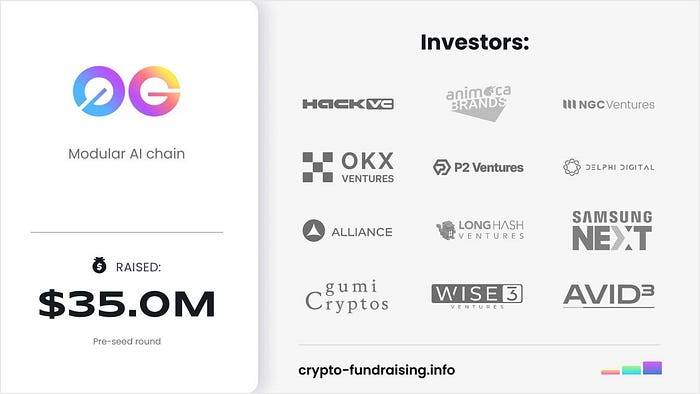
0G recently closed a $35 million funding round with backing from major Web3 investors like Hack VC, Bankless, Delphi Digital, and Polygon. This strong investor base highlights the potential and credibility of the project.
Compute Meets Infinite Scalability: Spheron and 0G Labs Unite
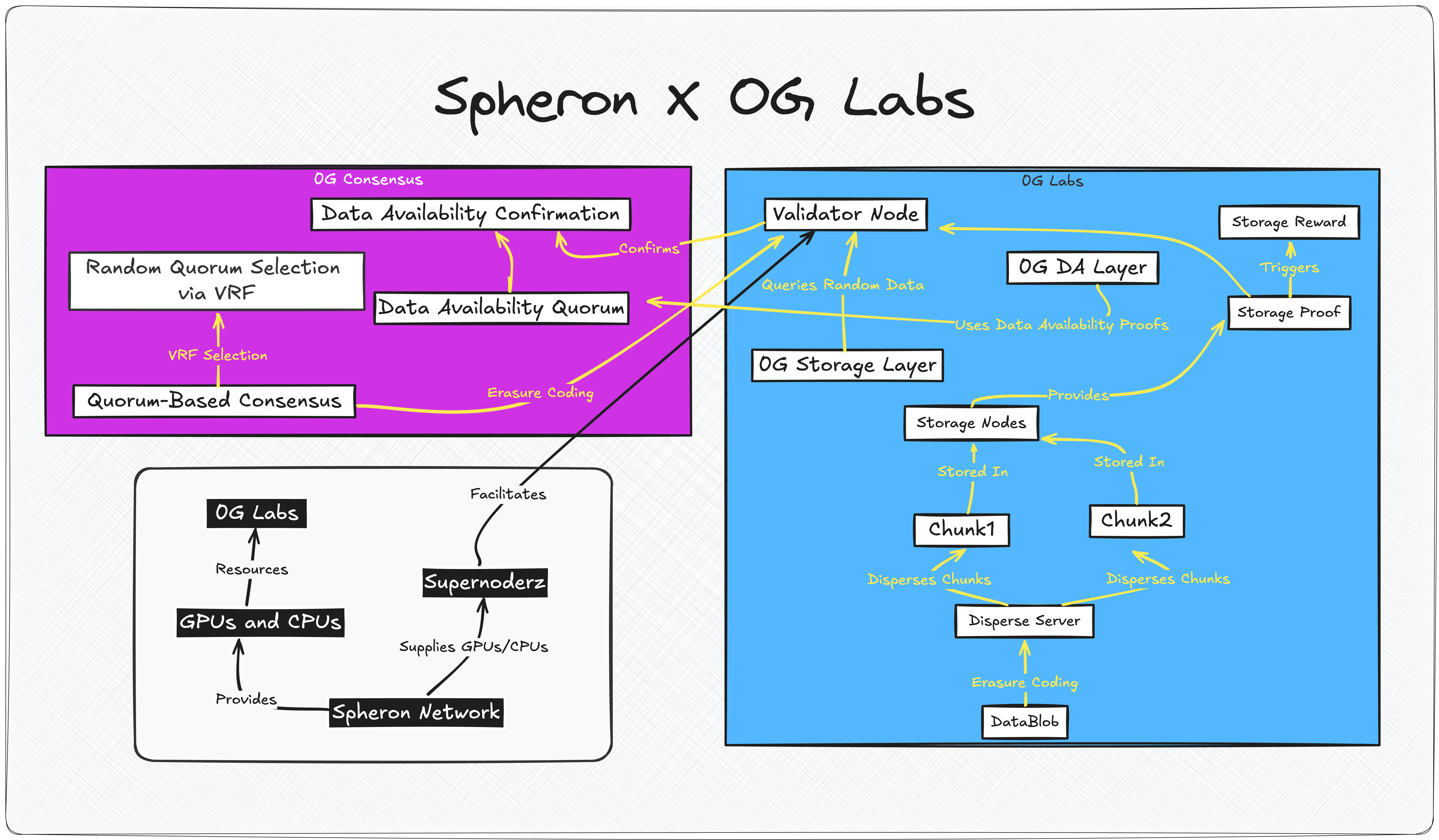
Spheron Network and 0G Labs have formed a strategic partnership to transform decentralized infrastructure. By combining Spherons expertise in scalable compute solutions with 0Gs advanced data availability layer, this collaboration aims to boost the performance of decentralized networks. Spheron will supply GPUs and CPUs to power 0G Labs, enhancing the efficiency of their on-chain database and data services.
Additionally, Spheron’s Supernoderz platform will make it easy for users to deploy 0G Labs nodes with a simple one-click setup. This partnership will create a stronger and more accessible decentralized ecosystem, enabling advanced applications in DeFi, AI, and more. Together, Spheron and 0G Labs will drive the growth of decentralized technologies and innovation in the Web3 space.
How can you get involved?
There are numerous ways to engage with 0Gs growing ecosystem:
Join the Community: Become part of 0Gs discussions on Discord, visit the official website, and subscribe to their newsletter.
Amplify Awareness: By following and sharing updates on Twitter, Telegram, LinkedIn, and relevant forums to help spread the word.
Contribute: Participate in content creation initiatives, submit feature suggestions, or attend webinars to deepen your knowledge of 0G.
Community contributors can earn rewards like early access to testnets, 0G tokens, and NFTs. Stay tuned to official channels for upcoming engagement opportunities.
Testnet Newton v2 is live
The journey to revolutionize Web3 begins now! 0GLabs Testnet Newton v2 is live, packed with powerful features to empower users and developers on the road to unlock groundbreaking on-chain use cases
Conclusion
0G Labs is at the forefront of solving some of the blockchain industry’s most pressing data scalability challenges. With its innovative architecture and growing ecosystem, 0G Labs is poised to play a crucial role in the future of blockchain and Web3 applications.
All Microsoft Teams teams have the General-channel. That’s what it has been since Teams emerged. But it is not the case anymore. Recently we entered the new era, where we don’t have to have a channel named General anymore. This change is impacting everyone who is creating new Teams teams, so you want to share the word and keep your peers up to date. On top, if you have thought you want to change the name of General channel to something else – that is possible too. Take a look at this step-by-step post.
During year, it hasn’t been once or twice when I have been asked how to change General-channel name to something else. Yes, there are lots of situations where it doesn’t make sense to have a generic name – perhaps we just want to name it to be more descriptive. The change is simple to do, but there is a caveat: once you change General-channel’s name to something else you can not rename it back to General!
Navigate to the team and right-click on General-channel or click on … more option -menu.
Then choose Rename channel from the menu
You will get a warning, that you can not change it back to General anymore.
Just overwrite the channel name and press save.
After a short wait you can see the name of channel has been changed, and there isn’t General channel anymore. All your channel posts, files, tabs and settings are as before. This rename doesn’t do anything else but changes the name of the channel and name of the folder connected to the channel.
The channel is still team’s first channel. It may not be deleted nor archived. It is treated the same General-channel.
Looking at SharePoint team site, you can see that the General-channel’s name change also changed its folder in team’s Document Library.
There are no known limits how many times General-channel can be renamed. The only limit is that it may not be changed back to General anymore.
You notice a change also in when you are creating a new team. As a side-step: did you notice that both team and channel creation can be found on the top-right corner of the pane where teams are listed?
The change in team creation is, that now you must give the first channel a name.
This can catch some people off guard, as you need to think what the first channel’s name will be.
Instead of General-channel, it is called the first channel. Now, if you think you just give it a name General.. Think again. You won’t be able to name it General.
Name General seems to be reserved in all languages. For example when I switched my Teams to Finnish, I can’t create channel named General. It just tells that the name is reserved and to try another name.
What I could do, is to create a channel named Yleinen. That was General channel’s name in Finnish and I can go on and keep using that name for new teams if I so want to do. Let’s create a new team and name it’s first channel to Blog ideas and schedules to tell more about what that first channel will be used for. Note that you can’t make the first channel shared nor private. In the core it is still the same General-channel, but now you can specify a new name to it.
And after a bit of wait and adding other members, you can see your new team.
And I can go on normally from this point forward. Including changing it’s name to something else.
There is a one more thing to know: The channel’s folder created to SharePoint team site, is still General!
This may be a bug, so I would not be surprised if this would change to first channel’s name in the future. Currently it can cause a bit of confusion when trying to locate the folder in the DocLib.
To fix the folder name, just rename the first channel to something else and them back to the original channel name. Then the first channel’s folder is named correctly.
This is a great update, as not all teams need the general channel. It was possible to hide General-channel before this, but this change is nice step in making teams more flexible and meet more needs organizations and people have. It has good benefits, like when you pin the channel, you see team and channel name work together better. Instead of having General stated in larger letters, the channels purpose is more clear.
In this snip, Blog posts in Marketing is a the first channel in the team, aka old General channel. Another good way to make it easier to tell teams apart from each other is to use a team picture – it was not done to this example.
When you are using @mention in the channel, you can use channel’s name as expected.
Notifications show the channel name and thus give you a better context for the message.
When @mentioning the old fashioned General-channel, we need to check team’s name before knowing the context.
The change is not huge, but it does impact both teams and users. People creating new teams need to think about the first channel’s name. But as needs change – or perhaps the first name was just a placeholder – rename can save the day.
How do you feel about this change? Thumbs up or down?
Sharing is Caring! #CommunityRocks
Aiheeseen liittyy
Published by Vesa Nopanen
Vesa “Vesku” Nopanen, Principal Consultant and Microsoft MVP (M365 and AI Platform) working on Future Work at Sulava.
I work, blog and speak about Future Work : AI, Microsoft 365, Copilot, Microsoft Mesh, Metaverse, and other services & platforms in the cloud connecting digital and physical and people together.
I have about 30 years of experience in IT business on multiple industries, domains, and roles.
View all posts by Vesa Nopanen
The metaverse is a network of 3D virtual worlds focused on social connection. In futurism and science fiction, the term “metaverse” describes a fully immersive virtual world where people can interact with each other and digital objects while operating virtual representations of themselves, known as avatars.
The metaverse aims to incorporate aspects of social media, online gaming, augmented reality (AR), virtual reality (VR), and cryptocurrencies to allow users to interact virtually. The metaverse is accessed via the internet, letting users engage across virtual worlds.
Some key components of the metaverse include:
Virtual reality (VR) – Fully immersive digital environments users can explore and interact with using VR headsets. This allows for lifelike experiences and simulations.Augmented reality (AR) – Overlaying of digital information and objects onto the physical, real-world environment via smartphones and AR glasses. Pokemon Go is an example of AR.Avatars – Digital representations of users that allow them to explore the metaverse, play games, and interact with others.Digital assets – Items like virtual clothing, skins, artwork, music, and more that users can purchase and trade inside virtual worlds. These often use cryptocurrency and blockchain technology.Persistent virtual worlds – Metaverse environments that continue to exist and evolve over time, with or without any one user being logged in. This gives metaverse worlds a feeling of permanence.
The metaverse aims to evolve the internet from 2D web pages and apps to persistent 3D virtual worlds and experiences. Proponents argue the metaverse will transform everything from play to work in the coming decades.
History and Evolution of Metaverse
The idea of a virtual shared space has long captured the imagination of science fiction writers and futurists. The term “metaverse” was coined by author Neal Stephenson in his 1992 novel Snow Crash, which envisioned a virtual reality-based successor to the internet.
In Snow Crash, people interacted as avatars in a 3D virtual world that contained buildings, vehicles, and other environments. This vision of an immersive, persistent virtual space laid the groundwork for current notions of the metaverse.
Other influential fictional depictions include the virtual world of “The Matrix” films, the OASIS in Ernest Cline’s novel Ready Player One, and the VR realms of William Gibson’s Sprawl trilogy. These science fiction works explored philosophical questions around the virtual vs. physical world and envisioned expansive virtual spaces where people could live, work, and play.
While fiction writers dreamed of metaverse-like environments, the technology to create them developed in parallel. Key innovations that set the stage for today’s metaverse include:
The creation of the internet, which enabled people across distances to connect and share information.Advancements in virtual and augmented reality hardware, such as Oculus Rift and Microsoft HoloLens. These devices allow for immersive visual experiences.The rise of massively multiplayer online games like Second Life and World of Warcraft, which demonstrated the potential for large shared virtual spaces.The development of blockchain and cryptocurrencies. Decentralized blockchain networks allow value and assets to be exchanged securely in a virtual realm.Improvements in 3D graphics, simulation, and physics engines used in video games and CGI films to create detailed virtual worlds.Growth of high-speed networks and cloud computing infrastructure to support complex virtual environments.
While early virtual worlds were limited by technology, improvements over decades have brought the metaverse vision closer to reality. Today’s metaverse efforts build on those pioneering foundations.
The metaverse is rapidly evolving thanks to major investments and advancements by some of the world’s largest tech companies. Meta (previously Facebook) has been one of the most aggressive in pushing metaverse development, investing billions into its Reality Labs division for AR and VR technology. In 2021, Meta launched Horizon Worlds, a social VR platform where users can explore virtual worlds. Microsoft also unveiled its own metaverse platform called Mesh in 2021, which allows people to have shared holographic experiences through mixed reality headsets.
Some popular existing metaverse platforms include:
Decentraland – A blockchain-based virtual world where users can buy land, build environments, and create unique avatars. Decentraland launched in 2020 and has seen significant growth and investment.The Sandbox – A decentralized gaming metaverse that allows users to build voxel game worlds and assets stored as NFTs on the blockchain. Brands like Adidas and Atari have partnered with The Sandbox.Roblox – A popular game creation platform with millions of users. While not a full metaverse yet, Roblox contains many metaverse-like elements of user-generated worlds.
Major companies like Microsoft, Meta, Epic Games, and Nvidia are all developing metaverse hardware and software tools to enable next-generation immersive experiences. The stage is being set for mass consumer adoption of metaverse technology in the coming years.
The metaverse offers some exciting potential benefits and use cases that are driving adoption. Here are some of the key ones:
Immersive Social Connections and Remote Collaboration
The metaverse enables more immersive social connections and collaboration compared to traditional 2D online interactions. People can have meaningful social engagements through their digital avatars in a shared virtual space. This allows for richer nonverbal communication and makes online gatherings feel more real.
Remote teams can also benefit from metaverse collaboration tools. Instead of traditional video calls, teams can brainstorm ideas and collaborate on virtual whiteboards as if they were in the same physical room. The metaverse provides a sense of proximity that improves teamwork and collaboration.
Virtual Shopping, Events, and Travel
Brands and retailers are exploring opportunities for virtual shopping in metaverse environments. Customers can browse digital storefronts, view 3D product models from all angles, and try on digital clothing. Virtual real estate also enables companies to establish a presence and connect with consumers. Events like concerts, conferences, and sports games are being held in metaverse spaces.
Virtual travel offers an alternative to physical trips. People can explore digitally recreated destinations and attractions through their avatars. This provides access to experiences that might be inaccessible or too expensive in the physical world. Virtual tourism has expanded during the pandemic but will continue playing a role in the metaverse.
Training and Education Through Simulation
The metaverse unlocks new possibilities for training and education through simulation. Dangerous or expensive real-world training environments can be replicated digitally for safe and cost-effective learning. Medical students can practice procedures, pilots can train in flight simulators, and firefighters can run through emergency scenarios. Beyond training, virtual classrooms and collaboration spaces can enhance traditional learning.
The evolution of gaming from simple 2D arcade games to fully immersive 3D virtual worlds has paved the way for metaverse gaming. Early multi-user domains like Second Life provided a glimpse into shared virtual spaces, while recent advances in virtual and augmented reality hardware have enabled more complex metaverse experiences.
There are several types of metaverse games emerging:
VR-based games – These require a VR headset to experience 3D environments. Popular examples include Rec Room and VRChat which allow users to explore, socialize, and play mini games together.Blockchain games – These use blockchain technology to introduce true digital asset ownership and economies. In blockchain games like The Sandbox, players can buy virtual land and create and monetize gaming experiences.Hybrid games – These combine elements of conventional PC/console gaming with metaverse features like digital identities, virtual economies, and social interactivity. An example is Fortnite with its live events and avatar skins.
Major platforms for accessing metaverse games include:
Decentraland – An open virtual world where users can play games, build experiences, and monetize creations.Roblox – A popular game creation platform with millions of user-generated 3D multiplayer games across genres.Core – A platform for creating and playing blockchain games with true digital asset ownership.
As immersive technologies and game design evolve, metaverse gaming offers new frontiers in social, interactive, and hyper-realistic gaming experiences.
Opportunities for Game Developers
The emergence of the metaverse creates exciting new opportunities for game developers and studios. Here are some of the key potential benefits:
Ability to create highly immersive and interactive games
The metaverse represents the next evolution of immersive gaming. By integrating VR/AR technologies, metaverse games can offer unparalleled realism and interactivity. Players can fully immerse themselves in expansive virtual worlds and interact naturally with environments and other players. This leads to more engaging and addictive gameplay.
New revenue models like in-game assets, NFTs, etc.
The metaverse also opens up new revenue streams for game developers. They can now create unique in-game assets like skins, accessories or even land/real estate and sell them to players as NFTs. Players can truly own these digital assets and trade them on NFT marketplaces. This creates a whole player-driven economy within games.
Lower barriers to develop and distribute games
Building and distributing games in the open metaverse has lower barriers than traditional app stores. This allows more indie developers and studios to publish their games easily to a large audience. The open standards and interoperability also means games can be played across various metaverse platforms and hardware.
Overall, the metaverse unlocks an exciting new frontier for game creators to build immersive, interactive and economically viable games. It will be fascinating to see what innovative gaming experiences emerge as the metaverse evolves.
The metaverse presents some unique challenges for game developers looking to create immersive virtual worlds.
Achieving Scalability with Complex Graphics and Simulations
One of the biggest technical hurdles is achieving scalability with the complex 3D environments and physics simulations needed to create a believable metaverse experience. The computational power and bandwidth required for thousands or millions of concurrent users to interact in a shared virtual space is significant. As user expectations grow for more realistic graphics, animations, physics, and interactions, it will require optimizations in areas like cloud computing, edge networks, and graphics rendering.
Preventing Toxicity in Virtual Worlds
The social nature of metaverse worlds also introduces challenges around preventing toxic behavior like bullying, harassment, hate speech, etc. Game developers need effective content moderation and governance systems to maintain positive communities. Some approaches could include proactive monitoring tools, robust reporting systems, swift consequences, and designing the virtual environment itself to discourage toxicity. There are also risks around radicalization if social spaces are unmoderated.
Regulatory Uncertainty
There is also uncertainty around future regulation of areas like digital assets, data privacy, content policies, and monopolization as the metaverse takes shape. New oversight and laws adapted to the unique nature of virtual worlds will likely emerge. Until then, it’s unclear how issues around taxation, data collection, identity verification, and corporate accountability will play out. Game developers will need to monitor regulatory developments closely to stay compliant.
The metaverse has opened up new possibilities for innovative and immersive gaming experiences. Here are some of the most notable metaverse games across different categories:
Sandbox Games
Decentraland – This is a virtual world where players can buy land as NFTs, build anything they want, and monetize their creations. Key features include a marketplace, custom avatars, and a robust developer community.The Sandbox – Also a virtual world where players own land and assets. They can build 3D voxel models and create games without coding. It uses the SAND cryptocurrency and has partnered with brands like Snoop Dogg.
Virtual Reality Games
Population: One – A multiplayer VR shooter game with battle royale mechanics. Key features are free locomotion, character customization, and large map areas.Echo VR – A multiplayer VR game set in zero gravity. Players coordinate with their team to maneuver a disc into a goal. It requires strategic movement and communication.
Blockchain Games
Axie Infinity – Players collect, breed, raise, and battle creatures called Axies. The game popularized the play-to-earn model through NFTs and cryptocurrency.Gods Unchained – A digital trading card game on blockchain similar to Magic: The Gathering. Cards are NFTs that can be traded or sold. It has a competitive ranking system.
The metaverse has expanded gaming into new frontiers by integrating VR, blockchain, digital ownership, and user-generated content. As the technology matures further, metaverse games will unlock more immersive social gaming experiences.
The future outlook for metaverse gaming is very promising, with massive potential for growth and innovation on the horizon. A key driver of this growth will be the increasing adoption of virtual reality (VR) and augmented reality (AR) technologies. As these immersive technologies become more mainstream and affordable, more consumers will be equipped to fully experience metaverse games.
This growing user base will also drive the emergence of new metaverse game genres and gameplay mechanisms that take advantage of VR/AR capabilities. For example, we may see new hybrid genres that combine aspects of first-person shooters, real-time strategy, and multiplayer online battle arenas within a virtual environment. The interactive nature of VR/AR also opens up possibilities for new game mechanics based on full-body motion controls and environmental interactions.
AI and cloud technologies will also play a major role in shaping the future of metaverse gaming. AI can enable more responsive, adaptive and realistic NPCs to create a more dynamic experience. The scalability of cloud computing can support the demands of complex virtual worlds with countless simultaneous players. And machine learning has the potential to customize and tailor metaverse game experiences to individual players over time.
Overall, metaverse gaming has an exciting road ahead as these technological innovations converge to provide engaging, social and interactive game experiences within virtual worlds. The metaverse offers game developers vast creative possibilities, which will ultimately benefit players who want deeper immersion and connection from games. The stage is set for metaverse gaming to achieve significant growth and adoption in the coming years.
Conclusion
The metaverse presents both exciting opportunities and daunting challenges for the future of gaming. On one hand, the ability to create fully immersive virtual worlds where users can interact and play together opens up limitless possibilities for innovative game design and collaborative play. The metaverse has the potential to take gaming to an entirely new level in terms of realism, customization, and social connection.
However, developing for the metaverse also introduces hurdles like requiring specialized hardware, preventing toxicity in open virtual spaces, and creating sustainable economic models. Game developers aiming to break into the metaverse will need to grapple with these issues from the start.
Overall, the metaverse seems poised to transform gaming in revolutionary ways. As the technology matures and expands over the coming years, we may see metaverse gaming become the new norm. The key will be finding the right balance between leveraging the metaverse’s capabilities and overcoming its limitations. If done well, gaming in the metaverse could take us into an exciting new frontier for interactive digital entertainment.
If you’re a fan of endless runner games with a twist, you’ve likely come across Dookey Dash: Unclogged. This quirky, viral sensation from the creators of Bored Ape Yacht Club is back for Season 1, and the stakes are higher than ever, with a prize pool exceeding a staggering $1 million. From plunging through the chaotic sewers to dodging bizarre obstacles, this game combines humor, fast-paced racing, and Web3 customization like never before. Here’s everything you need to know about the game and its creators.
From the Minds Behind Bored Ape Yacht Club: Yuga Labs
Dookey Dash is the brainchild of Yuga Labs, the company famous for iconic NFT collections like Bored Ape Yacht Club (BAYC), Mutant Ape Yacht Club (MAYC), and CryptoPunks. Yuga Labs isn’t just building NFT collections—they’re revolutionizing the Web3 space by crafting stories, experiences, and community-driven projects. With Dookey Dash, they’ve ventured into gaming, merging NFTs with immersive, open-economy gaming.
Yuga Labs is creating what they call the “Yugaverse,” a place where players can enjoy true ownership of their in-game assets, trade them across platforms, and use them in various experiences. This interoperability is at the core of what makes Dookey Dash stand out in the growing NFT gaming ecosystem.
So, why should you dive into this endless runner game? Beyond its ridiculous yet entertaining theme of dodging dookey in the sewers, Dookey Dash: Unclogged brings in several elements that make it stand out from the rest:
Seasonal Prize Pool: Players compete for their share of a $1 million prize pool by climbing the leaderboard in Season 1. From Golden Plungers to coins and boosters, there’s a ton to win.
Customization: Far from being just a typical runner, Dookey Dash lets you personalize your driver and vehicle. The real innovation here is the Web3 twist—you can create, sell, and use your own 3D models. Thanks to Faraway Inc., the game studio behind the title, these models can be utilized in thousands of other experiences, driving deeper player engagement.
Play-to-Earn (P2E) & True Ownership: The game integrates a play-to-earn model where players can earn valuable assets and then use the Faraway shop to trade or sell them. It empowers players by giving them ownership of their digital creations, whether it’s unique vehicles or character outfits.
Faraway Integration: With an account connected to Faraway, you can not only sell models but potentially expand their use to other games, marking an important step toward the much-hyped concept of interoperability in the gaming and metaverse space.
Faraway Inc. and the Future of Web3 Gaming
The developers behind Dookey Dash, Faraway Inc., are pushing boundaries by focusing on open-economy games where players have true ownership of their digital assets. Known for titles like Serum City, Legends of the Mara, and Shatterline, Faraway is driving innovation by allowing players to not just participate but also create and sell assets. This represents the future of gaming—one where players are not just consumers, but creators and stakeholders in the in-game economy.
A Race Through the Sewers – What’s New?
With the latest update (Version 1.0.20), Dookey Dash has introduced exciting features like preseason leaderboards and a Season Pass that allows players to collect boosters, new riders, and vehicles. As the game evolves, so do the opportunities for customization and competition, keeping players engaged as they race through the sewers.
If you’re someone who enjoys chaotic, fast-paced gaming with a side of Web3 innovation, Dookey Dash: Unclogged is worth your attention. It’s more than just an endless runner; it’s a wild ride into the future of gaming.
TL;DR
Dookey Dash: Unclogged is a viral endless runner from Yuga Labs with a $1 million prize pool in Season 1. Players race through the sewers while dodging obstacles, earning prizes, and customizing their drivers and vehicles. The game features Web3 integration via Faraway Inc., allowing players to create, sell, and use 3D models in various games, pushing forward the future of open-economy gaming.