Donald Trump has introduced a new collection of non-fungible token (NFT) trading cards, launched on Bitcoin using the Ordinals protocol.
The collection, called “Trump Bitcoin Digital Trading Cards,” consists of 160 Bitcoin Ordinals. These are available exclusively to users who purchased 100 “Mugshot Edition” cards — part of Trump’s third NFT collection released in 2023 — and submitted their Bitcoin wallet addresses.
Eligible users can claim the Bitcoin Ordinals through Magic Eden, with a deadline set for January 31. So far, 30% of the cards have already been claimed, according to recent updates.
This release marks Trump’s continued presence in the NFT market, which began in late 2022 with his first collection of digital trading cards. That collection featured images of Trump in various themes, including as a superhero and astronaut, and drew significant attention.
In April 2023, he launched a second NFT collection with a similar theme and design. Later that year, the “Mugshot Edition” brought a new twist by including physical trading cards. These physical cards featured a piece of the suit Trump wore during his arrest in Fulton County, Georgia, on August 24, 2024.
You Might Be Interested In
The following year, Trump released a fourth NFT collection, “America First.” This set included digital cards portraying him in different roles and came with exclusive rewards like sneakers, fragments of his suit, and VIP dinner access.
According to financial disclosures filed in August 2024, Trump has earned over $7.1 million from his NFT ventures.
The partnership will help ecommerce customers securely expand their businesses by leveraging omnichannel payment orchestration with AI fraud detection
LEHI, UT and NEW YORK, NY / ACCESSWIRE / January 9, 2025 / IXOPAY, a leading enterprise payment orchestration platform, and Riskified (NYSE:RSKD), a leader in ecommerce fraud and risk intelligence, today announced a strategic partnership to enhance payment security, reduce fraud challenges and increase payment operation resilience. As global payment ecosystems become more complex, so do the associated risks. IXOPAY and Riskified are teaming up to provide businesses with a seamless, secure and efficient way to enhance their payments orchestration and effectively repel fraud threats.
IXOPAY + Riskified
IXOPAY + Riskified partnership
This partnership combines IXOPAY’s payment orchestration, tokenization, and flexible payment optimization capabilities with Riskified’s AI-powered fraud and risk intelligence platform. Businesses using this combined solution will have the opportunity to increase sales conversion by reducing false declines, enhance security to minimize fraud chargebacks, and optimize payment flows for a frictionless customer payment experience-enabling merchant growth while minimizing risk.
“IXOPAY’s mission to deliver a comprehensive, secure payment orchestration platform is advanced by our exciting partnership with Riskified,” said Brady Harris, CEO of IXOPAY. “Riskified’s machine learning technology enhances our ability to detect fraud and reduce chargebacks, further strengthening our commitment to safeguarding revenue while approving more legitimate transactions.”
“Our partnership with IXOPAY marks a significant step forward in helping merchants optimize their payment processes and improve operational efficiency,” said Eido Gal, CEO of Riskified. “By integrating omnichannel payment processing, we’re strengthening our fraud prevention capabilities while improving the transaction experience for merchants and consumers.”
“The partnership between IXOPAY and Riskified will provide Super.com a market advantage with end customers and travel agency partners,” said Sarah Boehmer, Senior Director of Payment Processing & Fraud Strategy at Super.com. “The unified solution will allow us to collect a credit card PAN and securely forward it to our travel partners, while keeping Super.com PCI compliant and our customers protected from fraud.”
Designed to enhance payment processing by integrating AI-powered fraud detection, IXOPAY and Riskified’s partnership will reduce operational costs by minimizing the need for manual reviews and improve customer satisfaction by decreasing false declines and other transaction disruptions. The combined solution will help ensure regulation compliance, provide real-time threat response, and improve adaptive payment routing while providing robust network-wide analytics to improve overall ecommerce performance.
To learn more about the evolving world of ecommerce orchestration, request an invitation to join Riskified and IXOPAY’s January 11 networking reception in New York City on the eve of NRF 2025 and visit Riskified’s NRF booth (3675) January 12-14.
Additional details on the partnership are available at https://go.ixopay.com/partner/riskified.
IXOPAY Media Contact:Mills Forni[email protected]
Riskified Media Contact:Ciara DiVita[email protected]
About IXOPAYIXOPAY is a leading provider of enterprise-grade payment orchestration, providing a fully integrated platform and flexible payment optimization modules to businesses around the world. With a single API and scalable payments architecture, IXOPAY empowers businesses to simplify, secure, and increase the resilience of their payment systems. Learn more at http://www.ixopay.com and follow us on LinkedIn.
About Riskified
Riskified (NYSE:RSKD) empowers businesses to unleash ecommerce growth by outsmarting risk. Many of the world’s biggest brands and publicly traded companies selling online rely on Riskified for guaranteed protection against chargebacks, to fight fraud and policy abuse at scale, and to improve customer retention. Developed and managed by the largest team of ecommerce risk analysts, data scientists, and researchers, Riskified’s AI-powered fraud and risk intelligence platform analyzes the individual behind each interaction to provide real-time decisions and robust identity-based insights. Riskified was named to CNBC’s World’s Top Fintech Companies in 2024. Learn more at riskified.com.
SOURCE: IXOPAY and Riskified
About Web3Wire Web3Wire – Information, news, press releases, events and research articles about Web3, Metaverse, Blockchain, Artificial Intelligence, Cryptocurrencies, Decentralized Finance, NFTs and Gaming. Visit Web3Wire for Web3 News and Events, Block3Wire for the latest Blockchain news and Meta3Wire to stay updated with Metaverse News.
Julianne Hough has evacuated her home in the Hollywood Hills after a fire broke out in the area.
The Dancing with the Stars host took to Instagram Stories on Wednesday, January 8, to share videos of her experience.
“OK, so, there is a fire right by my house,” Hough said in a clip recorded at her home. “We’re with friends, but anybody that’s in the Hollywood Hills, I’ve just been having this intuitive feeling that we’re in a bowl of how everything is surrounding Hollywood, and now this is at the center of Hollywood. Everybody needs to just evacuate. Go, go, go, go, go. Right now.”
After sharing that message, Hough updated her followers with a second video taken in a car. She was with her dog, Sunny.
Related: Celebrities Share Personal Photos of Heartbreaking Los Angeles Wildfires
As wildfires continue to spread across the Los Angeles area, several celebrities are taking to social media to share how they have been affected. “Evacuated and safe with kids, dog and cats. Praying and grateful for the first responders,” Mandy Moore wrote in a Wednesday, January 8, Instagram Story statement. In a follow-up post, she […]
“Sunny and I are safe and we’re driving, but the reason why I say ‘evacuate now’ even if it’s not close to you, if you have somewhere to go, because: There’s traffic. And you’re gonna be stuck in traffic. And that is not good. So everybody, just please be safe and send prayers to all of the first responders and firefighters and just come together — you know, like, all you can do is be there for each other.”
Meanwhile, major fires continue to blaze a devastating course through Los Angeles, affecting many stars and their homes.
An extreme wind storm, caused by Santa Ana gusts, sparked fast-burning brush fires at around 10 a.m. on Tuesday, January 7, with drivers along Sunset Boulevard and Palisades Drive abandoning their cars to seek safety.
On Wednesday night, a new wildfire, called the Sunset Fire, flared up in the Hollywood Hills, the famed neighborhood in central L.A. where the Hollywood Sign is located, according to The New York Times. The city issued an evacuation order for the area’s residents, many of whom work in the entertainment industry.
Thank You!
You have successfully subscribed.
Related: Which Stars Have Been Affected by the Los Angeles Fires?
Los Angeles is seeing a frightening natural weather event — and its star-studded community has been impacted. An extreme wind storm, caused by Santa Ana gusts, sparked fast-burning brush fires at around 10 a.m. on Tuesday, January 7, with drivers along Sunset Boulevard and Palisades Drive abandoning their cars to seek safety, according to the […]
Since the catastrophe began, celebrities including Paris Hilton, Anna Faris and Billy Crystal have lost their homes to the fires.
Hilton, 43, shared that she was “heartbroken beyond words” over her losing her home.
“Sitting with my family, watching the news, and seeing our home in Malibu burn to the ground on live TV is something no one should ever have to experience,” she wrote via Instagram on Wednesday. “This home was where we built so many precious memories.”
Have you been hearing all the buzz about NFTs but aren’t quite sure how to get started? If so, you’re not alone. Many people are curious about how to create their first NFT, yet the process can seem confusing and technical at first glance.
In this beginner-friendly guide, I’ll walk you step-by-step through everything you need to know—from the basics of what an NFT is to the exact process of minting and listing your very first one. By the end, you’ll not only know how to bring your digital creation to life on the blockchain, but you’ll also feel confident about safeguarding your assets and engaging with the NFT community.
What Is an NFT?
An NFT (Non-Fungible Token) is a digital asset that represents ownership of something truely unique. Unlike a regular digital file (a JPEG you copy and paste), an NFT has a built in certificate of authenticity on the blockchain. This means each NFT is:
Unique: No two NFTs are the same.
Indivisible: You can’t just break an NFT into smaller pieces—each one is a whole asset.
Trackable: Ownership and transaction history is recorded on a public ledger for anyone to see.
How NFTs Differ from Traditional Digital Files
Traditional digital files—like images, videos, or audio clips—can be copied endlessly without changing the original. NFTs, on the other hand, are stored on a blockchain, making their ownership transparent and tamper-proof. This digital certificate of ownership is what gives NFTs their value and scarcity.
Opportunities with NFTs
NFTs have created new opportunities for artists, collectors, and brands. Artists can sell their work directly to fans, collectors can prove ownership of rare pieces, and brands can release exclusive digital merchandise. Whether you’re a painter, a musician, or just someone who appreciates digital art, NFTs can provide a whole new avenue for creativity and community engagement.
Why This Guide?
The world of NFTs has exploded in popularity, but there’s still a lot of confusion about how to get started. This simple, beginner-friendly guide will walk you through the process step-by-step, so you can confidently mint and list your first NFT. We’ll also introduce you to some of the most popular NFT marketplaces:
OpenSea: Largest NFT platform, biggest community, user friendly.
Magic Eden: Big in the Solana ecosystem, fast transactions, low fees.
Rarible: Like OpenSea but focuses on up-and-coming artists.
Foundation: Invite only, curated, high quality art.
These platforms make it incredibly easy to upload your digital file, set a price, and complete the minting process—even if you’re totally new to the crypto world.
Understanding the NFT Ecosystem
Overview of the Market
A crucial part of understanding NFTs is recognizing the blockchains they live on. Here are some popular ones:
Ethereum: The most widely used blockchain for NFTs; however, it often comes with higher transaction (gas) fees.
Polygon (Matic): A layer-2 solution built on top of Ethereum that aims to reduce fees and speed up transactions.
Solana: Known for its fast processing and lower fees compared to Ethereum, although it’s a separate ecosystem from Ethereum-based projects.
Gas fees and transaction times can vary significantly depending on which blockchain you choose. Ethereum is often more expensive, while Polygon and Solana offer lower costs but might have smaller user bases compared to Ethereum’s massive community.
Terminology You Should Know
Minting: The act of converting a digital file into an NFT on the blockchain. Think of it as “stamping” your piece onto the blockchain, making it an official NFT.
Smart Contract: Self-executing code that automatically carries out transactions or ownership transfers once certain conditions are met.
Gas Fees: The cost paid to blockchain miners or validators who confirm your transaction on the network. These fees can fluctuate with network congestion.
Unique Perspectives
NFTs are no longer just about digital art. Here are more use cases:
Gaming Assets: In-game items and characters can be tokenized and owned by the players.
Event Tickets: NFTs can be used as verifiable digital tickets, no more scalping and fraud.
Dynamic NFTs: Some tokens change based on real-world events or user interaction. For example, an NFT that changes appearance over time or after a trigger.
Preparing to Mint Your First NFT
Choosing the Right Platform
Each marketplace has its own niche, fees, and community. For a first-timer, OpenSea is typically the simplest option—it has a massive audience, a straightforward interface, and lots of helpful tutorials.
OpenSea: Ideal for beginners; charges fees upon listing or transacting.
Magic Eden: Great if you’re interested in Solana-based NFTs; faster transactions, lower fees.
Rarible: User-friendly, and you might find a more curated audience for emerging artists.
Foundation: Exclusive and curated; you’ll need an invite to list NFTs. Suited for higher-end or more artistic pieces.
Selecting a Blockchain
The choice of blockchain mostly comes down to cost vs. reach:
Ethereum: Has the biggest audience and well-established standards, but higher gas fees.
Polygon: Compatible with Ethereum’s ecosystem but offers cheaper fees.
Solana: Known for speed and low costs, yet not as large as Ethereum’s community.
Setting Up a Crypto Wallet
Before you can mint anything, you need a crypto wallet to store your NFTs and any cryptocurrency you’ll use to pay fees. For Ethereum-based blockchains, MetaMask is a go-to option. If you want to mint on Solana, consider using Phantom.
Security Tip: Always write down your seed phrase (a string of words acting as a password backup) on paper and store it offline. Never share it with anyone.
Funding Your Wallet
You’ll need to buy some cryptocurrency (like ETH, SOL, or MATIC) to cover gas fees and possibly the minting cost:
Purchase crypto on an exchange like Coinbase or Binance.
Transfer your funds from the exchange to your MetaMask or Phantom wallet.
Double-check wallet addresses to avoid sending funds to the wrong place.
Protecting Your Digital Assets
If you’re in this for the long haul, consider a hardware wallet (like Ledger or Trezor) for storing valuable NFTs or large sums of crypto. Also, be hyper-aware of phishing attacks and always verify you’re on the official marketplace URLs before connecting your wallet.
Step-by-Step Guide to Minting Your NFT
Step 1: Selecting Your Digital File
You can mint any digital file—JPEG, PNG, GIF, MP4 or even music files. Make sure the file size and resolution are optimized so the upload is smooth. High-quality images are nice, but be careful of large files that will slow down the minting process.
Step 2: Creating a Collection (Optional)
Many artists and creators choose to group their NFTs into a collection. This can help with branding and organization if you plan on minting multiple pieces around a theme. Not required but gives your NFTs a more professional look.
Step 3: Uploading and Minting
Let’s say you’re using OpenSea for your first NFT:
Go to OpenSea.io and connect your MetaMask wallet.
Click the “Create” button.
Upload your file, name your NFT, and add an optional description.
Choose whether you want to mint it on Ethereum or Polygon.
Hit “Create” again to finalize the process.
On Rarible or Foundation, it’s similar but the buttons and layout are slightly different. Follow on-screen prompts and read all instructions carefully to avoid mistakes.
Step 4: Title and Description
A good title and description can help more people find your NFT. Use keywords like “crypto art”, “digital collectible” or “Ethereum NFT” in a natural way. And share a bit of the story behind your piece – this emotional connection can be the deciding factor for many collectors.
Step 5: Price
You can do a fixed price or auction. If you’re new, consider a low starting price – especially if this is your first NFT and you haven’t built up a collector base. As you gain traction, you can adjust your pricing later.
Step 6: Gas Fees (Ethereum)
When you mint on the Ethereum blockchain, you’ll encounter gas fees, which vary based on network activity.
Tip: Mint during off-peak hours (late nights or early mornings UTC) to save costs.
Alternative: If gas is too high, consider minting on Polygon or Solana, where fees are often much cheaper.
Step 7: Finalizing and Listing Your NFT
Once you’ve paid the gas fee (if applicable) and confirmed the transaction in your wallet, your NFT should appear on your marketplace profile. You can track the confirmation on Etherscan (for Ethereum) or the blockchain explorer used by other networks. Make sure your NFT is publicly visible and the details are accurate before you begin marketing it.
Leveraging Social Media
The NFT world is active on Twitter, Instagram, Discord and TikTok. Here’s how to get loud:
Twitter: Post teasers, behind-the-scenes images, and threads.
Discord: Create or join a server where you can interact with the community.
TikTok & Instagram: Create short videos or reels about your project.
Collaborations with other NFT creators or influencer shoutouts can also help you reach new communities quickly.
Active participation in Twitter Spaces, community forums, and other NFT-focused events can drastically raise your profile. Projects that listen to collector feedback and communicate openly often see more success in the long run.
Authenticity & Storytelling
Collectors love hearing the story behind an NFT. Talk about your inspiration, your background, or the time you put into creating your piece. This honesty and openness build trust and can transform casual viewers into dedicated fans.
Common Pitfalls and How to Avoid Them
High Gas Fees and Failed Transactions
Ethereum gas fees can spike during peak network usage, leading to failed transactions if you don’t allocate enough gas. Consider these steps:
Monitor Network Congestion: Sites like EthGasStation track current gas prices.
Set Appropriate Transaction Speed: Choose from “slow,” “average,” or “fast” options in your wallet.
Scams and Phishing Attacks
NFT scams are on the rise, so always double-check official links and never share your private keys. If someone sends you a suspicious link or direct message claiming to be from a marketplace, verify their identity before clicking anything.
Overpricing or Underpricing Your NFTs
Finding the right price for your artwork can be tricky. Research what similar pieces are selling for, and start modestly. Over time, you can raise your prices as you build credibility and a collector base.
Once you’ve minted your NFT, the work doesn’t stop. Neglecting social media, Discord chats, or other community hangouts can hurt your visibility. Stay active, genuine, and respectful—people appreciate creators who are truly present.
Unique Perspectives and Advanced Tips
Creating Collaborative NFTs
Some of the most exciting NFT projects are collaborations between artists, musicians, or brands. Collaborations can bring fresh ideas and help you tap into larger, combined audiences. Look for like-minded creators who share your vision or style.
Exploring Dynamic NFTs and Interactive Features
Dynamic NFTs can change over time based on real-world data or triggers. For example, an NFT’s appearance can change as the owner completes certain tasks or as specific events happen (like sports results). This technology brings digital art to life.
Multi-Platform Presence
If you want max visibility, you can list NFTs on multiple platforms or even bridge them across blockchains. But be aware of the extra fees and the complexity of managing multiple listings and networks.
Conclusion
Recap
Creating your first NFT may feel daunting at first, but the process is more straightforward than it seems. Here’s the basic roadmap:
Pick a Marketplace (OpenSea, Magic Eden, Rarible, Foundation).
Choose a Blockchain (Ethereum, Polygon, Solana).
Set Up a Crypto Wallet (MetaMask or Phantom).
Fund Your Wallet to cover gas fees.
Upload and Mint your digital file.
Set Your Price and finalize the listing.
Market Your NFT and engage with the community.
Key Takeaways
Community is King: Stay active on social media and genuinely connect with potential collectors.
Security Matters: Safeguard your seed phrases, confirm official URLs, and use hardware wallets for valuable assets.
Pricing Strategy: Research similar NFTs and consider a modest price at first, then scale up.
Editor’s note: This article was written with the assistance of AI. Edited and fact-checked by Owen Skelton.
Owen Skelton is an experienced journalist and editor with a passion for delivering insightful and engaging content. As Editor-in-Chief, he leads a talented team of writers and editors to create compelling stories that inform and inspire.
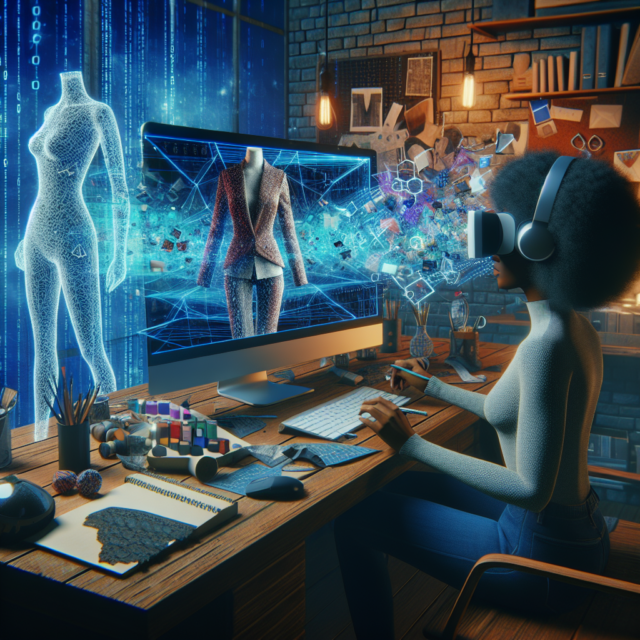
The fashion industry, long known for its tangible creativity and craftsmanship, is undergoing a significant transformation. This shift is not driven by fabric or thread, but by pixels and data. Digital fashion, a burgeoning sector within the broader fashion landscape, is redefining how we perceive, interact with, and consume fashion. As technology continues to permeate every aspect of our lives, digital fashion emerges as a frontier that blends innovation with style. This article delves into the emergence, driving forces, and the impact of digital fashion on the industry.
Understanding the Emergence of Digital Fashion
Digital fashion refers to clothing designed and rendered using digital tools, often without a physical counterpart. This concept has gained traction with the advent of advanced design software and virtual reality environments. Initially, digital fashion was perceived as a niche interest, primarily within gaming and virtual worlds. However, it has since expanded into a broader market, offering new ways for consumers to express themselves in digital spaces.
The origins of digital fashion can be traced back to early virtual environments like Second Life, where users could create and trade virtual clothing. This laid the groundwork for today’s more sophisticated digital fashion ecosystems. With the rise of social media and digital communities, the demand for unique and expressive digital identities has grown, fueling interest in digital attire.
Fashion designers and brands are now exploring digital fashion as a means to experiment with creative ideas without the constraints of physical production. This allows for unprecedented innovation, as designers can create intricate and fantastical designs that would be impossible or impractical in the real world. Moreover, digital fashion offers a sustainable alternative to traditional fashion, as it eliminates the need for physical materials and reduces waste.
The COVID-19 pandemic accelerated the adoption of digital fashion, as lockdowns and restrictions forced brands to find new ways to engage with consumers. Virtual fashion shows and digital collections became more prevalent, showcasing the potential of digital fashion to reach global audiences without the logistical challenges of physical events.
Digital fashion also intersects with the growing interest in the metaverse, a collective virtual space where users can interact with each other and digital content. As the metaverse expands, digital fashion is poised to become a key component, enabling users to personalize their virtual avatars and environments. This convergence of digital fashion and the metaverse presents new opportunities for fashion brands to connect with tech-savvy consumers.
The emergence of digital fashion is a testament to how technology is reshaping traditional industries. As digital tools become more sophisticated and accessible, the line between physical and digital fashion continues to blur, opening up new avenues for creativity and expression.
Key Drivers Behind Digital Fashion’s Popularity
Several factors contribute to the growing popularity of digital fashion, each playing a crucial role in its rise. One of the primary drivers is the increasing importance of digital identity. As more people spend significant portions of their lives online, the desire to curate and express one’s digital persona has intensified. Digital fashion offers a means to achieve this, providing unique and customizable options for virtual self-expression.
The technological advancements in design software and rendering capabilities have also propelled digital fashion into the mainstream. Tools like 3D modeling and augmented reality have made it easier for designers to create hyper-realistic digital garments. These technologies not only enhance the quality of digital fashion but also make it more accessible to a wider audience.
Social media platforms have played a significant role in popularizing digital fashion. Platforms like Instagram and TikTok have become showcases for digital fashion, with influencers and brands leveraging these spaces to display their digital collections. The viral nature of social media content allows digital fashion to reach a global audience quickly, increasing its visibility and appeal.
Sustainability concerns within the fashion industry are another key driver behind the rise of digital fashion. With growing awareness of the environmental impact of traditional fashion production, both consumers and brands are seeking more sustainable alternatives. Digital fashion offers a solution, as it requires no physical materials and produces no waste, aligning with the values of eco-conscious consumers.
The integration of digital fashion into gaming and virtual worlds has further fueled its popularity. Games like Fortnite and Animal Crossing have incorporated fashion elements, allowing players to dress their avatars in exclusive digital outfits. This crossover appeals to a demographic that values both gaming and fashion, expanding digital fashion’s reach beyond traditional fashion enthusiasts.
Lastly, the concept of ownership and exclusivity in the digital realm has driven interest in digital fashion. Non-fungible tokens (NFTs) have introduced a new way to own and trade digital fashion items, offering a sense of exclusivity and rarity. This has attracted collectors and investors, adding a financial dimension to the appeal of digital fashion.
Evaluating Digital Fashion’s Impact on Industry
The impact of digital fashion on the traditional fashion industry is multifaceted, influencing everything from design processes to consumer engagement. One of the most significant impacts is on the design and production process. Digital fashion allows designers to experiment with new ideas and concepts without the constraints of physical materials or production limitations. This freedom fosters creativity and innovation, leading to more diverse and imaginative collections.
Digital fashion has also transformed the way brands interact with consumers. Virtual fashion shows and digital collections have become more common, providing brands with new ways to engage audiences. These digital experiences can reach a global audience without the logistical challenges of physical events, making fashion more accessible and inclusive.
The rise of digital fashion has prompted brands to rethink their business models. Traditional fashion cycles, which revolve around physical collections and seasonal releases, are being challenged by the immediacy and flexibility of digital fashion. Brands are exploring new revenue streams, such as selling digital-only collections or offering digital fashion as part of a subscription model.
Sustainability is another area where digital fashion has made a significant impact. By eliminating the need for physical materials and reducing waste, digital fashion offers a more sustainable alternative to traditional fashion. This aligns with the growing consumer demand for eco-friendly products and practices, pushing the industry towards more sustainable solutions.
Digital fashion has also influenced consumer behavior, particularly among younger demographics. The ability to customize and personalize digital avatars and environments has led to a new form of self-expression. This shift in consumer behavior is driving demand for unique and exclusive digital fashion items, prompting brands to invest in digital collections and collaborations.
Finally, digital fashion is reshaping the concept of ownership and value in the fashion industry. The rise of NFTs and blockchain technology has introduced new ways to own and trade digital fashion items, creating a sense of exclusivity and rarity. This has attracted collectors and investors, adding a financial dimension to the digital fashion landscape and further blurring the lines between fashion and technology.
Digital fashion is undeniably reshaping the fashion landscape, offering new possibilities for creativity, sustainability, and consumer engagement. As technology continues to advance, the line between physical and digital fashion will likely continue to blur, leading to new innovations and opportunities within the industry. While digital fashion is still in its early stages, its rapid growth and impact suggest it will play a significant role in the future of fashion. As designers, brands, and consumers embrace this digital evolution, the fashion industry stands on the cusp of a new era, where pixels and data hold as much value as fabric and thread.
In recent years, the fashion industry has witnessed a transformative shift driven by technological advancements, leading to the emergence of digital fashion. This burgeoning field is not just reshaping how consumers interact with apparel but also redefining the very essence of fashion creation and consumption. As virtual fashion platforms become more sophisticated, artificial intelligence plays a pivotal role in design and personalization, and sustainability emerges as a core principle, digital fashion is poised to revolutionize the industry. This article delves into these emerging trends, exploring how they are shaping the future of fashion.
Unveiling the Rise of Virtual Fashion Platforms
Virtual fashion platforms have become a cornerstone in the digital fashion landscape, offering consumers and designers a new realm of possibilities. These platforms enable users to try on clothes virtually, eliminating the need for physical fitting rooms and allowing for a seamless shopping experience from the comfort of one’s home. With advanced 3D modeling and augmented reality (AR) technologies, consumers can visualize how garments will look and fit on their bodies, enhancing their confidence in online purchases.
The appeal of virtual fashion platforms extends beyond convenience. They also provide a creative playground for designers to experiment with avant-garde concepts without the constraints of physical materials. Designers can push the boundaries of traditional fashion, crafting pieces that defy the laws of physics and exploring new aesthetics that might not be feasible in the physical world. This opens up a world of limitless creativity and innovation.
Moreover, virtual fashion platforms democratize fashion by making it more accessible to a global audience. Designers from different parts of the world can showcase their work to an international audience without the need for a physical presence in major fashion capitals. This inclusivity fosters cultural exchange and broadens the diversity of fashion expressions available to consumers.
The rise of virtual fashion platforms is also changing the dynamics of fashion shows and events. Traditional runway shows are being complemented or replaced by digital presentations, where audiences can experience collections in immersive virtual environments. This shift not only reduces the carbon footprint associated with large-scale events but also makes fashion shows accessible to a wider audience, including those who might not have been able to attend in person.
As technology continues to evolve, virtual fashion platforms are likely to become even more sophisticated, offering enhanced interactivity and personalization. The integration of blockchain technology is also on the horizon, promising to provide transparency and authenticity in digital fashion transactions. This could lead to new business models where consumers can buy, sell, and trade virtual garments in secure and trustworthy environments.
In summary, virtual fashion platforms are at the forefront of the digital fashion revolution, offering innovative solutions that enhance the shopping experience, empower designers, and democratize access to fashion. As these platforms continue to evolve, they hold the potential to fundamentally transform how fashion is created, consumed, and experienced.
The Role of AI in Revolutionizing Digital Apparel
Artificial intelligence (AI) is playing an increasingly critical role in the evolution of digital apparel, offering tools and capabilities that were unimaginable just a few years ago. AI-driven design software allows designers to create garments with unparalleled precision and efficiency, automating repetitive tasks and freeing up creative resources for more innovative endeavors. By analyzing vast datasets, AI can identify emerging trends and consumer preferences, enabling designers to tailor their creations to meet market demands.
One of the most significant contributions of AI to digital fashion is its ability to personalize the shopping experience. AI algorithms can analyze individual consumer data, such as past purchases and browsing behavior, to recommend styles and fits that align with personal tastes. This level of personalization not only enhances customer satisfaction but also increases the likelihood of purchase, driving sales for brands and retailers.
AI is also revolutionizing the way digital apparel is marketed and sold. Virtual stylists powered by AI can provide fashion advice and styling tips, helping consumers make informed decisions. Additionally, AI-driven chatbots and virtual assistants offer 24/7 customer support, answering queries and providing assistance throughout the shopping journey. This seamless integration of AI into the retail experience is transforming how consumers interact with fashion brands.
In the realm of design, AI is pushing the boundaries of creativity by generating new patterns and styles that may not have been conceived by human designers. Through machine learning algorithms, AI can analyze existing fashion designs and create unique variations, offering designers a source of inspiration and innovation. This collaborative approach between human creativity and machine intelligence is paving the way for a new era of digital fashion design.
Furthermore, AI is enhancing the sustainability of digital apparel by optimizing supply chains and reducing waste. Predictive analytics can forecast demand with greater accuracy, allowing brands to produce the right amount of stock and minimize overproduction. This not only reduces environmental impact but also improves profitability by aligning production with consumer demand.
In conclusion, AI is a transformative force in the digital fashion industry, offering tools that enhance creativity, personalization, and sustainability. As AI technologies continue to advance, their integration into digital apparel is expected to deepen, driving further innovations and redefining the fashion landscape.
Sustainability as a Driving Force in Digital Fashion
Sustainability has emerged as a crucial driving force in the digital fashion industry, as brands and consumers alike become increasingly aware of the environmental impact of traditional fashion practices. Digital fashion offers a more sustainable alternative, reducing the need for physical resources and minimizing waste. By creating and wearing virtual garments, consumers can express their style without contributing to the pollution associated with textile production and disposal.
One of the key sustainability benefits of digital fashion is its ability to eliminate overproduction. Traditional fashion relies on producing large quantities of garments, many of which go unsold and end up in landfills. In contrast, digital fashion allows for on-demand production, where virtual garments are created only when purchased. This model not only reduces waste but also conserves resources and energy, making it a more environmentally friendly option.
Digital fashion also contributes to sustainability by promoting a circular economy. Virtual garments can be easily shared, rented, or resold, extending their lifecycle and reducing the need for new production. This shift towards a circular model encourages consumers to rethink their relationship with fashion, prioritizing quality and longevity over fast fashion trends.
Moreover, digital fashion can serve as a catalyst for sustainable innovation in the physical fashion industry. By experimenting with virtual designs, brands can test new materials and techniques before committing to physical production. This reduces the risk of unsustainable practices and encourages the adoption of eco-friendly materials and processes.
Educating consumers about sustainability is another important aspect of digital fashion. Virtual platforms can raise awareness about the environmental impact of fashion and promote sustainable choices through interactive content and engaging experiences. By fostering a deeper understanding of sustainability issues, digital fashion empowers consumers to make more informed decisions and advocate for positive change.
In summary, sustainability is at the heart of the digital fashion movement, offering a more eco-conscious approach to style and consumption. As the industry continues to evolve, integrating sustainable practices and technologies will be essential in shaping a more responsible and resilient fashion future.
The world of digital fashion is rapidly evolving, driven by the convergence of technology, creativity, and sustainability. Virtual fashion platforms, artificial intelligence, and a commitment to sustainability are not only transforming how we experience fashion but also redefining the industry’s core values. As these emerging trends continue to develop, they hold the potential to create a more inclusive, innovative, and environmentally conscious fashion landscape. Embracing digital fashion is not just about adopting new technologies; it’s about reimagining the future of fashion in a way that benefits both consumers and the planet.
Transforming Retail: The Rise of Digital Personal Shopping
The retail landscape is undergoing a monumental transformation, with digital personal shopping emerging as a pivotal innovation. As technology continues to evolve, retailers are seeking new ways to enhance the customer experience. Digital personal shopping combines the best of both worlds: leveraging technological advancements to provide a personalized shopping experience. This article explores how digital personal shopping is adapting to change, bridging the gap between technology and retail experience, and shaping the future of shopping with personalized digital solutions.
Adapting to Change: Digital Personal Shopping Emerges
The retail industry has long been characterized by its dynamic nature, constantly adapting to consumer demands and technological advancements. With the advent of digital personal shopping, retailers are once again at the forefront of change. This innovative approach allows customers to enjoy a personalized shopping experience from the comfort of their own homes. By integrating digital tools and platforms, retailers can now offer tailored recommendations and services that were once only possible in physical stores.
The rise of digital personal shopping can be attributed to several factors, including the increasing importance of convenience and personalization in the modern shopping experience. Consumers today expect more than just a transactional relationship with retailers; they seek meaningful interactions that cater to their individual preferences and lifestyle. Digital personal shopping meets this demand by providing customized solutions that align with each shopper’s unique tastes and needs.
Moreover, the COVID-19 pandemic has accelerated the adoption of digital personal shopping, as consumers have become more reliant on online shopping. With lockdowns and social distancing measures in place, traditional brick-and-mortar stores faced significant challenges, prompting retailers to explore digital alternatives. This shift has not only ensured business continuity but has also opened up new opportunities for retailers to engage with their customers in innovative ways.
As retailers adapt to this new landscape, they are investing in advanced technologies such as artificial intelligence, machine learning, and data analytics to enhance their digital personal shopping offerings. These technologies enable retailers to gain deeper insights into consumer behavior, allowing them to deliver more accurate and relevant product recommendations. In turn, this enhances customer satisfaction and fosters brand loyalty.
Digital personal shopping also empowers customers by providing them with greater control over their shopping experience. Through interactive platforms and virtual consultations, shoppers can explore products, seek expert advice, and make informed purchasing decisions. This level of engagement was previously limited to in-store experiences, but digital personal shopping has made it accessible to a wider audience.
In conclusion, the emergence of digital personal shopping represents a significant shift in the retail industry, driven by the need for convenience, personalization, and adaptability. As retailers continue to embrace this change, they are redefining the shopping experience and setting new standards for customer engagement.
Bridging the Gap: Technology Meets Retail Experience
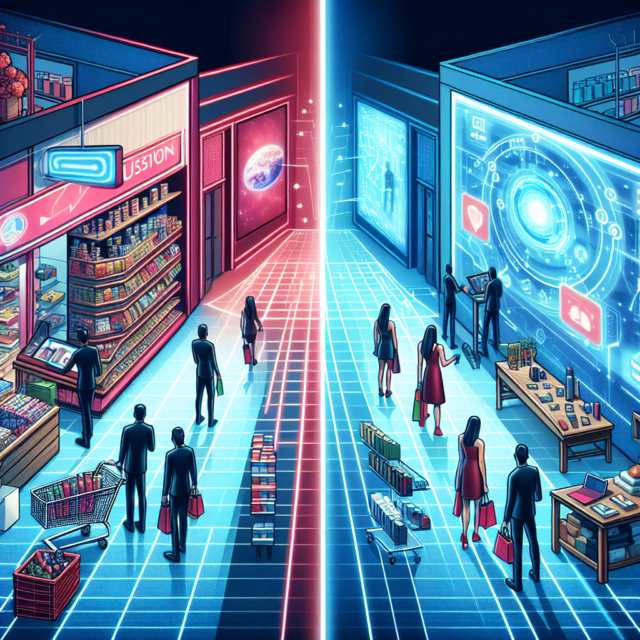
The integration of technology into the retail experience is bridging the gap between online and offline shopping, creating a seamless and cohesive journey for consumers. Digital personal shopping plays a crucial role in this transformation by combining the efficiency of digital platforms with the personalized touch of in-store interactions. This convergence is revolutionizing the way consumers shop and interact with brands.
One of the key technological advancements driving this change is the use of artificial intelligence (AI) and machine learning algorithms. These technologies enable retailers to analyze vast amounts of data and generate personalized recommendations based on individual preferences and shopping history. By understanding consumer behavior, retailers can offer tailored suggestions that enhance the shopping experience and increase the likelihood of conversion.
Virtual reality (VR) and augmented reality (AR) are also playing a pivotal role in bridging the gap between technology and retail experience. These immersive technologies allow consumers to visualize products in their own environment, try on virtual clothing, or even participate in virtual store tours. By offering an interactive and engaging experience, retailers can capture the attention of consumers and provide them with a sense of confidence in their purchasing decisions.
Furthermore, digital personal shopping is redefining the role of sales associates in the retail experience. Instead of solely relying on in-store staff, retailers are now leveraging digital tools to provide personalized assistance. Virtual stylists and chatbots can guide consumers through their shopping journey, offering expert advice and answering queries in real-time. This not only enhances the customer experience but also allows retailers to reach a broader audience.
To ensure a seamless integration of technology and retail experience, retailers are investing in omnichannel strategies that connect online and offline touchpoints. By synchronizing inventory, customer data, and marketing efforts, retailers can provide a unified experience across all channels. This holistic approach enables consumers to transition seamlessly between digital and physical spaces, enhancing convenience and satisfaction.
As technology continues to evolve, retailers are exploring innovative ways to further enhance the digital personal shopping experience. From AI-driven fashion recommendations to personalized skincare consultations, the possibilities are endless. By embracing these advancements, retailers can create a truly immersive and tailored shopping experience that resonates with consumers.
In summary, the integration of technology into the retail experience is bridging the gap between online and offline shopping, creating a cohesive and personalized journey for consumers. Digital personal shopping is at the forefront of this transformation, leveraging AI, VR, AR, and omnichannel strategies to revolutionize the way consumers shop and interact with brands.
The Future of Shopping: Personalized Digital Solutions
As we look to the future, personalized digital solutions are set to become the cornerstone of the shopping experience. With advancements in technology and a growing emphasis on personalization, retailers are poised to deliver hyper-customized experiences that cater to the unique preferences and needs of each consumer. Digital personal shopping will play a central role in shaping this future.
One of the key trends driving the future of shopping is the increasing demand for hyper-personalization. Consumers are seeking products and services that align with their individual tastes, values, and lifestyles. Digital personal shopping enables retailers to meet this demand by leveraging data-driven insights to deliver tailored recommendations and experiences. By understanding the nuances of consumer preferences, retailers can create a more meaningful and relevant shopping journey.
Moreover, the future of shopping will be characterized by seamless integration across multiple channels and touchpoints. Consumers will expect a consistent experience whether they are shopping online, in-store, or through mobile apps. Digital personal shopping will facilitate this integration by providing a unified platform for consumers to explore products, receive personalized recommendations, and make purchases. This omnichannel approach will enhance convenience and accessibility, allowing consumers to shop anytime, anywhere.
As technology continues to evolve, we can expect to see further advancements in AI, machine learning, and data analytics, which will drive the evolution of digital personal shopping. These technologies will enable retailers to gain deeper insights into consumer behavior, preferences, and trends. By harnessing this information, retailers can anticipate consumer needs and deliver proactive recommendations, enhancing the overall shopping experience.
Furthermore, the future of digital personal shopping will be characterized by increased interactivity and engagement. Virtual reality and augmented reality will play a significant role in creating immersive and interactive experiences that captivate consumers. From virtual try-ons to interactive product demonstrations, these technologies will allow consumers to engage with products in new and exciting ways, enhancing their confidence in purchasing decisions.
In conclusion, the future of shopping is poised to be shaped by personalized digital solutions that cater to the unique preferences and needs of each consumer. Digital personal shopping will play a central role in this transformation, leveraging technology to deliver hyper-customized experiences, seamless integration, and increased interactivity. As retailers continue to innovate and embrace these advancements, they are setting the stage for a future where shopping is not just a transaction, but a personalized and meaningful experience.
In the evolving world of retail, digital personal shopping is emerging as a game-changer, bridging the gap between technology and the retail experience. By adapting to change and leveraging personalized digital solutions, retailers are redefining the shopping journey for consumers. As we look to the future, the integration of technology and personalization will continue to shape the retail landscape, offering consumers a seamless, engaging, and tailored shopping experience. As retailers embrace this transformation, they are not only meeting the demands of modern consumers but also setting new standards for the future of shopping.
In today’s rapidly evolving digital landscape, businesses are continuously seeking innovative ways to enhance customer experience and engagement. Virtual Reality (VR) technology has emerged as a transformative tool that offers immersive and interactive experiences, elevating how companies interact with their customers. By integrating VR into their strategies, businesses can create unique and memorable experiences that not only attract but also retain customers. This article explores the potential of VR technology in enhancing customer experience by examining its integration into customer engagement, the transformation it brings to interactions, and the challenges that need to be addressed for successful implementation.
Integrating VR: A New Era in Customer Engagement
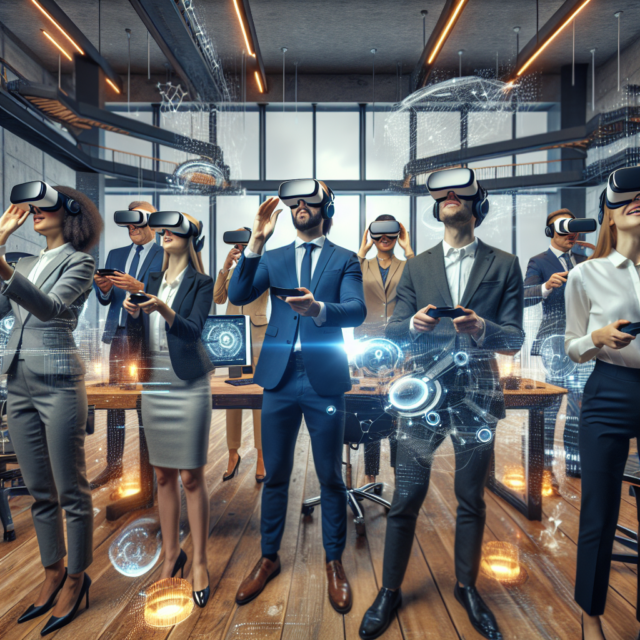
Virtual Reality has opened a new frontier in customer engagement by providing businesses with the ability to offer experiences that are both captivating and immersive. Unlike traditional marketing techniques, VR allows customers to interact with products and services in a simulated environment, which can significantly enhance their understanding and perception. This capability is particularly valuable in industries such as real estate, tourism, and retail, where customers can virtually explore properties, destinations, or products before making a purchase decision.
One of the key benefits of integrating VR into customer engagement strategies is the ability to create personalized experiences. By leveraging data analytics and machine learning, businesses can tailor VR experiences to meet the specific needs and preferences of individual customers. This level of personalization not only enhances customer satisfaction but also fosters a deeper emotional connection with the brand, leading to increased loyalty and advocacy.
Moreover, VR technology can be a powerful tool for storytelling, allowing businesses to convey their brand narrative in a more engaging and impactful way. Through immersive storytelling, companies can create experiences that resonate with customers on an emotional level, making them more likely to remember and share their experiences with others. This can lead to increased brand awareness and customer acquisition.
Another advantage of VR in customer engagement is its ability to provide instant feedback and insights. By analyzing how customers interact with VR environments, businesses can gain valuable insights into customer behavior and preferences. This data can be used to refine and optimize marketing strategies, ensuring that they are more effective and aligned with customer expectations.
Despite the numerous benefits, integrating VR into customer engagement strategies requires careful planning and execution. Businesses need to consider factors such as cost, technological infrastructure, and user experience design to ensure that their VR initiatives are successful. Additionally, it is important to continuously evaluate and adapt VR strategies to keep up with technological advancements and changing customer expectations.
Overall, the integration of VR technology into customer engagement strategies represents a significant opportunity for businesses to differentiate themselves in a competitive market. By embracing VR, companies can create innovative and memorable experiences that not only captivate customers but also drive business growth.
Transforming Interactions with Immersive Experiences
Virtual Reality has the potential to fundamentally transform the way businesses interact with their customers by creating immersive experiences that go beyond the limitations of traditional media. By transporting customers into a virtual world, businesses can provide a level of engagement that is unmatched by any other medium. This transformation is evident in various sectors, including retail, entertainment, and education, where VR is being used to enhance customer interactions.
In the retail sector, VR technology allows customers to virtually try on clothes, accessories, or even makeup, providing a realistic and interactive shopping experience. This not only helps customers make more informed purchase decisions but also reduces the likelihood of returns, thereby improving customer satisfaction and reducing costs for businesses. Additionally, VR can be used to create virtual showrooms, enabling customers to explore a wide range of products without the need for physical space.
In the entertainment industry, VR is revolutionizing the way content is consumed by offering immersive experiences that engage all the senses. From virtual concerts and theme park rides to interactive storytelling and gaming, VR provides a level of immersion that captivates audiences and keeps them coming back for more. This not only enhances customer experience but also opens up new revenue streams for businesses through ticket sales, subscriptions, and in-app purchases.
The education sector is also benefiting from VR technology, as it offers students a more engaging and interactive learning experience. Through virtual field trips, simulations, and interactive lessons, students can explore complex concepts and environments in a way that is both informative and entertaining. This not only enhances learning outcomes but also increases student motivation and engagement.
Healthcare is another industry where VR is transforming interactions by providing patients with immersive therapy and rehabilitation experiences. By simulating real-life scenarios, VR can help patients overcome phobias, manage pain, and improve motor skills, leading to better health outcomes and improved quality of life. Additionally, VR can be used for medical training, allowing healthcare professionals to practice procedures in a safe and controlled environment.
While the potential of VR to transform interactions is immense, it is important for businesses to consider the user experience when designing VR applications. Ensuring that VR experiences are intuitive, accessible, and comfortable is crucial for maximizing customer satisfaction and engagement. Additionally, businesses must be mindful of privacy and security concerns when collecting and storing customer data in VR environments.
In conclusion, VR technology has the power to transform customer interactions by creating immersive experiences that engage and delight. By leveraging VR, businesses can provide unique and memorable experiences that not only enhance customer satisfaction but also drive brand loyalty and business growth.
Overcoming Challenges in VR Implementation Strategies
While the potential benefits of VR technology in enhancing customer experience are significant, businesses must also navigate a range of challenges when implementing VR strategies. One of the primary challenges is the high cost associated with developing and deploying VR applications. Creating high-quality VR content requires specialized skills, software, and hardware, which can be expensive and time-consuming. Businesses need to carefully evaluate the return on investment and consider scalable solutions to ensure that VR initiatives are financially viable.
Another challenge is the need for robust technological infrastructure to support VR applications. This includes high-performance computing systems, reliable internet connectivity, and advanced VR headsets. Ensuring that customers have access to the necessary equipment and technology can be a barrier, particularly in regions with limited technological resources. Businesses may need to explore partnerships or rental models to make VR experiences more accessible to a wider audience.
User experience design is also a critical consideration in VR implementation. Creating VR experiences that are intuitive, engaging, and comfortable requires a deep understanding of user behavior and preferences. Businesses need to invest in user research and testing to ensure that VR applications meet customer expectations and provide a seamless experience. This includes addressing issues such as motion sickness, which can be a concern for some users.
Privacy and security are additional challenges that businesses must address when implementing VR strategies. The use of VR technology often involves the collection and processing of personal data, which raises concerns about data protection and privacy. Businesses must ensure that they comply with relevant regulations and implement robust security measures to protect customer data and maintain trust.
Furthermore, businesses must consider the rapidly evolving nature of VR technology and the need to stay up-to-date with the latest advancements. This requires ongoing investment in research and development to ensure that VR applications remain relevant and competitive. Businesses need to be agile and adaptable, ready to pivot their strategies as new technologies and platforms emerge.
Finally, successful VR implementation requires a cultural shift within organizations. Businesses need to foster a culture of innovation and experimentation, encouraging employees to embrace new technologies and explore creative solutions. This may involve training and development programs to build the necessary skills and knowledge within the organization.
In conclusion, while there are challenges associated with implementing VR strategies, businesses that can successfully navigate these obstacles stand to gain a significant competitive advantage. By overcoming these challenges, companies can harness the power of VR to create innovative and impactful customer experiences that drive engagement, loyalty, and growth.
As businesses continue to explore new ways to enhance customer experience, Virtual Reality technology presents a compelling opportunity to transform customer engagement and interactions. By integrating VR into their strategies, companies can create immersive and personalized experiences that captivate customers and foster brand loyalty. However, successful implementation requires careful planning and consideration of various challenges, including cost, infrastructure, user experience, privacy, and technological advancements. By addressing these challenges and embracing the potential of VR, businesses can unlock new possibilities for growth and differentiation in an increasingly competitive market.
The retail landscape is undergoing a transformative shift as technology continues to evolve and reshape the way consumers interact with products and brands. Among the most promising technologies poised to revolutionize retail is Augmented Reality (AR). AR overlays digital information onto the physical world, offering a seamless blend of the tangible and the virtual. As retailers seek to enhance customer experiences, AR stands out as a powerful tool to engage, inform, and personalize the shopping journey. This article explores the future of AR in retail, examining how it is transforming shopping, bridging digital and physical spaces, and driving innovations that redefine customer experiences.
Transforming Shopping with Augmented Reality
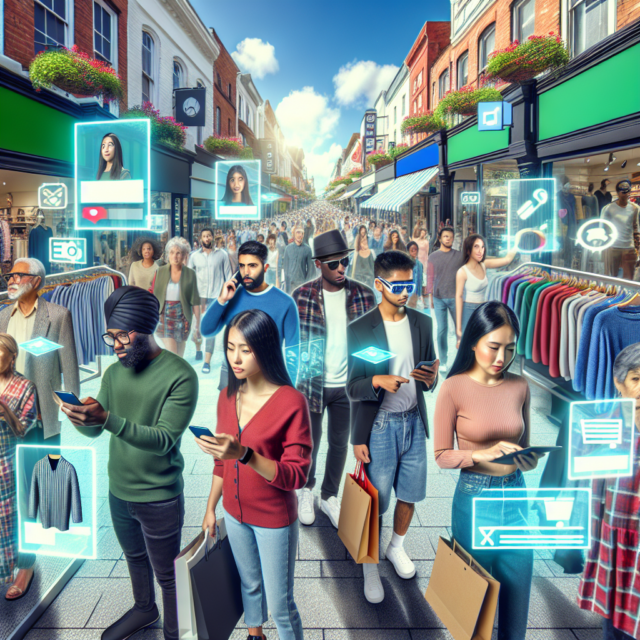
Augmented Reality is fundamentally changing the way consumers approach shopping by offering immersive and interactive experiences. Unlike traditional shopping methods, AR allows customers to visualize products in their own environment before making a purchase. This capability is particularly beneficial in sectors such as home decor and fashion, where seeing a product in context can significantly influence purchasing decisions. For instance, customers can use AR apps to virtually place furniture in their living rooms or try on clothes without stepping into a fitting room, thus enhancing convenience and reducing uncertainty.
Furthermore, AR empowers customers with detailed product information at their fingertips. By simply pointing a smartphone camera at a product, shoppers can access a wealth of information, including customer reviews, detailed specifications, and even instructional videos. This level of transparency not only builds consumer trust but also enables informed decision-making, thereby increasing customer satisfaction and loyalty. Retailers who harness AR effectively can differentiate themselves by providing a richer, more informative shopping experience.
The personalization capabilities of AR also play a crucial role in transforming shopping experiences. By analyzing user data and preferences, AR applications can offer personalized recommendations and tailor experiences to individual tastes. This level of personalization can lead to higher engagement rates, as customers are more likely to interact with content that resonates with their unique preferences. As a result, AR not only enhances the shopping experience but also drives conversion rates by aligning offerings with customer needs.
AR also facilitates a more engaging in-store experience by transforming static displays into dynamic, interactive showcases. Retailers can use AR to create immersive store environments that captivate customers and encourage exploration. For example, interactive displays can guide customers through a store, offer virtual try-ons, or even provide gamified shopping experiences. This added layer of engagement can increase foot traffic and dwell time, ultimately boosting sales and brand loyalty.
Moreover, AR reduces the friction associated with online shopping by addressing common pain points such as product returns. By providing a more accurate representation of products through virtual try-ons and visualizations, AR minimizes the likelihood of returns due to mismatches in size, color, or fit. This not only benefits retailers by reducing return-related costs but also enhances customer satisfaction by ensuring that expectations align with reality.
In summary, AR is revolutionizing the shopping experience by making it more interactive, informative, and personalized. As retailers continue to explore the potential of this technology, the future of shopping promises to be more engaging and customer-centric than ever before.
Bridging Digital and Physical Retail Spaces
One of the most significant contributions of AR to the retail industry is its ability to bridge the gap between digital and physical retail spaces. By integrating AR into their operations, retailers can create a cohesive and seamless shopping experience that transcends traditional boundaries. This integration allows customers to enjoy the best of both worlds: the convenience of online shopping and the tactile, immersive experience of physical retail.
AR technology enables retailers to enhance their digital presence by providing interactive online experiences that mimic the in-store environment. For instance, virtual showrooms powered by AR allow customers to explore products in a 3D space, offering a more engaging alternative to static product images. This approach not only captures the attention of digital-savvy consumers but also provides a sense of familiarity and comfort akin to in-store browsing.
Conversely, AR can bring digital elements into physical stores, enriching the shopping experience with interactive content. Retailers can install AR-enabled kiosks or use mobile apps to provide customers with additional product information, personalized recommendations, and even virtual assistance. This fusion of digital and physical elements creates a more dynamic and informative retail environment, enhancing customer engagement and satisfaction.
The integration of AR also supports omnichannel strategies by ensuring a consistent and unified brand experience across all touchpoints. Customers can seamlessly transition from online to offline channels, using AR to access their wish lists, view personalized offers, or pick up where they left off in a virtual showroom. This continuity not only streamlines the shopping journey but also strengthens brand loyalty by providing a cohesive and convenient customer experience.
Moreover, AR enhances the role of physical stores as experiential hubs, where customers can interact with products in novel ways. By offering AR-driven experiences, retailers can transform their stores into destinations that attract foot traffic and encourage repeat visits. These experiences can range from interactive product demonstrations to augmented reality games, all designed to engage and entertain customers while reinforcing brand values.
In conclusion, AR serves as a powerful bridge between digital and physical retail spaces, enabling retailers to deliver a seamless and integrated shopping experience. By leveraging AR technology, retailers can enhance their omnichannel strategies, drive customer engagement, and create a more cohesive brand experience that resonates with today’s connected consumers.
Innovations Shaping the AR Customer Experience
The rapid advancement of AR technology is driving a wave of innovations that are reshaping the customer experience in retail. As AR becomes more sophisticated and accessible, retailers are exploring new ways to leverage this technology to meet evolving consumer expectations and stay ahead of the competition.
One of the key innovations shaping the AR customer experience is the development of more accurate and realistic virtual try-ons. Leveraging advancements in computer vision and machine learning, AR applications can now offer highly accurate representations of how products will look and fit. This innovation is particularly impactful in the fashion and beauty industries, where virtual try-ons can significantly enhance the online shopping experience by reducing uncertainty and increasing confidence in purchasing decisions.
Another exciting innovation is the use of AR for interactive storytelling and brand engagement. Retailers are increasingly using AR to create immersive narratives that captivate customers and deepen their emotional connection with the brand. For example, AR can be used to bring product stories to life through interactive animations or to create virtual experiences that highlight a brand’s heritage or values. This approach not only enhances customer engagement but also differentiates brands in a crowded marketplace.
AR is also being used to enhance customer service by providing virtual assistance and support. Retailers can deploy AR-powered chatbots or virtual assistants that guide customers through the shopping process, answer queries, and offer personalized recommendations. This innovation not only improves the efficiency of customer service but also provides a more personalized and responsive experience that meets the needs of today’s digitally savvy consumers.
The integration of AR with emerging technologies such as artificial intelligence (AI) and the Internet of Things (IoT) is further expanding the possibilities for enhancing the customer experience. For instance, AI-powered AR applications can analyze customer behavior and preferences in real-time, offering personalized recommendations and dynamic pricing. Meanwhile, IoT devices can provide contextual data that enhances AR experiences, such as adjusting product recommendations based on location or environmental factors.
As AR technology continues to evolve, retailers are also exploring new business models and revenue streams. For example, some retailers are experimenting with AR-driven subscription services that offer exclusive content or experiences, while others are exploring partnerships with technology providers to co-create innovative AR solutions. These new approaches not only enhance the customer experience but also provide retailers with opportunities to diversify their offerings and generate additional revenue.
In summary, the innovations shaping the AR customer experience are driving a new era of retail that is more interactive, personalized, and engaging. As retailers continue to explore the potential of AR, they are poised to redefine the shopping experience and create lasting value for both customers and their businesses.
As the retail industry continues to embrace digital transformation, Augmented Reality emerges as a key player in enhancing the customer experience. By transforming shopping, bridging digital and physical spaces, and driving innovative solutions, AR offers retailers a unique opportunity to engage with consumers in more meaningful ways. As technology continues to advance, the potential for AR in retail is boundless, promising a future where shopping is more immersive, personalized, and seamlessly integrated across all channels. Retailers who harness the power of AR will not only meet the evolving expectations of today’s consumers but also set the stage for a new era of customer-centric retail experiences.
Exploring Innovations in Digital Customer Experiences
In today’s rapidly evolving digital landscape, businesses are increasingly focusing on enhancing the customer experience to remain competitive. The digital customer journey is no longer a linear pathway but a complex web of interactions across various platforms and touchpoints. As companies strive to meet the ever-growing expectations of consumers, innovative technologies and strategies are being deployed to create seamless, personalized, and engaging experiences. This article delves into the future of digital customer journeys, the transformative technologies reshaping customer engagement, and how innovation is enhancing user interaction, providing insights into the evolving dynamics of digital customer experiences.
Unveiling the Future of Digital Customer Journeys
The digital customer journey is undergoing a fundamental transformation as businesses seek to integrate new technologies and methodologies to better understand and serve their customers. At the heart of this evolution is the shift towards omni-channel experiences, where customers can seamlessly transition between online and offline platforms. This requires businesses to adopt integrated systems that provide a cohesive narrative across all customer touchpoints, ensuring that each interaction is informed by the previous ones.
Personalization has become a cornerstone of the modern customer journey. By leveraging data analytics and machine learning, companies can tailor their offerings to meet the unique preferences and needs of individual customers. This not only enhances customer satisfaction but also builds brand loyalty by making customers feel valued and understood. As businesses continue to harness the power of big data, the ability to deliver hyper-personalized experiences will become a key differentiator in the marketplace.
Another significant trend shaping the future of digital customer journeys is the rise of self-service options. With the increasing demand for convenience and instant gratification, customers are gravitating towards solutions that allow them to resolve issues independently. Chatbots, virtual assistants, and interactive FAQs are being deployed to empower customers to find answers quickly and efficiently, reducing the need for human intervention and enhancing the overall customer experience.
The integration of artificial intelligence (AI) into customer journey mapping is also gaining traction. AI-driven analytics can provide deep insights into customer behavior, enabling businesses to anticipate needs and proactively address potential pain points. By leveraging AI, companies can optimize their customer journeys in real-time, ensuring that each interaction is as smooth and satisfying as possible.
The future of digital customer journeys is also being shaped by the growing importance of mobile-first strategies. With the proliferation of smartphones and mobile apps, customers are increasingly engaging with brands through their mobile devices. This necessitates the development of mobile-optimized experiences that are intuitive, fast, and responsive, catering to the on-the-go nature of modern consumers.
Finally, the concept of customer journey mapping is evolving to include not just the interactions that take place but also the emotions and perceptions associated with each touchpoint. By employing sentiment analysis and other emotional intelligence tools, businesses can gain a deeper understanding of the customer experience and make informed decisions to enhance satisfaction and loyalty.
Transformative Technologies in Customer Engagement
Customer engagement is being revolutionized by a host of transformative technologies that are enabling businesses to connect with their audiences in more meaningful and impactful ways. One of the most significant advancements in this area is the use of artificial intelligence (AI) to automate and enhance customer interactions. AI-powered chatbots and virtual assistants are being deployed across various platforms to provide instant support and guidance, offering a seamless and efficient customer service experience.
Augmented reality (AR) and virtual reality (VR) are also making waves in customer engagement by providing immersive and interactive experiences. Retailers, for instance, are using AR to allow customers to visualize products in their own environments before making a purchase, thereby reducing uncertainty and enhancing satisfaction. Similarly, VR is being used to create virtual showrooms and experiences that engage customers on a deeper level, fostering a stronger emotional connection with the brand.
The Internet of Things (IoT) is another technology that is transforming customer engagement by enabling businesses to offer smart, connected experiences. IoT devices can collect and transmit data in real-time, allowing companies to monitor customer behavior and preferences more closely and offer personalized recommendations and services. This connectivity also opens up new avenues for customer interaction, such as smart home devices that can be controlled via mobile apps or voice commands.
Blockchain technology is emerging as a transformative force in customer engagement by enhancing transparency and trust. By providing a decentralized and secure way to record transactions, blockchain can help businesses build trust with their customers by ensuring data integrity and reducing the risk of fraud. This is particularly relevant in industries such as finance and supply chain, where trust and transparency are paramount.
Another transformative technology is the use of data analytics and machine learning to derive actionable insights from customer data. By analyzing patterns and trends, businesses can gain a deeper understanding of their customers’ needs and preferences, enabling them to tailor their engagement strategies accordingly. Predictive analytics can also help companies anticipate customer behavior and proactively address potential issues, thereby enhancing satisfaction and loyalty.
Finally, the integration of voice technology is reshaping customer engagement by providing a more natural and intuitive way for customers to interact with brands. Voice-activated devices and services are becoming increasingly popular, offering hands-free convenience and accessibility. As voice recognition technology continues to improve, businesses will be able to offer more personalized and context-aware interactions, further enhancing the customer experience.
Enhancing User Interaction Through Innovation
Innovation is at the forefront of enhancing user interaction, as businesses strive to create more intuitive, engaging, and satisfying digital experiences. One key area of innovation is the user interface (UI) design, where companies are experimenting with new layouts, navigation structures, and visual elements to create more user-friendly and aesthetically pleasing interfaces. This includes the use of minimalist designs, micro-interactions, and dynamic content that adapts to the user’s behavior and preferences.
The rise of conversational interfaces is another innovation that is redefining user interaction. By leveraging natural language processing (NLP) and AI, businesses are creating chatbots and virtual assistants that can understand and respond to user queries in a conversational manner. This not only simplifies the interaction process but also makes it more engaging and human-like, enhancing the overall user experience.
Gamification is also being used to enhance user interaction by incorporating game-like elements into digital experiences. By introducing rewards, challenges, and leaderboards, companies can motivate users to engage more deeply with their products and services. This approach has been particularly successful in industries such as education, fitness, and e-commerce, where it has been used to drive user engagement and retention.
The use of personalization and customization is another innovative strategy for enhancing user interaction. By allowing users to tailor their experiences to their preferences, businesses can create more relevant and satisfying interactions. This can be achieved through features such as customizable dashboards, personalized content recommendations, and adaptive interfaces that change based on user behavior.
Voice and gesture recognition technologies are also being explored as innovative ways to enhance user interaction. These technologies allow users to interact with digital platforms in more natural and intuitive ways, reducing the reliance on traditional input methods such as keyboards and touchscreens. As these technologies continue to evolve, they have the potential to transform the way users interact with digital devices and services.
Finally, the integration of feedback loops into digital experiences is an innovation that is helping businesses enhance user interaction. By providing users with real-time feedback on their actions and encouraging them to provide feedback on their experiences, companies can create a more interactive and engaging environment. This not only improves the user experience but also provides valuable insights that can be used to refine and optimize digital products and services.
As digital customer experiences continue to evolve, businesses must remain agile and open to innovation to stay ahead of the competition. The future of digital customer journeys will be shaped by the integration of transformative technologies and the ongoing pursuit of personalization and engagement. By embracing these innovations, companies can create more meaningful and satisfying interactions that meet the ever-changing expectations of today’s consumers. As we look to the future, the potential for further advancements in digital customer experiences is vast, promising a new era of connectivity, convenience, and customer satisfaction.
AlphaTON Capital Corp. (Nasdaq: ATON) and the Midnight Foundation today announced the unveiling of Vera, the world’s first anonymous reporting platform built on...