Home Blog Page 1218

Exploring Emerging Trends in Digital Design and Art
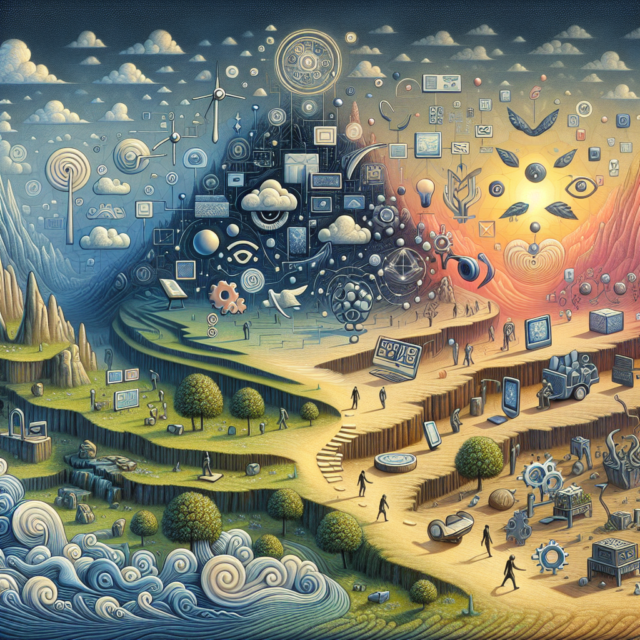
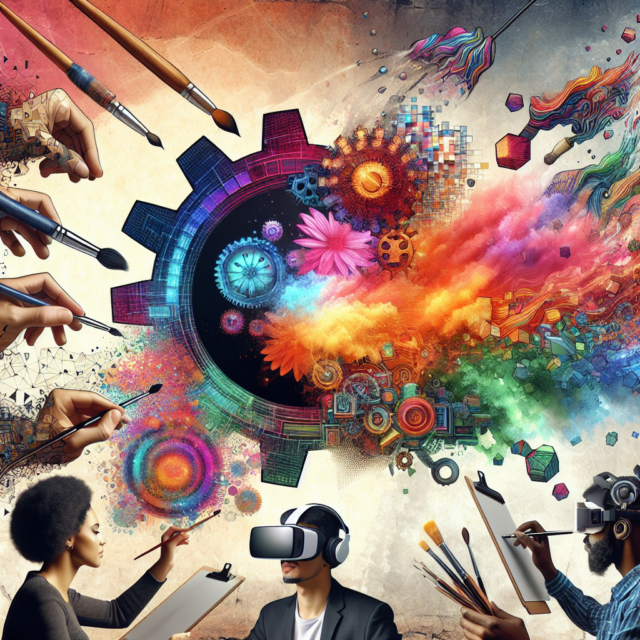
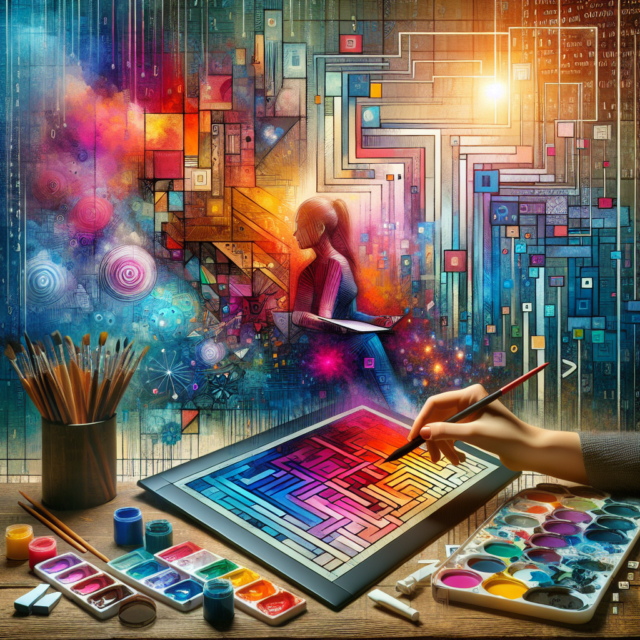
In the ever-evolving landscape of digital design and art, staying ahead of emerging trends is crucial for artists, designers, and technologists alike. The digital realm continues to expand, offering new tools, platforms, and methodologies that redefine how we create and experience art. This article delves into three key areas where digital design and art are witnessing groundbreaking changes: innovations in digital design techniques, the rise of interactive and immersive art forms, and the intricate fusion of technology with creativity.

Unveiling Innovations in Digital Design Techniques

The digital design world is undergoing a transformation, driven by cutting-edge innovations that are reshaping how artists conceptualize and execute their ideas. One significant development is the advent of generative design, which utilizes algorithms to automatically generate complex structures and forms. This approach not only accelerates the design process but also opens up new possibilities for creativity by allowing designers to explore a vast array of design permutations that would be impossible to conceive manually.

Another groundbreaking technique gaining traction is the use of artificial intelligence (AI) in art creation. AI-powered tools such as DeepArt and RunwayML enable artists to leverage machine learning algorithms to create unique and intricate artworks. These tools can analyze vast datasets and generate artistic outputs that mimic specific styles or even create entirely new aesthetics. This has given rise to a new genre of digital art, where human creativity is augmented by the computational power of AI.

Virtual reality (VR) and augmented reality (AR) are also playing pivotal roles in digital design, providing designers with immersive environments to experiment and create. VR allows designers to step inside their creations, offering a 360-degree perspective that enhances spatial awareness and design accuracy. AR, on the other hand, overlays digital elements onto the real world, enabling designers to visualize and interact with their designs in real-time, blurring the lines between the digital and physical realms.

The integration of 3D printing technology with digital design software is another trend worth noting. This combination allows designers to bring their digital creations to life with unprecedented precision and detail. The ability to rapidly prototype and iterate on designs in the physical world is revolutionizing industries ranging from fashion to architecture, where bespoke and intricate designs can be produced on-demand.

Moreover, the use of parametric design is gaining prominence. This technique involves the use of algorithms to define a range of design parameters, which can then be adjusted to produce variations of a design. Parametric design empowers designers to experiment with complex geometries and optimize their creations for functionality and aesthetics, making it a valuable tool in architecture and product design.

Lastly, there is a growing trend towards sustainable design practices in the digital realm. Designers are increasingly leveraging digital tools to minimize waste, optimize resource use, and create environmentally friendly products. This shift towards sustainability is not only a response to global environmental challenges but also a testament to the adaptability and forward-thinking nature of the digital design community.

The Rise of Interactive and Immersive Art Forms

The art world is witnessing a profound transformation as interactive and immersive art forms gain prominence, captivating audiences with their dynamic and engaging experiences. At the forefront of this trend is the use of virtual reality (VR) to create immersive art installations. Artists are harnessing the power of VR to transport viewers into entirely new worlds, where they can interact with the environment and become active participants in the artistic narrative.

Augmented reality (AR) is another tool that artists are using to create interactive experiences. By overlaying digital elements onto the physical world, AR art installations invite audiences to engage with art in new and exciting ways. From interactive street murals to AR-enhanced exhibitions, this technology is expanding the boundaries of how art is perceived and experienced.

Interactive installations that utilize motion sensors and touch technology are also gaining popularity. These installations encourage audience participation, transforming passive viewers into active contributors. By incorporating elements such as gesture recognition and touch interfaces, artists are creating dynamic pieces that respond to the presence and actions of the audience, fostering a deeper connection between the artwork and its viewers.

The rise of digital art collectives and online platforms is further propelling the trend of interactive and immersive art. These platforms provide artists with the tools and resources to collaborate and showcase their work to a global audience. By leveraging the internet and digital media, artists can create interactive experiences that transcend geographical boundaries, reaching wider and more diverse audiences.

Projection mapping is another technique that is revolutionizing the way art is experienced. By projecting digital images onto physical surfaces, artists can transform ordinary spaces into immersive environments that captivate and engage viewers. This technique is being used in a variety of settings, from large-scale public art installations to intimate gallery exhibitions, offering audiences a unique and immersive visual experience.

Finally, the use of sound and music in interactive art is creating multisensory experiences that engage audiences on multiple levels. By integrating audio elements into their work, artists can evoke emotions and create an atmosphere that enhances the visual experience. This fusion of sound and visual art is paving the way for new forms of artistic expression that resonate with audiences in profound and memorable ways.

Navigating the Fusion of Technology and Creativity

The fusion of technology and creativity is reshaping the landscape of digital design and art, leading to the emergence of new forms of expression and innovation. This intersection is characterized by the seamless integration of digital tools into the creative process, enabling artists and designers to push the boundaries of what is possible.

One of the most significant aspects of this fusion is the democratization of art and design tools. With the proliferation of affordable software and devices, artists and designers now have access to powerful tools that were once reserved for large studios and corporations. This accessibility has leveled the playing field, allowing independent creators to compete and collaborate on a global scale.

The rise of open-source software and collaborative platforms is further facilitating the fusion of technology and creativity. Artists and designers can now share their work, collaborate on projects, and contribute to the development of new tools and technologies. This spirit of collaboration is driving innovation and fostering a sense of community within the digital design and art world.

The use of data and analytics is also playing a crucial role in this fusion. By analyzing data on audience engagement and preferences, artists and designers can tailor their work to better meet the needs and desires of their audience. This data-driven approach is enabling creators to make more informed decisions and produce work that resonates with their audience on a deeper level.

Moreover, the integration of technology into the creative process is giving rise to new forms of art that challenge traditional notions of authorship and originality. The use of algorithms and AI in art creation raises questions about the role of the artist and the nature of creativity. This ongoing dialogue is prompting artists to explore new ways of working and to redefine their relationship with technology.

Finally, the fusion of technology and creativity is leading to the emergence of hybrid art forms that combine elements of traditional and digital media. Artists are experimenting with new materials and techniques, blending digital and physical elements to create innovative and thought-provoking works. This experimentation is leading to the development of new genres and styles that reflect the complexities and possibilities of the digital age.

As we navigate the ever-changing world of digital design and art, it is clear that the boundaries between technology and creativity are becoming increasingly blurred. From innovative design techniques to immersive art forms, and the fusion of technology with creativity, these emerging trends are reshaping the way we create, experience, and understand art. As artists and designers continue to explore these new frontiers, the future of digital design and art promises to be as dynamic and exciting as the technologies that drive it.
Exploring the World of Digital Design Creators

In the digital age, where the virtual and real worlds seamlessly intertwine, digital design creators have emerged as pivotal figures, shaping how we perceive and interact with media. These artisans, armed with cutting-edge tools and an eye for aesthetics, craft the visual narratives that define modern digital experiences. From the sleek interfaces of mobile applications to the immersive worlds of virtual reality, digital design creators are at the forefront of innovation. This article delves into their roles, the tools and techniques they employ, and the profound impact they have on contemporary media.

Unveiling the Role of Digital Design Creators

Digital design creators are the architects of the digital realm. They are responsible for conceptualizing and executing designs that not only capture attention but also enhance user experience. At the heart of their role is the ability to translate ideas into visual formats that communicate effectively with audiences. This involves a deep understanding of design principles, user psychology, and the ever-evolving digital landscape. Whether working independently or as part of a collaborative team, digital design creators must navigate a multifaceted creative process that demands both artistic flair and technical proficiency.

In the realm of digital design, versatility is key. Creators may find themselves working on a diverse array of projects, from website design and mobile app interfaces to digital advertising and multimedia presentations. Each project requires a unique approach, tailored to the specific needs and goals of the client or organization. This adaptability allows digital design creators to seamlessly switch between different styles, platforms, and technologies, ensuring that their work remains relevant and impactful in a rapidly changing digital environment.

One of the primary responsibilities of digital design creators is to ensure that their designs are user-centric. This means prioritizing usability and accessibility, making sure that digital products are intuitive and easy to navigate. By placing the user at the center of the design process, creators can develop solutions that not only meet aesthetic standards but also enhance functionality and engagement. This user-focused approach is crucial in building digital experiences that resonate with audiences and drive successful outcomes.

Collaboration is another essential aspect of the digital design creator’s role. Working closely with developers, marketers, and other stakeholders, they must effectively communicate their vision and ideas to ensure cohesive and harmonious results. This collaborative dynamic often involves regular feedback loops, where design concepts are refined and iterated upon based on input from various team members. Such synergy is vital in creating cohesive digital experiences that align with the overall objectives of a project.

Digital design creators must also stay abreast of the latest trends and innovations in the industry. This involves continuous learning and professional development, as new tools, technologies, and design philosophies emerge. By remaining informed and adaptable, creators can push the boundaries of what is possible in the digital space, experimenting with new approaches and ideas that keep their work fresh and exciting.

Ultimately, digital design creators play a crucial role in shaping the way we interact with the digital world. Through their creativity and expertise, they bring ideas to life, creating digital environments that are not only visually appealing but also functional and meaningful. As the digital landscape continues to evolve, the importance of their contributions cannot be overstated.

Tools and Techniques Shaping Digital Design

The world of digital design is rich with tools and techniques that enable creators to transform their visions into reality. At the core of every digital designer’s toolkit are software applications that facilitate the design process. Industry standards such as Adobe Creative Suite, which includes Photoshop, Illustrator, and InDesign, provide a comprehensive set of tools for creating and editing digital graphics. These applications are indispensable for tasks ranging from photo editing to vector illustration, offering a wide range of functionalities that cater to diverse design needs.

In addition to traditional software, many digital design creators are embracing modern tools that enhance efficiency and collaboration. For instance, platforms like Figma and Sketch have gained popularity for their cloud-based functionality and real-time collaboration features. These tools allow multiple designers to work on a project simultaneously, streamlining workflows and fostering teamwork across different locations. Such advancements have revolutionized the way design teams operate, breaking down geographical barriers and enabling seamless collaboration.

Beyond software, digital design creators employ a variety of techniques to achieve their desired outcomes. One such technique is wireframing, which involves creating a skeletal outline of a design to map out the structure and layout of a digital product. Wireframes serve as a blueprint, allowing designers to plan the user interface and user experience before delving into detailed design work. This technique is particularly useful in the early stages of a project, providing a clear visual representation of the design’s framework.

Prototyping is another essential technique used by digital design creators to bring their concepts to life. By creating interactive mockups, designers can simulate the functionality and flow of a digital product, allowing stakeholders to visualize and test the design before development begins. Prototypes can range from simple click-through models to fully interactive simulations, depending on the complexity and requirements of the project. This iterative process is invaluable for gathering feedback and making informed design decisions.

The rise of responsive design has also had a significant impact on digital design techniques. With the proliferation of devices and screen sizes, creators must ensure that their designs are adaptable and accessible across various platforms. Responsive design involves creating flexible layouts that automatically adjust to fit different screen dimensions, providing a consistent user experience regardless of the device being used. This approach has become a standard practice in digital design, ensuring that content is optimized for all users.

As technology continues to evolve, digital design creators are increasingly exploring new frontiers such as virtual and augmented reality. These emerging technologies offer exciting possibilities for immersive design experiences, allowing creators to push the boundaries of traditional design. By experimenting with 3D modeling, spatial design, and interactive elements, designers can create captivating virtual environments that engage users in unprecedented ways. These innovations represent the future of digital design, opening up new avenues for creativity and expression.

The Impact of Digital Design on Modern Media

The influence of digital design on modern media is profound and far-reaching. In an era where visual content reigns supreme, digital design has become an integral part of how information is presented and consumed. From social media platforms to online publications, digital design shapes the way we engage with content, enhancing its appeal and accessibility. By leveraging the power of design, creators can effectively communicate messages, evoke emotions, and capture the attention of audiences in an increasingly crowded digital landscape.

One of the most significant impacts of digital design on modern media is the democratization of content creation. With the advent of user-friendly design tools and platforms, individuals from all walks of life can now produce and share their own content online. This has led to an explosion of creativity and diversity, as people from different backgrounds and perspectives contribute to the digital ecosystem. As a result, digital design has empowered a new generation of creators, enabling them to express themselves and reach global audiences like never before.

Digital design has also revolutionized the advertising industry, offering new opportunities for brands to connect with consumers. Through visually compelling and interactive digital advertisements, companies can engage audiences in meaningful ways, driving brand awareness and loyalty. Techniques such as animation, motion graphics, and video have become staples in digital advertising, allowing brands to tell their stories in dynamic and engaging formats. This shift towards digital-first advertising strategies has transformed the way brands communicate with their target audiences, fostering deeper connections and driving business growth.

In the realm of entertainment, digital design plays a crucial role in shaping the way we experience media. From video games to film and television, design elements such as visual effects, character design, and user interfaces contribute to the overall narrative and immersive quality of the content. Digital design creators collaborate with storytellers and developers to create visually stunning and emotionally resonant experiences that captivate audiences. This synergy between design and storytelling has elevated the entertainment industry, pushing the boundaries of what is possible in visual media.

Moreover, digital design has had a significant impact on education and e-learning. Interactive and visually engaging digital content has transformed traditional learning methods, making education more accessible and engaging for learners of all ages. Through digital design, educators can create immersive learning experiences that cater to different learning styles, fostering a deeper understanding of complex concepts. This has opened up new possibilities for remote learning and lifelong education, ensuring that knowledge is accessible to all.

In the world of journalism and news media, digital design has redefined how information is presented and consumed. Infographics, data visualizations, and interactive storytelling have become essential tools for journalists to convey complex information in a digestible and engaging manner. By leveraging digital design, news organizations can create compelling narratives that capture the attention of readers and enhance their understanding of current events. This has led to a more informed and engaged public, as digital design continues to shape the future of journalism.

As we navigate the digital landscape, the role of digital design creators becomes increasingly vital. Their ability to fuse creativity with technology not only shapes the aesthetics of our digital experiences but also influences how we interact with and understand the world around us. By continually pushing the boundaries of design, these creators play a crucial role in driving innovation and shaping the future of digital media. As new tools and technologies emerge, the world of digital design will continue to evolve, offering endless possibilities for creativity and expression. Whether through captivating visuals, immersive experiences, or user-centric solutions, digital design creators are at the forefront of a digital revolution, redefining the way we engage with media in the 21st century.

Emerging Voices: Today’s Innovators in Digital Art

In the rapidly evolving landscape of digital art, a new generation of creators is making its mark, blending technology with artistic expression in unprecedented ways. As technology continues to advance, these emerging voices are redefining the boundaries of creativity, offering fresh perspectives and innovative approaches. This article delves into the world of these digital art pioneers, exploring the impact they are having on the art scene and the future they are shaping.

Discovering the New Wave of Digital Art Innovators

The digital art scene is witnessing a vibrant influx of talent, with artists from diverse backgrounds bringing their unique visions to the forefront. This new wave of digital art innovators is characterized by their ability to seamlessly integrate technology with traditional artistic techniques. They are not only exploring new mediums but are also challenging conventional notions of art. By leveraging digital tools, these artists are creating works that are both visually stunning and intellectually engaging.

One of the key factors driving this new wave is the accessibility of digital tools and platforms. With software and online resources more readily available than ever before, aspiring artists can experiment with a variety of techniques and styles. This democratization of art creation has enabled a broader range of voices to emerge, each contributing to the rich tapestry of digital art.

Moreover, the rise of social media and online galleries has provided a platform for these innovators to showcase their work to a global audience. Artists are no longer confined to traditional galleries or physical spaces; instead, they can reach viewers from all corners of the world. This has led to a more inclusive and diverse art community, where different cultural and artistic influences can intersect and inspire.

Collaboration is another hallmark of this new wave of digital art innovators. Many artists are working together across disciplines, merging fields such as animation, graphic design, and coding. This interdisciplinary approach is resulting in groundbreaking works that push the boundaries of what digital art can achieve. By combining their skills and expertise, these artists are creating immersive and interactive experiences that captivate audiences.

In addition to collaboration, these artists are also embracing new technologies such as virtual reality (VR) and augmented reality (AR). These tools are enabling them to create immersive environments that allow viewers to engage with art in novel ways. As these technologies continue to evolve, they are likely to play an increasingly significant role in the future of digital art, offering endless possibilities for creative expression.

Finally, the new wave of digital art innovators is characterized by their commitment to social and environmental issues. Many artists are using their work to raise awareness about important topics, from climate change to social justice. By addressing these issues through their art, they are not only contributing to the cultural conversation but also inspiring change.

Creative Minds Shaping the Future of Digital Art

The future of digital art is being shaped by a group of creative minds who are pushing the boundaries of what is possible. These artists are not only redefining the medium but are also exploring new ways to engage audiences. By harnessing the power of technology, they are creating works that are both innovative and thought-provoking.

One of the key trends shaping the future of digital art is the integration of artificial intelligence (AI). Artists are using AI algorithms to generate new forms of art, from abstract compositions to realistic portraits. This fusion of technology and creativity is opening up new avenues for artistic exploration, allowing artists to experiment with different styles and techniques.

In addition to AI, blockchain technology is also having a significant impact on the digital art world. The rise of non-fungible tokens (NFTs) has revolutionized the way art is bought, sold, and owned. By providing a secure and transparent way to verify ownership, NFTs are empowering artists to monetize their work and reach new audiences. This has led to a surge in interest in digital art, with collectors and investors eager to acquire unique and valuable pieces.

Another important trend is the use of data visualization in digital art. Artists are harnessing the power of data to create visually compelling works that tell complex stories. By transforming raw data into dynamic visuals, they are able to communicate information in a way that is both engaging and informative. This approach is not only changing the way we perceive art but also expanding its potential as a tool for education and advocacy.

The future of digital art is also being shaped by the growing interest in sustainability and eco-friendly practices. Many artists are exploring ways to reduce the environmental impact of their work, from using renewable energy sources to creating digital installations that raise awareness about environmental issues. By prioritizing sustainability, these artists are contributing to a more responsible and ethical art community.

As digital art continues to evolve, it is also becoming more inclusive and accessible. Artists are finding new ways to create experiences that are open to everyone, regardless of physical or financial barriers. This democratization of art is allowing more people to engage with and appreciate digital creativity, fostering a more diverse and vibrant art community.

How Emerging Voices Are Redefining Digital Creativity

Emerging voices in digital art are redefining creativity by challenging traditional norms and exploring new possibilities. These artists are not only experimenting with new tools and techniques but are also reimagining the role of the artist in the digital age. By embracing innovation and pushing boundaries, they are creating works that are both groundbreaking and transformative.

One of the ways these artists are redefining digital creativity is through the use of interactive and participatory elements. By inviting viewers to engage with their work, artists are transforming the passive act of viewing into an active experience. This approach is fostering a deeper connection between the audience and the art, encouraging viewers to become co-creators in the artistic process.

In addition to interactivity, many artists are exploring the potential of virtual and augmented reality to create immersive experiences. By blurring the lines between the physical and digital worlds, they are offering audiences new ways to engage with art. This fusion of reality and imagination is opening up new possibilities for storytelling and expression, allowing artists to create unique and captivating experiences.

Another way emerging voices are redefining digital creativity is by challenging traditional narratives and exploring diverse perspectives. Many artists are using their work to amplify underrepresented voices and tell stories that are often overlooked. By bringing these narratives to the forefront, they are not only enriching the cultural conversation but also fostering a more inclusive and equitable art community.

Collaboration is also playing a key role in redefining digital creativity. By working together across disciplines, artists are able to combine their skills and expertise to create works that are truly innovative. This collaborative approach is resulting in new forms of art that are both multidisciplinary and boundary-breaking.

Finally, these artists are redefining digital creativity by embracing new business models and exploring alternative ways to support their work. From crowdfunding to digital marketplaces, artists are finding new ways to monetize their art and reach wider audiences. This entrepreneurial spirit is not only empowering artists to take control of their careers but also reshaping the way digital art is created and consumed.

As the world of digital art continues to evolve, the emerging voices of today are playing a crucial role in shaping its future. By challenging traditional norms and embracing new technologies, these innovators are redefining creativity and offering fresh perspectives on what art can be. Their contributions are not only enriching the cultural landscape but also inspiring the next generation of artists to push the boundaries of what is possible. As we look to the future, it is clear that the impact of these emerging voices will continue to resonate, leaving a lasting legacy in the world of digital art.

Exploring Emerging Trends in the World of Digital Art

In recent years, the world of digital art has undergone a transformative evolution, driven by rapid advancements in technology and a growing community of creators eager to explore new possibilities. This dynamic field is continuously reshaping the boundaries of artistic expression, offering innovative tools and platforms for artists to experiment with. As we delve into the latest trends, it becomes evident that digital art is not only a reflection of contemporary culture but also a catalyst for future creative endeavors.

Unveiling the Latest Innovations in Digital Art

The digital art landscape is being revolutionized by cutting-edge innovations that are redefining how art is created, shared, and experienced. Among these, virtual reality (VR) stands out as a significant breakthrough, allowing artists to craft immersive environments that engage viewers in unprecedented ways. With VR, the audience can step into the artwork, interact with its elements, and experience art from a first-person perspective, creating a deeper connection between the observer and the piece.

Another exciting innovation is augmented reality (AR), which overlays digital elements onto the physical world, offering artists a hybrid canvas that merges the real with the virtual. This technology has opened up new avenues for public art installations, where digital art can be layered onto urban landscapes, turning everyday spaces into interactive galleries. Artists are now able to engage with their audience in real-time, blurring the lines between the digital and physical realms.

Artificial intelligence (AI) is also making waves in the digital art scene, with AI-generated art gaining popularity and acceptance. Artists are leveraging machine learning algorithms to create works that challenge traditional notions of authorship and creativity. AI can analyze vast datasets to produce unique pieces, offering artists a collaborative tool that enhances their creative process. This has sparked debates around the role of the artist and the machine, pushing the boundaries of what constitutes art.

Blockchain technology is another game-changer, particularly in the form of non-fungible tokens (NFTs). These digital assets have revolutionized the way art is bought, sold, and owned, providing artists with new opportunities for monetization and provenance tracking. NFTs have created a booming market for digital art, enabling artists to reach global audiences and secure their intellectual property in the digital space.

The rise of generative art, where algorithms autonomously produce art, is a testament to the innovative spirit of digital art. This approach allows for the creation of complex patterns and forms that might be impossible to achieve manually. Generative art challenges conventional artistic practices, inviting artists to become curators of algorithmic processes, where the final output is often unpredictable and unique.

Finally, the integration of haptic feedback technology is enhancing the tactile experience of digital art. By simulating the sensation of touch, haptic devices allow artists and viewers to physically interact with digital artworks, adding a new dimension to the sensory experience. This innovation is particularly impactful in fields like digital sculpture and 3D modeling, where the sense of touch can significantly influence the creative process.

Navigating the Shifts in Creative Technology

The digital art realm is witnessing a profound shift as creative technologies evolve, reshaping how artists approach their craft. The democratization of art creation tools, powered by advancements in software and hardware, has made digital art more accessible than ever before. Artists from diverse backgrounds can now access high-quality tools at relatively low costs, breaking down barriers to entry and fostering a more inclusive creative community.

Cloud-based platforms have revolutionized collaboration among artists, enabling real-time co-creation regardless of geographical boundaries. These platforms offer a shared space where artists can work together, exchange ideas, and build upon each other’s strengths. The ability to collaborate seamlessly across distances is fostering a global artistic dialogue, enriching the digital art landscape with diverse perspectives and innovations.

The advent of mobile technology has further propelled the digital art movement, with smartphones and tablets becoming powerful creative tools. Mobile apps designed for digital art allow artists to sketch, paint, and animate on the go, providing a level of convenience and spontaneity that traditional mediums cannot match. This shift has not only expanded the possibilities for art creation but also encouraged a more fluid and experimental approach to artistry.

As technology continues to advance, we are witnessing a convergence of disciplines, where art intersects with fields like science, engineering, and design. This interdisciplinary approach is giving rise to new forms of digital art that challenge conventional boundaries and explore complex themes. Artists are now collaborating with experts from various fields to create works that address issues such as sustainability, biotechnology, and virtual identity, pushing the envelope of what art can achieve.

The rise of social media as a platform for showcasing digital art has transformed the way art is consumed and critiqued. Artists can now reach vast audiences instantly, receiving immediate feedback and engaging with a global community of art enthusiasts. This shift has democratized art criticism, allowing diverse voices to contribute to the discourse and influencing trends in real-time. Social media has become both a gallery and a marketplace, shaping the careers of emerging digital artists.

Finally, the integration of data analytics into the creative process is providing artists with valuable insights into audience engagement and preferences. By analyzing data, artists can tailor their works to better resonate with their audience, enhancing the impact of their art. This data-driven approach is not only changing how art is marketed but also influencing the themes and styles that artists explore, creating a feedback loop between creators and consumers.

Understanding New Dynamics in Art Creation

The dynamics of art creation are evolving as digital tools and platforms redefine the roles and responsibilities of artists in the creative process. One significant shift is the move towards collaborative creation, where artists work alongside technologists, programmers, and AI systems. This collaboration is fostering a new kind of artistic practice, where the lines between creator and tool are increasingly blurred, resulting in hybrid works that challenge traditional definitions of art.

Digital art is also driving a shift in the perception of artistic authorship. With the rise of AI-generated art and generative processes, questions about the role of the artist as the sole creator are becoming more prevalent. Artists are now seen as facilitators or curators of creative processes, guiding the output of machines and algorithms to achieve their artistic vision. This new dynamic is prompting a reevaluation of what it means to be an artist in the digital age.

The concept of interactivity is gaining prominence in digital art, with artists exploring ways to engage audiences in the creation and evolution of art. Interactive installations and digital artworks invite viewers to participate in the creative process, transforming passive observers into active contributors. This shift is fostering a more inclusive and participatory art experience, where the audience becomes an integral part of the artwork’s narrative.

The proliferation of digital platforms and social media is changing how artists build and maintain their audiences. Artists are now expected to engage with their followers, share insights into their creative process, and cultivate a personal brand. This new dynamic requires artists to be not only creators but also marketers and community managers, balancing their artistic practice with the demands of digital engagement.

The rise of open-source culture in the digital art community is encouraging artists to share their tools, techniques, and processes with others. This spirit of collaboration and transparency is fostering innovation and experimentation, as artists build upon each other’s work to push the boundaries of what digital art can achieve. Open-source platforms are becoming hubs of creativity, where artists can access a wealth of resources and contribute to a collective pool of knowledge.

Finally, the increasing focus on sustainability and ethical considerations is influencing the dynamics of art creation. Artists are becoming more aware of the environmental impact of digital art production, from energy consumption to electronic waste. This awareness is driving the development of eco-friendly practices and technologies, encouraging artists to consider the sustainability of their work and its impact on the world.

As we explore the emerging trends in digital art, it is clear that this field is at the forefront of innovation and creativity. The convergence of technology and art is not only expanding the possibilities for artistic expression but also challenging traditional notions of what art can be. As artists continue to navigate these shifts, they are redefining the role of the artist, the audience, and the artwork itself. The future of digital art promises to be a dynamic and ever-evolving landscape, where creativity knows no bounds and the only limit is the imagination.

Exploring Sustainability Practices in Digital Art

In recent years, the art world has been undergoing a transformative shift towards sustainability, and digital art is no exception. As environmental concerns continue to rise, artists and creators are becoming more conscious of their ecological footprint. This has led to the exploration of sustainability practices within the realm of digital art, where the virtual environment offers unique opportunities and challenges. This article delves into the understanding of sustainability in digital art, innovative practices for eco-friendly art creation, and the challenges and opportunities that lie ahead.

Understanding Sustainability in Digital Art

Sustainability in digital art is a multifaceted concept that revolves around minimizing the environmental impact of art creation, distribution, and consumption. Unlike traditional art forms, digital art does not require physical materials such as canvas, paint, or sculpture materials. However, it is not inherently sustainable due to the significant energy consumption associated with digital devices and data storage. Understanding sustainability in this context involves examining the lifecycle of digital artworks, from creation to exhibition and storage, and identifying areas where environmental impact can be reduced.

The creation of digital art often relies on powerful computers and software that consume substantial amounts of electricity. Artists are increasingly aware of the carbon footprint associated with their digital tools and are seeking ways to mitigate this impact. Additionally, the storage and distribution of digital art through online platforms require data centers, which are known for their high energy demands. Understanding these aspects is crucial for developing strategies to create more sustainable digital art practices.

Beyond energy consumption, sustainability in digital art also encompasses ethical considerations. This includes the sourcing of materials for hardware, the working conditions of those involved in the production of digital devices, and the overall lifecycle management of electronic waste. By considering these factors, artists and creators can adopt a more holistic approach to sustainability, going beyond mere energy efficiency to address broader environmental and social issues.

The role of blockchain technology in the digital art world, particularly with the rise of NFTs (Non-Fungible Tokens), has sparked debates around sustainability. While blockchain offers new avenues for art authentication and monetization, it also raises concerns about energy consumption due to the computational power required for transactions. Understanding the implications of blockchain in digital art is essential for artists looking to balance innovation with environmental responsibility.

The shift towards sustainable digital art is not only driven by environmental concerns but also by the growing awareness of social responsibility among artists and consumers. As audiences become more environmentally conscious, there is an increasing demand for art that aligns with sustainable values. This shift in consumer expectations is encouraging artists to explore and adopt sustainable practices in their work.

Ultimately, understanding sustainability in digital art involves a comprehensive analysis of both the environmental and social impacts of digital art practices. By gaining insight into these areas, artists and creators can contribute to a more sustainable future for the art world, paving the way for innovative practices that prioritize ecological and ethical considerations.

Innovative Practices for Eco-Friendly Art Creation

Innovative practices for eco-friendly art creation in the digital space are emerging as artists seek to reduce their environmental impact. One such practice involves the use of energy-efficient software and hardware. Artists are increasingly opting for tools that require less computational power, thus consuming less electricity. Software developers are also responding to this demand by creating programs optimized for energy efficiency, helping artists maintain creativity without compromising on sustainability.

Another innovative approach is the use of renewable energy sources to power digital art creation. Artists and studios are investing in solar panels and other renewable energy solutions to reduce reliance on fossil fuels. This not only decreases the carbon footprint of art creation but also sets a precedent for other industries to follow suit. By harnessing clean energy, digital artists can ensure that their creative process is aligned with sustainable practices.

The concept of "slow digital art" is gaining traction as a means to promote sustainability. This movement encourages artists to focus on quality over quantity, producing fewer but more meaningful artworks. By taking a mindful approach to art creation, artists can reduce the energy and resources required for production and distribution. This practice also challenges the fast-paced nature of the digital world, advocating for a more deliberate and thoughtful artistic process.

Collaboration among artists, technologists, and environmentalists is fostering innovative solutions for sustainable digital art. By working together, these groups can develop new technologies and methodologies that reduce the environmental impact of digital art. This interdisciplinary approach encourages the exchange of ideas and expertise, leading to the creation of art that is both innovative and eco-friendly.

Virtual exhibitions and online galleries are becoming popular alternatives to traditional art shows, significantly reducing the carbon footprint associated with physical events. By showcasing digital art in virtual spaces, artists can reach a global audience without the need for travel or physical infrastructure. This not only makes art more accessible but also aligns with sustainable practices by minimizing energy consumption and waste.

Educational initiatives are playing a crucial role in promoting eco-friendly art creation. Workshops, courses, and online resources are being developed to educate artists about sustainable practices and the environmental impact of digital art. By raising awareness and providing practical tools, these initiatives empower artists to make informed decisions and adopt sustainable methods in their work.

Challenges and Opportunities in Digital Art Sustainability

While there are numerous opportunities for promoting sustainability in digital art, several challenges remain. One of the primary obstacles is the energy-intensive nature of digital technologies. Despite advancements in energy-efficient software and hardware, the demand for high-performance computing continues to grow, driven by the increasing complexity of digital art. This presents a challenge for artists who strive to balance the need for innovation with environmental responsibility.

The rapid evolution of technology poses another challenge for sustainability in digital art. As new tools and platforms emerge, artists must continuously adapt to stay relevant. However, this can lead to a cycle of constant upgrading and disposal of electronic devices, contributing to e-waste. Finding sustainable ways to manage and recycle outdated technology is crucial for reducing the environmental impact of digital art practices.

There is also a lack of standardized guidelines and metrics for measuring sustainability in digital art. Unlike traditional art forms, where materials and processes are more tangible, digital art requires a different approach to assess its environmental impact. Developing frameworks and tools to evaluate the sustainability of digital art practices is essential for artists and institutions to track progress and make informed decisions.

Despite these challenges, there are significant opportunities for advancing sustainability in digital art. The digital nature of this art form allows for innovative solutions that are not possible with traditional mediums. For example, the ability to create virtual experiences and immersive environments offers new ways to engage audiences without the environmental costs associated with physical installations.

The growing awareness of sustainability issues presents an opportunity for artists to lead by example and inspire change. By adopting sustainable practices, digital artists can influence other industries and contribute to a broader cultural shift towards environmental responsibility. This not only enhances the reputation of artists as innovators but also positions the art world as a key player in the sustainability movement.

Finally, the integration of sustainability into digital art practices can enhance the value and appeal of artworks. As consumers become more environmentally conscious, there is a growing market for art that aligns with sustainable values. By embracing sustainability, digital artists can tap into this demand and create works that resonate with audiences on both an artistic and ethical level.

The exploration of sustainability practices in digital art is an evolving journey that reflects the broader challenges and opportunities facing society today. As artists and creators navigate the complexities of environmental responsibility, they are pioneering innovative solutions that redefine what it means to create art in the digital age. By understanding the intricacies of sustainability, embracing eco-friendly practices, and overcoming challenges, the digital art community can contribute to a more sustainable future. This endeavor not only benefits the environment but also enriches the cultural landscape, demonstrating the power of art to inspire positive change.

Exploring the Intersection of Technology and Art

In the ever-evolving landscape of the 21st century, the intersection of technology and art has emerged as a vibrant frontier. This convergence is not merely about integrating digital tools into traditional art forms but is a profound transformation influencing how art is conceived, created, and consumed. As we delve into this fascinating interplay, we explore how technological advances have shaped the evolution of art, the transformative impact of digital tools on artistic expression, and how artists are embracing these new technologies to bridge the gap between traditional and contemporary practices.

The Evolution of Art Through Technological Advances

The evolution of art has always been intrinsically linked to technological advances. From the invention of the camera obscura, which revolutionized the way artists approached perspective, to the development of oil paints in the Renaissance, technology has continually provided artists with new tools and mediums. Each technological leap has opened up new possibilities, allowing artists to explore and express ideas in innovative ways. These advancements have not only broadened the scope of what is possible within art but have also influenced the thematic content, with artists often using their work to comment on the technological changes of their time.

In the 19th century, the invention of photography marked a significant turning point. It challenged traditional notions of representation and freed painters from the confines of realism, paving the way for movements such as Impressionism and later, Abstract Expressionism. Photography itself evolved into an art form, with the camera becoming a tool for both documentation and artistic exploration. As technology advanced, so did the capabilities of photographers, leading to the development of new techniques and styles.

The 20th century witnessed an explosion of technological innovations that further transformed the art world. The advent of film and video introduced new dimensions of time and motion, allowing artists to experiment with narrative and non-linear storytelling. The rise of digital technology in the latter part of the century brought about the birth of digital art, where pixels replaced paint, and computers became canvases. This digital revolution democratized art-making, enabling a wider range of people to create and share their work.

As we moved into the 21st century, the pace of technological change accelerated, leading to the emergence of new art forms such as virtual reality (VR) and augmented reality (AR). These technologies have expanded the boundaries of artistic practice, offering immersive experiences that challenge traditional perceptions of space and reality. Artists are now able to create entire worlds that viewers can explore, blurring the lines between the physical and digital realms.

Despite these advances, the relationship between technology and art is not without tension. Some critics argue that the proliferation of digital tools has led to a devaluation of traditional skills and craftsmanship. However, others see it as a natural progression, where technology serves as a new set of tools for artists to master and incorporate into their practice. Ultimately, the evolution of art through technological advances is a testament to the adaptability and resilience of artistic expression.

The continuous interplay between technology and art ensures that the evolution is ongoing. As new technologies emerge, artists will undoubtedly find innovative ways to incorporate them into their work, pushing the boundaries of what is possible and redefining the very nature of art itself.

How Digital Tools are Transforming Artistic Expression

Digital tools have radically transformed artistic expression, offering artists unprecedented flexibility and possibilities. Graphic design software such as Adobe Photoshop and Illustrator have become staples for artists, allowing them to manipulate images, create complex compositions, and experiment with color and form in ways that were previously unimaginable. These tools have democratized the creative process, enabling artists to produce high-quality work with minimal resources and share it with a global audience via the internet.

The rise of social media platforms has also played a crucial role in transforming artistic expression. Artists can now reach audiences worldwide, bypassing traditional gatekeepers such as galleries and art institutions. This newfound accessibility has led to the rise of digital art communities, where artists can collaborate, share ideas, and gain inspiration from one another. Social media has also given rise to new forms of art, such as memes and digital storytelling, which reflect the dynamic and rapidly changing nature of the digital landscape.

3D modeling and printing technologies have added another layer of depth to artistic expression. Artists can now create intricate sculptures and installations with precision and ease, pushing the boundaries of what is possible in the physical realm. These technologies have also allowed for the exploration of new materials and forms, enabling artists to experiment with concepts such as sustainability and interactivity in their work.

Virtual reality (VR) and augmented reality (AR) are also transforming artistic expression by offering immersive experiences that engage viewers in entirely new ways. Artists can create interactive environments that challenge traditional notions of space and time, inviting viewers to participate in the creation and interpretation of the work. This shift from passive observation to active engagement has opened up new possibilities for storytelling and experiential art.

The integration of artificial intelligence (AI) into the creative process has further expanded the horizons of artistic expression. Artists are now using AI algorithms to generate music, images, and even poetry, blurring the lines between human and machine creativity. This collaboration between artists and technology has given rise to new forms of art that challenge our understanding of authorship and originality.

Despite the transformative impact of digital tools on artistic expression, there are concerns about their implications for the art world. Issues such as copyright, digital preservation, and the digital divide pose challenges that need to be addressed. However, the potential for digital tools to enhance and expand artistic expression is undeniable, offering artists new ways to engage with their audiences and explore the depths of their creativity.

Bridging the Gap: Artists Embracing New Technologies

Artists are increasingly embracing new technologies to bridge the gap between traditional and contemporary practices. This fusion of old and new is evident across various art forms, as artists seek to integrate technology into their work while maintaining a connection to their artistic roots. This approach not only preserves the rich history of traditional art forms but also enriches them with new perspectives and possibilities.

In the realm of visual arts, painters are using digital tools to enhance their traditional techniques. For example, some artists use tablets and styluses to create digital sketches before transferring their ideas to canvas. Others combine digital printing with traditional painting, creating mixed-media works that blur the lines between the digital and physical worlds. This hybrid approach allows artists to explore new textures, colors, and forms, expanding the possibilities of their practice.

Musicians are also embracing new technologies to enhance their creative process. Electronic music production software, such as Ableton Live and Logic Pro, has become integral to the creation of contemporary music, allowing artists to experiment with sound in innovative ways. Musicians are using technology to blend traditional instruments with electronic sounds, creating unique compositions that push the boundaries of genre and style.

In the world of performance art, technology is being used to create immersive experiences that engage audiences in new ways. Dancers and choreographers are incorporating motion capture technology and projection mapping into their performances, creating dynamic visuals that interact with the performers’ movements. This fusion of technology and performance art challenges traditional notions of space and time, offering audiences a multisensory experience that transcends the limitations of the physical stage.

The field of literature is also witnessing a transformation as authors explore the possibilities of digital storytelling. Interactive narratives, hypertext fiction, and e-books are just a few examples of how writers are using technology to engage readers in new ways. These digital formats offer readers a more active role in the storytelling process, allowing them to explore multiple perspectives and plotlines within a single work.

Despite the enthusiasm for new technologies, some artists remain cautious about their impact on the art world. Concerns about the loss of traditional skills and the potential for technology to overshadow the human element of creativity are valid considerations. However, many artists view technology as a tool that can enhance, rather than replace, traditional practices, providing new opportunities for exploration and innovation.

Ultimately, the integration of new technologies into artistic practice is not about replacing the old with the new but about finding a balance that honors the past while embracing the future. By bridging the gap between tradition and innovation, artists are creating a dynamic and diverse art landscape that reflects the complexities of our modern world.

As we navigate the intersection of technology and art, we find ourselves in a unique position to witness the unfolding of a new artistic era. The evolution of art through technological advances, the transformative power of digital tools, and the efforts of artists to bridge the gap between traditional and contemporary practices all point to a future where creativity knows no bounds. This dynamic interplay between art and technology not only enriches our cultural landscape but also challenges us to rethink our perceptions of creativity, authorship, and the role of technology in our lives. As artists continue to explore this intersection, they will undoubtedly discover new ways to express the human experience, ensuring that art remains a vital and evolving force in our ever-changing world.

Exploring Web 3.0: Revolutionizing the Future of the Internet | Web3Wire

0
Exploring Web 3.0: Revolutionizing the Future of the Internet | Web3Wire


“`html

The dawn of the internet marked a new era of connectivity and information exchange. Over the years, we’ve witnessed the transformation from static Web 1.0 pages to the interactive and social media-driven Web 2.0. Now, we’re on the cusp of another revolutionary phase – Web 3.0. This next generation promises to reshape how we interact online, offering a decentralized, user-centric internet experience. Let’s dive into what Web 3.0 is and how it’s set to change the digital landscape.

What is Web 3.0?

Web 3.0, often referred to as the “Semantic Web,” aims to provide a more intelligent, autonomous, and open internet. Unlike its predecessors, Web 3.0 fosters a decentralized network where users have more control over their data, powered by technologies such as blockchain, artificial intelligence, and the Internet of Things (IoT).

Key Features of Web 3.0

Decentralization: In Web 3.0, data is stored on distributed networks, making it harder for central authorities to control or censor information. This shift aims to restore power back to individual users.Trustless and Permissionless: By utilizing blockchain technology, Web 3.0 enables trustless transactions, reducing the need for intermediaries. This means users can interact more freely and securely online.Semantic Web: With enhanced data connectivity and machine learning, Web 3.0 allows machines to understand the context of user-generated data, leading to more personalized and intuitive experiences.Ubiquity: The next-generation web envisions a world where internet connectivity and smart services are available everywhere through IoT devices.

The Role of Blockchain in Web 3.0

Blockchain serves as the backbone of Web 3.0, offering transparency and immutability. It enables the creation of decentralized applications (DApps) – innovative platforms that run on peer-to-peer networks, thereby eliminating the need for central servers.

Smart contracts, which are self-executing contracts with the terms of the agreement directly written into code, form the core of blockchain technology. These allow for secure, transparent transactions, underpinning the trustless nature of Web 3.0.

Impact of Web 3.0 on Various Industries

Finance: Decentralized finance (DeFi) has already begun to disrupt traditional banking systems by providing open access to financial services without intermediaries. This represents the full potential of Web 3.0 in finance.E-Commerce: By leveraging blockchain, Web 3.0 can offer secure, transparent e-commerce marketplaces, reducing fraud and enhancing consumer trust.Healthcare: With secure data exchanges and improved interoperability, healthcare systems can take advantage of Web 3.0 for better patient outcomes.Education: The education sector can harness the power of decentralized networks to provide more inclusive and affordable learning opportunities globally.

Challenges and Considerations

Despite its promise, Web 3.0 is not without its challenges. Scalability remains a significant concern, as blockchain networks struggle to process large volumes of transactions swiftly. Furthermore, the decentralized nature of Web 3.0 introduces regulatory hurdles as traditional governance structures face the complexities of a borderless digital world.

Another critical consideration is usability. As it stands, Web 3.0 technologies can be complex for the average user. To achieve widespread adoption, enhancing user interfaces and education is essential.

The Future of Web 3.0

The evolution towards Web 3.0 represents an immense opportunity to transform the way we interact with the digital world. While it’s still in its nascent stages, the potential of a fully decentralized and user-centric internet is compelling. As technology advances, we can expect Web 3.0 to address current limitations, paving the way for more efficient, secure, and equitable digital ecosystems.

Ultimately, Web 3.0 is about redefining how power and information are distributed online. It advocates for an internet where users are in control, emphasizing privacy, autonomy, and trust. This shift is not just a technological upgrade but a fundamental change in the philosophy underpinning the internet, one that prioritizes individuals over institutions.

As we stand at the brink of this digital revolution, the development and adoption of Web 3.0 technologies promise to unlock new potentials for innovation, collaboration, and community building. Whether you’re a developer, business leader, or everyday internet user, the world of Web 3.0 offers exciting possibilities for shaping the future.

“`

About Web3Wire Web3Wire – Information, news, press releases, events and research articles about Web3, Metaverse, Blockchain, Artificial Intelligence, Cryptocurrencies, Decentralized Finance, NFTs and Gaming. Visit Web3Wire for Web3 News and Events, Block3Wire for the latest Blockchain news and Meta3Wire to stay updated with Metaverse News.


Source link

Christina Haack Boyfriend: Who is the HGTV Star Dating Now?!?

    0
    Christina Haack Boyfriend: Who is the HGTV Star Dating Now?!?


    Here we go again, Christina Haack?

    Only partially, it sounds like.

    Over the past few years, this HGTV personality has become more well known for the number of times she’s walked down the aisle than the number of homes she’s renovated.

    Christina Haack Boyfriend: Who is the HGTV Star Dating Now?!?
    Christina Haack is pictured here on HGTV. (HGTV)

    The 41-year old shares kids Taylor, 14, and Brayden, 9, with first husband Tarek El-Moussa; five-year old son Hudson with second husband Ant Anstead; and recently divorced third husband Josh Hall.

    In rather ugly fashion, too.

    Now, according to The Daily Mail, has been dating Christopher Larocca for about three months.

    Larocca is a California native and serves as the president and CEO of Network Connex, according to the company’s official website.

    Christina Haack on December 13, 2019.Christina Haack on December 13, 2019.
    Christina Anstead attends 2019 Disney On Ice “Mickey’s Search Party” at Staples Center on December 13, 2019. (Photo Credit: Rodin Eckenroth/Getty Images)

    The couple was also spotted cozying up to each other at a holiday party in December, The Daily Mail writes.

    Does this mean fans of the real estate guru ought to start planning to celebrate her fourth wedding at some point in the not-too-distant future?

    It doesn’t sound that way.

    Christina Haack falls apart here over the end of her third marriage. (HGTV)

    “I’ll always love love,” Christina told Us Weekly in an interview published January 10. “I probably will [get married again] eventually. But, not anytime soon.”

    Haack was married to El-Moussa from 2006 to 2016… to Anstead from 2018 to 2020… and Hall from April 2022 to July 2024.

    She appears to be on decent terms with her first two spouses, but has trashed Hall repeatedly in the wake of their split.

    “He doesn’t like our dynamic, because Tarek and I have our own dynamic, and some could call it ‘flirty,’” Christina told Entertainment Tonight in November, claiming her third husband was jealous of her first, but emphasizing that she and Tarek are more akin to siblings at this point.

    Tarek and Christina El Moussa, hosts of HGTV’s hit show Flip or Flop, visited the HGTV Santa HQ at Lakewood Center. (Photo by Jerod Harris/Getty Images for Lakewood Center)

    Christina now stars on The Flip Off, a series from which she cut Hall after she filed for divorce.

    “This isn’t Josh’s show. No one’s going to miss that he’s not in it,” Haack told Us Weekly.

    “Josh is not a TV host, he’s not a house flipper, he’s not a designer. He was just my husband in it. With Tarek, we built everything together, and I still have respect for him. I have no respect for Josh.”


    Source link

    Demi Moore Admits It Was A ‘Vulnerable Experience’ Filming Nude Scenes

      0
      Demi Moore Admits It Was A ‘Vulnerable Experience’ Filming Nude Scenes


      Demi Moore recently won her first Golden Globe award for her incredible performance in “The Substance” at 62.

      However, the actress’s latest achievement has also led her to reflect on some of the daring scenes she acted in the film, saying it was a “very vulnerable experience” for her.

      While accepting her award, Demi Moore described how she had to bounce back from a “low point” in her life as she struggled with thoughts of not being “enough.”

      Article continues below advertisement

      Demi Moore Opens Up About ‘Vulnerable Experience’ Filming Nude Scenes

      MEGA

      Moore recently discussed the challenges of filming nude scenes in “The Substance,” which earned her her first Golden Globes win.

      She took home the Best Leading Actress (musical or comedy) award for her daring role in the movie, which saw her strip down to a nude state in some scenes.

      Speaking on her experience starring in the movie, she told Women Magazine that several conversations were had behind the scenes to be able to bring it to life properly.

      “It was a very vulnerable experience, and we had a lot of conversations around it, but it was taking you to the raw place that you needed to [go],” Moore explained, per The Sun.

      Article continues below advertisement

      She continued, “On my end, I felt it wasn’t sexualized since so many of my scenes were about the experience of being with yourself, and often we are with ourselves nude, and it’s those moments of our own personal gaze and self-judgment.”

      “I think the depth of the vulnerability and where it took me is, in a way, what was needed to help me tap into my own vulnerability,” the actress added.

      Article continues below advertisement

      Demi Moore Says She’s Nothing Like Her Character In ‘The Substance’

      Demi Moore at TIFF 2024
      MEGA

      Reflecting on her portrayal of Elizabeth Sparkle in the film, Moore noted that her personal life isn’t like that of the character because she does not seem to mind the aging process.

      She explained that this is because she doesn’t rely solely on her appearance to determine her self-worth, although Moore admitted that it hasn’t always been that way.

      “That place where she’s feeling so rejected, and in such despair, I think there is a part of that where we – not just women – can all connect to on a human level,” she said.

      Article continues below advertisement

      “I’ve certainly walked through that at different times in my life, where I too have placed too much value on my external self, and not enough on my insides, and where I gave my power away based on being validated on what I look like. Ironically, it was when I was much younger,” Moore continued.

      “In particular, the scene where [my character] is at the precipice of being able to get out of her self-imposed prison by going on the date, I think that idea of going there or changing your outfit and trying to make it better – you can make it worse,” Moore added. “Again, I think we’ve all had moments like that. Haven’t we?”

      Article continues below advertisement

      The Actress Speaks On Bouncing Back From A ‘Low Point’ During Acceptance Speech

      Demi Moore at Road To The Golden Globes Party At The 2024 Toronto International Film Festival
      MEGA

      In her acceptance speech, Moore talked about struggling and being at a “low point” as she thought she was “not enough.”

      She reiterated how much the award meant to her having been nominated four times before as well as struggling to land a hit role for decades.

      The actress said: “In those moments when we don’t think we’re smart enough, or pretty enough, or skinny enough, or are basically just not enough, I had a woman say to me, ‘Just know you will never be enough, but you can know the value of your worth if you just put down the measuring stick.'”

      Demi Moore Sparked Controversy For Ignoring Kylie Jenner At The Award Show

      Meanwhile, Moore sparked controversy on social media after she appeared to ignore reality TV star Kylie Jenner in a TikTok video.

      The clip, taken inside the award ceremony on Sunday night, shows Moore greeting everyone else at the table, including Jenner’s boyfriend and fellow nominee, Timothee Chalamet, but not the Kylie Cosmetics founder.

      Social media users quickly voiced their displeasure with her, as many assumed Moore intentionally ignored Jenner.

      However, some fans noted that Moore may not have noticed Jenner while greeting several people right after her win.

      Article continues below advertisement

      The Actress’ Daughter Defended Her On Social Media

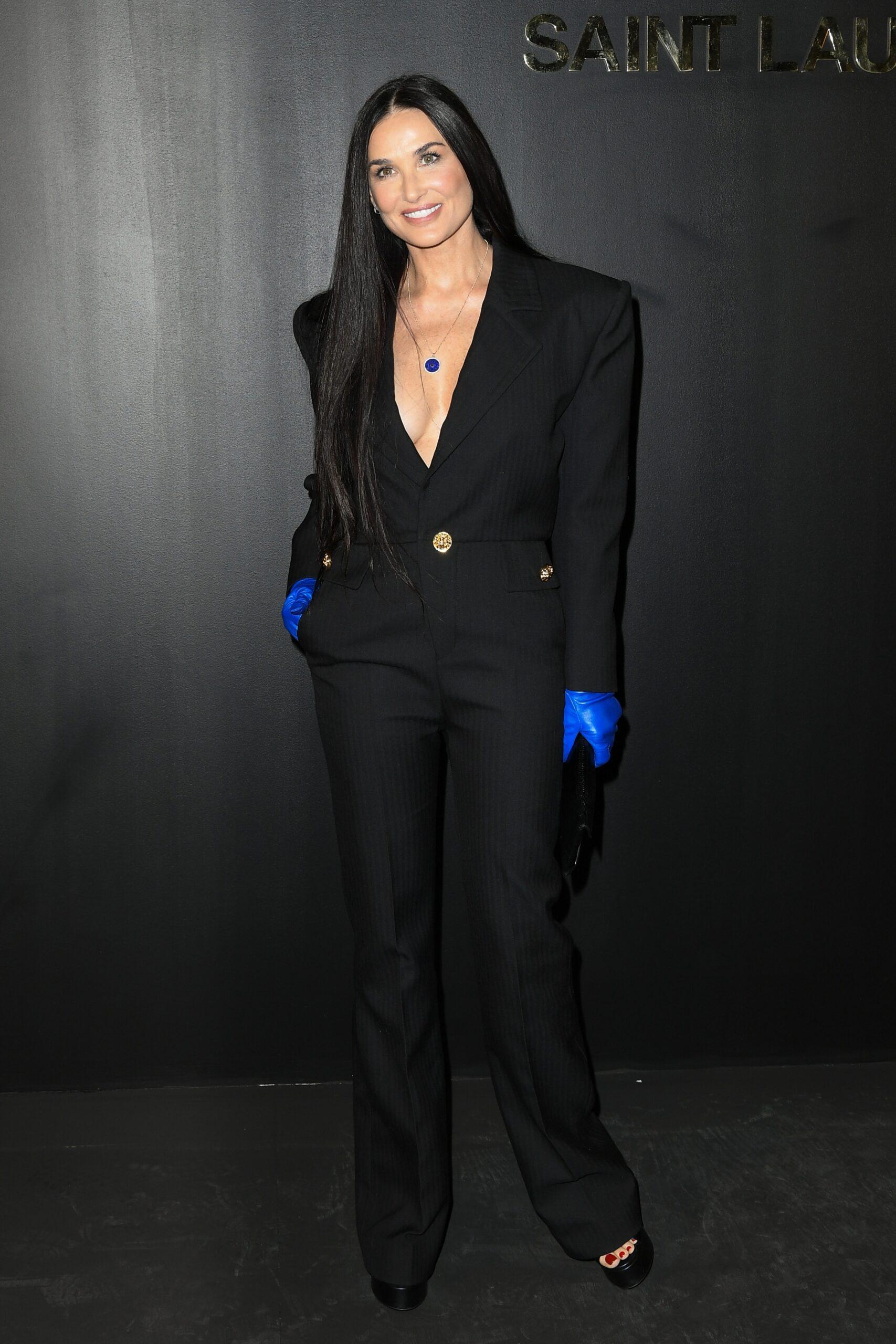
      Demi Moore attends the Saint Laurent Womenswear Fall/Winter 2022/2023 show
      MEGA

      Moore’s daughter, Tallulah Willis, was quick to defend the actress from the backlash,  taking to her Instagram page on Monday to tell fans to give her mom “a break.”

      “Hi @everyone but really press, NIPPING THIS STRAIGHT IN THE BUD – we spent New Year with Elle, so connecting with her after a win was a very organic thing to do, this angel was in total shock and delight and moving throughout a warm room of well-wishers,” Tallulah wrote in part, per Fox News.

      She continued, “There was not [sic] snub of any sort, had she seen KJ wanting to congratulate her she would have fully given her the time and space. Literally, just give it all a break and let a gal enjoy her accomplishments!”


      Source link

      Latest Marvel Rivals Datamine Reveals Your Favorite X-Men Could Be Joining The Roster Soon

      0
      Latest Marvel Rivals Datamine Reveals Your Favorite X-Men Could Be Joining The Roster Soon


      It is easy to say that Marvel Rivals has taken the gaming world by storm, and the recent launch of Season 1 is here to stir it up some more as it brings a new map, new heroes, and, most importantly, new leaks.

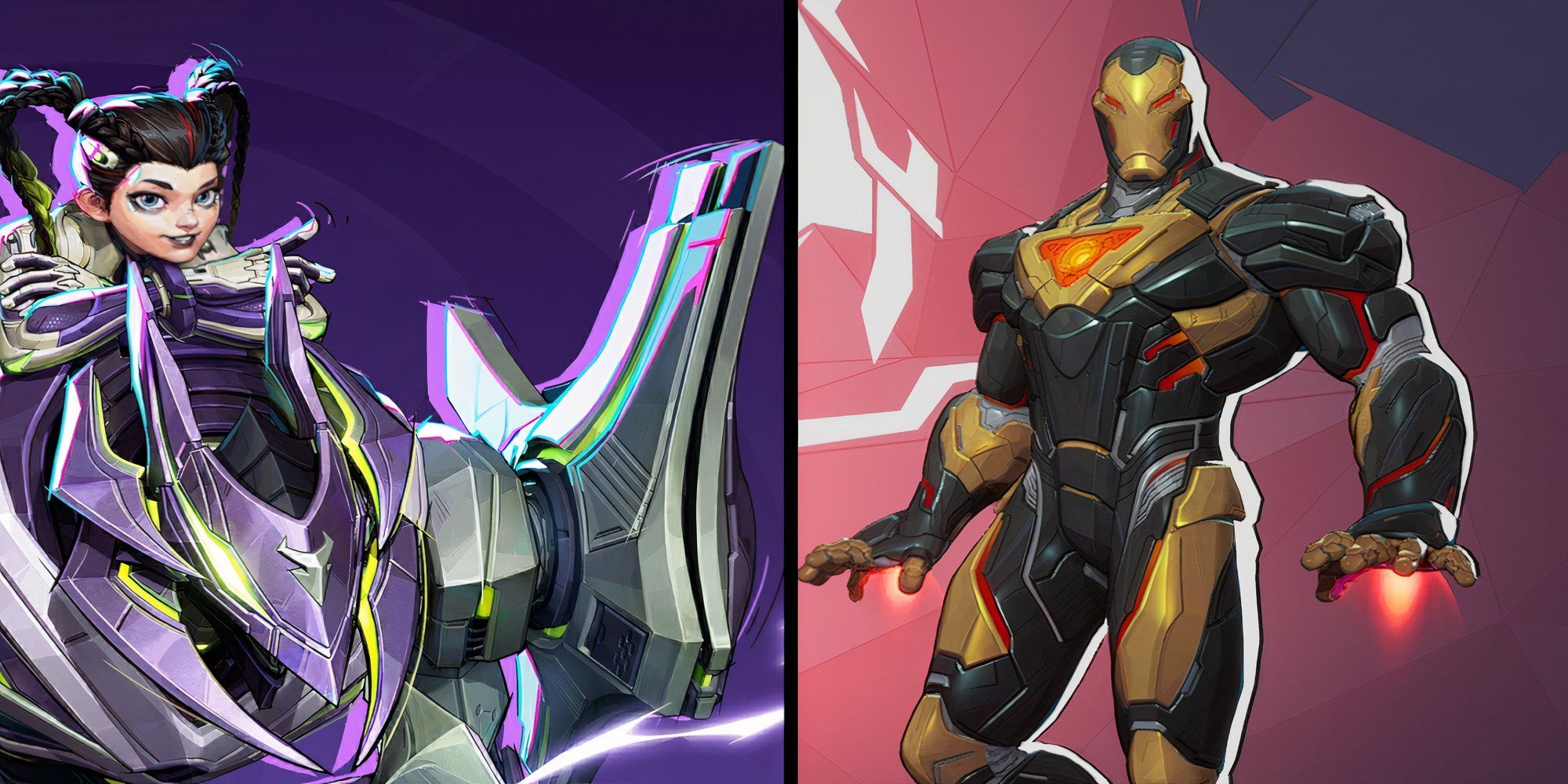
      A data leaker has revealed how more beloved characters, such as Professor X and Colossus, both members of the popular X-Men group within the Marvel universe, could possibly be heading to join the roaster of the heroes soon in the game.

      It was also revealed that Jia Jing, Paste Pot Pete, and Locus, who happen to be some of the less popular characters of the said universe, could be making their way to the game soon as well.

      Related

      Marvel Rivals: How To Get Free Units

      Units are the universal currency across the galaxy and you can earn them in a variety of ways in Marvel Rivals.

      With Professor X at the forefront, the telepathic leader of the X-Men, and Colossus, the indestructible mutant with a heart of gold. Their addition to Marvel Rivals would mark a significant expansion of Marvel Rivals’ list of heroes, bringing in fan-favorite mutants who have long been a part of the X-Men Comic Book series and Cinematic Universe.

      Professor X and Colossus’s Possible Roles And Abilities In Marvel Rivals

      The said dataleaker also revealed how Professor X is going to be a support agent (Duelists), while Colossus, as one would expect, will be a tank agent (Vanguards) instead.

      Related

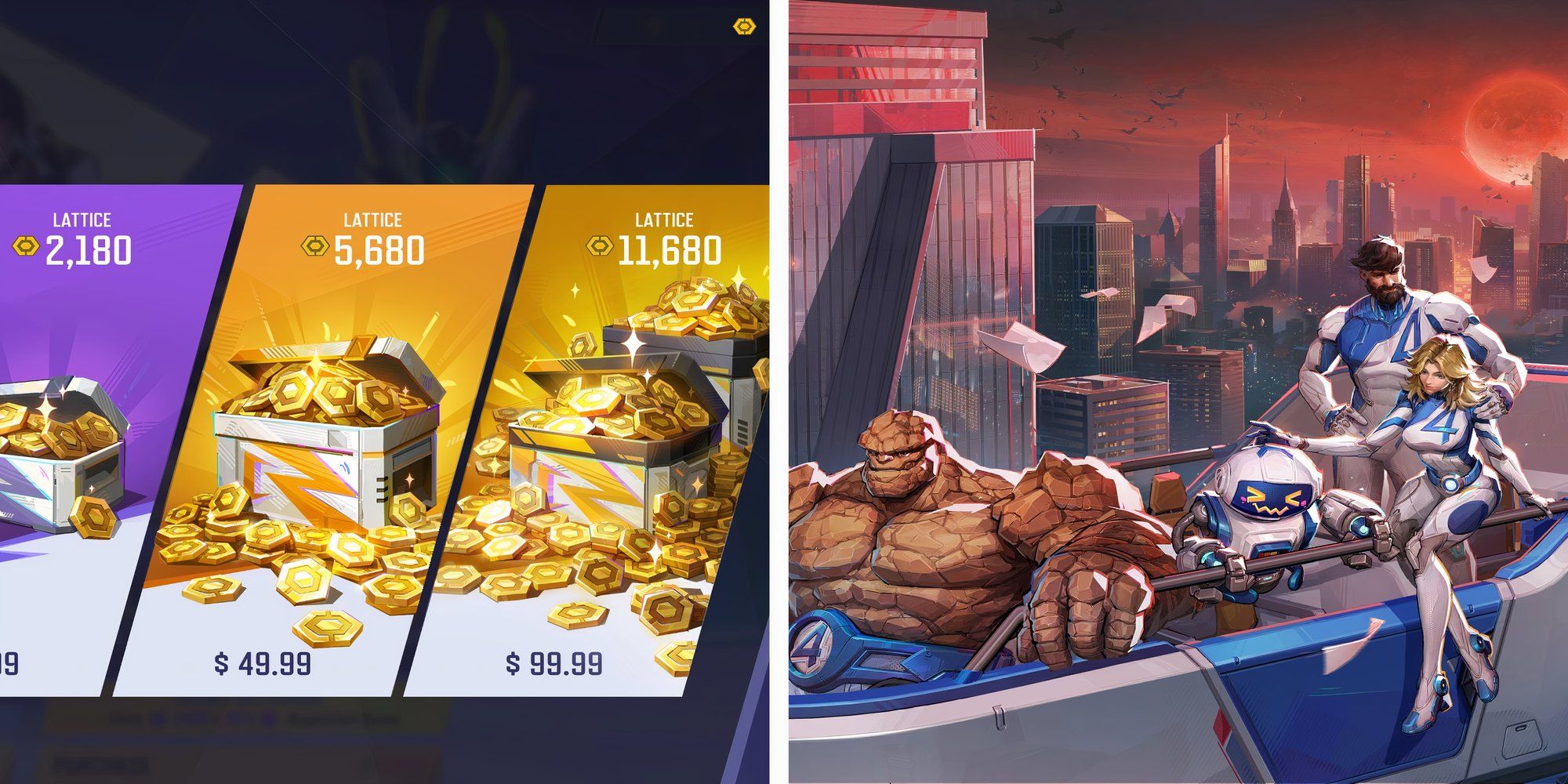
      Marvel Rivals: All Currencies Explained

      Currency can be used in a variety of ways in Marvel Rivals, but there are several different types players need to be aware of.

      Professor X’s telepathic abilities make him the perfect candidate to become a hero in the roaster that manipulates opponents or bolsters allies in unique ways.

      On the other hand, Colossus’s superhuman strength and metallic skin make him the perfect Vanguard in the long list of characters already available in the game, making him ideal for players who like to play recklessly and deal damage while tanking all the attacks carried out by the enemy.

      Related

      Marvel Rivals: 10 Best Melee Characters

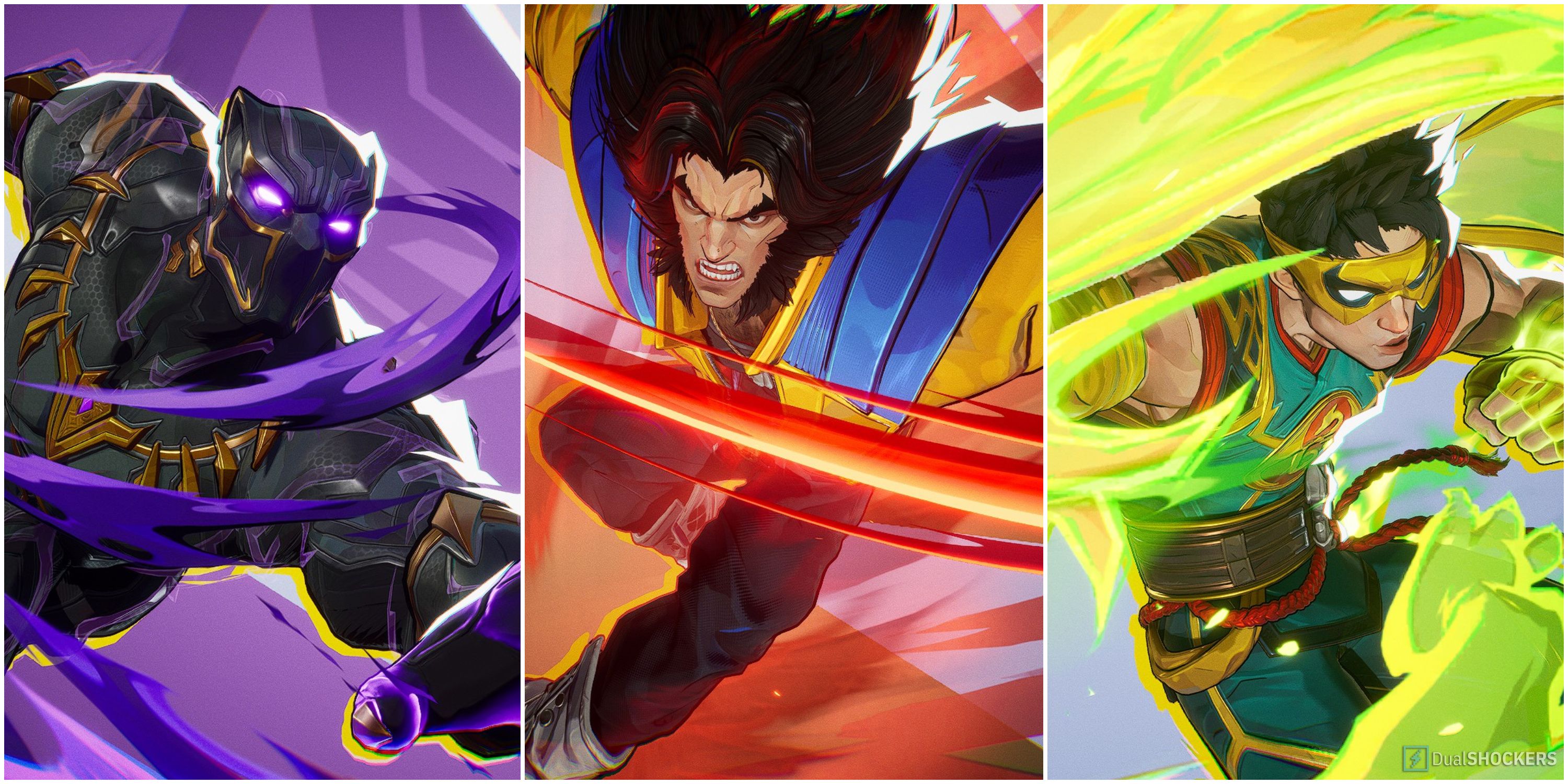
      If you want to get into a proper fistfight in Marvel Rivals, you’ll want characters like Iron Fist or Wolverine.

      The X-Men have always been a cornerstone of the Marvel Universe, with a rich history and a roster of characters beloved by fans worldwide. Right now, the latest heroes introduced in Rivals are Mr. Fantastic and Invisible Woman, with The Thing and Human Torch on their way as well.

      It is important to note that while the files suggest these characters are being developed, there’s no guarantee they will make it into the game anytime soon—or at all. For now, fans can dive into the new content Season 1 has to offer while keeping their fingers crossed for an official announcement in the future.

      Next

      Marvel Rivals: All Free Skins & How To Unlock Them

      Everyone loves free content and Marvel Rivals offers several unique skins for no cost at all.


      Source link

      Popular Posts

      My Favorites