

Exploring the Rise of Digital Influencers and Models
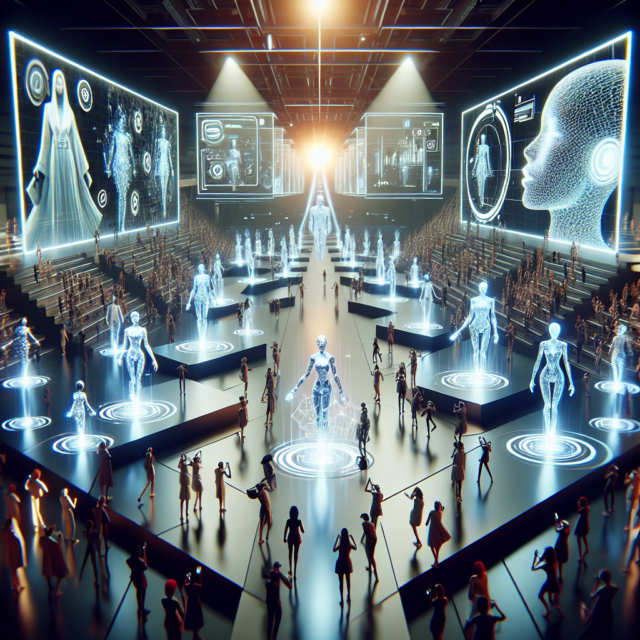
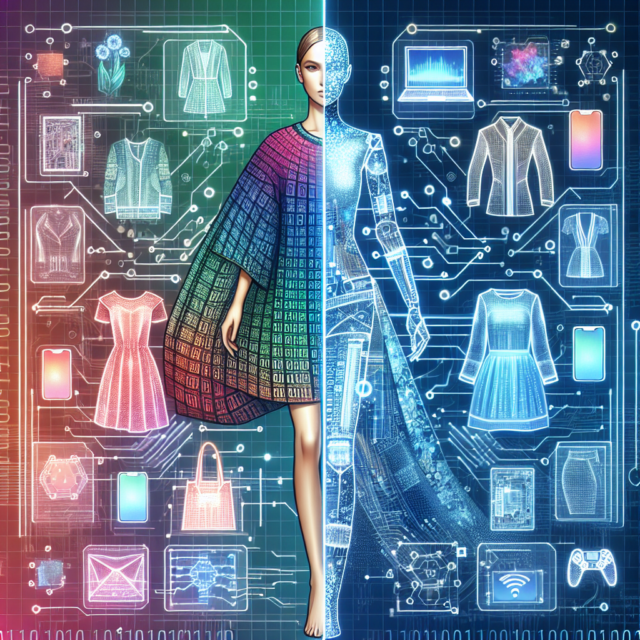
In recent years, the digital landscape has undergone a significant transformation, giving rise to a new breed of influencers and models who exist solely in the virtual realm. These digital personas are reshaping the fashion and marketing industries, offering a fresh perspective on influence and creativity. As we delve into the world of digital influencers and models, it becomes essential to understand their emergence, impact, and the way they are navigating the digital age. This article explores these facets, shedding light on the evolving dynamics of influence and fashion in the virtual sphere.
The Emergence of Digital Influencers and Models
The concept of digital influencers and models has its roots in the rapid advancement of technology and the increasing integration of digital platforms into everyday life. With the rise of social media, brands and marketers began to recognize the potential of online personalities who could reach vast audiences with authenticity and relatability. This led to the emergence of digital influencers, individuals who amass large followings and wield significant influence over consumer behavior through their online presence.
Simultaneously, the fashion industry started to explore the potential of digital models. These virtual entities, often created using cutting-edge technology such as CGI and AI, are designed to represent the idealized human form. They offer a unique opportunity for brands to showcase their products in a controlled and customizable environment, free from the constraints of traditional modeling. The allure of digital models lies in their ability to transcend physical limitations and embody diverse aesthetics that may not be feasible in reality.
The emergence of digital influencers and models is also fueled by the growing demand for innovative and engaging content. As consumers become more discerning, brands are compelled to find new ways to capture attention and stand out in a crowded digital space. Digital personas provide a novel approach to storytelling, allowing brands to create immersive narratives that resonate with their target audiences. This shift towards digital representation is indicative of a broader trend towards digitalization and personalization in marketing strategies.
Moreover, the development of social media platforms with robust visual capabilities, such as Instagram and TikTok, has facilitated the rise of digital influencers and models. These platforms provide an ideal environment for showcasing visually appealing content, enabling digital personas to thrive and gain traction. The interactive nature of these platforms also fosters a sense of community between digital influencers and their followers, further enhancing their appeal and influence.
The rise of digital influencers and models also reflects a broader cultural shift towards acceptance and celebration of diversity. Virtual personas can be crafted to embody a wide range of identities, allowing for greater representation and inclusivity in the fashion and marketing industries. This democratization of influence challenges traditional notions of beauty and success, paving the way for a more inclusive and representative digital landscape.
As digital influencers and models continue to gain prominence, it is clear that they are not just a passing trend but a fundamental aspect of the evolving digital ecosystem. Their emergence marks a significant shift in the way we perceive influence and fashion, highlighting the transformative power of technology in shaping cultural and social paradigms.
Understanding the Impact of Virtual Personas
The impact of virtual personas extends beyond the realms of fashion and marketing, influencing societal perceptions and consumer behavior. One of the most notable effects is the redefinition of authenticity. Unlike traditional influencers, digital personas do not possess a physical presence, yet they manage to establish genuine connections with their audiences through carefully curated content and relatable narratives. This challenges conventional notions of authenticity, prompting a reevaluation of what it means to be "real" in the digital age.
Virtual personas also have significant implications for brand marketing strategies. Their ability to be endlessly customizable allows brands to experiment with different looks, styles, and personalities without the constraints of human limitations. This flexibility enables brands to tailor their messaging and visual identity to align with specific target audiences, enhancing their ability to engage and resonate with consumers on a deeper level.
Furthermore, the rise of digital influencers and models is reshaping the fashion industry by democratizing access to fashion and beauty. Virtual personas can embody diverse aesthetics and body types, challenging traditional beauty standards and encouraging inclusivity. This shift towards diversity and representation is not only socially significant but also commercially advantageous, as consumers increasingly seek out brands that align with their values and ideals.
However, the impact of virtual personas is not without its challenges. The blurring of lines between reality and digital representation raises ethical concerns, particularly regarding transparency and accountability. As digital influencers gain influence, questions arise about the authenticity of their endorsements and the potential for deceptive marketing practices. Brands and creators must navigate these ethical considerations to maintain trust and credibility with their audiences.
The psychological impact of virtual personas on consumers is another area of concern. The idealized and often unattainable images presented by digital models can contribute to unrealistic beauty standards and affect self-esteem, particularly among impressionable audiences. It is crucial for brands and creators to promote positive and empowering messages that prioritize mental well-being and self-acceptance.
Despite these challenges, the impact of virtual personas on the digital landscape is undeniable. They have opened up new avenues for creativity and innovation, enabling brands to push the boundaries of traditional marketing and storytelling. As digital influencers and models continue to evolve, their influence will undoubtedly shape the future of fashion, marketing, and digital culture.
Navigating the Digital Age of Influence and Fashion
Navigating the digital age of influence and fashion requires a nuanced understanding of the interplay between technology, culture, and consumer behavior. As digital influencers and models become increasingly prevalent, brands and marketers must adapt to this new landscape by embracing digital innovation and creativity. This involves leveraging technology to create immersive and engaging experiences that resonate with audiences on a personal level.
One of the key strategies for navigating the digital age is the integration of data-driven insights into marketing and fashion decisions. By analyzing consumer preferences and behaviors, brands can tailor their offerings to meet the evolving demands of their audiences. This data-centric approach allows for more targeted and personalized marketing efforts, enhancing the effectiveness of digital influencers and models in reaching and engaging consumers.
Collaboration is another essential aspect of navigating the digital age of influence and fashion. Brands can benefit from partnering with digital influencers and models to co-create content and campaigns that align with their brand identity. These collaborations can take various forms, from sponsored posts and product placements to joint ventures and creative projects. By working together, brands and digital personas can amplify their reach and impact, fostering mutually beneficial relationships.
As the digital landscape continues to evolve, staying ahead of trends and technological advancements is crucial for success. Brands must remain agile and open to experimentation, embracing emerging technologies such as augmented reality, virtual reality, and artificial intelligence to enhance their digital presence. These technologies offer exciting possibilities for creating interactive and immersive experiences that captivate audiences and drive engagement.
Ethical considerations also play a vital role in navigating the digital age of influence and fashion. Brands and digital influencers must prioritize transparency and authenticity in their interactions with audiences. This involves clearly disclosing sponsored content, ensuring the accuracy and honesty of endorsements, and maintaining open lines of communication with followers. Building trust and credibility is essential for long-term success in the digital realm.
Ultimately, navigating the digital age of influence and fashion requires a forward-thinking mindset and a willingness to embrace change. As digital influencers and models continue to shape the cultural and social landscape, brands and marketers must adapt their strategies to remain relevant and competitive. By harnessing the power of technology and fostering authentic connections with audiences, they can thrive in this dynamic and ever-evolving digital world.
The rise of digital influencers and models represents a paradigm shift in the way we perceive influence, fashion, and digital interaction. As virtual personas continue to gain prominence, they challenge traditional norms and redefine the boundaries of creativity and representation. While their impact is profound and multifaceted, it also presents challenges that must be navigated with care and ethical consideration. As we move forward into this digital age, the ability to adapt, innovate, and engage authentically will be key to thriving in a world where the lines between reality and virtuality are increasingly blurred. The journey of digital influencers and models is just beginning, and their influence is set to shape the future of fashion, marketing, and digital culture for years to come.




 This glass tower reaches 40 floors above the city’s bustling traffic. The top half of the building represents the hotel rooms and suites. The bottom half has private residences that are among the city’s newest and finest.
 The 40th floor wet deck is home to the infinity edge pool, which has plenty of cushioned lounge chairs. Views are among the best from up here, which is also home to the hotel’s popular L40 restaurant and lounge. DJs often entertain at night when the drinks start flowing.
 Take a look around the lobby on the 24th floor (it’s actually called a lounge). The furnishings bear different fabrics and design materials, all the handiwork of creative Brazilians. Mis-matched chairs add color and energy to the bar, which serves pastries and coffee during the day and izakaya-style fare, tasty cocktails and dozens (and dozens) of Japanese whiskey options.
 Dim hallways continue the theme of Brazilian colors and jungle-like leaves. The rooms show off even more creativity. It starts with W’s famous bed crafted by a pillowtop bed, enormous plush pillows and a white duvet. USB ports of all types are on either side of the bed.
 Suites have soaking tubs in the living area. All rooms benefit from minibars stocked with Brazilian snacks and massive flat-screen TVs that swivel. Coming soon (they were still under wraps during our visit) are the top suites like the E-Wow version, which is sure to be perfect for entertaining.
 Baio is the main restaurant serving three meals a day. It starts with a decadent breakfast spread that has the ripest fruits, an array of juices and smoothies, hot and cold dishes, and of course, famous Brazilian cheese bread passed around by staff. An a la carte menu includes bespoke eggs benedict recipes, melt-in-your-mouth Brazilian tapioca plates and acai bowls.
 Come evening, the menu continues the regional flair and takes in the splashy views from the 23rd floor. Just around the corner is yet another cocktail bar (W is all about entertainment and fun, right?). The menu here differs in that it incorporates more foodie flavors in its mixology recipes. Expect local veggies and fruits to dominate the palate. There are also creative mocktails that are becoming increasingly popular in the city.
 All of this is the result of an impressive culinary team representing the city’s best chefs under the aegis of the director of food and beverage that came to the hotel from W Bogota. He brings a touch of magic and creativity that inspires the chef team and the serving staff (just wait until you see his mixology ideas for the bar).
 Once considered the edge of town, this is the new downtown and financial center of the city as South America’s largest metropolis continues to balloon. Office towers for banks and tech companies like Google and Netflix are next door. Also adjacent to the hotel are beautiful manicured parks and gardens. Dozens of restaurants are within walking distance. Just across the street: one of the city’s two major fashion malls with every high-end brand (and a food court that is hard to beat).
 Another draw that is sure to attract hotel guests and locals is the spa, which will have three treatment rooms. The staff used local ingredients and recipes to design the treatments’ oils and creams.
 It is clear from the moment you arrive that the staff are proud of this new W opening. They don designer uniforms and are eager to show off every corner of the hotel’s chic public areas. Working at the W is as sought after as staying at one; it’s a hospitality symbol that you’re cool. And this team is cool.
 The door staff and security team greet guests with a smile and point travelers to nearby attractions. If you are sitting in one of the lounges, someone is sure to come and greet you with a glass of water and offer something from the bar menu. They might even strike up a conversation to ask how your day is or if you are interested in learning about the Brazilian designers that crafted most of the furnishings.


