Home Blog Page 1168

Coin vs Token: What are the Key Differences?

0
Coin vs Token: What are the Key Differences?


Coin vs token often appears in crypto discussions, yet many newcomers struggle to see why the distinction matters. Both refer to digital assets, but they operate in different ways and fulfill distinct roles in the blockchain ecosystem. Coins typically function as native currencies on their own blockchain, while tokens rely on existing platforms to expand use cases like governance, gaming, or finance.

Understanding whether an asset is a coin or a token helps you gauge its potential value, flexibility, and risk profile. In this article, we’ll clarify what each term means, break down the key advantages and types, and compare them in a head-to-head look at their structural and functional contrasts. Knowing the difference between coins and tokens can guide you when evaluating market opportunities or deciding which assets fit your needs, whether you’re looking to pay transaction fees, fuel decentralized applications, or represent a piece of real-world value.

What is a Coin?

A coin in the crypto world is typically a digital currency with its own dedicated blockchain. Bitcoin is the most notable example, operating on the Bitcoin blockchain with a well-defined process for creating and validating new blocks. Other well-known coins include Ethereum, Litecoin, and Bitcoin Cash. These, and other digital assets often serve as the primary medium of exchange or store of value within their respective ecosystems and can also be used to pay transaction fees, just like physical coins.

Benefits of Coin

Native Blockchain Control: When a coin runs on its own network, developers and the community have more freedom to guide updates, manage transaction speeds, and shape governance rules.
Security: Coins often draw large mining or staking communities, helping to secure the entire system against attacks or manipulation.
Established Brand: Leading coins like Bitcoin have a track record, recognized by traders and institutions worldwide. This brand recognition can create more trust and liquidity.

Types of coins

Payment Coins

Bitcoin and Litecoin function primarily as mediums of exchange and digital money, facilitating everyday transactions or cross-border transfers.

Privacy Coins

Assets such as Monero or Zcash are crypto coins that incorporate special privacy features that mask transaction details, appealing to individuals who prioritize anonymity.

Stablecoins

Pegged to external references, such as a fiat currency like the U.S. dollar, stablecoins reduce volatility. Examples include USDC or DAI, vital for traders seeking quick, stable conversions in crypto markets.

Popular Coins

Bitcoin (BTC): The Bitcoin blockchain is the original cryptocurrency, known for its decentralized nature and limited supply.

Ethereum (ETH): Although Ethereum is evolving into a platform for tokens and smart contracts, ETH remains its core coin, paying for gas fees.
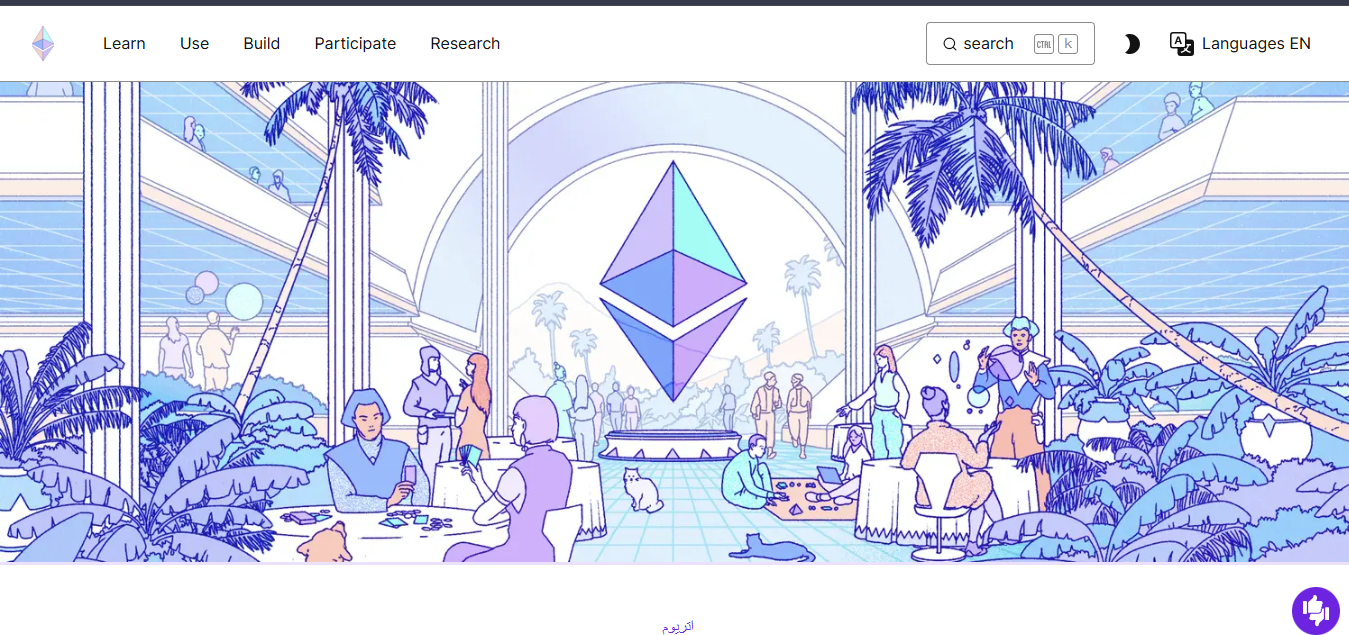
Ethereum (ETH)

Bitcoin Cash (BCH): A result of a Bitcoin fork aimed at larger block sizes and faster transactions. It shares Bitcoin’s ethos but pursues greater scalability.
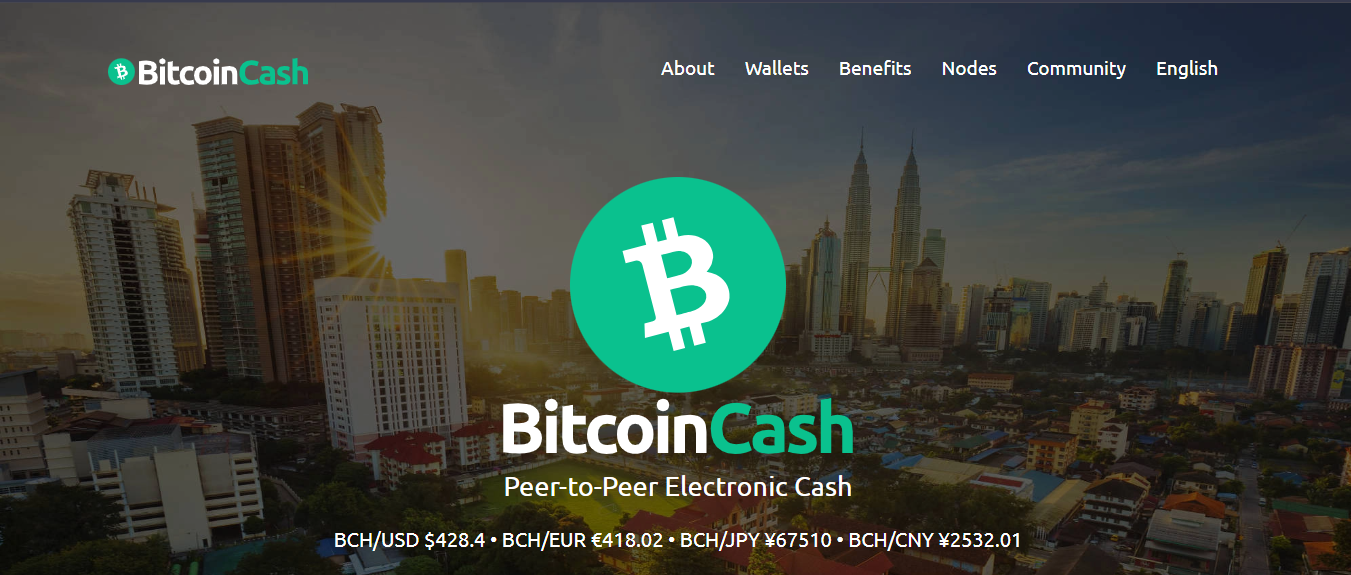
Bitcoin Cash (BCH)

Litecoin (LTC): Created as a faster, lighter version of Bitcoin, often seen as a testbed for new virtual currency features.
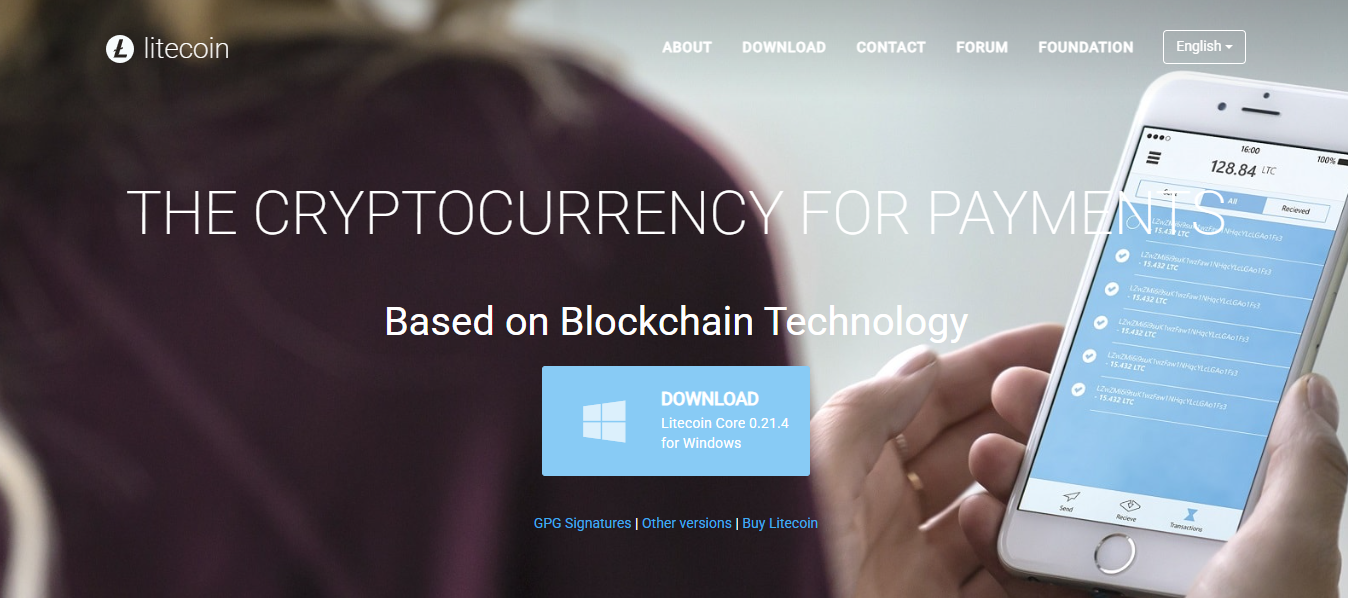
Litecoin (LTC)

Other Popular Coins: Additional networks like Ripple’s XRP or Tron’s TRX are also considered cryptocurrency coins, each intending to tackle unique challenges in global payments or application development.

What Is a Token?

A token is a digital asset created on an existing blockchain network rather than requiring its own dedicated network. Unlike a coin, which typically operates as the primary currency of a chain, a token can represent nearly anything: from utility or governance rights to physical assets or even digital art. Tokens rely on the underlying blockchain’s security and consensus mechanisms, meaning they inherit certain benefits (like network stability or speed) but must adhere to the host blockchain platform protocol’s technical parameters. This model allows for quick deployment of new projects, lower development overhead, and more versatility in how assets and services are offered.

Benefits of tokens

Fast Deployment: Creating crypto tokens is more straightforward than building an entire blockchain from scratch. Developers can use established platforms (like Ethereum) to launch tokens within hours.
Wider Adoption: Tokens tap into robust, existing communities and developer ecosystems. They can immediately benefit from wallets, decentralized exchanges, and other infrastructure already designed for that blockchain.
Flexible Use Cases: Tokens can embody anything from share-like security tokens to specialized utility tokens for dApps. The diverse range of functionalities fuels constant innovation.
Shared Security: Since cryptocurrency tokens rely on a proven network’s consensus, they don’t need separate miners or validators, which can reduce overall security risks and overhead.

Types of tokens

Utility Tokens

Provide access or features within a particular ecosystem. For instance, a gaming dApp might issue a token that lets players buy virtual items.

Security Tokens

These token transactions digitally represent ownership in real-world financial instruments such as stocks or bonds, subjecting them to stricter regulatory frameworks.

Governance Tokens

Tokens issued for governance grant holders the right to vote on protocol changes, funding proposals, or developmental priorities. They shape decentralized projects without a central authority.

Non-Fungible Tokens (NFTs)

Unique tokens that represent singular assets like digital art, collectibles, or in-game items. Each NFT has distinct metadata making it non-interchangeable.

Popular Tokens

Chainlink (LINK): A leading oracle token bridging off-chain data (like price feeds) with on-chain smart contracts, vital for DeFi protocols seeking reliable information.
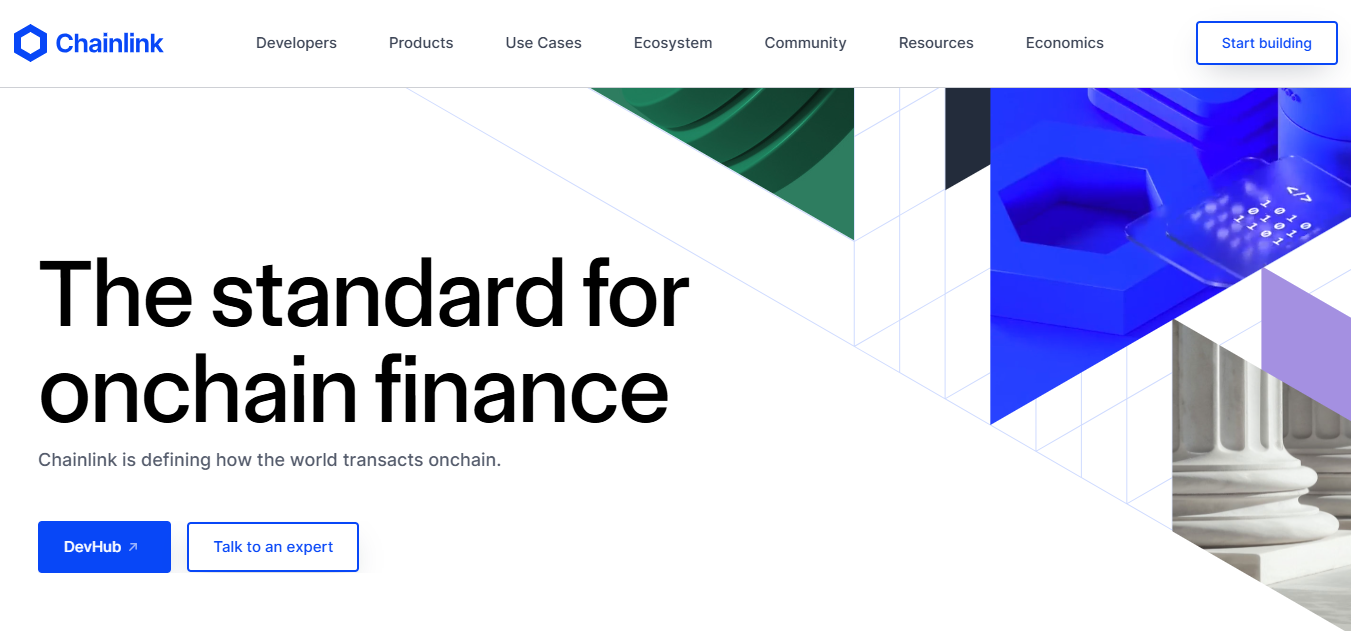
Chainlink (LINK)

Uniswap (UNI): Issued by the popular decentralized exchange, UNI grants governance power over protocol fee structures and upgrades. UNI holders can also propose new features or community grants.
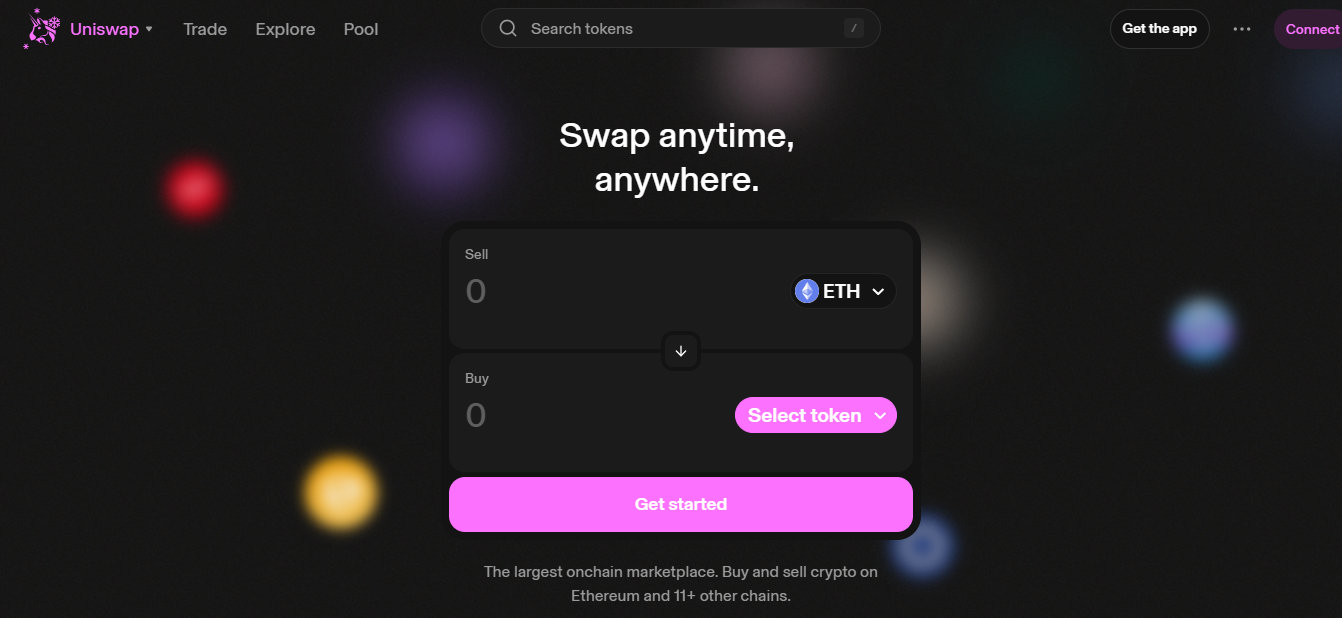
Uniswap (UNI)

ApeCoin (APE): A governance and utility token tied to the broader Bored Ape Yacht Club ecosystem, used for voting, exclusive events, and certain digital marketplaces.

ApeCoin (APE)

SushiSwap (SUSHI): A DeFi token awarding holders a share of swap fees on the SushiSwap DEX, balancing utility with partial governance rights over treasury decisions.
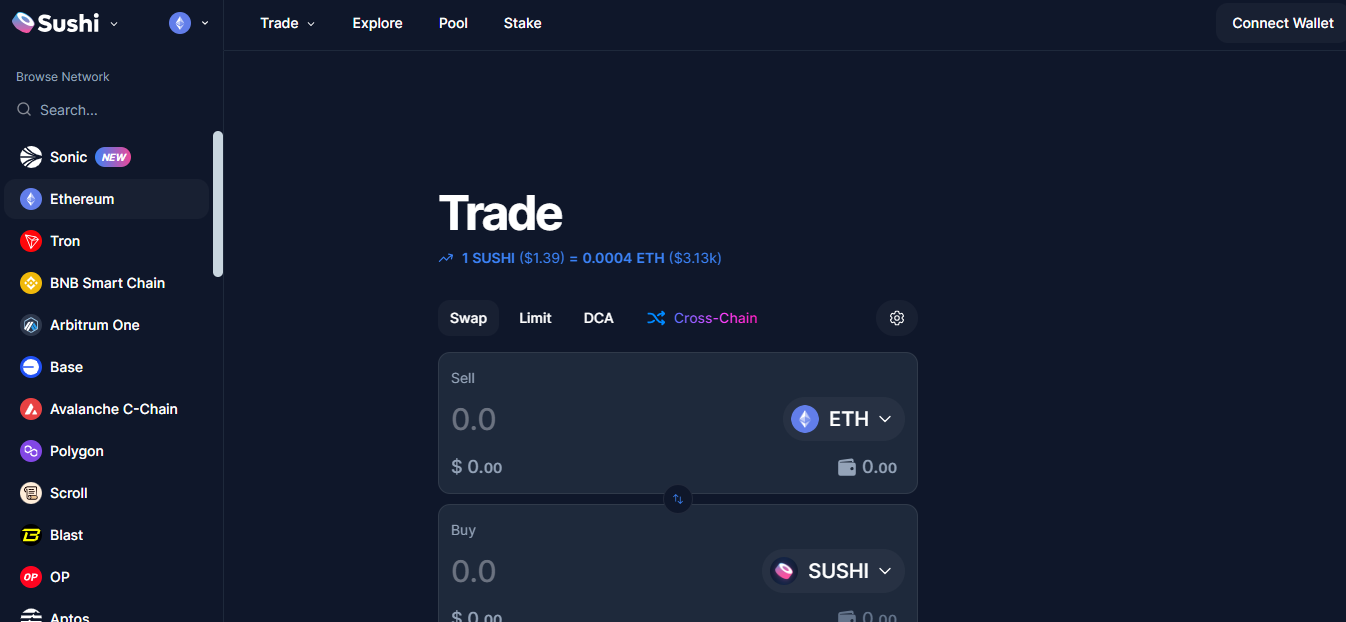
SushiSwap (SUSHI)

Coins vs Tokens: The Main Differences

Coin
Token

Structure
Resides on its own blockchain, handling transactions natively, like Bitcoin or Litecoin.
Relies on an existing blockchain (like Ethereum), inheriting that network’s security or weaknesses.

Purpose
Often serves as a medium of exchange or store of value, fueling the blockchain’s operations.
Typically grants specialized functions (such as governance or utility) within a dApp or ecosystem.

Decentralization
Maintained through miners or stakers on its proprietary network, distributing control.
Dependent on the host chain’s consensus and security; decentralization varies by project.

Interoperability
Usually confined to bridging/wrapping to operate on other chains, or using external solutions.
Tightly integrated with the underlying platform, adopting standard protocols, like with ERC-20.

Use Case
Supports fundamental blockchain tasks—payment currency, transaction fees, and network rewards.
Offers utility, such as access to features, staking rewards, governance rights, or asset representation.

Structure

Coins have their own native blockchain and run independently, and process transactions through their underlying consensus mechanism. In contrast, tokens rely on an existing chain, such as the Ethereum network, for their ledger and security.

This means coins often require more extensive development and upkeep—like maintaining miners or validators—while tokens use established infrastructure to launch faster with lower costs.

Because tokens share a host chain’s storage and validation, they do not need an exclusive node network. Instead, they inherit the resilience of whichever protocol underlies them.

Purpose

Coins typically serve as a primary medium of exchange, paying transaction fees or rewarding block validators. Their main function might be digital currency (like Bitcoin) or fueling the blockchain’s operations (like Ether on Ethereum).

Tokens, however, take on multiple roles: some represent governance privileges, others reflect staking or yield in DeFi, and still others operate as stable units tied to external assets. While coin usage often focuses on payments or collateral, buying tokens can unlock specialized features—like getting special or limited in-game items or managing voting rights.

Decentralization

A coin’s decentralization level depends on its network’s size, the distribution of validators or miners, and whether a small group controls development. Bitcoin’s widely dispersed mining activities exemplify strong decentralization, while certain smaller coin projects are more centralized in practice.

Tokens exist on top of these blockchains, so their decentralization depends partly on the host chain and partly on how the token’s smart contract is governed. If a single project team manages most of the token supply or upgrading rights, then it may lead to reduced decentralization for that token’s ecosystem.

Interoperability

Coins often stay confined to their own chain unless wrapped or bridged to other networks.

For instance, “wrapped Bitcoin” (WBTC) uses Ethereum-based tokens to represent BTC in DeFi. Tokens, by design, frequently plug into the host chain’s broader ecosystem. If a token is ERC-20 on Ethereum, it can interact with any dApp, wallet, or layer-2 solution that supports that standard.

This flexibility fosters synergy across DeFi platforms, DEXs, and NFT marketplaces. Still, cross-chain interoperability can grow complicated if tokens span multiple networks.

Use case

Coins provide simple payment methods, store-of-value functions, or blockchain fuel (like gas on Ethereum). Their limited supply or core usage can drive market demand, especially as network activity intensifies.

Tokens serve distinct roles within an app’s or protocol’s micro-economy, governance tokens can dictate upgrades, while utility tokens let holders stake, access premium features, or earn fees.

Each approach suits different ends: coins often emphasize global transactions or robust store-of-value narratives, whereas tokens cover niche expansions like gaming, social media, or specialized DeFi frameworks on top of an existing blockchain.

Conclusion

Having a solid, working knowledge of the differences between a coin on its own blockchain and a token built on an existing network is critical for any crypto enthusiast. Coins frequently serve as digital currencies or gas for their blockchain’s operations, while tokens often power specialized utilities, governance, or application-specific features.

Before making investment decisions, ensure you’ve considered each asset’s underlying network security, practicality, and user adoption. By understanding this distinction in the coin vs. token conversation, you’ll navigate the dynamic crypto landscape more confidently and spot the opportunities that best fit your long-term investment goals.




Source link

Addison Rae Shows Off Belly Button Piercing in Tiny Crop Top, Skirt

    0
    Addison Rae Shows Off Belly Button Piercing in Tiny Crop Top, Skirt


    Addison Rae
    ‘Diet Pepsi’ is Good For My Figure …
    Flaunts Midriff in Crop Top

    Published February 1, 2025 5:30 PM PST

    Addison Rae’s flashing some bling … nope, it ain’t an engagement ring, it’s her belly button piercing catching the light.

    The influencer turned music star stepped out in L.A. Saturday morning, grabbing breakfast with some pals at All Time — an upscale eatery near Griffith Observatory.

    addison rae backgrid sub

    Rae walked out of the restaurant wearing an eccentric ensemble … black t-shirt rolled up, revealing her entire stomach, and a teal skirt that stopped high on her legs.

    The lack of fabric allowed everyone to see the stood in her belly button … glittering while she walked in the sun.

    Addison also threw on a pair of bright pink high socks too … flipping her blonde pair behind her as she walked.

    The last time we saw Rae, she was searching for some dancewear around Christmas … leaving little to the imagination while she stripped down in front of the shop window.

    Rae first rose to prominence with her TikTok dances — but, she’s transitioned to making her own music in recent days — dropping her hit song “Diet Pepsi” just a few months ago. It has nearly 280 million listens on Spotify since coming out in August.

    addison rae backgrid sub

    She’s clearly taking it easy this weekend … surrounding herself with good friends and dressing in her Saturday best.

    Someone get this girl a Pepsi … ’cause she’s needs something to cool her off🔥.


    Source link

    Pete Davidson Reveals ‘Terrifying’ Fear Of Mom Dating Again

      0
      Pete Davidson Reveals ‘Terrifying’ Fear Of Mom Dating Again


      Pete Davidson is open to his mom, Amy Water Davidson, dating again but was initially “nervous” about her meeting someone new.

      The comedian has a well-documented dating history and is ready to play matchmaker for his mom as she gets back out there.

      Article continues below advertisement

      Pete Davidson Thinks His Mom Would ‘Like To Have A Partner’

      Since Pete’s dad, ScottDavidson, died in the September 11, 2001, terrorist attacks, his mom hasn’t dated anyone.

      However, Pete believes she is ready to have a partner again, though he was initially apprehensive about it.

      He joked, per E! News, “At first, I was nervous because I didn’t want someone to bang my mom. It’s terrifying.”

      Pete also told host DrewBarrymore that his mom has “never dated.” He added, “It’s been 22, 23 years since my dad passed. She never dated. And when I asked her, she was like, ‘That’s my guy.’ And that’s so sad.”

      Article continues below advertisement

      “The King of Staten Island” star feels his mom wants a partner now, which he is happy about for a reason. He shared, “But now, I think she’d like to have a partner and someone to hang out with so I don’t have to do it so much.”

      Article continues below advertisement

      Pete Davidson Tried To Matchmake His Mom With Jon Hamm

      MEGA

      Pete is ready to find someone great for his mom but wants to be careful about it because he once tried to set her up with actor JonHamm, but it didn’t work out.

      He revealed, “I got to be careful because a couple of years ago, you know the lovely Jon Hamm? So my mom has a huge crush on him. And he was single at the time.”

      Pete said he urged Hamm to be “extra nice to his mom. He said, “And I know him because he comes to SNL all the time. So I was like, hey, you know what would be really funny? I was like, ‘You should be extra nice to my mom.’ And he was like, ‘No problem.’ He’s like, ‘That’d be great.'”

      The comedian’s matchmaking efforts didn’t eventually yield the desired results, but he has nothing but respect for Hamm, who tied the knot with Anna Osceola in 2023 and remains nice to his mom.

      Article continues below advertisement

      He said about the “Nostalgia” actor, “He’s such a daddy. And he’s a nice guy. He would have been nice anyway. And he’s always nice to her when he sees her now.”

      Article continues below advertisement

      Pete Davidson Says His Mom Is A ‘Good Catch’

      Pete Davidson's mom, Amy Davidson
      Jeffrey Mayer/JTMPhotos, Int’l./MEGA

      This isn’t the first time Pete has opened up about his mom’s dating life. During the October 10, 2023, episode of “The Tonight Show Starring Jimmy Fallon,” he shared his matchmaking plans for Amy.

      “I’m really excited just because I’m trying to find my mom someone to date,” he said per Us Weekly. “She hasn’t been with anybody in, like 23 years.”

      Pete called his mom a “good catch” before adding, “It’s like, you know, brand-new down there, so if anybody … I’ve been trying to find someone nice, you know, for my mom.”

      However, the 31-year-old admitted that he wasn’t sure what kind of man his mom wanted, saying, “We don’t talk about that stuff.”

      Yet, he joked that he needed “someone to take care of her and get her off of my hands.”

      Pete Admits He Plays ‘The Girl’ In His Relationships

      Kim Kardashian and Pete Davidson
      Instagram / Kim Kardashian

      Pete Davidson has a history of failed relationships with some of the biggest female celebrities.

      During his appearance on “The Drew Barrymore Show,” Pete gave an insight into his relationships and the role he assumes when he is dating someone.

      He revealed, “I’m the girl, I think, whenever I’m in a relationship. So some guys are shy and like when a lady’s like, ‘Hey.'”

      Article continues below advertisement

      Pete Likes His Partner Being Assertive

      Pete Davidson on set of 'The Home'
      MEGA

      The “Dog Man” actor, who grew up with his mom, Amy, and sister, Casey Davidson, after his dad’s death, stressed his preference for assertive partners.

      He explained, “Because I grew up with all ladies in the house. So, I act pretty feminine.”

      Since his split from Cline, Pete hasn’t been linked to another woman, although fans believe it won’t be too long until he’s off the market yet again.


      Source link

      Love Card Gaming Sensation ‘Balatro’? Play These Games Next – Decrypt

      0
      Love Card Gaming Sensation ‘Balatro’? Play These Games Next – Decrypt


      The surprise hit of 2024 was Balatro, a quirky little roguelike deck-builder that used standard playing cards combined with jokers with weird powers.

      It also features a bunch of modifiers that make the game addictive, with scores starting in the hundreds but quickly reaching massive numbers—even beyond a trillion.

      I have put about 90 hours into the game, and I know people who have progressed into the hundreds of hours trying to unlock every card, deck type, and stake. 

      It’s simple, but wildly profound if you want it to be. There’s nothing quite like it out there, but there are lots of games that hit on similar feelings, and some of them are game of the year contenders in their own right. 

      All of these games are on Steam, and the light nature of the games means many are also on older systems like the Nintendo Switch, Xbox One, and PlayStation 4, as well as modern consoles and even other computer platforms.

      Here are some games to try next if you love playing Balatro.

      Editor’s note: All of the games on this list are traditional “Web2” games without crypto or blockchain integrations. But you might enjoy ’em anyway!

      Slay the Spire

      There are a million and a half roguelike deck-builders out there, but alongside Balatro, 2019’s Slay the Spire is widely considered one of the best. 

      The titular spire is the setting here. You’ll guide one of four heroes through procedurally generated floors towards the spire of the dungeon.

      You’ll battle enemies and bosses with your deck while picking up new cards from those battles to build an increasingly powerful, but always unique deck along the way.

      Dicey Dungeons

      The surprisingly dark story of Dicey Dungeons has you stepping into the shoes of a walking, talking, sentient die, cursed by Lady Luck to roam an ever-changing dungeon forever. 

      But don’t worry—this game is a blast. As you play, you’ll expand your dice collection and collect items to modify available dice. 

      Each round starts you with a fresh roll of the dice, and it’s up to you to apply them to the right items to win that dice battle. (Honorable mention for another dice-powered roguelike: Slice & Dice.)

      Peglin

      Peglin is a roguelike inspired by Pachinko and Peggle, with progression inspired by Slay the Spire. 

      You get all of the fun of popping pegs without having to replay the same levels over and over again. You’ll collect items to power up as you play all-new, procedurally generated stages each time you run through.

      Dungeons & Degenerate Gamblers

      Dungeons & Degenerate Gamblers, from developer Purple Moss Collectors, is possibly the closest thing to Balatro on this list. 

      It’s a roguelike deck-builder inspired by a real-life card game (Blackjack instead of Poker), and it even has Tarot cards—though they don’t work the same way. 

      This is a great alternative if you want to get into a new deck-builder game, but want to keep your feet on the ground with real playing cards.

      The Zachtronics Solitaire Collection

      A bunch of games on this list are roguelike deck-builders, but this Solitaire Collection isn’t one of them. 

      This title features seven different Solitaire variants. I’ll let Zachtronics do the talking here.

      Cluj Solitaire is “an original solitaire variant where you can ‘cheat’ by placing cards wherever you want, so long as you’re careful.” At the same time, Sigmar’s Garden is a “tile-matching game using the alchemical symbols from Opus Magnum.” 

      Zachtronics games are some of the best-loved iOS titles, and now they’re available on Steam too.

      Inscryption (With Kaycee’s Mod)

      Inscryption isn’t just any roguelike deck-builder. 

      Debuting in 2021, this game, like the developer’s previous release, Pony Island, is a weird meta-experience that’s well worth playing. 

      However, the roguelike deck-building section that makes up the beginning of the game is spooky and compelling. 

      You can play it as-is and get a great experience, but you can also install Kaycee’s Mod. This is an official expansion to Act I of Inscryption, which turns the act into a repeatable roguelike with various unlocks and challenges.

      Aotenjo: Infinite Hands

      New cards, same genre! Aotenjo, released just days ago in early access, is a mahjong-themed roguelike deckbuilder. 

      Like so many of these games, deep knowledge of the play of Mahjong will probably not help you here as much as understanding probabilities and patterns—and a willingness to do a little bit of math. 

      The game already features a variety of decks to play from and artifacts to use, and sports an attractive, bright art style.

      Edited by Sebastian Sinclair

      GG Newsletter

      Get the latest web3 gaming news, hear directly from gaming studios and influencers covering the space, and receive power-ups from our partners.


      Source link

      Masked Singer fans left stunned after Kingfisher’s reveal during double elimination: ‘I would have never guessed’

        0
        Masked Singer fans left stunned after Kingfisher’s reveal during double elimination: ‘I would have never guessed’


        ITV’s The Masked Singer was hit with a double elimination tonight (February 1) as Sir Grayson Perry was unveiled as Kingfisher.

        With just seven contestants left in the competition, Snail, Kingfisher, and Pufferfish found themselves in the bottom three after receiving the least amount of votes from the studio audience.

        Artist Sir Grayson Perry unveiled as Kingfisher (Credit: ITV)

        The Masked Singer: Sir Grayson Perry unveiled as Kingfisher

        The first character to be voted out was Kingfisher, who the panel had different final guesses for.

        Mo Gilligan said Harry Hill while Davina McCall and Jonathan Ross assumed Joe Lycett. Maya Jama, on the other hand, went with Simon Cowell.

        However, they soon found out that none of them were correct as artist Sir Grayson Perry was unmasked from underneath the costume.

        Just like the panel, viewers were stunned by the reveal.

        Well I don’t think many got Sir Grayson Perry! Go kingfisher,” one user wrote.

        I would never have guessed Sir Grayson Perry,” another person shared.

        Oh my god kingfisher was Sir Grayson Perry I was so convinced it was Harry Hill,” a third fan remarked.

        No [bleep] way!!! I was SO convinced that Kingfisher was Harry Hill. Grayson Perry sounded so much like him it was scary!! Well played Sir!” a fourth said.

        Andrea Corr on The Masked Singer

        While the panel guessed incorrectly, Andrea Corr was unveiled as Snail (Credit: ITV)

        Snail unveiled as Andrea Corr

        When it came down to just Pufferfish and Snail, the panel decided to keep Pufferfish in for another week.

        Before Snail’s unmasking, the judges shared their final guesses. Mo said Jane McDonald and Davina went with All Saints singer Mel Blatt.

        Maya guessed Corinne Bailey Rae while Jonathan said former Sugababe Heidi Range.

        Failing to guess correctly again, Snail was revealed to be The Corrs lead vocalist Andrea Corr.

        While the judges had no clue the Irish singer was underneath the costume, viewers insisted they did.

        I knew it was Andrea Corr weeks ago!!! Brilliant,” one user wrote.

        I got one right! Thought Snail was Andrea Corr from the second week!” another fan shared.

        Andrea Corr! Got one right,” a third viewer said.

        Guessed Andrea Corr! Get in!” a fourth wrote.

        Following tonight’s double elimination, another two contestants will reveal their identity next Saturday (February 8).

        The following week, this year’s finale will crown one of the remaining three a winner.

        Read more: The Masked Singer fans ‘figure out’ Pufferfish’s identity as West End star Samantha Barks

        KINGFISHER sings IRIS by The Goo Goo Dolls | Series 6 Episode 4

        What do you think? You can leave us a comment on our Facebook page @EntertainmentDailyFix and let us know.


        Source link

        Is Metacritic’s Worst-Rated 2024 Movie Worth Watching For Free? – SlashFilm

          0
          Is Metacritic’s Worst-Rated 2024 Movie Worth Watching For Free? – SlashFilm


          For those who decided that studio flicks like “Madame Web” or “Rebel Moon” were among the worst film of 2024, do I have some good news for you: they weren’t even close. Some brave critics, or even braver explorers of the deep trenches of 2024’s cinematic offerings may have much more dire stories for you, telling tales of Neil Marshall’s dumb actioner “The Duchess,” or Sean McNamara’s embarrassing deification of Ronald Reagan in “Reagan.” Have you even heard of the Nick Frost horror sitcom spoof “Krazy House,” or the Netflix Biblical drama “Mary”? 

          The above-mentioned films all have one thing in common: they were voted among the ten worst films of the year, as gauged by Metacritic. Metacritic, for those who don’t visit the website, is a film review aggregator. The site gathers together multiple professionally written reviews and boils each one down to a score of one to 100. It then calculates the average score across all its collected reviews, getting a general sense of whether or not a film was reviewed positively or negatively. Like Rotten Tomatoes, it’s hardly scientific — film opinions are not a science — but it’s a good way to get a very wide idea of how the critical community is responding to something.

          When it comes to the worst-reviewed films of the year, however, one stands out below all the rest. Gino J.H. McKoy’s sci-fi thriller “Lumina” starring Eric Roberts. Metacritic’s aggregator found that “Lumina” racked up an average score of six out of 100 (based on only four reviews). Because its reviews were all deemed negative, “Lumina” also has an unenviable 0% approval rating on Rotten Tomatoes. 

          “Lumina” is being offered for free from Amazon, if you sign up for a free trial. It still may not be worth the money. 

          What the heck is Lumina?

          Not only was “Lumina” poorly reviewed, but it was made under sketchy circumstances. The filmmakers shot it in 2020, and failed to abide by COVID-19 safety protocols. SAG and other unions warned actors and other filmmakers to stay away from “Lumina.” As a result, the film was made without SAG, WGA, or DGA support.

          The film wasn’t widely advertised, and opened on 200 screens in the middle of July 2024. When it bombed with only $23,000, its production company Goldove sued distributor Wild About Movies (and its CEO Timothy Nasson) for mishandling the film. The advertising budget for “Lumina” was about $4 million unto itself. The lawsuit, according to the Hollywood Reporter, alleged that “Lumina” was promised 300 screens at AMC Theaters and 500 more at Regal Cinemas. It fell short of that promise, and Goldove took Nasson to court. 

          “Lumina” is a sci-fi thriller about a character named Alex (Rupert Lazarus) who finds himself swept up in a romantic drama involving his girlfriend Tatiana (Eleanor Williams) and his ex Deliah (Andrea Tivada). When Tatiana is seemingly abducted by aliens, Alex, despondent, gathers Deliah, as well as his friends Patricia (Sidney Nicole Rogers) and George (Ken Lawson) to investigate her disappearance. Eric Roberts plays the conspiracy theorist who provides the film with a brief exposition dump. 

          According to Brian Tallerico’s zero-star review on RogerEbert.com, “Lumina” is a special kind of bad. It’s so utterly terrible, so incompetently made, so illogically told, that it deserves to be mentioned with notorious stinkers like “The Room,” or “Birdemic: Shock and Terror.” Michael Nordine, writing for Variety,  was slightly more generous, saying that “Lumina” actually had honorable intentions, but that its awful script and wooden performances undermined any potential drama.

          Who is Gino J.H. McKoy?

          “Lumina” was a passion project from filmmaker Gino J.H. McKoy. He is credited as the director, writer, producer, and musician. Nordine’s review points out that McKoy also authored several songs on the soundtrack. This was truly the work of a mad auteur, a passionate filmmaker who will not be stymied by a lack of resources or, as the critics would describe it, a lack of talent. “Lumina” ends with an intertitle describing how many people are abducted by aliens every year, giving the film a docu-drama undercurrent that, by its descriptions, it hasn’t earned. McKoy at least had the good sense not to cast himself in the lead role. 

          McKoy started his career writing music, and penned a few notable FIFA World Cup and Cricket World Cup anthems in 2006 and 2007. He hails from Trinidad, and his first album, “West Indies Forever” was released in 2004. He moved into feature films in 2015, having written and directed a practically unknown movie called “Little Mizz Innocent,” starring Olga Kurylenko. According to the website SpyCulture, however, the film still hadn’t secured distribution four years later. It seems the FBI had read the script, although just to check its veracity, not because there was anything untoward afoot. 

          McKoy’s second feature is “Lumina,” and its status as the worst film of 2024 (according to Metacritic, anyway) may catch the eye of bad movie lovers the world over. No one wants to see a bad movie, but there is a certain breed of brave soul who loves to see the Worst Movies of All Time. It’s free on Amazon, and anyone who loves digging in the dirt may want to give it a try. Those looking for a genuinely good sci-fi film … well, the critics have warned you. 


          Source link

          The blockchain gaming evolution will take center stage in 2025

          0
          The blockchain gaming evolution will take center stage in 2025


          The following article is an op-ed by Daniil Shcherbakov, Co-Founder at TonTon Games.

          As 2024 comes to an end, the Web3 gaming industry is still at a crossroads. Often touted as the future of gaming, with promises of true freedom for players, it has also become a graveyard for ambition — 75% of projects launched between 2018 and 2023 failed within a year.

          And as the industry stands on the brink of 2025, hopes are high, but the cracks are hard to ignore. The market is holding its breath, awaiting this year’s statistics. 

          But before we speculate on Web3 gaming’s next chapter, it’s crucial to take a closer look at 2024 — a year that could signal evolution or underscore stagnation. Has the industry begun to adapt and mature, or is it doomed to repeat its mistakes, perpetuating its image as a high-risk gamble cloaked in hype? 

          The Endless Cycle of Rising and Fading Stars 

          One part of the story is that 2024 has indeed added another chapter to the graveyard of failed Web3 gaming projects — even for those initially perceived as trusted and sustainable.

          Take Dimensionals, for example, a project that initially embraced NFTs but eventually chose to abandon the Web3 model altogether. Or Shrapnel, which was once heralded as a promising venture but has destabilized its development trajectory by internal legal battles and abrupt team changes. Meanwhile, Illuvium, despite its ambitious plans to release three interconnected games simultaneously, is struggling with a core challenge — retaining and engaging players.

          This is a familiar narrative for Web3. Time and again, the industry has been undermined by recurring pitfalls: uncertain regulatory environments, lackluster user experiences, and poorly conceived economic incentives. And in 2024, many participants in the Web3 gaming sector still believed they could continue to overpromise and underdeliver, focusing more on speculative hype than on genuine entertainment value.

          That’s why, despite growing recognition of blockchain’s potential in ownership and monetization, the gaming space risks becoming another cautionary tale akin to NFTs, ICOs, and early play-to-earn models. Without fundamental changes, if projects continue to compete only in terms of token and user acquisition, rather than delivering gameplay experiences as compelling as Assassin’s Creed or World of Warcraft, the industry could stagnate further.

          On a Dark and Gloomy Road, Glimmers of Hope Shine Through 

          But despite its turbulent history, 2024 has marked a potential inflection point for Web3 gaming — a year when innovation started cutting through the noise.

          Telegram, for example, has moved beyond simplistic gaming models to release games with greater complexity and depth. Examples include DRFT Party, offering an ultimate racing experience; Durov Run, a Subway Surfers-style game with a unique twist — an action-packed, non-stop running experience on Telegram; Catizen, engaging cat-themed social entertainment; and Tons of Dungeons, a treasure for fans of games featuring endless dungeons filled with rewards and traps.

          By integrating blockchain features in a seamless, user-friendly way and focusing on community-driven engagement, the platform is finally embracing what gaming should be: immersive, meaningful, and genuinely engaging.

          Major Web2 game publishers like Ubisoft and PlayStation have also stepped up, proving that blockchain in gaming has real demand and applications. Ubisoft’s Champion Tactics has demonstrated how AAA studios can leverage technology to deliver true player ownership without compromising gameplay.

          Similarly, PlayStation’s Off the Grid is a testament to how blockchain can enhance immersion and add meaningful value rather than serving as mere gimmick. These are no small feats — Ubisoft and PlayStation signal that blockchain gaming is edging closer to mainstream acceptance. 

          Even more telling is the institutional shift toward Web3 gaming. The Malaysian Digital Economy Corporation’s partnership with CARV highlights a new wave of governmental support. Such initiatives suggest that even national economies see Web3 gaming not just as a niche experience but as a scalable, long-term opportunity.

          And this momentum is changing the narrative. If Web2 gaming giants, a global superapp, and governments alike are willing to invest in and champion Web3 gaming, they clearly recognize its untapped potential. The demand is real, the evolution is visible, and for the first time in years, the industry can truly break free from its cycle of hype and failure. These aren’t just glimmers of hope — they’re the building blocks of a sustainable future.

          Gamers Are Wiser Now, Sadly for Many Who Came Just for Quick Cash

          So, games are definitely slowly but steadily shifting from play-to-earn models toward play-AND-earn ones. But this transformation didn’t happen overnight because publishers randomly decided it was time for quality projects. It stems from an undeniable reality: players are becoming resistant to poor experiences that rely solely on token drops as incentives.

          Gamers have sent a clear message: they seek entertainment, not schemes designed to drain their wallets or waste their time with speculative earning promises. Successful projects understand that compelling gameplay, not just tokenomics, must sit at the core of their design. 

          Another significant evolution is how players perceive blockchain assets. Utility now reigns supreme. Players are no longer swayed by hollow promises of asset ownership and interoperability. They demand items that genuinely enhance their gaming experience — unique skins, characters, and tools that add tangible value, can be moved between games, or are tradable with other players.

          Projects that fail to adapt to these demands risk alienating their core audience, with player retention rates dropping day by day. This shift highlights an important trend: gamers are taking control of the industry’s future and shaping it on their terms, whether or not some game publishers accept it. 

          This Time, Players Are Setting the Rules of the Game

          So, there is good news and bad news. The bad news: Web3 gaming remains at a crossroads, with some projects stuck between outdated gaming models and meaningful new designs. The good news: there are promising signs of progress.

          Over the next 3–5 years, the sector’s trajectory will be shaped by the success of casual and mobile games that integrate blockchain technology seamlessly and usefully. Models like Play-to-Own and Create-to-Earn, which reward players for enhancing games and inspire creativity, will lead the way.

          However, for most Web3 games to achieve true parity with their Web2 counterparts, they must hit several critical milestones. First, accessibility must take center stage: games need to be intuitive and enjoyable, even for players unfamiliar with cryptocurrency.

          Second, forging valuable partnerships with established Web2 industry leaders will be essential for credibility and broader adoption. Third, the sector must navigate regulatory hurdles effectively, as no level of player engagement can compensate for a lack of security and compliance.

          Most importantly, Web3 gaming must demonstrate why blockchain integration is a necessity in this new era of gaming freedom. Only by achieving these goals can Web3 gaming fulfill its potential and emerge as a solid alternative to the legendary, classic stories of Web2 gaming. 

          Blocscale


          Source link

          The Big Players of 2025: Shiba Inu, Polygon, and Ripple Unite

          0
          The Big Players of 2025: Shiba Inu, Polygon, and Ripple Unite


          In Brief

          Shiba Inu, Polygon, and Ripple lead the crypto charge in 2025 with transformative partnerships reshaping blockchain accessibility, utility, and financial integration.

          The Big Players of 2025: Shiba Inu, Polygon, and Ripple Unite

          As we march into February 2025, we can already see major companies and firms put their 2025 visions into action through concrete partnerships. From Alchemy to Shiba Inu, there’s just so much to delve into.

          Let’s do it one by one.

          Alchemy Pay Expands Crypto Accessibility Through Partnership with Morph

          A strategic partnership was on the headlines between Alchemy Pay, a leading fiat-crypto payment gateway, and Morph, a blockchain infrastructure provider with a focus on consumers.

          Using local fiat currencies and traditional payment methods, the collaboration incorporates Morph into Alchemy Pay’s wide network, allowing smooth transactions of USDC, USDT, and ETH.

          The partnership enhances Alchemy Pay’s On & Off-Ramp service by extending it to Morph’s ecosystem, offering users across 173 countries access to over 50 supported fiat currencies. 

          By listing key token pairs such as Morph-USDC, Morph-USDT, and Morph-ETH, the integration ensures a smooth and inclusive entry into the digital asset space, catering to both experienced traders and newcomers.

          Morph, designed as a distribution hub for scaling consumer applications, provides developers with essential resources to drive blockchain adoption. 

          As the first Ethereum Layer 2 network incorporating both optimistic and ZK roll-ups, Morph delivers unmatched scalability and flexibility through its Decentralized Sequencer Network and modular design.

          Alchemy Pay, leveraging its global payment infrastructure with over 300 payment channels, continues to solidify its role in bridging crypto and traditional finance. A company spokesperson highlighted the partnership as a “critical step” in advancing blockchain accessibility, reinforcing Morph’s mission to power everyday transactions for mainstream adoption.

          Polygon and Skyren DAO Join Forces to Expand Airdrop Utility and Ecosystem Growth

          The partnership between Polygon Network (MATIC) and Skyren DAO has the potential to boost ecosystem adoption and transaction volume.

          Skyren DAO makes airdrop distribution fast, cheap, and easy by connecting to Polygon’s blockchain. This makes airdrops more accessible and rewarding for users. Consequently, Polygon experiences an increase in engagement and transaction volume, which might lead to a surge in demand for MATIC.

          Through this collaboration, more users are expected to join Skyren DAO’s platform, leading to increased MATIC usage for transaction fees. Additionally, as projects and developers engage with Skyren, they may explore other services within Polygon’s ecosystem, further strengthening its appeal. 

          The partnership enhances MATIC’s role as the primary asset fueling Skyren’s staking rewards and airdrop mechanisms, reinforcing its utility within the blockchain space.

          Experts state that if Skyren DAO performs well, it will consolidate Polygon’s place as a top blockchain network and bring in more projects. This marks a great step toward the goal of making decentralized finance (DeFi) easier to use and more lucrative for people all across the globe.

          DYOR Teams Up with Ava Labs, Acquires Premium Domain, and Adds Matt Dyor as Advisor

          Ava Labs, creators of the Avalanche blockchain, and DYOR, a platform for studying and analyzing cryptocurrencies, have announced a strategic alliance. The forthcoming Avalanche9000 upgrade, which improves blockchain efficiency and accessibility while drastically lowering gas fees, is in line with this partnership.

          On top of that, DYOR recently got its hands on the premium domain name DYOR.com, showing its authority in cryptocurrency education and analysis verticals. Tech industry veteran Matt Dyor, who has worked for Google, Amazon, and Microsoft, is now serving as an adviser to the firm.

          Dyor spoke highly of the platform’s goals, praising its ability to merge decentralized finance with practical financial applications and attract new people to cryptocurrency.

          Ava Labs representatives acknowledged DYOR’s efforts to deliver high-quality trader tools, highlighting the need for advanced analytics in the on-chain trading sector. 

          DYOR continues to innovate with features such as fiat on/off ramps, cross-chain swaps, and AI-driven insights, positioning itself as a leader in DeFi development and blockchain integration.

          Ripple Partners with Ondo Finance to Expand Tokenized Treasury Access on XRPL

          Ripple has officially partnered with Ondo Finance, a firm specializing in real-world asset tokenization, to introduce Ondo’s tokenized U.S. Treasury product, OUSG, on the XRP Ledger (XRPL). The integration provides institutional investors with a streamlined way to hold and redeem U.S. Treasuries at any time, backed by BlackRock’s USD Institutional Digital Liquidity Fund (BUIDL).

          Tokenized assets are gaining traction as they bridge traditional finance and blockchain technology, and the addition of OUSG to XRPL enhances liquidity while offering an alternative to Ethereum, Polygon, and Solana. Ripple’s leadership has stressed the importance of this initiative in transforming financial markets, with one executive describing tokenization as a “24/7 accessible” method for institutions to engage with digital assets.

          Additionally, Ripple’s CEO has sparked industry debate by advocating for a diversified U.S. digital asset reserve rather than a Bitcoin-centric approach. This perspective has fueled discussions on the future of national crypto reserves, drawing support from some corners while facing skepticism from Bitcoin maximalists. The company’s ongoing initiatives continue to position XRPL as a competitive player in the evolving blockchain landscape.

          Billionaire Barry Silbert’s Digital Currency Group Launches Crypto Mining Venture Fortitude

          Digital Currency Group (DCG), led by billionaire Barry Silbert, has launched a new crypto mining venture called Fortitude. This marks an exciting expansion for the conglomerate as it shifts from merely supporting mining operations to running its own internal fleet. 

          As part of its business strategy, Fortitude purchases mining equipment directly and aims to reduce its reliance on third-party data centers by acquiring sites and securing long-term power access. 

          Fortitude’s move comes at a time when the crypto mining industry continues to grow significantly. While Bitcoin remains the primary focus, there are no specifics on the altcoins Fortitude plans to mine.

          In a broader industry context, mining Bitcoin has proven highly profitable in 2025, with the cost of mining one Bitcoin estimated between $26,000 and $28,000. At current market prices, this could lead to substantial returns for DCG’s new venture. 

          Despite facing ongoing legal challenges, such as a recent $38 million settlement with the SEC, DCG remains optimistic about the potential profitability of its mining operations. 

          Fortitude’s formation represents a strategic effort to strengthen DCG’s position in the mining space and mitigate external dependencies.

          Shiba Inu’s $12.5 Million Partnership

          Shiba has announced a transformative partnership poised to elevate the entire Shibarium ecosystem. 

          While details remain limited, the company’s lead developer, Shytoshi Kusama, hinted that the collaboration would have far-reaching impacts across Shiba Inu’s primary tokens—SHIB, LEASH, TREAT, and BONE—potentially extending its influence beyond Shiba Inu’s ecosystem and reshaping the broader crypto landscape. 

          This partnership follows Shiba Inu’s earlier deal with Astra Nova, which integrated Web3 gaming, AI, and community-driven projects. However, Kusama described this new venture as far more significant, promising a major shift in the platform’s trajectory.

          Shiba Inu, which initially gained fame as a meme coin, has worked diligently to transform itself into a credible, utility-driven ecosystem. Over the years, the project has fostered strategic alliances with key blockchain players, including Bad Idea AI, Unification, K9 Finance, Chainlink, and Zama.ai. 

          These collaborations have enhanced the Shiba Inu ecosystem’s technological capabilities and credibility within the crypto space. With this latest partnership, speculation is mounting about what’s next as the Shiba Inu team continues to broaden its reach and reinforce its place in the industry’s future.

          Disclaimer

          In line with the Trust Project guidelines, please note that the information provided on this page is not intended to be and should not be interpreted as legal, tax, investment, financial, or any other form of advice. It is important to only invest what you can afford to lose and to seek independent financial advice if you have any doubts. For further information, we suggest referring to the terms and conditions as well as the help and support pages provided by the issuer or advertiser. MetaversePost is committed to accurate, unbiased reporting, but market conditions are subject to change without notice.

          About The Author


          Victoria is a writer on a variety of technology topics including Web3.0, AI and cryptocurrencies. Her extensive experience allows her to write insightful articles for the wider audience.

          More articles


          Victoria d’Este


          Victoria is a writer on a variety of technology topics including Web3.0, AI and cryptocurrencies. Her extensive experience allows her to write insightful articles for the wider audience.


          Source link

          There’s A Great New RPG On Game Pass And A Fantastic New Dungeon Crawler On Steam

          0
          There’s A Great New RPG On Game Pass And A Fantastic New Dungeon Crawler On Steam


          Screenshot: Yellow Brick Games

          As a massive dragon-like drake hurled fireballs at me, I fired arrows back while dodging the projectiles. And I did a good job. None of them got me! But they did hit the wooden scaffolding I was standing on. Seconds later, it was burning and collapsing. And I was very high up. So I hopped down to a part that wasn’t on fire, turned around, and used my magical powers to grab a piece of the burning scaffolding and launched it back at the monster, doing enough damage to kill it. I felt extremely cool in that moment. Then I ran across a piece of debris that had landed on the platform and my character’s physics got weird and I fell off the tower to the ground below, where I stood alive, but damaged. Just another day in Eternal Strands, a sometimes wonky, but ambitious and fun action adventure RPG. – Zack Zwiezen Read More


          Source link

          Looking to Stake? Forget ETH and Try PEPETO Instead

          0
          Looking to Stake? Forget ETH and Try PEPETO Instead


          Looking to Stake? Forget ETH and Try PEPETO Instead

          Staking is an easy way for crypto holders to earn rewards without active participation. Exclusive to proof-of-stake (PoS) blockchains, staking requires holders to lock a specific amount of crypto on a network to help support operations, including network security and transaction validation. In return, stakers earn additional tokens as rewards, which may vary significantly depending on the network. On platforms like Pepeto (PEPETO) interested stakers are set to earn unmatched rewards, while enjoying several other benefits of the “God of Frogs” meme coin.

          Ether (ETH) Staking

          Although Ether has not always been a PoS blockchain, ETH staking is now available to interested entities willing to deposit 32 ETH into the blockchain’s contract to become validators. These validators are responsible for transaction verification and for proposing new blocks. Interestingly, there are staking pools that allow users to stake smaller amounts, pooling resources together to achieve the 32 ETH requirement. On the ETH network, stakers can earn 3 to 5% and receive rewards paid in ETH.  

          Try Staking PEPETO

          Looking to Stake? Forget ETH and Try PEPETO Instead

          Although ETH is the more popular cryptocurrency, people looking to earn from crypto staking should dive into the world of #PEPETO. The ecosystem offers a robust staking experience, with a dynamic rewards rate currently estimated at a whopping 358% p/a. Community members have already caught on to the opportunity and have staked 23.49 trillion #PEPETO tokens.

          In addition to earning passive income, staking enables PEPETO holders to contribute continuously to the network’s security, helping to ensure that the platform remains safe for all existing and future community members. This is one of the main value propositions obtainable from the PEPETO ecosystem.

          Why PEPETO is The Best Choice for 2025

          The argument in favor of Pepeto lies in its value and use cases. In addition to staking, Pepeto offers users a powerful cross-chain bridge that facilitates the easy and speedy transfer of digital assets between networks. The ease of these transfers ensures that Pepeto holders enjoy quick and unencumbered trading across multiple blockchains. Also, the Pepeto cross-chain bridge ensures that there is adequate liquidity to power trades at all times. 

          Milestones in the #Pepeto roadmap include the launch of an exchange dedicated to meme coin trading to support the crypto market. Users will be able to participate in secure and scalable trades on an exchange supported by an infrastructure that tackles fragmentation and prioritizes smooth operations.

          #PEPETO has already raised over $4 million and is well on its way to scale its target and head to the $5 million range. Anyone can join this moving train before the official launch by purchasing #Pepeto tokens at $0.000000107 per token, using ETH, USDT, BNB, or fiat via supported card services platforms. Buying tokens early allows holders to enter at low prices in preparation for the multiple exchange listings, Pepeto exchange and bridge launches, as well as several other plans that are set to spike the token’s price. Get in on the action by visiting the Pepeto website to benefit from an upcoming price increase expected after the forthcoming official launch.

          Looking to Stake? Forget ETH and Try PEPETO Instead

          About Pepeto

          Pepeto is a cutting-edge cryptocurrency project blending the playful spirit of memecoins with a powerful utility-driven ecosystem. It features a zero-fee exchange, a cross-chain bridge for seamless swaps, and staking rewards designed to support the next generation of tokens.

          Media Links

          X (Twitter): https://x.com/Pepetocoin 

          YouTube Channel: https://www.youtube.com/@Pepetocoin  

          Telegram Channel: https://t.me/pepeto_channel 

          Instagram: https://www.instagram.com/pepetocoin/ 

          TikTok: https://www.tiktok.com/@pepetocoin 

          Contact Details

          Contact: TokenWire Team

          Email: [email protected] 

          Disclaimer

          In line with the Trust Project guidelines, please note that the information provided on this page is not intended to be and should not be interpreted as legal, tax, investment, financial, or any other form of advice. It is important to only invest what you can afford to lose and to seek independent financial advice if you have any doubts. For further information, we suggest referring to the terms and conditions as well as the help and support pages provided by the issuer or advertiser. MetaversePost is committed to accurate, unbiased reporting, but market conditions are subject to change without notice.

          About The Author


          Gregory, a digital nomad hailing from Poland, is not only a financial analyst but also a valuable contributor to various online magazines. With a wealth of experience in the financial industry, his insights and expertise have earned him recognition in numerous publications. Utilising his spare time effectively, Gregory is currently dedicated to writing a book about cryptocurrency and blockchain.

          More articles


          Gregory, a digital nomad hailing from Poland, is not only a financial analyst but also a valuable contributor to various online magazines. With a wealth of experience in the financial industry, his insights and expertise have earned him recognition in numerous publications. Utilising his spare time effectively, Gregory is currently dedicated to writing a book about cryptocurrency and blockchain.


          Source link

          Popular Posts

          My Favorites