Home Blog Page 1160

Exploring the Intersection of Technology and Couture Fashion
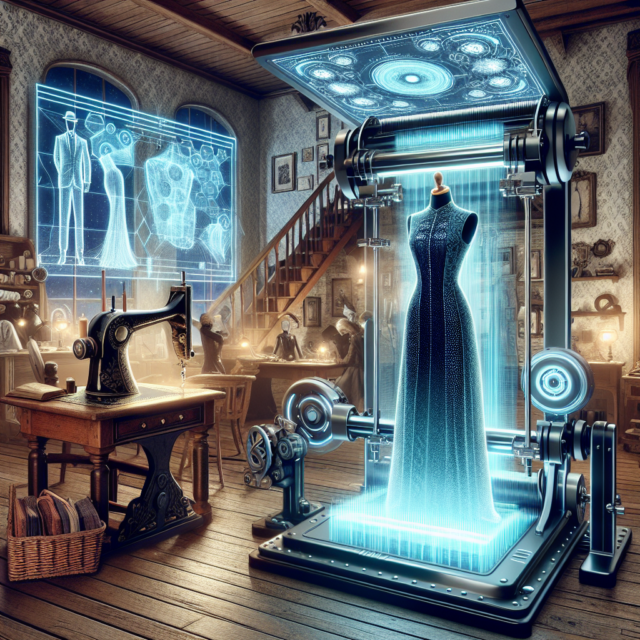
In recent years, the worlds of technology and couture fashion have begun to intersect in innovative and exciting ways. This fusion has not only transformed how fashion is designed, produced, and consumed but also redefined the boundaries of what is possible. By examining the evolution of fashion in the digital era, the innovative technologies that are reshaping couture design, and the future of fashion where technology and tradition merge, we gain a comprehensive understanding of this dynamic relationship.

The Evolution of Fashion in the Digital Era

The digital era has ushered in a new age for fashion, marked by rapid technological advancements and a shift in consumer behavior. Fashion houses are increasingly leveraging digital tools to enhance their creative processes and streamline operations. From digital sketching to virtual prototyping, designers now have access to a suite of technologies that allow them to bring their visions to life with unprecedented precision and speed. This evolution has democratized fashion, enabling emerging designers to compete on a global stage without the need for expansive resources.

Social media platforms have revolutionized the way fashion is marketed and consumed. Instagram, TikTok, and other digital channels have become crucial for brands to engage with their audience, offering a direct line of communication and immediate feedback. This constant connectivity has led to the rise of influencer culture, where individuals with significant online followings can sway consumer trends and preferences. Consequently, fashion brands are increasingly tailoring their strategies to cater to the digital-savvy consumer.

E-commerce has dramatically altered the retail landscape, providing consumers with the convenience of shopping from anywhere at any time. Online platforms offer a vast array of choices, enabling shoppers to compare products and prices with ease. This shift has forced traditional brick-and-mortar stores to innovate, incorporating technology into their operations to enhance the shopping experience. Augmented reality (AR) fitting rooms and interactive displays are becoming more commonplace, blending the physical and digital realms.

The rise of digital fashion shows has been another significant development. The COVID-19 pandemic expedited this trend, as brands sought alternative ways to showcase their collections. Virtual runways and immersive experiences have challenged the traditional fashion calendar, allowing designers to reach a wider audience without geographical constraints. This digital transformation has also opened up opportunities for creative experimentation, with designers exploring new formats and storytelling techniques.

Sustainability has become a major focus in the digital era, with technology playing a pivotal role in promoting eco-friendly practices. Fashion brands are utilizing digital tools to optimize supply chains, reduce waste, and create more sustainable products. Blockchain technology, for example, is being used to enhance transparency and traceability in the fashion industry, helping brands and consumers make more informed decisions.

Finally, the evolution of fashion in the digital era has fostered greater inclusivity and diversity. Technology has enabled brands to reach a broader audience, embracing diverse cultures, body types, and identities. Digital platforms have amplified the voices of marginalized communities, pushing the industry towards more equitable representation. This shift is not only reshaping fashion narratives but also inspiring new creative directions.

Innovative Technologies Transforming Couture Design

3D printing has emerged as a groundbreaking technology in couture design, offering designers a new realm of possibilities. This technology allows for the creation of intricate and complex designs that would be challenging to achieve through traditional methods. Designers can experiment with unconventional materials and structures, pushing the boundaries of creativity. Moreover, 3D printing can significantly reduce production times and costs, making it an attractive option for couture fashion.

Artificial intelligence (AI) is also making waves in the fashion industry, transforming how designers conceptualize and create their collections. AI-powered tools can analyze vast amounts of data to identify trends, predict consumer preferences, and even generate design ideas. This data-driven approach enables designers to make informed decisions and tailor their creations to meet market demands. Additionally, AI can assist in automating repetitive tasks, freeing up designers to focus on more strategic and creative aspects.

Virtual and augmented reality technologies are redefining the way fashion is experienced. Virtual reality (VR) allows consumers to immerse themselves in digital environments, experiencing fashion shows and collections as if they were physically present. AR, on the other hand, enhances the physical world by overlaying digital elements, such as virtual garments or accessories. These technologies offer new opportunities for storytelling and engagement, allowing brands to create memorable and interactive experiences for their audience.

Wearable technology is another area where fashion and technology intersect. Designers are integrating smart fabrics and sensors into their creations, enabling garments to respond to environmental stimuli or the wearer’s movements. These innovations open up new possibilities for functional and adaptive fashion, catering to the growing demand for personalized and tech-infused apparel. From heated jackets to fitness-tracking accessories, wearable technology is reshaping the way we interact with fashion.

The use of digital design software has become a staple in the couture design process. Programs like Adobe Illustrator and CLO 3D enable designers to create detailed digital prototypes, visualize their ideas in three dimensions, and make real-time adjustments. This technology not only enhances the precision and efficiency of the design process but also facilitates collaboration among design teams. Digital design tools have become indispensable in the modern fashion landscape, enabling designers to push creative boundaries.

Finally, the integration of sustainable technologies is transforming couture design practices. Eco-friendly materials, such as recycled fibers and biodegradable textiles, are gaining traction as designers seek to minimize their environmental impact. Technology is also enabling more efficient production processes, reducing waste and conserving resources. As sustainability becomes a core value in the fashion industry, technology will continue to play a crucial role in driving innovation and promoting responsible practices.

The Future of Fashion: Tech and Tradition Unite

As we look to the future, the fusion of technology and tradition promises to redefine the fashion landscape. Designers are increasingly embracing technology as a tool to enhance their creative expression while honoring traditional craftsmanship. This synergy allows for the preservation of cultural heritage and artisanal techniques, ensuring they remain relevant in a rapidly evolving industry. By combining the best of both worlds, designers can create pieces that are both innovative and timeless.

One of the most exciting prospects is the potential for personalized fashion experiences. Technology enables brands to offer bespoke services, tailoring garments to the individual preferences and measurements of each customer. This level of customization not only enhances the consumer experience but also reduces waste by minimizing overproduction. As technology continues to advance, the possibilities for personalization will expand, allowing for even greater levels of customization and consumer engagement.

The concept of the "phygital" experience is gaining traction, blending physical and digital elements to create immersive fashion experiences. Brands are exploring ways to integrate digital content into physical products, such as garments with embedded QR codes that link to virtual experiences or digital art. This approach offers new avenues for storytelling and brand engagement, allowing consumers to interact with fashion in novel and meaningful ways.

Collaboration between fashion and tech industries is likely to intensify, leading to the development of new materials and technologies. Research into smart textiles, bio-fabrication, and other cutting-edge innovations will drive the creation of garments that are not only aesthetically pleasing but also functional and sustainable. These collaborations will push the boundaries of what is possible, resulting in fashion that adapts to the needs and desires of the modern consumer.

Education and skill development will play a crucial role in preparing the next generation of designers for this tech-driven future. Fashion schools and institutions are increasingly incorporating technology into their curricula, equipping students with the skills needed to navigate the digital landscape. By fostering a culture of innovation and experimentation, the industry can cultivate a new wave of designers who are adept at merging technology and tradition.

Ultimately, the future of fashion lies in its ability to adapt and evolve. As technology continues to shape the industry, designers must remain open to new ideas and approaches while staying true to their creative vision. By embracing the intersection of technology and couture fashion, the industry can continue to captivate and inspire, creating a future where innovation and tradition coexist harmoniously.

The intersection of technology and couture fashion is a testament to the limitless possibilities that arise when creativity meets innovation. As the industry continues to evolve, the fusion of these two worlds will undoubtedly lead to new and exciting developments. By embracing technology while honoring tradition, fashion can continue to push boundaries, inspire change, and shape the future in profound and meaningful ways.
Exploring Emerging Trends in Digital Design and Art

In the rapidly evolving world of digital design and art, new trends are constantly emerging, driven by technological advancements and creative innovation. These trends are reshaping the landscape of artistic expression and design practices, offering exciting possibilities for artists, designers, and audiences alike. This article delves into some of the most significant emerging trends in digital design and art, exploring the dynamic interplay between technology and creativity, the innovative tools that are transforming design practices, and the growing popularity of interactive art installations.

The Intersection of Technology and Creativity

The convergence of technology and creativity is revolutionizing the way art and design are conceived and experienced. Artists and designers are increasingly leveraging digital tools to push the boundaries of their creative processes, resulting in a myriad of novel art forms that were previously unimaginable. This intersection has fostered a new era of digital creativity where technology acts as both a medium and a catalyst for artistic expression. From virtual reality (VR) and augmented reality (AR) to artificial intelligence (AI) and machine learning, these technologies are providing unprecedented opportunities for experimentation and innovation in the creative industries.

Digital design has become a playground for creative experimentation, where the limitations of traditional media are transcended by the possibilities offered by digital technologies. The integration of technology in creative processes allows for the synthesis of various art forms, enabling artists to produce multimedia works that engage multiple senses. This fusion of technology and creativity is not only transforming the creation of art but also its consumption, as audiences are invited to experience art in more immersive and interactive ways.

Moreover, technology is democratizing the art world by making creative tools more accessible to a wider audience. Platforms and applications that enable digital design are becoming increasingly user-friendly, allowing individuals without formal training to explore their creative potential. This democratization is fostering a more inclusive art community, where diverse voices and perspectives can be expressed and shared globally. As a result, the intersection of technology and creativity is not only enhancing artistic expression but also broadening the scope of who can participate in the art world.

Collaboration between artists and technologists is another significant aspect of this intersection, as interdisciplinary projects become more common. These collaborations often lead to innovative outcomes that neither discipline could achieve alone. Artists bring a unique perspective to technological development, while technologists provide the tools and expertise needed to realize ambitious creative visions. This synergy is leading to the emergence of new art forms and experiences that challenge traditional notions of art and design.

Furthermore, the intersection of technology and creativity is prompting a re-evaluation of the role of the artist in the digital age. As technology becomes an integral part of the creative process, questions arise about authorship, originality, and the value of digital art. Artists are navigating these challenges by redefining their roles and embracing the possibilities offered by technology to create works that are both innovative and reflective of contemporary society.

Finally, the integration of technology and creativity is influencing the educational landscape, as institutions adapt their curricula to prepare students for the demands of the digital age. Courses that combine art and technology are becoming more prevalent, equipping aspiring artists and designers with the skills needed to thrive in a technology-driven world. This educational shift is nurturing a new generation of creatives who are adept at navigating the complexities of digital design and art.

New Tools Shaping Digital Design Practices

The emergence of new tools is significantly shaping digital design practices, enabling designers to explore new creative avenues and streamline their workflows. Among these tools, AI-powered design software is at the forefront, offering capabilities such as generative design and automated image editing. These tools are revolutionizing the way designers approach their work, allowing them to focus more on creative decision-making while automating repetitive tasks. By harnessing the power of AI, designers can generate a multitude of design variations in a fraction of the time, fostering greater creativity and innovation.

3D modeling and rendering tools are also playing a crucial role in transforming digital design practices. With advancements in software and hardware, designers can create highly detailed and realistic 3D models that enhance the visual appeal of their projects. These tools are widely used in industries such as architecture, gaming, and film, where they enable the creation of immersive environments and lifelike characters. The accessibility of these tools is also increasing, allowing designers from various fields to experiment with 3D design and incorporate it into their work.

Virtual reality (VR) and augmented reality (AR) tools are further expanding the possibilities of digital design by enabling the creation of immersive and interactive experiences. Designers are using VR and AR to develop projects that engage users in new and exciting ways, from virtual showrooms and interactive product demonstrations to immersive art installations. These technologies are not only enhancing user engagement but also providing designers with new ways to visualize and present their work.

Collaboration tools are another significant development in digital design practices, facilitating teamwork and communication among designers across the globe. Platforms that support real-time collaboration and version control are streamlining the design process, allowing teams to work together more efficiently and effectively. These tools are particularly valuable in a remote work environment, where designers can collaborate seamlessly regardless of their physical location.

The rise of open-source design tools is also shaping digital design practices, providing designers with cost-effective alternatives to proprietary software. Open-source tools empower designers to customize and adapt the software to suit their specific needs, fostering a culture of innovation and collaboration. The growing popularity of these tools is contributing to a more diverse and inclusive design community, as they lower the barriers to entry for aspiring designers.

Finally, the integration of design tools with cloud-based platforms is transforming the way designers store, share, and access their work. Cloud computing is providing designers with the flexibility to work from anywhere, access their files on any device, and collaborate with others in real-time. This shift towards cloud-based design is enabling more efficient workflows and promoting greater collaboration and innovation in the field of digital design.

The Rise of Interactive Art Installations

Interactive art installations are gaining prominence in the art world, offering audiences a participatory experience that blurs the line between the observer and the artwork. These installations invite viewers to engage with the art in a dynamic and often multisensory manner, transforming them from passive spectators into active participants. The rise of interactive art is being fueled by advancements in technology, which provide artists with the tools to create immersive environments that respond to the presence and actions of the audience.

One of the key technologies driving the rise of interactive art installations is motion sensing, which allows artworks to react to the movements of viewers. By incorporating sensors and cameras, artists can create installations that change in real-time based on the audience’s interactions. This dynamic interplay between the artwork and the viewer creates a unique experience for each participant, as the installation adapts to their individual actions and responses.

Projection mapping is another technology that is contributing to the popularity of interactive art installations. By projecting images onto three-dimensional surfaces, artists can transform ordinary spaces into captivating visual experiences. Projection mapping allows for the creation of large-scale installations that envelop viewers in a world of light and color, inviting them to explore and interact with the environment in novel ways.

Interactive art installations are also leveraging sound and music to enhance the immersive experience. By integrating audio elements that respond to viewer interactions, artists can create multisensory environments that engage audiences on multiple levels. These installations often use sound to guide viewers through the space, creating a narrative or emotional journey that complements the visual aspects of the artwork.

The rise of interactive art installations is not limited to galleries and museums; they are increasingly found in public spaces, where they engage a broader audience. Public installations transform everyday environments into interactive art experiences, inviting passersby to pause and engage with the art. This accessibility is democratizing the art experience, making it available to individuals who may not typically visit traditional art venues.

Moreover, interactive art installations are fostering a sense of community and collaboration, as they often require the participation of multiple individuals to fully experience the artwork. This collaborative element encourages social interaction and dialogue, creating a shared experience that brings people together. As a result, interactive art installations are not only transforming the way art is experienced but also how it is valued and appreciated by society.

Finally, the rise of interactive art installations is prompting a reevaluation of the role of the artist and the audience in the creation of art. By inviting viewers to participate in the artwork, artists are challenging traditional notions of authorship and control, allowing the audience to become co-creators of the art experience. This shift is redefining the relationship between the artist, the artwork, and the viewer, opening up new possibilities for creative expression and engagement.

As digital design and art continue to evolve, the trends explored in this article highlight the transformative impact of technology on creative practices. The intersection of technology and creativity is pushing the boundaries of artistic expression, while new tools are empowering designers to innovate and collaborate more effectively. Interactive art installations are redefining the way audiences engage with art, offering immersive and participatory experiences that challenge traditional notions of authorship and audience. As these trends continue to develop, they promise to shape the future of digital design and art in exciting and unpredictable ways, paving the way for a new era of creativity and innovation.

Exploring the World of Digital Design Creators

In the rapidly evolving digital age, the world of design has undergone a transformative shift. Digital design creators are at the forefront of this movement, blending technology with creativity to produce visually compelling and functional designs. This article delves into the realm of digital design, exploring the landscape, key tools, techniques, and the challenges faced by designers in their creative journeys.

Unveiling the Digital Design Landscape

The digital design landscape is a dynamic and expansive field that encompasses various forms of visual communication. From web design and user interface (UI) design to digital illustration and motion graphics, the scope of digital design is vast and continually growing. This diversity allows for a plethora of creative expressions, each catering to different audiences and purposes.

One of the defining characteristics of digital design is its accessibility. With the proliferation of digital devices and internet connectivity, designers have unprecedented access to global platforms. This connectivity enables them to share their work with a wider audience, gain inspiration from diverse cultures, and collaborate with other creatives across the globe.

The evolution of technology has played a significant role in shaping the digital design landscape. Advancements in software and hardware have empowered designers to push the boundaries of creativity. High-performance computers, tablets, and smartphones equipped with advanced graphics capabilities have become essential tools for modern designers.

Moreover, the rise of social media and digital marketing has further propelled the demand for digital design. Brands and businesses are increasingly reliant on digital designers to create compelling visual content that captures attention and drives engagement. As a result, digital design has become an integral part of brand strategy and identity.

Despite its many advantages, the digital design landscape is not without its challenges. The rapid pace of technological change requires designers to constantly update their skills and adapt to new tools and trends. This ongoing learning process can be both exciting and daunting for digital design creators.

In summary, the digital design landscape is a vibrant and ever-changing domain that offers limitless possibilities for creativity and innovation. As technology continues to advance, digital designers will play a crucial role in shaping the visual experiences of the future.

Key Tools and Techniques for Designers

Digital design creators rely on an array of tools and techniques to bring their creative visions to life. Software programs such as Adobe Creative Suite, Sketch, and Figma are fundamental to the design process, offering a range of functionalities from vector graphics and photo editing to prototyping and collaboration.

Adobe Photoshop and Illustrator remain staples in the digital designer’s toolkit. Photoshop is renowned for its robust photo-editing capabilities, allowing designers to manipulate images with precision. Illustrator, on the other hand, is favored for creating scalable vector graphics, making it ideal for logo design and illustrations.

Sketch and Figma have gained popularity among UI/UX designers due to their user-friendly interfaces and collaborative features. These tools facilitate the design of interactive prototypes and wireframes, enabling designers to visualize and test user experiences before development.

Beyond software, digital design creators employ various techniques to enhance their work. Typography, color theory, and composition are fundamental principles that guide the design process. Mastery of these elements is crucial for creating visually appealing and effective designs.

The use of grids and layout systems is another essential technique in digital design. Grids help designers maintain consistency and alignment across different elements, contributing to a harmonious and balanced composition. This technique is particularly important in web and app design, where user interface consistency is key.

In addition to traditional techniques, digital designers are increasingly incorporating emerging technologies into their workflows. Augmented reality (AR) and virtual reality (VR) are opening new avenues for immersive design experiences, allowing creators to explore three-dimensional spaces and interactions.

Navigating Creative Challenges and Solutions

Digital design creators often face a myriad of creative challenges in their work. One common challenge is the pressure to stay relevant in an industry that is constantly evolving. Designers must keep abreast of the latest trends and technologies to ensure their skills remain competitive.

Another significant challenge is balancing creativity with functionality. While aesthetics are important, digital designs must also be practical and user-friendly. Achieving this balance requires a deep understanding of user behavior and the ability to empathize with the target audience.

Time constraints and tight deadlines can also pose challenges for digital designers. The fast-paced nature of the industry often demands quick turnarounds, leaving little room for extensive experimentation and refinement. Effective time management and prioritization are essential skills for navigating these pressures.

Collaboration is another area where digital design creators may encounter challenges. Working with clients, developers, and other stakeholders requires clear communication and negotiation skills. Misunderstandings or conflicting visions can hinder the design process and impact the final outcome.

To address these challenges, digital designers often rely on a variety of solutions. Continuous learning and professional development are key strategies for staying updated with industry trends and tools. Online courses, workshops, and design communities offer valuable opportunities for skill enhancement and networking.

Embracing feedback and iteration is another effective solution for overcoming creative challenges. Constructive criticism from peers and clients can provide fresh perspectives and insights, leading to improved designs. Iterative design processes allow for gradual refinement and optimization of creative concepts.

In conclusion, digital design creators are navigating a landscape rich with opportunities and challenges. Armed with a diverse set of tools and techniques, they craft compelling visual narratives that captivate audiences and drive engagement. Despite the hurdles they face, their ability to adapt, innovate, and collaborate ensures that digital design remains a vital and dynamic field. As technology continues to advance, the role of digital designers will only become more integral in shaping the future of visual communication.

Emerging Voices: Today’s Innovators in Digital Art

In the ever-evolving world of art, digital mediums have carved a significant niche, giving rise to a new generation of creators who blend technology with creativity. These emerging voices in digital art are not only redefining artistic boundaries but also influencing how art is perceived and consumed in the modern age. This article delves into the rise of these digital art innovators, the new talents shaping the digital art landscape, and the profound impact these emerging voices have on the art world.

Exploring the Rise of Digital Art Innovators

Digital art has seen a transformative rise over the past few decades, fueled by advances in technology and the increasing accessibility of digital tools. From graphic design software to virtual reality platforms, artists now have an expansive toolkit at their disposal, allowing them to explore new dimensions of creativity. This democratization of art creation has led to a surge in digital artists who experiment with various styles, from hyper-realistic digital paintings to abstract 3D sculptures.

The internet has played a crucial role in this rise, providing artists with platforms to showcase their work to a global audience. Social media, in particular, has been instrumental in this process, allowing artists to build communities and engage with audiences in real-time. Websites like Instagram, Behance, and ArtStation have become virtual galleries where digital artists can share their work and gain recognition without the traditional barriers of physical art spaces.

Moreover, the rise of digital art has been accompanied by a growing interest in NFTs (Non-Fungible Tokens), which offer artists a new way to monetize their digital creations. This innovation has not only added a new dimension to the art market but has also attracted a diverse range of artists who are interested in exploring the intersection of art, technology, and commerce. The NFT boom has highlighted the potential for digital art to be valued and collected in the same way as traditional art forms.

Educational institutions have also responded to the rise of digital art by incorporating digital media programs into their curricula. These programs equip aspiring artists with the skills needed to thrive in a digital landscape, from mastering software applications to understanding the nuances of digital aesthetics. As a result, a new generation of artists is emerging, well-versed in both traditional art principles and contemporary digital techniques.

The rise of digital art innovators has also prompted a reevaluation of what constitutes art and who gets to be called an artist. The accessibility of digital tools means that anyone with a computer and creativity can potentially become an artist, challenging traditional notions of artistry. This shift has led to a more inclusive art world, where diverse voices and perspectives are celebrated.

Ultimately, the rise of digital art innovators is a testament to the adaptability and resilience of the art world. As technology continues to evolve, so too will the ways in which artists create and share their work, ensuring that digital art remains a dynamic and influential force in the cultural landscape.

New Talents Shaping the Digital Art Landscape

In the vibrant and rapidly expanding digital art scene, a host of new talents are making their mark with innovative approaches and unique styles. These artists, often characterized by their willingness to experiment and push boundaries, are reshaping the digital art landscape, infusing it with fresh perspectives and creative energy.

One of the defining features of these new talents is their interdisciplinary approach to art-making. Many digital artists today draw inspiration from a wide range of fields, including animation, video games, graphic design, and even coding. This cross-pollination of ideas results in artworks that are rich in complexity and innovation, often blurring the lines between different art forms.

Another characteristic of emerging digital artists is their keen awareness of social and political issues. Many use their art as a platform to comment on contemporary events, environmental concerns, and social justice movements. By leveraging the reach and immediacy of digital platforms, these artists can engage a global audience, sparking conversations and raising awareness about critical issues.

Collaboration is also a key element in the work of new digital artists. The digital realm facilitates collaboration across geographical boundaries, allowing artists to work together on projects and share ideas in real-time. This collaborative spirit is evident in the rise of digital art collectives and online communities, where artists come together to create and support each other’s work.

The diversity of styles and techniques employed by new digital artists is staggering. From glitch art to generative design, these artists are constantly exploring new ways to express their ideas. This diversity not only enriches the digital art landscape but also ensures that there is something for everyone, regardless of taste or preference.

The rise of new digital art talents is also reflected in the increasing presence of digital art in mainstream art institutions. Museums and galleries around the world are beginning to recognize and exhibit digital art, acknowledging its importance and influence. This recognition not only validates the work of digital artists but also introduces their creations to a broader audience, further cementing their place in the art world.

As these new talents continue to shape the digital art landscape, they are paving the way for future generations of artists. Their innovative approaches and fearless exploration of new mediums are setting the stage for even more groundbreaking work, ensuring that digital art remains a vibrant and evolving field.

The Impact of Emerging Voices on Digital Art

The emergence of new voices in digital art has had a profound impact on the art world, influencing not only how art is created and consumed but also how it is valued and understood. These artists are challenging traditional art norms and redefining what it means to be an artist in the digital age.

One of the most significant impacts of emerging digital artists is the democratization of art creation and distribution. By leveraging digital tools and platforms, artists can reach a global audience without the need for traditional gatekeepers such as galleries and agents. This shift has made the art world more accessible and inclusive, allowing a diverse range of voices to be heard and appreciated.

Emerging digital artists are also redefining the concept of originality and authorship in art. In a world where digital artworks can be easily replicated and shared, these artists are exploring new ways to assert ownership and authenticity, often through the use of blockchain technology and NFTs. This exploration is forcing the art world to reconsider established notions of value and provenance.

The impact of emerging digital artists is also evident in the way art is consumed and experienced. Digital art often incorporates interactive elements, allowing viewers to engage with the work in new and immersive ways. This interactivity not only enhances the viewer’s experience but also transforms the role of the audience from passive observer to active participant.

Furthermore, the work of emerging digital artists is influencing other industries, such as fashion, advertising, and entertainment. Their innovative use of digital tools and techniques is inspiring new approaches to design and storytelling, blurring the boundaries between art and commerce. This cross-industry influence highlights the versatility and relevance of digital art in today’s world.

As these emerging voices continue to make their mark, they are also contributing to important conversations about the role of technology in art. Their work often explores themes related to artificial intelligence, data privacy, and the impact of digital culture on society, prompting viewers to reflect on the implications of living in a digitally connected world.

In conclusion, the impact of emerging voices in digital art is far-reaching and transformative. By challenging conventions and embracing new technologies, these artists are not only reshaping the art world but also influencing broader cultural and societal trends. As digital art continues to evolve, the contributions of these innovators will undoubtedly play a crucial role in shaping its future.

The realm of digital art is a dynamic and ever-changing landscape, continually enriched by the contributions of emerging artists. Their innovative approaches and fresh perspectives are reshaping the boundaries of artistic expression, ensuring that digital art remains a vital and influential force in the cultural sphere. As technology continues to advance, these emerging voices will undoubtedly play a pivotal role in guiding the evolution of digital art, inspiring future generations of artists and audiences alike.

Exploring Emerging Trends in the World of Digital Art

The realm of digital art is a dynamic and ever-evolving landscape, where technology and creativity converge to push the boundaries of what is possible. As artists harness the power of digital tools and innovative techniques, they are redefining the traditional concepts of art and expression. This article delves into the emerging trends in digital art, exploring the new frontiers, the rise of innovative techniques and tools, and the profound impact of technology on creativity.

Unveiling the New Frontiers in Digital Art

Digital art is continuously expanding its horizons, driven by advancements in technology and the unyielding creativity of artists. One of the most significant frontiers in digital art is the exploration of virtual and augmented reality. These immersive technologies are transforming the way art is experienced, allowing audiences to step inside a painting or interact with sculptures in a virtual space. This shift not only enhances viewer engagement but also opens up new possibilities for storytelling and artistic expression.

Another frontier is the integration of artificial intelligence in the creation of digital art. AI algorithms are being used to generate complex patterns, create unique visual effects, and even compose music. Artists are collaborating with machines to produce works that challenge the boundaries of human imagination. This symbiotic relationship between human creativity and machine intelligence is leading to the emergence of artworks that are both innovative and thought-provoking.

Blockchain technology is also making waves in the digital art world, particularly through the rise of non-fungible tokens (NFTs). NFTs provide a way to authenticate and monetize digital art, offering artists new revenue streams and collectors a secure way to own unique digital assets. This development has sparked a debate about the value of digital art and its place in the traditional art market, leading to a re-evaluation of what constitutes art ownership and provenance in the digital age.

The democratization of art creation and distribution is another frontier being explored. With the proliferation of online platforms and social media, artists can now reach a global audience without the need for traditional galleries or exhibitions. This accessibility has led to a more diverse and inclusive art scene, where artists from different backgrounds and cultures can share their work and engage with audiences worldwide.

Additionally, the fusion of traditional and digital techniques is creating new opportunities for artists. Many are blending classical methods with digital tools to produce hybrid artworks that resonate with both traditionalists and modernists. This fusion is leading to the creation of unique art forms that bridge the gap between the physical and digital worlds.

Finally, the exploration of new mediums such as 3D printing and digital installations is pushing the boundaries of how art is created and experienced. Artists are using technology to create sculptures and installations that challenge the perception of space and form, offering audiences a multi-dimensional experience that transcends the limitations of traditional art forms.

The Rise of Innovative Techniques and Tools

The digital art landscape is witnessing a surge in innovative techniques and tools that are revolutionizing the way artists create and share their work. One of the most significant developments is the use of digital painting software, which offers a wide range of brushes, textures, and effects that mimic traditional media. These tools allow artists to experiment with color and form in ways that were previously unimaginable, leading to the creation of vibrant and dynamic artworks.

3D modeling and animation software are also gaining popularity among digital artists. These tools enable the creation of intricate and detailed models that can be animated to tell compelling stories. The ability to manipulate objects in a three-dimensional space offers artists a new level of creative freedom, allowing them to explore complex narratives and bring their visions to life with stunning realism.

The rise of generative art is another trend that is reshaping the digital art scene. Artists are using algorithms and code to generate artworks that evolve over time or respond to user input. This approach not only challenges the traditional notion of art as a static object but also invites viewers to become active participants in the creative process. Generative art is blurring the lines between artist and audience, creating a dynamic interplay that is both engaging and thought-provoking.

Virtual reality (VR) and augmented reality (AR) tools are also gaining traction, offering artists new ways to create immersive experiences. By using VR and AR, artists can transport viewers to entirely new worlds or overlay digital elements onto the physical environment. These technologies are expanding the possibilities of storytelling and audience engagement, allowing for the creation of interactive artworks that challenge the boundaries of perception and reality.

In addition, the development of AI-powered tools is transforming the creative process. AI algorithms can analyze vast amounts of data and generate unique artistic elements, providing artists with new sources of inspiration and creativity. These tools are not only enhancing the efficiency of the creative process but also enabling artists to explore new styles and techniques that were previously inaccessible.

Finally, the advent of blockchain technology and NFTs is changing the way digital art is bought, sold, and owned. Artists can now tokenize their work and sell it directly to collectors, bypassing traditional intermediaries. This shift is empowering artists to take control of their careers and reach a global audience, while also offering collectors a secure way to own and trade digital assets.

Navigating the Impact of Technology on Creativity

The impact of technology on creativity is profound, reshaping the way artists approach their work and engage with audiences. One of the most significant effects is the democratization of art creation. With access to digital tools and online platforms, artists from diverse backgrounds can now share their work with a global audience. This has led to a more inclusive and diverse art scene, where voices that were once marginalized can now be heard and celebrated.

Technology is also challenging traditional notions of authorship and originality. With the rise of generative art and AI-assisted creation, questions about the role of the artist and the nature of creativity are coming to the forefront. Artists are now collaborators with machines, using algorithms to generate new ideas and push the boundaries of what is possible. This shift is prompting a re-evaluation of the creative process and the definition of art itself.

Moreover, technology is transforming the way art is experienced and consumed. Virtual and augmented reality are offering audiences new ways to engage with art, creating immersive environments that transport viewers to different worlds. This shift is changing the relationship between the artist and the audience, allowing for more interactive and participatory experiences that challenge traditional modes of art consumption.

The rise of social media and online platforms is also impacting the art world, providing artists with new avenues for self-promotion and audience engagement. Artists can now build their brands and connect with fans directly, bypassing traditional gatekeepers such as galleries and critics. This direct connection with audiences is empowering artists to take control of their careers and reach new heights of success.

However, the integration of technology in the art world is not without its challenges. Issues such as copyright infringement, digital piracy, and the environmental impact of digital art production are raising concerns among artists and collectors. As the digital art landscape continues to evolve, finding solutions to these challenges will be crucial to ensuring the sustainability and integrity of the art ecosystem.

Finally, technology is fostering collaboration and cross-disciplinary innovation. Artists are increasingly working with technologists, scientists, and other creatives to explore new ideas and create groundbreaking works. This collaboration is leading to the development of new art forms and experiences that challenge the boundaries of traditional art and inspire audiences to think differently about the world around them.

As we navigate the ever-changing world of digital art, it is clear that technology is playing a pivotal role in shaping the future of creativity. From the exploration of new frontiers to the rise of innovative techniques and tools, digital art is redefining the boundaries of artistic expression and audience engagement. As artists continue to experiment and innovate, the digital art landscape will undoubtedly continue to evolve, offering new opportunities and challenges for both creators and audiences alike. In this exciting era of digital creativity, the possibilities are limitless, and the future of art is bright.

Exploring Sustainability in the World of Digital Art

In recent years, the world of digital art has burgeoned into a vibrant sphere of creativity and innovation. As artists increasingly harness technology to create and share their work, questions surrounding sustainability have emerged. The digital realm, often perceived as an intangible and limitless space, is now under scrutiny for its environmental and ethical implications. This article delves into the concept of sustainability within digital art, examining the environmental impact of digital creations and highlighting innovations that drive sustainable practices.

Understanding Sustainability in Digital Art

Sustainability in digital art encompasses a range of practices and considerations that aim to minimize environmental impact while promoting ethical and responsible creation. At its core, sustainability involves the conscious use of resources, a commitment to reducing carbon footprints, and fostering an inclusive and equitable digital landscape. As digital art continues to evolve, artists and platforms are increasingly aware of the need to balance creativity with ecological responsibility.

Digital art, by its nature, is less resource-intensive than traditional forms that require physical materials such as paints, canvases, and sculptures. However, sustainability in digital art is not solely about material usage. It also involves addressing the energy consumption associated with creating, storing, and sharing digital works. As data centers and servers power the digital world, they contribute significantly to energy use and carbon emissions, prompting a re-evaluation of digital art’s sustainability.

The role of digital platforms is crucial in shaping sustainable practices. As gatekeepers of the digital art marketplace, platforms like NFT marketplaces and digital galleries have the potential to influence artist behavior and consumer choices. By implementing green policies and promoting sustainable practices, these platforms can lead the way in fostering a more sustainable digital art ecosystem.

Education and awareness are fundamental to advancing sustainability in digital art. Artists and consumers alike need to be informed about the environmental impacts of their digital activities and the ways in which they can mitigate these effects. Workshops, seminars, and online resources can play a pivotal role in disseminating knowledge and encouraging sustainable practices within the digital art community.

Collaboration is another key component of sustainability in digital art. By working together, artists, technologists, and environmentalists can develop innovative solutions that address the ecological challenges posed by digital creation. Collaborative efforts can lead to the development of more efficient technologies, sustainable platforms, and a supportive network that champions ecological responsibility.

Ultimately, understanding sustainability in digital art is about recognizing the interconnectedness of all digital activities and their impact on the environment. It involves a commitment to continuous learning, adaptation, and innovation in pursuit of a digital art world that respects and preserves our planet’s resources.

The Environmental Impact of Digital Creations

Digital art, while often seen as a more environmentally friendly alternative to traditional art forms, still carries a significant environmental footprint. The creation, storage, and dissemination of digital artworks require substantial energy consumption, primarily driven by the infrastructure that supports the internet and digital technologies. Data centers, which house the servers that store and process digital information, are major energy consumers and contribute to carbon emissions on a global scale.

The use of blockchain technology in the digital art world, particularly in the realm of non-fungible tokens (NFTs), has further amplified concerns about environmental impact. The process of minting and trading NFTs involves complex cryptographic calculations, known as mining, which are energy-intensive. Critics argue that the carbon footprint of NFTs is disproportionately high, raising ethical questions about the sustainability of this burgeoning market.

In addition to energy consumption, the environmental impact of digital art is also linked to electronic waste. As technology advances, devices used for creating and viewing digital art quickly become obsolete, contributing to the growing problem of e-waste. The disposal of electronic devices poses significant environmental challenges, as they contain hazardous materials that can leach into the environment if not properly managed.

Efforts to mitigate the environmental impact of digital creations are gaining momentum. Artists are exploring alternative blockchain technologies that are less energy-intensive, such as proof-of-stake mechanisms, which offer a more sustainable approach to NFT transactions. Additionally, some artists are choosing to offset their carbon footprint by investing in renewable energy projects or purchasing carbon credits.

The environmental impact of digital art is not solely the responsibility of artists. Collectors, platforms, and consumers also play a role in driving demand for sustainable practices. By prioritizing eco-friendly platforms and supporting artists who are committed to sustainability, the digital art community can collectively work towards reducing its environmental footprint.

Addressing the environmental impact of digital creations requires a holistic approach that considers the entire lifecycle of digital artworks, from creation to consumption. By adopting sustainable practices and technologies, the digital art world can continue to thrive while minimizing its impact on the planet.

Innovations Driving Sustainable Digital Practices

In the quest for sustainability, digital artists and technologists are pioneering a range of innovations aimed at reducing the environmental impact of digital art. One of the most promising developments is the adoption of energy-efficient blockchain technologies. These innovations, such as proof-of-stake and layer-2 solutions, significantly reduce the energy required for transactions, offering a more sustainable alternative to traditional proof-of-work systems.

Another area of innovation is the development of eco-friendly digital art platforms. These platforms prioritize sustainability by implementing green policies, such as using renewable energy sources for data centers, optimizing server efficiency, and encouraging artists to adopt sustainable practices. By providing a marketplace for digital art that aligns with ecological values, these platforms are setting a new standard for sustainability in the digital art world.

Artists themselves are also at the forefront of driving sustainable practices. Many are exploring new mediums and techniques that minimize resource use and energy consumption. For instance, generative art, which uses algorithms to create visuals, can be produced with minimal energy input compared to traditional digital art methods. Artists are also experimenting with virtual reality and augmented reality as sustainable alternatives to physical exhibitions, reducing the need for travel and physical infrastructure.

Collaboration between artists, technologists, and environmental organizations is fostering a culture of innovation in sustainable digital practices. By sharing knowledge and resources, these collaborations are leading to the development of new tools and techniques that enhance the sustainability of digital art. Initiatives such as hackathons and collaborative projects are providing a platform for creative solutions to emerge.

Education and advocacy are essential in driving the adoption of sustainable digital practices. By raising awareness about the environmental impact of digital art and promoting sustainable alternatives, artists and organizations can influence consumer behavior and encourage the industry to prioritize sustainability. Educational campaigns, workshops, and online resources play a crucial role in equipping artists and consumers with the knowledge needed to make informed decisions.

The future of digital art lies in its ability to innovate and adapt to the challenges of sustainability. By embracing new technologies, fostering collaboration, and prioritizing education, the digital art community can lead the way in creating a more sustainable and environmentally conscious future for art in the digital age.

As the digital art world continues to expand, so too does the imperative for sustainable practices. By understanding the environmental impact of digital creations and embracing innovations that drive sustainability, the digital art community can rise to the challenge of creating a more responsible and eco-friendly future. Through collaboration, education, and technological advancement, artists, platforms, and consumers have the opportunity to shape a digital art landscape that not only inspires creativity but also safeguards the planet for future generations.

Exploring the Intersection of Technology and Art

In the modern era, the landscape of art has been dramatically reshaped by the rapid advancements in technology. This intersection of technology and art is not just a fleeting trend but a profound transformation that is redefining how art is created, perceived, and experienced. As digital innovation continues to permeate every aspect of our lives, artists are increasingly embracing new tools and techniques, pushing the boundaries of creativity and expression. This article delves into the dynamic fusion of creativity and digital innovation, explores how technology is transforming artistic expression, and examines how artists are bridging the gap by embracing new tools.

The Fusion of Creativity and Digital Innovation

The fusion of creativity and digital innovation marks a significant shift in the art world, offering unprecedented opportunities for artists to explore new dimensions of expression. Digital tools such as graphic design software, virtual reality, and augmented reality have opened up a plethora of possibilities, enabling artists to create works that were previously unimaginable. This convergence has led to the emergence of digital art as a recognized and respected art form, blurring the lines between traditional and contemporary practices.

Moreover, this fusion has democratized the creation and distribution of art. With the advent of digital platforms, artists can now share their work with a global audience without the need for traditional galleries or exhibitions. This accessibility has not only expanded the reach of art but also fostered a diverse and inclusive artistic community where voices from different backgrounds and cultures can be heard and appreciated.

The integration of technology into art has also led to the development of new genres and forms. Interactive installations, for instance, invite viewers to engage with art in a participatory manner, transforming them from passive observers to active participants. Similarly, digital sculptures and 3D-printed artworks challenge traditional notions of form and materiality, offering new ways to experience and interpret art.

Furthermore, the fusion of creativity and digital innovation has facilitated collaborations between artists and technologists. These interdisciplinary partnerships have sparked innovative projects that merge artistic vision with technical expertise, resulting in groundbreaking works that push the boundaries of both fields. This collaborative spirit is fostering a vibrant ecosystem where art and technology coalesce to create something entirely new and exciting.

As technology continues to evolve, artists are increasingly experimenting with artificial intelligence and machine learning to create art. These tools offer new possibilities for generative art, where algorithms and data sets are used to produce unique and intricate patterns, compositions, and forms. This exploration of AI in art challenges traditional notions of authorship and creativity, prompting discussions about the role of the artist in the digital age.

In conclusion, the fusion of creativity and digital innovation is not just a meeting of two worlds but a symbiotic relationship that is driving the evolution of art. As artists continue to explore and experiment with new technologies, the boundaries of what is considered art will continue to expand, leading to exciting and uncharted territories.

How Technology is Transforming Artistic Expression

Technology is transforming artistic expression in profound ways, allowing artists to explore new mediums and techniques that were previously inaccessible. Digital painting, for example, has revolutionized the way artists create visual art, offering a versatile and dynamic canvas that can be manipulated with precision and ease. This digital approach not only enhances the creative process but also enables artists to experiment with colors, textures, and forms in ways that traditional mediums cannot.

Virtual reality (VR) and augmented reality (AR) are also playing a pivotal role in transforming artistic expression. These immersive technologies allow artists to create and present their work in three-dimensional spaces, offering viewers an interactive and engaging experience. VR and AR have the potential to transport audiences to entirely new worlds, blurring the line between reality and imagination, and providing a platform for artists to tell stories in innovative and captivating ways.

Moreover, technology is enabling artists to incorporate elements of time and motion into their work. Video art and digital animation, for instance, allow artists to convey narratives and emotions through moving images, adding a dynamic layer to traditional art forms. This integration of motion and interactivity invites viewers to engage with the artwork on a deeper level, creating a more immersive and impactful experience.

The rise of digital platforms and social media has also transformed the way art is shared and consumed. Artists now have the ability to reach a global audience with just a few clicks, breaking down geographical and cultural barriers. This digital connectivity has not only increased the visibility of artists but also facilitated cross-cultural exchanges and collaborations, enriching the global art scene with diverse perspectives and ideas.

Additionally, technology is challenging conventional notions of originality and authenticity in art. The ability to easily reproduce and manipulate digital works raises questions about the value and ownership of art in the digital age. This shift is prompting artists and audiences alike to reconsider the significance of the physical object in an increasingly digital world.

In summary, technology is not just a tool for artistic expression but a catalyst for change that is reshaping the very nature of art. As artists continue to explore the possibilities offered by digital innovation, the art world will undoubtedly witness new forms of expression and storytelling that challenge and inspire.

Bridging the Gap: Artists Embrace New Tools

Artists are increasingly embracing new tools to bridge the gap between traditional and digital art forms, blending old techniques with new technologies to create hybrid works that are both innovative and rooted in tradition. This approach allows artists to honor the past while exploring the future, creating a dialogue between different artistic practices and perspectives.

One way artists are bridging this gap is by incorporating digital tools into traditional mediums. For instance, painters are using digital tablets to sketch their ideas before transferring them to canvas, allowing for greater precision and flexibility in the creative process. Similarly, sculptors are utilizing 3D modeling software to design and test their concepts before bringing them to life in physical form, combining the tactile qualities of traditional sculpture with the precision of digital technology.

Artists are also leveraging technology to reinterpret and reimagine historical art forms. Digital restoration techniques, for example, enable artists to reconstruct and preserve ancient artworks, providing new insights into the artistic practices of the past. This fusion of old and new techniques not only enhances our understanding of art history but also inspires contemporary artists to experiment with new ways of creating and experiencing art.

In addition to blending traditional and digital practices, artists are exploring new tools to expand their creative horizons. Artificial intelligence, for instance, is being used to generate unique compositions and patterns, offering artists a new source of inspiration and collaboration. This exploration of AI in art challenges traditional notions of creativity and authorship, prompting artists to reconsider their role in the creative process.

Furthermore, artists are embracing new tools to engage with audiences in innovative ways. Interactive installations and digital performances invite viewers to participate in the artistic experience, creating a sense of connection and engagement that transcends traditional boundaries. This participatory approach not only enhances the viewer’s experience but also encourages artists to explore new ways of storytelling and expression.

In conclusion, artists are not just adopting new tools for the sake of novelty but are thoughtfully integrating them into their practice to create meaningful and impactful work. By bridging the gap between traditional and digital art forms, artists are opening up new possibilities for creativity and expression, paving the way for a more inclusive and dynamic art world.

The intersection of technology and art is a dynamic and ever-evolving landscape that is reshaping the way we create, experience, and understand art. As technology continues to advance, artists are embracing new tools and techniques to push the boundaries of creativity and expression, leading to the emergence of new art forms and genres. This fusion of creativity and digital innovation is not only transforming artistic expression but also fostering a more inclusive and interconnected global art community. As we look to the future, the possibilities for art and technology are limitless, offering exciting opportunities for artists and audiences alike to explore and engage with the world in new and meaningful ways.

Exploring Future Digital Trends Shaping Brand Strategies

In an era where digital transformation is no longer a choice but a necessity, brands are constantly seeking ways to stay ahead of the curve. As we stand on the brink of a new decade, the landscape of digital innovation is poised for dramatic shifts that will redefine how brands engage with consumers, craft their narratives, and deliver value. This article delves into the future digital trends that are set to shape brand strategies, offering a comprehensive exploration of the emerging technologies and shifts that are on the horizon.

Unveiling the Next Wave of Digital Innovations

As we gaze into the future, the next wave of digital innovations is set to be both transformative and disruptive. Technologies such as artificial intelligence (AI) and machine learning continue to evolve at a rapid pace, offering brands unprecedented opportunities to personalize and enhance customer experiences. The integration of AI in customer service, for example, is expected to become more sophisticated, with chatbots and virtual assistants delivering more intuitive and human-like interactions.

In addition to AI, the rise of the Internet of Things (IoT) is creating a more interconnected world. This connectivity allows brands to gather vast amounts of data from various touchpoints, enabling them to gain deeper insights into consumer behavior and preferences. With IoT, brands can offer more personalized products and services, thus fostering greater customer loyalty and engagement.

Blockchain technology, often associated with cryptocurrencies, is also making waves across various industries. For brands, blockchain offers a new level of transparency and security, which can enhance trust with consumers. By utilizing blockchain, companies can ensure the authenticity of their products, streamline supply chain processes, and protect customer data from breaches.

The advent of extended reality (XR), which encompasses virtual reality (VR) and augmented reality (AR), is another trend reshaping the digital landscape. Brands are leveraging XR to create immersive experiences that captivate audiences and provide a new way to interact with products. From virtual showrooms to AR-enhanced shopping experiences, XR is redefining how brands engage with their consumers.

Moreover, the growing importance of sustainability is influencing digital innovations, with brands increasingly adopting eco-friendly technologies. Innovations such as green data centers, sustainable packaging, and renewable energy solutions are becoming integral to brand strategies, as consumers demand more environmentally responsible practices.

Finally, the concept of the metaverse—a collective virtual shared space—is gaining traction. Brands are exploring this digital frontier as a new platform for engagement, marketing, and commerce. The metaverse presents an opportunity for brands to create unique digital identities and connect with consumers in a more immersive and interactive environment.

Navigating the Digital Landscape for Brands

As digital innovations continue to unfold, brands must skillfully navigate this evolving landscape to remain competitive. The first step for brands is to embrace a digital-first mindset, recognizing that digital channels are now the primary means of reaching and engaging consumers. This requires a shift in perspective, where digital is not just an add-on but a core component of the brand strategy.

To effectively navigate the digital landscape, brands must prioritize data-driven decision-making. By leveraging analytics and insights, brands can better understand consumer preferences, predict trends, and tailor their offerings accordingly. This data-centric approach enables brands to create more targeted and relevant marketing campaigns, ultimately driving better results.

Another critical aspect of navigating the digital landscape is maintaining a strong online presence. This goes beyond having a website or social media profiles; it involves creating a cohesive digital identity that resonates with the target audience. Brands must invest in high-quality content, engage with consumers across multiple platforms, and ensure a seamless user experience to build and sustain their digital presence.

Collaboration and partnerships are also essential for brands navigating the digital landscape. By working with technology providers, startups, and other industry players, brands can access new tools and innovations that enhance their capabilities. These collaborations can lead to the development of new products, services, and experiences that keep brands at the forefront of digital innovation.

Brands must also be agile and adaptable, ready to pivot their strategies in response to new trends and technologies. The digital landscape is characterized by rapid change, and brands that fail to adapt risk being left behind. This requires a culture of innovation and experimentation, where brands are willing to take risks and learn from failures.

Lastly, brands must prioritize consumer trust and transparency in their digital strategies. As data privacy concerns grow, brands must be transparent about how they collect, use, and protect consumer data. Building trust with consumers is crucial for long-term success, and brands that prioritize ethical practices and transparency will be better positioned to thrive in the digital age.

Adapting Brand Strategies to Emerging Technologies

With the rapid pace of technological advancement, adapting brand strategies to emerging technologies is crucial for sustained success. One of the first steps in this adaptation process is to integrate AI and machine learning into various aspects of the business. By harnessing the power of AI, brands can automate processes, enhance customer interactions, and deliver personalized experiences, thereby increasing efficiency and customer satisfaction.

As IoT continues to expand, brands must adapt by leveraging the data generated from connected devices to inform their strategies. This involves creating data-driven marketing campaigns, optimizing supply chain operations, and developing products that align with consumer needs and preferences. By utilizing IoT data, brands can make more informed decisions and offer tailored solutions that resonate with their audience.

Blockchain technology offers brands an opportunity to enhance transparency and trust, which are increasingly important to consumers. Brands can adapt their strategies by incorporating blockchain to verify the authenticity of products, ensure ethical sourcing, and protect consumer data. This not only builds trust with consumers but also differentiates the brand in a competitive market.

The rise of XR technologies presents brands with new avenues for engagement and interaction. By incorporating VR and AR into their strategies, brands can create immersive experiences that captivate consumers and provide a unique way to showcase products. Whether through virtual try-ons, interactive advertisements, or immersive storytelling, XR offers endless possibilities for brands to connect with their audience.

Sustainability is becoming a key consideration in brand strategies, driven by consumer demand for eco-friendly practices. Brands can adapt by integrating sustainable technologies and practices into their operations, such as using renewable energy, reducing waste, and adopting circular economy principles. This not only aligns with consumer values but also enhances brand reputation and loyalty.

Finally, as the concept of the metaverse gains traction, brands must explore how they can establish a presence in this new digital realm. This involves creating virtual identities, developing digital products and services, and engaging with consumers in immersive and interactive ways. The metaverse offers a new frontier for brand engagement, and those who embrace it early will be well-positioned to lead in the digital age.

As we venture into a future defined by rapid digital innovation, brands must be proactive in adapting their strategies to harness the potential of emerging technologies. By embracing a digital-first mindset, leveraging data-driven insights, and prioritizing transparency and trust, brands can navigate the complexities of the digital landscape and create meaningful connections with their consumers. The brands that successfully integrate these future digital trends into their strategies will not only stay relevant but also thrive in an increasingly digital world.

Exploring the Rise of AI Fashion and Digital Couture

The fashion industry has always been a vibrant tapestry of creativity, innovation, and cultural expression. As we progress deeper into the 21st century, the intersection of technology and fashion has become increasingly pronounced. Artificial intelligence (AI) is now a driving force in reshaping the industry, offering new possibilities in design, production, and consumer engagement. One of the most intriguing developments in this realm is the emergence of AI fashion and digital couture. This article delves into the evolution of AI within the fashion industry, the advent of digital couture, and how technology is bridging the gap between innovation and style.

The Evolution of AI in the Fashion Industry

Artificial intelligence has gradually woven itself into the fabric of the fashion industry, transforming traditional practices and pioneering new paradigms. Initially, AI’s role was largely behind the scenes, assisting with supply chain management and inventory optimization. Retailers leveraged AI algorithms to predict trends and manage stock, reducing waste and improving efficiency. As AI technology matured, its applications expanded beyond logistics to influence every stage of the fashion lifecycle.

The design phase has seen a radical transformation due to AI’s capabilities. Designers now utilize AI-driven tools to generate new ideas, streamline the creative process, and even produce entirely new design aesthetics. These tools can analyze vast amounts of data, including historical fashion trends, color palettes, and consumer preferences, to suggest innovative designs that resonate with contemporary audiences. This data-driven approach enables designers to create collections that are not only visually appealing but also commercially viable.

AI’s impact is also evident in the realm of personalization. Brands are increasingly using AI to offer customized fashion recommendations, tailoring marketing efforts and product offerings to individual consumer preferences. This level of personalization enhances customer satisfaction and loyalty, providing a competitive edge in a crowded marketplace. By analyzing data from social media, purchase history, and browsing behavior, AI systems can predict what consumers want even before they themselves realize it.

Moreover, AI has revolutionized the retail experience through virtual fitting rooms and augmented reality applications. These technologies allow customers to visualize how clothing items will look and fit without physically trying them on, bridging the gap between digital and physical shopping experiences. This innovation not only enhances convenience but also reduces return rates, benefiting both consumers and retailers.

Sustainability is another critical area where AI has made significant contributions. By optimizing production processes and supply chains, AI helps reduce the environmental impact of fashion manufacturing. Additionally, AI-driven tools can evaluate the sustainability of materials and suggest eco-friendly alternatives, aligning with the growing consumer demand for sustainable fashion options.

In essence, AI has become an indispensable tool in the fashion industry, driving efficiency, creativity, and sustainability. As technology continues to evolve, its influence on fashion will undoubtedly expand, opening new frontiers for designers, brands, and consumers alike.

Digital Couture: A New Era of Design Innovation

Digital couture represents a bold new frontier in fashion design, where the boundaries between the physical and digital worlds blur. This innovative approach leverages cutting-edge technologies such as 3D modeling, virtual reality, and AI to create garments that exist entirely in the digital realm. These digital designs can be worn in virtual environments, offering a fresh avenue for self-expression and creativity.

One of the most significant advantages of digital couture is its limitless potential for creativity. Designers can experiment with forms, materials, and concepts that would be impossible or impractical in the physical world. This freedom allows for the exploration of avant-garde aesthetics and innovative fashion experiences that challenge traditional norms. Digital couture also provides a platform for emerging designers to showcase their talents without the constraints of physical production.

The concept of digital ownership is integral to digital couture. Non-fungible tokens (NFTs) have emerged as a popular mechanism for buying, selling, and trading digital fashion items. These tokens offer a new way to establish value and ownership in the digital space, allowing fashion enthusiasts to collect and display unique pieces within virtual environments. This development has opened up new revenue streams for designers and brands, expanding the economic landscape of the fashion industry.

Digital couture also has implications for sustainability. By eliminating the need for physical materials and production, digital fashion reduces waste and carbon emissions associated with traditional garment manufacturing. This environmentally friendly approach aligns with the growing demand for sustainable fashion solutions and offers a glimpse into a more responsible future for the industry.

The rise of digital couture has also influenced how fashion is consumed and experienced. Virtual fashion shows and digital runways have become increasingly common, enabling designers to reach global audiences without the logistical challenges of physical events. These digital formats offer an immersive experience, combining fashion with cutting-edge technology to create a spectacle that captivates viewers worldwide.

As digital couture continues to evolve, it promises to redefine the fashion industry, pushing the boundaries of creativity and innovation. By embracing digital technologies, designers and brands can explore new dimensions of style and expression, forging a path toward a future where fashion transcends the physical realm.

Bridging Technology and Style in Modern Fashion

The fusion of technology and style in modern fashion is not merely a trend but a transformative shift that is reshaping the industry. This convergence is driven by the desire to enhance the consumer experience, streamline production processes, and push the boundaries of what is possible in design. From smart textiles to AI-driven design tools, technology is permeating every aspect of fashion, creating a dynamic and interconnected ecosystem.

Smart textiles represent a significant advancement in the intersection of technology and fashion. These innovative materials are embedded with sensors and electronic components, enabling garments to interact with the wearer and the environment. Smart textiles can monitor health metrics, adjust temperature, and even change color or pattern, offering a new level of functionality and personalization. This technology not only enhances the wearer’s experience but also opens up new possibilities for creative expression in fashion design.

Wearable technology is another area where style and technology intersect. Devices such as smartwatches and fitness trackers have become ubiquitous, blending seamlessly with fashion to offer both functionality and aesthetic appeal. Designers are increasingly collaborating with technology companies to create wearables that prioritize style without compromising on technological capabilities. This collaboration is driving innovation, resulting in products that are both fashionable and functional.

The integration of AI in fashion design has also contributed to the blending of technology and style. AI-powered tools assist designers in creating unique patterns, textures, and silhouettes that push the boundaries of traditional fashion. These tools can analyze vast datasets to identify emerging trends and consumer preferences, enabling designers to craft collections that resonate with contemporary audiences. The result is a harmonious blend of artistic creativity and technological precision.

Augmented reality (AR) and virtual reality (VR) technologies are further bridging the gap between technology and style. AR applications allow consumers to visualize how clothing items will look on them in real-time, enhancing the online shopping experience. VR, on the other hand, offers immersive fashion shows and virtual runways, providing a unique platform for designers to showcase their creations. These technologies are transforming how fashion is consumed and experienced, offering a more interactive and engaging experience for consumers.

The collaboration between technology and fashion has also fostered greater inclusivity and accessibility. Adaptive fashion, designed for individuals with disabilities, is gaining traction, thanks to technological advancements. AI and smart textiles are being used to create garments that are not only stylish but also functional and comfortable for people with diverse needs. This inclusivity is reshaping the fashion landscape, making style accessible to a broader audience.

In conclusion, the integration of technology and style in modern fashion is a powerful force driving the industry forward. By embracing technological innovations, designers and brands can create more personalized, sustainable, and inclusive fashion experiences. As technology continues to evolve, its impact on fashion will only deepen, promising a future where style and technology are inextricably linked.

The rise of AI fashion and digital couture marks a pivotal moment in the evolution of the fashion industry. As technology continues to advance, it offers unprecedented opportunities for creativity, sustainability, and personalization. The fusion of AI, digital couture, and modern fashion techniques is reshaping the industry, challenging traditional norms, and setting the stage for a future where fashion transcends physical limitations. As we navigate this exciting new landscape, the possibilities are endless, promising a future where technology and style coexist harmoniously, redefining the essence of fashion for generations to come.

Crafting a Brand Identity Through Digital Presence

In today’s hyper-connected world, a brand’s digital presence is crucial for establishing its identity and engaging with a broader audience. The digital realm offers unprecedented opportunities for brands to communicate their values, mission, and story, but it also presents challenges in maintaining authenticity and consistency. Crafting a brand identity through digital presence requires a strategic approach that aligns with the brand’s core values while leveraging the dynamic nature of online platforms. This article delves into the essential components of brand identity, strategies for building a digital presence, and the importance of integrating brand values into online platforms.

Understanding the Core of Brand Identity

Brand identity is the essence of what a brand stands for and how it communicates its values and personality to the world. It encompasses elements such as the brand’s mission, vision, values, voice, and visual elements like logos and color schemes. At its core, brand identity is about creating a cohesive and authentic image that resonates with the target audience. It’s not just about aesthetics; it’s about conveying a story and a set of values that the audience can connect with emotionally.

A strong brand identity serves as a foundation for all marketing efforts. It helps differentiate a brand from its competitors and builds trust and loyalty among consumers. When a brand’s identity is clear and consistent, it becomes easier for consumers to remember and recognize it, which is crucial in a crowded marketplace. Understanding the core of brand identity involves a deep dive into the brand’s purpose and the unique value it offers to its audience.

The process of defining a brand identity often begins with introspection and research. Brands need to understand their target audience, market trends, and competitive landscape to develop an identity that is both relevant and distinctive. This involves identifying the brand’s unique selling propositions (USPs) and the emotional benefits it offers to consumers. By aligning these elements with the brand’s mission and values, a coherent identity begins to take shape.

Visual elements are a significant part of brand identity, but they must be supported by a strong narrative. The story a brand tells about itself should be reflected in every aspect of its identity, from its logo and website design to its social media presence and customer interactions. Consistency across these elements helps reinforce the brand’s message and ensures that it is perceived as trustworthy and reliable.

Brand identity also evolves over time as the brand grows and the market changes. It’s important for brands to remain flexible and open to change while staying true to their core values. This adaptability allows brands to remain relevant and maintain a strong connection with their audience. Regularly revisiting and refining the brand identity can help ensure it continues to align with the brand’s goals and the expectations of its audience.

Ultimately, understanding the core of brand identity is about creating a clear and compelling narrative that resonates with the audience and guides all brand communications. It’s the foundation upon which a successful digital presence is built, allowing brands to effectively engage with their audience and foster long-term relationships.

Strategies for Building a Digital Presence

Building a digital presence involves a strategic approach that leverages various online platforms to reach and engage with the target audience. One of the first steps in this process is defining the brand’s digital goals. These goals might include increasing brand awareness, driving website traffic, generating leads, or enhancing customer engagement. Clear objectives provide direction and help measure the success of digital initiatives.

Once the goals are established, brands need to identify the most appropriate digital channels for reaching their audience. This could include a mix of social media platforms, a company website, email marketing, and online advertising. Each channel serves a different purpose and offers unique opportunities for engagement. For example, social media is excellent for building community and fostering direct interaction, while a website serves as a hub for comprehensive information about the brand.

Content plays a crucial role in building a digital presence. Creating high-quality, relevant, and engaging content helps attract and retain the audience’s attention. This content should reflect the brand’s identity and values while addressing the needs and interests of the target audience. Regularly updating content and staying current with industry trends can help maintain audience interest and encourage repeated visits.

Search engine optimization (SEO) is another essential strategy for enhancing digital presence. By optimizing website content for search engines, brands can improve their visibility and attract organic traffic. This involves using relevant keywords, creating valuable content, and ensuring the website is user-friendly and technically sound. A strong SEO strategy can significantly increase a brand’s online reach and accessibility.

Engagement is key to building a strong digital presence. Brands should actively interact with their audience through comments, direct messages, and social media posts. This interaction not only builds relationships but also provides valuable insights into audience preferences and behaviors. Listening to the audience and responding to their feedback can help refine digital strategies and improve overall brand perception.

Finally, analytics and performance measurement are critical components of a successful digital strategy. By tracking key performance indicators (KPIs) such as website traffic, social media engagement, and conversion rates, brands can assess the effectiveness of their digital efforts. This data-driven approach allows for continuous improvement and optimization of digital strategies, ensuring they align with the brand’s goals and audience expectations.

Integrating Brand Values into Online Platforms

Integrating brand values into online platforms is essential for ensuring that a brand’s digital presence is authentic and consistent. Brand values are the guiding principles that shape the brand’s actions and communications. When these values are clearly reflected in the brand’s digital presence, they help build trust and loyalty among the audience.

One way to integrate brand values into online platforms is through consistent messaging. Whether it’s a social media post, a blog article, or a video, the content should align with the brand’s values and convey a coherent message. This consistency helps reinforce the brand’s identity and ensures that the audience receives a unified experience across all touchpoints.

Visual elements also play a significant role in communicating brand values. The design of a website, the imagery used in social media posts, and the overall aesthetic of digital content should reflect the brand’s personality and values. This visual consistency helps create a recognizable image that resonates with the audience and differentiates the brand from its competitors.

Storytelling is a powerful tool for integrating brand values into online platforms. By sharing stories that illustrate the brand’s values and mission, brands can create an emotional connection with their audience. This could involve highlighting customer success stories, showcasing behind-the-scenes content, or sharing the brand’s journey and milestones. Authentic storytelling helps humanize the brand and fosters a deeper connection with the audience.

User-generated content (UGC) is another effective way to integrate brand values into digital platforms. Encouraging customers to share their experiences and stories related to the brand can amplify its values and extend its reach. UGC not only builds community and engagement but also provides social proof that reinforces the brand’s credibility and trustworthiness.

Finally, integrating brand values into online platforms requires ongoing commitment and adaptability. As the digital landscape evolves and consumer expectations change, brands must remain true to their core values while being open to new ways of expressing them. Regularly reviewing and updating digital content and strategies ensures that the brand remains relevant and aligned with its values.

Crafting a brand identity through digital presence is a multifaceted process that requires a deep understanding of the brand’s core values, strategic planning, and consistent execution. By defining a clear brand identity, employing effective digital strategies, and integrating brand values into online platforms, brands can create a compelling and authentic digital presence that resonates with their audience. As the digital landscape continues to evolve, maintaining a strong and consistent brand identity will be crucial for building lasting relationships with consumers and achieving long-term success.

Popular Posts

My Favorites