

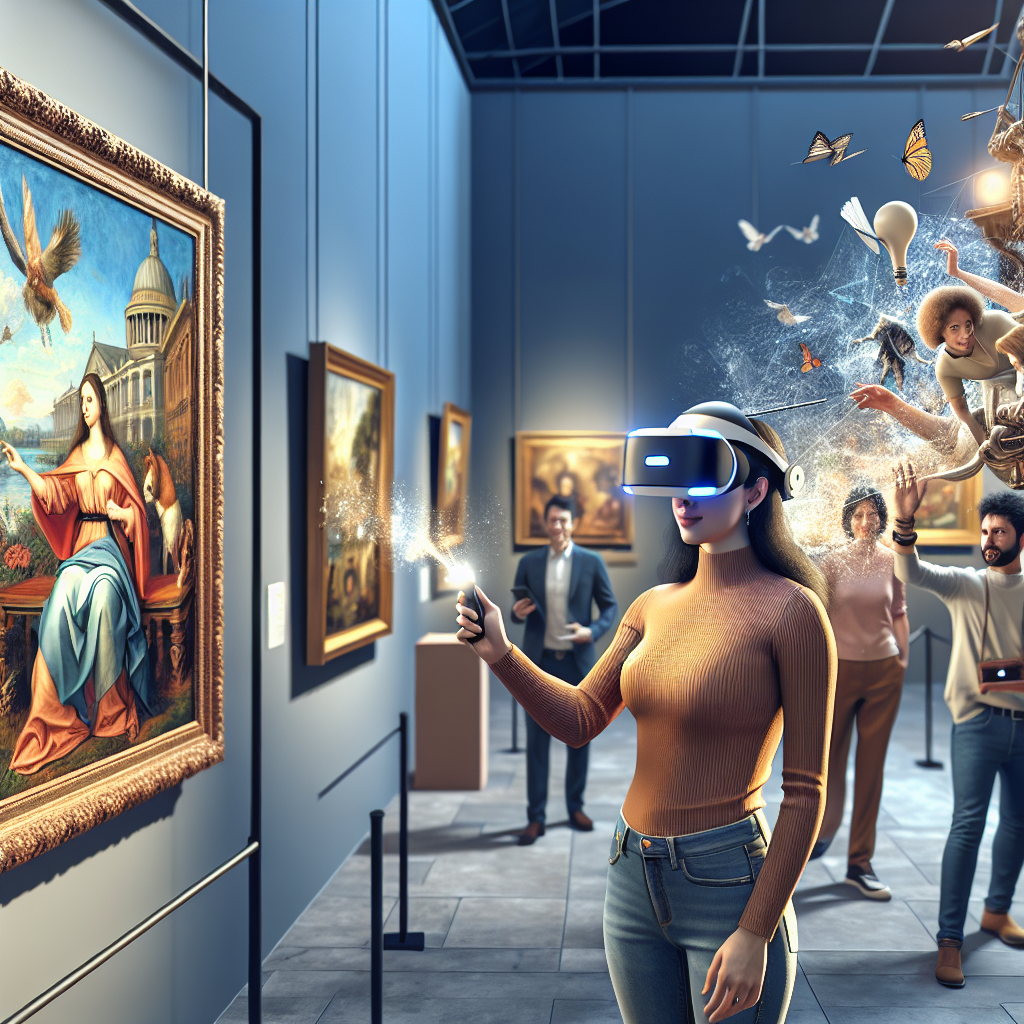
In the age of digital innovation, the art world is undergoing a dramatic transformation. Traditional canvas paintings that once dominated galleries are now sharing space with immersive experiences driven by augmented reality (AR) and virtual reality (VR). These technologies are not just augmenting artistic expression; they are entirely reinventing how we perceive, interact with, and experience art.
The Intersection of Technology and Art
At the core of this evolution is the desire to transcend the physical limitations of traditional art forms. Artists are increasingly leveraging AR and VR to create interactive experiences that engage viewers in unprecedented ways. Rather than merely observing a piece of art, audiences can become part of the narrative, exploring three-dimensional landscapes, or even stepping inside a painting.
Augmented Reality: Bridging the Gap Between Real and Digital
AR enriches the viewer’s experience without isolating them from the physical world. By using smartphones or tablets, users can point their device at a painting, and the artwork springs to life. This interaction can include animations, supplementary information, or even immersive narratives that provide context and enhance understanding.
For example, Artivive is a platform that enables artists to superimpose digital layers onto traditional art. When viewed through an app, static paintings can animate, helping to communicate the artist’s message more profoundly. Museums have begun integrating these technologies to create guided tours that blend historical context with virtual reconstructions.
Virtual Reality: A Journey into New Realms
If AR offers an embellishment to the real world, VR plunges users into entirely new ones. With VR headsets, users can wander through fantastical landscapes crafted by artists or explore historical settings that may no longer exist. This level of immersion allows for a deep emotional connection to the artwork, as viewers are not just spectators but active participants.
Artists like Jon Rafman have utilized VR to create experiences that challenge perceptions of reality. His work, "Kool-Aid Man in Second Life," offers a narrative that investigates themes of existence through a digital lens. Such projects enable discussions around modern life, identity, and the implications of technology itself.
Rethinking Engagement and Accessibility
One of the most significant impacts of AR and VR in the art world is the democratization of art experiences. These technologies offer a platform for voices that may have been marginalized in traditional settings. Artists from diverse backgrounds can showcase their work globally, reaching audiences who might never set foot in a conventional gallery.
Moreover, AR and VR can make art more accessible to people with disabilities. Virtual exhibitions can be designed with inclusivity in mind, ensuring that everyone has the opportunity to engage with art in meaningful ways.
Case Studies of Transformation
Several institutions and artists are at the forefront of implementing AR and VR to redefine the art experience:
-
The Vatican Museums: By integrating AR, these historical treasures can be accessed from anywhere in the world. Visitors can explore the architecture virtually and learn about their significance through immersive storytelling.
-
The Museum of Other Realities: This VR platform allows users to engage with digital artwork in a shared virtual space, simulating the experience of a physical gallery while connecting global audiences.
-
Refik Anadol’s "Unsupervised": This project employs AI to analyze and create art based on vast datasets. Viewers can step into a VR environment where these digital artworks continuously evolve, reflecting the interplay of technology and human creativity.
The Future of Artistic Expression
As AR and VR technologies continue to advance, the possibilities for artistic expression and engagement will expand exponentially. Artists are no longer confined by the traditional parameters of their mediums; they can blend disciplines and challenge conventional narratives.
While some purists may worry about the implications of technology on art’s authenticity, many others argue that these innovations enhance the creative dialogue. By pushing boundaries, new forms of art force us to rethink our understanding of what art can be.
Conclusion
As AR and VR reshape the art landscape, we find ourselves living in an exciting time for both creators and consumers. These technologies not only redefine interaction and engagement but also invite us to imagine the future of art in a digital age. The canvas may be evolving, but the essence of artistic expression remains vital and transformative, constantly inspiring new generations to dream and create. Whether standing in front of a traditional canvas or navigating a virtual landscape, the spirit of art continues to thrive, enriched by the cutting-edge possibilities that lie ahead.


