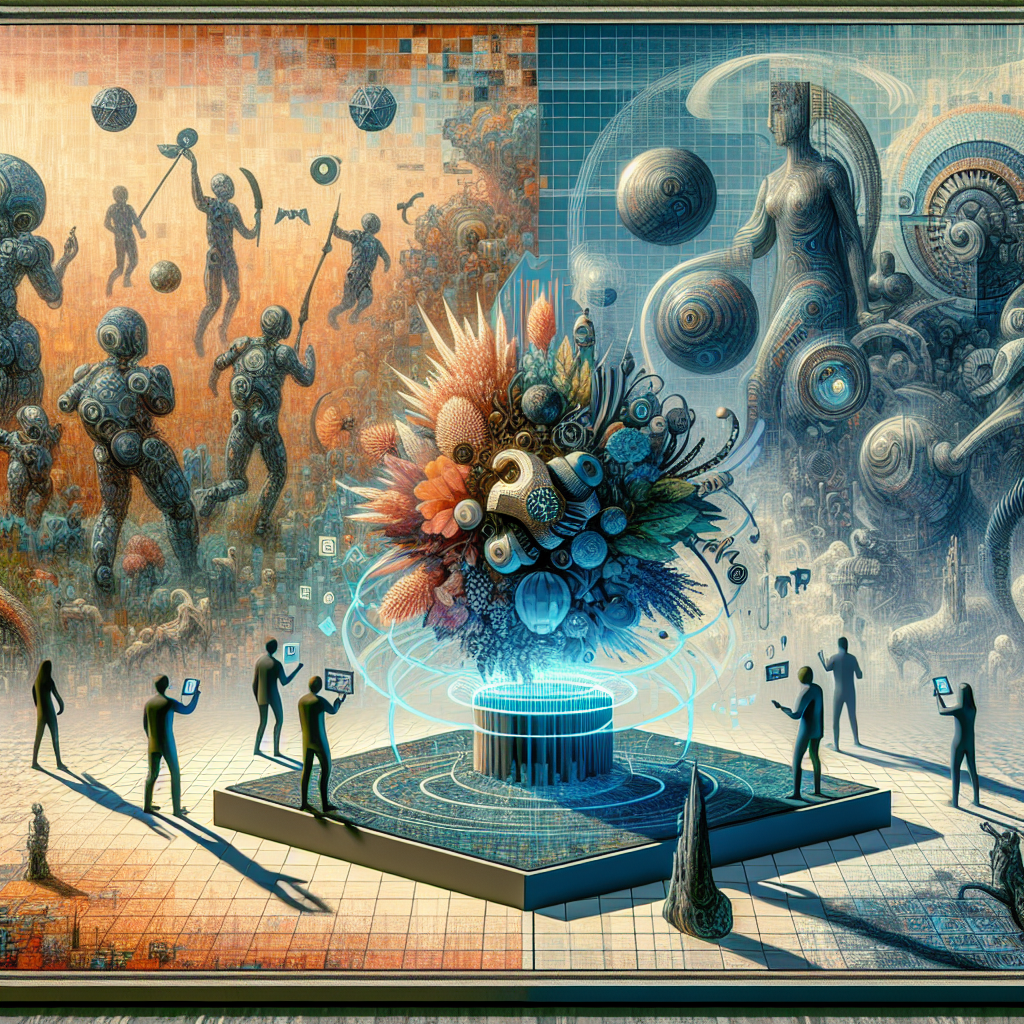
As we step into 2025, the intersection of technology and art continues to redefine creative expression. The evolving landscape is marked by innovative tools, novel mediums, and immersive experiences that challenge traditional notions of artistry. Here are key trends that are transforming the creative world.
1. Artificial Intelligence as Co-Creator
AI has shifted from being a tool for artists to a collaborative partner. Programs like OpenAI’s DALL-E and other generative models empower artists to create stunning visual compositions. By providing artists with the ability to explore vast possibilities—whether through AI-generated imagery or automated assistance in writing poetry—creativity now knows no bounds. Artists are pairing their vision with AI’s capabilities, leading to unique, hybrid forms of art that reflect a dialogue between human and machine.
2. Augmented and Virtual Reality Experiences
The rise of augmented reality (AR) and virtual reality (VR) technologies is blurring the lines between physical and digital art. Artists can now craft immersive environments that invite audiences to step inside their works. Galleries are evolving, with virtual exhibitions allowing viewers from around the globe to engage with exhibits as if they were physically present. This democratization of art access fosters broader participation and new perspectives, enriching the overall cultural dialogue.
3. Blockchain and NFTs: Transforming Ownership and Authenticity
The emergence of blockchain technology and non-fungible tokens (NFTs) continues to revolutionize the concept of ownership in the art world. Artists are empowered to tokenize their work, ensuring authenticity and provenance while receiving royalties with every resale. In 2025, we see mainstream acceptance of NFTs, not just as digital collectibles but as integral components of the art market. This shift is paving the way for new economic models and supporting emerging artists who might otherwise struggle to find their footing.
4. Biodesign and Living Art
Art in 2025 increasingly incorporates elements of biodesign, where living organisms and biological materials are utilized to create dynamic installations. From algae-based artworks to living sculptures made of responsive plants, artists are embracing sustainability and the ecological narrative. This trend challenges viewers to consider humanity’s relationship with nature and the impact of technology on our environment.
5. Interactive and Participatory Art
In the contemporary art scene, passivity is being replaced by interactivity. Artists are developing projects that invite audience participation, blurring the line between creator and viewer. These interactive pieces often utilize sensors, responsive technology, or community involvement, fostering a sense of ownership among participants. This trend not only engages audiences but also encourages dialogue and collective creativity.
6. Data as Art
Data visualization evolves into an art form as artists mine complex datasets to create compelling and visually arresting pieces. By transforming raw data into aesthetic experiences, artists comment on social issues, climate change, and human behavior. This trend highlights an important dialogue about interpretation, merging analytics with emotional resonance, and pushing the boundaries of how we understand and engage with information.
7. The Rise of Digital Immersive Installations
Digital art installations are moving beyond screens, becoming multifaceted experiences that engage all the senses. Utilizing projections, soundscapes, and tactile elements, these works transform spaces into interactive realms. As technology becomes more accessible, artists are experimenting with immersive installations that challenge viewers to navigate and interact with their surroundings.
Conclusion
As we navigate the transformative artistic landscape of 2025, the integration of technology pushes creative boundaries, encouraging an ongoing dialogue between artists, their works, and audiences. The embrace of AI, AR/VR, blockchain, biodesign, interactive engagement, data, and immersive installations promises a vibrant future for the arts—one where innovation and expression flourish in tandem. This dynamic evolution invites not just admiration but deep reflection on the role of creativity in a rapidly changing world. The art of the future is a collaborative canvas, ripe for exploration and discovery.