

Introduction
The intersection of technology and art has long sparked innovation, but recent advancements in artificial intelligence (AI) are setting the stage for an unprecedented era of digital expression. As AI technologies evolve, they offer artists new tools, perspectives, and methods of creation, reshaping the landscape of art as we know it. This convergence not only expands the boundaries of artistic expression but also invites a reevaluation of creativity, authorship, and the role of the artist in society.
The Emergence of AI in Art
AI in art is not merely a futuristic concept; it is a burgeoning reality. From AI-generated paintings and digital installations to music and literature, algorithms are now capable of producing artworks that challenge traditional notions of creativity. Notable projects, such as Google’s DeepDream and OpenAI’s DALL-E, demonstrate the capacity of AI to generate visual content that mimics human creativity. These tools transform the process of art-making, allowing creators to explore new dimensions in their work.
Democratization of Art Creation
One of the most significant impacts of AI on the art world is the democratization of artistic expression. Traditional barriers—such as technical skill and access to resources—are lowered as AI tools become accessible to a broader audience. Platforms like Artbreeder and Runway ML enable individuals with limited artistic training to produce visually compelling works, opening up new avenues for non-traditional artists. This shift not only diversifies the voices in the art community but also fosters a more inclusive environment for creativity.
Collaboration Between Human and Machine
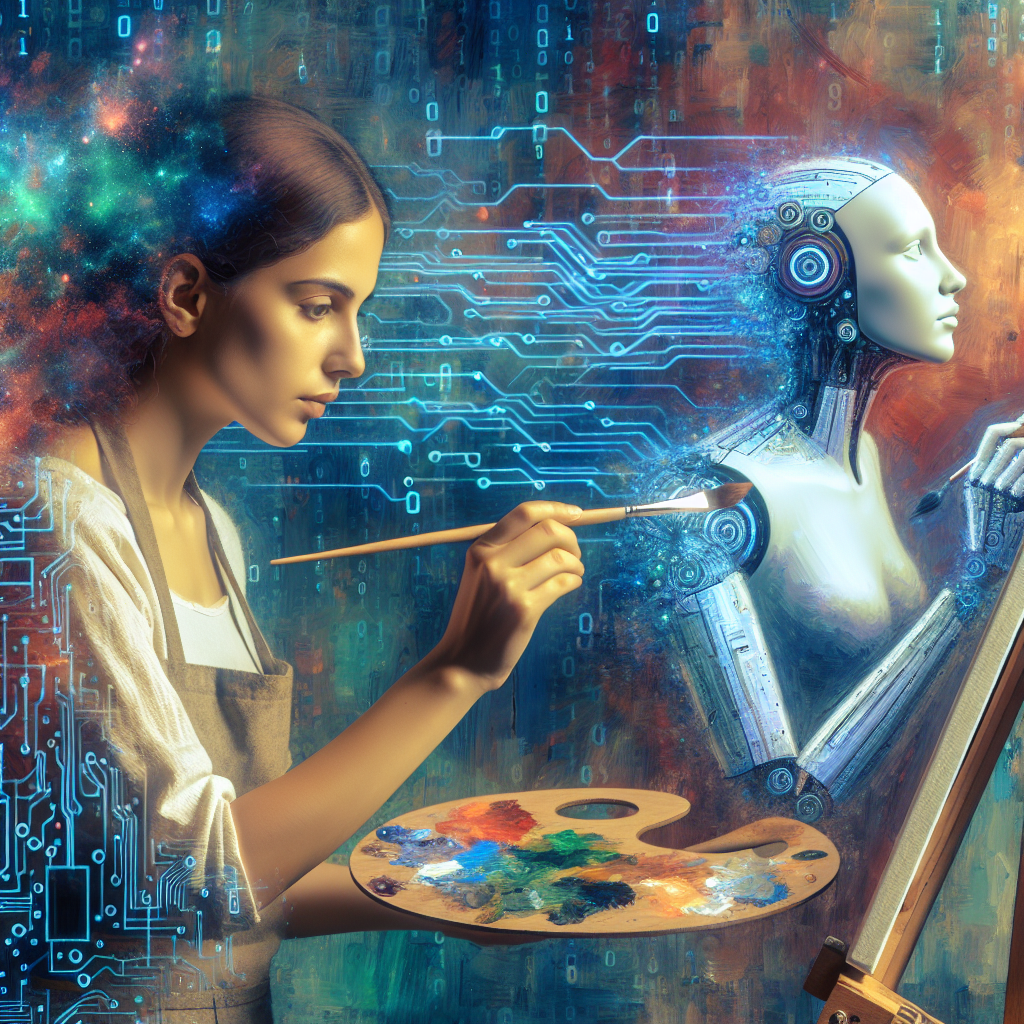
The relationship between artists and AI can be seen as a collaboration rather than a replacement. Many artists utilize AI as a partner in the creative process, treating it as a tool to enhance their work rather than a substitute for it. This synergy allows for exploration beyond the constraints of human capability, resulting in innovative artworks that reflect the interplay between human intention and machine learning. For example, artist Refik Anadol employs AI algorithms to transform data into immersive installations, blending technology and creativity in groundbreaking ways.
Redefining Creativity and Authorship
As AI-generated artworks gain recognition, questions surrounding creativity and authorship come to the forefront. Who is the true creator: the algorithm or the human who guided it? This dilemma challenges the conventional understanding of authorship and sparks philosophical debates about the nature of creativity itself. Some argue that AI-generated art lacks the emotional depth and intentionality inherent in human creation, while others contend that the collaboration between humans and machines can produce unique emotional experiences.
The Future of Art in the Age of AI
Looking ahead, the future of art is poised for transformation. AI is expected to continue influencing artistic practices, leading to new genres and forms of expression. Immersive experiences incorporating virtual reality, augmented reality, and generative art will likely become mainstream, offering audiences novel ways to engage with art.
Furthermore, ethical considerations surrounding AI-generated art will become increasingly important. Issues of copyright, ownership, and cultural appropriation must be addressed to ensure that artists are protected in this new landscape. As AI evolves, so too must our frameworks for understanding and regulating its impact on the art world.
Conclusion
Pioneering digital expression through AI marks a transformative chapter in the history of art. As barriers dissolve and new forms of creativity emerge, the potential for innovation appears limitless. The collaboration between human and machine promises to redefine what it means to be an artist, offering fresh perspectives on creativity, authorship, and the essence of art itself. As we venture into this uncharted territory, the future of art, rich with possibility, beckons us to embrace the unknown.


