Development Hell, thy name is RoboCop — no longer! After years of tentative hype, a TV series based on the original 1987 film is reportedly moving forward at Amazon’s Prime Video. Details are still vague, with everything from the intended showrunner to cast and crew as yet unknown.
Considering that the original RoboCop is a far-from-subtle indictment of a corporate-led monoculture, it could be said that the new Amazon-backed series transcends self-satire by its mere existence. Still, this might not come as a huge surprise to anyone who remembers the merchandising juggernaut of the original film, rife with gun-toting super-cop action figures, comparatively weak sequels, and not one but two animated series. Despite this, RoboCop remains a surprisingly thoughtful examination of a whole slew of societal ills. If Amazon’s reboot is going to succeed, there are a few things the new show’s creative team needs to keep in mind.
5
The body horror
Image: Amazon MGM Studios
Let’s face it, RoboCop is not for the faint of heart. Far from a thoughtless 1980s shoot-’em-up action flick, director Paul Verhoeven went out of his way to show the real and devastating personal cost for Alex Murphy (Peter Weller). As the victim of violent crime, he is pulled back from the brink of death and encased in a tomb-like control suit. As his memory flickers in and out and his bodily autonomy ebbs, Alex’s inner torment is deeply unsettling. Without that grisly body horror, the impact of his transformation into RoboCop would be muted, so here’s hoping the TV series leans all the way in.
4
The RoboCop armor
Image: Amazon MGM Studios
The practical effects of the original RoboCop are legendary, with elaborate death scenes and a heavy, clunky suit made out of polyurethane and fiberglass giving our antihero an unforgettable look. In the world of VFX, it’s now possible to almost entirely skip the endless months spent assembling the original RoboCop design, but there has to be a happy medium between making our next RoboCop wear an inflexible tank every day and casting us into total VFX unreality. The horror of RoboCop is the reality of it — if we don’t believe that there’s a broken man trapped in that trigger-happy murder suit, this whole series falls apart before it even begins.
3
The surveillance state
“Cloth-eared hooligan” is one of the game’s many curious language choicesImage: Teyon/Nacon via Polygon
With the well-documented rise in things like AI warfare, mass surveillance, and police brutality over the last several years, this iteration of RoboCop is going to have its job cut out for it saying something beyond simply reiterating 2026 headlines. After all, many of RoboCop’s 1987 predictions have come disturbingly true in some notable ways, with greedy corporate overlords destroying social safety nets in order to offer incentivized, privatized alternatives ringing unfortunately quite true in the modern era. The same oligarchs pushing untested, unproven tech with the goal of replacing human beings with a mechanical workforce also unfortunately does not sound much like science “fiction” these days, either.
2
Don’t forget, it’s funny
Peter Weller in RoboCop.Photo: Orion Pictures
Maybe the most underappreciated element of the original film is that Verhoeven loves a good yuk. Much of the violence in the film is exaggerated to the point of absurdity, because the creative team simply thought it made the film funnier. Forget the political allegory; it might be more important that the showrunner commits to having as much fun as Verhoeven did while making the original.
1
The moral complexity
Image: Amazon MGM Studios
The original RoboCop actively avoids giving easy answers. By the time the credits roll, corporate overlord Dick Jones (Ronny Cox) has fallen, but the system still remains. Alex triumphs, but he’s still trapped inside a murder robot, forever alienated from his life’s purpose. The gun twirl he once amused his son with is the punctuation of the film, but even that reads more as a scathing acknowledgment of the cartoonish violence that a police state brings. Alex overcomes his programming, but the violent underbelly of the institutions he dedicated his life to protecting can’t be deterred by one man’s hero quest. That complexity is the heart of RoboCop, and that’s going to be what makes or breaks this attempt at reigniting the franchise.
Barring that, at least there’s bound to be some sick action sequences. Sign us up.
Bitcoin holds around $67K as geopolitical tensions around the Strait of Hormuz keep global markets on edge.
Institutional flows remain mixed, with ETF shifts and whale activity signaling a transition from buying to caution.
Despite volatility, BTC stability is driven by lingering institutional demand and risk-off sentiment across markets.
Bitcoin (BTC) is under pressure as tensions near the Strait of Hormuz rise, putting markets on edge. Despite this, BTC has held steady around $67K, according to market maker Wintermute.
As of writing, according to CoinMarketCap, the top cryptocurrency was trading at $68,391.98, down 1.81% in the past 24 hours.
Last week saw sharp swings: Iran suggested it could end the conflict with security guarantees, sending the S&P 500 up 3.4% and briefly pushing oil down from $111 to $105 per barrel. But Trump’s primetime address, warning of further strikes on Iran, quickly reversed the moves, lifting WTI by 11% and Brent above $112.
The situation escalated Friday after U.S. combat aircraft were lost and Iran struck Gulf refineries. A 45-day ceasefire plan has emerged, but uncertainty remains. Wintermute analysts warned, “If Tuesday’s ‘Power Plant Day’ threat happens and Iran retaliates, the oil risk premium rebuilds immediately.” Markets are now reacting sharply to every headline, pricing in extreme outcomes.
Institutional flows support BTC amid market stress
Digital assets showed mixed performance last week. Bitcoin ($BTC) rose 2%, while Ethereum ($ETH) gained 4.2%, showing solid stability. The Fear & Greed Index sits at 34 as of writing, signaling extreme fear, and social sentiment remains very negative.
Institutional demand continues to support Bitcoin: ETFs bought about 50,000 BTC in March, Strategy added 44,000 BTC, and Morgan Stanley got NYSE approval for a spot BTC ETF, giving 16,000 advisors direct access.
Recent data shows a change. The last week of March saw $414 million in ETF outflows, exchange whale ratios jumped, and corporate treasury buying slowed.
Wintermute’s OTC data suggests institutions are moving from buying to neutral, edging toward net selling as geopolitical risks linger. Despite this shift, institutional demand remains the main factor keeping BTC in its current range.
Altcoins and technical trends
Ethereum (ETH) grew popular because staking was becoming an attractive strategy amid high interest rates. The price of Solana (SOL) fell below $80 after the $285 million Drift Protocol hack, the biggest DeFi hack this year so far. In general, altcoins underperformed, declining by 0.3%, indicating that people are investing in BTC and ETH.
As for the technical situation, Bitcoin continues trading in a range, and Ethereum trades under the 200-week moving average. This means there is some support for both cryptos, but Ethereum seems promising due to positive developments in shorter timeframes.
Also Read: Dormant Bitcoin Whale Dumps 300 BTC at Loss as Market Moves Sideways
Disclaimer: The information researched and reported by The Crypto Times is for informational purposes only and is not a substitute for professional financial advice. Investing in crypto assets involves significant risk due to market volatility. Always Do Your Own Research (DYOR) and consult with a qualified Financial Advisor before making any investment decisions.
A Bitcoin whale moved 300 BTC worth more than $20 million to Binance Tuesday.
The transfer could represent a $15 million loss if sold at current prices, though alternative scenarios like OTC deals remain possible
Bitcoin currently trades at around $68,300, down 45% from its October 2025 all-time high of $126,080.
A Bitcoin whale moved roughly 300 BTC worth more than $20 million to a Binance deposit address on Tuesday, according to on-chain data. The transfer marks the latest in a series of large holder movements as Bitcoin trades well below last year’s highs.
Per Arkham data, the whale’s wallet accumulated just under 513.3 BTC between January and March 2025, during which time Bitcoin traded at an average purchase price of $97,500, according to CoinGecko historical data.
With Bitcoin currently trading at around $68,300, the transfer represents a potential realized loss of around $15.02 million—though the movement could also indicate an over-the-counter deal, custody rebalancing, or other non-sale activity. The whale retains approximately 200 BTC worth around $13.65 million in their wallet.
Tuesday’s transfer follows heightened whale activity in recent months. In November last year, a Bitcoin billionaire dumped their entire $1.3 billion stash after 14 years, while just two months later a Satoshi-era whale moved $180 million in BTC to Coinbase.
Last month, a holder moved 2,100 BTC worth $147.7 million that had remained untouched for over 13 years, while another whale transferred $33 million worth of BTC to Binance during the same period, continuing an unwind of coins acquired in 2013. These movements have coincided with Bitcoin’s retreat from its all-time high of $126,080 recorded in October 2025.
Bitcoin currently trades almost 46% below those record levels, facing sustained selling pressure as the cryptocurrency market navigates a broader downturn, with Q1 2026 marking the worst quarterly performance for the cryptocurrency since 2018. The accumulation period for Tuesday’s whale—between January and March 2025—coincided with Bitcoin trading around what was then an all-time high, making this holder representative of investors who entered positions during last year’s rally.
Daily Debrief Newsletter
Start every day with the top news stories right now, plus original features, a podcast, videos and more.
The Ultimate Buyer’s Guide for the Top Sneaker Brands in 2026
Have you seen a bride gliding down the aisle in sleek sneakerinas(ballet-inspired sneakers) paired with her wedding gown? It’s no longer unthinkable as it used to be, and the bride is NOT planning to escape, rather it’s fashionable and practical.
Louis Vuitton Tri Color Leather and Suede Sneakerina Low Top Sneakers
Sneakers have officially conquered every corner of style, from red carpets and luxury galas to black-tie events and even professional offices. Comfort and high fashion have finally become friends!
What started as rubber-soled sports shoes for grip, durability, and performance has evolved into a symbol of high fashion, status, and cultural relevance.
Celebrities like Jennifer Lawrence (in Adidas Tokyo slim runners), Rihanna (Puma Speedcat Ballet), and Bella Hadid (taupe suede classics) continue to prove that sneakers elevate any look.
But how did we go from humble rubber-soled sports shoes to luxury sneakers gracing Fashion Weeks and Hollywood events? It’s time to break it down.
From Sports Gear to High Fashion: The Sneaker Revolution
Gucci White Canvas and Leather Flashtrek High Top Sneakers
1. The Birth of Sneakers: A Sports Essential
In the early 20th century, sneakers were all about performance. Brands like Converse, Adidas, and Puma introduced specialized basketball, running, and tennis shoes built for speed and support. The goal? To help athletes move faster, jump higher, and perform better. These shoes stayed firmly in sports and casual wear for decades.
2. The Rise of Sneaker Culture in Streetwear
By the 1980s and 1990s, sneakers had become mainstream fashion thanks to hip-hop, skateboarding, and basketball culture. The Air Jordan phenomenon, driven by Michael Jordan’s dominance on and off the court, turned sneakers into status symbols. Nike, Adidas, and Reebok started collaborating with musicians, artists, and athletes, making sneakers a representation of identity and personal style.
3. Designer Brands Saw the Potential
Luxury fashion houses weren’t about to miss out on the sneaker revolution. Seeing the demand for stylish, everyday footwear, brands like Gucci and Prada began incorporating sneakers into their collections in the early 2000s. Soon, high-end labels like Balenciaga, Louis Vuitton, and Alexander McQueen elevated sneakers into a luxury category, crafting them with premium materials, cutting-edge designs, and jaw-dropping price tags.
4. Sneakers Accepted as a Status Symbol
Sneakers are presently more than just casual footwear—they’re collectibles, investments, and even art pieces. Limited-edition releases, celebrity collaborations, and exclusive drops have turned sneakers into assets that appreciate value. Wearing high-fashion sneakers isn’t just about comfort; it’s a statement of taste, wealth, and cultural awareness.
5. The Functionality & Comfort Factor
Honestly and practically, high heels and stiff dress shoes aren’t always the most comfortable choice for a night out. As social norms relaxed, people started prioritizing comfort without sacrificing style. Luxury sneakers bridge that gap, offering elegance and ease, making them a respectable option at high-end parties, events, and workplaces.
Sneakers in the Workplace: A New Standard of Comfort
Sneakers have broken the confines of streetwear and luxury fashion—they’re now entering professional dress codes.
Airlines are also embracing the shift toward comfort-led footwear. In 2025, Akasa Air partnered with adidas to introduce SkyEaze sneakers for cabin crew and ground staff—reinforcing the idea that sneakers are becoming a functional and stylish alternative to traditional uniform shoes.
Tech, creative, and even corporate spaces now embrace them as a professional yet practical dress code, which is here to stay.
This shift signals a broader acceptance of sneakers in professional settings, proving that practicality and style can coexist seamlessly.
Are Sneakers and Sport Shoes Synonymous? FYI, No!
Let’s clear up one common confusion: What’s the difference between sneakers and sports shoes?
Think of sneakers as the cool, effortlessly stylish cousin of sports shoes. Sneakers are primarily designed for casual wear, blending comfort with street-ready fashion. They come in all styles, from retro classics to slim runners, sneakerinas (ballet-inspired sneakers), and high-fashion kicks, made for errands, brunch, or turning heads.
Conversely, sports shoes (a.k.a. athletic shoes) are performance-focused. Whether for running, basketball, or hiking, they offer targeted support, grip, and durability.
In short, not all sneakers are performance shoes, but most sports shoes qualify as sneakers in the broader sense of casual wear. However, the line has blurred in 2026 with the rise of hybrid designs.
But, Does The Brand Count? Yes, of course
Sneakers are presently more than just casual footwear—they’re collectibles, investments, and even art pieces. According to resale trends tracked on major platforms in 2026, heritage and limited-edition models from legacy brands continue to command stronger secondary-market demand compared to oversaturated general releases, which have experienced notable price deflation. Limited-edition releases, celebrity collaborations, and exclusive drops have turned certain sneakers into assets that can hold or appreciate in value. Wearing high-fashion sneakers from the best brands isn’t just about comfort; it’s a statement of taste, wealth, and cultural awareness.
But before we jump into the ultimate list of sneaker brands, let us understand,
What Makes the Best Shoe Brand in 2026?
Nike Zoom Fly Size 40 Pink Net Lace Up Sneakers
The best shoe brands master four key pillars:
Innovation & Technology — Lightweight cushioning, breathable materials, advanced midsoles (like Nike Zoom or On’s CloudTec), and hybrid constructions that blend performance with lifestyle. Think slim soles with hidden tech for propulsion and energy return without bulk.
All-Day Comfort — The non-negotiable factor in 2026. Superior cushioning, ergonomic arch support, flexible outsoles, and thoughtful fit (including quarter-sizing or wide options) that keep feet happy from morning errands to evening events. Brands excel here when their sneakers feel as good on the 10,000th step as the first—whether it’s max-cushion Hoka-style or barely-there slim sneakerinas (ballet-inspired sneakers) with plush insoles.
Durability & Quality — Premium leathers, suedes, recycled fabrics, and reinforced construction that age gracefully, resist wear, and often improve with time (distressed Golden Goose vibes or tough-yet-soft Veja materials).
Aesthetic & Cultural Impact — Timeless icons plus current 2026 trends like slim profiles, sneakerinas & ballet hybrids, metallic/high-shine finishes, taupe/soft suede neutrals, and bold accents. The best brands create pieces that feel like cultural benchmarks while remaining versatile.
Based on industry pricing patterns and resale data, 2026 has seen a clear shift: buyers are favoring versatile luxury sneakers with real wearability over purely hyped pieces, helping pieces from Dior, Hogan, and Axel Arigato maintain steadier value on the secondary market.
2026 Sneaker Trends: The Slim Revolution Is Here
Off-White White/Black Leather and Mesh Slim Out Of Office Sneakers
Chunky “dad” shoes have cooled. 2026 is all about polished comfort: slim, low-profile retro runners, sneakerinas (ballet hybrids), metallic sheen, taupe/soft-suede neutrals, skater slip-ons, and bold colors/animal prints. Runway hits from Prada, Celine, Dries Van Noten, and Fendi, plus street-style stars, have driven this shift. Google searches for “sneakerina” and “slim runners” are exploding.
Sustainability (recycled materials) and resale value remain huge. The future? Even more hybrids, customization, and global-event-inspired drops.
The 25 Best Sneaker Brands Curated Under 4 Categories
#Heritage & Classics: The Top Shoe Brands That Started It All
These brands have been shaping sneaker culture for decades.
Nike:
Nike stands as the undisputed titan in both athletic performance and streetwear fashion. Among its extensive lineup, the Air Force 1 and Air Jordan series are particularly celebrated.
Nike Air Force White Leather Air Force 1 Mid Comme Sneakers
Air Force 1: Introduced in 1982 as a basketball sneaker, the Air Force 1 has evolved into a cultural icon. Its versatile design has led to numerous collaborations and colorways, making it a staple in sneaker culture. Notable editions include the ‘Triple Black,’ ‘Linen,’ and the classic all-white version.
Air Jordan:
Air Jordans Jordan 1 OG Chicago Size 46 Multicolor Leather Low Top Sneakers
Launched in collaboration with basketball legend Michael Jordan, this line revolutionized athletic footwear. The Air Jordan for men series boasted multiple models, each with its own legacy, and continues to be highly sought after by collectors and enthusiasts. Recognizing the demand for stylish yet performance-driven sneakers, Nike expanded the Air Jordan line to cater specifically to women. These sneakers feature sleeker silhouettes, vibrant colorways, and exclusive collaborations tailored for female sneakerheads. Whether on the court or the streets, Air Jordans for women continue to make bold statements in sneaker culture.
2026 shines with slim, bold updates.Nike x Sacai x Undercover LD Waffle Black Bright Citron Size 45 Multicolor Leather and Nylon Low Top Sneakers
LD-1000 & Pacific: Bright, low-profile runners in sun-drenched colors—perfect for the bold-color trend.
Air Max 95 & Cortez updates: Taupe suede and metallic finishes for everyday polish. Women ’s-specific sleek silhouettes and collabs keep them fresh for all.
2. Adidas
Adidas seamlessly blends performance with style, offering sneakers that have stood the test of time.
3. Converse
Off-White x Converse Beige Mesh and Rubber Chuck Taylor All-Star Vulcanized High Top Sneakers Off-White x Chuck Taylor All Star Translucent Mesh And Rubber Vulcanized Hi Top Sneaker
Converse has cemented its place in sneaker history with designs that have remained popular for decades.
Chuck Taylor All-Star: Debuted in 1917 and revamped in 1922 with basketball player Chuck Taylor’s input, this sneaker is renowned for its canvas upper and rubber sole. Its enduring appeal spans various subcultures and fashion movements.
2026 Canvas Classics Reinvented-
Chuck Taylor All-Star updates: Slim plimsolls and slip-on versions in bold colors or animal prints—enduring subculture appeal with modern minimalism.
4. Puma
McQ By Alexander McQueen For Puma Black Leather and Nubuck Leap Wedge Sneakers
Puma offers a fusion of vintage aesthetics and contemporary design, catering to both casual and athletic audiences.
Suede Classic: Launched in 1968, the Suede was groundbreaking as one of the first sneakers to use suede. Its association with cultural movements, from the 1968 Olympics protest to the 1980s breakdancing scene, underscores its lasting influence.
2026 Vintage-meets-contemporary standout-
Speedcat Ballet & H-Street: The 2026 breakout sneakerina and slim runner in taupe suede or metallic—archival sprint vibes for streets.
Suede Classic & Palermo: Soft suede neutrals and bold accents.
5. Reebok
Reebok’s legacy includes sneakers that have seamlessly transitioned from athletic gear to fashion staples.
Classic Leather: Introduced in 1983 during the fitness boom, the Classic Leather was designed for running but quickly became a lifestyle favorite. Its soft leather upper and timeless design have ensured its place as a go-to sneaker for retro enthusiasts.
Iconic past collaborations, such as the Maison Martin Margiela x Reebok Tabi High-Top (white leather with the signature split-toe design, laces, and Velcro strap), continue to resonate in resale markets, showcasing how Reebok merges athletic roots with high-fashion experimentation.
Fitness-to-fashion seamless 2026 transition.
Classic Leather refreshed: Slim, taupe suede, and neutral colorways—retro enthusiasts’ go-to with 2026 polish.
2026 Collaborations & Iconic Past Drops: Reebok elevates its heritage through fresh partnerships, such as the Reebok x MARKET Preseason Low and BBC Ice Cream Board Flip colorways. The brand’s multiyear partnership with Karol G adds cultural energy.
Best Heritage Sneaker Brands Comparison (2026)
Brand
Most Popular / Heritage Model
Standout 2026 Model
Key Pillar Strength
Best For
Approx. Price Range
Nike Air Force 1 LD-1000 / Pacific Innovation + All-Day Comfort Bold colors, daily wear $100–$160
These brands and their signature styles have significantly influenced sneaker culture and continue to evolve with 2026’s slim, versatile trends.
#Top Luxury Gym Shoes & High-End Sneakers
Statement-making luxury that embraces slim, metallic, and sneakerina trends.
6. Gucci:
The definition of luxury sneakers is merging high fashion with everyday wear. Gucci’s signature designs feature bold branding, premium materials, and impeccable craftsmanship, making them a favorite among fashion-forward sneaker lovers.
Ace Sneakers: Introduced in 2016 by Alessandro Michele, the Ace sneakers have become a staple in Gucci’s footwear lineup. These low-top sneakers are known for their minimalist design. They are often adorned with the iconic green-and-red webbing and various embroidered motifs, reflecting Gucci’s blend of classic and contemporary styles.
Tennis 1977: A revival of Gucci’s original 1977 design, the Tennis 1977 sneakers offer a retro aesthetic combined with modern craftsmanship. Featuring the signature webbing and GG logo, these sneakers pay homage to Gucci’s rich heritage in sports-inspired footwear.
Gucci Tennis 1977 Off The Grid Size 42.5 Black GG Giant Canvas Low Top Sneakers
Screener: Inspired by vintage sports shoes from the 1970s, the Screener sneakers showcase a distressed finish, the classic web stripe, and the interlocking GG logo, embodying a nostalgic yet fashionable appeal.
In 2026, bold branding meets everyday luxe-
Shift Sneakers & Ace updates: Slim silhouettes with 3D embroidery or webbing; metallic finishes for high-shine appeal.
Chunky sneakers that command attention are loved by sneaker enthusiasts and celebrities alike. Their oversized, futuristic designs redefine sneaker aesthetics, making them a bold style statement.
Triple S: Launched in 2017, the sneakers are renowned for their chunky, multi-layered soles and oversized silhouettes. This design has set a trend in the “dad shoe” movement, making them a favorite among fashion enthusiasts seeking bold statement pieces.
Speed Trainer: Featuring a sock-like, high-top knit upper and a sleek, sculptural sole, the Speed Trainers offer a minimalist yet futuristic design. Available in various colorways, including triple black and triple red, they provide both comfort and a contemporary aesthetic.
Track Sneakers: Combining elements of running and hiking footwear, the Track sneakers feature a complex, multi-paneled design with a dynamic sole unit, catering to those who appreciate intricate, sporty designs.
In 2026, from chunky to sleeker futurism-
Track 3.0 & updated Speed Trainers: Streamlined with sculptural soles; metallic chrome options in the “silver sprinter” trend.
8. Prada
Prada sneakers are sleek, sophisticated, and subtly bold, perfect for those who like understated luxury. They blend minimalism with premium craftsmanship, often featuring high-tech fabrics and elegant silhouettes.
Cloudbust: Known for their futuristic design, the Cloudbust sneakers feature a distinctive Velcro strap system and a sculpted sole, reflecting Prada’s innovative approach to luxury footwear.
America’s Cup: Originally designed for the Luna Rossa sailing team, these sneakers combine technical materials with sleek design, offering both performance and style.
2026 sleek sophistication-
Collapse (re-nylon/suede): The ultimate sneakerina hybrid—Velcro or lace-up with sculpted slim sole.
Montecarlo & America’s Cup: Archival slim runners in technical fabrics.
9. Alexander McQueen:
Characterized by their clean lines and exaggerated rubber soles, these sneakers provide a contemporary twist on classic tennis shoes, embodying the brand’s edgy yet sophisticated aesthetic.
Oversized Sneaker: This iconic model features a minimalist design with an exaggerated sole, blending classic aesthetics with contemporary flair. It’s a staple in modern luxury footwear.
Tread Slick Sneaker: Combining rugged elements with high fashion, this sneaker boasts a chunky sole and a canvas upper, making it a bold statement for any outfit.
Runner Sneaker: Merging athletic design with luxury materials, the Runner Sneaker provides a sleek silhouette suitable for both casual and upscale ensembles.
Edgy contemporary twist-
Oversized & EC1 updates: Exaggerated but sleeker soles with suede/nylon; bold yet refined for 2026 tailoring.
10. Louis Vuitton:
Crafted from the finest materials, including calf leather, suede, and canvas, to ensure durability and sophistication, LV sneakers have made a massive impact on the luxury sneaker market. Under the creative direction of Virgil Abloh, LV introduced statement-making sneakers that seamlessly blend streetwear influences with high-fashion craftsmanship. The signature LV monogram, Damier patterns, and the iconic flower motifs are prominently featured in many designs.
LV Trainer –
Louis Vuitton LV Trainer Size 40 White/Blue Monogram Denim and Leather Low Top Sneakers
Inspired by 1980s basketball sneakers, featuring a chunky sole and premium leather, designed by Virgil Abloh.
LV Archlight –
Louis Vuitton Archlight Size 40 Multicolor Leather and Mesh Low Top Sneakers
A futuristic, oversized sneaker with a wavy sole and a sock-like fit, popular among high-fashion enthusiasts.
Run Away Sneaker –
Louis Vuitton Run Away Size 45 Multicolor Monogram Canvas Low Top Sneakers
A sleek, running-inspired design with a hidden wedge inside for added height and elegance.
2026 brings premium craftsmanship with street influence-
LV Pulse & Trainer updates: Chunky-to-slim evolution with monogram metallics and hidden wedges.
11. Golden Goose:
Distressed perfection with an Italian touch makes every pair unique. Each sneaker is handcrafted, featuring a deliberately worn-in aesthetic that has become a signature style.
Superstar: Handcrafted in Italy, the Superstar sneakers are celebrated for their intentionally distressed finish and unique detailing, giving each pair a one-of-a-kind, vintage-inspired look.
2026 distressed Italian perfection-
True-Star & Marathon Speed: Handcrafted slim runners with intentional wear—vintage luxe in taupe or metallic.
12. Coach:
Coach black sneakers for women are an underrated luxury option, combining quality craftsmanship with modern designs. With a mix of classic and contemporary influences, Coach sneakers offer everyday luxury with a sporty edge.
Soho Sneakers: Featuring a retro-inspired, chunky design with a distressed leather finish, the Soho sneakers have gained popularity for their stylish and comfortable appeal. Celebrities like Bella Hadid have been spotted wearing them, highlighting their trendiness.
Underrated everyday luxury in 2026-
Soho updates: Denim or distressed-leather slim designs—retro-chunky with modern comfort (Bella Hadid-approved).
13. Maison Margiela:
If you love deconstructed, avant-garde styles, brands like Maison Margiela are perfect for edgy, high-fashion men’s sneakers. Margiela’s signature Replica sneakers and Tabi split-toe designs challenge traditional sneaker norms.
Replica Sneakers: Inspired by Austrian sports shoes from the 1970s, the Replica sneakers are known for their minimalist design and high-quality materials, often featuring subtle branding and a variety of finishes.
Tabi Sneakers: Incorporating the brand’s iconic split-toe design, the Tabi sneakers offer an avant-garde aesthetic that challenges traditional footwear silhouettes, appealing to those seeking distinctive and artistic designs.
2026 avant-garde deconstruction-
Replica & Tabi updates: Minimalist slim profiles with split-toe artistry—edgy street-style mainstay.
14. Philipp Plein:
Known for their bold designs, Philipp Plein’s sneakers often feature extravagant embellishments, metallic accents, and skull motifs, appealing to those who favor audacious, edgy footwear.
Phantom Kick$ Sneaker: This model showcases the brand’s signature edgy style, featuring bold embellishments, premium materials, and a distinctive skull motif that reflects Philipp Plein’s rock-inspired aesthetics.
Hi-Top Sneakers: Known for their extravagant designs, these high-top sneakers often incorporate metallic accents, studs, and luxurious leather, embodying the brand’s commitment to standout fashion.
Low-Top Sneakers: Balancing casual wear with luxury, these sneakers frequently feature unique patterns, high-quality craftsmanship, and the brand’s iconic logo, making them a favorite among fashion enthusiasts.
Audacious edge in 2026—
Phantom Kick$ & Hi/Low-Tops: Bold embellishments on sleeker bases; metallic accents for statement 2026 looks.
Top Luxury & High-End Sneaker Brands Comparison Table
Brand
Most Popular / Heritage Model
Standout 2026 Model
Key Pillar Strength
Best For
Approx. Price Range
Perfect for those who want comfort and functionality without sacrificing style.
15. New Balance:
The comeback king of dad-core chic, excelling in both running and lifestyle sneakers. Models like the 990 and 550 have gained cult status among sneakerheads.
Refined Chic in 2026-
740, 9060 & Abzorb 2000 slim versions: Low-profile runners in taupe suede—cult status for lifestyle.
16. Asics:
Unmatched comfort and cutting-edge technology make them a top choice for runners. The GEL-Kayano and GEL-Nimbus series are particularly beloved for their support and performance.
In 2026, it’s a runner’s dream with style-
GEL-Kayano & Nimbus updates: Slimmer silhouettes with cutting-edge cushioning in neutral or metallic hues.
17. Under Armour:
Performance-focused sneakers with a modern edge, perfect for athletes and active individuals. The HOVR Phantom and Curry Flow lines highlight Under Armour’s innovation.
Athletic edge IN 2026-
HOVR Phantom & Curry Flow: Modern performance in lightweight, slim designs.
18. On:
Swiss-engineered excellence, offering ultra-lightweight comfort. The Cloud 5 and Cloudmonster are among the best new sneaker designs for runners and urban explorers.
The ultimate in max cushioning, providing exceptional comfort for both casual wear and serious runners. The Bondi and Clifton series are some of their most sought-after styles.
Max cushioning leader in 2026-
Bondi & Clifton updates: Sleeker lifestyle versions alongside trail-hybrids (Stinson One7 for the outdoors).
Best Performance Sneaker Brands Comparison Table
Brand
Standout 2026 Model
Key Pillar Strength
Best For
Approx. Price Range
#Minimalist, Sustainable & European Style: Top Eco-Friendly Sneakers
Sustainability in 2026 isn’t a selling point—it’s a baseline. What separates the winners now is design relevance + wearability. The brands below don’t just do “eco”; they make it desirable.
20. Veja
Veja White Leather Lace Up Campo Sneakers
Best for: Ethical everyday staples with effortless style
Ethically made and globally recognized for transparent sourcing, Veja continues to lead the sustainable sneaker space—without compromising on aesthetics.
2026 Update:
Campo & V-10 evolve into slimmer, more versatile silhouettes, with recycled materials and cleaner finishes that align with the shift toward low-profile sneakers.
👉 Why choose Veja? If you want sustainability that doesn’t scream “eco-shoe” but still delivers credibility.
21. Allbirds
Best for: Comfort-first, casual wear
Once the poster child of sustainable footwear, Allbirds is now recalibrating—focusing on design as much as materials. Known for wool and plant-based innovation, the comfort factor remains unmatched.
2026 Update:
Tree Runners get lighter, slimmer, and more neutral, moving closer to everyday lifestyle sneakers rather than tech-startup clichés.
👉 Reality check: Sustainability alone didn’t sustain hype—style now matters just as much.
22. Koio
Best for: Understated luxury with European craftsmanship
Handcrafted in Italy, Koio sits at the intersection of sustainability and premium design, offering elevated basics without loud branding.
2026 Update:
Slim court sneakers in suede and soft leather dominate, aligning perfectly with the “quiet luxury” shift.
👉 Why choose Koio? Think Common Projects—but slightly more relaxed and wearable.
23. Rothy’s
Best for: Low-maintenance, eco-friendly versatility
Made from recycled materials and designed for everyday ease, Rothy’s has quietly built a loyal following.
2026 Update:
Expansion into sleek, washable sneakerinas and low-profile styles, tapping into the hybrid sneaker trend (part sneaker, part ballet flat).
👉 Why choose Rothy’s? If you want something practical, packable, and surprisingly stylish.
24. Cariuma
Best for: Affordable sustainability with personality
With a growing cult following, Cariuma balances ethical production with accessible pricing and trend-aware design.
2026 Update:
Ibi & Court models go slimmer and more refined, available in both bold statement colors and muted neutrals.
👉 Why choose Cariuma? A solid entry point into sustainable sneakers that still feel current.
25. Common Projects
Common Projects Red Suede Achilles Low Top Sneakers
Best for: Minimalist luxury perfection
The gold standard of clean sneakers, Common Projects continues to define European minimalism with its iconic Achilles Low.
2026 Update:
Expect suede, taupe tones, and subtle metallic finishes, reinforcing the quiet luxury movement dominating high-end fashion.
👉 Why choose Common Projects? If you want one pair that works with everything—and never dates.
Best Sustainable Sneaker Brands Comparison Table
Brand
Standout 2026 Model
Key Pillar Strength
Best For
Approx. Price Range
Common Projects Achilles Low taupe/metallic Aesthetic + Durability Luxury European $300–$450
Note on Pricing: All price ranges listed in the comparison tables are approximate and based on current 2026 retail and resale market trends from major platforms. Actual prices can vary significantly depending on colorway, region, availability, condition (new vs. pre-owned), and retailer promotions. Resale values fluctuate frequently.
Honorable Mentions in Ultra-Luxury & Niche 2026
While the core 25 offer the best overall balance of accessibility, trend relevance, and broad appeal for both men and women, several standout names deserve attention for those seeking ultra-premium or specialized options:
Dior: Excellent for both men and women, with architectural designs like the Roadie, Saltwind, B30, and D-Connect/Fusion lines — blending French elegance with futuristic, nautical twists for 2026. Dior offers some of the best sneakers for women.
Dior Walk’n’Dior Size 39 Pink/White Embroidered Canvas Low Top Sneakers
Hogan: Italian refinement at its best, offering comfortable, interactive, and lightweight sneakers for men and women — strong on all-day wear with bold yet wearable styling.
Axel Arigato:
Axel Arigato White/Light Pink Leather Area Low Top Sneakers
Clean Scandinavian-minimalist runners (Clean 90, Daze) with unisex appeal and modern everyday versatility.
Aurélien: Artisanal, timeless suede and knit trainers emphasizing natural materials and craftsmanship (great for both genders).
Balmain:
Balmain Size 43 Green/Black Leather Velvet Slip On Sneakers
Glamorous, bold styles like the Racer and B-Court for those wanting statement luxury.
Amiri, Berluti, and Visvim:
Amiri Multicolor Canvas High Top Sneakers
More niche or men-leaning (patina-rich Berluti Shadow, street-edged Amiri Skel, rugged Visvim hybrids) — ideal for collectors seeking exclusivity.
The Future of Sneakers: What’s Next?
With innovations in sustainable fashion, smart technology, and customization, sneakers are set to remain a dominant force in both casual and luxury wear. The question is no longer if sneakers belong at a gala but rather which pair will make the boldest statement.
How to Choose the Perfect Sneaker for You
Nike x Sacai LD Waffle Size 42.5 Multicolor Leather, Mesh, and Suede Low Top Sneakers
With so many options, how do you pick the one? Keep these in mind:
Your Lifestyle: Do you need all-day comfort or high-performance kicks?
Budget: Sneakers range from affordable to “I-need-to-sell-a-kidney” prices.
Trendy vs. Timeless: Are you after a hype sneaker or a forever classic?
Whether you’re into classic, luxury, performance, or sustainable kicks, there’s a perfect pair that is just right for you. You can find the best sneakers for men and the most fashionable sneakers for women at great discounts if you buy pre-owned.
So, which brand are you rocking next? Let us know, and we can ensure you get a great bargain from our preloved collection!
Explore High-End Sneaker Brands at Great Deals and Discounts at The Luxury Closet
If you’re looking for high-end sneakers without the retail price tag, The Luxury Closet is your destination. You can find an impressive selection of pre-owned and authentic sneakers from sought-after designer brands like Gucci, Balenciaga, and Prada, as well as streetwear staples like Nike and Adidas. Whether it’s luxury gym shoes, the latest European-style kicks, or classic high-fashion men’s sneakers, The Luxury Closet offers a curated collection that lets you step up your sneaker game sustainably and affordably.
FAQ: Best Sneaker Brands & Buying Guide
1. What are the best sneaker brands for men and women?
Top sneaker brands include Nike, Adidas, New Balance, Gucci, Balenciaga, and Alexander McQueen. These brands consistently deliver a strong mix of design, comfort, durability, and cultural relevance.
2. What are the most famous luxury and designer sneaker brands?
Leading luxury sneaker brands include Gucci, Balenciaga, Prada, Louis Vuitton, Alexander McQueen, and Golden Goose. They stand out for premium materials, distinctive design, and strong resale value.
3. Which sneaker brand is the most popular in the world?
Nike remains the most popular sneaker brand globally, leading in revenue, innovation, and cultural influence.
Adidas follows closely, particularly strong in Europe and lifestyle fashion.
Other globally influential brands include:
Converse for timeless classics Vans for skate and streetwear culture New Balance for comfort and retro appeal Puma for sport-meets-style versatility
Popularity varies by metric—Nike leads in sales, while brands like Gucci and Balenciaga dominate luxury fashion conversations.
4. Which European sneaker brands have a cult following?
European brands with strong cult appeal include Common Projects, Veja, Maison Margiela, Axel Arigato, and Filling Pieces. These labels are known for minimalist design, craftsmanship, and niche fashion credibility.
5. What are the most expensive sneaker brands, and are they worth it?
Luxury brands like Prada, Louis Vuitton, and Golden Goose sit at the higher end of the market. They are often worth the investment for their craftsmanship, materials, and exclusivity—especially limited editions, which can retain or even increase in value over time.
6. What is the difference between trainers and sneakers?
The terms are largely interchangeable. “Sneakers” is commonly used in the US, while “trainers” is preferred in the UK.
Technically, sneakers lean toward casual, everyday wear, while trainers are designed for multi-directional workouts with added stability. In practice, most people use the terms interchangeably.
7. Are luxury sneakers worth the investment?
Yes—especially from brands like Prada and Golden Goose. High-quality materials, strong brand equity, and limited releases contribute to long-term value, both in wear and resale.
8. What are the best sneaker brands for work and smart-casual wear?
For office-appropriate sneakers, look for clean, low-profile leather styles from:
Adidas (Stan Smith) Common Projects (Achilles Low) Cole Haan (GrandPrø) Oliver Cabell Veja (Campo)
👉 Stick to neutral colors, minimal branding, and leather finishes for a polished look.
9. What is the difference between sneakers and running shoes?
Sneakers are designed for casual wear and everyday comfort, while running shoes are engineered for performance, featuring cushioning, support, and impact absorption tailored for running.
10. Which sneaker brands offer the best running and athletic shoes?
Top performance brands include Nike, Adidas, Asics, Hoka, and On. These brands focus on comfort, durability, and advanced cushioning technologies.
11. What sneaker brands are similar to Gucci but more affordable?
If you like the aesthetic of Gucci but want alternatives:
Premium alternatives:
Common Projects Saint Laurent
Mid-range options:
Axel Arigato Filling Pieces
Budget-friendly picks:
12. Can sneakers be worn to work?
Ermenegildo Zegna Triple Stitch Size 41 Black Leather Slip-On Sneakers
Yes. Sneakers are now widely accepted in modern workplaces, especially in creative and tech industries. Even airlines like Akasa Air and KLM have incorporated them into uniforms.
13. Are Veja sneakers worth the money?
For most buyers, yes. Veja offers strong value through sustainable materials, such as organic cotton and Amazonian rubber.
They may require a short break-in period, but are widely praised for durability, versatility, and long-term wear.
👉 Best for: sustainability and everyday styling
👉 Not ideal for: maximum cushioning or athletic performance
14. How can I clean my sneakers to keep them looking fresh?
Use a soft brush with mild soap and water for regular cleaning. For white sneakers, a baking soda and hydrogen peroxide mix helps remove stains. Always air-dry to maintain shape and material quality.
15. Have celebrities worn sneakers on the red carpet?
Yes—sneakers are now a red carpet staple. Celebrities like Kristen Stewart, Chloé Zhao, Hailee Steinfeld, Sienna Miller, and Rihanna have all styled sneakers with couture, proving that comfort and high fashion can coexist.
Ripple was recently reported to have integrated its Ripple Treasury platform — formerly GTreasury — into SWIFT’s partner ecosystem through the SWIFT Certified Partner Program, thereby enabling connectivity with a network of over 11,500 financial institutions globally. This move marks a step forward in terms of infrastructure, as Ripple expands its integration capabilities with traditional banking systems. However, there are currently no signs indicating that the digital asset XRP is being used directly within the SWIFT network.
What “SWIFT Partner” Actually Means
The fact that Ripple Treasury has become a “partner” in the SWIFT ecosystem needs to be correctly understood regarding the nature of this system’s operations. This is not a partnership in the traditional sense, nor is it synonymous with SWIFT integrating XRP or using Ripple’s blockchain in the main payment flows.
Ripple Treasury connectivity. Source: Ripple
SWIFT’s SWIFT Certified Partner Program allows software and financial solution providers to develop tools compatible with SWIFT’s financial messaging system. This means Ripple Treasury can support businesses and financial institutions in connecting, sending, and managing payment messages through SWIFT standards.
In other words, Ripple is building a connectivity layer between its platform and the global banking infrastructure, instead of directly changing the way this system operates.
Background: SWIFT Infrastructure and the GTreasury Link
SWIFT is currently the world’s largest financial messaging network, used by more than 11,500 banks and financial institutions to exchange international payment information. However, this system only plays the role of transmitting messages, while the processing and settlement of transactions still take place through the involved banks.
An important point is that the Ripple Treasury platform was not built from the ground up with SWIFT connectivity, but inherited it from GTreasury — a corporate financial management system that has supported integration with SWIFT since 2014. After being acquired by Ripple for approximately $1 billion and further developed, this platform was expanded to include digital asset management capabilities alongside fiat currency.
On April 1, 2026, Ripple announced two new features for Ripple Treasury: Digital Asset Accounts and Unified Treasury. According to the announcement from Ripple:
Introducing the first native onchain capabilities in an enterprise treasury management system – today @Ripple Treasury is adding Digital Asset Accounts and Unified Treasury to give CFOs the ability to view, hold, receive and manage fiat and digital liquidity in their existing…
— Ripple (@Ripple) April 1, 2026
The combination of the ability to connect with traditional banking infrastructure like SWIFT and the integration of digital assets within the same platform indicates Ripple’s strategic vision: building a middle-layer infrastructure, where businesses can manage liquidity across many different systems without a separation between traditional finance and digital assets.
Ripple’s Strategic Positioning
Over many years, Ripple has positioned itself as an alternative or competitive solution to SWIFT in the field of cross-border payments. CEO Brad Garlinghouse once remarked in an interview with Bloomberg that Ripple is aiming towards “taking over SWIFT” in the long term.
However, this statement refers to Ripple’s long-term goal, and not a direct partnership with SWIFT. In reality, the appearance of Ripple Treasury in SWIFT’s partner ecosystem shows a more flexible approach: instead of total confrontation, Ripple is finding ways to integrate and be compatible with existing traditional financial infrastructure.
This is consistent with the general trend of the financial industry, where blockchain solutions are gradually being introduced to supplement, rather than immediately replace, traditional systems.
Implications for the XRP Ecosystem
Ripple Treasury connecting with the SWIFT system could bring significant potential to the XRP ecosystem, especially in the aspect of accessing businesses and financial institutions.
The compatibility with the SWIFT system allows businesses to simultaneously manage fiat assets and digital assets within the same platform, with data updated in real-time. This is a step forward in infrastructure, helping businesses easily integrate liquidity across multiple systems without separating traditional finance from digital assets.
However, at the current time, there is no evidence showing that XRP is being used directly in transaction flows through SWIFT. Becoming a partner in the Certified Partner Program primarily relates to system compatibility and data connectivity, instead of integrating digital assets into the payment process.
Conclusion
The appearance of Ripple Treasury in SWIFT’s partner ecosystem marks a notable step forward in the strategy of connecting blockchain and the traditional financial system. However, this is mainly an expansion in terms of infrastructure and compatibility, rather than a groundbreaking change for the role of the XRP coin in the market.
I still remember the absolute frenzy a few years ago. You couldn’t open an app, read an article, or attend a tech conference without someone preaching about how we were all going to live, work, and socialize in a digital utopia. The hype was so intoxicating that one of the biggest tech giants on earth actually changed its name to reflect this new reality.
Fast forward to today, and the silence is deafening.
Whenever I bring up the metaverse now, people usually roll their eyes or chuckle, dismissing it as a pandemic-era fever dream. But how did we get from “the inevitable future of human interaction” to a punchline so quickly? Let’s dive into what actually happened behind the scenes, why we collectively rejected the virtual world, and why I believe the story is far from over.
The $70 Billion Reality Check
Let’s look at the raw numbers, because they paint a brutal picture. Meta‘s pivot was historic, but the financial toll has been staggering. Between 2021 and the end of 2025, the company wrote off over $70 billion in losses chasing this dream.
I’ve been watching their Reality Labs division closely, and you can see the panic setting in. Budgets are facing massive cuts. Just recently, we saw an incredibly revealing moment of corporate indecision: the company announced they were going to shut down their flagship social platform, Horizon Worlds, in 2026, only to immediately backpedal and say it would survive strictly on Quest devices.
When the biggest cheerleader of the metaverse is showing this level of hesitation, it’s clear that things haven’t gone according to plan.
We’ve Been Chasing This Ghost for Decades
One of the biggest misconceptions I see is that Mark Zuckerberg invented the metaverse concept in 2021. The truth is, this idea is older than most of the internet.
Science fiction writers were dreaming up digital realms back in the 1960s. We saw clunky, headache-inducing VR arcades in the 90s. And if you were online in 2003, you probably remember Second Life. For a brief moment, Second Life felt like the future—but it was ultimately held back by severe technical limitations and a steep learning curve.
When the pandemic hit in 2020, the timing felt perfect for a revival. We were all trapped inside, living through our screens, working remotely, and desperate for connection. The pitch was simple: Stop staring at flat screens and step inside them. But the execution? That was a different story.
The “Why Bother?” Problem
The metaverse was sold to us with massive, world-changing promises. We were going to have immersive virtual meetings, attend digital concerts, and build whole new economies.
In reality, most of us took one look at the virtual office and thought: “I can already do this on Zoom and Slack, and I don’t need a headset to do it.”
The friction was simply too high. To join a virtual meeting, you had to:
Charge your headset.
Strap a heavy piece of plastic to your face.
Fiddle with your avatar.
Try to ignore the isolating feeling of being blocked off from your physical surroundings.
And the reward for all that effort? A clunky, legless cartoon version of your boss giving a presentation. The technology failed to answer the most fundamental consumer question: “Why is this better than what I already have?”
The Hardware Headache (Literally)
I love trying out new gadgets, but I have to be honest—spending an hour in a VR headset is exhausting.
The hardware remains one of the biggest roadblocks. Despite immense progress, VR goggles are still relatively bulky, heavy, and uncomfortable for extended use. But the real issue is biological.
Your brain and your eyes are fundamentally disagreeing. Your eyes are focused on a tiny screen inches from your face, but the software is tricking your brain into thinking you are looking at objects miles away. Add physical movement into the mix, and it’s a recipe for instant nausea and headaches.
The technology works, but the human body is actively rejecting the experience.
Digital Fatigue and the Ghost Town Effect
We are tired. We are already staring at phones, monitors, and TVs for 12 hours a day. When companies pitched the metaverse, they failed to account for profound technology fatigue.
Telling an exhausted remote worker to put a screen directly over their eyes to relax was never going to work. People crave simplicity. Why would I navigate a clunky virtual shopping mall when I can just scroll through Instagram and buy something with one tap?
I saw this play out perfectly with a major brand recently. They spent months and a small fortune building a beautifully designed virtual storefront.
Week 1: 200 curious visitors logged in.
Month 1: Traffic dropped to single digits.
It was a ghost town because the brand built something cool, but completely ignored human behavior.
Plot Twist: AI Might Be the Metaverse’s Savior
Now, here is the part that genuinely excites me. Everyone says Artificial Intelligence killed the metaverse by stealing all the investment and media hype. But AI might actually be the exact tool needed to bring it back from the dead.
Building virtual worlds used to be agonizingly slow and expensive. Every tree, every building, and every digital jacket had to be manually coded and designed by humans. The worlds felt empty because filling them was too costly.
Generative AI changes everything:
Instant World-Building: Instead of coding a virtual city, developers can use AI prompts to generate massive, detailed environments in seconds.
Smart NPCs: Remember those empty virtual rooms? AI can populate them with intelligent, conversational characters that actually feel alive.
Endless Content: AI can auto-generate quests, events, and interactions, making these digital spaces dynamic rather than static.
AI is providing the heavy machinery needed to finally build the metaverse we were promised.
The Hype is Dead, But the Future Isn’t
When I look at the landscape right now, I don’t see a dead technology. I see a technology that arrived too early.
Think about the early smartphones in the early 2000s—they were slow, frustrating, and mostly used by business executives. It took years of quiet refinement before the iPhone changed the world. The metaverse is in that exact same “trough of disillusionment.”
The flashy announcements and ridiculous valuations are gone. What’s left are the engineers and developers quietly doing the real work. Gaming is still pushing boundaries, Augmented Reality (AR) is slowly integrating into our daily lives, and spatial computing is becoming more refined.
The metaverse isn’t dead; it just put its head down to get back to work.
I’m curious about your breaking point. What would it actually take—lighter glasses, better games, or a specific app—for you to willingly wear a headset every single day? Let me know in the comments below, I read every single one!
You Might Also Like;
The Silent Collapse of the Metaverse: Why We Refused to Plug In
Revolutionizing Rooftops: The Rise of Curved Perovskite Solar Tiles
HoverAir X1 Self-Flying Camera Review: Specs, Pros & Cons
This content was originally published on %The Silent Collapse of the Metaverse: Why We Refused to Plug In% by YourSiteName.
Fictional Men From Award Winning Movies and TV Who’ve Set My Standards Way Too High
Romantic comedies and dramas have given us some of the most memorable fictional men who, in many ways, set the bar high for what we expect in relationships. Many of these characters were brought to life by actors who have either won or been nominated for the prestigious Academy Award for Best Actor. These portrayals have not only left a lasting impact on our hearts but have also shaped our expectations of love and romance. In this in-depth exploration, we will look at the most iconic fictional men from movies and TV, brought to life by Academy Award for Best Actor nominees and winners, who’ve set my standards way too high.
Chandler Bing (Friends): The Underrated Rom-Com Hero in a World of Academy Award for Best Actor Nominees
Chandler Bing may not have been portrayed by an Academy Award for Best Actor winner, but his character in Friends has undoubtedly set a standard for what a loving, supportive partner should be. His evolution from the sarcastic, commitment-phobic man to a devoted husband who loves his wife deeply is one of the most heartwarming arcs in television history.
The Transformation of Chandler Bing: Why He Deserves an Academy Award for Best Actor-Level Recognition
While Matthew Perry never won an Academy Award for Best Actor, Chandler’s character could easily be considered award-worthy for how he embodies the perfect balance of humor, vulnerability, and love. His relationship with Monica Geller showcases the best friends-to-lovers trope, teaching us that the foundation of any romantic relationship should be friendship and mutual respect.
Chandler’s Love for Monica: A Romance That Rivals Those Portrayed by Academy Award for Best Actor Nominees
Chandler’s love for Monica is deep, unwavering, and filled with moments that make us swoon. Whether it’s supporting her through her struggles or making her laugh in the darkest times, Chandler’s actions are a masterclass in how to be a loving partner. His dedication to Monica sets a high standard for what we should all look for in a relationship.
Graham Simpkins (The Holiday): The Quintessential Movie Boyfriend Worthy of an Academy Award for Best Actor
Jude Law’s portrayal of Graham Simpkins in The Holiday is the epitome of the perfect movie boyfriend. Law, who has been nominated for an Academy Award for Best Actor, brings a level of charm and vulnerability to Graham that makes him unforgettable. Graham is emotionally available, kind, and willing to show his feelings, making him the kind of man who sets our standards way too high.
Graham’s Emotional Depth: A Performance That Could Earn an Academy Award for Best Actor
Graham’s willingness to be open about his emotions is rare in male characters, making him stand out. Jude Law’s portrayal of this character is so genuine that it could easily be considered worthy of an Academy Award for Best Actor. His relationship with Amanda Woods, played by Cameron Diaz, is filled with sincerity, warmth, and love, making him the perfect movie boyfriend.
Why We Need More Grahams: Characters Deserving of an Academy Award for Best Actor-Level Performance
Graham represents the ideal man—someone who is emotionally available, loving, and supportive. His character reminds us that love doesn’t have to be complicated or dramatic; it can be simple and pure. Jude Law’s performance sets the bar high, showing us that vulnerability and kindness are qualities we should all look for in a partner.
Kevin Ball (Shameless): The Loyal Heart of the Gallagher Family and an Academy Award for Best Actor-Worthy Character
Kevin Ball from Shameless may not have been portrayed by an Academy Award for Best Actor nominee, but his character embodies qualities that are award-worthy. In the chaotic world of the Gallaghers, Kevin stands out as a beacon of stability and love, offering unwavering loyalty to his wife, Veronica.
Kevin’s Dedication: A Role That Deserves Academy Award for Best Actor Recognition
Kevin’s love for Veronica is unconditional, and his willingness to go to great lengths to make her happy is what makes his character so endearing. His actions, though sometimes unconventional, are driven by a deep love and respect for his wife, qualities that could easily earn him an Academy Award for Best Actor in the realm of fictional characters.
Why Kevin Ball Sets the Bar High: An Academy Award for Best Actor-Level Standard
Kevin is the kind of partner who loves with his whole heart, a trait that many of us aspire to find in real life. His loyalty and good heart make him one of the most memorable characters on television, even if he isn’t played by an Academy Award for Best Actor nominee. Kevin’s character shows us that true love is about dedication and support, qualities that are often celebrated in Academy Award-winning performances.
Ian Miller (My Big Fat Greek Wedding): The Man Who Embraced a New World for Love
Ian Miller from My Big Fat Greek Wedding might not have been portrayed by an Academy Award for Best Actor nominee, but his character is the epitome of love and acceptance. Ian’s willingness to embrace the traditions and quirks of his Greek Orthodox fiancée’s family sets him apart as a man who is truly worthy of admiration.
Ian’s Journey: Why He Deserves Academy Award for Best Actor-Level Praise
Ian’s love for Toula is evident in his actions, from learning Greek traditions to becoming part of her large, boisterous family. His character is a testament to the power of love and the lengths we’re willing to go to make our partners feel cherished and supported. While he may not have won an Academy Award for Best Actor, his character certainly deserves that level of recognition.
Why Ian Miller Sets High Standards: An Academy Award for Best Actor-Worthy Love
Ian’s willingness to dive headfirst into a new culture and his dedication to his fiancée sets a high bar for what we expect in a partner. His character shows us that love is about more than just attraction; it’s about embracing your partner’s world and making it your own. Ian’s actions throughout the movie exemplify the kind of love that is often celebrated in Academy Award for Best Actor-winning performances.
Gomez Addams (The Addams Family): The Quintessential Husband and an Academy Award for Best Actor-Worthy Character
Gomez Addams, in every portrayal from the original series to the most recent adaptations, sets a standard of love and devotion that is hard to beat. While not played by an Academy Award for Best Actor winner, Gomez’s character embodies the kind of passionate, undying love that many actors strive to portray in their award-winning roles.
The Timeless Love of Gomez Addams: An Academy Award for Best Actor-Level Performance
Gomez’s love for Morticia is legendary, making him one of the most iconic husbands in film and television. His undying devotion, passionate expressions of love, and willingness to do anything for his wife are qualities that set the bar incredibly high. These traits are often what define Academy Award for Best Actor-winning roles, showcasing the depth of emotion that great actors bring to their performances.
Why Gomez Addams is the Ultimate Standard: An Academy Award for Best Actor-Level Love
Gomez’s character teaches us that true love is about passion, devotion, and the willingness to put your partner’s happiness above all else. His love for Morticia is intense and unwavering, qualities that we all aspire to find in a partner. Gomez Addams may not be played by an Academy Award for Best Actor winner, but his character embodies the essence of what such a performance should be.
Troy Bolton (High School Musical Franchise): The Teen Dream Played by an Academy Award for Best Actor-Level Talent
Zac Efron’s portrayal of Troy Bolton in the High School Musical franchise may have been aimed at a younger audience, but it set a standard for what we expect in a teenage boyfriend. While Efron himself hasn’t won an Academy Award for Best Actor, his performance as Troy showcases the kind of dedication and care that we look for in a partner, even at a young age.
Troy Bolton’s Journey: A Role That Deserves Academy Award for Best Actor-Level Praise
Troy is more than just the popular jock; he’s a character who genuinely cares for his friends and his girlfriend, Gabriella. His willingness to balance his own dreams with the needs of those he loves is a trait that is often celebrated in Academy Award for Best Actor-winning performances. Troy’s character teaches us that even at a young age, true love is about compromise and understanding.
Why Troy Bolton Sets the Bar High: An Academy Award for Best Actor-Level Example
Troy’s dedication to his friends and Gabriella, despite the pressures of high school life, sets a high standard for what we expect in a partner. His ability to navigate the complexities of young love while staying true to himself is a quality that could easily be celebrated in an Academy Award for Best Actor-winning role. Troy Bolton may be a fictional teenager, but his character embodies the qualities that make for a lasting, loving relationship.
Flynn Rider (Tangled): The Disney Hero Who Deserves an Academy Award for Best Actor-Level Recognition
Flynn Rider, also known as Eugene Fitzherbert in Disney’s Tangled, is the charming rogue who stole our hearts. Voiced by Zachary Levi, Flynn’s character combines humor, bravery, and selflessness, making him one of the most beloved Disney heroes. While Disney characters don’t win Academy Awards for Best Actor, Flynn Rider’s journey of redemption and love is worthy of that level of recognition.
Flynn Rider’s Transformation: A Performance Deserving of Academy Award for Best Actor-Level Praise
Flynn starts off as a self-serving thief, but his journey throughout Tangled shows his true heart. His love for Rapunzel transforms him into a hero, willing to sacrifice everything for the one he loves. This kind of character growth and emotional depth is what often defines Academy Award for Best Actor-winning performances, making Flynn Rider a standout Disney hero.
Why Flynn Rider Sets the Standard High: An Academy Award for Best Actor-Worthy Love
Flynn Rider’s transformation from rogue to hero, driven by his love for Rapunzel, sets a high standard for what we expect in a romantic partner. His willingness to put Rapunzel’s needs above his own, even risking his life to save her, is a testament to the power of true love. Flynn Rider may be an animated character, but his actions and growth embody the qualities of an Academy Award for Best Actor-winning performance.
Augustus Waters (The Fault In Our Stars)
Augustus Waters from The Fault in Our Stars is a character that left a profound impact on a generation of viewers. As a young man facing terminal illness, Augustus is wise beyond his years, embodying a blend of youthful optimism and deep introspection. His relationship with Hazel Grace is one of the most poignant love stories, as he makes every effort to create a lasting, meaningful connection despite the ticking clock of his life.
Augustus is the epitome of mindfulness in a partner—he listens, understands, and acts with compassion. His grand gestures and thoughtful surprises show how much he cherishes every moment with Hazel. His love isn’t just about romance; it’s about truly seeing and appreciating another person for who they are. The way Augustus navigates his own struggles while still being there for Hazel is what makes him such a beloved character. His story is a reminder that love, no matter how brief, can be incredibly powerful.
Kevin (Shameless)
Kevin Ball from Shameless is the definition of a loyal and loving partner. Amid the chaos that surrounds the Gallagher family, Kevin stands out as a beacon of stability and devotion. His relationship with Veronica is one of the most enduring in the show, and Kevin’s unwavering support for her is heartwarming. Whether it’s running the Alibi Room or navigating the many ups and downs of their unconventional life, Kevin is always there for V.
What makes Kevin such a standout character is his big heart. He’s willing to do anything to make Veronica happy, even if it means getting involved in some pretty wild schemes. His love for her is so pure and genuine that it often leads him into hilarious and sometimes crazy situations, but that’s what makes their relationship so special. Kevin’s character shows that sometimes, love is about going all in, no matter how messy or complicated life gets.
William Thacker (Notting Hill)
William Thacker from Notting Hill is the quintessential English gentleman, played to perfection by Hugh Grant. William’s charm lies in his unassuming nature—he’s an ordinary guy who finds himself in an extraordinary situation when he falls for a world-famous actress, Anna Scott. Despite the immense differences in their worlds, William’s sincerity and kindness make him the perfect match for Anna.
What makes William so endearing is his vulnerability. He’s not the typical confident, sweeping-off-their-feet kind of hero. Instead, he’s awkward, a little clumsy, and completely relatable. His humility and honesty make him stand out in the world of rom-coms. William’s love story with Anna is one of patience and understanding, showing that true love often involves accepting someone’s flaws and navigating life’s complexities together.
Jesse Katsopolis (Full House)
Jesse Katsopolis, or Uncle Jesse, from Full House is the cool, rock-and-roll uncle with a heart of gold. His love for his family, particularly for his nieces, is evident in every episode. Jesse’s character is a mix of toughness and tenderness—he’s protective and caring, and his love story with Becky is one of the most memorable aspects of the show. Jesse’s character shows that being a great partner and a loving family member can go hand in hand.
Charlie (The Perks of Being a Wallflower)
Charlie from The Perks of Being a Wallflower is one of the most sensitive and introspective characters in modern literature and film. His deep emotional intelligence and caring nature make him a standout. Charlie’s character is defined by his kindness, his ability to listen, and his genuine concern for the well-being of his friends. His journey through the challenges of high school, trauma, and growing up is both heart-wrenching and inspiring. Charlie teaches us that love and friendship often involve understanding and supporting others, even when we are struggling ourselves.
Prince Philip (Sleeping Beauty)
Prince Philip from Disney’s Sleeping Beauty may be one of the more traditional Disney princes, but his bravery and dedication are what make him memorable. He battles a fire-breathing dragon to save Aurora, demonstrating his courage and love. While he might not have the complex backstory of more modern characters, his willingness to face immense danger for love makes him a classic hero.
Kristoff (Frozen)
Kristoff from Frozen is a Disney character who breaks the mold of the typical prince. He’s a humble, hard-working ice harvester who falls in love with Princess Anna. Kristoff’s love is quiet but strong—he supports Anna without overshadowing her. His down-to-earth personality, combined with his deep love for Anna, makes him one of the most relatable and endearing Disney heroes. Kristoff shows that true love doesn’t require grand gestures but rather consistent, genuine care and support.
Matt Flamhaff (13 Going On 30)
Matt Flamhaff from 13 Going On 30 is the epitome of the boy-next-door who grows up to be the ideal romantic partner. His loyalty to Jenna, even after years of being apart, is what makes him stand out. Matt is supportive, kind, and sees Jenna for who she truly is, not just for who she becomes as an adult. His character represents the importance of having a deep, genuine connection that can withstand the test of time.
Simon Bassett (Bridgerton)
Simon Bassett, the Duke of Hastings from Bridgerton, is a character who initially appears emotionally distant but gradually reveals a deep capacity for love. His relationship with Daphne is both passionate and tumultuous, with Simon overcoming his fears and traumas to be with her. Simon’s character arc shows that love isn’t always easy, but it’s worth fighting for. His growth throughout the series makes him one of the most compelling romantic figures in recent television.
Noah Calhoun (The Notebook)
Noah Calhoun from The Notebook is perhaps one of the most iconic romantic heroes in modern cinema. His unwavering love for Allie, even after years of separation and the many challenges they face, is what makes him unforgettable. Noah’s dedication, as he builds a life for them and never gives up on their love, is a powerful testament to the idea that true love can endure anything. His character is a reminder that love is about persistence, passion, and the willingness to fight for the one you love.
Jake Perry (Sweet Home Alabama)
Jake Perry from Sweet Home Alabama is the classic example of a childhood sweetheart who never stopped loving his first love. His stubbornness and determination to win Melanie back, despite their differences, is what drives the film’s romantic tension. Jake’s character shows that sometimes, love means holding on to the belief that things can be better the second time around. His enduring love for Melanie is heartwarming, and his charm makes him a memorable romantic lead.
Nick Young (Crazy Rich Asians)
Nick Young from Crazy Rich Asians is the embodiment of a modern-day prince charming. He’s wealthy, handsome, and most importantly, he’s deeply in love with his girlfriend, Rachel. Nick’s willingness to challenge his family’s expectations and stand up for his love makes him a standout character. His journey is about more than just romance—it’s about balancing love, family, and cultural expectations. Nick’s character is a refreshing take on the romantic hero, showing that love is about choosing your partner over everything else, even when it’s difficult.
Edward Lewis (Pretty Woman)
Edward Lewis from Pretty Woman is the classic “I can change him” character. He starts as a wealthy, emotionally distant businessman but gradually opens up as he falls in love with Vivian. Edward’s transformation is central to the film’s charm—he learns to appreciate life beyond money and power, thanks to Vivian’s influence. His character is a reminder that love can be transformative, helping people become better versions of themselves.
Jack Dawson (Titanic)
Jack Dawson from Titanic is a character that has captured the hearts of millions. His free-spirited nature, combined with his deep love for Rose, makes him one of cinema’s most beloved romantic heroes. Jack’s willingness to risk everything for Rose, including his life, is what makes their love story so tragic and memorable. Jack represents the idea that love is worth any sacrifice, and his character continues to be an iconic symbol of romance.
Nick Miller (New Girl)
Nick Miller from New Girl is the quintessential lovable goofball who grows into a great boyfriend. While he starts off as immature and directionless, Nick’s character development is one of the show’s highlights. His relationship with Jess is filled with ups and downs, but his growth into a more responsible and loving partner makes him stand out. Nick’s humor, loyalty, and eventual maturity make him one of TV’s most endearing romantic leads.
Mr. Darcy (Pride and Prejudice)
Mr. Darcy from Pride and Prejudice is perhaps the most iconic romantic hero in literary history. His journey from prideful and aloof to deeply in love with Elizabeth Bennet is the ultimate enemies-to-lovers story. Mr. Darcy’s character represents the idea that love can overcome personal flaws and societal pressures. His deep, quiet passion and his willingness to change for the woman he loves make him an enduring symbol of romance.
Westley (The Princess Bride)
Westley from The Princess Bride is the ultimate romantic hero who goes to incredible lengths to save his true love, Buttercup. His courage, intelligence, and unwavering love make him one of the most beloved characters in romantic fiction. Westley’s famous line, “As you wish,” is a testament to his devotion, and his willingness to face any danger for Buttercup is what makes him such a timeless character.
Luke Danes (Gilmore Girls)
Luke Danes from Gilmore Girls is the definition of a slow-burn romance. His love for Lorelai is evident from the beginning, but it takes years for their relationship to blossom fully. Luke’s patience, kindness, and steadfastness make him an ideal partner. His willingness to wait for Lorelai, despite all the obstacles, is one of the most romantic aspects of the show. Luke’s character shows that sometimes, the best love stories take time to unfold.
Ricky Ricardo (I Love Lucy)
Ricky Ricardo from I Love Lucy represents the ideal TV husband of the 1950s. Despite Lucy’s countless schemes and antics, Ricky’s unwavering support and affection for her are evident. He manages to navigate her zany ideas with a mix of exasperation and love, showcasing a relationship filled with both humor and genuine care. Ricky’s character is a reminder of the importance of patience, support, and unconditional love in a relationship.
Jack Pearson (This Is Us)
Jack Pearson from This Is Us is the epitome of a devoted family man. His role as a husband and father is portrayed with such depth and authenticity that it’s hard not to be moved by his character. Jack’s sacrifices for his family, his emotional support, and his ability to juggle personal struggles while being a rock for his loved ones set an incredibly high standard for what it means to be a loving partner and parent. His character’s warmth and resilience make him one of the most memorable and admirable figures in television.
Mr. Sheffield (The Nanny)
Mr. Sheffield from The Nanny is a classic example of a man who finds love in an unexpected place. His relationship with Fran Fine evolves from employer and employee to partners who truly understand and complement each other. Despite the ups and downs of their relationship, Mr. Sheffield’s growth as a partner and his ability to keep up with Fran’s vibrant personality make him a charming and endearing character. His journey reflects the idea that true love often comes from finding someone who accepts and values you for who you are.
Grey Worm (Game of Thrones)
Grey Worm from Game of Thrones is a character whose love story is both poignant and tragic. His relationship with Missandei is a testament to the power of love amidst the chaos of a war-torn world. Grey Worm’s dedication to Missandei, despite the harsh realities of his life and his past, showcases a profound emotional depth. His love for her is not just about passion but also about loyalty and respect. Their relationship adds a layer of humanity to the brutal world of Westeros, making Grey Worm’s character one of the more emotionally complex figures in the series.
However, there are a few more notable characters that could be added to this list, given their impact and the high standards they set in their respective genres:
1. Atticus Finch (To Kill a Mockingbird)
Atticus Finch, portrayed by Gregory Peck in the film adaptation of Harper Lee’s novel To Kill a Mockingbird, is a model of integrity, moral courage, and dedication to justice. His unwavering commitment to defending an innocent man despite societal prejudice and personal risk sets a standard for ethical behavior and parenthood.
2. Andy Dufresne (The Shawshank Redemption)
Andy Dufresne, from The Shawshank Redemption, played by Tim Robbins, is a character who embodies resilience, intelligence, and hope. His journey from a wrongfully imprisoned banker to a symbol of redemption and liberation is a powerful portrayal of perseverance and cleverness.
3. Daniel LaRusso (The Karate Kid)
Daniel LaRusso, from The Karate Kid, portrayed by Ralph Macchio, represents the classic underdog who overcomes adversity with the help of a wise mentor and a strong moral compass. His growth from a bullied teen to a disciplined martial artist and compassionate individual sets an admirable standard of character development and integrity.
4. George Bailey (It’s a Wonderful Life)
George Bailey, from It’s a Wonderful Life, played by James Stewart, is the quintessential everyman who learns the true value of life through a series of trials and revelations. His selflessness, dedication to his community, and the impact he makes on those around him exemplify an extraordinary standard of altruism and personal sacrifice.
5. Hannibal Lecter (The Silence of the Lambs)
While Hannibal Lecter, portrayed by Anthony Hopkins, is a more complex and dark character, his intellect, charm, and psychological depth create an unforgettable standard in the thriller genre. His character adds a layer of sophistication and psychological intrigue that sets a high bar for villains.
6. James Bond (Various Films)
James Bond, the iconic spy portrayed by various actors including Sean Connery, Roger Moore, and Daniel Craig, consistently sets high standards in terms of sophistication, charm, and adventurous spirit. His character combines intelligence, physical prowess, and an unwavering dedication to duty, making him a perennial benchmark in action and spy films.
7. Rick Blaine (Casablanca)
Rick Blaine, from Casablanca, played by Humphrey Bogart, is a classic example of a romantic hero with a strong sense of duty and sacrifice. His willingness to give up his own happiness for the greater good and his complex, charismatic persona set a timeless standard in cinematic romance and heroism.
These fictional men, many of whom were brought to life by actors deserving of Academy Award for Best Actor recognition, have set the bar incredibly high when it comes to love and relationships. Whether they’re making us laugh, cry, or swoon, these characters remind us that true love is about dedication, vulnerability, and the willingness to grow alongside your partner. While they may be fictional, their impact on our expectations of love is very real.
Looking for the best AGOLDE jeans for petite women can often seem like a task, especially when many high-quality denim brands make their clothes with regular or taller sizes in mind. For petite people, problems like too much cloth, bad lengths or strange fits are common worries. But AGOLDE has become a special name in the jean world by giving modern well-made jeans that fit different body shapes including small ones.
What makes AGOLDE stand out is its care for fit, cloth ͏and new style. The brand mixes old-time shapes with present-day cuts, giving jeans that not just look good but also feel nice. For short women, things like short lengths, high waists and strong lines matter a lot in getting a nice look. These parts help make legs seem longer and give a more even shape without needing changes all the time.
Another reason AGOLDE shines is its flexibility. Whether you like simple straight-leg jeans, comfy baggy types or bold wide-leg shapes, the brand shows choices that can be dressed for both easy and fancy looks. Small women can really gain from short and ankle-length styles which fit well with shorter heights and cut down the trouble of fixing them.
In today’s clothing world, where your style is about being unique and comfy, getting the best jeans can really matter. This guide to the greatest AGOLDE jeans for small women shows you the best types that mix fit, use and looks— helping you pick a pair that suits your shape and improves your daily outfits.
1. Riley High Rise Straight Crop Jeans
The Riley High Rise Straight Crop jeans is seen as one of the top picks for little women. The short length sits at the ankle so there is no need for them. The high waist makes legs seem longer, giving a taller and more even shape.
The flat-leg style makes these jeans great for both easy and a bit dressy looks. No matter if you put them on with shoes, high heels or boots they fit in nice with different clothes. The strong fit also helps them keep their shape longer making them a go-to piece in your closet.
2. 90’s Pinch Waist Jeans
Drawn from old jeans, the 90’s Pinch Waist pants are great for small people who like a classic look. The very high waist style squeezes the waist and makes the legs seem longer making them really good for short bodies.
These jeans have a bit of a stiff shape which makes them look old-school. Though they may need a bit of fixing for some, they’re still loved for their ability to make a clear shape. Pair them with snug tops or shirts that are tucked-in to show the waist.
3. Ren High-Rise Cropped Straight Jeans
The Ren High-Rise Short Straight jeans are made with a new, simple style. Their short length and neat lines make them great for small women who like a tidy, easy look.
The easy-going but neat fit keeps you comfy and stylish. These jeans are great for daily use and can shift from day to evening with no fuss. Their plainness makes them a handy choice for any closet.
4. Low Curve Jeans (Petite)
The Low Curve pants give a special change to usual jeans with their slight bent-leg style. Made just for smaller sizes, these pants provide a stylish but comfy appearance.
The bent shape gives depth without overpowering a little body, making it a good pick for trendy people. They go well with both tight and big shirts, giving choice in how to style.
5. Dame High Rise Wide Leg Jeans
The Dame High Rise Wide Leg jeans are a brave choice for small women who want to try out wider shapes. The high waist helps even out the bulk of the wide leg, making you look taller.
Even though big-leg jeans can be tough, this fixed design makes sure they don’t look too large. When matched with high shoes or platform footwear, they make a bold, stretched style that is both new and classy.
6. Low Slung Baggy Jeans
For a cool, casual style, the Low Slung Baggy jeans are a great pick. These jeans sit low on͏ waist, they have a baggy fit which makes them comfy and trendy.
Little ladies can use these jeans with snug tops or brief jackets to make it better. Even if they are more for laid-back styles, they are good for making simple cool looks.
7. Keira Wide Leg Jeans
The Keira Wide Leg jeans have a gentler, flowy wide-leg shape than stiff types. This makes them ͏comfy but still keeps a trendy look.
For small ladies, wearing these pants with shoes can boost their whole style by giving them more tallness. The loose fit makes them great for both easy days and slightly dressy times.
8. Arc Criss Cross Jeans
The Arc Criss Cross pants are a special item with their uneven top band. This one-of-a-kind feature pulls eyes up, helping to even out shapes for small bodies.
These jeans are great for people who want to try fun denim. Even with their striking look, they still can be worn and mixed well with easy tops and few accessories.
9. Low Curve Crop Jeans
The Low Curve Crop jeans are a shorter kind of the old curved-leg style, making them better for small women. The brief length gives a good ankle fit without changes.
These pants find a middle ground between stylish and useful, making them a nice daily choice. Their special shape brings fun to any outfit without being too much.
10. Harper Petite Jeans
The Harper Petite jeans are made for small frames, giving a good fit that needs few changes. The even rise and sized inseam make them one of the best choices for shorter women.
These pants are useful, cozy and simple to wear, making them a need for anyone wanting to buy good denim that fits just right.
How to Choose the Best AGOLDE Jeans for Petite Women
Choosing the best AGOLDE jeans for petite women needs a clear grasp of fit, size and style likes. One large thing to think of is the inseam length. Little women should search for jeans with small inseams, generally between 25 and 28 inches; these lengths go at or over the ankle without needing fixes. Cropped and ankle-length styles are really nice as they make a neat fitted look.
One more important part is the growth of jeans. High-rise pants are often the best for little bodies, as they help legs appear longer and show off the waist. Middle-rise options can be nice for everyday wear but low-rise kinds need to be chosen with caution because they could make legs look shorter. Also, how legs lo͏ok matters a lot— straight-leg, slim fit and slightly narrow jeans are often wise picks while wide-leg or loose styles should have snug tops to not cover up the body too much.
Fabric and form are both key. Tough denim gives better shape and form, which can boost the whole look, while softer cloths give ease and bendability. In the end, the right pair should seem easy to wear, fit well without too much bunching and match your style too.
Common Mistakes Petite Women Should Avoid When Buying Jeans
When looking for the top AGOLDE jeans for small women, there are a few usual blunders that can affect how they fit and look overall. One of the main mistakes is picking jeans that are too long; thinking they can be changed later. While shortening is an option it can sometimes mess up the initial design, mainly for styles with special cuts, rips or narrow hems. Choosing naturally short or specific designs made for small sizes is always a smarter way to go.
One more blunder is forgetting about the value of size. Big or too loose jeans can drown a small shape if not put together right. Even if loose styles are popular, they should match with tight tops or strong pieces to keep a good shape. Plus, really low-rise jeans can make the legs look shorter which makes the whole outfit less balanced.
Small buyers also often miss waist fit. Jeans that are big at the waist or fit too free can mess up the whole look of the outfit. It’s key to pick styles that rest well on the waist without needing many changes. Also, just looking at trends not practical may cause buys that are hard to match or wear all time.
Staying clear of these mistakes helps your jeans not just look good but also makes your shape better, which helps you make stylish and comfy outfits.
Styling Tips for Petite Women Wearing AGOLDE Jeans
Styling is key in making AGOLDE jeans for short women look more nice. One simple but good tip is to show off the waist. Wearing high-rise jeans with tucked tops, short shirts or tight blouses helps make legs look longer and shape more clear. This little change can really boost the whole outfit.
Shoes are another key thing. Petite women can gain from using heels, pointy shoes or raised sneakers, as these kinds add height and stretch the legs. Even a small heel can make a big change when worn with good jeans. For short styles showing some ankle can boost the lengthening effect too.
Putting on layers should be done with care. Short coats, cut blazers or tight jackets work better than long, big ones that can make the body look smaller. When you wear loose pants or baggy jeans a more firm top helps keep things balanced and stops the outfit from looking heavy.
In the end, picking good colors and washes can lift your look. Dark colors often make you seem thinner, while light colors give a more relaxed look. By blending the right fit with smart style picks, short women can easily put together tidy balanced outfits that highlight their shape and personal choices.
Conclusion
Choosing the best AGOLDE jeans for little women really depends on knowing your body type and look. AGOLDE has made a line of denim that fits smaller sizes with smart design choices like short lengths, high waists and sized fits. These traits cut down on too many adjustments making the brand a hit with small buyers.
For anyone looking for a class͏ic and flexible choice, styles like the Riley High Rise Straight Crop and Ren Cropped Straight jeans are great picks. They have simple shapes that can be made fancier or casual easily. If you want a more trendy look, choices like the Low Curve, Arc Criss Cross or wide-leg styles like Dame and Keira jeans give a fresh vibe.
It’s also important to think of how you put on your jeans. Small women can benefit from wearing high waisted jeans with shirts that are tucked in or short styles to make it look like they have longer legs. Shoe choices like heels or pointy shoes can also improve the whole look.
AGOLDE’s care for small things, high-quality materials and aim on fit make it a great brand in the jeans market. If you love old, baggy or strong looks there is a right set for every small closet. Spending cash on nice jeans not only helps you look nicer but also boosts your self belief making it easy to put together good outfits for any moment.
FAQs
1. Are AGOLDE jeans good for petite women?
Yes, AGOLDE trousers are a good choice for little women. Many styles feature cropped lengths, high-rise fits and petite-specific sizing, making them easier to wear without alterations.
2. Which AGOLDE jeans are best for petites?
Some of the best options include the Riley High Rise Straight Crop, Ren Cropped Straight and Harper Petite jeans. These styles offer flattering proportions and minimal need for hemming.
3. Do petite women need to alter AGOLDE jeans?
Not always. Many AGOLDE styles are designed with shorter inseams or cropped lengths, which naturally fit petite frames. However, some full-length styles may still require minor adjustments.
4. How should petite women style AGOLDE jeans?
Petite women should opt for high-rise jeans paired with fitted or cropped tops to elongate the legs. Adding heels or pointed shoes can further enhance the overall silhouette.
When it comes to fancy clothes, few battles are as well-known as Prada vs Gucci. Both names are strong parts of Italian skill, world symbols and leaders in the high-clothes scene. However, even though they work in the same fancy area; they serve very different looks, ways of living and fashion ideas.
If you are trying to choose between Prada or Gucci, the answer isn’t so easy as one being “better” than another – it really depends on your own style, likes and what you think is important in a luxury brand.
Introduction
The talk of Prada and Gucci has kept fashion lovers, dressers and rich shoppers interested for a long time. Both names show the best of Italian luxury but they sit at different ends of style. While Prada is known for its simple class and quiet grace Gucci is praised for its brave, mixed-up and lively designs.
Started in 1913 in Milan, Prada made its name on skilled work, new materials and classic design.Through the years it has become a top choice for people who like “calm luxury” – a way that focuses on being low-key instead of showy names. In contrast, Gucci, which began in Florence in 1921, has found its spot with its bold style, bright looks and easy to spot logos.
Both names give a big choice of things like clothes, bags, shoes and extras. Their costs are clearly in the fancy group often mixing together however their styles speak to very different groups. Prada catches people who like classic, neat items while Gucci hits with those who enjoy loud fashion marks.
In today’s style world, where how you look is very important, picking between Prada and Gucci comes down to knowing what each name stands for. This clear look will help you think about their past, how good they are, prices, way of doing things and total worth— so you can pick which brand really matches your style.
Brand History & Heritage
Prada
Prada was started in 1913 by Mario P͏rada in Milan. At first, it was known for leather items and travel things but the brand grew to worldwide fame under Miuccia Prada. Her idea changed Prada into a sign of smart style— where easy meets new ideas. Prada changed luxury with its use of nylon proving that unusual materials could still feel high-quality.
Gucci
Gucci was made in 1921 by Guccio Gucci in Florence. It took ideas from rich people’s ways of living and the brand quickly became famous for its skillful making and horse-themed styles. Now, Gucci is one of the most known fancy brands around the world thanks to its strong character and place in culture.
Design Philosophy: Minimalism vs Maximalism
The largest gap in Prada and Gucci is in their style method.
Prada looks on simple shapes, soft colors and plain style. Its items are classic and can be used in many ways making them great for a long time clothing buys. Gucci, in contrast, welcomes bright prints, lively colors, signs and mixed patterns. Its styles are full of meaning and usually based on trends.
If you like quiet classes, Prada is your best choice. If you enjoy being eye-catching, Gucci is the clear champion.
Quality & Craftsmanship
Prada and Gucci are both known for great quality but their strong points are a bit different.
Prada is well-known for tough materials such as Saffiano leather and new fabrics like Re-Nylon. These materials are made for lasting use and daily wear.Gucci does well in fancy skill, using stitching, decorations and fine leather to make eye-catching items.
In the fight between Prada and Gucci, prices are quite alike but with small differences.
Prada items often begin a bit higher, mainly for leather things.Gucci has a bigger price range, with some lower-priced items being easier to get.
But, both names are in the fancy group with bags and clothes often costing many dollars.
Popularity & Brand Image
Gucci is maybe more known and style-focused, because of its bright logos and popular designs? It mostly leads pop culture and social media.
Prada, on the other hand, is linked to soft luxury and smart style. It’s for people who like low-key logos and timeless grace.
Durability & Everyday Use
If practicality is your priority:
Prada’s stuff (mostly Saffiano leather) is tougher against scratches and use.Gucci things, although good-made, often have small decorations that might need more care.
Resale Value & Investment
When looking at Prada and Gucci as investments, both names have good value for resale but in different ways. Prada is known for its simple and lasting designs, which usually keep their worth over time. Timeless Prada items particularly those made from tough materials like Saffiano leather stay in style for many years making them a safe pick for wearing long-term and steady demand when selling again.
On the flip side, Gucci usually does well in the secondhand market for bold or rare items. Because of its stylish and easy-to-spot designs, some Gucci products can be very wanted, especially if they become popular with stars or fashion leaders. This might mean a higher quick resale price than simpler brands.
But, the worth of an item also relies on how good it is taken care of. Items with little damage, original boxing and timeless look usually do better in the resale market͏.
In simple terms, Prada gives steadiness and lasting value while Gucci gives chances for bigger gains on special items. Picking one over the other depends on if you like a safe, classic buy or a daring, trendy chance to sell again.
Celebrity & Cultural Influence
When it is about famous people and cultural effect, the fight between Prada and Gucci gets more fun. Both Prada and Gucci have big power in the global fashion world yet they link with fans in quite different ways.
Gucci has often ruled pop culture with its bright, eye-catching designs. It appears a lot on stars, social media figures and singers who like lively and trendy clothes. Its strong look, with famous symbols and colorful styles, makes it easy to spot on social apps and award shows. Gucci’s partnerships and ads often become viral hits, boosting its name as a label that grows in imagination and cultural importance.
Prada, on the other hand, has a more soft yet same strong effect. It is often linked with smart style and is a pick among actors, models and fashion folks who like simple beauty. Prada’s place is clear at famous fashion shows and film fests where fine style comes first over loud remarks.
At last, while Gucci shines in common view and style trends, Prada stays strong with its calm class and lasting charm in top fashion groups.
Prada vs Gucci: Key Differences
When looking at Prada and Gucci the main differences are in their style ideas, names and general charm. Prada is famous for its simple and classy way, paying attention to clear shapes, soft colors and subtle grace. On the other hand Gucci likes a bright, busy look with lively shades, unusual designs and big logos.
One big change is in name style. Prada goes low-key, often showing small logos and classic shapes, making it great for people who like “soft luxury.” Gucci, but, is very easy to spot with its famous GG logo, lines and bold looks that catch your eye right away.
When it comes to lastingness and use, Prada often has a lead because of its strong stuff like Saffiano leather and nylon, which makes it good for daily use. Gucci, while also high in quality, usually aims more at creative details and decorations which can need more care.
Lastly, their target crowd is not the same. Prada speaks to folks who like classic, fine clothes while Gucci draws in people who love styles that are trendy and flashy. These changes make each brand special in its way.
Which Brand is Better?
When you look at Prada or Gucci, deciding which one is better really depends ͏on your own style, way of living and what you like in fancy clothes. Both Prada and Gucci are top brands with great making quality, high-end materials and worldwide fame— so neither is clearly “better” all around.
If you like lasting grace, small logos and clothes that stick around a long time, Prada is probably the best pick for you. Prada things are often useful and not very trend-related, which means they stay stylish for years without feeling old fashion.
On the other hand, if you like bold style, statement things and expressive looks then Gucci is a better choice. Known for its bright designs, iconic logos and trendy collections Gucci lets you show off individuality and make strong fashion statements. It’s especially interesting to those who like trying new styles and being ahead on trends.
From a real view, Prada can give a bit more strength for everyday use but Gucci is better at ideas and looks. At the last part, the “gooder” brand in the Prada and Gucci talk depends on your style. Pick a Prada for low-key grace or a Gucci for a loud, trendy show— either way, you’re putting money into top-notch fancy stuff.
Conclusion
The look at Prada and Gucci shows how two famous fancy brands can be side by side while giving totally different style feels. Both Prada and Gucci stand͏ for skill in making, high-quality stuff and worldwide fame; yet they aim for different crowds.
Prada is known for its simple, clean look and focus on new ideas. It is a great pick for people who like quiet elegance, classic items and lasting worth. Its styles are not based on fads but from a better grasp of fashion as an art, making it perfect for creating a timeless closet.
Gucci, on the other hand, does well on boldness and creativity. Its bright designs, famous symbols and setting trends make it a favorite with fashion-forward people. Gucci is not just about the clothes— it’s about making a statement and showing uniqueness through fashion.
When picking between Prada and Gucci, the “better” brand really depends on your own style and way of living. If you prefer nice and useful things, Prada might be the better buy. If you like to be different and show off bright fashion, Gucci is probably the right pick.
In the end, both names give great worth in their own styles. Whether you pick Prada or Gucci, you are putting money in a history of fancy items, skill and lasting charm.
FAQs
1. Is Prada more expensive than Gucci?
In general, Prada has a bit more pricey start for leather items but Gucci gives lots of lower priced choices. Yet, both brands cost about the same in the luxury area.
2. Which brand is better for everyday use?
Prada is often best for everyday use because it has strong materials and simple style, while Gucci’s fancy items might need more looking after.
3. Is Gucci more popular than Prada?
Gucci seems to be seen more in pop culture because of its loud brands while Prada draws folks who like simple, soft luxury.
4. Which brand holds value better?
Both names have good second-hand worth. Prada’s old styles stay the same but Gucci’s famous and rare items can get very sought-after.
Token MANTRA [Old] (OM) suddenly experienced a surge of over 440% within 24 hours, rising from approximately $0.011 to nearly $0.067 on April 4, 2026. However, this volatility occurred against a backdrop of trading volume hovering at only around $6,000 and was not consistently reflected across multiple charting platforms. This raises questions about the true nature of the price spike: whether it is a sign of recovery or merely an anomaly caused by extremely low liquidity.
A Sudden Spike in Thin Trading Activity
Market data indicate that OM surged sharply from the $0.011 zone to about $0.067 in a short period, equivalent to more than 4 times its value. Currently, the price of OM is fluctuating around $0.067, with a relatively narrow 24-hour range (~$0.0668 – $0.0673).
MANTRA [Old] OM token metrics. Source: CoinGecko
However, it is noteworthy that the 24-hour trading volume of this token only fluctuates around $6,000–$6,500. Meanwhile, the market capitalization reached over $325 million, and the fully diluted valuation is nearly $477 million. The volume-to-market cap ratio is extremely low (approximately 0.002%), a sign of a severely illiquid market.
In such conditions, just a few small buy orders can push the price up significantly, creating “price spikes” that do not accurately reflect actual supply and demand.
Why the Surge May Not Reflect Real Demand
Another point of note is that not all platforms recorded this spike. On several major exchanges, the increase of over 400% barely appeared or was filtered out as noise. This indicates a discrepancy in data sources between platforms, especially when trades primarily occur on low-liquidity pairs or small-scale on-chain markets.
In a thin liquidity environment, prices can be easily influenced by individual trades rather than broad capital flows. In other words, the displayed price does not mean investors can actually trade at that level with large volume, largely due to the migration to the new MANTRA ecosystem.
Additionally, the recent context of the project may also contribute to market fragmentation. Previously, OM underwent a coin upgrade process, transitioning to a new ticker with a 1:4 OM to MANTRA redenomination mechanism in March 2026. Although the goal was to consolidate liquidity, some old trading pairs may still exist with very low liquidity, creating conditions for abnormal price fluctuations to appear.
What This Means for Traders
Sharp price increases under low liquidity conditions often come with high risks, especially for retail investors. When market liquidity is limited, bid-ask spreads can be very wide, making entering or exiting positions harder to control in terms of risk/reward.
Furthermore, the price displayed on charts may not reflect the price at which the majority of the market is willing to trade. This can create a “liquidity illusion,” where investors see the price rising sharply but can not execute trades at the corresponding price levels.
Such strikes of OM are often viewed as manifestations of the “price dislocation” phenomenon — when the price deviates from its equilibrium value due to a lack of liquidity or market fragmentation.
This token has also recorded extreme volatility in the past, rising from around $0.017 in late 2023 to nearly $9 in early 2025 (an increase of over 500 times), before dropping more than 90% in just a few hours in April 2025. Although not directly related to the current surge, these events show that OM’s price can be heavily amplified under certain market conditions.
A Price Spike or a Structural Anomaly?
OM’s increase of over 400% in 24 hours may attract market attention, but actual trading data suggests this is likely the result of thin liquidity and trading fragmentation, rather than a sustainable upward trend.
Without sufficient capital flow to support it, such price movements are often difficult to sustain in the long term. Particularly for retail investors, distinguishing between “displayed price” and “actual tradable price” is a crucial factor, especially in markets with limited liquidity such as the current case of OM.
Gate.io is a global crypto exchange that provides extensive crypto trading products and services for beginners and advanced traders alike. The exchange was...



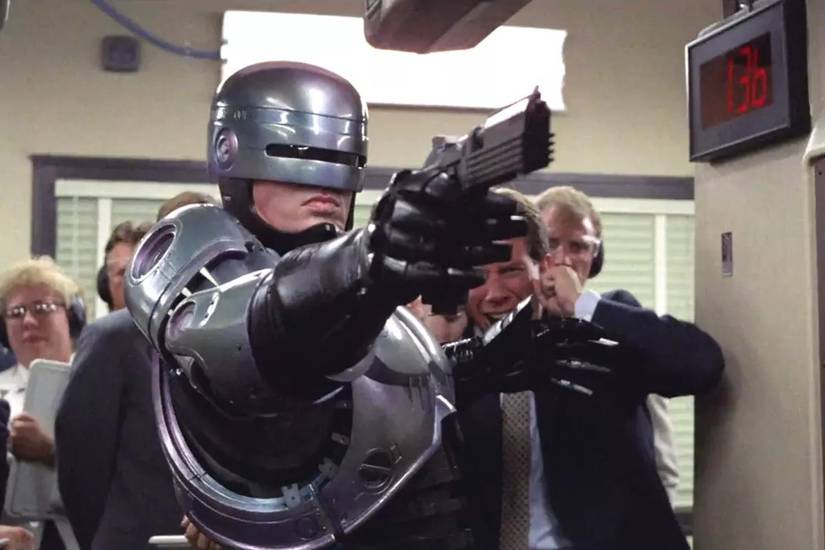

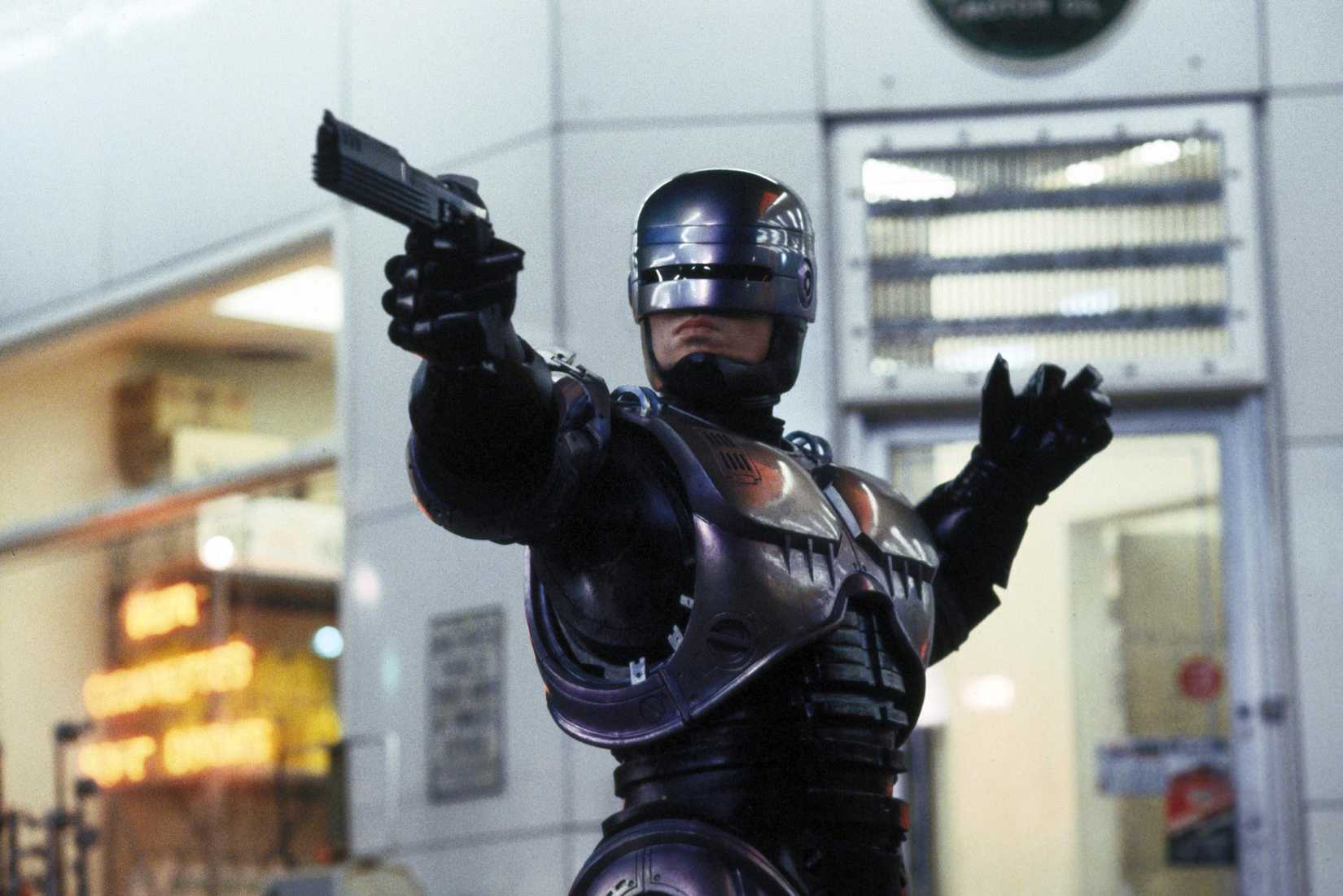
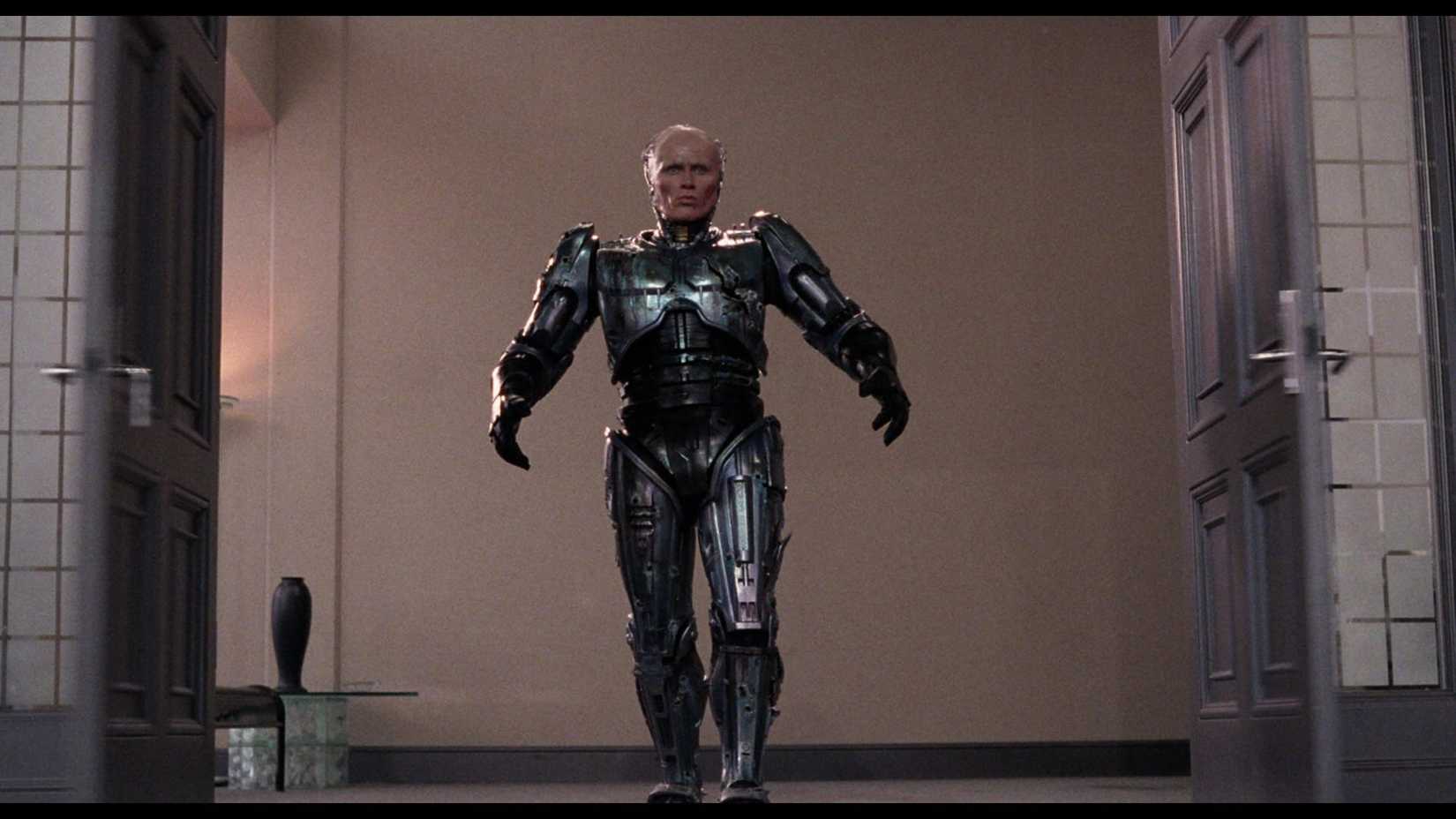


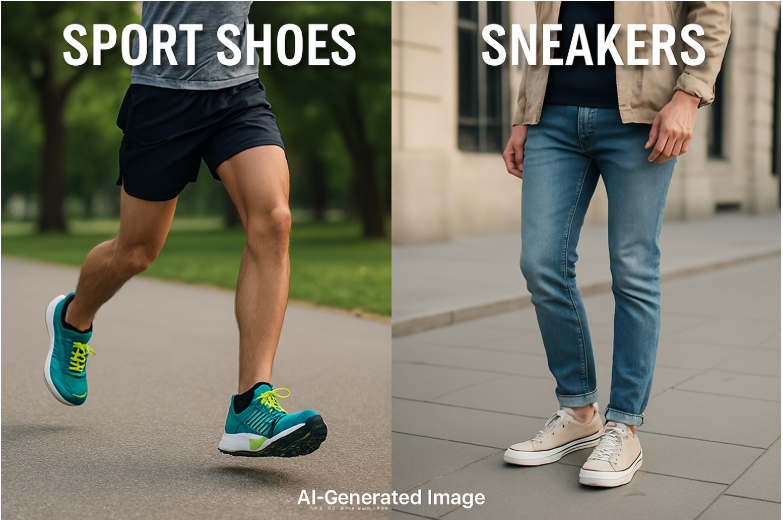
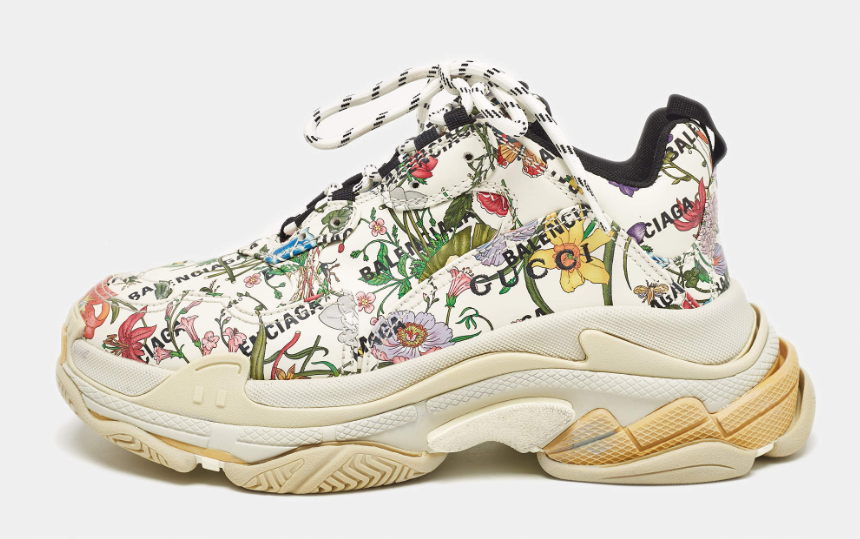


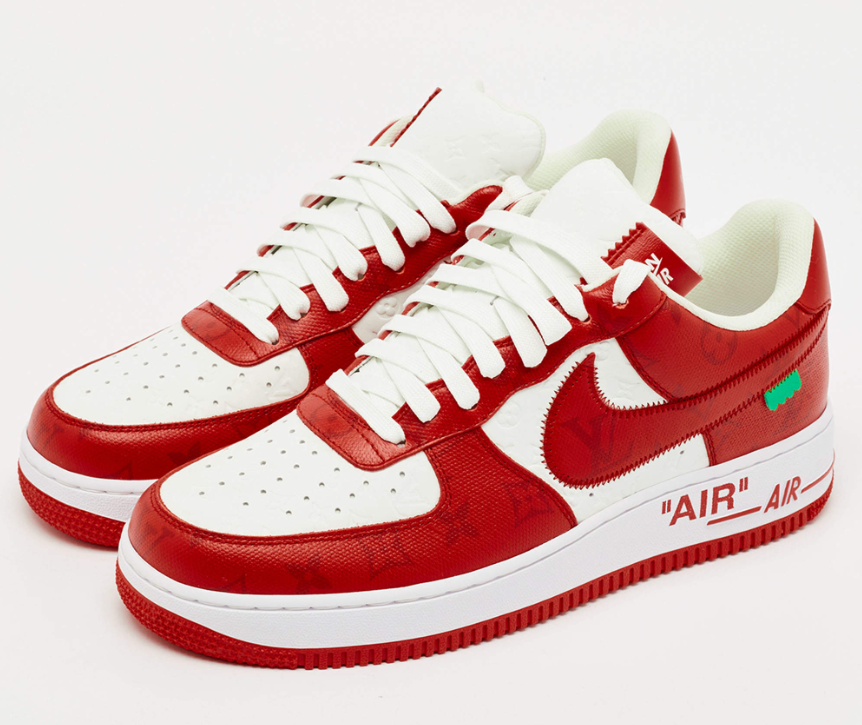
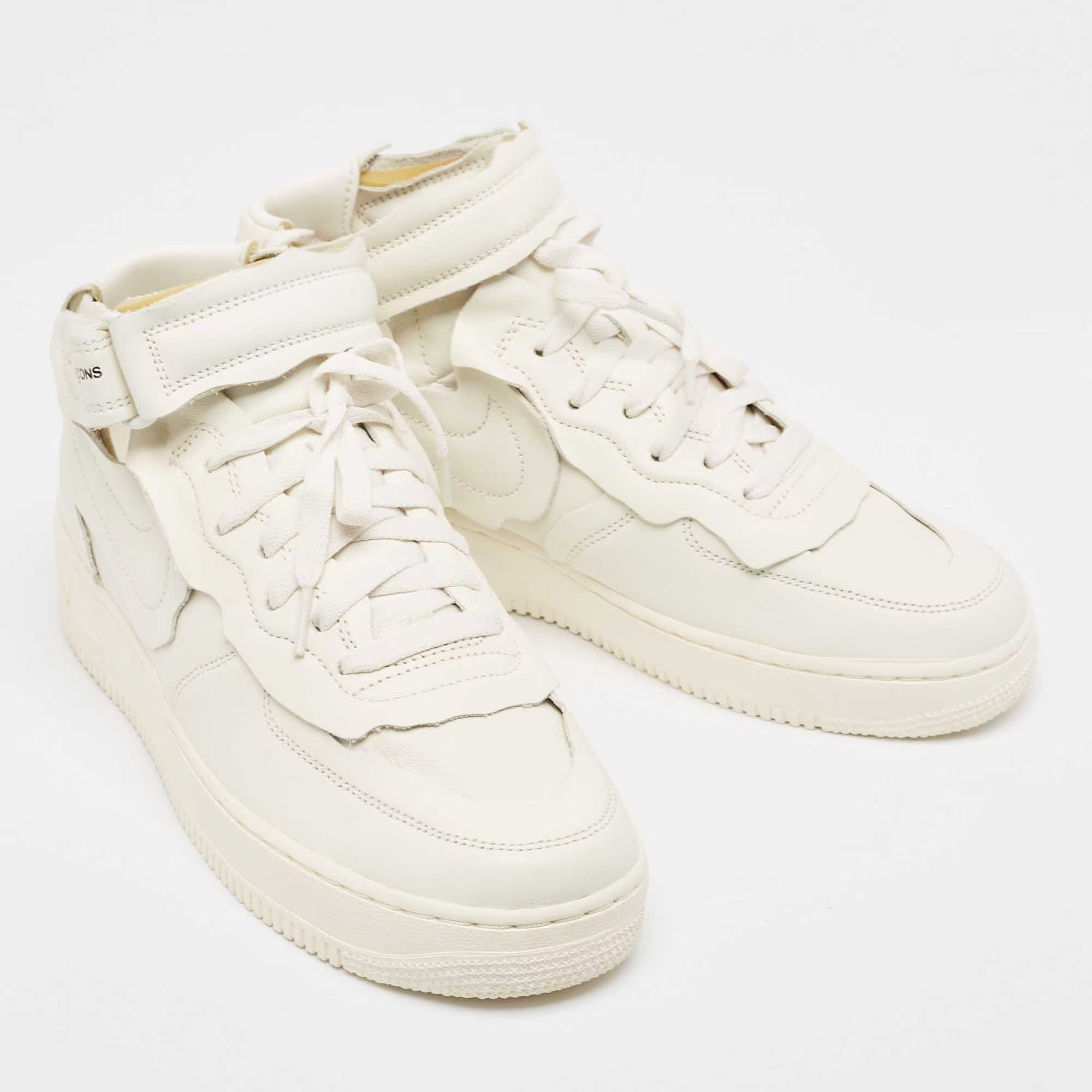

 Nike x Sacai x Undercover LD Waffle Black Bright Citron Size 45 Multicolor Leather and Nylon Low Top Sneakers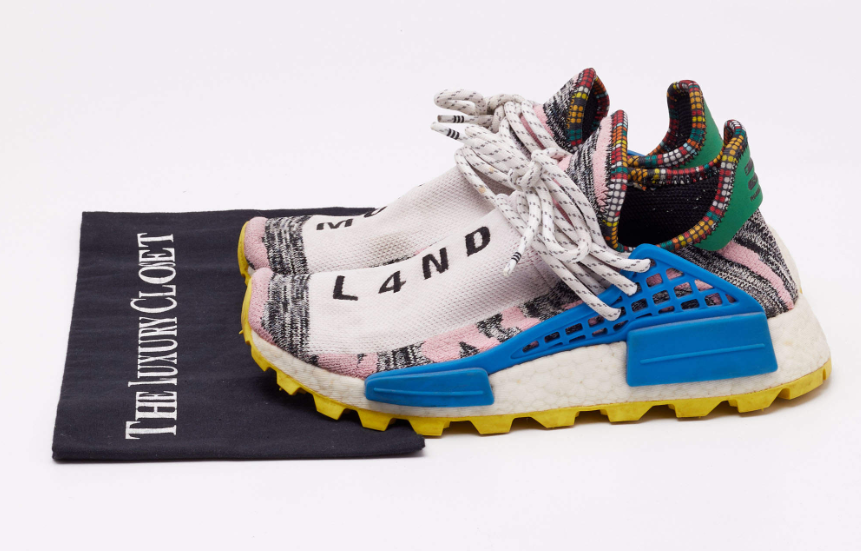
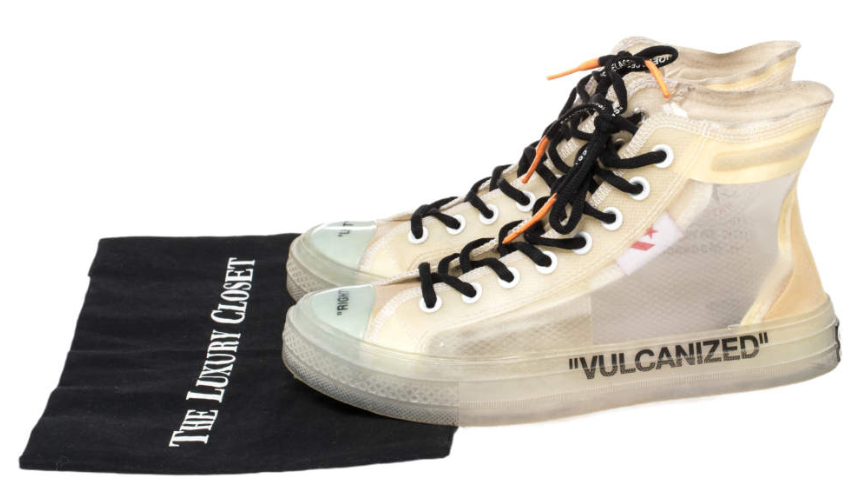
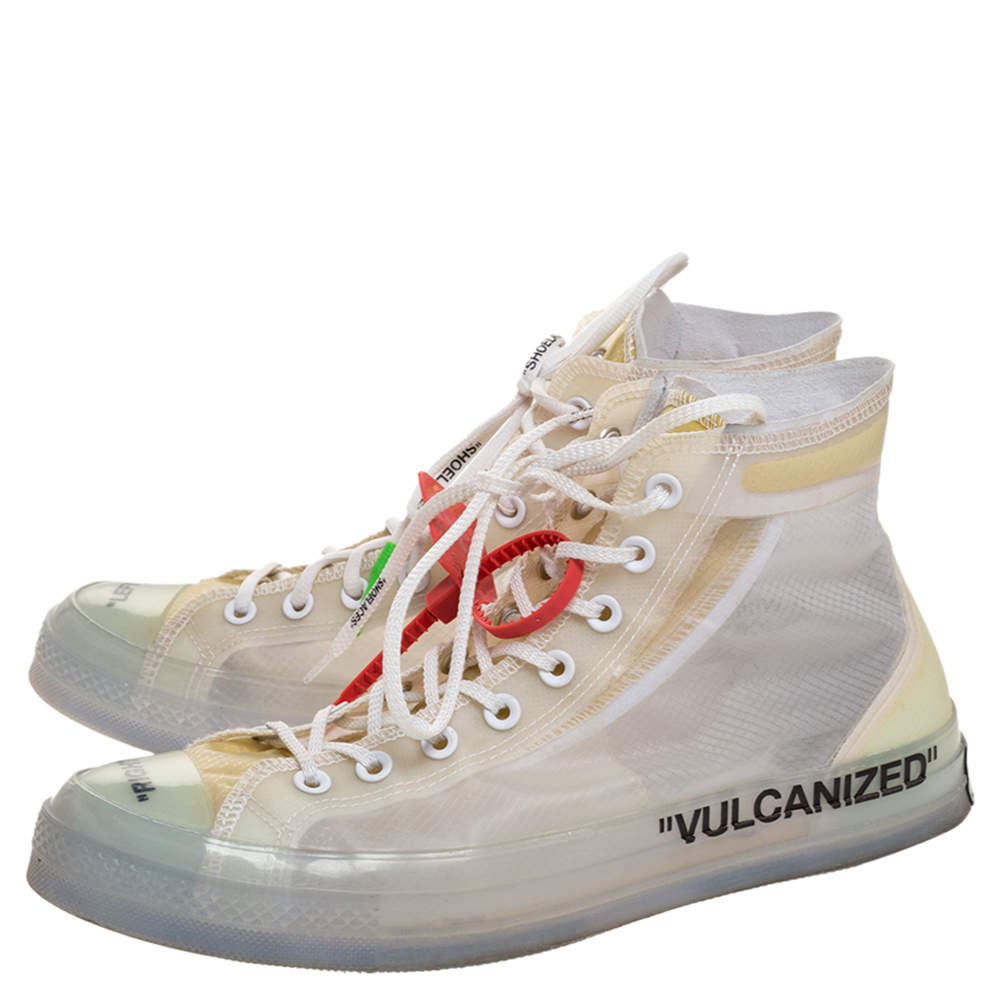


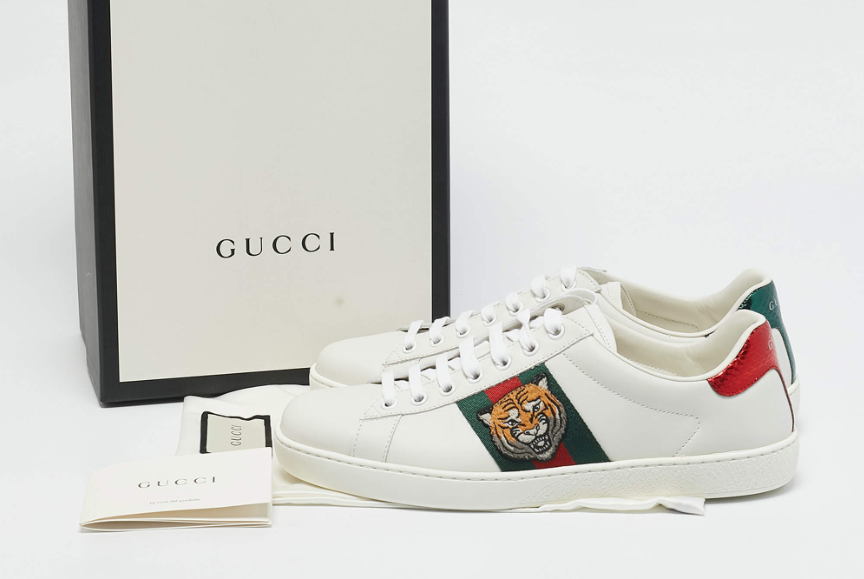


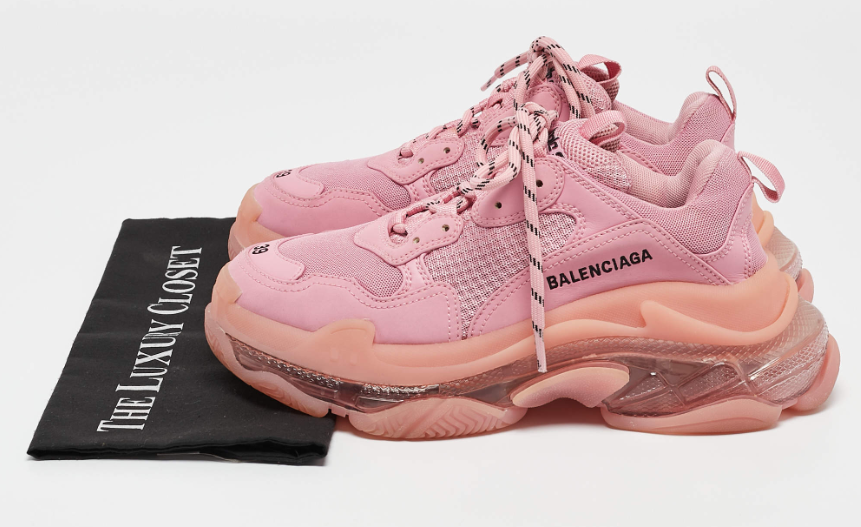
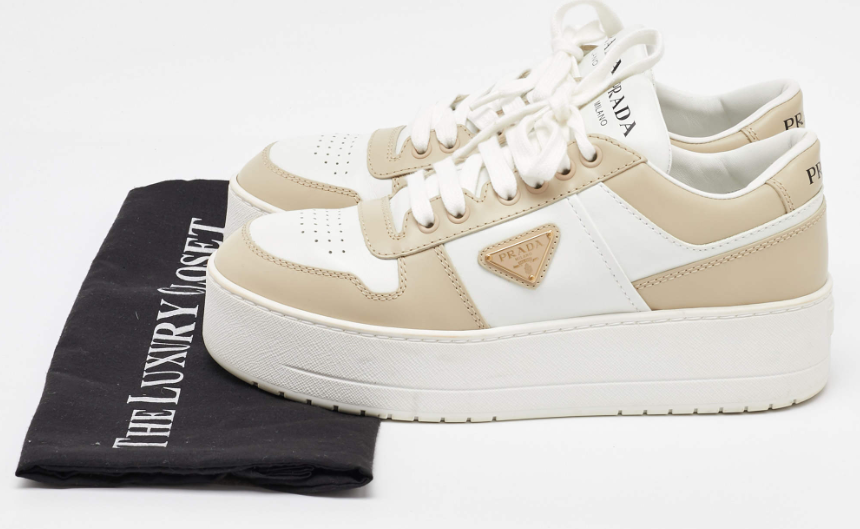
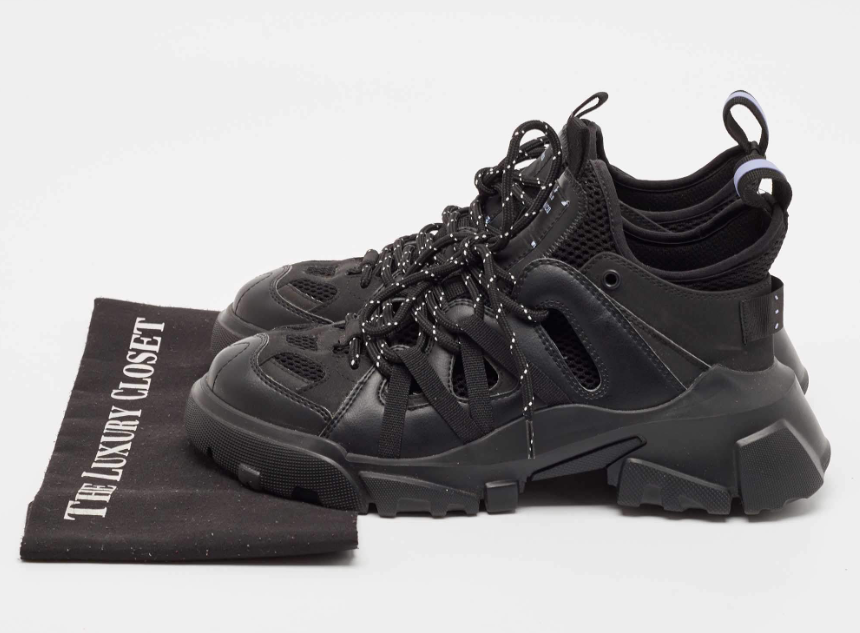
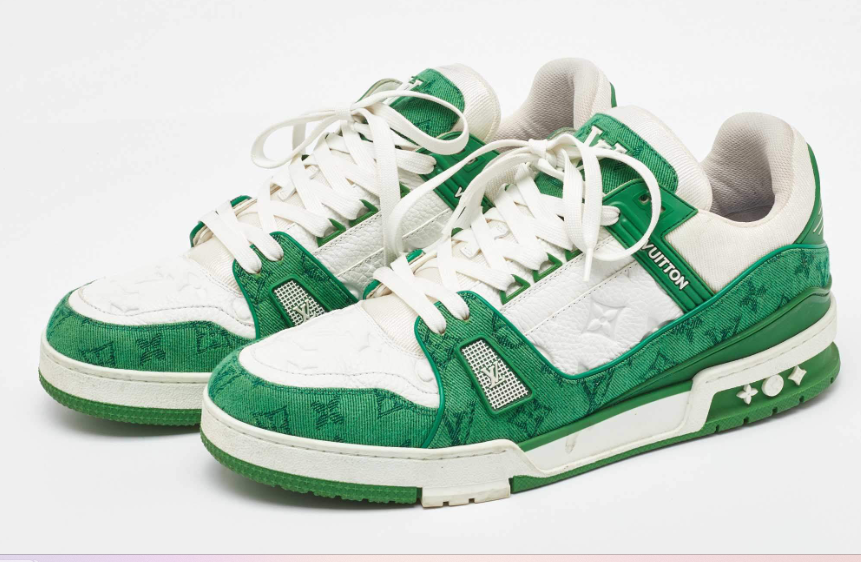


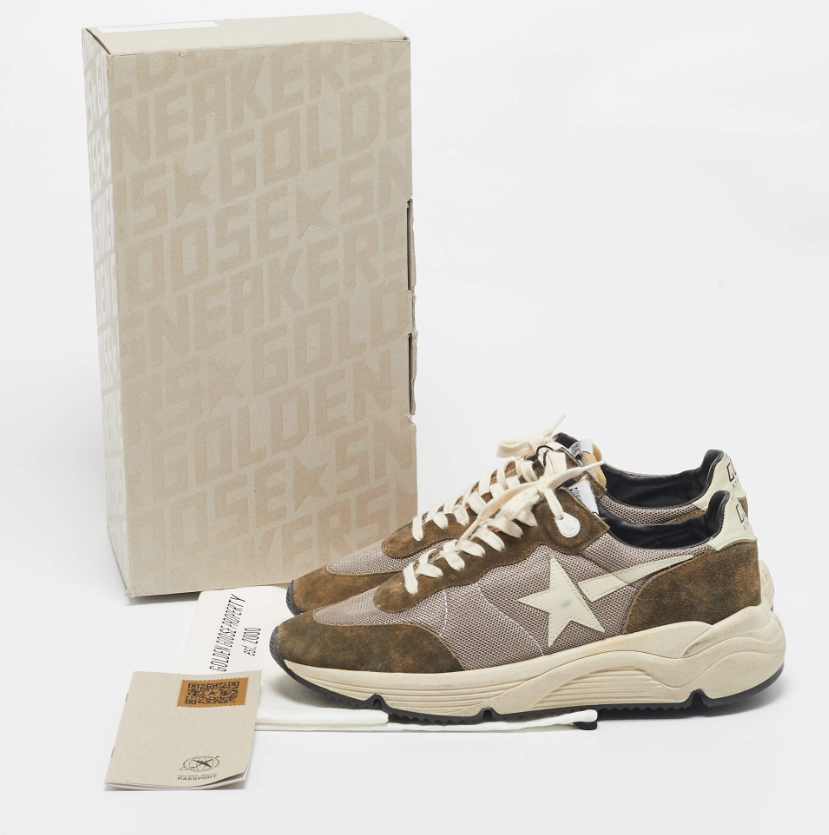
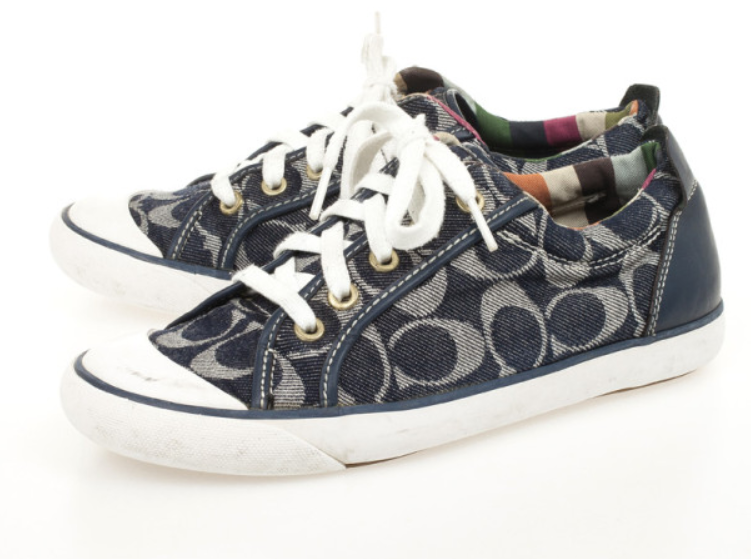
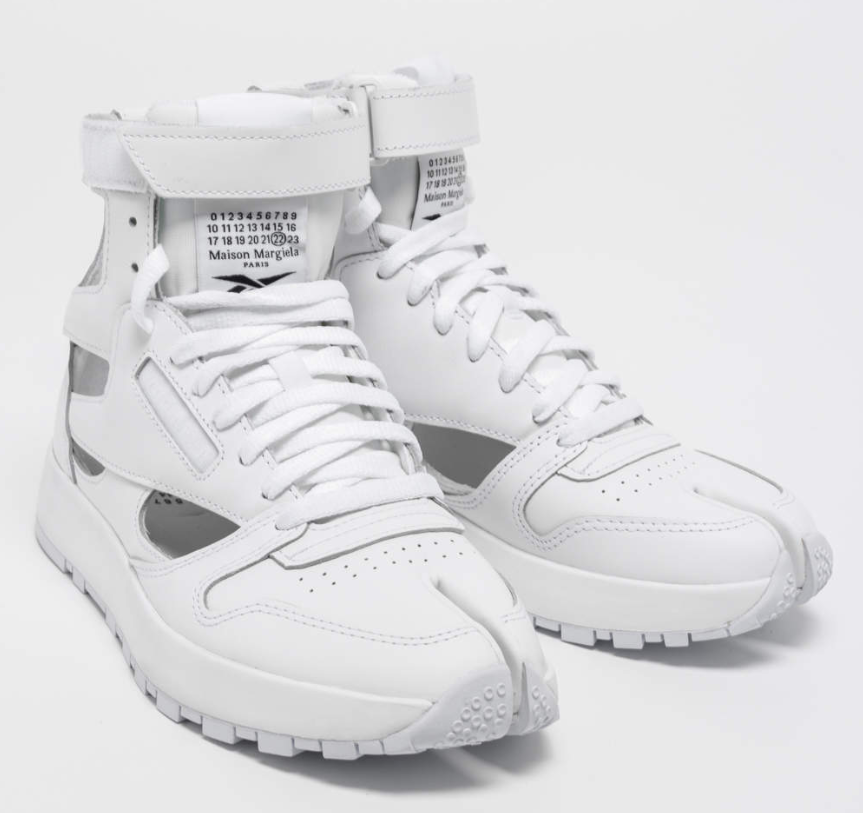
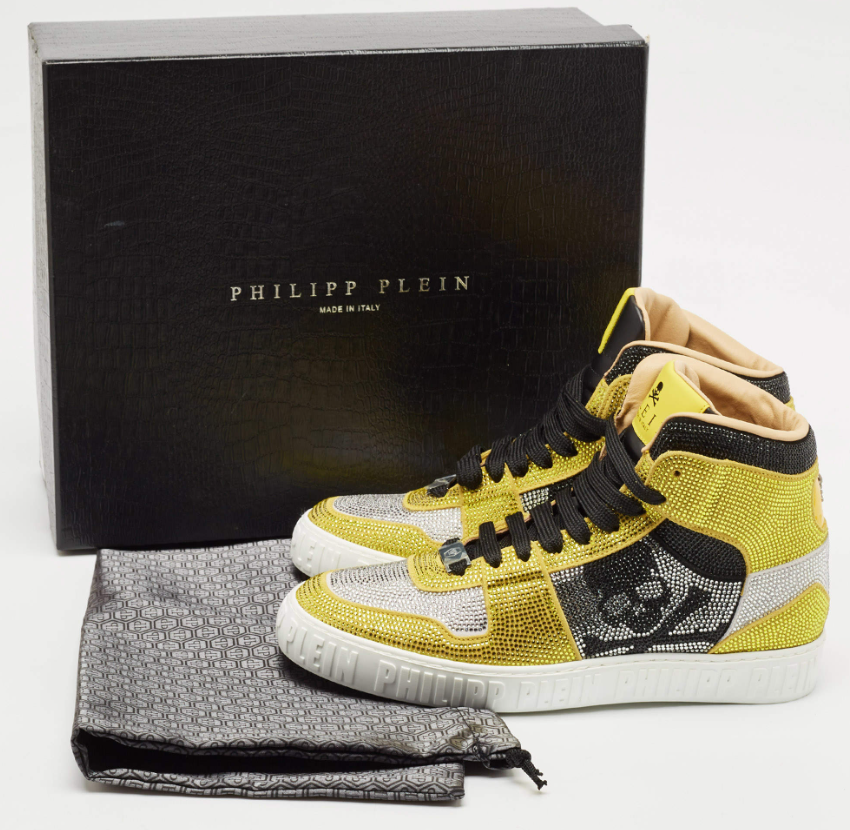
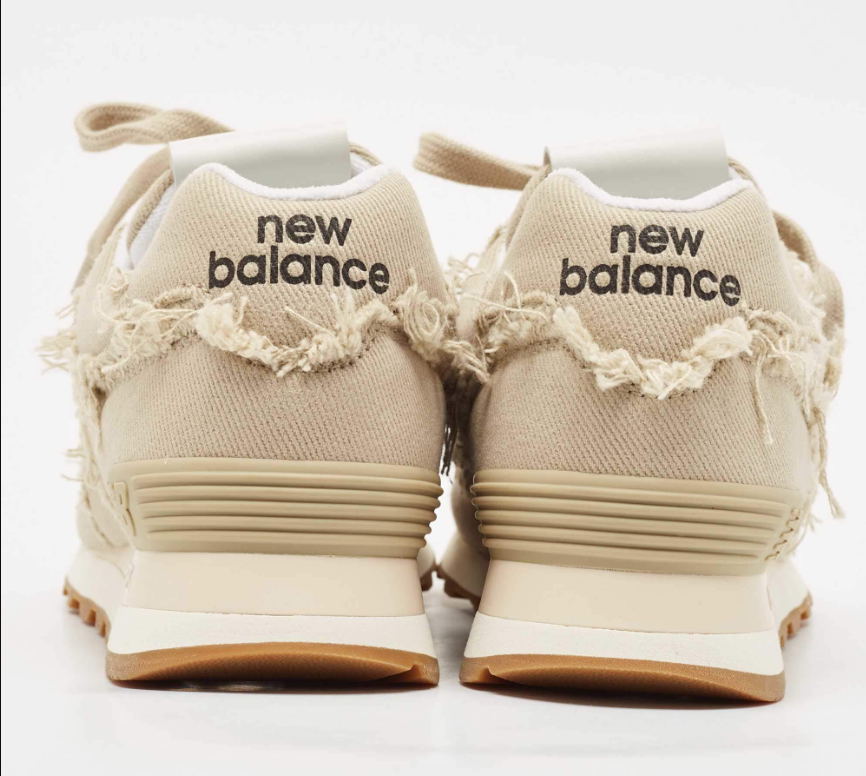 The comeback king of dad-core chic, excelling in both
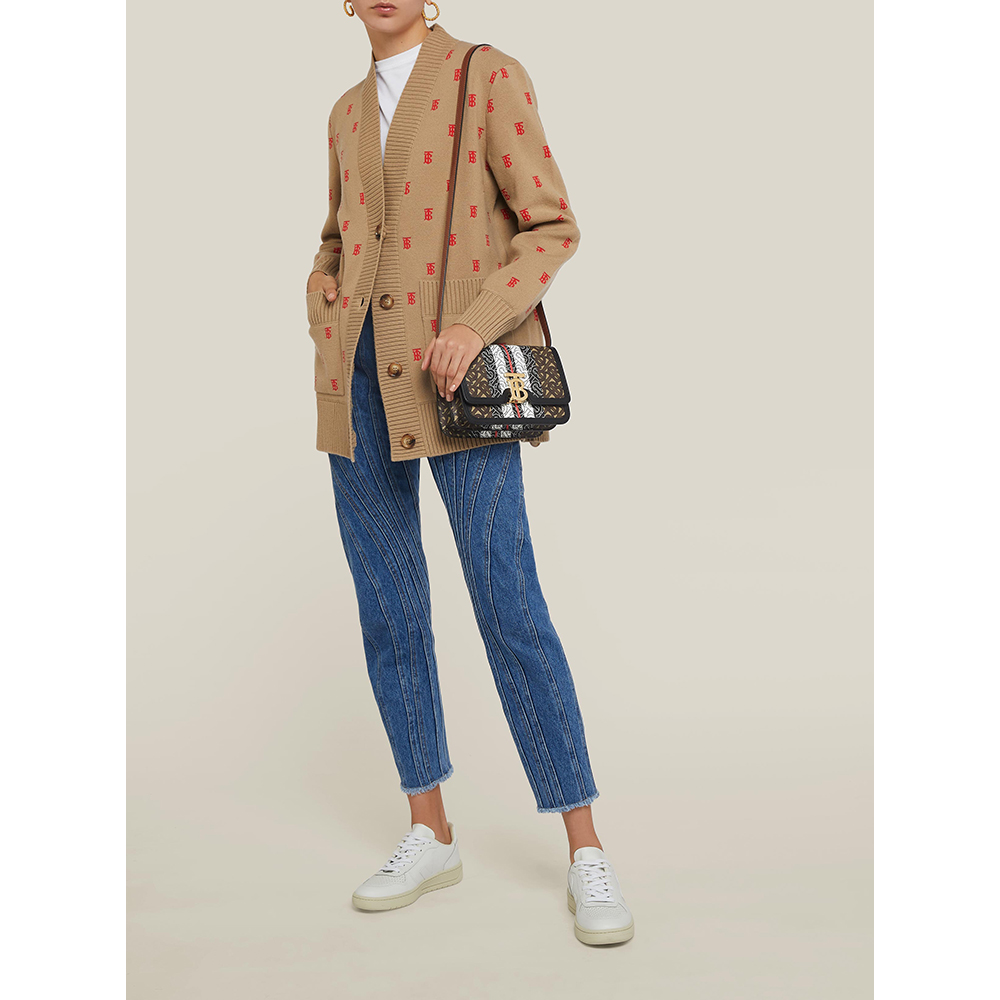
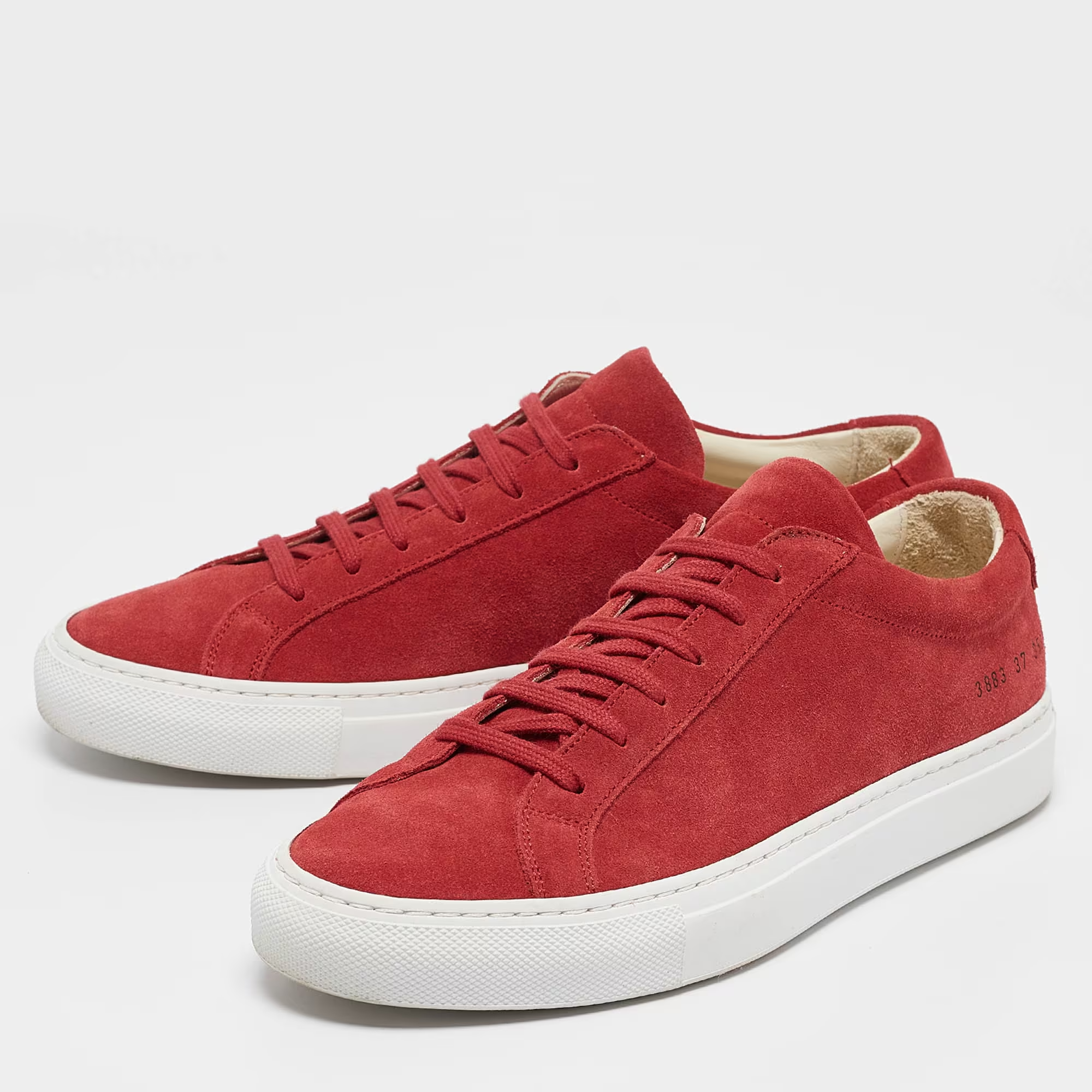


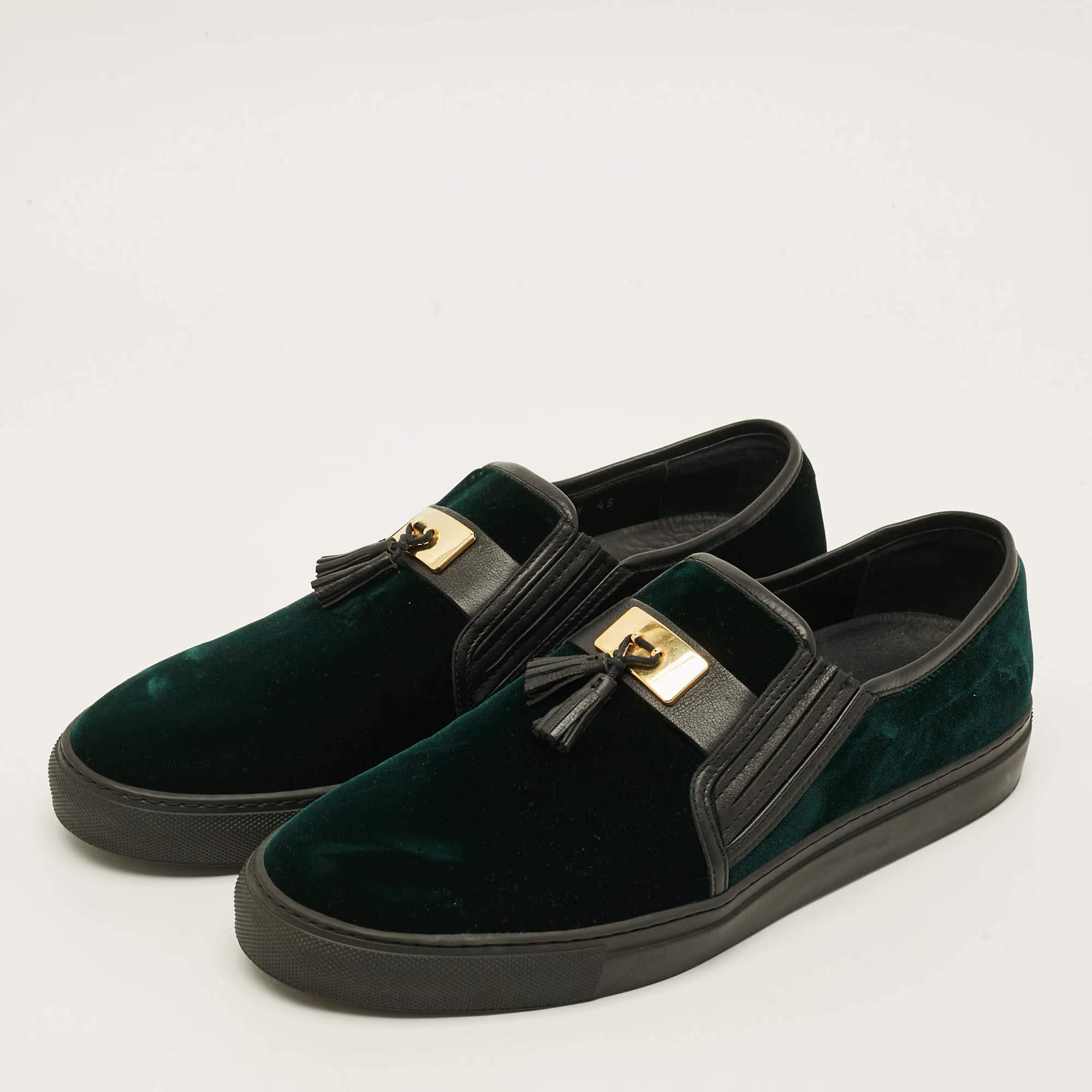


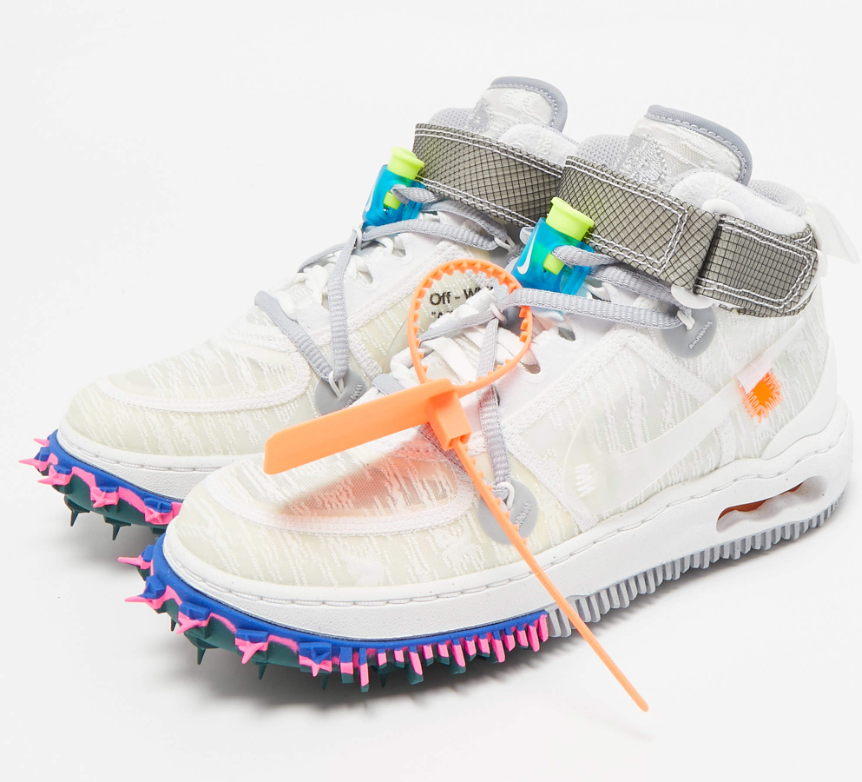
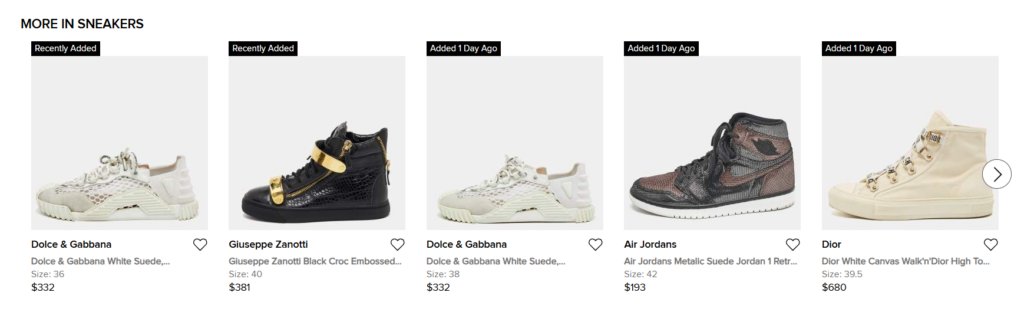


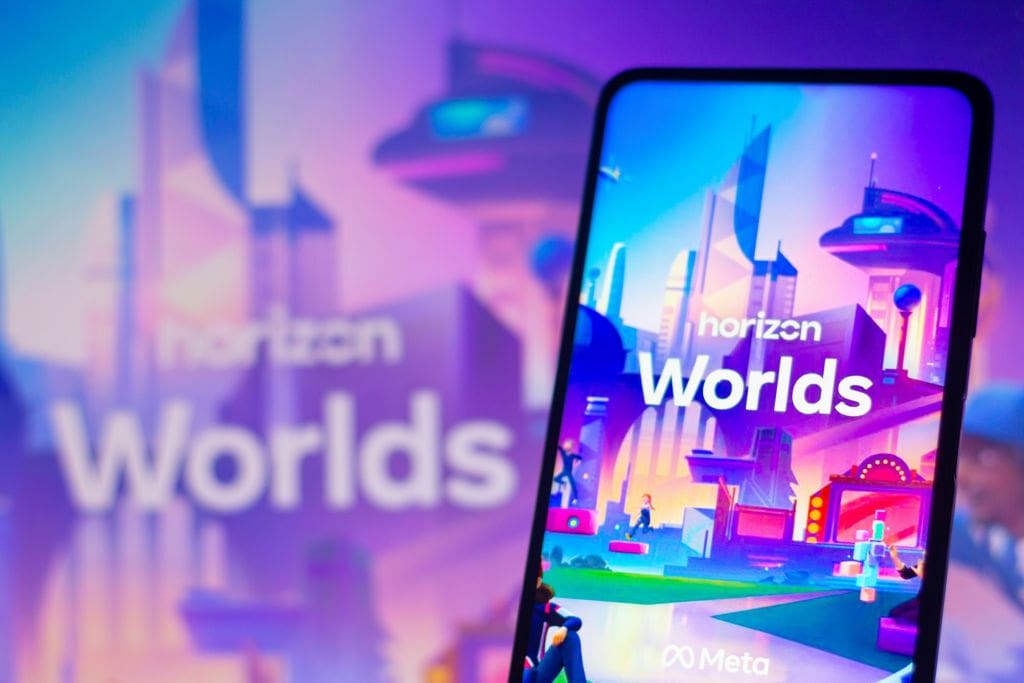




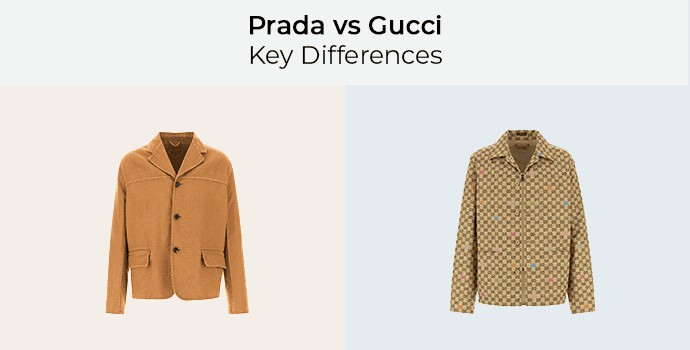
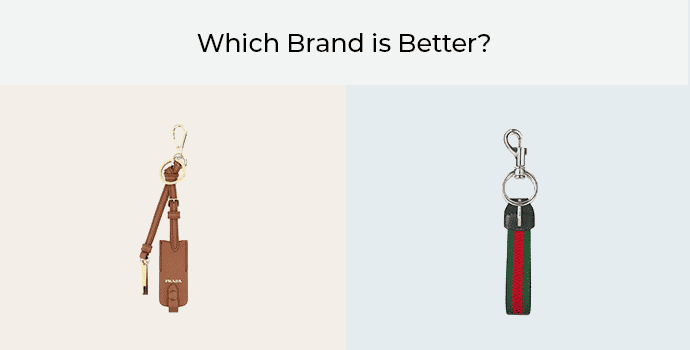
![MANTRA [Old] (OM) Explodes 400% in 24 Hours — But Something Doesn’t Add Up](https://i0.wp.com/nftevening.com/wp-content/uploads/2026/04/0604.jpg?w=640&resize=640,0&ssl=1 "MANTRA [Old] (OM) Explodes 400% in 24 Hours — But Something Doesn’t Add Up")
![MANTRA [Old] OM token metrics.](https://nftevening.com/wp-content/uploads/2026/04/Screenshot-2026-04-06-at-17.15.04.png)


