Home Blog Page 1482

Kanye West’s Unhinged Deposition in Tech Lawsuit Revealed in A&E Series

    0
    Kanye West’s Unhinged Deposition in Tech Lawsuit Revealed in A&E Series


    Kanye West’s antics are on full display in new video showing his deposition from a recent tech lawsuit … and TMZ has the first look.

    The deposition footage shows Ye in a bit of a standoff with the attorney who was trying to ask him questions. Ya gotta see the video … it’s a defiant start, as he signs onto the Zoom call and avoids eye contact.

    This scene comes courtesy of a new A&E show, “Interrogation Raw: Celebrity Under Oath” … and the second you see Ye’s hat pulled down low while he’s looking at his phone, you can tell it’s gonna be entertaining.

    When attorney Michael Popok calls Kanye out and chides him for looking at his device, Kanye declares his “mental geniusness” requires him to be on a phone to stay focused on what he calls a “bull****” lawsuit.

    Liam Payne hulu-INLINE

    Kanye then agrees to take his hat off and get off the phone … but then he whips out a face covering, telling Popok “You don’t have the right to see my face!”

    Later in the deposition, Kanye takes issue with Popok asking him to explain where he is and what is in the room with him, saying … “Are you stupid? You are talking to the richest Black person in the history of America.”

    The deposition was part of a 2020 tech lawsuit against Kanye, who was accused of stealing technology to advance his Yeezy brand and launch his Sunday Service.

    ‘Interrogation Raw’ premieres Dec. 26 at 10 PM ET/PT on A&E, and the network says Kanye’s deposition “redefines celebrity legal drama” … not to mention geniusness!


    Source link

    Epic Games once again drastically buffed Fortnite XP

    0
    Epic Games once again drastically buffed Fortnite XP


    You can trust VideoGamer. Our team of gaming experts spend hours testing and reviewing the latest games, to ensure you’re reading the most comprehensive guide possible. Rest assured, all imagery and advice is unique and original. Check out how we test and review games here

    Earning XP and leveling up in Fortnite has never been easier. Over the past few weeks, Epic Games has released many improvements that made the progression system faster. Thanks to this, it’s no longer necessary to grind to unlock all the Battle Pass rewards. Furthermore, we can now progress through each pass at the same time, which makes unlocking items a breeze.

    While XP rates were great in the first week of Fortnite Chapter 6, Epic buffed them once again. The latest hotfix arrived on Tuesday and is now active in a couple of modes.

    How much was Fortnite XP buffed with the latest update?

    On Tuesday, Epic Games buffed XP by approximately 30%. This change affects Fortnite Creative and LEGO Fortnite Brick Life, as previous buffs affected other modes, such as Reload and Battle Royale. More specifically, the Fortnite developer buffed the XP gained from playtime. In the past, we were getting 2,300 XP per minute, and it was buffed to 3,000 XP per minute with the new update.

    In other words, this means that it’s now possible to level up approximately three times per hour by just playing these two modes. If you perform any other actions, such as getting eliminations or winning a match, you can easily double or triple the amount of XP.

    Fortnite XP
    XP was buffed once again, making leveling much faster. Image by VideoGamer

    Winterfest 2024 is set to come out this week and will bring limited-time quests. Combining these XP buffs and quests, you can complete every seasonal pass in no time. Considering that Chapter 6 – Season 1 ends in late February 2025, you have more than enough time to unlock every single reward from its Battle Pass, including extra styles.

    If you want to level up even faster, make sure to check out our list of the best XP maps in Fortnite.


    Three characters overlooking a vibrant, lush video game landscape with rivers, fields, and distant towns under a clear blue sky.Three characters overlooking a vibrant, lush video game landscape with rivers, fields, and distant towns under a clear blue sky.

    Fortnite


    Platform(s):
    Android, iOS, macOS, Nintendo Switch, PC, PlayStation 4, PlayStation 5, Xbox One, Xbox Series S/X


    Genre(s):
    Action, Massively Multiplayer, Shooter


    9
    VideoGamer


    Source link

    NFT Project CyberKongz Receives Wells Notice from SEC – Cryptoflies News

    0
    NFT Project CyberKongz Receives Wells Notice from SEC – Cryptoflies News


    2

    Non-fungible token (NFT) project CyberKongz has disclosed that it received a Wells notice from the U.S. Securities and Exchange Commission (SEC), signaling an investigation into potential violations of securities laws.  

    CyberKongz shared the news on December 16 through a post on X (Twitter). The team expressed frustration with the SEC’s stance, stating, “We are extremely disappointed at the approach the SEC has taken towards us, but we are going to stand up and fight.”  

    The SEC’s Division of Enforcement reportedly raised concerns over the project’s use of tokens in connection with blockchain gaming. According to CyberKongz, the agency has communicated that “you can not have a token (ERC-20) in tandem with a blockchain game without registering it as a security.”  

    Another point of contention is the ‘sale’ of Genesis Kongz in April 2021. CyberKongz maintains that the event was a contract migration, not a token sale. 

    The project began in March 2021 as a collection of pixelated gorilla profile pictures and describes itself as a small community-driven initiative. In the post, the team emphasized it has never raised capital or held a large treasury.  

    You Might Be Interested In

    CyberKongz framed the SEC notice as a turning point for its community. “This is the start of a new beginning,” the post stated. “One without the burden of us suffering in silence and working in fear. It is time for CyberKongz to push forward without this holding us back.”  

    This development places CyberKongz among a growing list of Web3 projects under regulatory scrutiny. In recent months, the SEC has intensified its focus on NFTs, arguing that some could qualify as securities.  

    In August, NFT marketplace OpenSea received a Wells notice from the SEC. CEO Devin Finzer criticized the move and pledged $5 million to assist affected creators. Immutable received a similar notice last month, potentially tied to its IMX token.  

    The SEC has pursued legal action against several NFT-related projects. The Flyfish Club, an NFT-based dining venture, settled for $750,000 in September after being accused of offering unregistered securities. 

    Impact Theory, a media company, was fined $6.1 million last year for its “Founder’s Keys” NFT series. Other cases include Stoner Cats, which paid a $1 million penalty, and Dapper Labs, which resolved a lawsuit over NBA Top Shot NFTs for $4 million.  

    The wave of enforcement has reignited calls for clearer regulations. In July, two artists filed a lawsuit against the SEC, seeking clarification on whether NFTs should be classified as securities. The Digital Chamber, a blockchain advocacy group, has also urged Congress to consider defining certain NFTs as consumer goods instead of securities.  


    Source link

    Top NFT Collections – December 18, 2024 | NFT CULTURE | NFT News | Web3 Culture | NFTs & Crypto Art

    0
    Top NFT Collections – December 18, 2024 | NFT CULTURE | NFT News | Web3 Culture | NFTs & Crypto Art


    Top NFT Collections (Last 24h)

    Rank

    Name
    Volume
    Transactions
    Chains
    URL

    1

    Pudgy Penguins
    12,358.62 ETH
    661
    ethereum
    View

    2
    Lil Pudgys
    Lil Pudgys
    4,796.29 ETH
    2383
    ethereum
    View

    3
    Azuki
    Azuki
    2,305.60 ETH
    212
    ethereum
    View

    4
    Azuki Elementals
    Azuki Elementals
    511.60 ETH
    361
    ethereum
    View

    5
    Pudgy Rods
    Pudgy Rods
    488.64 ETH
    516
    ethereum
    View

    6
    CryptoPunks
    CryptoPunks
    428.49 ETH
    10
    ethereum
    View

    7
    Bored Ape Yacht Club
    Bored Ape Yacht Club
    389.46 ETH
    21
    ethereum
    View

    8
    Doodles
    Doodles
    343.81 ETH
    78
    ethereum
    View

    9
    Zeeverse: Lands
    Zeeverse: Lands
    302.32 ETH
    749
    ethereum
    View

    10
    Moonbirds
    Moonbirds
    225.25 ETH
    202
    ethereum
    View

    The post Top NFT Collections – December 18, 2024 appeared first on NFT CULTURE.


    Source link

    SEALSQ Announces Pricing of $25.0 Million Registered Direct Offering | Web3Wire

    0
    SEALSQ Announces Pricing of .0 Million Registered Direct Offering | Web3Wire


    Geneva, Switzerland, Dec. 17, 2024 (GLOBE NEWSWIRE) —

    SEALSQ Corp (NASDAQ: LAES) (“SEALSQ” or “Company”), a company that focuses on developing and selling Semiconductors, PKI and Post-Quantum technology hardware and software products, today announced that it has entered into a securities purchase agreement with several institutional investors to purchase 13,157,896 ordinary shares at a public offering price of $1.90, for gross proceeds of $25.0 million (the “Offering”), before deducting commissions and offering expenses.

    Maxim Group LLC is acting as the sole placement agent for the Offering.

    SEALSQ currently intends to utilize the net proceeds from the Offering to fund the deployment of its next-generation post-quantum semiconductor technology and ASIC capabilities in the United States, to support working capital and for general corporate purposes. The Offering is expected to close on or about December 19, 2024 (the “Closing Date”), subject to the satisfaction of customary closing conditions.

    The Offering is being made pursuant to an effective shelf registration statement on Form F-3 (File No. 333-283358) previously filed with and subsequently declared effective by the U.S. Securities and Exchange Commission (“SEC”) on November 27, 2024. A prospectus supplement relating to the securities to be issued in the Offering will be filed by the Company with the SEC. When available, copies of the prospectus supplement relating to the Offering, together with the accompanying prospectus, can be obtained at the SEC’s website at http://www.sec.gov or by contacting Maxim Group LLC, at 300 Park Avenue, 16th Floor, New York, NY 10022, Attention: Syndicate Department, or via email at syndicate@maximgrp.com or by telephone at (212) 895-3745.

    This press release shall not constitute an offer to sell or the solicitation of an offer to buy these securities, nor shall there be any sale of these securities in any state or other jurisdiction in which such offer, solicitation or sale would be unlawful prior to the registration or qualification under the securities laws of any such state or other jurisdiction.

    About SEALSQ:

    SEALSQ focuses on selling integrated solutions based on Semiconductors, PKI and Provisioning services, while developing Post-Quantum technology hardware and software products. Our solutions can be used in a variety of applications, from Multi-Factor Authentication tokens, Smart Energy, Smart Home Appliances, Medical and Healthcare and IT Network Infrastructure, to Automotive, Industrial Automation and Control Systems.

    Post-Quantum Cryptography (PQC) refers to cryptographic methods that are secure against an attack by a quantum computer. As quantum computers become more powerful, they may be able to break many of the cryptographic methods that are currently used to protect sensitive information, such as RSA and Elliptic Curve Cryptography (ECC). PQC aims to develop new cryptographic methods that are secure against quantum attacks. For more information, please visit http://www.sealsq.com.

    Forward Looking Statements

    This communication expressly or implicitly contains certain forward-looking statements concerning SEALSQ Corp and its businesses. Forward-looking statements include statements regarding our business strategy, financial performance, results of operations, market data, events or developments that we expect or anticipates will occur in the future, as well as any other statements which are not historical facts. Although we believe that the expectations reflected in such forward-looking statements are reasonable, no assurance can be given that such expectations will prove to have been correct. These statements involve known and unknown risks and are based upon a number of assumptions and estimates which are inherently subject to significant uncertainties and contingencies, many of which are beyond our control. Actual results may differ materially from those expressed or implied by such forward-looking statements. Important factors that, in our view, could cause actual results to differ materially from those discussed in the forward-looking statements include SEALSQ’s ability to implement its growth strategies; SEALSQ’s ability to successfully launch post-quantum semiconductor technology; SEALSQ’s ability to capture a share of the quantum semiconductor market; the growth of the quantum computing market; SEALSQ’s ability to expand its U.S. operations; SEALSQ’s ability to make additional investments towards the development of a new generation of quantum-ready semiconductors; SEALSQ’s ability to continue beneficial transactions with material parties, including a limited number of significant customers; market demand and semiconductor industry conditions; the growth of the quantum computing market; and the risks discussed in SEALSQ’s filings with the SEC. Risks and uncertainties are further described in reports filed by SEALSQ with the SEC.

    SEALSQ Corp is providing this communication as of this date and does not undertake to update any forward-looking statements contained herein as a result of new information, future events or otherwise.

    Press and Investor Contacts

    SEALSQ Corp.Carlos MoreiraChairman & CEOTel: +41 22 594 3000info@sealsq.com

    SEALSQ Investor Relations (US)The Equity Group Inc.Lena CatiTel: +1 212 836-9611 / lcati@equityny.comKatie MurphyTel: +212 836-9612 / kmurphy@equityny.com

    About Web3Wire Web3Wire – Information, news, press releases, events and research articles about Web3, Metaverse, Blockchain, Artificial Intelligence, Cryptocurrencies, Decentralized Finance, NFTs and Gaming. Visit Web3Wire for Web3 News and Events, Block3Wire for the latest Blockchain news and Meta3Wire to stay updated with Metaverse News.


    Source link

    Exploring Luxury’s Influence in the Digital Era

    Exploring Luxury’s Influence in the Digital Era

    In the ever-evolving landscape of consumerism, luxury has always held a unique position. As the digital era unfolds, the luxury sector is experiencing a transformation unlike any before. This article delves into how the world of luxury is adapting and influencing the digital age, focusing on its evolution, the digital innovations reshaping it, and the broader impact of technology on luxury consumerism.

    The Evolution of Luxury in a Digital World

    Luxury, traditionally synonymous with exclusivity and opulence, is undergoing a significant transformation in the digital age. Historically, luxury was defined by tangible elements like craftsmanship, heritage, and rarity. However, as digital platforms proliferate, the definition of luxury is expanding to include digital experiences and services. Brands are now leveraging technology to offer personalized and immersive experiences that maintain the essence of luxury while adapting to modern consumer expectations.

    The rise of digital channels has democratized access to luxury, allowing brands to reach a broader audience without compromising their exclusive allure. Online platforms provide an opportunity for luxury brands to tell their stories in innovative ways, using rich multimedia content to engage consumers. This shift is not just about selling products online but about creating a digital presence that embodies the brand’s values and heritage.

    Moreover, social media has played a pivotal role in reshaping the luxury landscape. Platforms like Instagram and TikTok have become essential tools for luxury brands to showcase their offerings and connect with a younger, tech-savvy audience. Influencers and brand ambassadors now serve as digital gatekeepers, curating luxury experiences for their followers and amplifying brand messages in a way that traditional advertising could not.

    The evolution of luxury in the digital world is also marked by an increased focus on sustainability and ethical practices. Consumers today are more informed and conscientious, seeking brands that align with their values. Digital platforms have made it easier for luxury brands to communicate their sustainability efforts and engage with consumers on these critical issues, fostering transparency and trust.

    As luxury continues to evolve digitally, the concept of ownership is also changing. The rise of the sharing economy and digital ownership models, such as NFTs, is challenging traditional notions of luxury. Consumers are increasingly valuing experiences and digital assets over physical possessions, prompting luxury brands to explore new business models and revenue streams.

    Ultimately, the evolution of luxury in the digital world is a testament to the sector’s resilience and adaptability. By embracing digital transformation while staying true to their core values, luxury brands are not only surviving but thriving in an increasingly digital marketplace.

    Digital Innovations Shaping Luxury Experiences

    Digital innovations are at the forefront of reshaping luxury experiences, offering unprecedented opportunities for brands to engage with consumers in novel ways. One of the most significant advancements is the use of augmented reality (AR) and virtual reality (VR), which allow consumers to experience products and services in immersive environments. From virtual try-ons to digital showrooms, these technologies enhance the consumer journey, providing a sense of exclusivity and personalization that is central to luxury.

    Artificial intelligence (AI) is another innovation revolutionizing the luxury sector. AI-driven analytics enable brands to deliver hyper-personalized experiences by analyzing consumer behavior and preferences. Luxury brands are using AI to craft tailored recommendations, curate bespoke collections, and even predict future trends, ensuring they remain at the cutting edge of consumer desires.

    Blockchain technology is also making waves in the luxury industry, particularly in terms of authenticity and provenance. By leveraging blockchain, luxury brands can offer consumers verifiable proof of authenticity and ethical sourcing, addressing concerns about counterfeiting and sustainability. This transparency not only protects brand integrity but also builds consumer trust.

    The integration of Internet of Things (IoT) technology into luxury products is creating new dimensions of interactivity and functionality. Smart luxury items, such as connected watches and intelligent home systems, offer consumers enhanced utility and a seamless blend of technology and opulence. These innovations cater to a tech-savvy audience that seeks both luxury and cutting-edge technology.

    Digital platforms have also enabled luxury brands to offer exclusive digital content and experiences. From virtual fashion shows to interactive storytelling, brands are using digital media to create unique narratives and engage consumers on a deeper level. These experiences are often limited-time or invite-only, maintaining the exclusivity that luxury consumers crave.

    Furthermore, digital innovation extends to the realm of customer service, where luxury brands are implementing chatbots and virtual assistants to provide 24/7 support. These tools ensure that consumers receive immediate assistance and personalized care, reinforcing the high standards of service associated with luxury.

    The Impact of Technology on Luxury Consumerism

    The impact of technology on luxury consumerism is profound, reshaping how consumers interact with brands and make purchasing decisions. One of the most notable changes is the shift towards online shopping, which has become a staple for luxury consumers. E-commerce platforms have evolved to offer seamless, high-end shopping experiences that replicate the exclusivity of in-store visits, complete with personalized recommendations and virtual consultations.

    Social media has significantly influenced luxury consumerism by creating new avenues for discovery and engagement. Consumers are increasingly turning to platforms like Instagram and Pinterest for inspiration, following influencers and brands that align with their personal style and values. This shift has made social media a critical component of luxury marketing strategies, where visual storytelling and influencer partnerships drive brand awareness and consumer loyalty.

    Technology has also empowered consumers with information, enabling them to make more informed purchasing decisions. With access to reviews, price comparisons, and detailed product information, luxury consumers are more discerning than ever. This has prompted brands to focus on transparency and authenticity, ensuring that their offerings stand up to scrutiny and meet the high standards expected by their clientele.

    The rise of mobile technology has further transformed luxury consumerism, with mobile devices becoming the primary tool for browsing and purchasing luxury goods. Brands are investing in mobile-optimized websites and apps that offer seamless navigation and exclusive features, catering to consumers who demand convenience and immediacy in their shopping experiences.

    In addition, technology has facilitated the growth of personalized marketing, where data-driven insights allow brands to tailor their communications to individual consumers. This approach not only enhances customer engagement but also fosters brand loyalty by making consumers feel valued and understood. Luxury brands are leveraging CRM systems and analytics to deliver targeted content and offers, ensuring they remain top-of-mind for their audience.

    Finally, technology has expanded the reach of luxury beyond traditional markets, opening up new opportunities in emerging economies. With digital platforms, luxury brands can connect with consumers globally, offering localized experiences and products that cater to diverse cultural preferences. This globalization of luxury consumerism is a testament to the power of technology in bridging geographical boundaries and creating a truly connected world.

    As the digital era continues to unfold, luxury brands are navigating a landscape rich with both challenges and opportunities. By embracing digital innovations and adapting to the evolving needs of consumers, the luxury sector is redefining itself for the 21st century. The interplay between technology and luxury is not only reshaping consumer experiences but also setting new standards for excellence and innovation. As we look to the future, the influence of luxury in the digital age promises to be a dynamic force, driving change and inspiring new possibilities in the world of consumerism.

    Future Trends for Couture and High-End Fashion Brands

    Future Trends for Couture and High-End Fashion Brands

    As the fashion industry continues to evolve, couture and high-end fashion brands are at the forefront of embracing innovative trends. These trends not only redefine luxury but also reshape the way fashion is perceived and consumed. From integrating advanced technology into design processes to prioritizing sustainability and personalization, high-end fashion is undergoing a transformative phase. This article explores three significant future trends that are shaping the landscape of couture and luxury fashion.

    Embracing Technology in High-End Fashion Design

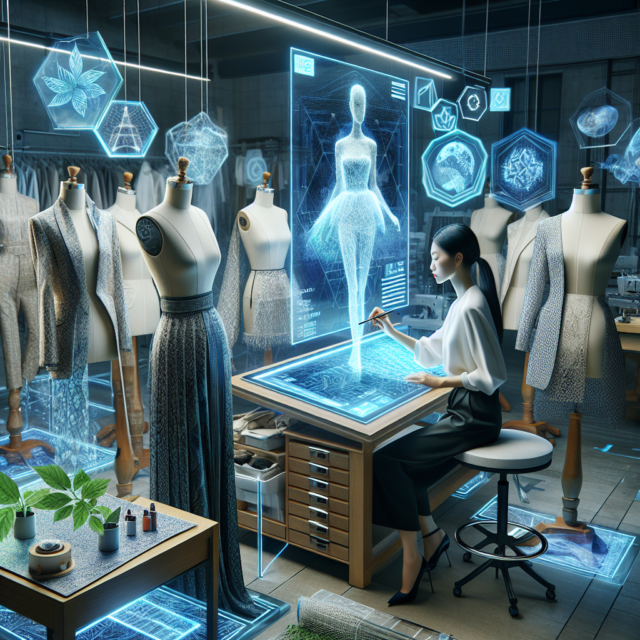
    The integration of technology into high-end fashion design is revolutionizing the way couture is conceptualized and created. Designers are increasingly utilizing 3D printing technology to craft intricate designs that were once impossible to achieve by traditional methods. This allows for unparalleled precision and the creation of avant-garde pieces that push the boundaries of fashion. The use of 3D printing is not only enhancing creativity but also reducing waste, as it enables designers to test prototypes without the need for excessive material consumption.

    Augmented reality (AR) is another technological advancement making waves in the luxury fashion industry. Through AR, brands are offering immersive experiences that allow customers to visualize how garments will look and fit in a virtual environment. This not only enhances the shopping experience but also aids in reducing return rates, as customers can make more informed decisions. AR is becoming a pivotal tool for high-end fashion brands aiming to merge the physical and digital realms seamlessly.

    Artificial intelligence (AI) is playing a crucial role in streamlining the design process for luxury fashion brands. By analyzing vast amounts of data, AI can predict fashion trends and consumer preferences, enabling designers to tailor their collections accordingly. This data-driven approach is helping brands stay ahead of the curve, ensuring their offerings remain relevant and appealing to their target audience. AI is also being used to optimize supply chains, ensuring efficient production and distribution of high-end fashion products.

    The advent of smart textiles is another technological trend gaining traction in the couture industry. These innovative fabrics incorporate electronic components, such as sensors and conductive threads, to create garments that can interact with the wearer. From dresses that change color with temperature variations to jackets that can charge electronic devices, smart textiles are redefining what luxury fashion can achieve. High-end fashion brands are increasingly exploring the potential of these textiles to offer unique and functional designs.

    Virtual fashion shows are becoming a staple for luxury fashion brands, allowing them to reach a global audience without the constraints of physical venues. By leveraging digital platforms, brands can showcase their collections to a wider audience, providing an inclusive experience for fashion enthusiasts worldwide. These virtual shows often incorporate cutting-edge visual effects, creating a captivating spectacle that rivals traditional runway presentations.

    Technology is also facilitating greater collaboration within the fashion industry. Through digital platforms, designers can work with artisans and craftsmen from around the world, blending traditional techniques with modern innovations. This global exchange of ideas is enriching the creative process and leading to the creation of truly unique couture pieces that celebrate cultural diversity and craftsmanship.

    Sustainability: The New Couture Standard

    Sustainability is rapidly becoming a cornerstone of the couture and high-end fashion industry. As environmental concerns continue to rise, luxury brands are re-evaluating their production processes to minimize their ecological footprint. This shift towards sustainability is not only driven by consumer demand but also by a growing awareness of the fashion industry’s impact on the planet. High-end fashion brands are setting new standards by prioritizing eco-friendly practices and materials.

    One of the key aspects of sustainability in couture fashion is the sourcing of materials. Brands are increasingly opting for organic, recycled, and biodegradable fabrics to reduce their environmental impact. By collaborating with sustainable textile producers, luxury brands are ensuring that their collections are both luxurious and environmentally conscious. This commitment to sustainable materials is helping to redefine luxury, emphasizing quality and responsibility over excess.

    Couture brands are also embracing circular fashion models, which focus on extending the lifecycle of garments. By designing pieces that are durable and timeless, high-end fashion brands are encouraging consumers to invest in quality over quantity. Additionally, initiatives such as take-back programs and garment recycling are being implemented to reduce waste and promote a circular economy within the fashion industry.

    Transparency is becoming a crucial factor in the sustainability efforts of luxury fashion brands. Consumers are increasingly demanding to know the origins of their garments and the ethical practices behind their production. In response, high-end fashion houses are adopting transparent supply chains, providing detailed information about the journey of each piece from conception to completion. This transparency not only builds trust with consumers but also holds brands accountable for their environmental and social impact.

    The adoption of sustainable practices is also influencing the design aesthetics of high-end fashion. Designers are finding inspiration in nature and incorporating elements of the natural world into their creations. This trend towards nature-inspired designs not only celebrates the beauty of the environment but also serves as a reminder of the importance of preserving it for future generations.

    Despite the challenges, the commitment to sustainability is driving innovation within the couture industry. Luxury brands are investing in research and development to create new sustainable materials and production techniques. This dedication to innovation is not only benefiting the environment but also ensuring that high-end fashion remains at the cutting edge of design and technology.

    The Rise of Personalization in Luxury Fashion

    Personalization is emerging as a defining trend in the luxury fashion industry, offering consumers a bespoke experience that caters to their individual tastes and preferences. High-end fashion brands are increasingly focusing on creating personalized products and services to enhance customer satisfaction and loyalty. This shift towards personalization is transforming the way luxury fashion is designed, marketed, and consumed.

    One of the ways couture brands are embracing personalization is through made-to-order services. By allowing customers to customize various aspects of their garments, from fabric choices to design details, luxury brands are providing a unique and tailored experience. This approach not only ensures a perfect fit but also adds a personal touch that resonates with the consumer’s identity and style.

    Advancements in technology are playing a pivotal role in facilitating personalization within the luxury fashion sector. Brands are utilizing digital tools and platforms to offer virtual consultations and fittings, enabling customers to personalize their purchases from the comfort of their homes. These virtual experiences are bridging the gap between traditional in-store interactions and modern digital convenience, offering a seamless and personalized shopping journey.

    Data analytics is another tool luxury fashion brands are leveraging to enhance personalization. By analyzing consumer behavior and preferences, brands can offer personalized recommendations and curated collections that align with individual tastes. This data-driven approach not only enhances the shopping experience but also fosters a deeper connection between the brand and the consumer.

    Collaborations with artists and designers are also contributing to the rise of personalization in high-end fashion. By offering limited-edition collections and exclusive designs, luxury brands are providing consumers with unique and personalized options that stand out in a crowded market. These collaborations often result in one-of-a-kind pieces that reflect the creativity and vision of both the brand and the artist.

    The trend towards personalization is also influencing the marketing strategies of luxury fashion brands. By focusing on storytelling and creating emotional connections, brands are engaging with consumers on a personal level. Personalized marketing campaigns that resonate with individual values and aspirations are helping luxury brands differentiate themselves in a competitive industry.

    As personalization becomes increasingly important in the luxury fashion landscape, brands are continuously exploring new ways to enhance the customer experience. From personalized packaging to bespoke services, high-end fashion brands are committed to offering a unique and tailored experience that reflects the individuality of each consumer.

    The future of couture and high-end fashion is being shaped by the integration of technology, a commitment to sustainability, and a focus on personalization. These trends are redefining the luxury fashion landscape, offering innovative solutions and experiences that cater to the evolving needs and preferences of consumers. As the industry continues to embrace these changes, couture and high-end fashion brands are poised to lead the way in creating a more sustainable, personalized, and technologically advanced future.

    Exploring the Evolution of Digital Luxury Trends

    Exploring the Evolution of Digital Luxury Trends

    Exploring the Evolution of Digital Luxury Trends

    In the ever-evolving world of luxury, the digital landscape has become a pivotal frontier, reshaping how brands connect with consumers and redefine opulence. As technology continues to advance, the luxury sector is embracing digital innovations to offer more personalized, immersive, and accessible experiences. This article delves into the evolution of digital luxury trends, examining the historical backdrop, the shift from traditional to digital luxury, and the emerging technologies that are crafting the future of luxury experiences.

    Unveiling the History of Digital Luxury Trends

    The journey of digital luxury trends began in the late 20th century when the internet started to permeate everyday life. Initially, luxury brands were hesitant to embrace the digital world, fearing it would dilute their exclusivity. However, as e-commerce began to gain traction, forward-thinking brands recognized the potential of reaching a broader audience while maintaining their prestige. The first wave of digital luxury involved online catalogs and virtual showcases, allowing consumers to explore collections with unparalleled convenience.

    As the 2000s unfolded, luxury brands began to experiment with digital marketing strategies. Websites became more sophisticated, incorporating high-resolution imagery and interactive elements to mimic the in-store experience. Social media platforms like Facebook and Twitter emerged as new arenas for luxury marketing, enabling brands to engage with consumers in real-time and craft personalized narratives. The digital realm became a canvas for storytelling, where heritage and innovation coalesced to captivate a tech-savvy audience.

    The rise of mobile technology in the 2010s further propelled digital luxury trends. Brands optimized their websites for mobile devices, ensuring seamless navigation and enhanced user experiences. Mobile apps became a staple, offering exclusive content, virtual try-ons, and personalized recommendations. This era marked a shift towards omnichannel strategies, where digital and physical touchpoints were seamlessly integrated to provide a cohesive brand experience.

    Simultaneously, the concept of digital influencers began to take shape. Luxury brands collaborated with bloggers and social media personalities to reach younger demographics. These influencers became the new tastemakers, wielding significant power in shaping consumer preferences. As a result, digital luxury marketing evolved from a one-way communication model to an interactive dialogue, where consumers played an active role in co-creating brand narratives.

    The 2020s have witnessed an acceleration in digital luxury trends, driven by the COVID-19 pandemic and the subsequent shift in consumer behavior. With physical stores temporarily shuttered, brands turned to digital platforms to maintain engagement. Virtual fashion shows, augmented reality experiences, and live-streamed events became the norm. This period marked a turning point, as luxury brands fully embraced digital as an integral component of their identity, rather than a supplementary channel.

    Today, the history of digital luxury trends is a testament to the industry’s adaptability and resilience. From initial skepticism to enthusiastic adoption, luxury brands have navigated the digital landscape with finesse, continually reinventing themselves to meet the expectations of a digitally-savvy clientele. As we move forward, understanding this historical evolution provides valuable insights into the future trajectory of digital luxury.

    The Shift from Traditional to Digital Luxury

    The transition from traditional to digital luxury has been a gradual yet transformative process, redefining the boundaries of opulence. Traditionally, luxury was synonymous with exclusivity and craftsmanship, often confined to physical spaces like flagship stores and bespoke boutiques. The allure of luxury lay in the tactile experience – the feel of fine materials, the ambiance of opulent surroundings, and the personalized service that accompanied each purchase.

    With the advent of digital technology, luxury brands faced the challenge of translating this sensory experience into the virtual realm. The shift began with the digitalization of brand narratives, where storytelling became a crucial element in conveying the essence of luxury. Websites and social media platforms emerged as new stages for showcasing craftsmanship, heritage, and innovation, allowing consumers to engage with brands on a deeper level.

    The integration of e-commerce marked a significant milestone in the digital luxury landscape. Initially met with skepticism, online shopping gradually gained acceptance as brands invested in creating seamless and secure digital storefronts. The convenience of browsing and purchasing luxury items from anywhere in the world appealed to a new generation of consumers who valued accessibility alongside exclusivity. The digital shift democratized luxury, making it more attainable without compromising its essence.

    As digital luxury evolved, personalization became a key differentiator. Brands began leveraging data analytics and artificial intelligence to tailor experiences to individual preferences. From personalized recommendations to bespoke designs, the digital realm offered unprecedented opportunities for customization. This shift from a one-size-fits-all approach to a personalized journey redefined the consumer-brand relationship, fostering loyalty and enhancing the overall luxury experience.

    The rise of social media further accelerated the shift towards digital luxury. Platforms like Instagram and Pinterest became virtual showrooms, where brands could showcase their collections to a global audience. The visual-centric nature of these platforms allowed for creative storytelling, enabling brands to evoke emotions and aspirations through curated content. Social media also facilitated direct interactions between brands and consumers, fostering a sense of community and inclusivity.

    Today, the shift from traditional to digital luxury is evident in the seamless integration of online and offline experiences. Luxury brands have embraced a hybrid model, where digital touchpoints enhance the physical experience and vice versa. Virtual try-ons, augmented reality applications, and immersive online events have become integral components of the luxury journey. This evolution signifies a new era where luxury is not confined to physical spaces but transcends into a digital realm that is both engaging and aspirational.

    Emerging Technologies Shaping Luxury Experiences

    Emerging technologies are at the forefront of revolutionizing luxury experiences, offering innovative ways for brands to engage with consumers. One of the most significant advancements is the integration of augmented reality (AR) and virtual reality (VR) in the luxury sector. AR applications allow consumers to visualize products in their real-world environment, enhancing the decision-making process. From trying on virtual watches to visualizing furniture in their homes, AR creates immersive experiences that bridge the gap between digital and physical.

    Blockchain technology is also making waves in the luxury industry, particularly in the realm of authentication and provenance. The transparency and security offered by blockchain enable brands to verify the authenticity of luxury items, combating counterfeit products and ensuring consumers receive genuine goods. Additionally, blockchain facilitates traceability, allowing consumers to understand the journey of a product from creation to purchase. This technology not only enhances trust but also aligns with the growing demand for sustainable and ethical practices.

    Artificial intelligence (AI) is another transformative force shaping digital luxury experiences. AI-powered chatbots and virtual assistants provide personalized customer service, offering recommendations and addressing inquiries in real-time. Machine learning algorithms analyze consumer behavior to deliver tailored content and product suggestions, creating a more engaging and relevant shopping experience. AI also plays a crucial role in inventory management and demand forecasting, optimizing supply chains and reducing waste.

    The rise of the Internet of Things (IoT) is redefining luxury through connected products and services. Smart devices, from watches to home automation systems, offer enhanced functionality and convenience. IoT-enabled products collect data to provide insights into consumer preferences, allowing brands to refine their offerings and deliver personalized experiences. This interconnectedness extends to smart retail spaces, where IoT technologies create interactive and dynamic environments that captivate consumers.

    In the realm of luxury fashion, 3D printing is emerging as a game-changer. This technology enables the creation of intricate and customizable designs, reducing production time and waste. Brands can experiment with innovative materials and complex structures, pushing the boundaries of creativity. 3D printing also allows for bespoke creations, where consumers can co-create unique pieces that reflect their personal style, further enhancing the allure of luxury.

    As we look to the future, the integration of these emerging technologies will continue to shape the digital luxury landscape. Brands that embrace innovation and leverage technology to enhance consumer experiences will thrive in this dynamic environment. The convergence of AR, blockchain, AI, IoT, and 3D printing signifies a new era of luxury, where digital and physical realms coexist harmoniously, offering consumers unparalleled experiences that are both aspirational and accessible.

    The evolution of digital luxury trends is a testament to the industry’s ability to adapt and innovate in response to changing consumer expectations and technological advancements. From the initial forays into the digital world to the seamless integration of emerging technologies, luxury brands have consistently pushed the boundaries to redefine opulence in the modern age. As we move forward, the interplay between digital and traditional luxury will continue to shape the future, offering consumers an ever-evolving tapestry of experiences that are as dynamic as they are luxurious.

    The Evolution of Couture in the Metaverse Era

    The Evolution of Couture in the Metaverse Era

    The world of fashion has always been a dynamic arena, constantly evolving and adapting to new technological advancements and cultural shifts. As we step into the Metaverse era, a digital landscape that promises to blur the lines between physical and virtual realities, couture fashion finds itself at a fascinating crossroads. This article explores the intriguing intersection of high fashion and the Metaverse, examining how traditional craftsmanship is being redefined in this new digital context and what this means for the future of the industry.

    The Fusion of Couture and Virtual Reality

    The confluence of couture and virtual reality is an exciting development that is reshaping the fashion industry. As designers explore the potential of digital platforms, they are discovering new ways to express their creativity beyond the limitations of physical materials. This fusion allows for the creation of garments that defy gravity and physics, offering a canvas that is limited only by the imagination. Virtual reality provides a playground where designers can experiment with textures, colors, and forms in ways that were previously unimaginable.

    In this digital realm, couture designers can craft experiences that are as much about the journey as they are about the final product. Virtual reality enables the creation of immersive fashion shows where audiences can interact with designs in a 360-degree environment. This not only democratizes access to high fashion but also allows for a level of personalization and engagement that is unmatched by traditional runway shows. As a result, the audience becomes an integral part of the fashion narrative.

    Moreover, the integration of virtual reality into couture offers new opportunities for sustainability. By creating and showcasing virtual garments, designers can reduce the waste associated with traditional fashion production processes. This shift towards digital fashion also opens the door to a more inclusive industry, where designs can be tailored to fit any body type, free from the constraints of physical production.

    The fusion of couture and virtual reality is also revolutionizing the way fashion is consumed. With the rise of virtual wardrobes and digital fashion items, consumers are beginning to see clothing as a form of self-expression that transcends the physical world. This shift in perspective encourages a more mindful approach to fashion, where the focus is on quality and creativity rather than quantity.

    Additionally, virtual reality is fostering collaboration between fashion designers and technologists, leading to the emergence of hybrid professions that blend fashion design with digital expertise. This collaboration is giving rise to innovative tools and platforms that further enhance the creative process, enabling designers to push the boundaries of what is possible in the realm of couture.

    As virtual reality continues to evolve, it is set to become an integral part of the couture landscape. This fusion not only enhances the creative potential of designers but also offers consumers a more engaging and personalized fashion experience. It heralds a new era where the boundaries between the physical and digital worlds are increasingly blurred, and couture fashion is at the forefront of this transformation.

    Digital Craftsmanship: Redefining Haute Couture

    Digital craftsmanship is emerging as a transformative force in the world of haute couture, challenging traditional notions of luxury and exclusivity. By leveraging cutting-edge technologies such as 3D modeling, artificial intelligence, and blockchain, designers are redefining what it means to create high fashion. This new form of craftsmanship is characterized by precision, innovation, and a focus on the unique possibilities offered by digital tools.

    One of the key aspects of digital craftsmanship is the ability to create hyper-realistic designs that are indistinguishable from their physical counterparts. Advanced 3D modeling software allows designers to meticulously craft every detail of a garment, from the intricate stitching to the texture of the fabric. This level of precision is unparalleled in traditional couture, where each piece is handmade and subject to human error.

    The use of artificial intelligence in digital craftsmanship is also revolutionizing the design process. AI algorithms can analyze vast amounts of data to identify trends, predict consumer preferences, and even generate original design concepts. This allows designers to stay ahead of the curve and create collections that are both innovative and attuned to the desires of their audience.

    Blockchain technology is playing a crucial role in ensuring the authenticity and exclusivity of digital couture. By creating a digital ledger of ownership, designers can verify the provenance of their creations and prevent counterfeiting. This not only protects the intellectual property of designers but also enhances the value of digital couture as a luxury commodity.

    The shift towards digital craftsmanship is also democratizing access to haute couture. With the ability to create virtual garments, designers can offer their creations to a global audience without the constraints of physical production and distribution. This opens up new markets and allows more people to experience the artistry and innovation of high fashion.

    Furthermore, digital craftsmanship is fostering a new appreciation for the artistry of couture. As consumers become more familiar with the intricacies of digital design, they are beginning to recognize the skill and creativity involved in crafting virtual garments. This shift in perception is elevating digital couture to the same level of prestige as its physical counterpart, paving the way for a new era of fashion that celebrates both tradition and innovation.

    In redefining haute couture, digital craftsmanship is not only expanding the creative possibilities for designers but also reshaping the relationship between fashion and technology. As the boundaries between the digital and physical worlds continue to blur, the artistry of couture is being reimagined for a new generation of consumers who value creativity, sustainability, and innovation.

    The Metaverse: A New Frontier for Fashion

    The Metaverse represents a new frontier for fashion, offering a vast and unexplored landscape where creativity knows no bounds. As this digital universe continues to expand, it is becoming a playground for fashion designers to experiment with new ideas and redefine the concept of style. The Metaverse allows for a level of freedom and flexibility that is unmatched by the physical world, enabling designers to push the boundaries of what is possible in fashion.

    One of the most exciting aspects of fashion in the Metaverse is the ability to create entirely new forms of self-expression. In this virtual space, individuals can curate their digital identities through a wide array of fashion choices that are not limited by physical constraints. This opens up a world of possibilities for personal style, where users can experiment with bold and imaginative looks that reflect their unique personalities.

    The Metaverse is also fostering a sense of community and collaboration within the fashion industry. Designers, artists, and technologists are coming together to create immersive experiences that engage and inspire audiences. Virtual fashion shows, pop-up shops, and interactive installations are becoming common features of the Metaverse, offering new ways for consumers to connect with their favorite brands and designers.

    As the Metaverse continues to evolve, it is also creating new opportunities for fashion businesses. Brands can reach a global audience without the need for physical storefronts, reducing overhead costs and increasing accessibility. This shift towards digital fashion commerce is not only beneficial for established brands but also provides a platform for emerging designers to showcase their work and gain recognition.

    The rise of the Metaverse is also prompting a reevaluation of the fashion industry’s approach to sustainability. With the ability to create and sell digital garments, the environmental impact of fashion production can be significantly reduced. This shift towards a more sustainable model is becoming increasingly important as consumers demand more environmentally conscious choices.

    In this new frontier, the Metaverse is redefining the relationship between fashion and technology. It is a space where creativity, innovation, and sustainability converge, offering endless possibilities for the future of fashion. As designers continue to explore this digital landscape, the Metaverse is set to become an integral part of the fashion industry, shaping the way we perceive and interact with style.

    The evolution of couture in the Metaverse era is a testament to the transformative power of technology and creativity. As designers embrace the opportunities offered by virtual reality and digital craftsmanship, they are redefining the boundaries of fashion and paving the way for a more inclusive and sustainable industry. The Metaverse, with its limitless potential, is set to become a central hub for fashion innovation, offering a new frontier where imagination knows no limits. As we continue to explore this digital landscape, the future of couture promises to be as dynamic and exciting as the virtual worlds it inhabits.

    Exploring Innovations in the New Digital Customer Journey

    Exploring Innovations in the New Digital Customer Journey

    In the rapidly evolving landscape of the digital age, the customer journey has undergone transformative changes, reshaping how businesses interact with their clientele. As technology continues to advance, companies are compelled to innovate and adapt, redefining traditional touchpoints into seamless digital experiences. This article delves into the evolution of the digital customer journey, examines the key innovations that are currently shaping customer interactions, and addresses the challenges businesses face in navigating this new realm.

    Unveiling the Digital Customer Journey Evolution

    The digital customer journey has witnessed a significant transformation over the past decade. Initially, the journey was linear, with customers moving through a predictable path from awareness to purchase. However, with the advent of digital platforms, this journey has become more dynamic and complex. Today, customers interact with brands across multiple channels, including social media, websites, and mobile apps, often simultaneously. This multichannel approach has necessitated a rethinking of how businesses map out their customer journey strategies.

    One of the most profound changes in the digital customer journey is the shift towards personalization. Consumers now expect experiences tailored to their preferences and behaviors. This expectation has been fueled by advancements in data analytics and machine learning, which allow companies to gather and analyze vast amounts of customer data. By leveraging this data, businesses can create personalized marketing campaigns, product recommendations, and customer service interactions, enhancing the overall customer experience.

    Another significant evolution in the digital customer journey is the integration of artificial intelligence (AI). AI-powered chatbots and virtual assistants have become commonplace, providing instant customer support and information. These technologies not only improve efficiency but also enable businesses to offer 24/7 support, meeting the growing demand for immediate assistance. Moreover, AI-driven analytics provide insights into customer behavior, helping companies anticipate needs and proactively address concerns.

    The evolution of the digital customer journey is also characterized by the rise of mobile-first interactions. With the majority of consumers accessing the internet via smartphones, businesses have had to prioritize mobile optimization. This shift has led to the development of mobile apps and responsive websites that offer seamless user experiences. Additionally, mobile payment solutions have revolutionized the purchasing process, providing customers with convenient and secure ways to complete transactions.

    Social media has played a pivotal role in transforming the digital customer journey. Platforms like Facebook, Instagram, and Twitter have become essential tools for customer engagement and brand awareness. They offer businesses the opportunity to interact with customers in real-time, gather feedback, and build brand loyalty. Social media also serves as a valuable source of customer insights, allowing companies to tailor their strategies to meet evolving consumer expectations.

    The evolution of the digital customer journey is an ongoing process, driven by technological advancements and changing consumer behaviors. As businesses strive to stay competitive, they must continuously adapt their strategies to meet the demands of the modern digital landscape. This requires a deep understanding of customer needs and preferences, as well as a commitment to leveraging innovative technologies to enhance the customer experience.

    Key Innovations Shaping Customer Interactions Today

    In today’s digital world, several key innovations are reshaping how businesses interact with their customers. One of the most significant is the use of advanced data analytics. By harnessing big data, companies can gain a deeper understanding of customer preferences, behaviors, and trends. This information is invaluable for creating personalized marketing strategies and improving product offerings. Data analytics also enables businesses to predict future customer needs, allowing for proactive rather than reactive engagement.

    Artificial intelligence continues to be a game-changer in customer interactions. AI technologies, such as natural language processing and machine learning, are enhancing customer service through intelligent chatbots and virtual assistants. These tools provide instant support and can handle a wide range of inquiries, freeing up human agents to focus on more complex issues. Additionally, AI is being used to analyze customer feedback and sentiment, providing companies with insights to refine their products and services.

    Augmented reality (AR) and virtual reality (VR) are also making waves in the digital customer journey. These technologies offer immersive experiences that allow customers to interact with products in a virtual environment. For example, AR apps enable customers to visualize how furniture would look in their home before making a purchase. This not only enhances the shopping experience but also reduces the likelihood of returns, benefiting both customers and businesses.

    The rise of voice technology is another key innovation shaping customer interactions. With the increasing popularity of smart speakers and voice assistants like Amazon’s Alexa and Google Assistant, more consumers are using voice commands to search for information and make purchases. Businesses are responding by optimizing their content for voice search and developing voice-enabled applications. This trend is expected to grow, as voice technology becomes more sophisticated and integrated into everyday life.

    Blockchain technology, while still in its early stages, is beginning to impact customer interactions. Its potential for enhancing security and transparency in transactions is particularly appealing to consumers. Blockchain can provide customers with greater confidence in the authenticity and origin of products, especially in industries like food and luxury goods. As this technology matures, it is likely to play an increasingly important role in building trust between businesses and their customers.

    Finally, the use of the Internet of Things (IoT) is transforming customer interactions by connecting devices and enabling seamless communication. IoT devices, such as smart appliances and wearable technology, collect data that can be used to enhance the customer experience. For example, a smart thermostat can learn a user’s preferences and adjust the temperature automatically, providing a personalized experience. As IoT adoption continues to grow, businesses will have more opportunities to engage with customers in innovative ways.

    Navigating Challenges in the Digital Experience Realm

    While the digital customer journey offers numerous opportunities for innovation, it also presents several challenges that businesses must navigate. One of the primary challenges is ensuring data privacy and security. With the increasing reliance on data to personalize experiences, companies must be vigilant in protecting customer information. Data breaches can lead to a loss of trust and damage a company’s reputation. Therefore, businesses must invest in robust security measures and comply with data protection regulations to safeguard customer data.

    Another challenge in the digital experience realm is maintaining consistency across multiple channels. As customers interact with brands through various platforms, businesses must ensure that their messaging and experience are cohesive. This requires a unified approach to customer engagement, where all channels are integrated and aligned with the company’s overall strategy. Achieving this level of consistency can be complex, especially for large organizations with diverse customer bases.

    The rapid pace of technological change is also a significant challenge for businesses. Keeping up with the latest innovations and integrating them into existing systems can be resource-intensive. Companies must be agile and willing to adapt their strategies to leverage new technologies effectively. This often requires ongoing investment in technology and talent, as well as a commitment to continuous learning and development.

    Customer expectations are constantly evolving, adding another layer of complexity to the digital experience realm. Today’s consumers demand seamless, personalized experiences and are quick to switch brands if their expectations are not met. Businesses must stay attuned to changing customer needs and preferences, using data and insights to anticipate and respond to these shifts. This requires a customer-centric approach, where the customer experience is prioritized at every stage of the journey.

    Another challenge is managing the increasing volume of customer interactions. As digital touchpoints multiply, businesses are faced with a growing number of inquiries, feedback, and support requests. This can strain resources and impact the quality of customer service. Companies must find ways to efficiently manage these interactions, often through the use of automation and AI-powered tools, while still providing a human touch when needed.

    Finally, the digital experience realm poses challenges related to differentiation. In a crowded digital marketplace, standing out from the competition can be difficult. Businesses must find ways to differentiate themselves by offering unique value propositions and exceptional customer experiences. This often involves a combination of innovative technology, creative marketing strategies, and a deep understanding of customer needs. By addressing these challenges head-on, companies can successfully navigate the complexities of the digital customer journey and build lasting relationships with their customers.

    In conclusion, the digital customer journey is a dynamic and evolving landscape that presents both opportunities and challenges for businesses. Innovations such as data analytics, AI, AR/VR, voice technology, blockchain, and IoT are reshaping how companies interact with their customers, offering new ways to enhance the customer experience. However, navigating this realm requires a proactive approach to data security, consistency, technological adaptation, and customer-centricity. By embracing these innovations and addressing the associated challenges, businesses can thrive in the digital age, building stronger connections with their customers and fostering long-term loyalty. As technology continues to advance, the digital customer journey will undoubtedly continue to evolve, offering exciting possibilities for the future.

    Popular Posts

    My Favorites