Home Blog Page 1450

Exploring the Evolution and Impact of Digital Art
    0
    Exploring the Evolution and Impact of Digital Art

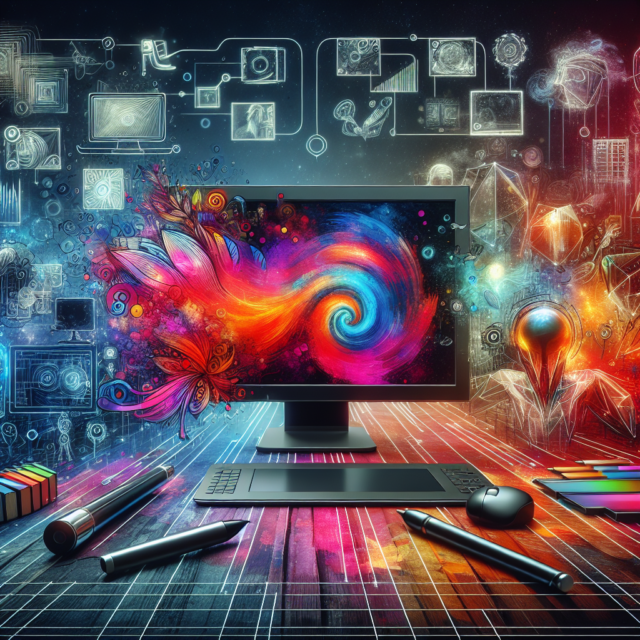
    Digital art, a term that encompasses a wide array of artistic practices and outputs, represents a fascinating intersection of technology and creativity. As we navigate through the 21st century, digital art has become an integral part of both the art world and our daily lives, influencing everything from graphic design and advertising to virtual reality and video games. This article delves into the evolution and impact of digital art, exploring its origins, the technological advancements that have shaped it, and its cultural significance in contemporary society.

    Tracing the Roots: The Birth of Digital Art

    The origins of digital art can be traced back to the mid-20th century, a period marked by rapid technological advancements and a burgeoning interest in the potential of computers. In the late 1960s, artists like Frieder Nake, Harold Cohen, and Vera Molnar began experimenting with computer-generated art, using early programming languages to create abstract forms and patterns. These pioneers paved the way for a new form of artistic expression that would challenge traditional notions of art and creativity.

    During the 1970s and 1980s, digital art continued to evolve alongside emerging technologies. The introduction of personal computers and graphic software like Adobe Illustrator and Photoshop democratized digital art, making it more accessible to artists worldwide. This era also saw the rise of video art and digital installations, with artists like Nam June Paik and Jenny Holzer exploring the potential of electronic media to convey complex messages and emotions.

    As digital art gained momentum, it began to blur the boundaries between art and technology. The use of algorithms and code became a common practice, allowing artists to create dynamic, interactive pieces that responded to viewer input or environmental changes. This shift not only expanded the possibilities of artistic expression but also raised questions about authorship and the role of technology in the creative process.

    The 1990s marked a significant turning point for digital art, as the internet emerged as a new platform for artistic experimentation and dissemination. Online galleries and virtual exhibitions provided artists with unprecedented opportunities to reach global audiences, while the rise of digital photography and video further expanded the scope of digital art. This period also saw the emergence of net art, a genre that explores the unique characteristics of the internet as a medium for artistic creation.

    Despite initial skepticism from the traditional art world, digital art gradually gained recognition and legitimacy. Major museums and galleries began to incorporate digital works into their collections, and dedicated festivals and conferences emerged to celebrate and promote digital art. This growing acceptance reflected a broader cultural shift towards embracing technology as an integral part of contemporary life and creativity.

    Today, digital art is a diverse and dynamic field that encompasses a wide range of practices and genres. From generative art and virtual reality installations to digital illustration and 3D modeling, digital art continues to push the boundaries of what is possible, challenging our perceptions of art and creativity in the digital age.

    Technological Advances Shaping Digital Creativity

    The evolution of digital art is intrinsically linked to the technological advancements that have shaped its development. One of the most significant innovations has been the advent of powerful graphic processing units (GPUs), which have revolutionized the way artists create and render digital works. These high-performance processors enable artists to work with complex 3D models and detailed textures, producing stunningly realistic images and animations.

    The rise of artificial intelligence (AI) has also had a profound impact on digital art, offering new tools and techniques for artistic creation. AI algorithms can analyze vast amounts of data, generating unique patterns, compositions, and styles that artists can incorporate into their work. This collaboration between human creativity and machine learning has opened up new possibilities for artistic expression, challenging traditional notions of authorship and originality.

    Virtual reality (VR) and augmented reality (AR) technologies have further expanded the horizons of digital art, allowing artists to create immersive, interactive experiences that engage viewers in novel ways. These technologies enable artists to construct entire virtual worlds, where audiences can explore and interact with the artwork in real-time. This shift towards experiential art has transformed the viewer’s role from passive observer to active participant, reshaping the way we experience and interpret art.

    The proliferation of digital tools and software has also democratized the creation of digital art, making it more accessible to artists of all skill levels. User-friendly applications like Procreate, Blender, and Unity empower artists to experiment with digital techniques, while online tutorials and communities provide valuable resources and support. This accessibility has led to a surge in digital art production, with creators from diverse backgrounds contributing to the vibrant digital art scene.

    The development of blockchain technology and non-fungible tokens (NFTs) has introduced a new paradigm for digital art ownership and distribution. NFTs allow artists to tokenize their digital works, creating unique, verifiable assets that can be bought, sold, and traded on decentralized platforms. This innovation has not only provided artists with new revenue streams but has also sparked debates about the value and authenticity of digital art in the age of digital reproduction.

    As technology continues to evolve, so too will the tools and techniques available to digital artists. Emerging technologies like quantum computing, neural interfaces, and synthetic biology hold the potential to further transform digital art, offering unprecedented opportunities for creative exploration and innovation. As we look to the future, the relationship between art and technology will undoubtedly continue to evolve, shaping the way we create, experience, and understand art in the digital age.

    The Cultural Impact of Digital Art in Modern Society

    Digital art has had a profound cultural impact, influencing the way we perceive and engage with art in contemporary society. One of the most significant effects has been the democratization of art, as digital platforms provide artists with new avenues for sharing their work with global audiences. Social media, online galleries, and virtual exhibitions allow artists to reach diverse communities, fostering cross-cultural exchanges and collaborations that transcend geographical boundaries.

    The rise of digital art has also challenged traditional notions of art ownership and value. The ability to easily reproduce and distribute digital works has led to debates about the authenticity and worth of digital art, prompting a reevaluation of what constitutes art in the digital age. This shift has encouraged artists and collectors to explore new models of ownership and value, such as NFTs, which offer a novel approach to buying, selling, and trading digital art.

    In addition to reshaping the art market, digital art has also influenced popular culture and media. From video games and movies to advertising and fashion, digital art has become an integral part of our visual landscape, shaping the aesthetics and narratives that define contemporary culture. This pervasive influence highlights the growing importance of digital art as a cultural force, capable of shaping societal values and trends.

    Digital art has also played a crucial role in social and political movements, providing artists with a powerful platform for activism and advocacy. Through digital media, artists can address pressing issues such as climate change, social justice, and human rights, using their work to raise awareness and inspire action. This intersection of art and activism underscores the potential of digital art to effect meaningful change in society.

    The accessibility and versatility of digital art have also led to its integration into various educational and therapeutic contexts. Digital art programs and workshops offer individuals the opportunity to develop creative skills and express themselves in new ways, while digital art therapy has emerged as a valuable tool for mental health and well-being. These applications demonstrate the potential of digital art to enrich lives and foster personal growth.

    As digital art continues to evolve, its cultural impact will likely expand and deepen, influencing not only the art world but also the broader society. By challenging traditional boundaries and embracing new technologies, digital art has the power to transform the way we create, experience, and understand art, shaping the cultural landscape of the future.

    Digital art stands as a testament to the boundless possibilities that arise when creativity meets technology. From its humble beginnings in the mid-20th century to its current status as a dynamic force in the art world, digital art has continually pushed the boundaries of artistic expression and innovation. As technology continues to advance, digital art will undoubtedly evolve, offering new opportunities for artists to explore and challenge the conventions of art. In doing so, digital art will continue to shape our cultural landscape, influencing the way we perceive and engage with the world around us.
    Exploring the Impact and Evolution of AI-Generated Art

    Exploring the Impact and Evolution of AI-Generated Art

    Exploring the Impact and Evolution of AI-Generated Art

    In recent years, artificial intelligence (AI) has made significant inroads into numerous sectors, transforming how we work, live, and create. Among its many applications, AI’s role in art has garnered considerable attention, sparking both enthusiasm and debate. As we delve deeper into this intersection of technology and creativity, it becomes essential to explore the impact and evolution of AI-generated art. This article examines the rise of AI in the artistic landscape, its role in modern creativity, and potential future trends in AI-generated artistic expression.

    The Rise of AI in the Artistic Landscape

    The advent of AI in the artistic realm marks a significant shift in how art is conceptualized and produced. Initially, AI’s presence in art was met with skepticism, as traditionalists questioned the authenticity and originality of machine-created pieces. However, as AI technology advanced, it began to find its footing within the broader artistic community. Early examples of AI-generated art, such as the works produced by Harold Cohen’s AARON in the 1970s, demonstrated the potential for machines to contribute creatively, even if the results were rudimentary by today’s standards.

    AI’s growing influence in art can be attributed to several technological advancements. Machine learning algorithms, particularly those involving deep learning and neural networks, have enabled AI systems to analyze vast datasets of art. By understanding patterns, styles, and techniques from diverse artists and eras, AI can generate new art pieces that exhibit both innovation and homage to existing art forms. This capability has led to a surge in AI-generated artworks, pushing the boundaries of what is traditionally considered art.

    As AI technology continued to evolve, so too did its integration into various artistic disciplines. From digital paintings to music composition and even literature, AI has become an invaluable tool for artists seeking to expand their creative horizons. The proliferation of AI art platforms like DeepArt and Runway ML has democratized access to AI tools, allowing artists of all skill levels to experiment with machine-generated creativity. This democratization has played a crucial role in AI’s rise within the artistic landscape, fostering a community that embraces technological innovation.

    Moreover, AI’s presence in art has sparked a dialogue about the nature of creativity and authorship. While some argue that AI-generated art lacks the emotional depth and intentionality of human-created works, others contend that it opens up new possibilities for artistic expression. By challenging conventional notions of art, AI has prompted both creators and audiences to reconsider what it means to be an artist in the digital age. This ongoing debate underscores the transformative impact of AI on the artistic landscape.

    The rise of AI in art has also been fueled by collaborations between artists and technologists. By working together, these two groups have been able to leverage AI’s capabilities to create groundbreaking artworks that push the boundaries of creativity. These collaborations have not only produced stunning visual and auditory experiences but have also fostered a deeper understanding of how human creativity can be augmented by machine intelligence. As these partnerships continue to evolve, they promise to further solidify AI’s role in the artistic world.

    Finally, the commercial success of AI-generated art has contributed to its rise in prominence. High-profile sales, such as the auction of the AI-generated portrait "Edmond de Belamy" for $432,500 at Christie’s in 2018, have captured the public’s imagination and demonstrated the market’s appetite for this new form of art. Such successes have encouraged both established and emerging artists to explore AI’s potential, ensuring its continued growth and influence within the artistic landscape.

    Understanding AI’s Role in Modern Creativity

    To comprehend AI’s role in modern creativity, it is essential to recognize its function as both a tool and a collaborator. As a tool, AI provides artists with innovative means to enhance their creative processes. By automating tedious tasks like image rendering or color correction, AI allows artists to focus on the conceptual aspects of their work. This shift not only increases efficiency but also encourages experimentation, as artists can quickly iterate and refine their ideas using AI’s computational power.

    Beyond automation, AI serves as a creative collaborator, introducing an element of unpredictability and novelty into the artistic process. By generating unique patterns, forms, and concepts, AI can inspire artists to venture into uncharted creative territories. This symbiotic relationship between human and machine creativity has led to the emergence of hybrid art forms that blend human intuition with algorithmic precision. As a result, artists are able to explore new aesthetic possibilities that were previously unimaginable.

    AI’s influence on creativity extends beyond visual arts to encompass music, literature, and other creative domains. In music, AI algorithms can compose original pieces or assist musicians in exploring new harmonies and rhythms. Similarly, in literature, AI can generate text or suggest plot developments, providing writers with fresh perspectives and ideas. These applications highlight AI’s versatility as a creative partner, capable of enhancing artistic expression across multiple disciplines.

    However, AI’s role in creativity is not without controversy. Critics argue that AI-generated art lacks the emotional depth and intentionality that characterize human creativity. They contend that art is inherently a human endeavor, rooted in personal experiences and emotions that machines cannot replicate. While these concerns are valid, proponents of AI-generated art argue that it represents a new form of creativity, one that challenges traditional notions and expands the boundaries of artistic expression.

    The integration of AI into the creative process also raises questions about authorship and ownership. When a machine contributes to the creation of an artwork, determining who holds the rights to that piece becomes complex. Some artists view AI as an extension of their creative capabilities, while others see it as a co-creator deserving of recognition. As AI continues to play a more prominent role in art, these questions will become increasingly relevant, prompting a reevaluation of intellectual property laws and artistic collaboration.

    Ultimately, AI’s role in modern creativity is multifaceted, encompassing both practical and philosophical dimensions. By serving as a tool, collaborator, and catalyst for innovation, AI has the potential to redefine what it means to be creative in the 21st century. As artists continue to embrace this technology, they will undoubtedly uncover new ways to harness its power, further blurring the line between human and machine creativity.

    Future Trends in AI-Generated Artistic Expression

    As AI technology continues to evolve, several trends are likely to shape the future of AI-generated artistic expression. One such trend is the increasing personalization of AI-generated art. Advances in machine learning algorithms will enable AI systems to tailor their outputs to individual preferences and tastes, creating artworks that resonate on a personal level. This customization will allow for more meaningful interactions between audiences and AI-generated art, enhancing the overall artistic experience.

    Another trend is the integration of AI-generated art into virtual and augmented reality environments. As VR and AR technologies become more sophisticated, they offer new platforms for artists to explore immersive and interactive art forms. AI-generated content can populate these virtual spaces, creating dynamic and evolving artworks that respond to user interactions. This convergence of AI and immersive technologies promises to transform how art is experienced, making it more engaging and participatory.

    Collaboration between AI and artists is also expected to deepen, leading to more complex and nuanced artworks. As artists become more adept at working with AI, they will be able to leverage its capabilities to explore new creative directions. This collaboration will likely result in the emergence of new artistic genres and styles that reflect the unique contributions of both human and machine creativity. Such developments will further blur the boundaries between traditional and digital art forms.

    Ethical considerations will play a significant role in the future of AI-generated art. As AI systems become more autonomous and capable of creating art independently, questions about artistic responsibility and accountability will arise. Artists and technologists will need to navigate these ethical challenges, ensuring that AI-generated art is created and used in ways that respect cultural and societal values. This ethical discourse will shape the development and deployment of AI in the arts, guiding its evolution in a responsible manner.

    The commercial landscape of AI-generated art is also poised for growth. As AI continues to gain acceptance within the art market, new business models and opportunities will emerge. Artists may explore collaborations with tech companies to create AI-driven art installations or digital experiences. Additionally, AI-generated art could become a staple in the burgeoning NFT (non-fungible token) market, providing artists with new revenue streams and ways to engage with collectors.

    Finally, AI’s role in art education will likely expand, as educational institutions incorporate AI tools into their curricula. By teaching students how to work with AI, educators can prepare the next generation of artists to navigate the evolving creative landscape. This integration of AI into art education will foster a new breed of artists who are comfortable collaborating with technology, ensuring that AI-generated art continues to evolve and thrive in the future.

    The interplay between AI and art is a testament to the transformative power of technology in the creative realm. As AI continues to evolve, it promises to reshape the artistic landscape in ways both anticipated and unforeseen. By understanding AI’s current role and future potential in art, we can appreciate the profound impact it has on creativity and expression. As artists and technologists continue to collaborate, the boundaries of artistic possibility will expand, ushering in a new era of innovation and exploration. In this ever-evolving landscape, AI-generated art serves as a reminder that creativity knows no bounds, and the fusion of human and machine ingenuity holds endless potential for artistic expression.

    Exploring the Evolution and Impact of Digital Art

    Exploring the Evolution and Impact of Digital Art

    Digital art has rapidly evolved from a niche interest to a significant cultural and economic force. This transformation has been driven by technological advancements and changing societal attitudes towards art and creativity. In this article, we delve into the history, technological evolution, and societal impacts of digital art, providing a comprehensive overview of its journey from inception to present-day prominence.

    Tracing the Roots of Digital Artistry

    Digital art’s origins can be traced back to the 1960s when artists and computer scientists began experimenting with computers to create art. During this period, pioneers like Frieder Nake and Harold Cohen explored the potential of algorithms and computer programming in generating visual art. These early experiments laid the foundation for a new form of artistic expression, challenging traditional notions of art-making.

    As technology advanced, so did the tools and techniques available to digital artists. The introduction of personal computers in the 1980s democratized access to digital art creation, allowing a broader range of artists to explore and innovate. Software like Adobe Photoshop, introduced in 1988, revolutionized the way artists approached digital creation, offering unprecedented control and flexibility.

    The 1990s witnessed a significant shift as the internet emerged as a new platform for showcasing and distributing digital art. Artists could now share their work with a global audience, breaking down geographical barriers and fostering a vibrant online art community. This period also saw the rise of digital installations and multimedia art, further expanding the scope and impact of digital art.

    Throughout the early 2000s, digital art continued to gain legitimacy within the art world. Major galleries and museums began to exhibit digital works, recognizing their artistic value and cultural significance. This era also saw the emergence of digital art collectives and collaborative projects, highlighting the community-driven nature of this evolving art form.

    In recent years, digital art has experienced exponential growth, fueled by advancements in technology such as virtual reality, augmented reality, and blockchain. These innovations have opened new possibilities for artistic expression and ownership, allowing artists to create immersive experiences and secure their work through digital certificates of authenticity.

    Today, digital art is a vibrant and diverse field encompassing a wide range of styles and mediums. From digital painting and animation to interactive installations and virtual reality experiences, digital artists continue to push the boundaries of what is possible, challenging our perceptions of art and creativity.

    Digital Art: A Canvas Transformed by Technology

    The transformation of digital art is closely tied to technological advancements that have expanded the possibilities of artistic creation. With each new development, artists have been able to explore new mediums, techniques, and concepts, redefining what art can be in the digital age.

    One of the most significant technological influences on digital art is the rise of software and tools specifically designed for artistic creation. Programs like Adobe Illustrator and Corel Painter have provided artists with a digital canvas that mimics traditional painting and drawing techniques, while also offering unique features that are impossible to achieve with physical media.

    The proliferation of digital devices, such as tablets and smartphones, has further democratized access to digital art creation. These devices, equipped with powerful processors and high-resolution screens, allow artists to create and edit artwork on the go, making the process more accessible and convenient than ever before.

    Advancements in 3D modeling and animation software have also had a profound impact on digital art, enabling artists to create complex, lifelike representations of objects and characters. This has opened up new possibilities for storytelling and visual communication, allowing artists to create immersive worlds and experiences.

    Virtual reality (VR) and augmented reality (AR) have introduced entirely new dimensions to digital art, offering artists the ability to create interactive and immersive experiences that engage audiences in novel ways. These technologies have expanded the definition of digital art, blurring the lines between the digital and physical worlds and challenging our understanding of art and reality.

    Blockchain technology has emerged as a transformative force in the digital art world, particularly with the advent of non-fungible tokens (NFTs). This innovation allows artists to tokenize their work, providing a new way to authenticate and monetize digital creations. NFTs have sparked a global conversation about the value and ownership of digital art, highlighting the ongoing evolution of the art market in the digital age.

    The Societal Influence of Digital Art Evolution

    The evolution of digital art has had a profound impact on society, influencing how we create, consume, and perceive art. As digital art has gained prominence, it has challenged traditional notions of artistic value and legitimacy, prompting a reevaluation of what constitutes art in the modern era.

    Digital art has democratized artistic expression, providing individuals from diverse backgrounds with the tools and platforms to share their creativity with a global audience. This inclusivity has fostered a more diverse and representative art world, amplifying voices and perspectives that were previously marginalized or overlooked.

    The rise of digital art has also influenced the way we consume art, with online platforms and social media playing a significant role in art discovery and appreciation. These platforms have made art more accessible to the general public, allowing people to engage with and support artists directly, without the need for intermediaries like galleries or auction houses.

    Digital art has also played a role in shaping cultural and social discourse, often serving as a medium for commentary and critique on contemporary issues. Artists use digital platforms to address topics such as climate change, social justice, and technological ethics, leveraging their art to raise awareness and inspire action.

    The integration of digital art into education has transformed the way art is taught and learned, providing students with new tools and techniques to explore their creativity. Digital art programs and workshops have become increasingly popular, equipping the next generation of artists with the skills needed to thrive in a digital world.

    As digital art continues to evolve, it will undoubtedly shape the future of artistic expression and cultural engagement. By challenging conventions and embracing innovation, digital art has established itself as a vital and dynamic component of the contemporary art landscape, influencing how we understand and interact with the world around us.

    The journey of digital art from its nascent stages to its current status as a major cultural and economic force is a testament to the transformative power of technology and creativity. As digital art continues to evolve, it will undoubtedly push the boundaries of artistic expression, shaping our cultural landscape and influencing how we perceive and interact with art. By tracing its roots, exploring its technological advancements, and examining its societal impacts, we gain a deeper understanding of digital art’s significance and potential in the modern world.

    Exploring Emerging Trends in the Digital Art World

    Exploring Emerging Trends in the Digital Art World

    The digital art world is experiencing a dynamic evolution, driven by rapid technological advancements and innovative artistic expressions. As artists continue to explore new mediums and platforms, the landscape of digital art is being reshaped, offering fresh opportunities and challenges. This article delves into the emerging trends in digital art, focusing on recent innovations, the interplay between technology and art, and the transformative impact of non-fungible tokens (NFTs) on digital creativity.

    Unveiling the Latest Innovations in Digital Art

    The digital art sphere is a hotbed of innovation, where artists are constantly experimenting with new tools and techniques. One of the most exciting developments is the integration of artificial intelligence (AI) in art creation. Artists are utilizing AI algorithms to generate unique patterns, compositions, and even entire artworks. This collaboration between human creativity and machine learning is pushing the boundaries of what is possible in art, offering new perspectives and styles that were previously unimaginable.

    Virtual reality (VR) and augmented reality (AR) are also making significant strides in the digital

    Exploring the Intersection of Art and Technology

    Exploring the Intersection of Art and Technology

    In the modern era, the convergence of art and technology has revolutionized the way we perceive and create art. This intersection has not only redefined traditional boundaries but has also opened up new avenues for expression and innovation. As digital tools become increasingly sophisticated, artists and technologists are collaborating to explore uncharted territories, leading to a dynamic and evolving landscape. This article delves into the evolving relationship between art and technology, the innovations that are bridging creativity with digital tools, and the collaborative future that artists and technologists are shaping together.

    The Evolving Landscape of Art and Technology

    The relationship between art and technology has been a dynamic one, evolving significantly over the decades. In the past, artists primarily relied on traditional mediums such as paint, canvas, and sculpture to express their creativity. However, with the advent of digital technology, new forms of artistic expression have emerged, challenging and expanding the definition of art itself. From digital painting to virtual reality installations, artists are now able to explore dimensions that were previously inaccessible.

    The digital age has democratized the art world, providing artists with unprecedented access to tools and platforms that were once reserved for the privileged few. Social media, for instance, allows artists to share their work with a global audience, bypassing traditional gatekeepers like galleries and museums. This has led to a more inclusive art scene where diverse voices and perspectives can be heard and celebrated.

    Technology has also influenced the way art is consumed and experienced. Interactive installations and augmented reality experiences invite audiences to engage with art in ways that were unimaginable a few decades ago. This shift from passive viewing to active participation has transformed the audience’s role from mere spectators to co-creators, fostering a more immersive and personal connection with art.

    Moreover, the integration of artificial intelligence and machine learning into the art-making process has sparked both curiosity and controversy. While some purists argue that these technologies undermine the authenticity of art, others believe they offer exciting new possibilities for creativity. Artists are now able to collaborate with algorithms to generate unique works that push the boundaries of human imagination.

    Despite these advancements, the marriage of art and technology is not without its challenges. Ethical considerations, such as copyright issues and the commodification of digital art, continue to spark debate. Additionally, the rapid pace of technological change means that artists must constantly adapt to new tools and trends, a task that can be both daunting and exhilarating.

    Ultimately, the evolving landscape of art and technology is a testament to the boundless potential of human creativity. As artists continue to experiment with new tools and mediums, they pave the way for future innovations that will further blur the lines between the physical and digital worlds.

    Innovations Bridging Creativity and Digital Tools

    The fusion of creativity and digital tools has resulted in a plethora of innovations that are reshaping the art world. One of the most significant developments is the rise of digital art, which encompasses a wide range of practices including digital painting, graphic design, and 3D modeling. These digital mediums allow artists to experiment with colors, textures, and forms in ways that are not possible with traditional materials.

    Virtual reality (VR) and augmented reality (AR) are also at the forefront of this technological revolution, offering new dimensions for artistic expression. VR allows artists to create immersive environments that transport viewers to alternate realities, while AR overlays digital elements onto the physical world, enhancing the viewer’s experience. These technologies are being used not only in galleries and exhibitions but also in industries such as gaming and film, where they open up new possibilities for storytelling.

    Generative art, which involves the use of algorithms to create art autonomously, is another groundbreaking innovation. By collaborating with machines, artists can explore complex patterns and forms that challenge conventional notions of authorship and creativity. This genre of art raises intriguing questions about the role of the artist and the nature of creativity itself.

    Blockchain technology is also making waves in the art world, particularly through the advent of non-fungible tokens (NFTs). NFTs provide a way to authenticate and sell digital art, addressing long-standing issues of provenance and ownership. This has created new opportunities for artists to monetize their work and connect with collectors, although it has also sparked debates about the environmental impact and speculative nature of the NFT market.

    The integration of artificial intelligence (AI) into the art-making process is another area of innovation. AI can be used to analyze vast amounts of data to identify trends and patterns, which artists can then incorporate into their work. Some artists are even using AI to generate entire compositions, blurring the line between human and machine creativity.

    Finally, the use of data visualization in art is gaining traction as a way to represent complex information in a visually engaging manner. Artists are using data to create works that comment on social, political, and environmental issues, offering new perspectives and insights. This intersection of art and data science is expanding the possibilities for both fields, leading to innovative collaborations and projects.

    Artists and Technologists: A Collaborative Future

    The collaboration between artists and technologists is paving the way for a future where creativity and technology are seamlessly intertwined. This partnership is essential for pushing the boundaries of what is possible in both fields, as each brings unique skills and perspectives to the table. Artists provide the creative vision and conceptual depth, while technologists offer the technical expertise and innovative tools necessary to bring these visions to life.

    One of the most promising aspects of this collaboration is the potential for interdisciplinary projects that combine art, science, and technology. These projects can lead to groundbreaking discoveries and innovations, as they encourage participants to think outside the box and explore new ideas. Such collaborations are already taking place in fields like bio-art, where artists and scientists work together to create living artworks using biological materials.

    Educational institutions and organizations are recognizing the importance of fostering collaboration between artists and technologists. Many universities now offer programs that integrate art and technology, providing students with the skills and knowledge needed to thrive in this rapidly evolving landscape. Workshops, residencies, and hackathons are also being organized to bring together artists and technologists, facilitating the exchange of ideas and the development of new projects.

    The rise of creative coding is another example of how artists and technologists are working together to create innovative works. By using programming languages as a medium, artists can create interactive installations, generative art, and digital performances. This approach encourages experimentation and collaboration, as artists often work closely with technologists to develop custom software and tools.

    As technology continues to advance, the possibilities for collaboration between artists and technologists will only increase. Emerging technologies such as quantum computing, biotechnology, and advanced robotics offer new opportunities for creative exploration and innovation. By working together, artists and technologists can harness the power of these tools to create works that challenge, inspire, and transform.

    In conclusion, the collaborative future of art and technology holds immense potential for both fields. By embracing the possibilities offered by digital tools and technological advancements, artists and technologists can continue to push the boundaries of creativity and innovation. This partnership is not only reshaping the art world but also offering new ways to engage with and understand the world around us.

    The intersection of art and technology is a dynamic and ever-evolving landscape that continues to push the boundaries of creativity and innovation. As digital tools become more sophisticated and accessible, artists and technologists are collaborating to explore new possibilities, leading to groundbreaking innovations and projects. This partnership is reshaping the art world, offering new ways to engage with and experience art. As we look to the future, the collaboration between artists and technologists holds immense potential for both fields, paving the way for a creative and technologically advanced world.

    Enhancing Digital Customer Experiences in Modern Markets

    Enhancing Digital Customer Experiences in Modern Markets

    In today’s rapidly evolving digital age, businesses across all sectors are recognizing the imperative need to enhance their digital customer experiences. As technology continues to advance and consumer expectations rise, companies must adapt to remain competitive. This article delves into the intricacies of the digital customer landscape, identifies key elements necessary for creating seamless digital interactions, and explores strategies to improve customer interactions in modern markets.

    Understanding the Digital Customer Landscape

    The digital customer landscape has transformed significantly over the past decade, driven by the proliferation of smartphones, the internet, and social media. Today’s consumers are more connected and informed than ever before, with access to a wealth of information at their fingertips. This accessibility has shifted the power dynamics, placing more control in the hands of the consumer and compelling businesses to adapt their strategies accordingly. Understanding this shift is crucial for companies aiming to thrive in the digital space.

    One of the defining characteristics of the digital customer landscape is the expectation for instant gratification. Customers now expect quick responses, seamless transactions, and personalized experiences. This has been fueled by the rise of e-commerce giants and tech companies that have set high standards for customer service and convenience. As a result, businesses must ensure they can meet or exceed these expectations to maintain customer loyalty and satisfaction.

    The digital customer is also more discerning and selective in their interactions with brands. With countless options available, consumers are more likely to research and compare products and services before making a purchase. This means that businesses need to not only offer high-quality products but also create compelling digital experiences that capture and retain customer interest. Understanding customer preferences, behaviors, and pain points is essential for developing effective digital strategies.

    Another important aspect of the digital customer landscape is the increased emphasis on transparency and trust. In an era where data privacy concerns are paramount, customers demand that businesses handle their personal information responsibly. Companies that prioritize data security and clearly communicate their privacy policies are more likely to build trust and foster long-term relationships with their customers. This requires a commitment to ethical practices and transparent communication.

    Moreover, the rise of social media has fundamentally changed how customers interact with brands. Platforms like Instagram, Twitter, and Facebook have become powerful tools for customer engagement and feedback. Businesses that leverage social media effectively can gain valuable insights into customer preferences and sentiment, allowing them to tailor their offerings and improve customer experiences. Active engagement on these platforms is crucial for building brand loyalty and staying relevant in the digital age.

    Finally, the digital customer landscape is characterized by an ever-increasing demand for personalization. Customers expect brands to understand their individual needs and preferences, and to offer tailored experiences that resonate with them. This requires businesses to invest in data analytics and customer relationship management systems to gather and analyze customer data effectively. By doing so, companies can create personalized marketing campaigns, product recommendations, and customer support experiences that enhance overall satisfaction and loyalty.

    Key Elements of a Seamless Digital Experience

    Creating a seamless digital experience requires a comprehensive understanding of the various touchpoints that customers interact with throughout their journey. One of the most critical elements is a user-friendly website or mobile app. A well-designed interface that is intuitive and easy to navigate can significantly enhance the customer experience. This includes clear calls-to-action, fast loading times, and a responsive design that adapts to different devices and screen sizes.

    Another key element is efficient and reliable customer support. In the digital landscape, customers expect quick resolutions to their queries and issues. Implementing live chat features, chatbots, and self-service options can help address customer concerns promptly and efficiently. Additionally, providing multiple channels for customer support, such as email, social media, and phone, ensures that customers can reach out in their preferred method, enhancing overall satisfaction.

    Personalization is also a crucial component of a seamless digital experience. By leveraging data analytics and artificial intelligence, businesses can offer personalized recommendations, content, and promotions to individual customers. This not only enhances the customer experience but also increases the likelihood of conversion and repeat business. Personalized experiences make customers feel valued and understood, fostering a deeper connection with the brand.

    Security and privacy are paramount in creating a seamless digital experience. Customers need to feel confident that their personal information is protected when interacting with a brand online. Implementing robust security measures, such as encryption and two-factor authentication, can help safeguard customer data. Additionally, being transparent about data collection practices and obtaining explicit consent for data usage builds trust and reassures customers.

    Consistency across all digital channels is another important element. Whether a customer is interacting with a brand via a website, mobile app, social media, or email, the experience should be cohesive and aligned with the brand’s identity. Consistent messaging, design, and tone of voice create a unified experience that reinforces the brand’s values and enhances customer trust. This requires effective coordination and collaboration across different departments within the organization.

    Lastly, seamless integration with third-party platforms and services can enhance the digital customer experience. For example, integrating with popular payment gateways or offering seamless social media login options can simplify the purchasing process and reduce friction. Collaborating with partners to provide complementary services or products can also add value to the customer experience. These integrations should be carefully chosen and implemented to ensure they align with the brand’s goals and enhance the overall customer journey.

    Strategies for Improving Customer Interactions

    To improve customer interactions in the digital realm, businesses must adopt a customer-centric approach. One effective strategy is to actively seek and act upon customer feedback. By implementing surveys, feedback forms, and social media listening tools, companies can gather valuable insights into customer preferences and pain points. This information can then be used to refine products, services, and digital experiences, ultimately enhancing customer satisfaction and loyalty.

    Another strategy is to leverage data analytics to gain a deeper understanding of customer behavior and preferences. By analyzing customer data, businesses can identify trends, predict future needs, and tailor their offerings accordingly. This data-driven approach allows for more targeted marketing campaigns, personalized recommendations, and optimized customer journeys. Investing in advanced analytics tools and hiring skilled data analysts can significantly enhance a company’s ability to make informed decisions and improve customer interactions.

    Investing in employee training and development is also crucial for improving customer interactions. Frontline employees who interact directly with customers should be equipped with the skills and knowledge necessary to provide exceptional service. This includes training on effective communication, problem-solving, and empathy. Empowering employees to make decisions and resolve issues independently can lead to more positive customer interactions and increased satisfaction.

    Utilizing technology to automate repetitive tasks can free up resources and allow employees to focus on more meaningful customer interactions. Automation tools such as chatbots, CRM systems, and workflow automation can streamline processes and improve efficiency. However, it’s important to strike a balance between automation and human touch, as customers still value personalized and empathetic interactions. Businesses should identify areas where automation can enhance efficiency without compromising the quality of customer interactions.

    Building strong relationships with customers is another effective strategy for improving interactions. This can be achieved through loyalty programs, personalized communication, and proactive engagement. By rewarding loyal customers and providing exclusive offers, businesses can foster a sense of appreciation and strengthen the bond with their customer base. Regular communication through personalized emails, newsletters, and social media interactions keeps customers informed and engaged, enhancing their overall experience.

    Finally, businesses should continuously monitor and evaluate their digital customer experiences to identify areas for improvement. This involves tracking key performance indicators (KPIs) such as customer satisfaction, retention rates, and net promoter scores. Regularly reviewing these metrics allows businesses to identify trends and make data-driven decisions to enhance customer interactions. Additionally, staying informed about industry trends and emerging technologies can provide valuable insights and opportunities for innovation in the digital customer experience.

    Enhancing digital customer experiences is no longer a luxury but a necessity for businesses operating in modern markets. By understanding the digital customer landscape, identifying key elements of a seamless experience, and implementing effective strategies for improvement, companies can create meaningful and lasting connections with their customers. As technology continues to evolve, businesses must remain agile and adaptive to meet the ever-changing expectations of digital consumers. By prioritizing customer-centricity and leveraging data-driven insights, companies can not only survive but thrive in the competitive digital landscape.

    Aureal One Presale Gains Steam — The Next Crypto Bull Run Is Set to Create Millionaires

    0
    Aureal One Presale Gains Steam — The Next Crypto Bull Run Is Set to Create Millionaires


    As 2025 is around the corner, many crypto investors are preparing for the subsequent bull run. Crypto buyers are turning their attention to the crypto market for the next crypto bull run. The mega bull run is expected to resume in Q1 of 2025, reinforced by various factors such as Trump’s inauguration and ETF approvals. 

    As investors seek fresh opportunities, Bitcoin and Ethereum continue to lead the market. However, emerging altcoins and innovative projects are gaining traction, promising exceptional returns in the next bull cycle. One standout among these rising stars is Aureal One (DLUME), generating significant attention for its groundbreaking approach and potential. In this press release, we’ll dive into six cryptocurrencies poised for explosive growth in 2025, with a spotlight on Aureal One and its ability to potentially create millionaires during the upcoming bull run.

    6 Next Crypto Bull Run

    Aureal One (DLUME)
    DexBoss (DEBO)
    YPredict (YPRED)
    ShibaSwaps (SHIBS)
    BlockDAG (BDAG)
    SatoSwap (STS)

    Let’s explore deep into each of the coins and decrypt why you should know about them. Aureal One provides investors with enormous potential and is built for innovation and growth. It is a must-follow on the path to future financial success, regardless of your level of experience with cryptocurrency.

    1. Aureal One (DLUME)

    Aureal One’s vision for the future of blockchain gaming and the metaverse is gaining attention from early adopters. Its ecosystem, featuring the DarkLume platform and Clash of Tiles game, aims to establish a strong presence in the rapidly growing blockchain gaming sector, which is expected to surpass $250 billion by 2025. Like other forms of Zero-Knowledge (ZK) technology, Aureal One is driven by a mission to enhance the world by delivering fast and affordable blockchain transactions. This highly efficient transaction feature is likely to capture the interest of both gamers and investors.

    Click here to know more about Aureal One

    Early investors can get into the presale at $0.0009 per token for a possible 1000X return. This advanced transaction efficiency has the potential to draw both gamers and investors, positioning Aureal One as a strong candidate for the next crypto bull market in Q1 2025.

    2. DexBoss (DEBO)

    DexBoss stands out as one of the top DeFi platforms, offering tools designed to enhance accessibility and optimize returns for users. Its native token, DEBO, unlocks features like high-leverage trading, staking, and liquidity farming. The platform supports over 2,000 cryptocurrencies, providing diverse investment opportunities.

    DexBoss makes decentralized finance (DeFi) simple and approachable for all users, not just institutional investors. During its presale phase, the $DEBO token is priced at $0.01, with an anticipated listing price of $0.15, presenting early investors with the potential for up to 1000x returns. This positions DEBO as a strong contender in the next crypto bull market. With growing momentum, the token could potentially reach $1 by 2025.

    3. yPredicta (YPRED)

    yPredict is a community-driven ecosystem comprised of AI/ML specialists and traders. The platform provides various products, including advanced analytical tools and platforms, designed to deliver insights and analysis using cutting-edge financial forecasting techniques and alternative data. These features empower users to make informed trading decisions. Its native token, YPRED, is currently priced at $0.12 and holds the potential to reach $1 during the next crypto bull market. By leveraging AI-powered analysis for precise market predictions, yPredict.ai aims to elevate crypto trading to a new level of sophistication.

    4. Shiba Swaps (SHIBS)

    ShibaSwap is a DEX platform that is supposed to let people swap, stake, and earn using SHIB tokens. Currently priced at $0.00008, this platform enjoys immense popularity because of the massive network guide and inside use of the Shiba Inu ecosystem. It gives the ability to earn when supplying and staking tokens, which is always a nice incentive.

    Still, ShibaSwap has become one of the most successful decentralized platforms, and its market capitalization is almost $7 billion. The more the DeFi space grows, the more critical ShibaSwap is in the Shiba Inu ecosystem, and the rewarding staking system provided makes it a good investment. This makes the token the next bull run to invest in now as it may rally to hit $1 in 2025.

    5. BlockDAG (BDAG)

    BlockDAG is an interesting altcoin that addresses one of the most burning issues in blockchain technology: scalability. The use of this technology, Directed Acyclic Graph, will enable Blockdag to enhance the way in which different blockchain transactions are managed. This one is worth waiting for if you are looking for the future of the decentralized system. With $0.35, Blockdag is a $750m market cap project and maybe the next crypto to hit $1 this coming bull run.

    BlockDAG is a new concept in the crypto sector, and therefore enticing for investors since its functioning is based on DAG technology. Blockdag-type solutions greatly facilitate the scalability and the transaction speeds in such block growing process. This positions the token among the next bull-run cryptos that investors can grab before the prices go through the roof.

    6. Satoswap (STS)

    SatoSwap is a new addition to the list of DEXs that aim to offer the lowest transaction fees possible and are incredibly fast. This altcoin product, which they sell at $0.10, has attracted the attention of many people due to its smooth efficiency enhancement. With its growing adoption in the crypto market, it could be the next crypto to hit $1 in the coming bull run. Its full commitment to usability and security puts it high on this list of the next crypto bull run.

    SatoSwap is prepared to leverage the current rising demand for decentralized buying and selling, mainly due to the DeFi phenomenon.

    Conclusion

    Aureal One (DLUME) stays by far the most perfect funding in the crypto marketplace. This comes as it is positioning itself in the metaverse and gaming. Aureal One will seize two of the most vibrant industries in the crypto space. The community, innovative technology, and strategic projects like Clash of Tiles and Darklume will put it on the list of notable next crypto bull run 2025. As it keeps the pace going, Aureal One is the right investment space where investors can have guaranteed long-term returns of up to 1000x.

    A continuous successful presale and a growing ecosystem undoubtedly guarantee opportunities in the market to contribute to the next crypto bull run. As one of the best crypto presale opportunities as you head into the year 2025, it means you are in for a rosy future in investing in the future of blockchain. 


    Source link

    Game of the Year 2024 – Best Nintendo Switch Game | TheSixthAxis

    0
    Game of the Year 2024 – Best Nintendo Switch Game | TheSixthAxis


    This time next year, we’ll hopefully be talking up a storm about the delights of the Nintendo Switch 2, how Nintendo has handled their own cross-gen transition and the games that have straddled the generations. With that in mind, 2024 has felt like Nintendo playing for time, leaning heavily on remakes and remasters once again – trawling the GameCube and 3DS libraries for inspiration – though with a clutch of new entries in beloved series that absolutely had the capacity to delight and surprise. Notably, the princesses got to step out of the shadow of Nintendo’s leading men and have adventures of their very own.

    One of the longest-running jokes in video games came to a head this year as Zelda finally got to star in her own adventure, with Link having to play second fiddle for once. The Legend of Zelda: Echoes of Wisdom could so easily have been a character transplant with Zelda picking up sword, shield and boomerang just as Link would – and Zelda has been a badass warrior, pirate, ninja and more in the past – but as is often the case, Nintendo and developer Grezzo sought to do something a little bit different.

    Leant the ability to summon objects and creatures, and attach to them in multiple ways, everything from simply navigating the world to fighting enemies becomes a magic-infused puzzle, lending this game its own distinctive tone and style. Sure, it does fall back on classic Link combat in short bursts, but for the most part you summoning blocks of water to swim through, attaching to a spider that will then clamber up a wall or over a tree for you, setting field alight with an arsonist Zol, or simply stacking beds in gravity-defying fashion to create a set of stairs.

    It’s thoroughly enjoyable and a wonderful surprise that has us keen to see Zelda step into the limelight much more often in future.

    Shiren the Wanderer: The Mystery Dungeon of Serpentcoil Island – Runner-up

    So many roguelikes and dungeon crawlers place an emphasis on build-crafting, and how the emergent gameplay experience can be dished out through satisfying skill combinations or optimized weapon upgrades. Shiren the Wanderer: The Mystery Dungeon of Serpentcoil Island is a delight because your build, and your optimized run, and your upgraded gear are all affected by the environment you find yourself in and the way the elements of the game-world naturally bounce off of each other.

    Like the chemical reactions in Breath of the Wild that cause burning grass to create flight-enhancing wind gusts, there are layered systems in this game that crash together in consistently unexpected and hilarious ways. It’s an excellent twist on the usual number-crunching ethos of the modern roguelike, and perfect for a quick commute play-session on the Nintendo Switch.

    – Miguel M

    Paper Mario: The Thousand-Year Door – Runner-up

    Nintendo’s approach to remasters and remakes has been fairly scattershot on Nintendo Switch (outside of quickly porting across all the major Wii U games in the first few years of its replacement’s arrival), but as part of that, they’ve also struck a rich vein of 20-year-old games from the GameCube era.

    Paper Mario: The Thousand-Year Door transplants what is widely considered to be the very best Paper Mario game into a modern game engine, giving it a buff and polish to help it stand up alongside more modern titles on the system, and in doing so gives us a perfect reminder of why Mario RPGs are so beloved, with all the quirkiness and charm of the story and character alongside the original Paper Mario combat style.

    Honourable mentions (in alphabetical order)

    What have you been playing on Nintendo Switch this past year? Let us know in the comments.


    Source link

    Top Cryptocurrencies Poised for Breakout This Weekend | Web3Wire

    0
    Top Cryptocurrencies Poised for Breakout This Weekend | Web3Wire


    # Top Cryptocurrencies Poised for Breakout This Weekend

    As the weekend approaches, the cryptocurrency market is set to catch the attention of investors and traders worldwide. This seems to be a particularly promising time for certain digital assets. If you’re considering adding some cryptocurrencies to your portfolio, here are the top ones that have shown potential for a breakout over the weekend.

    ## Understanding the Landscape of Cryptocurrency

    The cryptocurrency market is well-known for its volatility and the potential for quick gains, which brings both excitement and risk. Market participants are on the constant lookout for coins that are positioned for a short-term burst. Let’s explore some cryptocurrencies that could potentially outperform and deliver noteworthy returns this weekend.

    ### 1. Bitcoin (BTC)

    Bitcoin continues to be a major player in the cryptocurrency space. As the first cryptocurrency, it enjoys a significant market share, and any movement in its price often impacts the entire market.

    – **Current Market Sentiment:** Positive, bolstered by consistent adoption and institutional interest.– **Important Metrics:** Market cap, recent trading volume, and on-chain data that indicate growing interest and consolidation.

    ### 2. Ethereum (ETH)

    Ethereum remains the backbone of decentralized finance (DeFi) and non-fungible tokens (NFTs). Its extensive ecosystem and continuous updates make it a favorite among investors.

    – **Why It’s Important:** Ethereum 2.0 upgrades continue to enhance network efficiency and transaction speed.– **Potential Drivers:** Increased DeFi activity and NFT transactions can potentially push prices upwards.

    ### 3. Solana (SOL)

    Known for its high-speed transactions and robust infrastructure, Solana has been gaining traction as a preferred blockchain for developers.

    – **Strengths:** Low transaction costs and high throughput.– **Growth Indicators:** Rising decentralized application (dApp) deployment and an expanding user base.

    ### 4. Cardano (ADA)

    Cardano distinguishes itself with a strong emphasis on research-driven development and sustainability. Its planned upgrades and scalability solutions make it a promising candidate.

    – **Current Developments:** Constant improvements and partnerships aimed at enhancing real-world application.– **Why It Stands Out:** A committed community and development team focused on scalability and interoperability.

    ### 5. Chainlink (LINK)

    Chainlink’s decentralized oracles connect smart contracts with real-world data. Its integral role in the blockchain ecosystem makes it indispensable.

    – **Use Cases:** Essential for DeFi applications requiring reliable external data.– **Investment Appeal:** Continued collaborations and integrations that expand its reach across various networks.

    ### 6. Terra (LUNA)

    Terra seeks to revolutionize the financial system with its unique approach to decentralized stablecoins. Its algorithmic stablecoin model is attracting interest.

    – **Ecosystem Growth:** The launch of new applications and protocols within the Terra ecosystem.– **Why It’s Intriguing:** Innovative solutions for stablecoins, crucial for DeFi stability and adoption.

    ## Factors to Consider

    Investors interested in these breakout potential cryptocurrencies should be mindful of several factors that could impact asset performance over the weekend.

    ### Market Sentiment

    The general mood of the market often influences cryptocurrency prices. Positive sentiments can drive significant investments into these digital assets, while negative ones may cause a downturn.

    ### Technical Analysis

    Technical analysis tools can help in predicting potential price movements. Observing patterns and trends in past price data is crucial for making informed decisions.

    ### News and Events

    Stay informed about news, key events, partnerships, new launches, or technological upgrades which can serve as catalysts influencing price volatility.

    ## Conclusion

    Investing in cryptocurrencies is not without its risks. The potential for sudden volatility means prices can change quickly. Each of the discussed cryptocurrencies—Bitcoin, Ethereum, Solana, Cardano, Chainlink, and Terra—presents its unique opportunities and challenges.

    As you navigate the crypto space this weekend, ensure your investment decisions are based on thorough research and an understanding of current market dynamics. Always consider consulting with financial experts and utilizing risk management strategies to safeguard your investments.

    Remember, while digital currencies hold great promise, they demand cautious and informed participation. As the market evolves, maintaining an adaptable strategy is key to capitalizing on the potential breakouts these promising cryptocurrencies may offer.

    About Web3Wire Web3Wire – Information, news, press releases, events and research articles about Web3, Metaverse, Blockchain, Artificial Intelligence, Cryptocurrencies, Decentralized Finance, NFTs and Gaming. Visit Web3Wire for Web3 News and Events, Block3Wire for the latest Blockchain news and Meta3Wire to stay updated with Metaverse News.
    License Image Republish


    Source link

    A Complete Guide to Beeple: The #1 NFT Artist

      0
      A Complete Guide to Beeple: The #1 NFT Artist


      NFT art has become one of the biggest niches of the blockchain industry at large. One individual has been crucial to its rise – and to this day, is still considered to be the #1 NFT artist in the world. That artist is Beeple.

      Beeple arguably kick-started the NFT boom of 2021 – and ever since, he has continued to create daily art, hold major industry events, and held his head high as the standard-bearer for the NFT industry at large. Thanks to his tireless work, NFTs have rightfully established their place in the art world, causing seismic shifts in how we perceive, value and appreciate art.

      He has become one of the most notorious artists in both the non-fungible and traditional art world – but what makes Beeple’s creations unique, how did he rise to prominence, and what could lie ahead in his future?

      Here’s our complete guide to Beeple, the #1 NFT artist in the world.

      Key Insights

      Real name Mike WinkelmannBegan his daily Everydays art series on May 1, 2007Sold Everydays: The First 5000 Days for $69.4 million USD in March 2021Opened exhibition and event space Beeple Studios in March 2023Widely considered to be the #1 NFT artist in the world

      Beeple Guide - Mike Winkelmann

      Who is Beeple?

      Beeple, real name Mike Winkelmann, was born in 1981 in Wisconsin.

      He started his career in the early 2000s as a graphic designer, with a keen interest in digital art. In these formative years, he would develop distinct inspirations and a style that would go on to define his future work.

      In 2007, he began the Everydays project – a commitment to creating and sharing a new piece of digital art every single day. Beeple did this to maintain a commitment to developing his art skills, building his body of work, and raising his profile as an artist.

      Beeple’s art often blends dystopian themes with satirical commentary on politics, technology, and pop culture. By adopting a straightforward and non-apologetic approach to incorporating familiar figures and contemporary issues in his work, Beeple’s works have had far-reaching appeal – keeping a firm finger on the cultural zeitgeist over time and prompting viewers to reflect on the world around them.

      Beeple Guide - EverydaysBeeple Guide - Everydays

      The history of Beeple

      Through Everydays, Beeple built a significant online following. This would serve to raise his profile – and inevitably pave the way to his future success.

      In 2019, Beeple collaboration with luxury fashion label Louis Vuitton, integration his works into their 2019 Spring/Summer collection. This would be one of the first times in which a luxury label would collaborate with an artist more commonly known for digital art – a trend that would soon explode in popularity as the 2020s rolled around.

      Beeple held his NFT debut in October 2020 – becoming one of the most prominent artists to explore the medium at the time – and immediately made his mark. Crossroad, a piece that would change depending on the outcome of the 2020 U.S. presidential election, initially sold for $66,666 – one of the highest fees paid for an NFT artwork at the time. In February 2021, Crossroad would be resold for $6.6 million USD – just a month before his most notable moment.

      Beeple Guide - HUMAN ONEBeeple Guide - HUMAN ONE

      March 2021 saw a collage of his first 5,000 Everydays artworks – titled Everydays: The First 5000 Days – minted as an NFT to be sold at auction via Christie’s. The piece blew all estimates out of the water, and would go on to fetch $69.4 million USD. This was one of the highest prices ever made for work by a living artist, and instantly made Beeple one of the wealthiest artists in the world – not to mention marking a huge moment in the history of digital art and Web3.

      In November 2021, Beeple followed up his landmark Christie’s auction with the auction of HUMAN ONE, a unique 7-foot tall sculpture. Bridging both the physical and digital realms, the piece is also designed to evolve over time, showcasing the additional dimensions that digital art can bring to the traditional art world. The piece fetched $29 million USD at auction, bringing Beeple’s earnings for the year to well over $100 million USD.

      Although his high-profile auctions that attracted mainstream attention have since waned in recent years, Beeple has attained a cult-like following in the Web3 industry. He remains a major figure in the industry, featuring in exhibitions, panels and events around the world, and remaining as committed as ever to his daily Everydays works, having recently passed the 17-year mark.

      Beeple Guide - CrossroadBeeple Guide - Crossroad

      What’s next for Beeple?

      Beeple’s status as the world’s most prominent NFT artist is firm – and he shows no signs of stopping anytime soon.

      In March 2023, Beeple opened Beeple Studios – a 50,000 sq ft space in Charleston, North Carolina that serves as a base for his work, events and activities. The space includes offices, lab spaces, collaboration areas, and plentiful room for digital art exhibitions and expansive live events.

      Following its grand opening, Beeple Studios has held a number of unique and experimental events for the Web3 and digital art communities – and for the general public. Notable examples include PepeFest 2024 – a celebration of the popular internet meme – and his 2024 U.S. election night watch party – which featured a live Everydays, DJ sets, attendee contests and more.

      These events – and Beeple’s continued efforts – highlight the status of Beeple and his projects as cornerstones of Web3 culture – a status that is likely to continue well into the future.

      Beeple’s success has had a profound impact on the world of digital art.

      With his record-breaking sales, Beeple has done more than any other artist to legitimise digital art in the eyes of collectors, institutions, and the general public. His work challenges conventional ideas of art ownership and value, and creates important debate on the role of technology in creative expression.

      Through his collaborations with fashion houses, influencers and mainstream brands, Beeple has demonstrated the appeal and potential of digital art – and has no doubt inspired countless artists to explore the digital art and NFT art mediums.

      It has been over 17 years since Beeple began his Everydays series, and as NFT art appears to be rising once more, 2025 could present a return to prominence for who is – without a shadow of a doubt – the biggest artist in the NFT industry.


      Source link

      Popular Posts

      My Favorites