Home Blog Page 1419

Global Fashion Weeks: A Comprehensive Overview Today
Global Fashion Weeks: A Comprehensive Overview Today

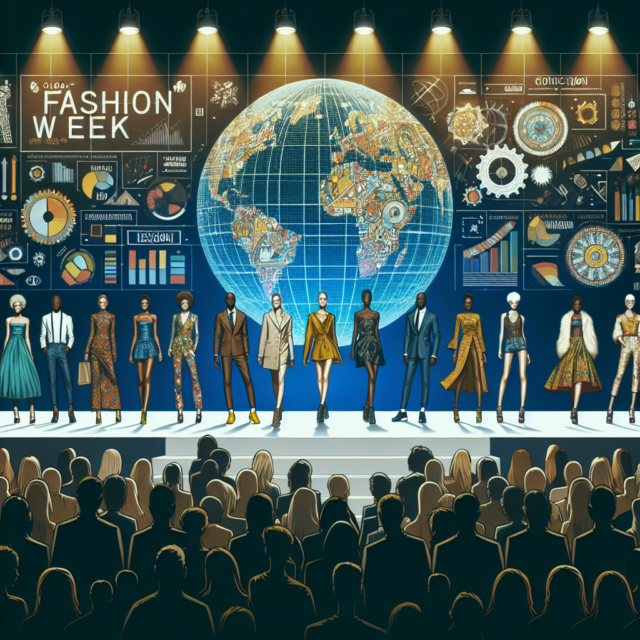
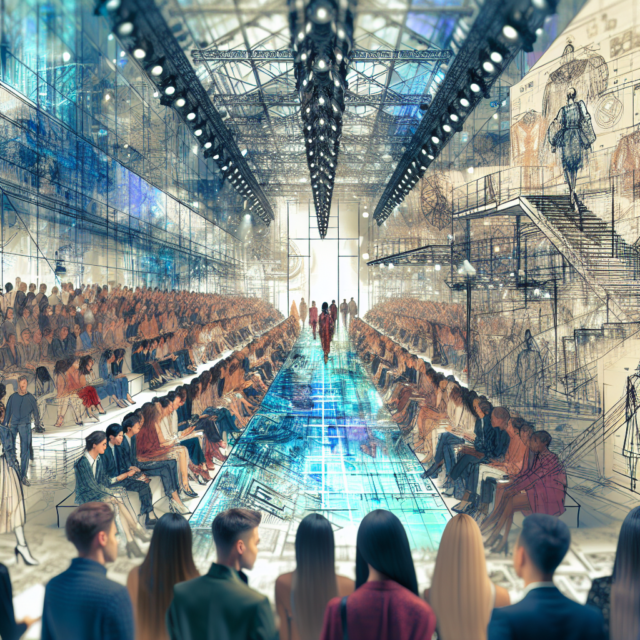
Fashion weeks around the world have become pivotal events in the global fashion calendar, offering a platform for designers to showcase their latest collections and set trends for the upcoming seasons. These events are not just glamorous spectacles but also significant economic drivers, influencing fashion, culture, and commerce. In this article, we explore the evolution of global fashion weeks, highlight recent events, and examine the future trends shaping these dynamic showcases.

Exploring the Evolution of Global Fashion Weeks

Fashion weeks have a rich history that dates back to the early 20th century when Paris emerged as the fashion capital of the world. The first recognized fashion week was held in New York in 1943, during World War II, to shift attention from French fashion. This event laid the groundwork for what would become a global phenomenon, with cities like Milan, London, and Paris establishing their own fashion weeks in the following decades.

As the fashion industry expanded, so did the scope and scale of fashion weeks. Designers began to use these platforms not only to present their collections but also to make bold artistic statements and engage with a wider audience. The inclusion of ready-to-wear collections alongside haute couture allowed fashion weeks to appeal to a broader market, making them essential for retail buyers, journalists, and influencers.

Technological advancements have also played a significant role in the evolution of fashion weeks. The rise of digital media and live-streaming capabilities has democratized access to these events, allowing fashion enthusiasts worldwide to participate virtually. This shift has transformed fashion weeks from exclusive industry events into global spectacles accessible to millions.

Moreover, the geographic expansion of fashion weeks has been noteworthy. Cities like Tokyo, Shanghai, and Mumbai have established their own fashion weeks, showcasing local talent and providing a platform for regional designers to gain international recognition. This diversification has enriched the global fashion landscape, introducing unique cultural perspectives and styles.

Sustainability has become a central theme in the evolution of fashion weeks. As the fashion industry faces increasing scrutiny over its environmental impact, many designers and organizers are adopting eco-friendly practices. From sustainable fabrics to carbon-neutral events, fashion weeks are evolving to meet the demands of a more environmentally conscious audience.

Finally, the COVID-19 pandemic has accelerated changes in the fashion week format. With restrictions on physical gatherings, many events transitioned to digital platforms, offering virtual runway shows and interactive experiences. This shift has prompted a reevaluation of the traditional fashion week model, with a focus on innovation and adaptability.

Key Highlights from Recent Fashion Week Events

Recent fashion weeks have been marked by a blend of tradition and innovation, with designers pushing the boundaries of creativity while staying true to their brand heritage. In Paris, the Spring/Summer collections showcased a return to elegance and simplicity, with many designers opting for minimalist designs and neutral color palettes. This trend was a nod to the post-pandemic desire for timeless, versatile fashion.

In contrast, Milan Fashion Week embraced bold colors and patterns, celebrating individuality and self-expression. Designers like Versace and Prada presented vibrant collections that drew inspiration from the 1970s and 1980s, featuring psychedelic prints and retro silhouettes. This celebration of nostalgia resonated with audiences seeking joy and escapism in uncertain times.

London Fashion Week highlighted the growing influence of technology in fashion. Several designers incorporated digital elements into their collections, such as augmented reality (AR) features that allowed garments to change colors or patterns when viewed through a smartphone app. This fusion of fashion and technology captivated audiences and hinted at future possibilities for interactive fashion experiences.

Sustainability remained a key focus across all fashion weeks, with many designers showcasing eco-friendly collections. In New York, several brands committed to using recycled materials and reducing waste in their production processes. This commitment to sustainability reflects a broader industry trend towards ethical and responsible fashion, appealing to consumers increasingly concerned about the planet.

Tokyo Fashion Week stood out for its celebration of streetwear and youth culture. Japanese designers showcased innovative designs that blurred the lines between high fashion and everyday wear. The emphasis on creativity and individuality resonated with a younger audience, highlighting the growing importance of streetwear in the global fashion landscape.

Finally, the return of physical runway shows was a significant highlight of recent fashion weeks. After a period dominated by digital presentations, designers and audiences alike rejoiced in the opportunity to experience the energy and excitement of live events. The blend of in-person and virtual elements offered a glimpse into the future of hybrid fashion weeks.

The Future Trends Shaping Global Fashion Weeks

As we look to the future, several trends are poised to shape the evolution of global fashion weeks. One of the most significant is the continued integration of technology into the fashion experience. Virtual reality (VR) and AR are expected to play a more prominent role, offering immersive experiences that transcend the limitations of physical runway shows.

Sustainability will remain a central theme, with designers and organizers exploring new ways to reduce the environmental impact of fashion weeks. This could include carbon offset initiatives, zero-waste events, and the use of cutting-edge sustainable materials. As consumers become more eco-conscious, the demand for sustainable fashion will drive innovation in this area.

Inclusivity and diversity are also expected to become more pronounced in future fashion weeks. Designers are increasingly recognizing the importance of representing a wide range of identities and body types on the runway. This shift towards inclusivity is not only socially responsible but also reflects the diverse customer base that the fashion industry serves.

The rise of digital fashion is another trend that could redefine fashion weeks. As virtual clothing and accessories gain popularity, designers may incorporate digital fashion shows into their events. This could open new revenue streams and opportunities for collaboration between fashion and technology companies.

The globalization of fashion weeks is likely to continue, with emerging fashion capitals gaining prominence on the world stage. Cities in Africa, South America, and the Middle East are expected to host more fashion weeks, showcasing local talent and contributing to the rich tapestry of global fashion.

Finally, the hybrid model of fashion weeks, combining physical and digital elements, is likely to become the norm. This approach offers the best of both worlds, allowing designers to reach a global audience while retaining the unique atmosphere of live runway shows. The flexibility of hybrid events will enable fashion weeks to adapt to changing circumstances and audience preferences.

Global fashion weeks are dynamic events that reflect the ever-evolving nature of the fashion industry. From their historical roots to the cutting-edge innovations of today, these showcases continue to captivate audiences and set the stage for future trends. As fashion weeks adapt to the demands of a changing world, they remain a vital platform for creativity, sustainability, and inclusivity. The future of fashion weeks promises to be as exciting and diverse as the collections they present, offering endless possibilities for designers and fashion enthusiasts alike.
Exploring Fashion Trends in the Metaverse This Week

Exploring Fashion Trends in the Metaverse This Week

As the metaverse continues to evolve, it is rapidly becoming a hub for fashion innovation and expression. This week, the digital realm is alive with vibrant fashion shows, groundbreaking designs, and avatars that push the boundaries of creativity. With virtual runways, captivating trends, and innovative digital couture, the metaverse is redefining the way we perceive style and self-expression. Let’s delve into the fashion trends making waves in the metaverse this week.

Virtual Runways: This Week’s Metaverse Fashion Shows

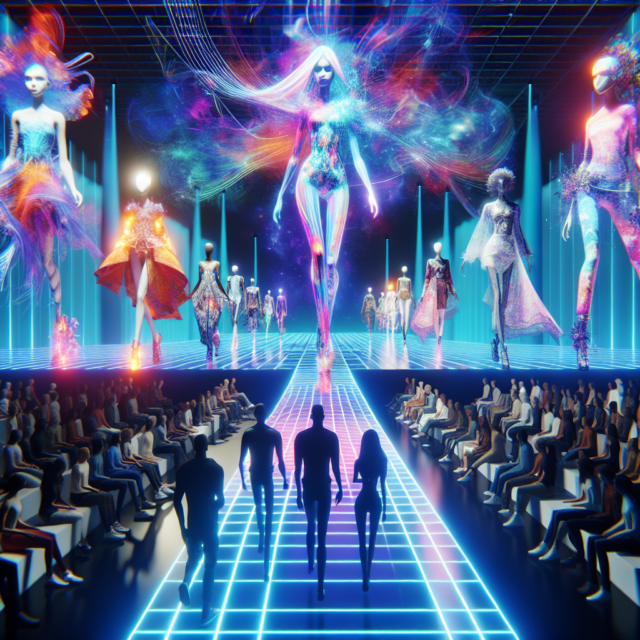
This week, the metaverse is buzzing with a series of highly anticipated fashion shows, each offering a unique glimpse into the future of digital fashion. Major fashion houses are collaborating with tech giants to create immersive virtual runways that captivate audiences worldwide. These shows are not just a display of clothing but an experience that engages all the senses, offering audiences an interactive, front-row seat to the latest collections.

One standout event is the Metaverse Fashion Week, where designers from around the globe showcase their digital collections. These virtual runways are a feast for the eyes, featuring everything from avant-garde designs to more traditional pieces reimagined in a digital format. The seamless blending of technology and fashion creates a spectacle that is both futuristic and accessible, allowing viewers to explore every angle of the garments in real-time.

The use of augmented reality (AR) and virtual reality (VR) technologies in these shows adds a layer of interactivity that is not possible in traditional fashion shows. Attendees can walk through the virtual spaces, interact with the environment, and even try on digital outfits using their avatars. This new level of engagement is transforming the way fashion is consumed and experienced in the digital age.

Moreover, the metaverse offers a platform for emerging designers to gain exposure and showcase their talents. This democratization of fashion is enabling a more diverse range of voices and styles to be seen and appreciated. Young designers are making their mark with bold, innovative designs that challenge conventional fashion norms and explore new aesthetic possibilities.

Sustainability is also a key theme in this week’s metaverse fashion shows. With digital fashion, there is no physical waste, and designers are experimenting with eco-friendly virtual textiles and materials. This shift towards sustainable practices is not only a reflection of the industry’s growing environmental consciousness but also an indication of how the metaverse can contribute to a more sustainable future for fashion.

Finally, the sense of community within these virtual fashion shows is palpable. Attendees from all over the world come together to celebrate creativity and innovation, sharing their thoughts and experiences in real-time. This global connectivity is one of the metaverse’s greatest strengths, fostering a sense of inclusivity and collaboration that transcends geographical boundaries.

Avatars and Outfits: Trends Capturing Attention Now

As fashion in the metaverse evolves, avatars are becoming an essential means of self-expression, allowing users to explore and experiment with their personal style in unprecedented ways. This week, several trends have emerged, capturing the attention of fashion enthusiasts and setting the tone for future digital wardrobes.

One of the most prominent trends is the rise of customizable avatars. Users are embracing the ability to personalize their digital personas, choosing from a vast array of body shapes, skin tones, and facial features. This level of customization not only enhances individuality but also promotes inclusivity, allowing people of all backgrounds to see themselves represented in the digital space.

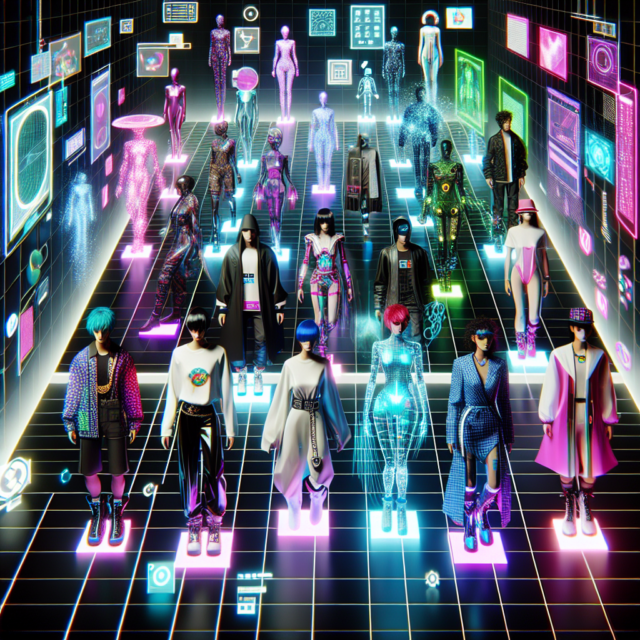
Bold and vibrant colors are dominating the metaverse fashion scene this week. Designers are experimenting with a spectrum of hues that are often impractical in the physical world. Neon shades, holographic patterns, and iridescent materials are being used to create eye-catching outfits that stand out in the virtual environment, offering a sense of freedom and playfulness.

Another trend gaining traction is the incorporation of futuristic elements into avatar outfits. From cyberpunk-inspired ensembles to space-age accessories, these designs are pushing the boundaries of traditional fashion and embracing the limitless possibilities of the digital realm. Users are drawn to these innovative styles, which allow them to express a forward-thinking, avant-garde aesthetic.

Virtual accessories are also playing a significant role in shaping metaverse fashion. Items such as digital handbags, sunglasses, and jewelry are becoming must-have additions to avatar wardrobes. These accessories, often created by digital artists and designers, add a layer of detail and sophistication to virtual outfits, enhancing the overall look and feel of the avatars.

The trend of blending digital fashion with gaming culture is also noteworthy. Many users are incorporating elements from popular video games into their avatar’s attire, creating a unique fusion of fashion and fandom. This crossover is fostering a new subculture within the metaverse, where fashion enthusiasts and gamers alike can express their passions through their digital personas.

Lastly, the concept of limited-edition digital fashion is gaining popularity. Much like in the physical world, exclusive virtual outfits and accessories are becoming status symbols, coveted by users seeking to differentiate themselves in the metaverse. This trend is driving innovation and competition among designers, who are constantly striving to create unique, desirable pieces that capture the imagination of the digital fashion community.

Digital Couture: Innovative Designs in the Spotlight

This week, the spotlight is on digital couture, where designers are pushing the boundaries of creativity and innovation to craft extraordinary virtual garments. These designs are not only redefining what fashion can be but also challenging traditional notions of craftsmanship and artistry.

One of the most exciting aspects of digital couture is the ability to defy the laws of physics. Designers are creating garments with elements that float, glow, or change shape, offering a level of creativity and imagination that is impossible in the physical world. These fantastical designs captivate audiences and inspire a new wave of artistic expression in the metaverse.

The use of cutting-edge technology is also a hallmark of this week’s digital couture. Designers are leveraging 3D modeling, AI, and VR to create intricate, detailed garments that are both visually stunning and technically impressive. This fusion of technology and fashion is opening up new possibilities for design, allowing for the creation of pieces that are both innovative and aesthetically pleasing.

Sustainability continues to be a key focus in digital couture, with designers exploring eco-friendly virtual materials and methods. This commitment to sustainability is not only a reflection of the industry’s growing awareness of environmental issues but also highlights the potential of digital fashion to lead the way towards a more sustainable future.

Collaboration is another driving force behind this week’s innovative designs. Designers are working with digital artists, technologists, and even musicians to create multidimensional fashion experiences that go beyond the garments themselves. These collaborations are resulting in groundbreaking collections that blend fashion, art, and technology in unprecedented ways.

The concept of digital haute couture is also gaining traction, with designers creating one-of-a-kind virtual garments that are tailored to individual avatars. These bespoke pieces offer a level of personalization and exclusivity that is highly sought after in the metaverse, allowing users to express their unique style in a truly distinctive way.

Finally, the rise of digital fashion exhibitions is providing a platform for these innovative designs to be showcased and appreciated. These virtual galleries offer a space for designers to present their work in a curated, immersive environment, allowing audiences to explore and interact with the garments in new and exciting ways. This week, digital couture is not just about fashion; it’s about creating an experience that engages, inspires, and captivates.

As the metaverse continues to expand, it is clear that fashion within this digital realm is not just a passing trend but a significant evolution in the way we express ourselves through style. This week’s events and trends highlight the incredible potential of digital fashion to inspire, innovate, and redefine the boundaries of creativity. From virtual runways to customizable avatars and groundbreaking digital couture, the metaverse is opening up new possibilities for fashion enthusiasts and designers alike. As we look to the future, it is exciting to imagine how these trends will continue to evolve and shape the world of fashion in the digital age.

Exploring This Week’s Fashion Trends in the Metaverse

Exploring This Week’s Fashion Trends in the Metaverse

In the ever-evolving landscape of digital innovation, the metaverse has emerged as a new frontier for fashion enthusiasts and designers alike. This virtual realm offers a platform for creativity and self-expression, unbound by the physical limitations of the real world. This week, we delve into the metaverse’s fashion scene, exploring the latest innovations, key trends, and how these digital styles are shaping our online personas. Whether you’re a seasoned virtual fashionista or a curious newcomer, join us as we navigate the sartorial wonders of the metaverse.

Discover the Latest Virtual Fashion Innovations

The metaverse is a breeding ground for cutting-edge fashion technology, with designers pushing the boundaries of digital craftsmanship. This week, holographic textures have taken center stage, offering wearers an ethereal and futuristic look. These textures, which shimmer and shift with movement, provide a dynamic visual experience that captivates onlookers and wearers alike. As designers experiment with these elements, they are redefining what it means to create and wear clothing in a digital space.

Augmented reality (AR) is another innovation making waves this week, seamlessly blending the virtual and physical worlds. AR fashion allows users to overlay digital garments onto their real-world appearance, creating a hybrid experience that challenges traditional notions of style. This technology is not only transforming personal fashion choices but also revolutionizing virtual fashion shows, where audiences can interact with and manipulate designs in real-time.

Sustainability is a growing concern in the fashion industry, and the metaverse is no exception. Digital fashion houses are pioneering eco-friendly practices by reducing the need for physical materials and minimizing waste. This week, several designers have launched collections that emphasize zero-waste principles, showcasing how virtual fashion can lead the charge in sustainability. By eliminating the need for physical production, these digital garments offer a glimpse into a more sustainable future for fashion.

Customization and personalization are key drivers of the metaverse fashion revolution. This week, platforms are offering enhanced tools for users to design and tweak their virtual wardrobes. From selecting fabric textures to adjusting garment silhouettes, these tools empower individuals to create unique styles that reflect their personal tastes. The rise of user-generated content in the fashion space highlights the metaverse’s role as a democratizing force in design.

Interactivity is another exciting aspect of this week’s virtual fashion innovations. Designers are creating garments that react to the environment or the wearer’s actions, adding a layer of engagement to the digital dressing experience. Whether it’s a dress that changes color based on the weather or shoes that leave a trail of digital sparks, these interactive elements offer a playful and immersive approach to fashion.

Finally, collaboration is a significant theme in the metaverse fashion scene this week. Designers, technologists, and artists are joining forces to create multidisciplinary works that challenge the boundaries of creativity. These collaborations result in innovative collections that blend fashion, technology, and art, offering a holistic and forward-thinking approach to digital style.

Dive Into Metaverse Style: A Weekly Overview

This week in the metaverse, fashion enthusiasts are witnessing a vibrant tapestry of styles that cater to a wide range of tastes and preferences. The virtual fashion landscape is diverse, with influences drawn from various cultures, historical periods, and futuristic visions. This eclectic mix allows users to experiment and explore different aesthetics, fostering a sense of freedom and creativity.

One of the standout features of this week’s metaverse fashion is the resurgence of retro-futurism. This style combines elements from past decades with futuristic motifs, creating a nostalgic yet forward-looking aesthetic. Virtual fashionistas are embracing this trend, donning digital garments that feature bold geometric patterns, metallic fabrics, and space-age silhouettes. This blend of old and new offers a unique perspective on fashion’s evolution.

Minimalism is another trend gaining traction this week, with designers focusing on clean lines, neutral palettes, and understated elegance. In a digital world often characterized by its abundance and excess, minimalist fashion offers a refreshing counterpoint. This style emphasizes simplicity and functionality, appealing to those who appreciate a more refined and sophisticated approach to virtual dressing.

Conversely, maximalism continues to thrive in the metaverse, with bold colors, intricate patterns, and extravagant designs dominating the scene. This week, virtual runways are awash with opulent gowns, oversized accessories, and dramatic makeup looks. Maximalism encourages self-expression and individuality, allowing users to make a statement and stand out in the digital crowd.

Streetwear remains a staple in the metaverse fashion scene, with digital designers drawing inspiration from urban culture and everyday life. This week, virtual streetwear collections feature oversized hoodies, graphic tees, and futuristic sneakers, all reimagined for the digital realm. The casual and accessible nature of streetwear resonates with a broad audience, making it a popular choice for digital wardrobes.

Finally, fantasy-inspired fashion is capturing the imagination of metaverse dwellers this week. Designers are creating whimsical and surreal garments that transport wearers to otherworldly realms. From ethereal gowns adorned with digital flowers to armor-like ensembles fit for virtual warriors, this trend offers an escape from reality and a chance to explore the fantastical side of fashion.

Key Trends Shaping Digital Wardrobe Choices

The metaverse is not only a playground for fashion experimentation but also a space where key trends emerge, influencing how users curate their digital wardrobes. This week, virtual layering is a prominent trend, allowing users to mix and match various garments to create dynamic and versatile looks. Layering in the digital realm offers endless possibilities, as users can experiment with different textures, lengths, and styles without the constraints of physical clothing.

Another trend shaping digital fashion choices this week is the rise of gender-fluid and non-binary styles. The metaverse offers a platform for self-expression without the limitations of traditional gender norms, allowing users to explore fashion that transcends conventional categories. Designers are embracing this inclusivity, offering collections that celebrate diversity and individuality, and encouraging users to express their true selves.

Digital accessories are playing a significant role in this week’s fashion trends, with virtual jewelry, hats, and bags adding flair and personality to digital outfits. These accessories are not bound by physical constraints, allowing for imaginative and extravagant designs that enhance the overall look. From floating halos to holographic handbags, digital accessories offer a new dimension to personal style.

The influence of gaming culture is evident in this week’s metaverse fashion, with many users drawing inspiration from their favorite video games. This trend manifests in the form of digital armor, sci-fi inspired attire, and pixelated patterns. Gaming-inspired fashion not only pays homage to popular culture but also highlights the metaverse’s role as a convergence point for various digital experiences.

Sustainability continues to be a driving force in digital fashion, with users increasingly conscious of their virtual environmental footprint. This week, sustainable fashion choices are at the forefront, with designers offering eco-friendly options that prioritize digital craftsmanship and resource efficiency. The emphasis on sustainability in the metaverse reflects a growing awareness of the impact of fashion, both virtual and physical, on the environment.

Finally, personalization remains a key trend in shaping digital wardrobe choices. Users are seeking unique, customizable pieces that reflect their individual tastes and preferences. This week, platforms are offering advanced customization tools, allowing users to tailor their virtual garments to their liking. Personalization empowers users to take control of their digital style, resulting in a more engaging and meaningful fashion experience.

As we explore this week’s fashion trends in the metaverse, it becomes clear that this digital realm is a vibrant and dynamic space for sartorial innovation. From holographic textures and AR fashion to retro-futurism and fantasy-inspired designs, the metaverse offers a diverse array of styles that cater to every taste and preference. As key trends like sustainability, personalization, and gender-fluid fashion continue to shape digital wardrobe choices, the metaverse stands as a testament to the limitless possibilities of virtual fashion. Whether you’re looking to make a bold statement or explore new styles, the metaverse invites you to express yourself and redefine what fashion means in the digital age.

Global Fashion Week: Highlights and Trends Unveiled

Global Fashion Week: Highlights and Trends Unveiled

Global Fashion Week is an eagerly anticipated event that draws designers, models, and fashion enthusiasts from around the world to witness the latest in sartorial creativity. As one of the most significant events in the fashion calendar, it provides a platform for both established designers and emerging talents to showcase their collections. This year, the event was a spectacle of innovation, creativity, and sustainability, with designers pushing the boundaries of fashion to new heights. Let’s delve into the highlights and trends that were unveiled during this prestigious event.

Designers Showcase Innovations on the Global Stage

The global stage of Fashion Week saw an array of designers unveiling collections that were nothing short of revolutionary. Renowned designers like Alexander McQueen and Prada showcased lines that fused technology with textiles, creating garments that could change color or texture in response to environmental stimuli. This innovative approach not only highlighted the possibilities of wearable technology but also set a precedent for future collections that blend fashion with functionality.

Emerging designers also made their mark, with many opting for unconventional materials and techniques. From biodegradable fabrics to 3D-printed accessories, these designers demonstrated that innovation is at the heart of fashion’s evolution. Their creations were not only visually stunning but also served as a commentary on the future of fashion, where technology and sustainability intersect.

One of the most talked-about showcases was by a designer who used augmented reality (AR) to enhance the runway experience. Attendees were given AR glasses that transformed the runway into an interactive art installation, where garments appeared to morph and evolve. This blend of digital and physical fashion offered a glimpse into a future where fashion shows transcend traditional boundaries.

The use of digital avatars and virtual models was another notable innovation. Several designers opted for entirely digital runways, where collections were presented by computer-generated models. This not only challenged the norms of fashion presentation but also opened discussions about diversity and representation in the fashion industry.

Designers also explored cultural narratives, incorporating elements from various global traditions into their collections. This fusion of cultures was evident in the eclectic mix of patterns, colors, and silhouettes that graced the runways. It showcased fashion as a universal language that can bridge cultural divides and promote inclusivity.

Finally, collaborations between designers and tech companies were prominent this year. These partnerships resulted in groundbreaking collections that utilized the latest technology to create garments that were not only aesthetically pleasing but also functional. From self-cleaning fabrics to clothes that adapt to the wearer’s body temperature, the innovations on display were a testament to the limitless potential of fashion.

Emerging Trends Captivate Fashion Enthusiasts

Fashion Week is always a precursor to the trends that will dominate the coming seasons, and this year was no different. One of the most prominent trends was the resurgence of bold, vibrant colors. Designers embraced a palette that ranged from electric blues to fiery reds, signaling a shift away from the muted tones of previous seasons. This explosion of color was paired with daring silhouettes, creating a sense of drama and excitement on the runway.

Another trend that captivated audiences was the emphasis on gender-fluid fashion. Many designers showcased collections that blurred the lines between traditional menswear and womenswear, offering garments that could be worn by anyone, regardless of gender. This trend reflects a broader societal shift towards inclusivity and acceptance, and it resonated deeply with fashion enthusiasts.

The return of vintage-inspired fashion was also a significant trend. Designers drew inspiration from past decades, reinventing classic styles with a modern twist. From 70s-inspired flared trousers to 90s grunge aesthetics, these collections offered a nostalgic yet fresh take on fashion, appealing to both older and younger generations.

Layering became a key trend, with designers experimenting with textures and proportions to create visually striking ensembles. This approach allowed for versatility, enabling wearers to adapt their outfits to different occasions and climates. The art of layering was elevated to new heights, with unexpected combinations that challenged traditional fashion norms.

Accessories played a crucial role in defining the trends of the season. Statement pieces such as oversized hats, bold jewelry, and sculptural handbags were prominently featured on the runways. These accessories not only complemented the garments but also served as focal points, drawing attention and adding an extra layer of sophistication to the overall look.

Finally, the trend of personalization and customization emerged as a significant theme. Designers offered bespoke options, allowing consumers to tailor garments to their preferences. This trend highlights a growing desire for individuality in fashion, as consumers seek pieces that reflect their unique identity and style.

Sustainability Takes Center Stage in Fashion Week

Sustainability was a central theme at this year’s Fashion Week, with designers making concerted efforts to minimize the environmental impact of their collections. Many showcased lines made entirely from recycled or upcycled materials, demonstrating that fashion can be both stylish and sustainable. This commitment to eco-friendly practices was applauded by attendees and set a new standard for the industry.

The concept of circular fashion was also prevalent, with designers emphasizing the importance of reducing waste and extending the life cycle of garments. Initiatives such as take-back programs, where consumers can return worn items for recycling or repurposing, were introduced by several brands. This approach not only reduces waste but also encourages consumers to think about the longevity of their fashion choices.

Transparency in the supply chain was another focus, with designers providing detailed information about the sourcing and production of their garments. This transparency allows consumers to make informed decisions and supports ethical practices in the industry. By highlighting the journey of a garment from raw material to finished product, designers are promoting accountability and responsibility.

Several collections featured plant-based dyes and organic fabrics, reducing the reliance on harmful chemicals and synthetic materials. These eco-friendly alternatives not only benefit the environment but also offer a healthier option for consumers, free from the toxins often found in conventional clothing.

The concept of "slow fashion" gained traction, with designers encouraging consumers to invest in high-quality, timeless pieces rather than fast fashion trends. This movement advocates for a more mindful approach to fashion consumption, where quality is prioritized over quantity, and garments are cherished for their craftsmanship and durability.

Finally, collaborations with environmental organizations were a highlight of Fashion Week. Designers partnered with NGOs to raise awareness about pressing environmental issues and to support conservation efforts. These collaborations not only amplify the message of sustainability but also demonstrate the fashion industry’s potential to drive positive change.

Global Fashion Week has once again proven to be a dynamic platform for innovation, creativity, and sustainability in the fashion industry. From groundbreaking designs and emerging trends to a strong focus on eco-conscious practices, this year’s event has set the stage for the future of fashion. As designers continue to push the boundaries and challenge the status quo, the fashion world eagerly anticipates what the next season will bring. Fashion Week not only showcases the latest in style but also reflects the evolving values and aspirations of society, making it a true barometer of change.

Exploring This Week’s Noteworthy Fashion Highlights

Exploring This Week’s Noteworthy Fashion Highlights

Fashion is a dynamic and ever-evolving industry that constantly surprises us with new innovations, trends, and releases. Each week brings a fresh wave of creativity and style that captures the attention of fashion enthusiasts around the globe. This week is no exception, as we delve into some of the most noteworthy highlights that have taken the fashion world by storm. From groundbreaking innovations to defining trends and notable releases, this article explores the key elements shaping the current fashion landscape.

A Glimpse into This Week’s Fashion Innovations

This week, the intersection of technology and fashion has been more prominent than ever, with several brands unveiling cutting-edge innovations that push the boundaries of traditional design. One notable development is the use of AI in fashion design, where designers are leveraging machine learning algorithms to create unique patterns and styles that were previously unimaginable. This fusion of technology and creativity is not only enhancing design capabilities but also paving the way for more sustainable practices by reducing material waste.

Sustainability continues to be a driving force in the fashion industry, and this week, several brands have introduced innovative materials that promise to revolutionize the way we think about clothing. From biodegradable fabrics to textiles made from recycled ocean plastics, these innovations are setting new standards for eco-friendly fashion. Designers are increasingly focusing on creating garments that are not only stylish but also environmentally responsible, appealing to the growing number of consumers who prioritize sustainability.

Another exciting innovation making waves this week is the rise of digital fashion shows. As the world becomes more digitally connected, fashion houses are exploring virtual reality and augmented reality to showcase their collections in immersive and interactive ways. This shift not only allows for broader audience engagement but also reduces the carbon footprint associated with traditional fashion shows. The digital realm is opening up new possibilities for designers to present their work, reaching audiences across the globe without the need for physical travel.

3D printing technology is also gaining traction in the fashion world, with designers experimenting with this method to create intricate and customizable pieces. This week, several collections showcased garments and accessories made entirely through 3D printing, highlighting the versatility and potential of this technology. As 3D printing becomes more accessible, it has the potential to democratize fashion design, allowing emerging designers to bring their visions to life without the need for extensive resources.

Wearable technology is another area where innovation is thriving, with new smart fabrics and accessories hitting the market. This week, we saw the launch of garments that integrate health-monitoring sensors, providing wearers with real-time data on their physical well-being. These innovations not only enhance the functionality of clothing but also offer a glimpse into the future of fashion, where technology and style seamlessly merge to enhance everyday life.

Finally, the concept of circular fashion is gaining momentum, with brands introducing initiatives that promote recycling and upcycling. This week, several companies launched programs that encourage consumers to return used garments in exchange for discounts on new purchases. By closing the loop on fashion production, these initiatives aim to reduce waste and promote a more sustainable approach to fashion consumption.

Key Trends Defining the Fashion Scene Right Now

As we explore the key trends defining the fashion scene this week, bold colors and vibrant patterns are taking center stage. Designers are embracing a more playful and expressive approach to fashion, with collections featuring striking prints and unexpected color combinations. This trend is a refreshing departure from the minimalist styles that have dominated the industry in recent years, offering a sense of optimism and creativity.

Another significant trend is the resurgence of vintage and retro styles, with many designers drawing inspiration from past decades. This week, we saw a revival of ’70s-inspired silhouettes and ’90s grunge aesthetics, reimagined for the modern wardrobe. This nostalgic trend resonates with consumers seeking a connection to the past while still embracing contemporary design elements.

Gender-fluid fashion continues to gain momentum, with more brands introducing collections that blur traditional gender lines. This week, several designers showcased garments that defy conventional gender norms, offering versatile pieces that can be worn by anyone. This trend reflects a broader cultural shift towards inclusivity and diversity, challenging the fashion industry’s historical binary approach to design.

Sustainability remains a key trend, with eco-conscious fashion becoming increasingly mainstream. This week, we observed a growing emphasis on ethical production practices and transparency, as consumers demand more accountability from brands. From organic materials to fair trade certifications, designers are responding to this trend by prioritizing sustainability in their collections.

The influence of streetwear continues to shape the fashion landscape, with casual and comfortable styles dominating this week’s highlights. From oversized silhouettes to athleisure-inspired looks, streetwear’s impact is evident across various collections. This trend speaks to a broader cultural preference for practicality and ease, as consumers prioritize comfort without sacrificing style.

Lastly, personalization is emerging as a significant trend, with brands offering customizable options for consumers. This week, several designers launched collections that allow customers to tailor garments to their preferences, from choosing fabrics and colors to adding personalized details. This trend reflects a shift towards more individualized fashion experiences, catering to the desire for unique and one-of-a-kind pieces.

Notable Releases Shaping the Fashion World

This week, several notable releases have captured the attention of fashion enthusiasts, each contributing to the ever-evolving fashion landscape. One of the most talked-about releases is a collaboration between a high-end luxury brand and a popular streetwear label, resulting in a collection that seamlessly blends elegance with urban edge. This partnership highlights the growing trend of cross-industry collaborations, bringing together diverse creative perspectives to create something truly unique.

Another significant release this week is a capsule collection by an emerging designer who has quickly gained recognition for their innovative approach to fashion. This collection, characterized by its bold use of color and unconventional silhouettes, has been praised for pushing boundaries and challenging traditional norms. The designer’s fresh perspective and fearless creativity are making waves in the industry, signaling the arrival of a new generation of fashion talent.

Sustainable fashion has also taken the spotlight with the launch of a new line by a renowned eco-conscious brand. This collection, made entirely from recycled materials and produced using ethical practices, exemplifies the brand’s commitment to sustainability. With growing consumer demand for environmentally responsible fashion, this release is a timely reminder of the industry’s potential to drive positive change.

In the world of footwear, a limited-edition sneaker release has generated significant buzz this week. Known for its innovative design and collaboration with a famous artist, this sneaker has become a must-have item for collectors and fashion enthusiasts alike. The release highlights the continued influence of sneaker culture and its impact on mainstream fashion, blurring the lines between sportswear and high fashion.
This week also saw the debut of a highly anticipated collection by a renowned fashion house, characterized by its exquisite craftsmanship and attention to detail. The collection, inspired by the natural world, features intricate embroidery and luxurious fabrics, showcasing the brand’s dedication to artistry and quality. This release serves as a testament to the enduring appeal of haute couture and its ability to captivate audiences with timeless elegance.

Finally, a new accessory line launched this week has caught the eye of fashion-forward individuals. Featuring innovative designs and unexpected materials, this collection offers a fresh take on everyday accessories, from statement bags to avant-garde jewelry. These releases not only reflect current trends but also set the stage for future fashion innovations, inspiring creativity and sparking new ideas within the industry.

This week’s fashion highlights offer a fascinating glimpse into the industry’s current landscape, characterized by innovation, creativity, and a commitment to sustainability. From groundbreaking technologies and defining trends to notable releases, the fashion world continues to evolve and adapt to the changing demands of consumers. As designers push the boundaries of traditional design and embrace new possibilities, the future of fashion looks promising and full of potential. Whether you’re a fashion enthusiast or a casual observer, these highlights provide a captivating insight into the ever-changing world of style and design.

Exploring MVFW and Traditional Fashion Show Dynamics

Exploring MVFW and Traditional Fashion Show Dynamics

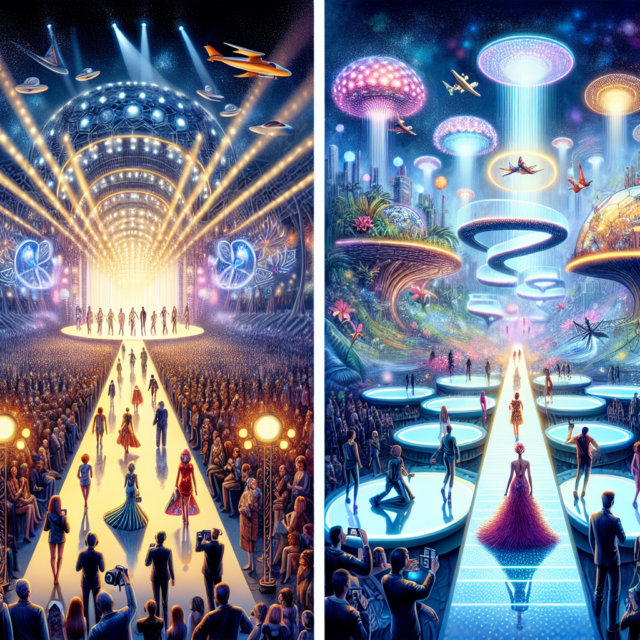
In the ever-evolving landscape of fashion, two distinct types of shows have emerged to captivate audiences worldwide: the Metaverse Fashion Week (MVFW) and traditional fashion shows. While both serve as platforms for designers to showcase their creations, they offer unique experiences and dynamics. This article delves into the intricacies of MVFW, contrasting it with the conventional fashion showcase, and explores what the future holds for both formats.

Understanding the MVFW Experience and Appeal

Metaverse Fashion Week (MVFW) represents a groundbreaking shift in how fashion is presented and consumed. Set in a virtual environment, MVFW allows designers to transcend the physical limitations of traditional runways. This digital realm offers limitless possibilities for creativity, where garments can defy gravity, change form, or even integrate interactive elements. The appeal lies in its boundary-pushing nature, offering fashion enthusiasts an experience that is as imaginative as it is immersive.

A significant draw of MVFW is its accessibility. Unlike traditional fashion shows that often cater to a select audience, MVFW is open to anyone with internet access. This democratization of fashion allows a global audience to participate in the spectacle, bridging geographical divides and creating a more inclusive event. Attendees can explore virtual spaces, interact with digital avatars, and even purchase digital fashion items, making the experience highly engaging and participatory.

The integration of technology in MVFW also facilitates real-time data collection and analysis. Designers and brands can gain valuable insights into audience preferences and engagement levels, allowing for more informed decision-making in future collections. This data-driven approach enhances the overall efficiency of the fashion industry, enabling a more responsive and adaptive creative process.

Furthermore, MVFW provides a platform for sustainability in fashion. By eliminating the need for physical samples and reducing travel-associated carbon footprints, virtual fashion shows present an environmentally friendly alternative. This aligns with the growing demand for sustainable practices within the industry, appealing to eco-conscious consumers and designers alike.

Despite its many advantages, MVFW is not without its challenges. The digital divide remains a barrier for some, limiting participation for individuals without access to necessary technology or the internet. Additionally, the virtual format can lack the tangible, sensory experience that traditional shows offer, which may detract from the emotional impact of seeing a garment in person.

Nevertheless, MVFW’s innovative approach has set a new precedent in the fashion world. By pushing the boundaries of creativity and accessibility, it has carved out a unique niche that continues to grow in popularity and influence. As technology advances, the potential for MVFW to evolve and expand is limitless, promising exciting developments for the future of fashion.

Comparing MVFW and Traditional Fashion Shows

Traditional fashion shows have long been a staple of the fashion industry, serving as the primary platform for designers to debut their latest collections. These events are characterized by their glamorous settings, often held in iconic venues with an air of exclusivity. The allure of traditional shows lies in their ability to create a sensory-rich experience, where the audience can appreciate the intricate details of garments up close.

In contrast, MVFW offers a distinctly different experience, emphasizing innovation and accessibility. While traditional shows rely heavily on physical presence and tangible interactions, MVFW leverages digital technology to create a virtual spectacle. This shift from physical to digital has transformed the way fashion is perceived and consumed, offering a fresh perspective on what a fashion show can be.

One of the key differences between the two formats is the audience reach. Traditional fashion shows often cater to industry insiders, celebrities, and select media, creating an atmosphere of exclusivity. In contrast, MVFW opens its doors to a global audience, allowing anyone with internet access to attend. This inclusivity broadens the reach of fashion, enabling designers to connect with a more diverse and extensive audience.

The production dynamics also differ significantly between MVFW and traditional shows. Traditional shows demand extensive logistical planning, from venue selection to model casting and set design. In contrast, MVFW leverages digital tools to create virtual environments, reducing the need for physical resources and allowing for more creative experimentation. This shift in production dynamics can lead to cost savings and increased flexibility for designers.

However, traditional shows maintain certain advantages that MVFW cannot replicate. The tactile experience of seeing garments up close and the palpable energy of a live audience are elements that virtual shows struggle to emulate. The immediacy of a physical runway presentation, where models strut in real time, creates a sense of drama and excitement that is hard to replicate in a virtual setting.

Despite their differences, both MVFW and traditional fashion shows play essential roles in the fashion ecosystem. Each format offers unique benefits and challenges, catering to different audience preferences and industry needs. As the fashion world continues to evolve, these two formats may increasingly complement each other, offering a richer and more diverse fashion experience.

The Future of Fashion: MVFW vs. Traditional Shows

As the fashion industry continues to adapt to changing consumer behaviors and technological advancements, the future of fashion shows remains a topic of much speculation. MVFW and traditional fashion shows, each with their distinct advantages, are poised to coexist and evolve in response to these shifts.

The rise of MVFW signifies a growing trend towards digitalization in fashion. As technology becomes increasingly integrated into everyday life, virtual fashion shows are likely to gain more traction. The potential for innovation in the digital realm is vast, offering designers new ways to engage with audiences and push creative boundaries. This could lead to more immersive and interactive experiences, further blurring the lines between fashion and technology.

However, traditional fashion shows are unlikely to disappear entirely. The tangible, sensory experience they offer is irreplaceable, and many designers and consumers still value the emotional impact of a live presentation. The challenge for traditional shows will be to adapt and incorporate digital elements, creating hybrid experiences that combine the best of both worlds.

Collaboration between MVFW and traditional shows could lead to exciting developments in the fashion industry. By learning from each other, these formats can enhance their strengths and address their weaknesses. For instance, traditional shows could incorporate digital elements, such as live streaming or virtual reality components, to reach a broader audience. Conversely, MVFW could explore ways to incorporate sensory elements, enhancing the virtual experience.

Sustainability will also play a critical role in shaping the future of fashion shows. As environmental concerns continue to rise, both MVFW and traditional shows will need to adopt more sustainable practices. MVFW’s virtual format offers a clear advantage in this regard, but traditional shows can also explore eco-friendly alternatives, such as sustainable materials and reduced waste production.

Ultimately, the future of fashion shows will be defined by their ability to adapt and innovate. Whether through digital advancements, sustainable practices, or creative collaborations, the fashion industry must remain responsive to the changing landscape. By embracing both MVFW and traditional shows, the industry can offer a richer, more diverse experience that caters to a wide range of tastes and preferences.

In conclusion, the dynamics of MVFW and traditional fashion shows offer a fascinating glimpse into the evolving world of fashion. While each format presents unique opportunities and challenges, their coexistence highlights the industry’s adaptability and creativity. As we look to the future, the fusion of digital and physical elements, coupled with a focus on sustainability, promises to redefine the fashion show experience, making it more inclusive, innovative, and environmentally conscious.

Exploring Emerging Opportunities in the Web3 Ecosystem

Exploring Emerging Opportunities in the Web3 Ecosystem

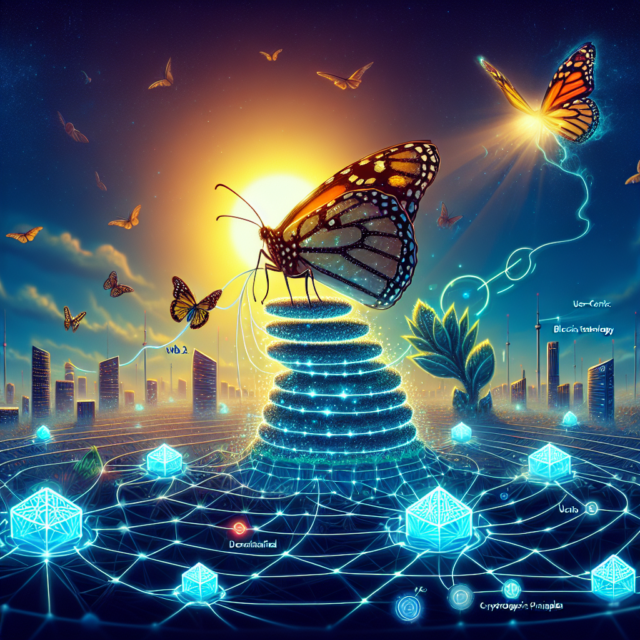
The digital landscape is undergoing a profound transformation with the evolution of Web3, the next iteration of the internet. Unlike its predecessors, Web3 promises a decentralized, user-centric web, powered by blockchain technology and cryptographic principles. This shift is set to redefine how we interact with digital platforms, offering new avenues for innovation and opportunity. In this article, we delve into the foundational elements of the Web3 ecosystem, explore the key technologies driving its growth, and identify emerging opportunities within this rapidly expanding market.

Understanding the Foundations of the Web3 Ecosystem

The Web3 ecosystem is built on the principles of decentralization, transparency, and user empowerment. Unlike the centralized Web2, where a few tech giants control vast amounts of data and digital infrastructure, Web3 seeks to distribute control and ownership across a network of participants. This decentralization is achieved through blockchain technology, which ensures that data is stored across multiple nodes, making it more secure and less susceptible to manipulation.

Central to the Web3 ecosystem is the concept of smart contracts. These self-executing contracts with the terms of the agreement directly written into code enable trustless transactions and automate processes without the need for intermediaries. This not only reduces costs but also increases efficiency and reliability, paving the way for a wide range of applications across various industries.

Decentralized finance (DeFi) is one of the most prominent applications of Web3, revolutionizing traditional finance by offering decentralized alternatives to banking, lending, and investing. By eliminating intermediaries, DeFi platforms provide users with more control over their assets, greater transparency, and potentially higher returns. This democratization of finance is a key pillar of the Web3 ecosystem, highlighting its potential to disrupt established industries.

Another foundational element of Web3 is the concept of digital identity. In a decentralized web, users can maintain control over their personal data through self-sovereign identities, which allow them to selectively share information without relying on centralized authorities. This approach not only enhances privacy but also empowers users to manage their digital footprint more effectively.

The Web3 ecosystem also emphasizes the importance of community and collaboration. Decentralized autonomous organizations (DAOs) exemplify this by enabling groups to make decisions collectively, without centralized leadership. DAOs operate on blockchain protocols, allowing members to propose, vote on, and implement changes democratically. This model fosters innovation and inclusivity, aligning with the core values of Web3.

Finally, the Web3 ecosystem is underpinned by a strong focus on interoperability. As numerous blockchain networks and platforms emerge, the ability to seamlessly interact and exchange data across these systems becomes crucial. Interoperability ensures that Web3 applications can function cohesively, unlocking new possibilities for innovation and collaboration.

Key Technologies Driving Web3 Innovation Forward

Blockchain technology is the backbone of the Web3 ecosystem, providing a secure and immutable ledger for recording transactions. Its decentralized nature ensures that no single entity has control over the entire network, enhancing transparency and reducing the risk of fraud. As blockchain technology matures, its scalability and efficiency continue to improve, making it more accessible for mainstream adoption.

Cryptographic advancements play a crucial role in Web3 innovation, ensuring data privacy and security. Zero-knowledge proofs, for instance, allow users to verify information without revealing the underlying data. This technology has significant implications for privacy-preserving applications, enabling secure transactions and interactions in a decentralized environment.

Non-fungible tokens (NFTs) have emerged as a groundbreaking innovation within the Web3 ecosystem, transforming the way we perceive ownership and value in the digital realm. NFTs represent unique digital assets that can be bought, sold, and traded on blockchain networks. Their applications span art, music, gaming, and beyond, offering new opportunities for creators and consumers alike.

Interoperability protocols are another key technology driving Web3 forward. These protocols enable different blockchain networks to communicate and share data, fostering collaboration and innovation across the ecosystem. By breaking down silos, interoperability enhances the functionality and utility of Web3 applications, paving the way for more seamless user experiences.

Decentralized storage solutions are essential for the Web3 ecosystem, addressing the limitations of traditional cloud storage by distributing data across a network of nodes. This approach enhances data security and privacy while reducing reliance on centralized providers. Projects like IPFS and Filecoin exemplify the potential of decentralized storage, offering scalable and resilient solutions for the Web3 era.

Finally, the integration of artificial intelligence (AI) with Web3 technologies holds promise for further innovation. AI can enhance data analysis, automate decision-making processes, and improve user experiences within decentralized applications. As AI and Web3 technologies converge, new possibilities for intelligent, autonomous systems emerge, driving the next wave of digital transformation.

Identifying Emerging Opportunities in Web3 Markets

The Web3 ecosystem presents a myriad of opportunities for entrepreneurs, developers, and investors alike. One of the most promising areas is decentralized finance (DeFi), which continues to grow rapidly, offering innovative financial products and services. From decentralized exchanges to lending platforms, DeFi is reshaping the financial landscape, attracting both retail and institutional participants.

The NFT market is another burgeoning opportunity within the Web3 space. As artists, musicians, and content creators explore the potential of tokenizing their work, new revenue streams and business models are emerging. The ability to prove ownership and provenance of digital assets through NFTs opens up novel possibilities for creators and collectors, driving growth in the digital economy.

Gaming is poised to be a major beneficiary of Web3 technologies, with blockchain-based games offering new incentives and experiences for players. Play-to-earn models, where players earn cryptocurrency by participating in games, are gaining traction, creating new economic opportunities and reshaping the gaming industry. This convergence of gaming and blockchain is set to unlock new levels of engagement and monetization.

Social media is another area ripe for disruption by Web3. Decentralized social platforms offer users greater control over their data and content, challenging the dominance of traditional social media giants. By leveraging blockchain technology, these platforms can provide more transparent and equitable models for content creation and distribution, empowering users and fostering community-driven networks.

The rise of DAOs presents opportunities for new organizational structures and governance models. As more projects and communities embrace decentralized decision-making, DAOs offer a blueprint for more democratic and inclusive organizations. This trend is likely to extend beyond the Web3 ecosystem, influencing how businesses and institutions operate in the future.

Finally, the intersection of Web3 and sustainability presents a compelling opportunity for innovation. Blockchain technology can enhance transparency and traceability in supply chains, promoting more sustainable practices. Additionally, Web3 platforms can facilitate the tokenization of carbon credits and other environmental assets, enabling new markets for sustainability initiatives and fostering positive environmental impact.

The Web3 ecosystem is rapidly evolving, driven by technological advancements and a growing desire for decentralization and user empowerment. As we explore the foundations, key technologies, and emerging opportunities within this space, it becomes clear that Web3 has the potential to redefine industries and create new paradigms for interaction and value exchange. While challenges remain, the promise of a more open, equitable, and innovative digital landscape is compelling, inviting stakeholders from all sectors to participate in shaping the future of the internet. As the Web3 revolution unfolds, those who embrace its possibilities stand to benefit from the transformative changes it heralds.

Exploring Web3 Innovations in Design, Art, and Fashion

Exploring Web3 Innovations in Design, Art, and Fashion

The advent of Web3 technologies has sparked a revolution across various industries, bringing about transformative changes that are reshaping traditional paradigms. Among these, design, art, and fashion stand out as sectors experiencing profound innovation driven by decentralized technologies. This article delves into how Web3 is influencing these creative domains, exploring the nuances of modern design practices, the fusion of blockchain with artistic expression, and the evolution of fashion through decentralized platforms.

Unraveling Web3’s Impact on Modern Design Practices

Web3 technologies are redefining modern design practices by introducing new tools and methodologies that prioritize decentralization, transparency, and user empowerment. At the core of this transformation is the concept of decentralized networks, which allow designers to collaborate and share resources without relying on centralized entities. This shift is fostering a more inclusive and participatory design environment, where creativity can thrive free from traditional constraints.

One of the most significant innovations in design brought about by Web3 is the rise of decentralized design platforms. These platforms enable creators to connect directly with their audience, reducing the barriers to entry and democratizing access to design tools. By leveraging blockchain technology, these platforms ensure the authenticity and provenance of digital designs, providing designers with new ways to monetize their work through tokenization and smart contracts.

Moreover, Web3 is facilitating the emergence of immersive design experiences through technologies such as virtual and augmented reality (VR/AR). These technologies are being integrated into decentralized networks, allowing designers to create and share 3D models and environments in a more interactive and engaging manner. This intersection of Web3 and immersive technologies is opening up new possibilities for experiential design, where users can interact with digital creations in unprecedented ways.

The concept of digital ownership is also being revolutionized by Web3, particularly through non-fungible tokens (NFTs). NFTs are enabling designers to tokenize their creations, ensuring that they retain control over their intellectual property and receive fair compensation for their work. This development is empowering designers to explore new business models and revenue streams, further enhancing their creative autonomy.

In addition, Web3 is promoting sustainability in design practices by encouraging the use of decentralized systems that reduce resource consumption and waste. By facilitating peer-to-peer sharing and collaboration, Web3 technologies are helping designers create more sustainable products and solutions. This focus on sustainability is becoming increasingly important as the design industry seeks to address the environmental challenges of the modern world.

Finally, the impact of Web3 on design is also evident in the rise of community-driven projects. These projects leverage the power of decentralized networks to bring together designers, developers, and users in the creation of collective works. This collaborative approach is fostering a sense of community and shared purpose, driving innovation and creativity in design practices.

The Intersection of Blockchain and Artistic Expression

Blockchain technology is revolutionizing the art world by providing artists with new avenues for expression and engagement. At the heart of this transformation is the ability of blockchain to offer a secure and transparent platform for the creation, distribution, and sale of art. This is enabling artists to reach global audiences and establish direct connections with collectors, bypassing traditional intermediaries.

One of the most notable innovations in this space is the advent of NFTs, which have become a powerful tool for artists looking to authenticate and monetize their digital creations. NFTs allow artists to tokenize their work, providing a verifiable record of ownership and provenance. This is not only enhancing the value of digital art but also opening up new possibilities for artistic expression in the digital realm.

Moreover, blockchain is fostering new forms of collaboration and co-creation among artists. Decentralized platforms and DAOs (Decentralized Autonomous Organizations) are enabling artists to work together on collective projects, share resources, and participate in decision-making processes. This collaborative approach is breaking down traditional barriers and encouraging a more inclusive and diverse art community.

The transparency and immutability of blockchain technology are also transforming the way art is curated and exhibited. Digital galleries and virtual exhibitions are leveraging blockchain to showcase art in innovative ways, providing artists with a global stage to display their work. This is democratizing access to art, allowing audiences from around the world to experience and appreciate diverse forms of artistic expression.

Furthermore, blockchain is empowering artists to explore new business models and revenue streams. Through the use of smart contracts, artists can receive royalties from secondary sales of their work, ensuring that they are fairly compensated as their creations gain value over time. This is providing artists with greater financial security and encouraging them to experiment with new and innovative forms of art.

Finally, the intersection of blockchain and art is also fostering a greater emphasis on community and engagement. Artists are using blockchain to build communities around their work, creating interactive experiences that invite audiences to participate in the creative process. This is transforming the relationship between artists and their audiences, making art a more dynamic and participatory experience.

Fashion’s Evolution Through Decentralized Technologies

The fashion industry is undergoing a significant transformation driven by the rise of decentralized technologies. Web3 is enabling new forms of creativity and collaboration in fashion, challenging traditional norms and opening up new possibilities for designers, brands, and consumers alike. This evolution is characterized by a shift towards more transparent, inclusive, and sustainable practices.

One of the key innovations in fashion brought about by Web3 is the rise of digital fashion and virtual garments. Designers are leveraging blockchain and NFTs to create digital clothing that can be worn in virtual environments, such as video games and social media platforms. This is not only providing designers with new creative opportunities but also allowing consumers to express themselves in digital spaces.

Decentralized platforms are also enabling more collaborative and participatory fashion experiences. Brands and designers are using these platforms to engage with their audiences and co-create collections, leveraging the power of the crowd to drive innovation. This collaborative approach is fostering a sense of community and shared ownership, transforming the way fashion is created and consumed.

Moreover, Web3 is promoting greater transparency and accountability in the fashion industry. Blockchain technology is being used to track and verify the supply chain, ensuring that products are ethically and sustainably sourced. This is providing consumers with greater visibility into the origins of their clothing and empowering them to make more informed purchasing decisions.

The use of smart contracts is also revolutionizing the way fashion is bought and sold. These contracts enable secure and transparent transactions, reducing the need for intermediaries and ensuring that designers and brands receive fair compensation for their work. This is fostering a more equitable and efficient fashion ecosystem, where creators and consumers can interact directly.

In addition, Web3 is encouraging more sustainable practices in fashion by promoting the use of digital and virtual solutions. By reducing the need for physical production and distribution, digital fashion is minimizing the environmental impact of the industry. This focus on sustainability is becoming increasingly important as consumers demand more responsible and eco-friendly fashion options.

Finally, the evolution of fashion through decentralized technologies is also fostering greater inclusivity and diversity. Web3 is enabling designers from diverse backgrounds to showcase their work on a global stage, reaching audiences that were previously inaccessible. This is encouraging a more diverse and vibrant fashion industry, where creativity and innovation can flourish.

The integration of Web3 technologies into design, art, and fashion is heralding a new era of creativity and innovation. By embracing decentralization, transparency, and user empowerment, these sectors are breaking free from traditional constraints and exploring new possibilities for expression and collaboration. As the influence of Web3 continues to grow, it is clear that its impact on these creative domains will only deepen, reshaping the way we think about and engage with design, art, and fashion.

Exploring Recent Innovations in the Metaverse World

Exploring Recent Innovations in the Metaverse World

The metaverse, a blend of the physical and digital worlds, is rapidly evolving into a space where virtual experiences are becoming increasingly immersive and transformative. As this digital frontier expands, recent innovations are pushing the boundaries of what is possible, offering new opportunities for interaction, commerce, and entertainment. This article delves into some of the cutting-edge technologies fueling the metaverse, the transformative experiences they enable, and the pivotal roles played by artificial intelligence and blockchain in this burgeoning ecosystem.

Unveiling Cutting-Edge Technologies in the Metaverse

The metaverse is a dynamic environment, constantly being reshaped by technological advancements. Among the most exciting innovations are advancements in virtual reality (VR) and augmented reality (AR) technologies. These tools have significantly improved in terms of resolution, latency, and user comfort, allowing for more seamless and realistic user experiences. Headsets are becoming lighter and more affordable, making them accessible to a broader audience, while haptic feedback devices are enhancing the sense of touch, adding a new dimension to virtual interactions.

Another significant development is the integration of spatial computing, which combines VR, AR, and mixed reality (MR) to create a more immersive environment. Spatial computing allows users to interact with digital objects as if they were part of the physical world, blurring the lines between reality and simulation. This technology is being harnessed across various sectors, from gaming and entertainment to education and healthcare, enabling new forms of engagement and interaction.

The emergence of 5G technology is also playing a crucial role in the development of the metaverse. With its high-speed, low-latency capabilities, 5G enables more complex and data-intensive applications to function smoothly, allowing for real-time interactions in virtual environments. This connectivity boost is crucial for supporting the growing demand for high-quality, interactive experiences that are central to the metaverse.

Cloud computing and edge computing are other critical technologies that are facilitating the metaverse’s growth. By distributing data processing closer to the source of data generation, these technologies reduce latency and increase the efficiency of data management. This is particularly important for supporting the vast amounts of data generated by metaverse applications, ensuring that users can access and interact with virtual environments without interruptions.

Interoperability standards are being developed to ensure that different metaverse platforms can communicate and work together seamlessly. This is essential for creating a cohesive metaverse experience, where users can move between different virtual worlds without losing their digital assets or identities. Efforts to establish common protocols and frameworks are ongoing, with industry leaders collaborating to define the future of the metaverse.

Lastly, digital twin technology is gaining traction within the metaverse. By creating virtual replicas of physical objects and environments, digital twins allow for detailed simulations and analyses, providing insights that can be applied in the real world. This technology has applications in urban planning, manufacturing, and even personal health, offering new ways to visualize and interact with data in the metaverse.

Transformative Experiences Shaping Virtual Realities

As the metaverse continues to evolve, it is transforming the way we experience digital content and interact with others. One of the most significant changes is the rise of social VR platforms, where users can meet, interact, and collaborate in shared virtual spaces. These platforms are redefining social interactions, allowing people to connect across distances in a more engaging and personal way than traditional video calls.

Virtual events and conferences are becoming more sophisticated, leveraging the immersive capabilities of the metaverse to create experiences that closely mimic real-world gatherings. From concerts and art exhibitions to business conferences and trade shows, these events offer participants a unique opportunity to engage with content and other attendees in a fully interactive environment, breaking down geographical barriers and opening up new possibilities for global collaboration.

The gaming industry is also experiencing a transformation, with the metaverse offering new ways to engage players. Games are becoming more than just entertainment; they are evolving into social hubs and platforms for creativity and self-expression. Players can create and customize their avatars, build and share their virtual spaces, and even monetize their creations, blurring the lines between player and creator and fostering a new economy within the gaming world.

In the realm of education, the metaverse is creating immersive learning experiences that engage students in ways traditional methods cannot. Virtual classrooms and laboratories allow for interactive, hands-on learning, where students can explore complex concepts in a controlled and safe environment. This approach is particularly beneficial for subjects like science and history, where simulations can provide deeper insights and understanding.

The metaverse is also impacting mental health and therapy, offering new tools for treatment and support. Virtual environments can be used to create safe spaces for individuals to confront and manage their mental health challenges, providing exposure therapy and mindfulness exercises in a controlled setting. These virtual interventions can be tailored to individual needs, offering a personalized approach to mental health care.

Lastly, the rise of virtual commerce is reshaping the way we shop and conduct business. Virtual storefronts and marketplaces allow users to browse and purchase goods in a 3D environment, often with the ability to personalize and try on products before buying. This shift is not only changing consumer behavior but also encouraging brands to rethink their strategies and embrace the opportunities offered by the metaverse.

The Role of AI and Blockchain in Metaverse Evolution

Artificial intelligence (AI) is a driving force behind the metaverse, enabling more personalized and adaptive experiences. AI algorithms can analyze user behavior and preferences to tailor content and interactions, creating a more engaging and immersive environment. This personalization extends to virtual assistants and NPCs (non-player characters), which are becoming more sophisticated and responsive, enhancing the overall user experience.

AI is also playing a crucial role in content creation within the metaverse. Machine learning algorithms can generate realistic landscapes, objects, and even characters, reducing the time and resources required for virtual world-building. This capability is democratizing content creation, allowing more users to contribute to the metaverse and expanding the diversity of experiences available.

Blockchain technology is another cornerstone of the metaverse, providing the infrastructure needed for secure and transparent transactions. With blockchain, users can own and trade digital assets, such as virtual real estate, art, and collectibles, with confidence in their authenticity and provenance. This decentralized approach is fostering a new digital economy, where creators and consumers can interact directly without intermediaries.

Smart contracts, powered by blockchain, are automating transactions and agreements within the metaverse, ensuring that they are executed fairly and transparently. These contracts can be used to facilitate everything from virtual land sales to in-game purchases, streamlining processes and reducing the potential for disputes and fraud.

Decentralized identity solutions are emerging as a critical component of the metaverse, allowing users to maintain control over their personal data and digital identities. Blockchain-based identity systems enable users to verify their identity across different platforms without revealing sensitive information, enhancing privacy and security in virtual environments.

Lastly, the synergy between AI and blockchain is opening up new possibilities for the metaverse. AI can optimize blockchain operations, making them more efficient and scalable, while blockchain can provide a secure and transparent framework for AI applications. This combination is paving the way for more advanced and reliable metaverse experiences, setting the stage for future innovations.

The metaverse is on the brink of becoming a mainstream digital ecosystem, driven by rapid technological advancements and innovative applications. As cutting-edge technologies continue to evolve, they are reshaping how we interact with digital environments and each other, creating new opportunities and challenges. The integration of AI and blockchain is further enhancing these experiences, providing a robust foundation for the future of the metaverse. As we continue to explore this digital frontier, the possibilities for innovation and transformation are virtually limitless, promising a new era of immersive and interconnected experiences.

Exploring Digital Trends in Modern Fashion and Art

Exploring Digital Trends in Modern Fashion and Art

In the rapidly evolving world of fashion and art, digital trends are reshaping how we perceive and interact with creativity. The fusion of technology with artistic expression is creating new opportunities and challenges, redefining traditional boundaries and opening up new avenues for innovation. This article delves into the dynamic intersection of technology and creative expression, explores innovations reshaping the fashion and art landscape, and examines how digital platforms are becoming a new canvas for artistic vision.

The Intersection of Technology and Creative Expression

The convergence of technology and creative expression is a transformative force in both fashion and art. As digital tools become more sophisticated, artists and designers are leveraging these advancements to push the boundaries of their crafts. From virtual reality to 3D printing, technology is enabling creators to experiment with new forms and materials, leading to a renaissance of innovation. This intersection is fostering a dynamic environment where traditional techniques meet cutting-edge technology, resulting in unique and compelling works.

In the realm of fashion, technology is revolutionizing design processes and consumer experiences. Designers are now using computer-aided design (CAD) software to create intricate patterns and prototypes, allowing for greater precision and creativity. Additionally, wearable technology is blending fashion with functionality, offering consumers garments that not only look stylish but also provide practical benefits. This fusion of fashion and technology is creating a new paradigm where clothing is not just about aesthetics but also about enhancing the quality of life.

Art, too, is experiencing a digital transformation. Digital art forms, such as generative art and digital painting, are gaining popularity as artists experiment with algorithms and software to create visually stunning pieces. This new medium provides artists with the freedom to explore concepts that were previously unattainable, leading to the emergence of entirely new genres. The accessibility of digital tools has democratized art creation, allowing a broader range of voices to contribute to the cultural landscape.

Technology is also transforming how art and fashion are consumed. Augmented reality (AR) and virtual reality (VR) experiences are allowing audiences to engage with works in immersive and interactive ways. Museums and galleries are adopting these technologies to create virtual exhibitions, making art more accessible to a global audience. Similarly, fashion brands are using AR to enhance the shopping experience, allowing customers to virtually try on clothes before making a purchase.

The intersection of technology and creative expression is not without its challenges. As digital tools become more prevalent, questions about authenticity, originality, and ownership are arising. The ease with which digital works can be reproduced and distributed has led to debates about intellectual property rights and the value of digital art. These challenges underscore the need for new frameworks and regulations to protect creators and ensure the integrity of their work.

Despite these challenges, the fusion of technology and creative expression presents exciting possibilities for the future of art and fashion. As technology continues to evolve, it will undoubtedly inspire new forms of creativity and innovation. The potential for collaboration between technologists and artists is vast, offering the promise of even more groundbreaking work that challenges and inspires.

Innovations Reshaping the Fashion and Art Landscape

The fashion and art industries are undergoing significant transformations driven by technological innovations. One of the most notable advancements is the rise of 3D printing, which is revolutionizing how garments and art pieces are created. In fashion, 3D printing is allowing designers to produce intricate designs that were once impossible to achieve with traditional manufacturing methods. This technology enables rapid prototyping and customization, providing designers with the flexibility to experiment and innovate without the constraints of conventional production.

In the art world, 3D printing is opening up new possibilities for sculptors and installation artists. Artists can now create complex structures with precision and ease, using a variety of materials that were previously inaccessible. This innovation is not only expanding the range of artistic expression but also reducing the environmental impact of art production by minimizing waste. As 3D printing technology continues to advance, it is poised to play an increasingly significant role in both fashion and art.

Another innovation reshaping the fashion and art landscape is the use of artificial intelligence (AI). In fashion, AI is being used to analyze consumer trends and preferences, enabling brands to tailor their collections to meet the demands of their audiences. AI-powered algorithms are also being used to create unique designs, offering a new level of creativity and personalization. In art, AI is being used to generate artworks, challenging traditional notions of authorship and creativity. These AI-generated pieces are sparking conversations about the role of technology in the creative process and the definition of art.

Sustainability is another key trend driving innovation in fashion and art. As consumers become more environmentally conscious, designers and artists are seeking sustainable solutions to reduce their ecological footprint. In fashion, this has led to the development of eco-friendly materials and production methods, such as biodegradable fabrics and zero-waste design. In art, sustainability is inspiring the use of recycled materials and environmentally friendly practices. This shift towards sustainability is not only addressing environmental concerns but also fostering a culture of innovation and responsibility.

The rise of digital fashion is also reshaping the industry. Digital fashion involves the creation of virtual garments that can be worn in digital environments, such as social media and video games. This trend is gaining traction as consumers increasingly seek unique and customizable digital experiences. Digital fashion offers a sustainable alternative to traditional fashion, as it eliminates the need for physical production and reduces waste. This innovation is challenging conventional notions of fashion and opening up new opportunities for creativity and self-expression.

Finally, blockchain technology is making waves in the art world. Blockchain provides a secure and transparent way to verify the provenance and ownership of digital artworks, addressing concerns about authenticity and intellectual property. This technology is enabling the creation of digital art marketplaces, where artists can sell their works directly to collectors without the need for intermediaries. Blockchain is also facilitating the rise of non-fungible tokens (NFTs), which are revolutionizing the way digital art is bought and sold. These innovations are reshaping the art market and offering new opportunities for artists to monetize their work.

Digital Platforms: A New Canvas for Artistic Vision

Digital platforms are emerging as a new canvas for artistic vision, offering creators unprecedented opportunities to share their work with a global audience. Social media platforms, such as Instagram and TikTok, have become essential tools for artists and designers to showcase their creations and connect with fans. These platforms enable creators to reach a wider audience than ever before, breaking down geographical barriers and democratizing access to art and fashion.

The rise of online marketplaces is also providing artists and designers with new avenues to sell their work. Platforms like Etsy and Redbubble allow creators to reach consumers directly, bypassing traditional retail channels. This direct-to-consumer model is empowering artists and designers to take control of their careers and build their brands independently. Online marketplaces are also fostering a sense of community among creators, providing a space for collaboration and support.

Digital platforms are not only changing how art and fashion are distributed but also how they are created. Collaborative tools and software are enabling artists and designers to work together in real-time, regardless of their physical location. This has led to the emergence of global creative networks, where ideas and inspiration are exchanged freely. These digital collaborations are resulting in innovative and boundary-pushing works that blend diverse perspectives and skills.

Virtual and augmented reality platforms are offering new ways for audiences to engage with art and fashion. Virtual reality art galleries and fashion shows are providing immersive experiences that transport viewers into the world of the creator. These platforms are offering a new level of interactivity, allowing audiences to explore and interact with works in ways that were previously impossible. This shift towards digital experiences is not only enhancing audience engagement but also expanding the possibilities for artistic expression.

The integration of digital platforms into the creative process is also leading to the rise of new artistic forms. Digital art, video art, and interactive installations are becoming increasingly popular as artists experiment with the possibilities offered by technology. These new forms are challenging traditional definitions of art and pushing the boundaries of what is possible. Digital platforms are providing artists with the tools and space to explore these new forms, leading to a dynamic and evolving creative landscape.

As digital platforms continue to evolve, they will undoubtedly play an even greater role in shaping the future of fashion and art. The accessibility and connectivity offered by these platforms are empowering creators to experiment, collaborate, and innovate like never before. As technology continues to advance, digital platforms will remain a vital component of the creative process, offering new opportunities for artistic vision and expression.

The digital revolution is fundamentally transforming the worlds of fashion and art. As technology continues to evolve, it is providing creators with new tools and platforms to express their vision and connect with audiences. While these advancements present challenges, they also offer exciting opportunities for innovation and collaboration. The intersection of technology and creative expression is reshaping traditional boundaries and paving the way for a new era of creativity. As we continue to explore these digital trends, the future of fashion and art holds limitless potential for growth and transformation.

Popular Posts

My Favorites