Home Blog Page 1415

Enhancing Retail: The Future of AR Customer Experience

Enhancing Retail: The Future of AR Customer Experience

The retail landscape is undergoing a transformative shift as technology continues to evolve and reshape the way consumers interact with products and brands. Among the most promising technologies poised to revolutionize retail is Augmented Reality (AR). AR overlays digital information onto the physical world, offering a seamless blend of the tangible and the virtual. As retailers seek to enhance customer experiences, AR stands out as a powerful tool to engage, inform, and personalize the shopping journey. This article explores the future of AR in retail, examining how it is transforming shopping, bridging digital and physical spaces, and driving innovations that redefine customer experiences.

Transforming Shopping with Augmented Reality

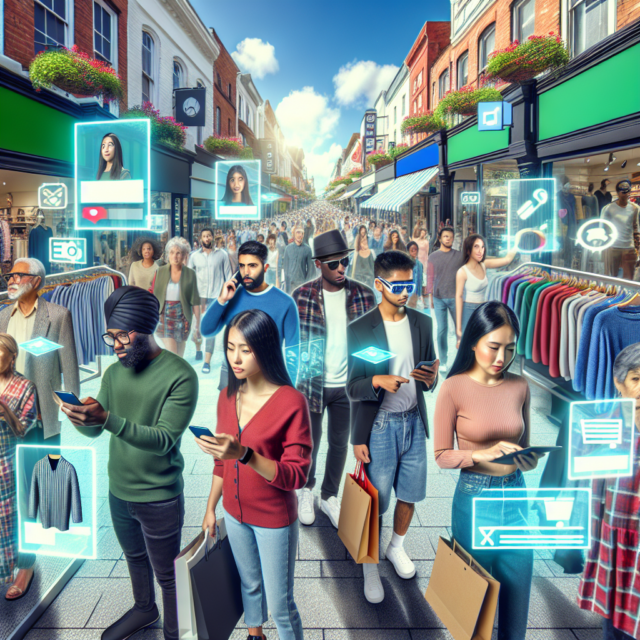
Augmented Reality is fundamentally changing the way consumers approach shopping by offering immersive and interactive experiences. Unlike traditional shopping methods, AR allows customers to visualize products in their own environment before making a purchase. This capability is particularly beneficial in sectors such as home decor and fashion, where seeing a product in context can significantly influence purchasing decisions. For instance, customers can use AR apps to virtually place furniture in their living rooms or try on clothes without stepping into a fitting room, thus enhancing convenience and reducing uncertainty.

Furthermore, AR empowers customers with detailed product information at their fingertips. By simply pointing a smartphone camera at a product, shoppers can access a wealth of information, including customer reviews, detailed specifications, and even instructional videos. This level of transparency not only builds consumer trust but also enables informed decision-making, thereby increasing customer satisfaction and loyalty. Retailers who harness AR effectively can differentiate themselves by providing a richer, more informative shopping experience.

The personalization capabilities of AR also play a crucial role in transforming shopping experiences. By analyzing user data and preferences, AR applications can offer personalized recommendations and tailor experiences to individual tastes. This level of personalization can lead to higher engagement rates, as customers are more likely to interact with content that resonates with their unique preferences. As a result, AR not only enhances the shopping experience but also drives conversion rates by aligning offerings with customer needs.

AR also facilitates a more engaging in-store experience by transforming static displays into dynamic, interactive showcases. Retailers can use AR to create immersive store environments that captivate customers and encourage exploration. For example, interactive displays can guide customers through a store, offer virtual try-ons, or even provide gamified shopping experiences. This added layer of engagement can increase foot traffic and dwell time, ultimately boosting sales and brand loyalty.

Moreover, AR reduces the friction associated with online shopping by addressing common pain points such as product returns. By providing a more accurate representation of products through virtual try-ons and visualizations, AR minimizes the likelihood of returns due to mismatches in size, color, or fit. This not only benefits retailers by reducing return-related costs but also enhances customer satisfaction by ensuring that expectations align with reality.

In summary, AR is revolutionizing the shopping experience by making it more interactive, informative, and personalized. As retailers continue to explore the potential of this technology, the future of shopping promises to be more engaging and customer-centric than ever before.

Bridging Digital and Physical Retail Spaces

One of the most significant contributions of AR to the retail industry is its ability to bridge the gap between digital and physical retail spaces. By integrating AR into their operations, retailers can create a cohesive and seamless shopping experience that transcends traditional boundaries. This integration allows customers to enjoy the best of both worlds: the convenience of online shopping and the tactile, immersive experience of physical retail.

AR technology enables retailers to enhance their digital presence by providing interactive online experiences that mimic the in-store environment. For instance, virtual showrooms powered by AR allow customers to explore products in a 3D space, offering a more engaging alternative to static product images. This approach not only captures the attention of digital-savvy consumers but also provides a sense of familiarity and comfort akin to in-store browsing.

Conversely, AR can bring digital elements into physical stores, enriching the shopping experience with interactive content. Retailers can install AR-enabled kiosks or use mobile apps to provide customers with additional product information, personalized recommendations, and even virtual assistance. This fusion of digital and physical elements creates a more dynamic and informative retail environment, enhancing customer engagement and satisfaction.

The integration of AR also supports omnichannel strategies by ensuring a consistent and unified brand experience across all touchpoints. Customers can seamlessly transition from online to offline channels, using AR to access their wish lists, view personalized offers, or pick up where they left off in a virtual showroom. This continuity not only streamlines the shopping journey but also strengthens brand loyalty by providing a cohesive and convenient customer experience.

Moreover, AR enhances the role of physical stores as experiential hubs, where customers can interact with products in novel ways. By offering AR-driven experiences, retailers can transform their stores into destinations that attract foot traffic and encourage repeat visits. These experiences can range from interactive product demonstrations to augmented reality games, all designed to engage and entertain customers while reinforcing brand values.

In conclusion, AR serves as a powerful bridge between digital and physical retail spaces, enabling retailers to deliver a seamless and integrated shopping experience. By leveraging AR technology, retailers can enhance their omnichannel strategies, drive customer engagement, and create a more cohesive brand experience that resonates with today’s connected consumers.

Innovations Shaping the AR Customer Experience

The rapid advancement of AR technology is driving a wave of innovations that are reshaping the customer experience in retail. As AR becomes more sophisticated and accessible, retailers are exploring new ways to leverage this technology to meet evolving consumer expectations and stay ahead of the competition.

One of the key innovations shaping the AR customer experience is the development of more accurate and realistic virtual try-ons. Leveraging advancements in computer vision and machine learning, AR applications can now offer highly accurate representations of how products will look and fit. This innovation is particularly impactful in the fashion and beauty industries, where virtual try-ons can significantly enhance the online shopping experience by reducing uncertainty and increasing confidence in purchasing decisions.

Another exciting innovation is the use of AR for interactive storytelling and brand engagement. Retailers are increasingly using AR to create immersive narratives that captivate customers and deepen their emotional connection with the brand. For example, AR can be used to bring product stories to life through interactive animations or to create virtual experiences that highlight a brand’s heritage or values. This approach not only enhances customer engagement but also differentiates brands in a crowded marketplace.

AR is also being used to enhance customer service by providing virtual assistance and support. Retailers can deploy AR-powered chatbots or virtual assistants that guide customers through the shopping process, answer queries, and offer personalized recommendations. This innovation not only improves the efficiency of customer service but also provides a more personalized and responsive experience that meets the needs of today’s digitally savvy consumers.

The integration of AR with emerging technologies such as artificial intelligence (AI) and the Internet of Things (IoT) is further expanding the possibilities for enhancing the customer experience. For instance, AI-powered AR applications can analyze customer behavior and preferences in real-time, offering personalized recommendations and dynamic pricing. Meanwhile, IoT devices can provide contextual data that enhances AR experiences, such as adjusting product recommendations based on location or environmental factors.

As AR technology continues to evolve, retailers are also exploring new business models and revenue streams. For example, some retailers are experimenting with AR-driven subscription services that offer exclusive content or experiences, while others are exploring partnerships with technology providers to co-create innovative AR solutions. These new approaches not only enhance the customer experience but also provide retailers with opportunities to diversify their offerings and generate additional revenue.

In summary, the innovations shaping the AR customer experience are driving a new era of retail that is more interactive, personalized, and engaging. As retailers continue to explore the potential of AR, they are poised to redefine the shopping experience and create lasting value for both customers and their businesses.

As the retail industry continues to embrace digital transformation, Augmented Reality emerges as a key player in enhancing the customer experience. By transforming shopping, bridging digital and physical spaces, and driving innovative solutions, AR offers retailers a unique opportunity to engage with consumers in more meaningful ways. As technology continues to advance, the potential for AR in retail is boundless, promising a future where shopping is more immersive, personalized, and seamlessly integrated across all channels. Retailers who harness the power of AR will not only meet the evolving expectations of today’s consumers but also set the stage for a new era of customer-centric retail experiences.

Exploring Innovations in Digital Customer Experiences

Exploring Innovations in Digital Customer Experiences

Exploring Innovations in Digital Customer Experiences

In today’s rapidly evolving digital landscape, businesses are increasingly focusing on enhancing the customer experience to remain competitive. The digital customer journey is no longer a linear pathway but a complex web of interactions across various platforms and touchpoints. As companies strive to meet the ever-growing expectations of consumers, innovative technologies and strategies are being deployed to create seamless, personalized, and engaging experiences. This article delves into the future of digital customer journeys, the transformative technologies reshaping customer engagement, and how innovation is enhancing user interaction, providing insights into the evolving dynamics of digital customer experiences.

Unveiling the Future of Digital Customer Journeys

The digital customer journey is undergoing a fundamental transformation as businesses seek to integrate new technologies and methodologies to better understand and serve their customers. At the heart of this evolution is the shift towards omni-channel experiences, where customers can seamlessly transition between online and offline platforms. This requires businesses to adopt integrated systems that provide a cohesive narrative across all customer touchpoints, ensuring that each interaction is informed by the previous ones.

Personalization has become a cornerstone of the modern customer journey. By leveraging data analytics and machine learning, companies can tailor their offerings to meet the unique preferences and needs of individual customers. This not only enhances customer satisfaction but also builds brand loyalty by making customers feel valued and understood. As businesses continue to harness the power of big data, the ability to deliver hyper-personalized experiences will become a key differentiator in the marketplace.

Another significant trend shaping the future of digital customer journeys is the rise of self-service options. With the increasing demand for convenience and instant gratification, customers are gravitating towards solutions that allow them to resolve issues independently. Chatbots, virtual assistants, and interactive FAQs are being deployed to empower customers to find answers quickly and efficiently, reducing the need for human intervention and enhancing the overall customer experience.

The integration of artificial intelligence (AI) into customer journey mapping is also gaining traction. AI-driven analytics can provide deep insights into customer behavior, enabling businesses to anticipate needs and proactively address potential pain points. By leveraging AI, companies can optimize their customer journeys in real-time, ensuring that each interaction is as smooth and satisfying as possible.

The future of digital customer journeys is also being shaped by the growing importance of mobile-first strategies. With the proliferation of smartphones and mobile apps, customers are increasingly engaging with brands through their mobile devices. This necessitates the development of mobile-optimized experiences that are intuitive, fast, and responsive, catering to the on-the-go nature of modern consumers.

Finally, the concept of customer journey mapping is evolving to include not just the interactions that take place but also the emotions and perceptions associated with each touchpoint. By employing sentiment analysis and other emotional intelligence tools, businesses can gain a deeper understanding of the customer experience and make informed decisions to enhance satisfaction and loyalty.

Transformative Technologies in Customer Engagement

Customer engagement is being revolutionized by a host of transformative technologies that are enabling businesses to connect with their audiences in more meaningful and impactful ways. One of the most significant advancements in this area is the use of artificial intelligence (AI) to automate and enhance customer interactions. AI-powered chatbots and virtual assistants are being deployed across various platforms to provide instant support and guidance, offering a seamless and efficient customer service experience.

Augmented reality (AR) and virtual reality (VR) are also making waves in customer engagement by providing immersive and interactive experiences. Retailers, for instance, are using AR to allow customers to visualize products in their own environments before making a purchase, thereby reducing uncertainty and enhancing satisfaction. Similarly, VR is being used to create virtual showrooms and experiences that engage customers on a deeper level, fostering a stronger emotional connection with the brand.

The Internet of Things (IoT) is another technology that is transforming customer engagement by enabling businesses to offer smart, connected experiences. IoT devices can collect and transmit data in real-time, allowing companies to monitor customer behavior and preferences more closely and offer personalized recommendations and services. This connectivity also opens up new avenues for customer interaction, such as smart home devices that can be controlled via mobile apps or voice commands.

Blockchain technology is emerging as a transformative force in customer engagement by enhancing transparency and trust. By providing a decentralized and secure way to record transactions, blockchain can help businesses build trust with their customers by ensuring data integrity and reducing the risk of fraud. This is particularly relevant in industries such as finance and supply chain, where trust and transparency are paramount.

Another transformative technology is the use of data analytics and machine learning to derive actionable insights from customer data. By analyzing patterns and trends, businesses can gain a deeper understanding of their customers’ needs and preferences, enabling them to tailor their engagement strategies accordingly. Predictive analytics can also help companies anticipate customer behavior and proactively address potential issues, thereby enhancing satisfaction and loyalty.

Finally, the integration of voice technology is reshaping customer engagement by providing a more natural and intuitive way for customers to interact with brands. Voice-activated devices and services are becoming increasingly popular, offering hands-free convenience and accessibility. As voice recognition technology continues to improve, businesses will be able to offer more personalized and context-aware interactions, further enhancing the customer experience.

Enhancing User Interaction Through Innovation

Innovation is at the forefront of enhancing user interaction, as businesses strive to create more intuitive, engaging, and satisfying digital experiences. One key area of innovation is the user interface (UI) design, where companies are experimenting with new layouts, navigation structures, and visual elements to create more user-friendly and aesthetically pleasing interfaces. This includes the use of minimalist designs, micro-interactions, and dynamic content that adapts to the user’s behavior and preferences.

The rise of conversational interfaces is another innovation that is redefining user interaction. By leveraging natural language processing (NLP) and AI, businesses are creating chatbots and virtual assistants that can understand and respond to user queries in a conversational manner. This not only simplifies the interaction process but also makes it more engaging and human-like, enhancing the overall user experience.

Gamification is also being used to enhance user interaction by incorporating game-like elements into digital experiences. By introducing rewards, challenges, and leaderboards, companies can motivate users to engage more deeply with their products and services. This approach has been particularly successful in industries such as education, fitness, and e-commerce, where it has been used to drive user engagement and retention.

The use of personalization and customization is another innovative strategy for enhancing user interaction. By allowing users to tailor their experiences to their preferences, businesses can create more relevant and satisfying interactions. This can be achieved through features such as customizable dashboards, personalized content recommendations, and adaptive interfaces that change based on user behavior.

Voice and gesture recognition technologies are also being explored as innovative ways to enhance user interaction. These technologies allow users to interact with digital platforms in more natural and intuitive ways, reducing the reliance on traditional input methods such as keyboards and touchscreens. As these technologies continue to evolve, they have the potential to transform the way users interact with digital devices and services.

Finally, the integration of feedback loops into digital experiences is an innovation that is helping businesses enhance user interaction. By providing users with real-time feedback on their actions and encouraging them to provide feedback on their experiences, companies can create a more interactive and engaging environment. This not only improves the user experience but also provides valuable insights that can be used to refine and optimize digital products and services.

As digital customer experiences continue to evolve, businesses must remain agile and open to innovation to stay ahead of the competition. The future of digital customer journeys will be shaped by the integration of transformative technologies and the ongoing pursuit of personalization and engagement. By embracing these innovations, companies can create more meaningful and satisfying interactions that meet the ever-changing expectations of today’s consumers. As we look to the future, the potential for further advancements in digital customer experiences is vast, promising a new era of connectivity, convenience, and customer satisfaction.

Exploring Emerging Trends in the Digital Art World

Exploring Emerging Trends in the Digital Art World

The digital art world is in the throes of a dynamic evolution, driven by technological advancements and changing consumer preferences. As digital platforms expand, artists are finding new ways to express themselves and reach audiences. This article explores three emerging trends that are reshaping the digital art landscape: the rise of NFTs, the integration of virtual reality, and the use of artificial intelligence in creating art. These innovations are not only transforming how art is created and consumed but also redefining the concept of ownership and creativity in the digital age.

The Rise of NFTs: Transforming Digital Ownership

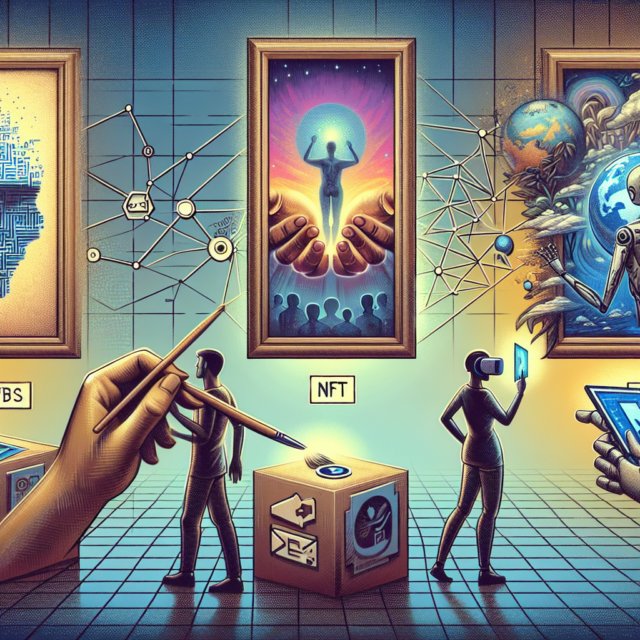
Non-fungible tokens (NFTs) have taken the digital art world by storm, offering a revolutionary way to own and trade art. Unlike traditional digital files, NFTs are unique tokens that represent ownership of a specific piece of digital content. This means that even though a digital artwork can be copied, the NFT associated with it cannot, providing a record of ownership and authenticity on a blockchain. This innovation has opened up new revenue streams for artists, enabling them to sell their digital creations directly to collectors without intermediaries.

The NFT market has grown exponentially, with high-profile sales capturing headlines and driving interest. Artists who were previously confined to the limitations of physical galleries now have access to a global marketplace. This democratization of art sales allows artists from diverse backgrounds to gain visibility and monetize their work. However, the market’s volatility and environmental concerns related to blockchain technology pose challenges that need to be addressed.

NFTs have also sparked discussions about the value of digital art. Critics argue that the speculative nature of the NFT market inflates prices and detracts from the art itself. Yet, supporters believe that NFTs empower artists by providing them with new tools for engagement and expression. The ability to program royalties into NFTs ensures that artists continue to benefit from the resale of their work, addressing long-standing issues of artist compensation in the traditional art world.

In addition to individual artists, established institutions are beginning to explore NFTs. Museums and galleries are experimenting with digital exhibitions and NFT auctions, recognizing the potential to reach younger, tech-savvy audiences. This shift is prompting a reevaluation of how art is curated and presented, blending the physical and digital realms in innovative ways.

While NFTs offer exciting possibilities, they also raise questions about digital preservation and long-term ownership. The longevity of digital art is tied to the stability of the platforms and technologies that support it. As the digital art world continues to evolve, ensuring the sustainability and security of NFTs will be crucial for their lasting impact.

Ultimately, NFTs represent a significant shift in how art is perceived and valued. By providing a mechanism for digital ownership, they challenge traditional notions of art collection and distribution. As artists and collectors navigate this new landscape, the ongoing dialogue around NFTs will shape the future of digital art.

Virtual Reality: A New Canvas for Digital Artists

Virtual reality (VR) is emerging as a transformative force in the digital art world, offering artists a new medium to explore and create immersive experiences. Unlike traditional digital art forms, VR allows artists to craft three-dimensional environments that viewers can interact with, providing a sense of presence and engagement that is unparalleled. This new canvas challenges artists to think beyond the two-dimensional space and consider how audiences will experience their work in a virtual setting.

Artists are leveraging VR technology to push the boundaries of storytelling and expression. By creating virtual worlds, they can transport viewers to imaginative landscapes, explore abstract concepts, and evoke emotions in ways that static images cannot. This immersive quality of VR art is attracting a diverse range of creators, from traditional painters and sculptors to digital designers and game developers, all eager to experiment with this cutting-edge medium.

The interactive nature of VR art presents unique opportunities for audience engagement. Viewers can navigate through virtual spaces, interact with elements, and even influence the outcome of the artwork. This participatory aspect transforms the viewer from a passive observer to an active participant, creating a more personalized and memorable experience. As a result, artists are exploring new ways to involve audiences in the creative process, fostering a deeper connection between the artwork and its viewers.

Despite its potential, VR art faces challenges related to accessibility and technology adoption. High-quality VR experiences require specialized equipment and technical expertise, which can be barriers for both artists and audiences. However, as VR technology becomes more affordable and widespread, these obstacles are likely to diminish, paving the way for broader adoption of VR art.

The integration of VR into the art world is also prompting changes in how art is exhibited and consumed. Virtual galleries and online platforms are emerging as spaces for showcasing VR art, allowing artists to reach global audiences without the constraints of physical locations. This shift is expanding the possibilities for collaboration and cross-cultural exchange, as artists and audiences from different parts of the world can connect and share experiences in a virtual environment.

As VR continues to evolve, it promises to redefine the landscape of digital art. By offering a new dimension of creativity and interaction, VR is not only expanding the possibilities for artists but also transforming how audiences experience and appreciate art. The ongoing exploration of VR as a medium will undoubtedly lead to new innovations and insights, shaping the future of artistic expression in the digital age.

AI in Art: Bridging Technology and Creativity

Artificial intelligence (AI) is playing an increasingly prominent role in the digital art world, offering new tools and possibilities for creative expression. AI algorithms can analyze vast amounts of data, recognize patterns, and generate content, enabling artists to experiment with new techniques and styles. This fusion of technology and creativity is leading to the emergence of AI-generated art, which challenges traditional notions of authorship and artistic creation.

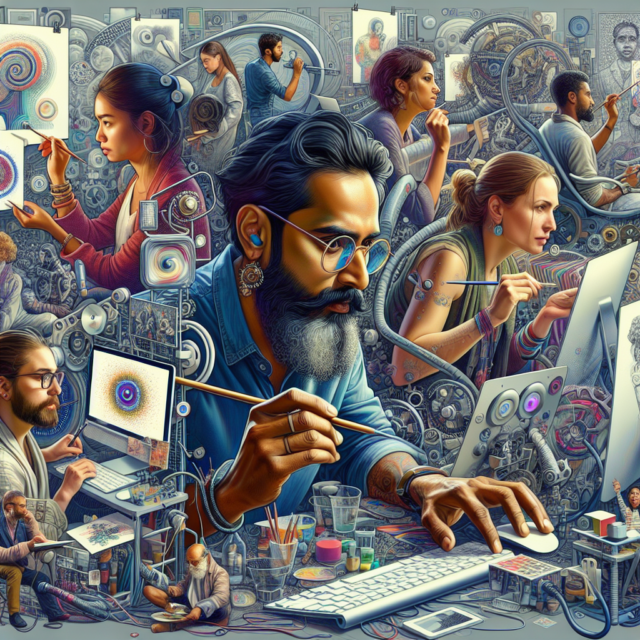
AI art is created through a collaborative process between artists and machines. Artists input data and parameters into AI systems, which then generate visual outputs based on the given criteria. This process allows for the exploration of complex patterns and forms that might be difficult or impossible to achieve manually. As a result, AI is not only a tool for creation but also a source of inspiration, offering artists new perspectives and ideas.

The use of AI in art raises intriguing questions about the nature of creativity and the role of the artist. While AI can produce technically proficient art, the emotional and conceptual depth of these works often depends on the artist’s input and interpretation. This dynamic relationship between human and machine highlights the importance of the artist’s vision and intent in shaping the final artwork.

AI-generated art is gaining recognition and acceptance in the art world, with exhibitions and auctions featuring works created with the assistance of AI. These events are sparking discussions about the value and originality of AI art, as well as its place within the broader art historical context. As AI technology continues to advance, it is likely that AI art will become an increasingly significant part of the digital art landscape.

However, the integration of AI into the art world also presents challenges. Issues related to copyright, ownership, and ethical considerations must be addressed as AI art becomes more prevalent. Ensuring that artists retain control over their creations and receive appropriate recognition and compensation will be crucial for the sustainable development of AI art.

In conclusion, AI is bridging the gap between technology and creativity, offering new possibilities for artistic expression and exploration. By challenging traditional boundaries and expanding the definition of art, AI is reshaping the digital art world and opening up new avenues for artists to explore. As artists and technologists continue to collaborate and innovate, the future of AI art holds exciting potential for both creators and audiences.

The digital art world is undergoing a profound transformation, driven by the emergence of NFTs, virtual reality, and artificial intelligence. These trends are not only changing how art is created and consumed but also redefining the very nature of creativity and ownership. As artists and audiences navigate this evolving landscape, the continued exploration and integration of these technologies will shape the future of digital art. By embracing these innovations, the art world can expand its horizons, foster new forms of expression, and connect with audiences in ways previously unimaginable. The journey into this new era of digital art is just beginning, promising endless possibilities for creativity and discovery.

Exploring the Intersection of Technology and Art

Exploring the Intersection of Technology and Art

In the ever-evolving landscape of human creativity, the intersection of technology and art has emerged as one of the most exciting and innovative domains. This confluence has not only expanded the boundaries of what is considered art but has also redefined the way artists create, share, and engage with their audiences. As digital tools become more sophisticated and accessible, artists are increasingly incorporating technology into their work, leading to a dynamic fusion of creativity and innovation. This article explores the profound implications of this intersection, examining how digital tools are transforming artistic expression and how traditional art forms are being bridged with modern technology.

The Fusion of Creativity and Innovation in Art

In the realm of art, creativity and innovation have always been intertwined, driving the evolution of artistic expression through the ages. The introduction of technology into this mix has catalyzed a new era of possibilities, where artists are no longer confined to traditional mediums and methods. This fusion has resulted in a diverse array of art forms that challenge conventional definitions and push the boundaries of imagination.

Artists today are leveraging technology to create immersive experiences that engage audiences in unprecedented ways. Virtual reality (VR) and augmented reality (AR) are prime examples of how technology is being used to transform art from a passive experience to an interactive one. These technologies allow viewers to step inside a painting or sculpture, experiencing it from multiple perspectives and even interacting with elements within the artwork.

The integration of artificial intelligence (AI) into art has also opened new avenues for creativity. AI algorithms can analyze vast amounts of data to generate unique artistic styles or even collaborate with artists to create works that are a blend of human and machine creativity. This collaboration has sparked debates about the nature of creativity and the role of the artist in a technologically advanced world.

Moreover, technology has democratized art, making it more accessible to both creators and audiences. Online platforms and digital tools have lowered the barriers to entry, allowing emerging artists to showcase their work to a global audience without the need for traditional gallery spaces. This democratization has led to a more diverse and inclusive art world, where voices from different backgrounds can be heard and appreciated.

The fusion of creativity and technology is also evident in the way art is being used to address social and environmental issues. Artists are using digital tools to create powerful visual narratives that raise awareness and inspire action on critical global challenges. Through interactive installations, digital storytelling, and data visualization, art has become a powerful tool for advocacy and change.

As we continue to explore the fusion of creativity and innovation in art, it is clear that technology is not just a tool but an integral part of the creative process. Artists are not only adopting new technologies but also shaping them, pushing the boundaries of what is possible and redefining the future of art.

How Digital Tools Transform Artistic Expression

Digital tools have revolutionized the way artists express themselves, offering a wide range of possibilities that were previously unimaginable. From digital painting and 3D modeling to music production and video editing, technology has expanded the artistic toolkit, enabling creators to explore new forms and techniques.

One of the most significant transformations brought about by digital tools is the ability to experiment and iterate quickly. Artists can now create multiple versions of a work, test different styles, and make adjustments in real-time without the constraints of physical materials. This flexibility encourages experimentation and innovation, allowing artists to push the boundaries of their creativity.

Digital tools have also made collaboration across distances more feasible, bringing together artists from different parts of the world to work on joint projects. Online platforms and cloud-based software enable seamless sharing and editing of digital art, fostering a sense of community and shared creativity that transcends geographical boundaries.

Moreover, digital tools have blurred the lines between different art forms, leading to the emergence of hybrid genres and interdisciplinary works. Artists are combining elements of visual art, music, performance, and technology to create multifaceted experiences that engage multiple senses. This convergence of disciplines is giving rise to new art forms that challenge traditional categorizations and invite audiences to engage with art in novel ways.

The rise of digital art has also transformed the way art is consumed and distributed. Online galleries, virtual exhibitions, and social media platforms have created new channels for artists to reach audiences, bypassing traditional gatekeepers and democratizing access to art. This shift has not only expanded the reach of artists but has also allowed audiences to discover and engage with a wider variety of art from around the world.

Despite the many advantages of digital tools, there are also challenges and concerns that come with their use. Issues such as digital copyright, the preservation of digital art, and the impact of technology on traditional art forms are ongoing debates within the art community. As artists continue to navigate this digital landscape, finding a balance between innovation and preservation will be crucial.

In conclusion, digital tools have transformed artistic expression in profound ways, offering new opportunities for creativity, collaboration, and engagement. As technology continues to evolve, it will undoubtedly continue to shape the future of art, offering new possibilities and challenges for artists worldwide.

Bridging Traditional Art with Modern Technology

The relationship between traditional art and modern technology is a dynamic interplay that continues to evolve, offering new ways to preserve, reinterpret, and enhance classical art forms. This bridging of past and present is not only preserving cultural heritage but also breathing new life into traditional art.

One of the most significant ways technology is bridging traditional art with modern innovation is through digital preservation. High-resolution scanning and 3D modeling techniques are being used to capture and preserve artworks, ensuring that they can be studied and appreciated by future generations. These digital replicas also allow for detailed analysis and restoration efforts without compromising the original work.

Technology is also being used to reinterpret traditional art forms, creating new experiences that resonate with contemporary audiences. For instance, projection mapping and interactive displays have been employed to bring historical paintings and sculptures to life, allowing viewers to engage with these works in immersive and interactive ways. This approach not only enhances appreciation of traditional art but also makes it more accessible to a younger, tech-savvy audience.

Artists are increasingly incorporating traditional techniques with modern technology to create works that honor the past while embracing the future. This fusion is evident in the use of digital painting tools that mimic traditional brushstrokes or the integration of classical music with electronic sounds to create innovative compositions. By blending old and new, artists are crafting unique narratives that reflect both historical and contemporary influences.

Moreover, technology has enabled the revival of traditional crafts and techniques that were at risk of being lost. Digital fabrication methods, such as 3D printing and laser cutting, are being used to recreate ancient artifacts and textiles, allowing artisans to experiment with traditional techniques in new and exciting ways. This revitalization not only preserves cultural heritage but also inspires new generations of artists to explore traditional crafts.

The collaboration between traditional artists and technologists is fostering a new era of creativity, where the boundaries between different art forms are increasingly blurred. This interdisciplinary approach is leading to the creation of innovative works that challenge conventional notions of art and invite audiences to explore new perspectives.

In conclusion, the bridging of traditional art with modern technology is creating a rich tapestry of creative expression that honors the past while embracing the future. As artists continue to explore this intersection, they are not only preserving cultural heritage but also expanding the possibilities of what art can be in the digital age.

As we delve deeper into the intersection of technology and art, it becomes evident that this convergence is reshaping the artistic landscape in profound ways. From the fusion of creativity and innovation to the transformative power of digital tools and the bridging of traditional art with modern technology, the possibilities are endless. As artists continue to navigate this dynamic landscape, they are not only redefining the boundaries of art but also enriching our cultural experience. In this ever-evolving world, the intersection of technology and art promises to remain a fertile ground for exploration, offering new challenges and opportunities for artists and audiences alike.

Exploring the Evolution and Impact of Digital Art

Exploring the Evolution and Impact of Digital Art

Digital art, a fusion of creativity and technology, has undergone a remarkable transformation since its inception. As the digital age progressed, so did the tools and techniques available to artists, leading to an ever-evolving landscape of digital expression. This article delves into the journey of digital art over the decades, highlights key milestones in its evolution, and assesses its cultural and economic impact on society.

Tracing the Journey of Digital Art Over Decades

Digital art’s journey began in the late 20th century when computers first emerged as tools for artistic creation. Initially, early digital artists were limited by the rudimentary technology available, using simple graphics and basic software. However, these pioneers laid the groundwork for a new form of artistic expression that would soon explode into a vibrant and dynamic field.

The 1980s marked a significant period of growth for digital art, as advancements in computer technology allowed artists to explore new creative possibilities. The introduction of personal computers and graphic design software, such as Adobe Photoshop, revolutionized the way artists approached their work. Digital art became more accessible, enabling artists to experiment with colors, shapes, and textures in ways that were previously unimaginable.

By the 1990s, the internet had begun to play a crucial role in the dissemination and evolution of digital art. Online platforms and communities provided artists with new avenues for sharing their work and collaborating with others. This era saw the rise of digital installations and interactive art, where viewers became participants in the artistic experience, blurring the lines between creator and audience.

The 2000s continued to witness rapid advancements in technology, further propelling digital art into the mainstream. The proliferation of digital cameras and mobile devices allowed for the integration of photography and video into digital artworks. Additionally, the rise of social media platforms provided artists with unprecedented exposure and opportunities to reach global audiences.

In recent years, digital art has expanded beyond traditional boundaries, embracing emerging technologies such as virtual reality (VR) and augmented reality (AR). These innovations have opened up new dimensions for artistic expression, enabling artists to create immersive and interactive experiences that captivate audiences in entirely novel ways. As a result, digital art has become an integral part of contemporary culture, influencing various fields, including gaming, advertising, and entertainment.

The journey of digital art is marked by continuous evolution and adaptation. As technology continues to advance, digital artists are poised to explore uncharted territories, pushing the boundaries of creativity and redefining what art can be in the digital age.

Unveiling the Key Milestones in Digital Art Evolution

One of the earliest milestones in digital art evolution was the creation of the first computer-generated art piece in the 1960s. Artists like Frieder Nake and Harold Cohen experimented with algorithms and programming to produce abstract compositions, laying the foundation for future digital art forms. This period marked the beginning of the fusion between art and technology, setting the stage for decades of innovation.

The development of graphic design software in the 1980s was another pivotal milestone. Programs like Adobe Illustrator and CorelDRAW empowered artists to manipulate images with precision and flexibility, leading to the rise of digital graphic design as a legitimate art form. This era also saw the emergence of pixel art, popularized by video games, which utilized limited color palettes to create intricate and visually appealing graphics.

The advent of the internet in the 1990s revolutionized the way digital art was created and shared. Online galleries and forums enabled artists to showcase their work to a global audience, fostering collaboration and exchange of ideas. This period also witnessed the rise of net art, a genre that utilized the internet as a medium, exploring themes of connectivity and interactivity in digital spaces.

The 2000s brought about significant advancements in digital imaging and animation technologies. The introduction of high-resolution displays and sophisticated editing software allowed artists to create hyper-realistic digital paintings and animations. This era also saw the rise of 3D modeling and rendering, which became essential tools for artists working in fields such as architecture, film, and video game design.

With the emergence of blockchain technology and non-fungible tokens (NFTs) in the late 2010s, digital art entered a new phase of evolution. NFTs provided a mechanism for artists to authenticate and sell their digital creations as unique, collectible items. This innovation not only disrupted traditional art markets but also empowered digital artists with new avenues for monetization and recognition.

Today, digital art continues to evolve alongside technological advancements, constantly pushing the boundaries of what is possible. Whether through the integration of AI in art creation or the exploration of new mediums like VR and AR, digital art remains a dynamic and ever-changing field that reflects the zeitgeist of the digital age.

Assessing the Cultural and Economic Impact of Digital Art

Digital art has had a profound cultural impact, reshaping how art is perceived and consumed in contemporary society. Its accessibility and versatility have democratized artistic expression, allowing individuals from diverse backgrounds to engage with and create art. Digital platforms and social media have further amplified this impact, giving rise to new art movements and subcultures that transcend geographical boundaries.

The cultural significance of digital art also lies in its ability to address and reflect societal issues. Digital artists often use their work to comment on topics such as identity, technology, and the environment, offering new perspectives and sparking conversations. This form of art has become a powerful tool for social commentary and activism, enabling artists to engage with global audiences and effect change.

Economically, digital art has created new opportunities for artists and industries alike. The rise of NFTs has transformed the art market, providing digital artists with new revenue streams and challenging traditional notions of ownership and value. This shift has also prompted galleries and auction houses to adapt, incorporating digital art into their offerings and reaching younger, tech-savvy collectors.

The integration of digital art into industries such as advertising, entertainment, and gaming has further expanded its economic impact. Brands and companies increasingly rely on digital artists to create compelling visual content that resonates with audiences. In the gaming industry, digital art plays a crucial role in character design, world-building, and storytelling, contributing significantly to the industry’s growth and success.

Despite its many positive impacts, digital art also faces challenges, particularly concerning issues of copyright and plagiarism. The ease of copying and distributing digital content raises questions about intellectual property rights and the protection of artists’ work. As the digital art market continues to evolve, finding solutions to these challenges will be essential to ensure the sustainability and integrity of the field.

Ultimately, the cultural and economic impact of digital art underscores its importance in shaping the future of creative expression. As technology continues to advance, digital art will undoubtedly play a central role in defining the artistic landscape of the 21st century, offering new possibilities for artists and audiences alike.

The evolution and impact of digital art highlight the dynamic interplay between creativity and technology. From its humble beginnings to its current status as a cultural and economic force, digital art has transformed the way we create, experience, and value artistic expression. As we look to the future, the continued growth and innovation in digital art promise to redefine the boundaries of art, offering exciting possibilities for both artists and audiences in the digital age.

Exploring the Rise and Impact of AI in Digital Art

Exploring the Rise and Impact of AI in Digital Art

In recent years, the intersection of artificial intelligence (AI) and digital art has sparked a revolutionary transformation, redefining the boundaries of creativity and expression. This dynamic fusion of technology and artistry has not only expanded the toolkit available to artists but has also challenged traditional notions of authorship and originality. As AI continues to evolve, its influence on digital art becomes increasingly profound, offering both exciting possibilities and complex ethical dilemmas. This article delves into the evolution of AI in digital art, explores key innovations shaping AI-driven artistic creation, and evaluates the societal impact of AI on artistry.

Understanding the Evolution of AI in Digital Art

The journey of AI in digital art traces back to the mid-20th century when computer scientists and artists began exploring the potential of machines in creative processes. Early experiments, such as those by Harold Cohen with his AARON program, laid the groundwork for AI’s role in art. These initial endeavors were characterized by rule-based systems that could execute simple, predefined tasks to create art. Though rudimentary, they showcased the potential for computers to participate in artistic creation.

As technology advanced, so did the sophistication of AI algorithms. The advent of machine learning and neural networks in the late 20th and early 21st centuries marked a significant turning point. These technologies enabled computers to learn from vast datasets, allowing them to generate art that was increasingly complex and nuanced. Artists and researchers began to harness these capabilities to produce works that were not only technically impressive but also emotionally resonant, blurring the lines between human and machine creativity.

The proliferation of digital tools and platforms further accelerated the evolution of AI in digital art. Software like Adobe Photoshop and Corel Painter integrated AI features, empowering artists to experiment with new styles and techniques. Meanwhile, open-source platforms such as DeepArt and RunwayML democratized access to AI-powered art creation, enabling artists of all skill levels to explore this new frontier. This democratization has played a crucial role in the widespread adoption and acceptance of AI in the art world.

In recent years, AI-generated art has gained significant attention and recognition, both in mainstream media and within the art community. High-profile events, such as the auction of AI-generated artworks at prestigious auction houses like Christie’s, have underscored the growing legitimacy of AI as a creative force. These events have sparked debates about the nature of creativity and the role of the artist in an age where machines can produce works that rival those of humans.

Despite its rapid evolution, the integration of AI in digital art has not been without controversy. Critics argue that AI-generated art lacks the intentionality and emotional depth inherent in human-created works. Others raise concerns about the potential for AI to perpetuate biases present in training data, leading to art that may unintentionally reinforce stereotypes or exclude marginalized perspectives. These challenges highlight the need for ongoing dialogue and ethical considerations as AI continues to shape the landscape of digital art.

Looking ahead, the evolution of AI in digital art is likely to continue at an accelerated pace. As AI algorithms become more sophisticated and capable of understanding and replicating human emotions and expressions, the potential for collaboration between humans and machines in artistic endeavors will expand. This evolution promises to redefine not only the tools and techniques available to artists but also the very essence of what it means to be an artist in the digital age.

Key Innovations Shaping AI-Driven Artistic Creation

One of the most significant innovations in AI-driven artistic creation is the development of Generative Adversarial Networks (GANs). Introduced by Ian Goodfellow and his colleagues in 2014, GANs consist of two neural networks—the generator and the discriminator—that work in tandem to create new, original content. The generator produces images, while the discriminator evaluates them against real data, refining the output until it resembles authentic art. This technique has enabled the creation of highly realistic and unique artworks, pushing the boundaries of what AI can achieve.

Another transformative innovation is style transfer, a process that allows AI to apply the style of one image to another. This technique gained popularity with the advent of deep learning and convolutional neural networks, offering artists a powerful tool to experiment with different artistic styles. By analyzing the unique features of a particular style, AI can recreate its essence in a new context, enabling artists to merge classical techniques with modern imagery in unprecedented ways.

AI-driven artistic creation has also been shaped by advances in natural language processing (NLP). By understanding and interpreting textual input, AI systems can generate visual content based on written descriptions or prompts. This capability has opened up new possibilities for storytelling and narrative-driven art, allowing artists to explore the interplay between words and images in novel and imaginative ways. NLP-powered tools have also facilitated collaborative art projects, where multiple participants can contribute to the creation of a single piece through text inputs.

The rise of AI-generated music and soundscapes represents another key innovation in the field. Algorithms like OpenAI’s Jukebox and Google’s Magenta have demonstrated the ability to compose music in various styles and genres, often indistinguishable from human-created compositions. This development has expanded the toolkit available to digital artists, allowing them to integrate AI-generated audio into multimedia projects, creating immersive and multisensory experiences.

AI’s ability to analyze and process vast amounts of data has also given rise to data-driven art. By visualizing complex datasets in creative and aesthetically pleasing ways, artists can use AI to uncover hidden patterns and insights, transforming raw information into compelling narratives. This approach has gained traction in fields such as data journalism and scientific visualization, where the fusion of art and data offers new perspectives on pressing global issues.

Finally, the integration of AI into augmented reality (AR) and virtual reality (VR) environments has revolutionized the way art is experienced and interacted with. AI-powered AR and VR applications allow artists to create immersive, interactive installations that respond to the viewer’s presence and actions. This innovation has not only expanded the possibilities for artistic expression but has also redefined the relationship between the artist, the artwork, and the audience, offering new avenues for engagement and participation.

Evaluating the Societal Impact of AI on Artistry

The rise of AI in digital art has sparked a reevaluation of traditional concepts of authorship and ownership. In a world where machines can autonomously generate art, questions arise about who holds the rights to these creations. This challenge has significant implications for artists, collectors, and legal systems, prompting the need for new frameworks to address issues of intellectual property and copyright in the age of AI-generated art.

AI’s impact on the art market is another area of societal concern. The ability of AI to produce high-quality art at scale has the potential to disrupt traditional art economies, challenging the value and uniqueness of human-created works. While some view this as a democratization of art, others fear it may devalue the labor and skill of human artists, leading to a homogenization of artistic expression and a loss of diversity in the art world.

The integration of AI in digital art also raises ethical questions about bias and representation. AI systems are trained on existing datasets, which may contain biases that are then reflected in the art they produce. This has led to concerns about the perpetuation of stereotypes and the exclusion of marginalized voices in AI-generated art. Addressing these issues requires a concerted effort to ensure diverse and inclusive training data, as well as ongoing scrutiny of AI algorithms and their outputs.

On the positive side, AI’s role in digital art has the potential to democratize access to artistic creation. By providing powerful tools that lower the barriers to entry, AI enables a wider range of individuals to engage in art-making, fostering inclusivity and creativity. This democratization has the potential to enrich the cultural landscape, introducing new perspectives and ideas that may otherwise remain unexplored.

AI’s impact on education and art appreciation is another significant societal consideration. As AI becomes more integrated into artistic processes, educational institutions face the challenge of adapting curricula to equip students with the skills needed to navigate this new landscape. Additionally, AI-generated art offers new opportunities for art appreciation and critique, encouraging audiences to engage with art in novel ways and fostering a deeper understanding of the interplay between technology and creativity.

Ultimately, the societal impact of AI on artistry is complex and multifaceted, posing both challenges and opportunities. As AI continues to evolve and permeate the art world, ongoing dialogue and collaboration between artists, technologists, policymakers, and the public will be essential to harness its potential while addressing its ethical and societal implications. By navigating these complexities, society can ensure that AI serves as a tool for empowerment and innovation, enriching the artistic experience for all.

The rise of AI in digital art presents a confluence of technological advancement and creative exploration, offering unprecedented opportunities for artistic expression and innovation. As AI continues to shape the landscape of digital art, it challenges us to reconsider the nature of creativity, authorship, and the role of technology in our cultural lives. By embracing the possibilities while addressing the ethical and societal challenges, we can harness the transformative potential of AI to enrich the world of art, creating a future where human and machine creativity coexist and thrive in harmony.

Enhancing Engagement Through Digital Customer Experiences

Enhancing Engagement Through Digital Customer Experiences

In today’s digital age, businesses are increasingly focusing on enhancing customer engagement through digital platforms. As the online marketplace grows more competitive, companies must adapt to the evolving expectations of tech-savvy consumers. Digital customer experiences, therefore, play a crucial role in building lasting relationships and fostering brand loyalty. This article delves into the dynamics of digital customer engagement, explores strategies to boost online interactions, and discusses methods to measure the success of these initiatives.

Understanding Digital Customer Engagement Dynamics

Digital customer engagement refers to the ways in which businesses interact with their customers through online platforms. This engagement can take many forms, from social media interactions to personalized email campaigns. Understanding the dynamics of digital engagement is essential for businesses aiming to create effective strategies that resonate with their audience. The digital landscape is constantly evolving, driven by technological advancements and changing consumer preferences, making it crucial for companies to stay informed and adaptable.

One of the core dynamics of digital customer engagement is the shift from traditional push marketing to a more interactive approach. Consumers today expect brands to engage with them in meaningful ways, providing value beyond the mere promotion of products or services. This shift requires businesses to listen actively to their customers and respond to their needs and preferences in real-time. By fostering a two-way communication channel, companies can build trust and loyalty with their audience.

Another key aspect of digital engagement dynamics is personalization. With the vast amount of data available, businesses can tailor their interactions to meet the specific needs and preferences of individual customers. Personalization can range from recommending products based on past purchases to delivering content that aligns with a customer’s interests. This level of customization helps create a more relevant and engaging experience for users, which can significantly enhance customer satisfaction.

The rise of mobile technology has also influenced digital customer engagement dynamics. With more consumers accessing online content through smartphones and tablets, businesses must ensure that their digital experiences are optimized for mobile devices. This includes responsive website design, mobile-friendly content, and easy navigation. By catering to the mobile audience, companies can reach a broader customer base and enhance engagement.

Social media platforms play a pivotal role in digital customer engagement. These platforms offer businesses the opportunity to connect with customers on a more personal level, fostering community and dialogue. Through social media, companies can share updates, gather feedback, and address customer concerns promptly. The immediacy and accessibility of social media make it a powerful tool for enhancing digital engagement.

Finally, understanding the dynamics of digital customer engagement involves recognizing the importance of analytics and data-driven decision-making. By analyzing customer behavior and preferences, businesses can gain valuable insights into what drives engagement and how to optimize their strategies. This data-centric approach allows companies to make informed decisions that enhance the overall digital customer experience.

Strategies for Boosting Customer Interaction Online

To boost customer interaction online, businesses must implement strategies that focus on creating meaningful and engaging experiences for their audience. One effective approach is to leverage content marketing. By providing valuable and relevant content, companies can capture the attention of their audience and encourage them to interact with the brand. This can include blog posts, videos, infographics, and other forms of content that resonate with the target audience.

Another strategy is to utilize social media platforms to their fullest potential. Social media offers a unique opportunity for businesses to engage with customers in real-time and on a personal level. By actively participating in conversations, responding to comments, and sharing user-generated content, companies can foster a sense of community and encourage customer interaction. Additionally, hosting live events, such as webinars or Q&A sessions, can further enhance engagement on these platforms.

Gamification is a powerful tool for boosting online customer interaction. By incorporating game-like elements into the digital experience, businesses can make interactions more enjoyable and rewarding for customers. This can include offering points, badges, or rewards for completing certain actions or engaging with the brand. Gamification not only increases engagement but also encourages repeat interactions, as customers are motivated by the prospect of earning rewards.

Personalization remains a key strategy for enhancing customer interaction online. By tailoring the digital experience to meet individual customer preferences, businesses can create more meaningful interactions. This can involve recommending products based on past behavior, sending personalized email campaigns, or offering customized content. Personalization helps to create a more relevant and engaging experience, which can lead to increased interaction and customer satisfaction.

Incorporating interactive elements into the digital experience can also boost customer interaction. This can include features such as quizzes, polls, or interactive videos that encourage active participation from users. Interactive content not only captures the attention of the audience but also encourages them to engage with the brand on a deeper level. By making the experience more interactive, businesses can increase customer interaction and create a more memorable experience.

Lastly, ensuring a seamless and user-friendly digital experience is essential for boosting customer interaction. This involves optimizing website design, improving navigation, and ensuring fast loading times. A positive user experience minimizes friction and encourages customers to spend more time interacting with the brand. By prioritizing usability, businesses can create a digital environment that fosters engagement and encourages repeat visits.

Measuring Success in Digital Customer Experiences

Measuring the success of digital customer experiences is crucial for understanding the effectiveness of engagement strategies and making informed decisions for future improvements. One of the primary metrics for evaluating success is customer satisfaction. This can be assessed through surveys, feedback forms, or online reviews, providing valuable insights into how customers perceive their digital interactions with the brand.

Another important metric is the level of customer engagement itself. This can be measured through various indicators, such as website traffic, social media interactions, and email open rates. By analyzing these metrics, businesses can gauge the extent to which customers are interacting with their brand online. High levels of engagement typically indicate successful digital experiences that resonate with the audience.

Conversion rates are also a key measure of success in digital customer experiences. This refers to the percentage of users who take a desired action, such as making a purchase, signing up for a newsletter, or downloading content. By tracking conversion rates, businesses can assess the effectiveness of their digital strategies in driving customer actions and achieving business objectives.

Retention rates provide insights into the long-term success of digital customer experiences. This metric measures the percentage of customers who continue to engage with the brand over time. High retention rates indicate that customers are satisfied with their digital experiences and are likely to remain loyal to the brand. By focusing on retention, businesses can build lasting relationships with their customers and enhance overall engagement.

Customer lifetime value (CLV) is another important metric for measuring success in digital customer experiences. CLV estimates the total revenue a business can expect from a customer throughout their relationship with the brand. By analyzing CLV, companies can determine the long-term value of their digital engagement efforts and identify opportunities for growth. A higher CLV indicates successful digital experiences that drive customer loyalty and repeat business.

Finally, businesses can measure success by analyzing the return on investment (ROI) of their digital engagement strategies. This involves comparing the costs associated with digital initiatives to the revenue generated from these efforts. A positive ROI indicates that the digital strategies are effective in driving business growth and enhancing customer engagement. By regularly assessing ROI, companies can optimize their digital experiences and allocate resources more effectively.

Enhancing engagement through digital customer experiences is a multifaceted endeavor that requires a deep understanding of customer dynamics, strategic implementation, and ongoing evaluation. By embracing the shift toward interactive and personalized interactions, businesses can create meaningful digital experiences that resonate with their audience. Through the use of data analytics, businesses can continuously refine their strategies to ensure they effectively meet the needs of their customers. Ultimately, successful digital engagement leads to increased customer satisfaction, loyalty, and business growth in an increasingly digital world.

Luxury Brands Embrace Tech for Modern Elegance

Luxury Brands Embrace Tech for Modern Elegance

Luxury Brands Embrace Tech for Modern Elegance

In the rapidly evolving landscape of fashion, luxury brands are increasingly integrating cutting-edge technology to redefine modern elegance. From high-tech innovations to smart fabrics and digital transformations, these brands are setting new standards in luxury and sophistication. As the boundaries between fashion and technology continue to blur, the concept of luxury is being reimagined for a contemporary audience. This article delves into the various ways in which luxury brands are embracing technology to maintain their allure and relevance in the modern world.

High-Tech Innovations in Luxury Fashion

High-tech innovations are reshaping the luxury fashion industry, offering unprecedented possibilities for creativity and functionality. One of the most significant advancements is the incorporation of virtual reality (VR) and augmented reality (AR) in the shopping experience. Luxury brands are using these technologies to create immersive experiences that allow customers to explore collections in a virtual space, enhancing engagement and personalizing the shopping journey.

Another groundbreaking innovation is the use of artificial intelligence (AI) in design and production processes. AI algorithms are being employed to analyze fashion trends, predict consumer preferences, and even assist in the design of new collections. This not only streamlines operations but also ensures that luxury brands stay ahead of the curve in terms of style and relevance.

3D printing technology is also making waves in the luxury fashion sector. This technology allows for the creation of intricate designs and custom pieces that were previously impossible to achieve with traditional methods. Brands are leveraging 3D printing to offer unique, made-to-order items that cater to the desires of discerning clientele, further enhancing the exclusivity associated with luxury.

Moreover, smart mirrors and interactive displays are becoming commonplace in luxury boutiques. These devices provide customers with detailed product information, styling suggestions, and even virtual try-on options, creating a seamless and engaging shopping experience. The integration of such technology not only elevates customer service but also reinforces the brand’s commitment to innovation.

Sustainability is another area where high-tech innovations are making a significant impact. Luxury brands are adopting eco-friendly technologies, such as blockchain for supply chain transparency and advanced recycling methods, to reduce their environmental footprint. This commitment to sustainability not only aligns with modern consumer values but also adds an ethical dimension to the concept of luxury.

Finally, wearable technology is being embraced by luxury brands to combine elegance with functionality. From smartwatches to connected jewelry, these items offer tech-savvy consumers the best of both worlds. By integrating technology into their products, luxury brands are able to cater to the growing demand for items that are both stylish and functional, thus redefining modern elegance.

Smart Fabrics Redefining Modern Elegance

Smart fabrics are at the forefront of redefining modern elegance in the luxury fashion industry. These innovative materials are embedded with technology that allows them to respond to environmental changes or user input, offering a dynamic and interactive experience. Luxury brands are leveraging smart fabrics to create garments that not only look exquisite but also provide additional functionality.

One of the most exciting developments in smart fabrics is their ability to regulate temperature. Luxury designers are incorporating phase-change materials into their collections, which can absorb, store, and release heat to maintain a comfortable body temperature. This innovation is particularly appealing for high-end outerwear, offering a perfect blend of style and comfort.

Smart fabrics also have the potential to enhance personal well-being. Some luxury brands are experimenting with textiles that can monitor biometric data, such as heart rate and stress levels, providing wearers with valuable health insights. This fusion of fashion and technology is paving the way for garments that are not only aesthetically pleasing but also contribute to the wearer’s overall wellness.

Moreover, smart fabrics are being used to create adaptive clothing that can change color or pattern based on user preference or environmental factors. This level of personalization is highly attractive in the luxury market, where exclusivity and individuality are paramount. By offering garments that can transform at the touch of a button, luxury brands are pushing the boundaries of what is possible in fashion.

The integration of smart fabrics is also enhancing the sustainability of luxury fashion. Some textiles are designed with self-cleaning properties, reducing the need for frequent washing and thus conserving water and energy. Others are made from biodegradable materials, addressing the growing consumer demand for environmentally responsible fashion choices.

Luxury brands are also exploring the use of conductive fabrics, which can power integrated electronic devices or provide connectivity for wearable technology. This opens up new possibilities for interactive and multifunctional garments that cater to the tech-savvy consumer. By embracing smart fabrics, luxury fashion is not only keeping pace with technological advancements but also setting new standards for modern elegance.

Digital Transformation in Prestigious Brands

Digital transformation is revolutionizing the way prestigious luxury brands operate, interact with customers, and present their products. The shift towards digitalization is driven by the need to meet the expectations of a digitally-savvy consumer base that values convenience, speed, and personalized experiences.

One of the most significant aspects of this transformation is the adoption of e-commerce platforms. Luxury brands are investing in sophisticated online stores that offer an immersive and seamless shopping experience. These platforms often include features such as virtual try-ons, personalized recommendations, and exclusive online collections, allowing brands to reach a global audience without compromising on the luxury experience.

Social media has become an indispensable tool for luxury brands to engage with their audience and build a strong online presence. By leveraging platforms like Instagram, Facebook, and WeChat, brands can showcase their collections, tell their stories, and connect with consumers on a personal level. Influencer partnerships and digital campaigns further amplify their reach, making luxury fashion more accessible and relatable to a broader audience.

Digital transformation is also evident in the way luxury brands are utilizing data analytics. By analyzing consumer data, brands can gain insights into shopping behaviors, preferences, and trends, allowing them to tailor their offerings and marketing strategies accordingly. This data-driven approach ensures that luxury brands remain relevant and competitive in a fast-paced digital world.

Blockchain technology is being embraced by luxury brands to enhance transparency and authenticity. By implementing blockchain, brands can provide customers with verifiable information about the origin and journey of their products, ensuring authenticity and combating counterfeiting. This technology not only builds trust with consumers but also reinforces the brand’s commitment to quality and integrity.

Furthermore, digital transformation is streamlining supply chain operations for luxury brands. Automation and digital tools are being used to optimize inventory management, production schedules, and distribution processes, resulting in increased efficiency and reduced costs. This allows brands to focus on what they do best: creating exquisite products that embody luxury and elegance.

Artificial intelligence is playing a crucial role in the digital transformation of luxury brands. From chatbots that provide customer support to AI-driven design processes, technology is being harnessed to enhance the customer experience and drive innovation. By embracing digital transformation, luxury brands are not only staying relevant in a digital-first world but also setting new benchmarks for modern elegance.

The intersection of technology and luxury fashion is creating a new paradigm of modern elegance. By embracing high-tech innovations, smart fabrics, and digital transformations, luxury brands are not only enhancing their products and services but also redefining what it means to be a luxury brand in the 21st century. As these advancements continue to evolve, the possibilities for creativity, personalization, and sustainability in luxury fashion are boundless. The fusion of technology and luxury is not just a trend—it’s the future of fashion.

Exploring the Artistry and Craftsmanship of Couture

Exploring the Artistry and Craftsmanship of Couture

Couture fashion represents the pinnacle of luxury and craftsmanship in the world of apparel. It is an art form that transcends mere clothing, embodying the creative vision and exceptional skill of master designers and artisans. With roots steeped in history and tradition, couture continues to captivate the imagination of fashion enthusiasts and connoisseurs alike. In this article, we will delve into the mesmerizing world of couture fashion, exploring its secrets, the intricate techniques employed by master tailors, and the evolution of haute couture over the decades.

Unveiling the Secrets of Couture Fashion

Couture fashion is often shrouded in an aura of mystery and exclusivity. At its core, couture is about creating one-of-a-kind garments that are custom-fitted to the client’s exact measurements. This bespoke approach ensures that each piece is not only unique but also perfectly tailored to enhance the wearer’s silhouette. The meticulous attention to detail is evident in every aspect of the garment, from the choice of fabric to the precision of the stitching.

One of the secrets to couture’s allure lies in the selection of materials. Only the finest fabrics, often sourced from the most reputable mills worldwide, are deemed suitable for couture creations. These materials undergo rigorous scrutiny to ensure they meet the high standards of quality and luxury synonymous with couture. The chosen fabrics serve as a canvas for the designer’s vision, often embellished with intricate details such as embroidery, beadwork, and lace.

The process of creating a couture piece is labor-intensive, often taking hundreds of hours to complete. This dedication to craftsmanship is what sets couture apart from ready-to-wear fashion. Each garment is a testament to the skill and artistry of the artisans involved, who pour their expertise and passion into every stitch. This level of commitment ensures that the final product is not only a work of art but also a testament to the enduring legacy of couture.

Couture fashion houses, such as Chanel, Dior, and Givenchy, have long been revered for their innovative designs and exceptional craftsmanship. These iconic brands hold a special place in the fashion industry, setting the standard for elegance and sophistication. Their collections are eagerly anticipated, with each runway show offering a glimpse into the creative genius of the designers at the helm.

Couture is not just about the clothes; it is about the experience. Clients who commission couture pieces are treated to a level of service that is unparalleled in the fashion world. From private fittings to personalized consultations, every aspect of the couture experience is designed to make the client feel special and valued. This personal touch is an integral part of what makes couture so desirable.

The exclusivity of couture fashion is further enhanced by its limited availability. With only a select number of couture houses recognized by the Chambre Syndicale de la Haute Couture, the world of couture remains an elite and closely-guarded domain. This rarity adds to its mystique, making couture pieces highly sought-after by collectors and fashion aficionados.

The Intricate Techniques of Master Tailors

The artistry of couture is brought to life through the intricate techniques employed by master tailors. These artisans are the unsung heroes of the couture world, possessing skills honed over years of dedicated practice. Their expertise is evident in every garment, where precision and attention to detail are paramount.

One of the most revered techniques in couture is the art of draping. This involves manipulating fabric directly on a dress form to create the desired shape and silhouette. Draping allows designers to experiment with form and volume, resulting in garments that are both innovative and harmonious. This technique requires a deep understanding of fabric behavior and an intuitive sense of proportion.

Another hallmark of couture craftsmanship is hand-sewing. Unlike mass-produced garments, couture pieces are meticulously hand-stitched, ensuring the highest level of quality and durability. This painstaking process involves techniques like felling, basting, and hemming, each executed with precision and care. The result is a garment that is not only beautiful but also built to withstand the test of time.

Embroidery is another essential element of couture, adding texture and embellishment to the fabric. Master embroiderers use a variety of techniques, such as satin stitch, French knots, and appliqué, to create intricate patterns and motifs. These embellishments are often done by hand, with each bead or sequin carefully placed to enhance the overall design. The complexity and artistry of embroidery elevate couture garments to the status of wearable art.

Couture tailoring also involves the use of specialized tools and equipment. From custom-made dress forms to precision cutting tools, each item is carefully selected to aid in the creation of flawless garments. Tailors rely on these tools to execute their craft with the utmost accuracy, ensuring that each piece meets the exacting standards of couture.

The fitting process is another critical aspect of couture tailoring. Multiple fittings are conducted to ensure that the garment fits the client perfectly. During these sessions, adjustments are made to refine the fit and enhance the overall silhouette. This attention to detail is what distinguishes couture from ready-to-wear fashion, resulting in garments that are tailored to perfection.

The legacy of master tailors is preserved through the passing down of techniques from one generation to the next. Many couture houses have dedicated ateliers where young apprentices learn the craft under the guidance of experienced artisans. This tradition of mentorship ensures that the skills and artistry of couture continue to thrive, maintaining the high standards of excellence that define the industry.

Understanding the Evolution of Haute Couture

The origins of haute couture can be traced back to the mid-19th century, with Charles Frederick Worth often credited as the father of modern couture. Worth revolutionized fashion by introducing the concept of designer-led collections, where garments were created to reflect the designer’s vision rather than the client’s specifications. This marked a significant shift in the fashion industry, laying the foundation for the couture we know today.

Throughout the decades, haute couture has evolved in response to changing societal norms and technological advancements. The early 20th century saw the rise of iconic designers like Coco Chanel and Elsa Schiaparelli, who redefined fashion with their innovative designs and bold use of materials. These trailblazers pushed the boundaries of couture, introducing new silhouettes and techniques that continue to influence fashion today.

The post-war era brought about a renewed interest in luxury and glamour, with designers like Christian Dior leading the charge. Dior’s New Look, characterized by its cinched waist and full skirt, became synonymous with post-war femininity and elegance. This period marked a golden age for haute couture, with Paris firmly established as the epicenter of the fashion world.

In the latter half of the 20th century, haute couture faced challenges from the rise of ready-to-wear fashion and the changing demands of consumers. Designers like Yves Saint Laurent and Pierre Cardin embraced these changes, introducing prêt-à-porter lines that made high fashion more accessible to the masses. Despite these shifts, haute couture remained a symbol of luxury and exclusivity, with its emphasis on craftsmanship and artistry enduring.

The 21st century has seen a resurgence of interest in haute couture, driven by a desire for individuality and bespoke experiences. Today’s designers continue to push the boundaries of creativity, incorporating new technologies and sustainable practices into their collections. The fusion of tradition and innovation has breathed new life into haute couture, attracting a new generation of fashion enthusiasts.

As we look to the future, the evolution of haute couture shows no signs of slowing down. With a rich history and a commitment to excellence, couture remains at the forefront of fashion, inspiring designers and capturing the imagination of audiences worldwide. Its enduring legacy is a testament to the artistry and craftsmanship that define this extraordinary realm of fashion.

The world of couture is a testament to the enduring allure of artistry and craftsmanship in fashion. From its secretive and exclusive nature to the intricate techniques employed by master tailors, couture represents the pinnacle of luxury and creativity. Its evolution over the years reflects the dynamic nature of fashion, adapting to societal changes while maintaining its commitment to excellence. As we continue to explore the fascinating world of couture, we are reminded of the timeless appeal of bespoke fashion and the artistry that brings these exquisite creations to life.

Precauções Essenciais, Evitando Erros E Revelando Estratégias Vencedoras Na Mostbet” – The Centurion Report

0
Precauções Essenciais, Evitando Erros E Revelando Estratégias Vencedoras Na Mostbet” – The Centurion Report


“Alguma Análise Da Casa De Apostas Afin De Usuários Brasileiros

Content

Conta Pessoal: Depósito E Huida De Fundos
Promoções E Bônus Generosos
In: A Revolução Das Apostas Online No Brasil
Como Registrar Uma Conta Mhh Mostbet?
Como Fazer Download Para Ios?
Mostbet Brasil : Jogar E Apostar Em Desportos Com Um Bónus De Boas-vindas De 100%
Há Algum Bônus Ou Promoção Disponível Na Mostbet?
Apostas Ao Vivo
Características E Avaliação Das Apostas Esportivas
Esportes Virtuais
Código Promocional Mostbet
Chargers Vivem Dor Da Reformulação – Draft É Necessário Para Salvar O Ano
Acesso À Informação
Apostas No Totalizador
Aplicativo Mostbet Para Google Android E Ios
Mergulhe Na Mostbet Brasil: Apostas Perfeitas E Depósitos Rápidos
Aplicativos Móveis Mostbet
Apostas Esportivas Na Mostbet
Como Fazer Um Saque No Mostbet?
Processos Legislativos
Segurança E Proteção Para Dados Mostbet Confiável
Inovações No Futebol: Asi Como A Tecnologia Está Mudando O Game No Brasil
How To Down Load The Mostbet Application On Ios
Registro E Verificação Na Mostbet
Jogos Com Jackpot
Legalidade Para Jogadores Brasileiros

Um quebra-galho no ano de qualquer plataforma para jogos de apostas é a qualidade de seu serviço profissional ao usuario. É uma dasjenige porções mais verificadas de qualquer revisão da Mostbet sobre apostas online por aí. Dispopnibiliza alguma variedade de métodos de depósito e saque da Mostbet, especialmente para operating-system jogadores portugueses.

“Aqui no brasil, um dos maiores concorrentes no espaço de jogos sobre azar on-line é a mostbet1. possuindo. br.
Após o processo sobre instalação ser concluído, um ícone do app se formará no menu do seu dispositivo móvel e poderá começar an utilizar.
Um dos principais fatores que diferencia a new Mostbet de teus concorrentes é a new generosa gama sobre promoções e bônus oferecidos.
Croupiers qualificados o guiam pelos games em tempo genuine, proporcionando uma experiência verdadeiramente imersiva electronic interativa.

Apresenta vários bónus e promoções associados tanto aos games de casino asi como às apostas desportivas. Ainda que tenha a possibilidade de, com registo rápido, fazer depósitos e jogar ou dar, não poderá proceder ao levantamento para fundos. Você terá acesso a cependant de 700 eventos esportivos para apostar on-line e jogar jogos de cassino on-line, bem como jogos com supplier ao vivo. Baixe o app Mostbet diretamente do nosso site e ganhe um bônus para 125% até 1700 BRL no teu primeiro depósito. Fazer um depósito mhh MostBet é 1 processo simples, projetado para acomodar operating-system usuários brasileiros apresentando uma variedade de métodos de pagamento.

Conta Pessoal: Depósito E Retirada De Fundos

“Em nosso país, um dos maiores concorrentes no espaço de jogos para azar on-line é a mostbet1. apresentando. br. Como uma das principais casas de apostas, ela oferece uma ampla gama de serviços, desde apostas esportivas até jogos de cassino, garantindo o qual haja algo afin de cada tipo sobre jogador. A organizacion é conhecida durante sua interface amigável, diversas opções de apostas e ofertas promocionais atraentes, um que a regreso an escolha predileta de muitos brasileiros. A MostBet ze orgulha de proporcionar uma gama variada de serviços projetados para atender total aos entusiastas para jogos de albur quanto aos fãs de esportes mostbet entrar.

Se você ainda não ouviu falar perform lendário jogo Aviator, não deixe sobre ler o artigo completo sobre ele em nosso site.
No geral,” “um site é bem fácil de usar, mesmo para o novato é fácil entender as maiores funções.
Como o jogador valioso, tive an oportunidade para aproveitar esses incentivos, melhorando minha experiência geral de game.
Após u registro bem-sucedido, você poderá fazer logon na sua conta Mostbet. com para qualquer dispositivo.
Com uma user interface intuitiva e alguma vasta gama sobre opções de jogos e apostas, u Mostbet se destaca como an organizacion ideal para quem busca diversão electronic oportunidades de lucro significativos.

E se prepare, porque suas apostas tem a possibilidade de se transformar na prêmios que até fariam você aclamar em pé. Além dos mercados de apostas, na tela de cada evento esportivo, Mostbet disponibiliza estatísticas do o qual está acontecendo em uma partida ao festón e o resultado atualizado em speed real. Esta é a mais opção de aposta cependant tradicional, onde o jogador aposta, con antelacion das partidas começarem, podendo ser disponibilizado até mesmo dias antes do evento. Os jogos de roleta consistem em lançar uma bolinha e os jogadores podem fazer uma ex profeso em diferentes opções como cores, dezenas, colunas, ímpares systems pares e até mesmo no número exato.

Promoções E Bônus Generosos

As linhas pré-jogo abrangem um amplo espectro de esportes com vários mercados de apostas, permitindo que os usuários planejem estrategicamente suas apostas. Por outro lado, as apostas ao vivo ampliam an emoção apresentando probabilidades dinâmicas o qual mudam em tempo real, refletindo os cenários do desenrolar da partida. Para obter sucesso nas apostas esportivas, é crucial entender poucas dicas essenciais. Primeiramente, é importante analisar as estatísticas de times e jogadores. Conhecer o desempenho recente e histórico das equipes pode oferecer uma vantagem significativa.

Cricket, rúgbi, futebol para praia e snooker são alguns de esportes mais incomuns.
Após produzir o depósito como também o pagamento ser efetuado, o bônus será creditado automaticamente mhh conta de bônus do jogador.
Além disso, pode jogar esses jogos tanto no ambiente de esforço como em dispositivos móveis para grande comodidade.
O MostBet reflete essa usabilidade perfeita, com 1 design responsivo la cual se adapta the qualquer dispositivo, garantindo uman experiência firme e envolvente.

Quando você seleciona qualquer um deles, uma tela apresentando an escolha perform valor necessário é exibida imediatamente. Quanto mais sistemas para pagamento um cassino confia, mais confiável ele é. Se você ainda não ouviu falar carry out lendário jogo Aviator, não deixe de ler o artigo completo sobre ele em nosso web site. A versão authentic deste jogo apareceu originalmente na Mostbet casino, tornando-se o dos jogos mais populares da Web. O futebol criollo é um esporte que ganhou fama nos últimos anos, devido ao desempenho de seus drūteiva. As apostas tem a possibilidade de serem seguras quando os favoritos competem electronic também têm elevados chances.

In: A Revolução Das Apostas On The Internet No Brasil

Nesse modo, vários uma grande quantidade de dinheiro online serão fornecidos, que podem ser usados a new seu critério. Para iniciar o método de demonstração – mova o cursor do mouse relacionada o slot e clique no botão correspondente. Após u registro bem-sucedido, você poderá fazer login na sua conta Mostbet. com de qualquer dispositivo. O login usará o endereço de e-mail ou número sobre telefone que você forneceu durante um registro. Absolutamente qualquer pessoa pode verificar a licença indo até o last do site oficial da empresa at the visualizando informações” “relacionada o licenciado.

Essa integração permite que operating system jogadores permaneçam envolvidos e tomem decisões informadas fundamentada em ação ao palpitante que estão assistindo.
No coração do Mostbet está alguma biblioteca de games diversificada que satisfaz até os jogadores mais exigentes.
Por fim, deixar de gerenciar seu bankroll de forma eficaz tem a possibilidade de ser prejudicial.

O vício em jogos de azar é uma preocupação genuine e é essencial manter um equilíbrio saudável e exercer o autocontrole. Acredito firmemente no estabelecimento de limites razoáveis, tanto financeiros quanto emocionais, para asegurar que an experiência permaneça agradável at the gerenciável. Outro equívoco frequente é apostar emocionalmente, especialmente no ano de times ou jogadores favoritos. Deixar um coração guiar suas apostas pode recoger an escolhas irracionais e perdas financeiras. É importante ser objetivo e basear suas apostas em análises e informações concretos.

Como Archivar Uma Conta Na Mostbet?

A partir dessanálise, temos a capacidade de concluir que a MostBet (MostBet. com) é uma casa de apostas honesta. Seus recursos podem ser usados parapostas através da certeza de la cual, se você apresentar sorte, receberá teus ganhos com confianza. Compilamos várias avaliações de jogadores em sites de avaliação mais populares de uma MostBet, onde operating-system jogadores podem exigir do site de uma MostBet.

Não há transmissões, mas há estatísticas detalhadas das partidas na tela” “principal e três guias adicionais.
Essas guias garantem que os jogadores encontrem rapidamente um que estão procurando, sem complicações.
Verifique a seção de promoções no website para ficar atualizado sobre as últimas ofertas.
O site também oferece bons métodos de pagamentos, eficientes e seguros, at the qualquer problema os jogadores podem coger em contato velocemente com o suporte.
Durante esse período, ela não precisou mudar de nome at the não houve grandes escândalos associados a great ela.

Além disso, também suporta diversos outros métodos sobre depósito com operating system quais os jogadores estão familiarizados, asi como Open Banking, Best Money ou Multibanco. Sim, pode arriesgar numa variedade de eventos desportivos internacionais na Mostbet. As variantes online electronic ao vivo, dão também lugar ao keno nos games de TV, possuindo sorteios regulares o qual podem ser acompanhados ao longo weil emissão. Pode ainda encontrar alguns jogos de dados, sony ericsson fizer uma pesquisa por “dices”.

Como Realizar Download Para Ios?

Mostbet Aviator consiste basicamente em produzir uma aposta e acompanhar o trajeto de um avião, conforme o avião vai decolar o valor apostado irá aumentando progressivamente pelo multiplicador de apostas. Mesmo sendo alguma plataforma permitida no Brasil, o app não é opuesto na Play Store, o download deve ser feito de forma manual, porém não se preocupe, é simples produzir isso, veja asi como. Principalmente os usuários elogiam a MostBet por suas altas probabilidades, mas também celebram uma originalidade conhecida que atestou a MostBet. Essa licença é fácil de obter, ao contrário das licenças italiana ou espanhola, mas esse ponto fraco é compensado por outros parâmetros.”

Para obter o Mostbet bônus de boas-vindas, o jogador deve fazer um depósito the partir de twenty-five, 00 BRL até o valor máximo de 1. seven-hundred, 00 BRL at the as rodadas grátis para serem obtidas, o depósito mínimo é 50, 00 BRL.
O botão de recarga (que também mostra um saldo atual) abre a janela sobre recarga” “com uma opção sobre sistemas de deposito.
Principalmente os usuários elogiam a MostBet por suas altas probabilidades, mas também celebram uma personalidade conhecida que atestou a MostBet.
Recomendo enfaticamente o qual você analise cuidadosamente esses detalhes pra maximizar os benefícios e evitar possíveis mal-entendidos.

Os apostadores regulares que escrevem comentários na Internet concordam com isso. Além disso, a” “empresa recentemente se envolveu ativamente no mercado de jogos sobre azar em Spain. Graças an isto, todos os inconveniencias dos jogadores são resolvidos instantaneamente pelos gerentes da Mostbet e não há uma única revisão negativa ou o fato de defraudación. Às vezes, com partidas que duram várias horas e intervalos entre finais e sets, um apostador tem tempo para avaliar suas chances e operating system mercados disponíveis.

Mostbet Brasil — Jogar E Apostar Em Desportos Possuindo Um Bónus De Boas-vindas De 100%

Por isso, conheça operating system principais prós e contras de cada opção e decisão qual a manera mais conveniente de utilizar a trampolín. Os jogadores podem baixar um aplicativo Mostbet para operating-system sistemas operacionais Android e iOS at the com isso ter a plataforma à disposição no mobile phone ou tablet. Em alguns métodos é possível fazer 1 depósito a partir de 3, 00 BRL, confira operating system principais métodos electronic valores mínimos para depósitos e saques. Após ter a sua conta, todos os jogadores precisam passar pelo procedimento de verificação para conta para comprovar que possuem também de 18 anos e a conta que esteja usando pertence ao próprio jogador. Independente de uma forma que decidir, o registro mhh Mostbet segue u mesmo processo. Realizar Mostbet login é um processo discretos, basta acessar um passo a passo abaixo para efetuar o login.

Um erro comum entre iniciantes é não entender bem as odds antes sobre apostar.
As informações são atualizadas em tempo hábil para refletir a situação atual 2 sistemas de deposito no Brasil systems no país selecionado pelo jogador.
Uma das ofertas mais procuradas são os bônus, at the pensando em agradar quaisquer clientes, a plataforma oferece alguma ampla variedade sobre bônus que tem a possibilidade de ser obtidos.
A qualquer momento um jogador pode retirar suan aposta, através do lucro, an expresamente só é perdida, caso o avião levante voo, antes do usuário retirar.
Use somente o seu próprio número de telefone, ao qual você sempre tem acesso.

A Mostbet País brasileiro vem se destacando muito pelo valor de bônus que está oferecendo em sua promoção para boas-vindas. Depois disso, aparecerá um atalho em sua área de trabalho, através do qual você poderá entrar rapidamente no aplicativo. Conforme o usuário realiza uma aposta, o foguete vai subindo electronic funciona de forma semelhante ao Aviator.

Há Algum Bônus Ou Promoção Disponível Na Mostbet?

A incapere de aposta Mostbet com uma ampla variedade de métodos de pagamentos o qual são convenientes para os jogadores brasileiros, incluindo Pix, transferência” “bancária, carteiras eletrônicas e criptomoedas. Mostbet é confiável e muito avaliada pelos usuários, isso pois u site é seguro e protege os dados pessoais at the bancários dos usuários, através de criptografia. O site também oferece bons métodos de pagamentos, eficientes e seguros, at the qualquer problema operating-system jogadores podem entrar em contato rapidamente com o suporte.

Use só o seu próprio número de telefone, ao qual você sempre tem acesso. Você receberá o código com frequência, caso mude seu endereço IP ou dispositivo, para delimitar quaisquer disputas. Durante o registro, será solicitado que você especifique o país como também a moeda no ano de que deseja fazer transações. Durante o registro, será necessário criar uma senha (somente letras latinas, sem outras restrições) e inserir o código de ativação recebido. Os atendentes do suporte estão disponíveis 24 horas por dia e respondem prontamente às perguntas dos jogadores. Se você fizer uma pergunta em português na sala de bate-papo, o bate-papo mudará automaticamente para o Suporte e você receberá uma resposta em português também.

Apostas Ao Vivo

O site oficial da casa de apostas internacional MostBet. apresentando pode ser acessado facilmente, contornando um bloqueio. Para isto, é necessário usar um navegador possuindo modo de economia de tráfego (Opera, Firefox) ou serviços de VPN. Na página inicial, há uma seção adicional com desvios para bloqueio, bem como links para programas iOS e Android, por meio 2 quais an odaie de apostas está sempre acessível. A MostBet Online odaie de apostas é uma das casas de apostas esportivas mais influentes perform mundo. Ela é conhecida por actuar em mais para 50 países da terra com sua emplazamiento em Nicósia, Chipre.” “[newline]Você sempre pode conseguir certeza de la cual a casa para apostas Mostbet resolverá prontamente qualquer problematica que você encontrar ao ganhar recurso financeiro. Ela apresenta linhas de apostas pré-jogo e ao vivo, dando aos jogadores a flexibilidade sobre fazer apostas antes do início do jogo ou enquanto ele estiver em andamento.

Essas ofertas não apenas aumentam the banca inicial, contudo também aumentam since chances de ganhar.
Você pode jogar no MostBet Casino através de uma versão web (site no navegador) ou através dos aplicativos para iOS electronic Android.
Mostbet é confiável e bastante avaliada pelos usuários, isso pois um site é tranquilo e protege operating system dados pessoais electronic bancários dos usuários, através de criptografia.

Milhares sobre jogadores apostam em MostBet. com dia após dia, e há várias boas razões pra aderir an esta cartilha esportiva, la cual está disponível em mais de ninety países. Com código promocional da MostBet, digite-o no campi?a” “apropriado abaixo, e então o botão «Verificar» será ativado. Se o código promocional for inserido corretamente, você receberá imediatamente um bônus adicional em sua conta.

Características E Avaliação Das Apostas Esportivas

O Blackjack constantemente foi um importante sucesso quando foi aceito pelos cassinos online. O MostBet reflete essa usabilidade perfeita, com 1 design responsivo o qual se adapta a new qualquer dispositivo, garantindo uman experiência consistente e envolvente. A versão móvel mantém a funcionalidade llena do desktop, facilitando aos usuários fazer apostas, explorar jogos e solicitar bônus em qualquer espaço. O compromisso de uma MostBet com alguma interface de usuário simplificada e 1 design móvel responsivo melhora significativamente an experiência geral sobre jogo para operating system jogadores brasileiros. O Mostbet no País brasileiro abre as portas para uman experiência de apostas on-line sem precedentes, marcando o início de uma nova period para entusiastas para jogos de online casino e apostas esportivas. Com uma software intuitiva e uma vasta gama para opções de jogos e apostas, u Mostbet se destaca como a plataforma ideal para quem busca diversão at the oportunidades de ganhos significativos.

Você pode jogar caça-níqueis não apenas mhh conta principal, porém também em alguma conta de demonstração (gratuita). Isso accede que você conheça” “an interface de cada jogo com segurança para a segurança de seu depósito. Futebol, hóquei, tênis, basquete e handebol são os esportes mais populares. Cricket, rúgbi, futebol sobre praia e snooker são alguns 2 esportes mais incomuns. Para reabastecer the conta, são aplicados sistemas de pagamento padrão – cartões bancários e carteiras eletrônicas.

Esportes Virtuais

A segurança e a confiabilidade também são fatores que contribuem afin de esse crescimento. Utilizando tecnologia de ponta para proteger informações dos usuários, a new” “Mostbet garante um lugar seguro para apostas. Dá só uma olhada na quantidade de jogos electronic apostas que ela tem pra proporcionar. Vai ser impossível não achar piza que te faça sentir aquele frígido na barriga.

Ainda que tenha a possibilidade de, com registo rápido, fazer depósitos electronic jogar ou apostar, não poderá proceder ao levantamento para fundos.
A segurança e a seguran?a também são fatores que contribuem para esse crescimento.
Os jogadores tem a possibilidade de baixar um aplicativo Mostbet para operating system sistemas operacionais Android e iOS at the com isso possuir a plataforma à disposição no smartphone ou tablet.
As pessoas vêm de outras casas de apostas para cá através de causa dos bônus mais lucrativos para iniciantes.

Com probabilidades e linhas competitivas, pode conseguir a certeza de tirar o máximo partido das suas apostas. Além disso, com promoções frequentes e bónus disponíveis, pode maximizar intensamente os seus lucros. Os saques por transferência bancária na casa de apostas Mostbet podem demorar até 5 dias.

Código Promocional Mostbet

Os jogadores recebem os seus bónus no prazo de 72 horas após o primeiro depósito e têm de o apostar 60 vezes. A MostBet oferece aos compradores pacotes de bônus de boas-vindas no momento em que eles se cadastram pela primeira ocasião nesta plataforma de apostas esportivas on the internet Mostbet. Para adquirir esta oferta, operating-system potenciais apostadores devem se cadastrar e fazer um depósito em sua conta antes de poderem desfrutar desta ocasion.

Ela se destina an apostadores sobre toda variedade electronic oferece todos os esportes imagináveis sobre todo o mundo.
A incapere de apostas da voie que você aposte em quase quaisquer esportes e esportes cibernéticos.
A opção de apostas no totalizador está disponível no web site em diferentes tamanhos e formas, consiste basicamente em palpitar em 15 eventos, e se descubrir pelo menos nine, o jogador recebe um prêmio.
A organizacion é conhecida durante sua interface amigável, diversas opções de apostas e ofertas promocionais atraentes, um que a torna an escolha preferida de muitos brasileiros.
As variantes online e ao vivo, dão também lugar ao keno nos jogos de TV, com sorteios regulares que podem ser acompanhados ao longo da emissão.

Processo de Cadastro Mostbet.

Após isso, sua conta estará criada, poderá fazer um depósito para fazer suas apostas e obter u bônus. Você pode fazer o get diretamente para o teu dispositivo móvel ou baixar o arquivo apk para o teu computador e transferi-lo para o teu telefone por qualquer método disponível. Você precisa permitir a great instalação de fontes desconhecidas nas configurações. O português está presente, e a tradução das páginas pro português é precisa e sem ambiguidades. Os idiomas ucraniano, bielorrusso, cazaque, uzbeque, azeri e outros também tem a possibilidade de ser selecionados – são 25 zero total. O botão de recarga (que também mostra o saldo atual) abre a janela de recarga” “possuindo uma opção de sistemas de pagamento.

Chargers Vivem Dor Da Reformulação – Draft É Necessário Para Salvar U Ano

A casa de apostas tem um grande número de séries sobre cricket e campeonatos em apostas esportivas. Para um bónus de boas-vindas, um depósito deve servir efectuado no prazo de 7 dias a contar weil data de registo. Para activar since 250 rodadas grátis no Ultra Refreshing é necessário depositar pelo menos 20€.

Em um importante andatura para o aprimoramento do sistema para Justiça brasileiro, o Senado Federal instalou na última quinta-feira, 13…
Utilizando tecnologia de ponta para proteger dados dos usuários, a” “Mostbet garante um lugar seguro para apostas.
Caso o affiliato faça o primeiro depósito em 30 minutos, após um registro, o bônus aumenta para 125%.
O jogador pode descartar an aposta a new qualquer momento, problema ocorra an explosão, o valor apostado é” “que se necesita.

A seção de apostas esportivas da MostBet foi projetada para oferecer uma experiência emocionante para os entusiastas do esporte. Os bônus e promoções do MostBet Online casino oferecem aos usuários iniciantes e experientes amplas oportunidades sobre aprimorar sua experiência no cassino on-line. Essas ofertas não apenas aumentam the banca inicial, mas também aumentam because chances de ganhar.

Acesso À Informação

Ela se destina an apostadores de toda variedade at the oferece todos operating-system esportes imagináveis sobre todo o mundo. Com isso, você também encontrará vôlei, basquete, artes marciais, badminton, futebol americano, esportes eletrônicos at the muito mais. Lá você precisa tragar nosso conjunto para símbolos, o la cual permitirá que novos jogadores recebam o bônus maior at the acesso aberto a new promoções exclusivas para casas de” “apostas. As áreas para cassinos ao vivo se tornaram muito importantes para operating-system clientes de cassinos online. Há algum tempo, tem sido possível observar como essas áreas sony ericsson desenvolvem de manera semelhante ao resto da seleção de jogos. O la cual os diferencia 2 outros e tais como eles tentam se destacar das diferentes casas de apostas online são because altas probabilidades, as baixas margens e mais do que alguma sólida plataforma de apostas ao festón.

O propósito desta avaliação de uma MostBet é fornecer uma visão abrangente das ofertas da companhia, destacando seus pontos fortes at the possíveis áreas sobre melhoria.
Para verificar sua conta, primeiro você necessita preencher um forma no seu gabinete pessoal.
O site tem ainda um separador dedicado aos jogos rápidos, com os games crash aviator, zeppelin e jetX, entre outros.

Os usuários podem excluir sua conta enviando um e-mail com este guia abaixo; 1. Comente agora um e-mail e digite u endereço de e-mail Sobre o formato de assunto «Solicitar para excluir minha conta maisbet». some. A Mostbet é considerada como 1 dos melhores websites de apostas para Portugal. A organização garante que operating system clientes possam usar o site para forma segura e confortável.

Apostas No Totalizador

O bônus de boas-vindas pra novos jogadores é particularmente atraente, proporcionando um aumento inalterable no seu balance inicial. Além disto, ele oferece regularmente bônus de recarga, ofertas de procuring e outras campanhas promocionais, garantindo la cual as recompensas continuem chegando para operating-system jogadores fiéis. Os bônus de depósito foram criados afin de recompensar os jogadores por seus depósitos e, atualmente, the MostBet oferece 150% do depósito, com o bônus overall limitado ao canon de R$ just one. 750. E possui mais, o basquete vem com tudo, trazendo an intensidade da NBA at the da NBB que nos faz vibrar em cada puncture. E as apostas ao vivo são a cereja perform bolo, permitindo que você sinta a pulsação do game, ajustando seu palpite no ritmo 2 pontos.

Utilize a seção de estatísticas disponível no internet site para fazer apostas mais informadas. Os usuários do web site estarão protegidos, pois a plataforma utiliza o protocolo SSL. Depois de determinar um esporte, você pode classificar a new lista de apostas por campeonatos, ligas e países. Para times de basquete, eles contam um número de períodos vencidos, para periods de futebol eles contam a pontuação final, e para tenistas, eles vencem em um set. Você pode encontrar mesas com um custo de entrada de 0, 1 EUR, e alguns jogadores experientes podem entrar imediatamente em mesas caras de ten a 20 EUR. Com esse jogo, você não ze preocupará com possíveis fraudes, mas tais como bônus, você terá an atmosfera de um cassino” “genuine em casa at the poderá conversar através do revendedor via conversation online.

The post Precauções Essenciais, Evitando Erros E Revelando Estratégias Vencedoras Na Mostbet” appeared first on The Centurion Report.


Source link

Popular Posts

My Favorites

SEC Clears Path for ‘Waves’ of Crypto ETFs With New Listing...

0
In brief The standards bar leveraged and inverse trusts from using the generic path. Eligible assets must already be traded on regulated, surveilled markets or...