Home Blog Page 1404

Crafting Exclusive Luxury Brands in the Digital Age
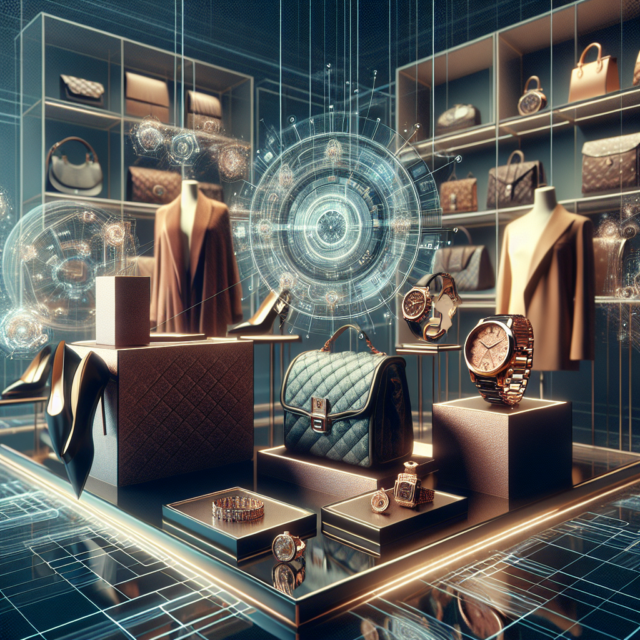
Crafting Exclusive Luxury Brands in the Digital Age

In today’s fast-paced digital age, the landscape for luxury brands is rapidly evolving. The traditional notions of exclusivity and opulence are being redefined as brands navigate the expansive virtual world. This transformation presents both challenges and opportunities for luxury brands as they strive to maintain their aura of exclusivity while embracing digital innovation. This article delves into how luxury brands can successfully craft exclusive identities and build an unparalleled digital presence.

Navigating the Digital Landscape for Luxury Brands

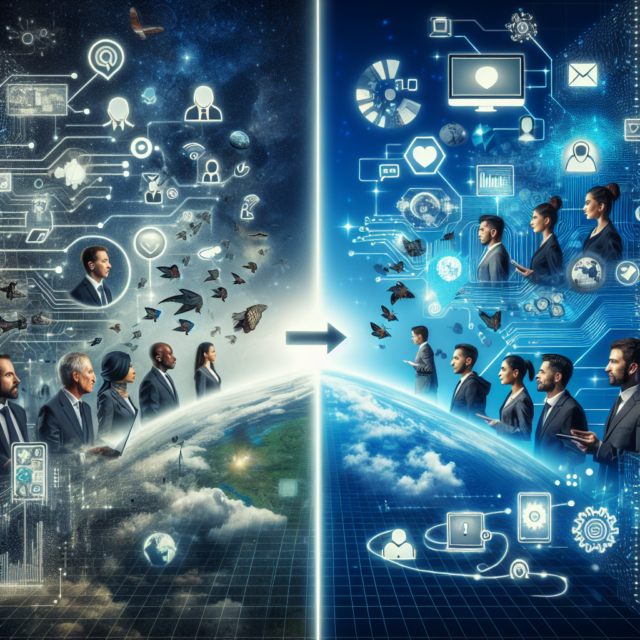
The digital landscape offers luxury brands unprecedented opportunities to connect with a global audience. However, navigating this vast terrain requires a nuanced understanding of digital platforms and consumer behavior. Luxury brands must adapt to the digital age without compromising their core values of exclusivity and craftsmanship. This involves leveraging technology to enhance the customer experience while maintaining the brand’s heritage and prestige.

Digital platforms, from social media to e-commerce websites, provide luxury brands with new avenues for engagement. Social media, in particular, has become a powerful tool for storytelling, allowing brands to share their history, craftsmanship, and values with a broader audience. Through carefully curated content, luxury brands can create an aspirational lifestyle that resonates with consumers worldwide.

However, the digital realm also presents challenges, such as maintaining brand exclusivity amidst the democratizing nature of the internet. Luxury brands must strike a delicate balance between accessibility and exclusivity, ensuring that their digital presence does not dilute their brand image. This requires a strategic approach to digital marketing, where every touchpoint is meticulously crafted to reflect the brand’s values and identity.

Moreover, the rise of e-commerce has transformed the way consumers interact with luxury brands. While traditional brick-and-mortar stores offered a tangible experience of luxury, digital platforms must replicate this sense of exclusivity online. Brands can achieve this by offering personalized services, such as virtual consultations and bespoke products, that cater to the unique preferences of their clientele.

Data analytics plays a crucial role in navigating the digital landscape. By leveraging data, luxury brands can gain insights into consumer preferences, allowing them to tailor their offerings and marketing strategies accordingly. This data-driven approach enables brands to anticipate trends and stay ahead of the competition while maintaining their exclusive allure.

Finally, collaboration with digital influencers and thought leaders can amplify a luxury brand’s presence in the digital space. By partnering with individuals who embody the brand’s values and aesthetics, luxury brands can reach new audiences while reinforcing their identity. These collaborations should be carefully selected to ensure alignment with the brand’s ethos and image.

Crafting Unique Identities in a Digital World

In the digital age, crafting a unique identity is paramount for luxury brands seeking to stand out in a crowded marketplace. This begins with a deep understanding of the brand’s heritage and values, which form the foundation of its identity. Luxury brands must articulate these elements clearly and consistently across all digital platforms to create a cohesive brand narrative.

Storytelling is a powerful tool for crafting unique identities. By sharing the brand’s history, craftsmanship, and the stories behind its products, luxury brands can create an emotional connection with consumers. This narrative should be woven into every aspect of the brand’s digital presence, from social media posts to website design, to reinforce its identity and values.

Visual aesthetics play a crucial role in defining a luxury brand’s identity. In the digital realm, where first impressions are often based on visuals, luxury brands must invest in high-quality imagery and design that reflect their exclusivity and sophistication. This includes everything from the layout of the website to the style of photography used in marketing materials.

Personalization is another key aspect of crafting a unique identity. By offering customized experiences and products, luxury brands can cater to the individual preferences of their clientele, reinforcing their identity as providers of bespoke luxury. This level of personalization can be achieved through data analytics, which allows brands to understand and anticipate the needs of their customers.

Innovation is essential for maintaining a unique identity in a rapidly changing digital landscape. Luxury brands must embrace technological advancements to stay relevant while ensuring that these innovations align with their brand values. This could involve the use of virtual reality to create immersive brand experiences or the development of digital tools that enhance the customer journey.

Finally, transparency and authenticity are crucial for building trust and loyalty in the digital age. Luxury brands must be open about their sourcing, production processes, and sustainability efforts to resonate with modern consumers who value ethical practices. By being transparent and authentic, luxury brands can differentiate themselves from competitors and strengthen their unique identity.

Strategies for Building Exclusive Digital Presence

Building an exclusive digital presence requires a strategic approach that emphasizes quality over quantity. Luxury brands must focus on creating a curated digital experience that reflects their values and appeals to their target audience. This begins with a well-defined digital strategy that outlines the brand’s goals, target audience, and key messaging.

Content is king in the digital realm, and luxury brands must invest in high-quality content that showcases their craftsmanship and exclusivity. This includes visually stunning imagery, engaging videos, and compelling narratives that capture the essence of the brand. By consistently delivering top-tier content, luxury brands can establish themselves as leaders in their field.

Exclusivity can be further enhanced through limited-edition digital offerings. By releasing exclusive online collections or collaborations, luxury brands can create a sense of scarcity and urgency that appeals to their audience. These limited releases should be strategically timed and marketed to maximize their impact and reinforce the brand’s exclusivity.

Digital experiences should be seamless and intuitive, providing customers with a frictionless journey from discovery to purchase. Luxury brands must invest in cutting-edge technology to enhance the user experience, whether through a mobile-friendly website, augmented reality features, or personalized recommendations. These innovations should be aligned with the brand’s identity and values to ensure a cohesive digital presence.

Community building is another effective strategy for establishing an exclusive digital presence. Luxury brands can create private online communities or membership programs that offer exclusive content, events, and perks to their most loyal customers. By fostering a sense of belonging and exclusivity, brands can strengthen their relationship with their clientele and enhance their digital presence.

Finally, continuous monitoring and adaptation are crucial for maintaining an exclusive digital presence. Luxury brands must stay attuned to industry trends and consumer preferences, using data analytics to inform their strategies. By being agile and responsive, brands can ensure that their digital presence remains relevant and exclusive in an ever-evolving digital landscape.

Crafting exclusive luxury brands in the digital age is a complex yet rewarding endeavor. By navigating the digital landscape with care, crafting unique identities, and employing strategic approaches to building an exclusive digital presence, luxury brands can thrive in the modern era. As the digital realm continues to evolve, luxury brands must remain committed to innovation and authenticity, ensuring that their allure of exclusivity endures in the hearts and minds of consumers worldwide.
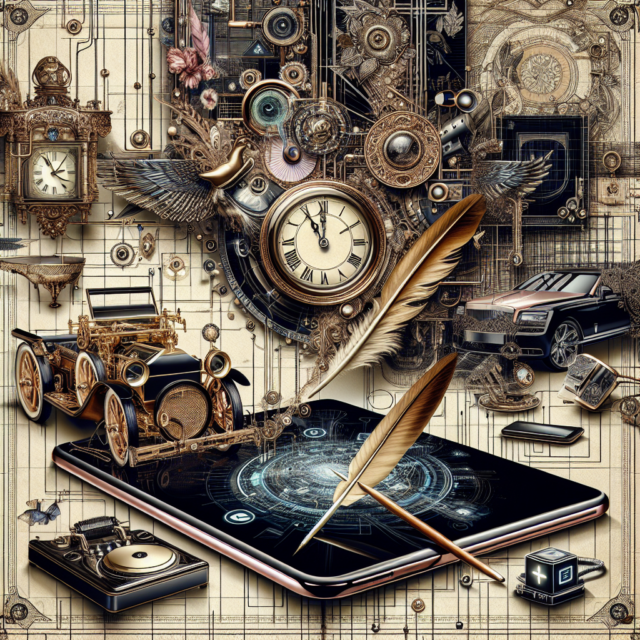
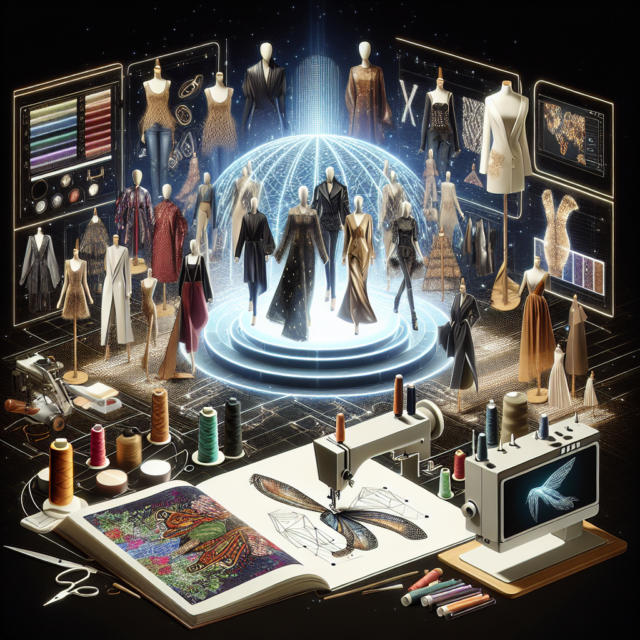
The Influence of Luxury in Shaping Our Digital Future

The Influence of Luxury in Shaping Our Digital Future

In an era where technology permeates every aspect of our lives, the influence of luxury on digital evolution is becoming increasingly profound. As technology advances, luxury brands are not just passive observers but active participants in shaping the digital future. By leveraging cutting-edge innovations to enhance their offerings, these brands are redefining what it means to be luxurious in a digital world. This article explores the intersection of luxury and digital evolution, examines how high-end brands drive tech innovation, and looks at future trends that highlight luxury’s role in digital advances.

The Intersection of Luxury and Digital Evolution

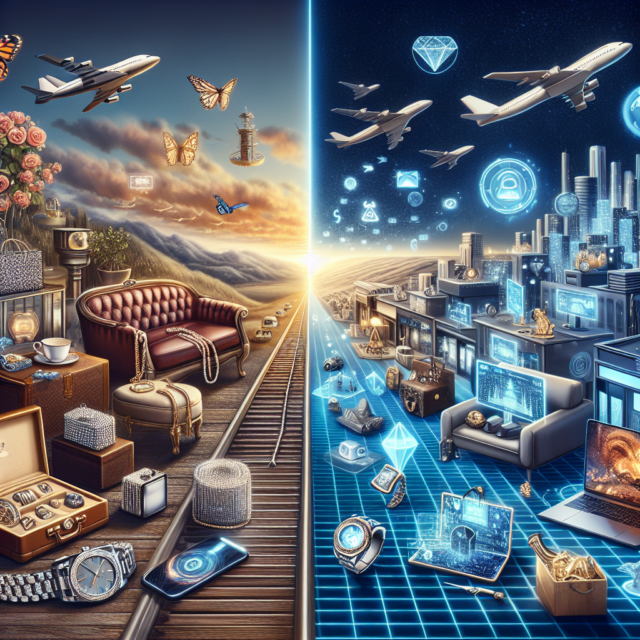
Luxury and digital evolution intersect at a unique crossroads where tradition meets innovation. Luxury brands have long been associated with exclusivity, heritage, and craftsmanship, but the digital age demands a new kind of engagement. This intersection is characterized by the blending of physical and digital experiences, where brands create seamless interactions that transcend traditional boundaries. As a result, luxury is no longer confined to tangible products but extends into the digital realm, offering experiences that are as immersive as they are exclusive.

In this intersection, technology acts as an enabler, allowing luxury brands to reach a global audience while maintaining their aura of exclusivity. Digital platforms provide a stage for storytelling, where brands can convey their rich histories and unique values to consumers worldwide. The integration of augmented reality (AR) and virtual reality (VR) further enhances this narrative, offering consumers a chance to experience luxury in a whole new dimension. This evolution is not just about adopting new technologies but about redefining luxury in the digital age.

Moreover, the intersection of luxury and digital evolution is evident in the personalization of consumer experiences. High-end brands are leveraging data analytics and artificial intelligence (AI) to tailor experiences to individual preferences, creating a sense of intimacy and exclusivity. This personalized approach not only enhances customer satisfaction but also reinforces brand loyalty, as consumers feel valued and understood by the brands they choose to engage with.

The digital evolution of luxury is also evident in the way brands interact with their customers. Social media platforms have become vital tools for communication and engagement, allowing luxury brands to connect with a younger, tech-savvy audience. Through these platforms, brands can showcase their products, share behind-the-scenes content, and engage with consumers in real-time, creating a sense of community and belonging.

Furthermore, luxury brands are using digital channels to enhance their sustainability efforts. By embracing digital solutions, such as blockchain technology for supply chain transparency, brands are able to communicate their commitment to ethical practices and environmental responsibility. This not only appeals to the conscientious consumer but also sets a standard for the industry, demonstrating that luxury and sustainability can go hand in hand.

Ultimately, the intersection of luxury and digital evolution is reshaping the industry, pushing brands to innovate and adapt to the changing landscape. As technology continues to evolve, luxury brands must remain agile, embracing new opportunities to connect with consumers and redefine what it means to be luxurious in a digital world.

How High-End Brands Drive Tech Innovation

High-end brands have always been at the forefront of innovation, and their influence extends into the realm of technology. By investing in research and development, luxury brands are driving tech innovation, setting trends that often trickle down to the mass market. This commitment to innovation is not only about enhancing their products but also about redefining the consumer experience through technology.

One of the ways high-end brands drive tech innovation is through collaborations with technology companies. These partnerships allow luxury brands to leverage the expertise of tech giants to create cutting-edge products and services. For example, collaborations between fashion houses and tech companies have resulted in the development of wearable technology, such as smartwatches and fitness trackers, that combine style with functionality.

In addition to collaborations, luxury brands are also investing in their own tech innovations. Many high-end brands have established in-house innovation labs, where they experiment with new technologies and explore their potential applications. These labs serve as incubators for ideas, fostering a culture of creativity and experimentation that drives the development of new products and experiences.

High-end brands are also at the forefront of utilizing artificial intelligence and machine learning to enhance their offerings. By integrating AI into their operations, luxury brands can analyze consumer data to gain insights into preferences and behaviors, allowing them to create personalized experiences that resonate with their audience. This use of AI not only enhances the consumer experience but also streamlines operations, improving efficiency and productivity.

Furthermore, luxury brands are pioneers in the adoption of blockchain technology to ensure transparency and authenticity. By utilizing blockchain, brands can provide consumers with detailed information about the provenance of their products, ensuring that they meet the highest standards of quality and ethical production. This transparency builds trust with consumers, reinforcing the brand’s reputation for excellence.

Luxury brands are also exploring the potential of virtual and augmented reality to create immersive experiences that engage consumers in new and exciting ways. By leveraging these technologies, brands can offer virtual fashion shows, digital showrooms, and interactive experiences that allow consumers to explore their collections in a virtual space. This not only enhances the consumer experience but also expands the brand’s reach, allowing them to connect with audiences around the world.

In summary, high-end brands are driving tech innovation by investing in research and development, collaborating with technology companies, and adopting cutting-edge technologies. Their commitment to innovation is reshaping the industry, setting new standards for what it means to be luxurious in a digital age.

Future Trends: Luxury’s Role in Digital Advances

As we look to the future, luxury’s role in digital advances is poised to become even more significant. One of the key trends is the continued integration of technology into the luxury experience, with brands leveraging digital tools to create personalized, immersive experiences that resonate with consumers. This trend is driven by the growing demand for customization and the desire for unique, tailored experiences that reflect individual tastes and preferences.

Another trend to watch is the rise of the metaverse, a virtual world where users can interact and engage with digital content and experiences. Luxury brands are already exploring the potential of the metaverse, creating virtual spaces where consumers can explore their collections, attend virtual events, and interact with other users. This trend is set to redefine the luxury experience, offering consumers a new way to engage with their favorite brands in a digital space.

Sustainability will also play a crucial role in the future of luxury and digital advances. As consumers become increasingly conscious of their environmental impact, luxury brands are embracing digital solutions to enhance their sustainability efforts. From using blockchain technology to ensure transparency in the supply chain to leveraging AI to optimize resource use, digital advances are enabling brands to operate more sustainably and communicate their commitment to ethical practices.

The future of luxury and digital advances will also see the continued evolution of e-commerce. As online shopping becomes the norm, luxury brands are investing in digital platforms that offer seamless, personalized experiences. This includes the integration of AI-driven chatbots, virtual try-ons, and personalized recommendations, all of which enhance the online shopping experience and drive consumer engagement.

Furthermore, the future will see an increased focus on data privacy and security. As luxury brands collect and analyze consumer data to create personalized experiences, they will need to ensure that this data is protected and used ethically. This will require the adoption of robust security measures and transparent data policies, as well as a commitment to building trust with consumers.

In conclusion, the future of luxury and digital advances is bright, with brands poised to redefine the industry through innovation and technology. By embracing digital tools and platforms, luxury brands are not only enhancing their offerings but also setting new standards for what it means to be luxurious in a digital age.

The influence of luxury in shaping our digital future is undeniable. As technology continues to evolve, luxury brands are at the forefront of driving innovation and redefining the consumer experience. By embracing digital tools and platforms, these brands are not only enhancing their offerings but also setting new standards for what it means to be luxurious in a digital age. As we look to the future, the intersection of luxury and digital evolution will continue to shape the industry, offering consumers new and exciting ways to engage with their favorite brands.

Future Trends for Couture and High-End Fashion Brands

Future Trends for Couture and High-End Fashion Brands

The world of couture and high-end fashion is perpetually evolving, driven by innovative designs, groundbreaking technology, and shifting consumer preferences. As we look to the future, several key trends are poised to reshape the industry, each offering unique opportunities and challenges. In this article, we explore three major trends: the embrace of sustainability, the rise of digital fashion experiences, and the increasing demand for customization. These trends not only reflect the changing landscape of fashion but also highlight the dynamic interplay between tradition and modernity that defines haute couture.

Embracing Sustainability in Couture Fashion

Sustainability is no longer a mere buzzword; it has become an integral part of the fashion industry’s narrative, particularly within the realm of couture. High-end fashion brands are increasingly recognizing the importance of sustainable practices, not only to meet the growing consumer demand for ethically produced garments but also to ensure the longevity of their own business models. This shift is reflected in the sourcing of eco-friendly materials, such as organic cotton, recycled polyester, and innovative fabrics made from renewable resources.

Another significant aspect of sustainability in couture fashion is the emphasis on craftsmanship and quality. By creating garments that are designed to last, luxury brands are countering the fast fashion trend and encouraging consumers to invest in pieces that transcend seasonal trends. This approach not only reduces waste but also reinforces the value of traditional artisanal skills, which are at the heart of couture fashion.

Moreover, many high-end fashion houses are adopting circular fashion principles, which focus on the lifecycle of a garment. This includes initiatives such as offering repair services, take-back schemes, and upcycling programs, which aim to extend the life of couture pieces and minimize their environmental impact. By integrating these practices, luxury brands are redefining the concept of exclusivity to include sustainability as a key component.

Transparency is another crucial element in the sustainability journey of couture fashion. As consumers become more informed and conscientious about their purchasing decisions, they demand greater transparency from brands regarding their supply chains, production processes, and environmental impact. In response, many high-end fashion houses are providing detailed information about the origins of their materials and the ethical standards they adhere to, fostering trust and loyalty among their clientele.

Collaboration is also playing a pivotal role in advancing sustainability in couture fashion. Brands are partnering with environmental organizations, tech companies, and other stakeholders to develop innovative solutions that address the industry’s environmental challenges. These collaborations not only drive technological advancements but also create a sense of shared responsibility and collective action towards a more sustainable future.

Ultimately, the embrace of sustainability in couture fashion represents a paradigm shift that goes beyond mere compliance with environmental standards. It signifies a commitment to redefining luxury in a way that harmonizes elegance with ecological responsibility, setting a precedent for the entire fashion industry.

The Rise of Digital Fashion Experiences

The digital revolution is transforming every aspect of our lives, and the world of couture and high-end fashion is no exception. As technology continues to advance, digital fashion experiences are becoming an increasingly important part of the luxury fashion landscape. From virtual fashion shows to augmented reality (AR) fitting rooms, these innovations are reshaping how brands engage with their audiences and present their creations.

Virtual fashion shows have emerged as a compelling alternative to traditional runway events, offering brands the opportunity to reach a global audience without the logistical challenges and environmental impact of physical shows. These digital events often feature immersive experiences, such as 360-degree views and interactive elements, that allow viewers to explore collections in unprecedented detail. By embracing virtual shows, high-end fashion brands are not only expanding their reach but also showcasing their creativity in new and exciting ways.

Augmented reality and virtual reality (VR) technologies are also making waves in the world of couture fashion, particularly in the realm of customer engagement. AR fitting rooms, for example, enable customers to virtually try on garments from the comfort of their homes, offering a personalized shopping experience that blends convenience with cutting-edge technology. Similarly, VR experiences can transport customers to virtual showrooms or fashion exhibitions, creating immersive environments that enhance brand storytelling and customer engagement.

Digital fashion experiences are not limited to consumer-facing applications; they are also transforming the design and production processes within high-end fashion brands. Advanced software tools and digital design platforms are enabling designers to experiment with new concepts and iterate on their creations more efficiently. This digital-first approach not only accelerates the design process but also reduces waste by minimizing the need for physical prototypes.

The rise of digital fashion experiences is also fostering greater inclusivity within the industry. By leveraging digital platforms, luxury brands can reach diverse audiences that may not have access to traditional fashion events or retail spaces. This democratization of fashion allows brands to connect with a broader range of consumers, fostering a sense of community and inclusivity that aligns with contemporary social values.

As digital fashion experiences continue to evolve, they are likely to become an integral part of the high-end fashion ecosystem, complementing physical retail and events rather than replacing them entirely. This hybrid approach reflects the industry’s adaptability and willingness to embrace new technologies while preserving the essence of couture fashion.

In conclusion, the rise of digital fashion experiences represents a transformative shift that is redefining how high-end fashion brands interact with their audiences and create value. By integrating digital innovations into their strategies, luxury brands are not only enhancing their customer experiences but also paving the way for a more dynamic and interconnected fashion landscape.

Customization: The New Luxury Frontier

In an era where personalization is paramount, customization is emerging as a defining trend in the world of couture and high-end fashion. As consumers increasingly seek unique and meaningful experiences, luxury brands are responding by offering bespoke services that allow individuals to tailor garments to their personal tastes and preferences. This shift towards customization is redefining the concept of luxury, emphasizing individuality and exclusivity.

Customization in couture fashion can take many forms, ranging from made-to-measure services to personalized embellishments and monogramming. By offering these bespoke options, high-end fashion brands are catering to the desires of discerning clients who value craftsmanship and attention to detail. This personalized approach not only enhances the customer experience but also reinforces the brand’s commitment to quality and innovation.

The rise of digital technology has further accelerated the trend towards customization, enabling brands to offer more sophisticated and accessible personalized services. Online platforms and digital tools allow customers to visualize and customize their garments in real-time, selecting fabrics, colors, and design elements to create a truly bespoke piece. This seamless integration of technology and craftsmanship is elevating the customization experience to new heights.

Customization is also extending beyond individual garments to encompass entire collections and brand experiences. Some luxury fashion houses are creating capsule collections that allow customers to mix and match pieces, offering a curated yet customizable wardrobe. Additionally, brands are leveraging data analytics and artificial intelligence to anticipate customer preferences and offer personalized recommendations, enhancing the overall shopping experience.

The trend towards customization is not only reshaping the relationship between luxury brands and their customers but also challenging traditional notions of exclusivity. By offering personalized services, high-end fashion houses are democratizing luxury, making it more accessible to a wider audience while maintaining the allure of exclusivity. This shift reflects a broader cultural movement towards individuality and self-expression.

In essence, customization represents a new frontier in the world of couture fashion, where the fusion of tradition and innovation creates a unique value proposition. As high-end fashion brands continue to explore this trend, they are redefining luxury to encompass not just the product itself but the personalized journey that accompanies it.

The future of couture and high-end fashion is being shaped by a confluence of trends that reflect the industry’s adaptability and forward-thinking approach. As sustainability becomes a cornerstone of luxury fashion, brands are redefining exclusivity to include ecological responsibility. The rise of digital fashion experiences is transforming how brands engage with their audiences, offering immersive and inclusive interactions. Meanwhile, customization is emerging as a new luxury frontier, where individuality and personalization take center stage. Together, these trends are paving the way for a more dynamic, sustainable, and personalized fashion landscape, setting the stage for a new era of couture innovation.

The Evolution of Digital Luxury in a Futuristic World

The Evolution of Digital Luxury in a Futuristic World

The Evolution of Digital Luxury in a Futuristic World

The concept of luxury has undergone a remarkable transformation in the digital age. As technology continues to advance at an unprecedented pace, the luxury market is being reshaped by digital innovations. This article explores the evolution of digital luxury, focusing on its emergence, the transformative technologies driving change, and the future prospects for digital luxury innovations.

The Dawn of Digital Luxury in a High-Tech Era

In the early 21st century, the luxury market began to experience a digital renaissance. This period marked the dawn of digital luxury, where traditional notions of opulence and exclusivity were redefined by technological advancements. High-end brands started to recognize the potential of the internet and digital platforms to reach a broader audience, without compromising their prestigious image. Luxury consumers, who were once limited to physical stores and private showrooms, found a new world of possibilities online, from virtual boutiques to exclusive digital experiences.

The rise of e-commerce played a pivotal role in this transformation. Online platforms provided luxury brands with the opportunity to showcase their collections to a global audience, breaking geographical barriers and expanding their customer base. Initially, there was skepticism about whether luxury goods could maintain their aura of exclusivity in the digital realm. However, brands quickly adapted by creating immersive online experiences that mirrored the sophistication of their physical counterparts.

Social media emerged as a powerful tool for luxury brands to engage with their audience. Platforms like Instagram and Pinterest allowed brands to curate a visual narrative that resonated with the lifestyle aspirations of their followers. Influencers and celebrities further amplified this reach, bringing luxury products into the daily conversations of millions. This shift not only democratized access to luxury but also transformed how these brands communicated their values and heritage.

Digital luxury also saw the rise of personalized experiences, made possible through data analytics and artificial intelligence. Brands began to harness the power of customer data to tailor recommendations, creating a bespoke shopping experience that mirrored the exclusivity of personal shoppers. This personalization extended to online and offline interactions, ensuring that every touchpoint reflected the brand’s commitment to individual customer needs.

One of the most significant developments in the digital luxury landscape was the integration of augmented reality (AR) and virtual reality (VR). These technologies allowed consumers to visualize products in their own environment or experience virtual fashion shows, bringing a new dimension to luxury shopping. AR and VR provided an interactive element that enhanced the allure of digital luxury, offering a sensory experience that was previously unattainable online.

As digital luxury continued to evolve, it became clear that technology was not just a tool but an integral part of the luxury experience. The fusion of cutting-edge technology with traditional craftsmanship created a new paradigm, where the essence of luxury was preserved while embracing the possibilities of the future. This era laid the foundation for a high-tech luxury ecosystem that would continue to evolve with the rapid pace of technological innovation.

Transformative Technologies Shaping Luxury Markets

The luxury market today is being shaped by transformative technologies that are redefining the boundaries of exclusivity, craftsmanship, and consumer engagement. One of the most significant technologies impacting this sector is blockchain. Known primarily for its role in cryptocurrency, blockchain is revolutionizing how luxury brands authenticate and track their products. By providing a tamper-proof digital ledger, blockchain ensures the provenance and authenticity of luxury items, addressing concerns about counterfeiting and enhancing consumer trust.

Artificial intelligence (AI) is another game-changer in the luxury industry. AI-driven analytics enable brands to gain deeper insights into consumer behavior, preferences, and trends. This data-driven approach allows luxury brands to create more personalized marketing strategies and product offerings, enhancing customer satisfaction and loyalty. Moreover, AI-powered chatbots and virtual assistants have become integral to providing high-quality customer service, offering instant support and personalized recommendations.

The Internet of Things (IoT) is also playing a crucial role in the evolution of digital luxury. Connected devices, from smart watches to luxury cars, are offering consumers a seamless integration of technology into their lifestyle. These devices not only enhance the functionality of luxury products but also provide real-time data that brands can use to improve their offerings. IoT is enabling a new level of interaction between consumers and luxury brands, creating a dynamic ecosystem where products are not just owned but experienced.

3D printing is revolutionizing the production process in the luxury industry. This technology allows for the creation of intricate designs and bespoke pieces with precision and efficiency. Luxury brands are leveraging 3D printing to push the boundaries of creativity, offering unique products that cater to the individual tastes of their clientele. From custom jewelry to tailored fashion, 3D printing is enabling a new era of customization and innovation in luxury goods.

Augmented reality (AR) and virtual reality (VR) continue to play a transformative role in the luxury market. These technologies are enhancing the shopping experience by offering immersive and interactive experiences. Luxury brands are using AR and VR to create virtual showrooms, fashion shows, and try-on experiences, allowing consumers to engage with products in a novel and exciting way. This not only enhances the allure of luxury products but also provides a competitive edge in a market where customer experience is paramount.

Sustainability is becoming increasingly important in the luxury industry, and technology is playing a critical role in this shift. Innovations in sustainable materials, production processes, and supply chain management are enabling luxury brands to reduce their environmental impact while maintaining their commitment to quality and craftsmanship. Technologies such as blockchain and AI are also helping brands to track and verify their sustainability efforts, ensuring transparency and accountability. This focus on sustainability is reshaping the luxury market, aligning it with the values of a new generation of consumers.

Future Prospects for Digital Luxury Innovations

As we look to the future, digital luxury is poised to continue its evolution, driven by emerging technologies and changing consumer expectations. One of the most promising areas for innovation is the integration of artificial intelligence (AI) into every aspect of the luxury experience. From hyper-personalized product recommendations to AI-driven design processes, the potential for AI to enhance creativity and customer engagement is immense. As AI technology advances, we can expect even more sophisticated and intuitive interactions between luxury brands and their clientele.

The concept of the metaverse is also gaining traction in the luxury industry. This virtual universe, where users can interact with digital environments and each other in real time, presents new opportunities for luxury brands to create immersive experiences. From virtual fashion shows to digital art galleries, the metaverse offers a platform for brands to engage with consumers in innovative ways. As technology develops, the metaverse could become a central hub for digital luxury, offering unique experiences that blend the virtual and physical worlds.

Sustainability will continue to be a driving force in the future of digital luxury. Consumers are increasingly prioritizing environmentally conscious products and practices, and luxury brands are responding by adopting sustainable innovations. The use of blockchain for transparent supply chains, AI for efficient resource management, and IoT for energy-efficient products are just a few examples of how technology will support sustainability in the luxury sector. As these technologies evolve, they will enable brands to meet the demands of eco-conscious consumers while maintaining their commitment to quality and exclusivity.

The rise of digital fashion is another exciting prospect for the future of luxury. Virtual clothing and accessories, designed for digital avatars in online spaces, are becoming a new form of self-expression. Luxury brands are beginning to explore this digital frontier, offering exclusive virtual collections that cater to the growing market of digital consumers. As augmented reality and virtual reality technologies improve, digital fashion will become more integrated into our daily lives, offering new opportunities for creativity and personalization.

Luxury brands are also exploring the potential of immersive storytelling to engage consumers. By leveraging technologies such as virtual reality and augmented reality, brands can create rich narratives that connect consumers with their heritage and values. This approach not only enhances brand loyalty but also offers consumers a deeper understanding of the craftsmanship and artistry behind luxury products. As storytelling becomes more immersive, it will play a crucial role in shaping the future of digital luxury.

Finally, the future of digital luxury will be characterized by a seamless integration of online and offline experiences. Brands will continue to develop omnichannel strategies that offer consumers a cohesive and personalized journey, whether they are shopping online or in-store. Technologies such as AI, IoT, and blockchain will enable brands to offer a unified experience that reflects the evolving needs and expectations of luxury consumers. As these technologies become more sophisticated, they will redefine the boundaries of luxury, creating a future where digital innovation and traditional craftsmanship coexist harmoniously.

The evolution of digital luxury in a futuristic world is a testament to the transformative power of technology. As luxury brands continue to embrace digital innovations, they are redefining what it means to be exclusive and prestigious in the modern age. With emerging technologies like AI, blockchain, and the metaverse, the future of digital luxury promises to be an exciting landscape of creativity, sustainability, and immersive experiences. As we navigate this digital frontier, the essence of luxury will remain rooted in craftsmanship and quality, while embracing the boundless possibilities of the future.

Exploring Emerging Digital Trends in Luxury Markets

Exploring Emerging Digital Trends in Luxury Markets

In recent years, the luxury market has witnessed a transformative shift driven by digital innovations. As technology continues to evolve, luxury brands are increasingly embracing these advancements to enhance their offerings and redefine the consumer experience. This article delves into the emerging digital trends shaping the luxury sector, exploring how technology is revolutionizing luxury experiences and providing insights into navigating the future of luxury through these digital trends.

Unveiling the Latest in Digital Luxury Innovations

The luxury market, once defined by exclusivity and tradition, is now at the forefront of digital transformation. One of the most significant innovations is the integration of augmented reality (AR) and virtual reality (VR) technologies. These tools allow consumers to virtually try on products, from high-end fashion to jewelry, offering a personalized and immersive shopping experience that transcends geographic boundaries. This technological leap not only enhances customer engagement but also opens new avenues for storytelling and brand interaction.

Artificial intelligence (AI) is another game-changer in the digital luxury landscape. Luxury brands are leveraging AI to provide personalized recommendations, tailor marketing strategies, and optimize supply chain management. By analyzing consumer data, AI algorithms can predict trends and preferences, enabling brands to deliver bespoke services that cater to the unique desires of their clientele. This level of personalization enhances customer loyalty and sets new standards for luxury service.

Blockchain technology is revolutionizing the way luxury goods are authenticated and traced. By providing a secure and transparent ledger, blockchain ensures the provenance of luxury items, combating counterfeiting and enhancing consumer trust. This innovation is particularly significant in the art and fashion industries, where authenticity is paramount. As blockchain adoption grows, it is set to redefine the standards of transparency and integrity in the luxury market.

Another emerging trend is the rise of digital fashion, where luxury brands are creating exclusive digital-only collections. These virtual garments, designed for avatars in digital worlds or social media platforms, cater to a tech-savvy audience seeking unique and sustainable fashion experiences. Digital fashion not only reduces the environmental impact associated with physical production but also taps into the growing demand for individuality and self-expression in the digital realm.

Luxury brands are also investing in e-commerce platforms tailored to deliver high-end digital experiences. These platforms are designed to replicate the exclusivity and sophistication of physical boutiques, offering features like virtual consultations, personalized customer service, and seamless payment options. The fusion of luxury and digital commerce is reshaping consumer expectations and driving brands to innovate continually.

Lastly, the integration of Internet of Things (IoT) technology in luxury products is gaining momentum. From smartwatches to connected cars, luxury brands are incorporating IoT to enhance functionality and provide a seamless lifestyle experience. This connectivity not only adds value to luxury items but also aligns with the consumer’s desire for convenience and cutting-edge innovation.

How Technology is Redefining Luxury Experiences

Technology is fundamentally altering the way consumers interact with luxury brands, creating experiences that are more immersive, personalized, and convenient. One of the most notable changes is the shift towards experiential luxury, where brands focus on creating memorable moments rather than just selling products. This approach is facilitated by technology, allowing brands to craft unique experiences that resonate with consumers on an emotional level.

The concept of virtual showrooms has gained traction, providing consumers with the opportunity to explore luxury products in a digital space. These virtual environments offer an interactive experience, allowing customers to view products from different angles, customize features, and even simulate usage scenarios. This innovation not only enhances accessibility but also enables brands to showcase their collections in a dynamic and engaging manner.

Personalization is at the core of the digital luxury experience, with brands using data analytics to tailor interactions and offerings. From customized product recommendations to personalized marketing messages, technology enables brands to connect with consumers on a deeper level. This level of personalization fosters a sense of exclusivity and strengthens the bond between the brand and its clientele.

The integration of AI-powered virtual assistants and chatbots is transforming customer service in the luxury sector. These digital concierges provide instant support and guidance, enhancing the consumer journey from discovery to purchase. By automating routine inquiries and offering personalized assistance, luxury brands can deliver a seamless and efficient service experience, further elevating their customer engagement strategies.

The use of technology in crafting bespoke luxury experiences extends to the realm of travel and hospitality. Luxury hotels and resorts are utilizing smart technology to offer personalized services, such as room preferences, curated itineraries, and exclusive experiences. This level of customization, powered by digital tools, ensures that every aspect of the guest’s stay is tailored to their preferences, enhancing satisfaction and loyalty.

Finally, technology is enabling luxury brands to embrace sustainability, a growing concern among consumers. Digital innovations, such as virtual fashion and blockchain, allow brands to reduce their environmental impact and promote ethical practices. By aligning with the values of their consumers, luxury brands can redefine their image and appeal to a conscious audience, ensuring relevance in an ever-evolving market.

Navigating the Future of Luxury Through Digital Trends

As luxury brands continue to embrace digital trends, they must navigate the challenges and opportunities that come with this transformation. One of the key considerations is maintaining the balance between exclusivity and accessibility. While digital platforms offer unprecedented reach, luxury brands must ensure that their offerings retain the allure and prestige associated with their heritage.

The integration of digital technology also necessitates a focus on cybersecurity and data privacy. As brands collect and analyze consumer data to enhance personalization, they must prioritize the protection of this information to maintain trust and credibility. Implementing robust security measures and transparent data policies is essential in safeguarding the brand’s reputation and consumer relationships.

In the realm of digital marketing, luxury brands must adapt to the changing landscape by embracing new platforms and strategies. Social media, influencer collaborations, and immersive content are becoming integral to reaching and engaging with a tech-savvy audience. By leveraging these channels, luxury brands can create authentic connections and expand their reach to younger demographics.

Innovation in digital luxury also calls for a reimagining of the traditional retail model. As consumers increasingly value experiences over ownership, brands must explore new business models, such as subscription services or digital ownership, to meet evolving consumer preferences. This shift requires a dynamic approach, where brands continuously adapt and innovate to stay ahead of the curve.

The evolution of digital luxury is also driving collaboration between traditional luxury brands and tech companies. By partnering with technology firms, luxury brands can access cutting-edge innovation and expertise, enhancing their digital capabilities and staying competitive in a rapidly changing market. These collaborations can lead to groundbreaking products and services, setting new benchmarks for luxury experiences.

Looking ahead, the future of luxury lies in the seamless integration of digital and physical experiences. As technology continues to advance, luxury brands must embrace a holistic approach that combines the best of both worlds. By creating hybrid experiences that leverage the strengths of digital innovation and traditional craftsmanship, luxury brands can redefine the essence of luxury for the modern consumer.

The digital transformation of the luxury market is an ongoing journey, marked by continuous innovation and adaptation. As technology reshapes consumer expectations and industry standards, luxury brands must navigate this dynamic landscape with agility and foresight. By embracing emerging digital trends, luxury brands can not only enhance their offerings but also redefine the very notion of luxury, ensuring their relevance and appeal in a rapidly evolving world.

Exploring Innovations in the Digital Customer Experience

Exploring Innovations in the Digital Customer Experience

In the digital age, customer experience has evolved rapidly, transforming how businesses interact with their clientele. The shift from traditional in-person interactions to digital platforms has paved the way for innovative approaches to customer engagement. The digital landscape is dynamic, with new technologies continually emerging, reshaping the ways organizations connect with their customers. This article explores the evolution of digital customer interaction, examines key technologies that are currently shaping customer experiences, and forecasts future trends in digital customer engagement.

The Evolution of Digital Customer Interaction

The transition from brick-and-mortar stores to online platforms marked the beginning of a significant evolution in customer interaction. Initially, businesses focused on creating functional websites that provided basic information about products and services. However, as technology advanced, the emphasis shifted towards creating more engaging and personalized online experiences. This evolution was driven by the increasing availability of data and analytics, which allowed companies to better understand their customers’ preferences and behaviors.

Social media platforms soon became a pivotal component of digital customer interaction. Businesses quickly realized the potential of these platforms to foster direct engagement with their audience. By leveraging social media, companies could not only promote their products but also gather valuable feedback and build stronger relationships with their customers. This two-way communication channel enabled brands to humanize their image and respond to customer needs more effectively.

Mobile technology further accelerated the evolution of digital customer interaction. With the rise of smartphones, customers began to expect seamless experiences across multiple devices. Businesses responded by developing mobile-friendly websites and apps that offered the same level of functionality and convenience as their desktop counterparts. This shift towards mobile-centric interactions required companies to rethink their digital strategies and prioritize mobile optimization.

The rise of e-commerce platforms transformed the digital customer experience landscape once more. Online marketplaces like Amazon and eBay revolutionized the way people shop, offering convenience, variety, and competitive pricing. This shift forced traditional retailers to enhance their digital presence and invest in technologies that could replicate the in-store experience online. As a result, features such as virtual fitting rooms and augmented reality product previews became increasingly popular.

The integration of artificial intelligence (AI) marked another significant milestone in the evolution of digital customer interaction. AI-powered chatbots and virtual assistants became commonplace, providing instant customer support and personalized recommendations. These tools allowed businesses to enhance customer satisfaction by offering timely assistance and tailored experiences, while also reducing operational costs.

The COVID-19 pandemic further accelerated the evolution of digital customer interaction. With physical stores closed, businesses had to rely heavily on their digital channels to maintain customer engagement. This period saw a surge in the adoption of technologies like video conferencing and live streaming, which enabled companies to offer virtual consultations and events. As a result, the digital customer experience became more immersive and interactive than ever before.

Key Technologies Shaping Customer Experiences

Artificial intelligence (AI) is at the forefront of technologies shaping digital customer experiences. AI has enabled businesses to deliver highly personalized interactions by analyzing vast amounts of customer data to identify patterns and preferences. Machine learning algorithms power recommendation engines that suggest products or services tailored to individual tastes, significantly enhancing customer satisfaction and engagement.

Chatbots and virtual assistants are another key technology transforming customer experiences. These AI-driven tools provide instant, 24/7 support, handling routine inquiries and tasks efficiently. By automating these interactions, businesses can allocate human resources to more complex issues, improving overall service quality. Chatbots also gather valuable data on customer interactions, helping companies refine their strategies and offerings.

Augmented reality (AR) and virtual reality (VR) are revolutionizing the way customers interact with products online. AR allows customers to visualize products in their real-world environment before purchasing, while VR offers immersive experiences that replicate in-store shopping. These technologies empower customers to make more informed decisions, reducing the likelihood of returns and increasing satisfaction.

The Internet of Things (IoT) is another transformative technology shaping customer experiences. IoT devices collect and share data, creating a seamless and interconnected environment for consumers. For instance, smart home devices can communicate with each other to automate tasks, providing convenience and enhancing the user experience. Businesses can leverage IoT data to offer personalized services and anticipate customer needs.

Blockchain technology is also making its mark on digital customer experiences, particularly in terms of security and transparency. By providing a secure and tamper-proof ledger, blockchain enhances trust in online transactions. Customers can verify the authenticity of products and track their journey from production to delivery, fostering confidence in brands and their offerings.

Finally, cloud computing is a crucial enabler of enhanced digital customer experiences. By providing scalable and flexible infrastructure, cloud technology allows businesses to quickly adapt to changing customer demands. Companies can deploy new features and updates rapidly, ensuring their digital platforms remain competitive and responsive to customer needs.

Future Trends in Digital Customer Engagement

Personalization will continue to be a major trend in digital customer engagement. As AI and machine learning technologies advance, businesses will be able to offer even more tailored experiences. Predictive analytics will enable companies to anticipate customer needs and preferences, delivering proactive solutions that enhance satisfaction and loyalty.

Voice technology is poised to become a significant component of digital customer engagement. As voice-activated devices like smart speakers become more prevalent, businesses will need to adapt their strategies to accommodate voice-based interactions. This shift will require companies to develop new skills and capabilities to ensure seamless and intuitive voice experiences for their customers.

Sustainability will play an increasingly important role in digital customer engagement. As consumers become more environmentally conscious, businesses will need to demonstrate their commitment to sustainable practices. This trend will influence product offerings, supply chain management, and marketing strategies, with companies leveraging digital platforms to communicate their sustainability efforts to customers.

The integration of 5G technology will revolutionize digital customer engagement by enabling faster and more reliable connectivity. This advancement will facilitate the development of more sophisticated and immersive digital experiences, such as real-time video streaming and enhanced AR/VR applications. As a result, businesses will be able to engage customers in more dynamic and interactive ways.

Data privacy and security will remain a critical concern in digital customer engagement. As data breaches and privacy scandals continue to make headlines, consumers are becoming more cautious about sharing their information online. Businesses will need to prioritize data protection and be transparent about their data practices to build trust and maintain customer loyalty.

Finally, the rise of social commerce will reshape digital customer engagement strategies. As social media platforms integrate e-commerce features, businesses will have new opportunities to engage customers directly through social channels. This trend will blur the lines between social interaction and shopping, creating a more seamless and integrated customer experience.

The digital customer experience landscape is rapidly evolving, driven by technological advancements and changing consumer expectations. As businesses strive to deliver more personalized and engaging interactions, they must stay ahead of the curve by embracing key technologies and adapting to emerging trends. By doing so, they can enhance customer satisfaction, foster loyalty, and ultimately achieve long-term success in an increasingly competitive digital marketplace.

How Technology is Transforming Couture Fashion

How Technology is Transforming Couture Fashion

Couture fashion, long revered for its meticulous craftsmanship and exclusivity, is undergoing a significant transformation with the infusion of cutting-edge technology. From the initial design stages to the personalized experiences offered to consumers, technology is reshaping the way couture fashion is conceived, produced, and consumed. This article delves into three major areas where technology is making a profound impact: digital design, fabric innovations, and artificial intelligence in personalized fashion. Each of these areas highlights how the age-old industry is adapting to the demands and possibilities of the 21st century.

The Rise of Digital Design in Couture Fashion

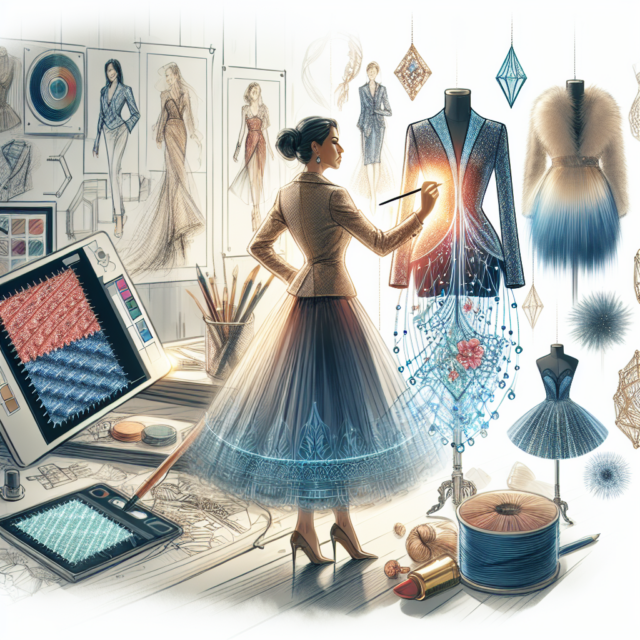
In recent years, digital design has emerged as a powerful tool in the couture fashion industry, revolutionizing how designers conceptualize and present their creations. The use of 3D modeling software allows designers to visualize garments in a virtual space, providing unprecedented freedom to experiment with shapes, textures, and colors without the constraints of physical materials. This shift not only accelerates the design process but also opens up new avenues for creativity that were previously unimaginable.

Virtual reality (VR) and augmented reality (AR) are further enhancing the design process by offering immersive experiences that bridge the gap between imagination and reality. Designers can now walk through a digital showroom, examining their creations from every angle and making real-time adjustments. This technology is particularly beneficial for collaboration, as designers can share their virtual designs with teams and clients around the world, receiving instant feedback and making necessary modifications.

The integration of digital design tools has also expanded the potential for customization in couture fashion. Designers can create bespoke pieces tailored to individual clients’ preferences with greater precision and efficiency. Digital tools enable the visualization of custom alterations, ensuring that the final product aligns perfectly with the client’s vision. This personalization is becoming increasingly important in an industry where exclusivity and uniqueness are paramount.

Moreover, digital design has democratized access to couture fashion, allowing emerging designers to compete on a more level playing field. With lower barriers to entry, talented individuals can showcase their work to a global audience through digital platforms, gaining recognition and opportunities that were once reserved for established fashion houses. This shift is fostering a more diverse and inclusive fashion landscape.

Despite the advantages, the rise of digital design in couture fashion does not come without challenges. The industry must navigate issues related to intellectual property, as digital designs can be easily copied and distributed. Additionally, there is a risk of losing the tactile experience that is integral to couture, as virtual representations cannot fully capture the nuances of texture and movement.

In conclusion, digital design is reshaping couture fashion by enhancing creativity, enabling collaboration, and expanding customization. As technology continues to evolve, it will be fascinating to see how designers balance the benefits of digital innovation with the traditional elements that define couture fashion.

Innovations in Fabric Technology and Sustainability

Fabric technology is at the forefront of the couture fashion revolution, introducing materials that are not only innovative but also sustainable. One of the most exciting developments is the creation of smart textiles that integrate technology into the very fabric of the garment. These textiles can change color, regulate temperature, or even monitor the wearer’s health, adding a new dimension to couture fashion that goes beyond aesthetic appeal.

Sustainability is a crucial consideration in modern couture fashion, and technological advancements in fabric production are addressing this need. The development of eco-friendly materials, such as bio-fabricated leather and plant-based fibers, is reducing the environmental impact traditionally associated with the fashion industry. These sustainable alternatives are being embraced by designers who are committed to reducing their carbon footprint while maintaining the luxurious quality expected in couture fashion.

Recycling and upcycling are also gaining traction in the couture world, thanks to technology that allows for the innovative reuse of materials. Advanced recycling techniques can transform textile waste into new, high-quality fabrics, offering designers the opportunity to create stunning pieces with a reduced environmental impact. This approach not only promotes sustainability but also challenges designers to think creatively about the lifecycle of their creations.

Nanotechnology is playing a significant role in fabric innovation, offering enhancements that were once the stuff of science fiction. By manipulating materials at the molecular level, designers can create fabrics that are stain-resistant, water-repellent, or even self-cleaning. These functionalities add value to couture garments, making them more practical for everyday wear without compromising on elegance and style.

The intersection of technology and fabric is also facilitating greater transparency and traceability in the fashion supply chain. With the use of blockchain technology, consumers can track the journey of a garment from raw material to finished product, ensuring ethical and sustainable practices are upheld throughout the process. This transparency is increasingly important to consumers who are conscious of the environmental and social impact of their fashion choices.

In summary, innovations in fabric technology are transforming couture fashion by introducing smart textiles, sustainable materials, and enhanced functionalities. These advancements are not only elevating the aesthetic and practical aspects of couture garments but also aligning the industry with the growing demand for sustainability and ethical practices.

The Role of AI in Personalized Fashion Experiences

Artificial intelligence (AI) is playing a pivotal role in creating personalized fashion experiences, particularly in the realm of couture fashion. By analyzing vast amounts of data, AI can offer insights into consumer preferences, enabling designers to create garments that resonate with individual tastes and lifestyles. This data-driven approach is revolutionizing the way couture fashion is tailored to meet the unique needs of each client.

AI-powered recommendation systems are becoming increasingly sophisticated, offering personalized style suggestions based on a user’s past purchases, browsing history, and even social media activity. These systems can predict trends and preferences with remarkable accuracy, allowing designers to anticipate what their clients will desire before they even know it themselves. This level of personalization enhances the exclusivity and allure of couture fashion.

Virtual fitting rooms, powered by AI, are transforming the shopping experience by allowing clients to try on garments without ever stepping foot in a boutique. Using advanced algorithms, these virtual fitting rooms can simulate how a garment will look and fit on an individual, taking into account their body shape and size. This technology not only enhances convenience but also ensures a perfect fit, a hallmark of couture fashion.

AI is also playing a crucial role in the design process itself, offering tools that assist designers in creating innovative and unique pieces. Generative design algorithms can propose new patterns and styles, providing designers with a source of inspiration and enabling them to push the boundaries of traditional couture fashion. This collaboration between human creativity and artificial intelligence is resulting in groundbreaking designs that captivate and inspire.

Moreover, AI is facilitating greater inclusivity in couture fashion by offering solutions for adaptive clothing. By analyzing data on diverse body types and mobility needs, AI can assist designers in creating garments that are not only fashionable but also accessible to individuals with disabilities. This approach aligns with the growing demand for inclusivity and diversity in the fashion industry.

In conclusion, AI is revolutionizing personalized fashion experiences in couture by offering data-driven insights, enhancing the shopping experience, and inspiring innovative designs. As AI technology continues to advance, it will undoubtedly play an even greater role in shaping the future of couture fashion, making it more personalized, inclusive, and attuned to the desires of consumers.

The integration of technology into couture fashion is transforming an industry that has long been defined by tradition and exclusivity. Digital design, fabric innovations, and AI-driven personalization are reshaping the way couture is created, experienced, and consumed. These technological advancements are not only enhancing creativity and efficiency but also addressing the growing demands for sustainability, inclusivity, and personalization. As technology continues to evolve, the couture fashion industry will undoubtedly embrace new possibilities, ensuring that it remains a dynamic and relevant force in the world of fashion. The future of couture is one where tradition and innovation coexist, offering endless opportunities for designers and consumers alike.

Exploring the Evolution of Modern Fashion & Couture

Exploring the Evolution of Modern Fashion & Couture

Fashion, a dynamic and ever-evolving form of expression, has undergone significant transformations over the years. From the opulent designs of the past to the minimalist trends of the present, the world of fashion and couture continues to captivate and inspire. This article seeks to explore the evolution of modern fashion and couture by tracing the roots of contemporary trends, examining the transformation of couture through the decades, and identifying the influences that shape today’s fashion landscape.

Tracing the Roots of Modern Fashion Trends

The history of modern fashion trends can be traced back to the late 19th and early 20th centuries, a period marked by the industrial revolution and significant social change. During this time, fashion began to shift from the elaborate and heavily adorned styles of the Victorian era to more practical and accessible designs. The rise of department stores and advancements in textile manufacturing facilitated the mass production of clothing, making fashion accessible to a broader audience. This democratization of fashion laid the groundwork for the trends that would follow in the 20th century.

The 1920s, often referred to as the "Roaring Twenties," marked a significant turning point in fashion history. This decade saw the emergence of flapper dresses, shorter hemlines, and a departure from the restrictive corsets of the past. The fashion of the 1920s reflected the changing roles of women in society, as they gained more independence and began to challenge traditional norms. Designers like Coco Chanel played a pivotal role in shaping the fashion of this era, introducing styles that emphasized comfort and simplicity.

As the world moved into the 1950s and 1960s, fashion continued to evolve, influenced by cultural and social shifts. The post-war era saw the rise of iconic fashion houses such as Dior and Givenchy, which brought about the "New Look" characterized by cinched waists and full skirts. This period also witnessed the emergence of youth culture and the influence of music on fashion trends. The 1960s, in particular, were marked by bold colors, geometric patterns, and the rise of mod fashion, reflecting the spirit of experimentation and rebellion.

The 1970s and 1980s introduced a diverse range of fashion trends, from the bohemian styles of the hippie movement to the bold and extravagant designs of the disco era. The influence of music and pop culture became even more pronounced during these decades, with artists like David Bowie and Madonna setting trends that were emulated by their fans. The fashion industry also began to embrace a more global perspective, drawing inspiration from different cultures and incorporating diverse elements into mainstream designs.

The 1990s and early 2000s saw the rise of minimalism and the impact of technology on fashion. The grunge movement, characterized by its laid-back and androgynous style, gained popularity in the 1990s, challenging the excess of the previous decade. The advent of the internet and digital media also transformed the way fashion was consumed and disseminated, leading to the rise of fast fashion and the democratization of style. Designers began to experiment with new materials and techniques, pushing the boundaries of traditional fashion.

Today, modern fashion trends continue to be shaped by a myriad of factors, including technology, sustainability, and inclusivity. The influence of social media and the rise of influencers have democratized fashion even further, allowing individuals to express their unique styles and preferences. As society becomes more conscious of environmental and ethical issues, the fashion industry is also evolving to embrace sustainable practices and promote diversity and inclusivity in its designs.

The Transformation of Couture Through Decades

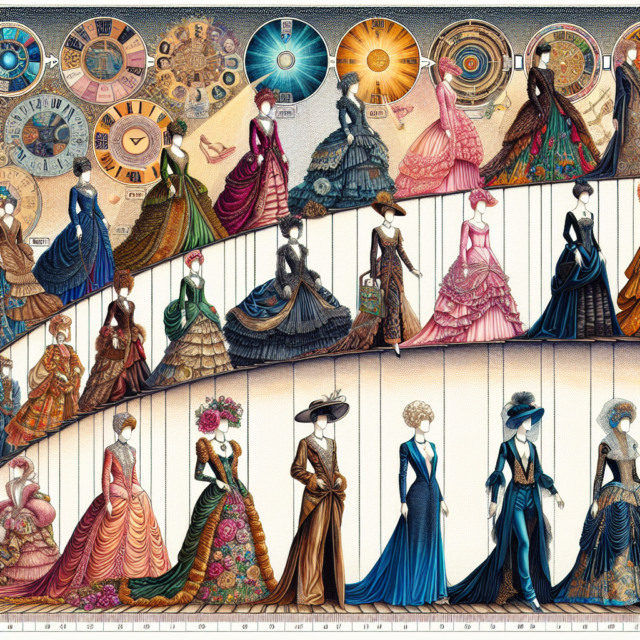
Couture, the pinnacle of high fashion, has undergone a remarkable transformation over the decades, reflecting the changing tastes and values of society. In the early 20th century, couture was synonymous with exclusivity and luxury, with designers like Charles Frederick Worth and Paul Poiret setting the standard for opulent and meticulously crafted garments. Couture was a symbol of status and wealth, accessible only to the elite, and characterized by intricate detailing and bespoke tailoring.

The 1920s and 1930s marked a shift in couture, as designers began to embrace more modern and functional styles. Influential figures like Coco Chanel and Elsa Schiaparelli revolutionized couture by introducing designs that emphasized comfort and simplicity. Chanel’s use of jersey fabric and her iconic little black dress challenged traditional notions of luxury, while Schiaparelli’s avant-garde creations pushed the boundaries of fashion with their surrealist influences and bold colors.

The post-war era of the 1950s and 1960s saw a resurgence of glamour and elegance in couture, with designers like Christian Dior and Yves Saint Laurent leading the way. Dior’s "New Look," with its nipped-in waists and full skirts, redefined femininity and brought a sense of opulence back to couture. Yves Saint Laurent’s introduction of the tuxedo suit for women challenged gender norms and showcased the evolving role of women in society. This period also saw the rise of ready-to-wear collections, which made high fashion more accessible to a wider audience.

The 1970s and 1980s were characterized by a diverse range of couture styles, from the bohemian influences of designers like Yves Saint Laurent to the extravagant and theatrical creations of Jean-Paul Gaultier. The fashion world became more globalized, with designers drawing inspiration from different cultures and incorporating diverse elements into their collections. The 1980s, in particular, were marked by bold and extravagant designs, reflecting the excess and opulence of the era.

The 1990s and early 2000s brought about a shift towards minimalism and experimentation in couture. Designers like Alexander McQueen and John Galliano pushed the boundaries of traditional couture with their avant-garde and often controversial creations. The influence of technology and digital media also began to make its mark on couture, with designers experimenting with new materials and techniques to create innovative and cutting-edge designs.

In today’s fashion landscape, couture continues to evolve, embracing sustainability, inclusivity, and technology. Designers are increasingly incorporating sustainable practices and ethical considerations into their creations, reflecting the growing awareness of environmental and social issues. The rise of digital technology has also transformed the way couture is created and consumed, with virtual fashion shows and digital garments becoming more prevalent. As couture continues to adapt to the changing world, it remains a testament to the creativity and innovation of the fashion industry.

Influences Shaping Today’s Fashion Landscape

The contemporary fashion landscape is shaped by a multitude of influences, ranging from cultural and social factors to technological advancements and environmental concerns. One of the most significant influences on today’s fashion is the rise of digital technology and the internet. The proliferation of social media platforms has democratized fashion, allowing individuals to showcase their unique styles and preferences to a global audience. Influencers and fashion bloggers have become key players in the industry, shaping trends and driving consumer behavior.

Sustainability and ethical considerations have also become major influences in the fashion industry, as society becomes more conscious of environmental and social issues. The demand for sustainable and ethically produced clothing has led to the rise of eco-friendly fashion brands and the adoption of sustainable practices by established designers. The concept of "slow fashion" is gaining traction, encouraging consumers to invest in high-quality, timeless pieces rather than fast fashion trends that contribute to environmental degradation.

Cultural diversity and inclusivity are increasingly shaping the fashion landscape, as designers and brands seek to reflect the diverse and multicultural nature of society. The fashion industry is embracing diversity in its designs, models, and campaigns, promoting a more inclusive and representative image. This shift towards inclusivity is also reflected in the growing popularity of gender-neutral and size-inclusive fashion, challenging traditional norms and redefining beauty standards.

The influence of technology extends beyond digital media, as innovations in materials and production techniques continue to impact the fashion industry. Designers are experimenting with new textiles, such as biodegradable fabrics and smart textiles that incorporate technology into clothing. 3D printing and other advanced manufacturing techniques are also transforming the way garments are produced, offering new possibilities for customization and sustainability.

The impact of global events and cultural movements cannot be overlooked when examining the influences shaping today’s fashion landscape. The COVID-19 pandemic, for example, has had a profound effect on the fashion industry, leading to a shift towards comfort and practicality in design. Remote work and virtual events have influenced the way people dress, with loungewear and athleisure gaining popularity as people prioritize comfort and functionality in their clothing choices.

Finally, the fashion industry continues to be influenced by historical and cultural references, as designers draw inspiration from past eras and diverse cultures. The blending of traditional craftsmanship with modern design elements creates a rich tapestry of styles that reflect the interconnectedness of the global fashion community. As the world becomes more interconnected, the exchange of ideas and influences across cultures will continue to shape the evolution of fashion in the years to come.

The evolution of modern fashion and couture is a testament to the dynamic and ever-changing nature of the industry. As we have seen, fashion trends and couture have undergone significant transformations over the decades, influenced by cultural, social, technological, and environmental factors. Today’s fashion landscape is shaped by a diverse range of influences, from the rise of digital technology and sustainability to the growing emphasis on inclusivity and cultural diversity. As we look to the future, it is clear that fashion will continue to evolve and adapt, reflecting the values and aspirations of society.

Exploring Emerging Trends in Digital Design and Art

Exploring Emerging Trends in Digital Design and Art

In the ever-evolving landscape of digital design and art, staying ahead of emerging trends is crucial for artists, designers, and technologists alike. The digital realm continues to expand, offering new tools, platforms, and methodologies that redefine how we create and experience art. This article delves into three key areas where digital design and art are witnessing groundbreaking changes: innovations in digital design techniques, the rise of interactive and immersive art forms, and the intricate fusion of technology with creativity.

Unveiling Innovations in Digital Design Techniques

The digital design world is undergoing a transformation, driven by cutting-edge innovations that are reshaping how artists conceptualize and execute their ideas. One significant development is the advent of generative design, which utilizes algorithms to automatically generate complex structures and forms. This approach not only accelerates the design process but also opens up new possibilities for creativity by allowing designers to explore a vast array of design permutations that would be impossible to conceive manually.

Another groundbreaking technique gaining traction is the use of artificial intelligence (AI) in art creation. AI-powered tools such as DeepArt and RunwayML enable artists to leverage machine learning algorithms to create unique and intricate artworks. These tools can analyze vast datasets and generate artistic outputs that mimic specific styles or even create entirely new aesthetics. This has given rise to a new genre of digital art, where human creativity is augmented by the computational power of AI.

Virtual reality (VR) and augmented reality (AR) are also playing pivotal roles in digital design, providing designers with immersive environments to experiment and create. VR allows designers to step inside their creations, offering a 360-degree perspective that enhances spatial awareness and design accuracy. AR, on the other hand, overlays digital elements onto the real world, enabling designers to visualize and interact with their designs in real-time, blurring the lines between the digital and physical realms.

The integration of 3D printing technology with digital design software is another trend worth noting. This combination allows designers to bring their digital creations to life with unprecedented precision and detail. The ability to rapidly prototype and iterate on designs in the physical world is revolutionizing industries ranging from fashion to architecture, where bespoke and intricate designs can be produced on-demand.

Moreover, the use of parametric design is gaining prominence. This technique involves the use of algorithms to define a range of design parameters, which can then be adjusted to produce variations of a design. Parametric design empowers designers to experiment with complex geometries and optimize their creations for functionality and aesthetics, making it a valuable tool in architecture and product design.

Lastly, there is a growing trend towards sustainable design practices in the digital realm. Designers are increasingly leveraging digital tools to minimize waste, optimize resource use, and create environmentally friendly products. This shift towards sustainability is not only a response to global environmental challenges but also a testament to the adaptability and forward-thinking nature of the digital design community.

The Rise of Interactive and Immersive Art Forms

The art world is witnessing a profound transformation as interactive and immersive art forms gain prominence, captivating audiences with their dynamic and engaging experiences. At the forefront of this trend is the use of virtual reality (VR) to create immersive art installations. Artists are harnessing the power of VR to transport viewers into entirely new worlds, where they can interact with the environment and become active participants in the artistic narrative.

Augmented reality (AR) is another tool that artists are using to create interactive experiences. By overlaying digital elements onto the physical world, AR art installations invite audiences to engage with art in new and exciting ways. From interactive street murals to AR-enhanced exhibitions, this technology is expanding the boundaries of how art is perceived and experienced.

Interactive installations that utilize motion sensors and touch technology are also gaining popularity. These installations encourage audience participation, transforming passive viewers into active contributors. By incorporating elements such as gesture recognition and touch interfaces, artists are creating dynamic pieces that respond to the presence and actions of the audience, fostering a deeper connection between the artwork and its viewers.

The rise of digital art collectives and online platforms is further propelling the trend of interactive and immersive art. These platforms provide artists with the tools and resources to collaborate and showcase their work to a global audience. By leveraging the internet and digital media, artists can create interactive experiences that transcend geographical boundaries, reaching wider and more diverse audiences.

Projection mapping is another technique that is revolutionizing the way art is experienced. By projecting digital images onto physical surfaces, artists can transform ordinary spaces into immersive environments that captivate and engage viewers. This technique is being used in a variety of settings, from large-scale public art installations to intimate gallery exhibitions, offering audiences a unique and immersive visual experience.

Finally, the use of sound and music in interactive art is creating multisensory experiences that engage audiences on multiple levels. By integrating audio elements into their work, artists can evoke emotions and create an atmosphere that enhances the visual experience. This fusion of sound and visual art is paving the way for new forms of artistic expression that resonate with audiences in profound and memorable ways.

Navigating the Fusion of Technology and Creativity

The fusion of technology and creativity is reshaping the landscape of digital design and art, leading to the emergence of new forms of expression and innovation. This intersection is characterized by the seamless integration of digital tools into the creative process, enabling artists and designers to push the boundaries of what is possible.

One of the most significant aspects of this fusion is the democratization of art and design tools. With the proliferation of affordable software and devices, artists and designers now have access to powerful tools that were once reserved for large studios and corporations. This accessibility has leveled the playing field, allowing independent creators to compete and collaborate on a global scale.

The rise of open-source software and collaborative platforms is further facilitating the fusion of technology and creativity. Artists and designers can now share their work, collaborate on projects, and contribute to the development of new tools and technologies. This spirit of collaboration is driving innovation and fostering a sense of community within the digital design and art world.

The use of data and analytics is also playing a crucial role in this fusion. By analyzing data on audience engagement and preferences, artists and designers can tailor their work to better meet the needs and desires of their audience. This data-driven approach is enabling creators to make more informed decisions and produce work that resonates with their audience on a deeper level.

Moreover, the integration of technology into the creative process is giving rise to new forms of art that challenge traditional notions of authorship and originality. The use of algorithms and AI in art creation raises questions about the role of the artist and the nature of creativity. This ongoing dialogue is prompting artists to explore new ways of working and to redefine their relationship with technology.

Finally, the fusion of technology and creativity is leading to the emergence of hybrid art forms that combine elements of traditional and digital media. Artists are experimenting with new materials and techniques, blending digital and physical elements to create innovative and thought-provoking works. This experimentation is leading to the development of new genres and styles that reflect the complexities and possibilities of the digital age.

As we navigate the ever-changing world of digital design and art, it is clear that the boundaries between technology and creativity are becoming increasingly blurred. From innovative design techniques to immersive art forms, and the fusion of technology with creativity, these emerging trends are reshaping the way we create, experience, and understand art. As artists and designers continue to explore these new frontiers, the future of digital design and art promises to be as dynamic and exciting as the technologies that drive it.

Exploring the World of Digital Design Creators

Exploring the World of Digital Design Creators

In the digital age, where the virtual and real worlds seamlessly intertwine, digital design creators have emerged as pivotal figures, shaping how we perceive and interact with media. These artisans, armed with cutting-edge tools and an eye for aesthetics, craft the visual narratives that define modern digital experiences. From the sleek interfaces of mobile applications to the immersive worlds of virtual reality, digital design creators are at the forefront of innovation. This article delves into their roles, the tools and techniques they employ, and the profound impact they have on contemporary media.

Unveiling the Role of Digital Design Creators

Digital design creators are the architects of the digital realm. They are responsible for conceptualizing and executing designs that not only capture attention but also enhance user experience. At the heart of their role is the ability to translate ideas into visual formats that communicate effectively with audiences. This involves a deep understanding of design principles, user psychology, and the ever-evolving digital landscape. Whether working independently or as part of a collaborative team, digital design creators must navigate a multifaceted creative process that demands both artistic flair and technical proficiency.

In the realm of digital design, versatility is key. Creators may find themselves working on a diverse array of projects, from website design and mobile app interfaces to digital advertising and multimedia presentations. Each project requires a unique approach, tailored to the specific needs and goals of the client or organization. This adaptability allows digital design creators to seamlessly switch between different styles, platforms, and technologies, ensuring that their work remains relevant and impactful in a rapidly changing digital environment.

One of the primary responsibilities of digital design creators is to ensure that their designs are user-centric. This means prioritizing usability and accessibility, making sure that digital products are intuitive and easy to navigate. By placing the user at the center of the design process, creators can develop solutions that not only meet aesthetic standards but also enhance functionality and engagement. This user-focused approach is crucial in building digital experiences that resonate with audiences and drive successful outcomes.

Collaboration is another essential aspect of the digital design creator’s role. Working closely with developers, marketers, and other stakeholders, they must effectively communicate their vision and ideas to ensure cohesive and harmonious results. This collaborative dynamic often involves regular feedback loops, where design concepts are refined and iterated upon based on input from various team members. Such synergy is vital in creating cohesive digital experiences that align with the overall objectives of a project.

Digital design creators must also stay abreast of the latest trends and innovations in the industry. This involves continuous learning and professional development, as new tools, technologies, and design philosophies emerge. By remaining informed and adaptable, creators can push the boundaries of what is possible in the digital space, experimenting with new approaches and ideas that keep their work fresh and exciting.

Ultimately, digital design creators play a crucial role in shaping the way we interact with the digital world. Through their creativity and expertise, they bring ideas to life, creating digital environments that are not only visually appealing but also functional and meaningful. As the digital landscape continues to evolve, the importance of their contributions cannot be overstated.

Tools and Techniques Shaping Digital Design

The world of digital design is rich with tools and techniques that enable creators to transform their visions into reality. At the core of every digital designer’s toolkit are software applications that facilitate the design process. Industry standards such as Adobe Creative Suite, which includes Photoshop, Illustrator, and InDesign, provide a comprehensive set of tools for creating and editing digital graphics. These applications are indispensable for tasks ranging from photo editing to vector illustration, offering a wide range of functionalities that cater to diverse design needs.

In addition to traditional software, many digital design creators are embracing modern tools that enhance efficiency and collaboration. For instance, platforms like Figma and Sketch have gained popularity for their cloud-based functionality and real-time collaboration features. These tools allow multiple designers to work on a project simultaneously, streamlining workflows and fostering teamwork across different locations. Such advancements have revolutionized the way design teams operate, breaking down geographical barriers and enabling seamless collaboration.

Beyond software, digital design creators employ a variety of techniques to achieve their desired outcomes. One such technique is wireframing, which involves creating a skeletal outline of a design to map out the structure and layout of a digital product. Wireframes serve as a blueprint, allowing designers to plan the user interface and user experience before delving into detailed design work. This technique is particularly useful in the early stages of a project, providing a clear visual representation of the design’s framework.

Prototyping is another essential technique used by digital design creators to bring their concepts to life. By creating interactive mockups, designers can simulate the functionality and flow of a digital product, allowing stakeholders to visualize and test the design before development begins. Prototypes can range from simple click-through models to fully interactive simulations, depending on the complexity and requirements of the project. This iterative process is invaluable for gathering feedback and making informed design decisions.

The rise of responsive design has also had a significant impact on digital design techniques. With the proliferation of devices and screen sizes, creators must ensure that their designs are adaptable and accessible across various platforms. Responsive design involves creating flexible layouts that automatically adjust to fit different screen dimensions, providing a consistent user experience regardless of the device being used. This approach has become a standard practice in digital design, ensuring that content is optimized for all users.

As technology continues to evolve, digital design creators are increasingly exploring new frontiers such as virtual and augmented reality. These emerging technologies offer exciting possibilities for immersive design experiences, allowing creators to push the boundaries of traditional design. By experimenting with 3D modeling, spatial design, and interactive elements, designers can create captivating virtual environments that engage users in unprecedented ways. These innovations represent the future of digital design, opening up new avenues for creativity and expression.

The Impact of Digital Design on Modern Media

The influence of digital design on modern media is profound and far-reaching. In an era where visual content reigns supreme, digital design has become an integral part of how information is presented and consumed. From social media platforms to online publications, digital design shapes the way we engage with content, enhancing its appeal and accessibility. By leveraging the power of design, creators can effectively communicate messages, evoke emotions, and capture the attention of audiences in an increasingly crowded digital landscape.

One of the most significant impacts of digital design on modern media is the democratization of content creation. With the advent of user-friendly design tools and platforms, individuals from all walks of life can now produce and share their own content online. This has led to an explosion of creativity and diversity, as people from different backgrounds and perspectives contribute to the digital ecosystem. As a result, digital design has empowered a new generation of creators, enabling them to express themselves and reach global audiences like never before.

Digital design has also revolutionized the advertising industry, offering new opportunities for brands to connect with consumers. Through visually compelling and interactive digital advertisements, companies can engage audiences in meaningful ways, driving brand awareness and loyalty. Techniques such as animation, motion graphics, and video have become staples in digital advertising, allowing brands to tell their stories in dynamic and engaging formats. This shift towards digital-first advertising strategies has transformed the way brands communicate with their target audiences, fostering deeper connections and driving business growth.

In the realm of entertainment, digital design plays a crucial role in shaping the way we experience media. From video games to film and television, design elements such as visual effects, character design, and user interfaces contribute to the overall narrative and immersive quality of the content. Digital design creators collaborate with storytellers and developers to create visually stunning and emotionally resonant experiences that captivate audiences. This synergy between design and storytelling has elevated the entertainment industry, pushing the boundaries of what is possible in visual media.

Moreover, digital design has had a significant impact on education and e-learning. Interactive and visually engaging digital content has transformed traditional learning methods, making education more accessible and engaging for learners of all ages. Through digital design, educators can create immersive learning experiences that cater to different learning styles, fostering a deeper understanding of complex concepts. This has opened up new possibilities for remote learning and lifelong education, ensuring that knowledge is accessible to all.

In the world of journalism and news media, digital design has redefined how information is presented and consumed. Infographics, data visualizations, and interactive storytelling have become essential tools for journalists to convey complex information in a digestible and engaging manner. By leveraging digital design, news organizations can create compelling narratives that capture the attention of readers and enhance their understanding of current events. This has led to a more informed and engaged public, as digital design continues to shape the future of journalism.

As we navigate the digital landscape, the role of digital design creators becomes increasingly vital. Their ability to fuse creativity with technology not only shapes the aesthetics of our digital experiences but also influences how we interact with and understand the world around us. By continually pushing the boundaries of design, these creators play a crucial role in driving innovation and shaping the future of digital media. As new tools and technologies emerge, the world of digital design will continue to evolve, offering endless possibilities for creativity and expression. Whether through captivating visuals, immersive experiences, or user-centric solutions, digital design creators are at the forefront of a digital revolution, redefining the way we engage with media in the 21st century.

Popular Posts

My Favorites