Home Blog Page 1346

Exploring Emerging Trends in the Digital Fashion World
Exploring Emerging Trends in the Digital Fashion World

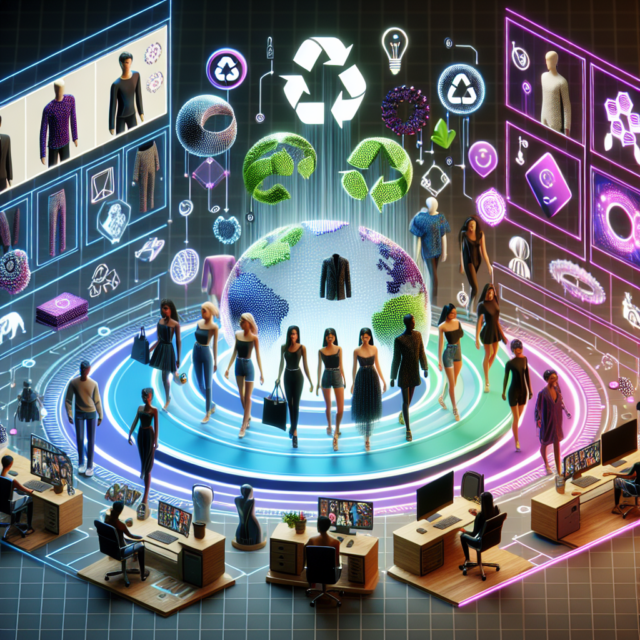
The digital fashion world is rapidly evolving, reshaping how we perceive and interact with clothing. As technology continues to advance, the traditional boundaries of fashion are being expanded, offering new opportunities for creativity, sustainability, and accessibility. This article delves into the emerging trends shaping the digital fashion landscape, examining the rise of virtual fashion platforms, innovations in digital clothing design, and the integration of sustainability and technology.

The Rise of Virtual Fashion Platforms

Virtual fashion platforms have emerged as a significant force in the digital fashion world, offering a new realm for designers and consumers alike. These platforms provide a space where fashion can be experienced in a wholly digital format, bypassing the need for physical garments. This shift has been driven by advancements in technology, such as augmented reality (AR) and virtual reality (VR), which allow users to interact with digital clothing in immersive environments.

One of the most notable aspects of virtual fashion platforms is their ability to democratize fashion. By eliminating the constraints of physical production, these platforms enable designers from all backgrounds to showcase their work to a global audience. This has led to an explosion of creativity and diversity in fashion, as emerging designers can now compete on equal footing with established brands.

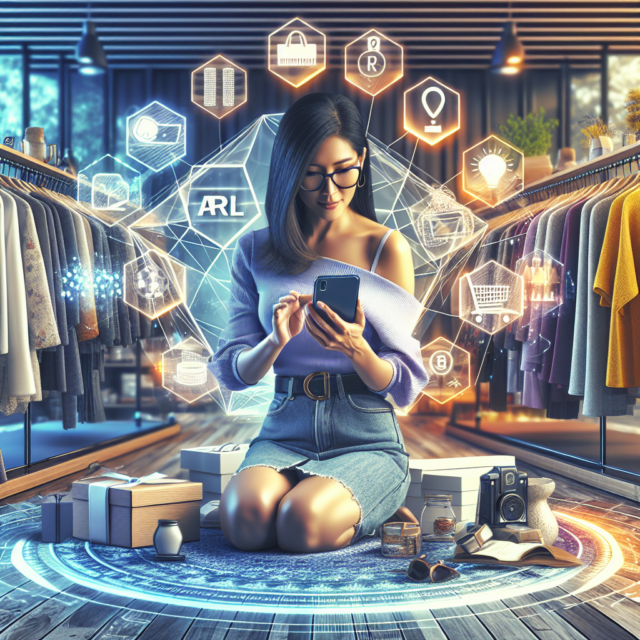
Moreover, virtual fashion platforms are transforming the consumer experience. Shoppers can now try on outfits virtually, using AR technology to see how garments will look on their bodies before making a purchase. This not only enhances convenience but also reduces the likelihood of returns, as consumers can make more informed decisions about their purchases.

In addition to enhancing the shopping experience, virtual fashion platforms are also fostering new forms of social interaction. Virtual fashion shows and events are becoming increasingly popular, allowing designers to reach audiences worldwide without the logistical challenges of physical runway shows. These events are often more inclusive and accessible, as they can be attended from anywhere with an internet connection.

The rise of virtual fashion platforms is also influencing how brands approach marketing and branding. Digital fashion allows for more dynamic and interactive content, engaging consumers in innovative ways. Brands can now create digital campaigns that are highly personalized and immersive, capturing the attention of tech-savvy audiences.

As virtual fashion platforms continue to evolve, they are likely to play an increasingly important role in the fashion industry. By offering new opportunities for creativity, accessibility, and engagement, these platforms are reshaping how we experience and interact with fashion in the digital age.

Innovations in Digital Clothing Design

Digital clothing design is at the forefront of the fashion industry’s technological revolution, pushing the boundaries of what is possible in garment creation. With the help of cutting-edge software and tools, designers are able to experiment with shapes, textures, and colors in ways that were previously unimaginable. This has led to a wave of innovation that is transforming the fashion landscape.

One of the key innovations in digital clothing design is the use of 3D modeling software. This technology allows designers to create intricate and detailed garment designs in a virtual environment, providing a level of precision and flexibility that is difficult to achieve with traditional methods. 3D modeling also enables designers to visualize how a garment will drape and move, allowing for more refined and accurate designs.

In addition to 3D modeling, advancements in fabric simulation software have also played a crucial role in digital clothing design. These tools allow designers to experiment with different materials and textures, creating realistic representations of how fabrics will behave in the real world. This not only enhances the design process but also reduces the need for physical prototypes, saving time and resources.

Augmented reality (AR) is another innovation that is changing the landscape of digital clothing design. AR technology allows designers to overlay digital garments onto real-world environments, providing a new perspective on how clothing can be integrated into everyday life. This has opened up new possibilities for design, as digital garments can be customized and personalized in real-time.

The use of artificial intelligence (AI) in digital clothing design is also gaining traction. AI algorithms can analyze vast amounts of data to identify trends and preferences, providing designers with valuable insights into consumer behavior. This information can be used to create more targeted and relevant designs, enhancing the overall appeal of digital fashion.

Collaborative design platforms are also emerging as a significant trend in digital clothing design. These platforms allow designers from different disciplines and locations to work together in a virtual environment, fostering innovation and creativity. By breaking down geographical barriers, collaborative design platforms are enabling the exchange of ideas and techniques on a global scale.

As digital clothing design continues to evolve, it is likely to have a profound impact on the fashion industry. By embracing new technologies and approaches, designers can push the boundaries of creativity and redefine what is possible in fashion.

Sustainability and Technology in Fashion

The intersection of sustainability and technology is becoming increasingly important in the fashion industry, as brands and consumers alike seek to reduce their environmental impact. Digital fashion offers a unique opportunity to address sustainability challenges, as it eliminates the need for physical production and reduces waste.

One of the primary ways that technology is enhancing sustainability in fashion is through the use of digital prototyping. By creating virtual prototypes, designers can experiment with different designs and materials without the need for physical samples. This not only reduces waste but also allows for more efficient and sustainable production processes.

In addition to digital prototyping, technology is also enabling more sustainable supply chains. Blockchain technology, for example, is being used to increase transparency and traceability in the fashion industry. By providing a secure and immutable record of a garment’s journey from production to sale, blockchain can help ensure that ethical and sustainable practices are being followed.

Another area where technology is driving sustainability in fashion is through the development of new materials. Advances in material science are leading to the creation of innovative fabrics that are both sustainable and high-performing. These materials often incorporate recycled or biodegradable components, reducing their environmental impact.

The use of digital platforms is also promoting more sustainable consumer behavior. By providing detailed information about the environmental impact of garments, these platforms enable consumers to make more informed purchasing decisions. Additionally, digital fashion allows for more personalized and on-demand production, reducing overproduction and excess inventory.

Virtual fashion platforms are also playing a role in promoting sustainability by offering digital alternatives to physical garments. By allowing consumers to experiment with digital clothing, these platforms can reduce the demand for fast fashion and encourage more sustainable consumption patterns.

As sustainability becomes an increasingly important consideration in the fashion industry, the integration of technology will be crucial in driving positive change. By leveraging digital tools and innovations, the fashion industry can move towards a more sustainable and environmentally friendly future.

The digital fashion world is at the cusp of a transformative era, driven by the convergence of technology, creativity, and sustainability. Virtual fashion platforms are redefining the way we experience clothing, while innovations in digital clothing design are pushing the boundaries of creativity. At the same time, the integration of sustainability and technology is paving the way for a more responsible and environmentally conscious fashion industry. As these trends continue to evolve, they will undoubtedly shape the future of fashion, offering new opportunities and challenges for designers, brands, and consumers alike.
Exploring the Future of Personal Shopping Online

Exploring the Future of Personal Shopping Online

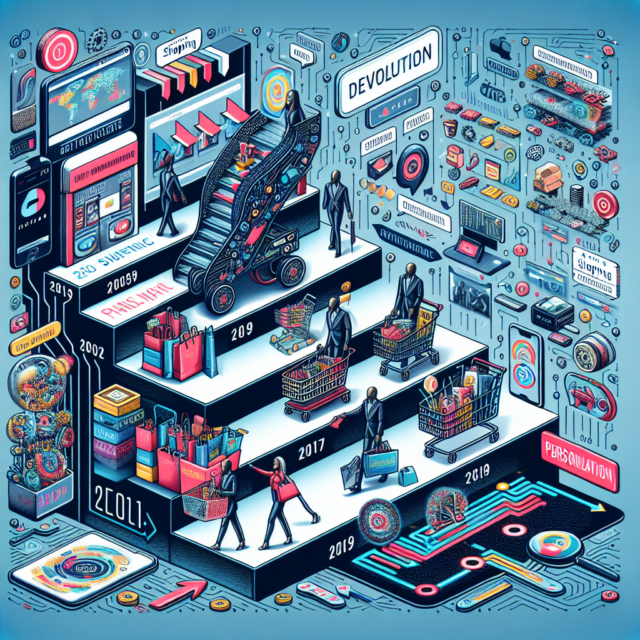
The digital landscape of retail has undergone a profound transformation over the past two decades. Online shopping, once a novel concept, is now a staple of modern consumerism. As we look towards the future, the focus is increasingly on personalization—tailoring the shopping experience to meet individual preferences and needs. This article delves into the evolution of personalized online shopping, the emerging technologies driving this change, and the challenges and opportunities that lie ahead for digital retail.

The Evolution of Personalized Online Shopping

Personalized online shopping has come a long way from its early days, where recommendations were based on rudimentary algorithms. Initially, personalization was limited to simple suggestions based on past purchases or frequently bought items. As technology evolved, so did the complexity and accuracy of these systems, moving towards more sophisticated models that consider a user’s browsing history, location, and even social media activity.

The introduction of big data analytics marked a significant milestone in personalization. Retailers began leveraging vast amounts of data to gain insights into consumer behavior, enabling them to create more targeted marketing strategies. This shift allowed for a more customized shopping experience, with recommendations that felt intuitive and relevant to the consumer’s needs and preferences.

Another key development was the rise of AI and machine learning in e-commerce. These technologies enabled a deeper understanding of customer preferences, allowing for dynamic personalization that adapts in real-time. This meant that personalization was no longer static but could evolve alongside the consumer’s changing tastes and behaviors.

Subscription services and curated shopping experiences have also played a pivotal role in the evolution of personalized online shopping. These models offer consumers a tailored selection of products based on their preferences, often with the assistance of AI-driven curation. This approach not only enhances the shopping experience but also fosters brand loyalty by creating a sense of exclusivity and personal connection.

Social media platforms have increasingly influenced personalized shopping by serving as a bridge between retailers and consumers. Platforms like Instagram and Pinterest have become integral in shaping shopping habits, offering personalized ads and shoppable posts that cater to individual interests. This integration of social media and e-commerce has blurred the lines between browsing and buying, making the shopping experience more seamless and personal.

Finally, the evolution of personalized online shopping has been driven by the demand for convenience and efficiency. Consumers now expect a shopping experience that is not only tailored to their preferences but also frictionless and time-saving. This demand has pushed retailers to continuously innovate and refine their personalization strategies to meet the ever-evolving expectations of the modern consumer.

Emerging Technologies Shaping the Experience

Artificial Intelligence (AI) and machine learning are at the forefront of the technological advancements shaping personalized online shopping. These technologies enable retailers to analyze consumer data with unprecedented precision, allowing for highly targeted recommendations and a more engaging shopping experience. AI-powered chatbots and virtual assistants further enhance personalization by providing real-time customer support and tailored product suggestions.

Augmented Reality (AR) and Virtual Reality (VR) are revolutionizing the way consumers interact with products online. AR applications allow shoppers to visualize products in their own environment, such as trying on clothes virtually or seeing how furniture looks in their home. This immersive experience bridges the gap between physical and digital shopping, providing a level of personalization that was previously unattainable.

Blockchain technology is emerging as a tool for enhancing transparency and trust in online shopping. By providing a secure and immutable record of transactions, blockchain can help ensure product authenticity and traceability. This technology also has the potential to enhance personalization by securely storing and managing consumer data, allowing for more accurate and trustworthy recommendations.

The Internet of Things (IoT) is another technology that is shaping the future of personalized shopping. IoT devices, such as smart home assistants and wearable tech, collect valuable data on consumer habits and preferences. This data can be used to deliver personalized shopping experiences, such as automatic reordering of household items or tailored fashion recommendations based on daily activity levels.

Voice commerce is gaining traction as a new channel for personalized shopping. With the proliferation of smart speakers and voice-activated assistants, consumers can now make purchases using voice commands. This hands-free shopping experience is not only convenient but also allows for a more personalized interaction, as voice assistants can learn and adapt to the user’s preferences over time.

Finally, advancements in data analytics and predictive modeling are enabling more refined personalization strategies. By analyzing patterns in consumer behavior, retailers can anticipate future needs and preferences, offering personalized promotions and recommendations before the consumer even realizes they need them. This proactive approach to personalization is set to redefine the online shopping experience, making it more intuitive and aligned with individual expectations.

Challenges and Opportunities in Digital Retail

Despite the advancements in personalized online shopping, several challenges remain. Data privacy concerns are at the forefront, as consumers become increasingly aware of how their personal information is used. Retailers must navigate the delicate balance between offering personalized experiences and respecting consumer privacy, ensuring compliance with regulations such as GDPR and CCPA.

The complexity of integrating new technologies into existing systems presents another challenge. Retailers must invest in infrastructure and expertise to effectively implement AI, AR, and other emerging technologies. This can be a significant barrier for smaller businesses, which may lack the resources to compete with larger, tech-savvy competitors.

Consumer trust is another critical challenge in digital retail. With the rise of fake reviews and counterfeit products, building and maintaining trust is more important than ever. Retailers must prioritize transparency and authenticity in their personalization strategies to foster consumer confidence and loyalty.

On the opportunity side, the rise of mobile commerce presents a significant growth area for personalized shopping. With more consumers shopping via mobile devices, retailers have the chance to create seamless, personalized experiences that cater to on-the-go lifestyles. Mobile apps and responsive websites can offer tailored recommendations and promotions, enhancing the shopping experience and driving engagement.

The global reach of online shopping offers retailers the opportunity to tap into new markets and demographics. By leveraging data and insights, retailers can tailor their offerings to meet the unique preferences and needs of consumers in different regions. This localization of personalization can help retailers expand their customer base and increase market share.

Finally, the future of personalized online shopping presents an opportunity for retailers to differentiate themselves in a crowded marketplace. By offering unique and tailored shopping experiences, retailers can stand out from competitors and build lasting relationships with consumers. As technology continues to evolve, the possibilities for personalization are endless, paving the way for a new era of digital retail.

The future of personal shopping online is poised for transformative change, driven by technological advancements and evolving consumer expectations. As retailers navigate the challenges and opportunities of digital retail, the focus will remain on delivering personalized experiences that resonate with individual consumers. By embracing emerging technologies and prioritizing transparency and trust, retailers can create a shopping experience that is not only convenient and efficient but also deeply personal and engaging. As we look ahead, the potential for innovation in personalized online shopping is limitless, promising a future where the digital shopping experience is more intuitive, immersive, and aligned with the needs of each consumer.

Enhancing Customer Experience with Virtual Reality

Enhancing Customer Experience with Virtual Reality

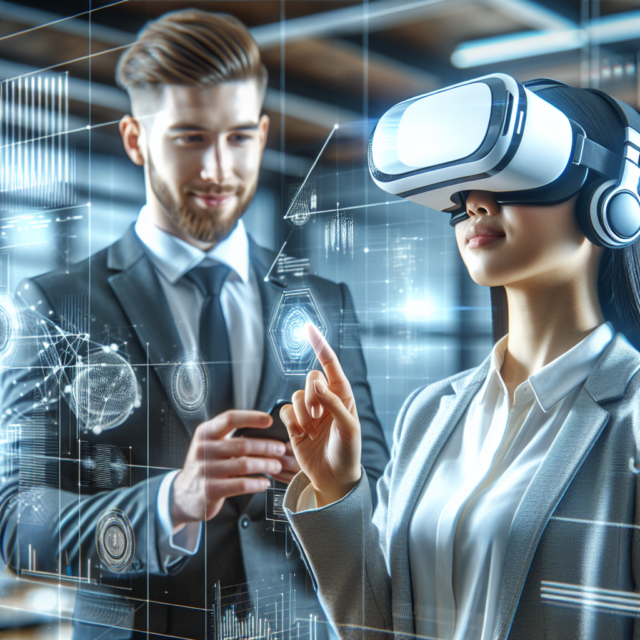
In an era where customer experience is pivotal to business success, companies are continuously seeking innovative ways to engage their clientele. Virtual Reality (VR) has emerged as a powerful tool, promising to revolutionize how businesses interact with customers. By offering immersive and interactive experiences, VR not only enhances customer engagement but also transforms the way services are delivered. This article explores the transformative potential of VR technologies in customer engagement, the future of customer service through immersive experiences, and the role of VR in bridging the gap within retail spaces.

Transforming Customer Engagement with VR Technologies

Virtual Reality has the unique capability to transform conventional customer engagement strategies by offering a more interactive and personalized experience. Unlike traditional methods that rely heavily on static content, VR provides dynamic environments where customers can actively participate and engage with a brand’s offerings. This interactivity fosters a deeper connection, allowing consumers to explore products and services in a simulated environment that closely mimics real life.

The integration of VR technologies into customer engagement strategies enables businesses to create memorable experiences that resonate with consumers long after the interaction has ended. By immersing customers in a brand story or showcasing a product in a virtual setting, companies can evoke emotional responses that are often difficult to achieve through other media. This emotional engagement is crucial, as it can significantly influence purchasing decisions and brand loyalty.

Moreover, VR allows businesses to tailor experiences based on individual customer preferences. Through data analytics and feedback mechanisms, companies can customize virtual environments to suit the unique tastes and needs of each user. This personalization not only enhances the user experience but also increases the likelihood of customer satisfaction and retention.

In addition to personalizing experiences, VR technologies can bridge geographical barriers, making it possible for businesses to reach a global audience without the limitations of physical presence. Customers from different parts of the world can explore a virtual store, attend a product launch, or participate in a virtual event, all from the comfort of their homes. This accessibility broadens market reach and fosters inclusivity.

Furthermore, VR can serve as a powerful tool for training and educating customers about complex products or services. Through immersive tutorials and simulations, users can gain a comprehensive understanding of a product’s functionality and benefits, leading to more informed purchasing decisions. This educational aspect not only empowers customers but also reduces the burden on customer service teams.

Lastly, the use of VR in customer engagement aligns with the growing trend of experiential marketing. As consumers increasingly seek experiences over material goods, VR offers a medium through which brands can deliver unique and memorable experiences that align with this consumer shift. By embracing VR technologies, businesses can position themselves at the forefront of this experiential revolution, enhancing their competitive edge in the market.

Immersive Experiences: The Future of Customer Service

The future of customer service is poised for a dramatic shift with the advent of immersive Virtual Reality experiences. By leveraging VR, companies can redefine how they interact with customers, moving away from traditional phone or chat support to more engaging and visually stimulating support systems. This transition not only enhances the customer service experience but also improves efficiency and satisfaction.

One of the key benefits of incorporating VR into customer service is the ability to provide real-time, hands-on assistance. Customers can be guided through troubleshooting processes or product installations in a virtual environment, where they can visually follow instructions and receive immediate feedback. This approach minimizes misunderstandings and reduces the time needed to resolve issues, leading to higher customer satisfaction rates.

In addition to troubleshooting, VR can be used to simulate real-world scenarios, allowing customer service representatives to better understand and empathize with customer needs. By stepping into the customer’s shoes through VR simulations, service agents can develop a deeper understanding of the challenges faced by consumers, leading to more empathetic and effective support.

Virtual Reality also offers the potential for proactive customer service, where businesses can anticipate and address potential issues before they arise. By analyzing data from VR interactions, companies can identify patterns and trends that may indicate a problem, allowing them to take preventive measures. This proactive approach not only enhances customer satisfaction but also demonstrates a commitment to customer care.

Moreover, VR can facilitate training and development for customer service teams. Through immersive training programs, representatives can practice handling various customer scenarios in a controlled environment, improving their skills and confidence. This training method is particularly beneficial for complex or high-stress situations, where traditional training methods may fall short.

As VR technology continues to advance, the possibilities for customer service are boundless. From virtual showrooms to interactive product demonstrations, the integration of VR into customer service strategies will continue to evolve, setting new standards for customer interaction and satisfaction. By embracing these immersive technologies, businesses can not only meet but exceed customer expectations, ensuring long-term success in a competitive market.

Bridging the Gap: Virtual Reality in Retail Spaces

The retail industry is undergoing a significant transformation, with Virtual Reality playing a pivotal role in bridging the gap between physical and digital shopping experiences. By integrating VR into retail spaces, companies can create engaging and interactive environments that offer the best of both worlds, enhancing the overall shopping experience for consumers.

One of the primary benefits of VR in retail is the ability to create virtual showrooms and stores. These virtual spaces allow customers to explore products in a 3D environment, where they can view items from different angles, examine details, and even try on products virtually. This immersive experience closely replicates the in-store experience, providing customers with a convenient and engaging alternative to traditional online shopping.

In addition to virtual showrooms, VR can enhance the in-store experience by offering augmented reality (AR) overlays that provide additional information about products. Customers can use VR headsets or AR-enabled devices to access detailed product specifications, customer reviews, and personalized recommendations, all while browsing the physical store. This integration of digital content into the physical shopping experience creates a seamless and informative journey for consumers.

Furthermore, VR can be used to create unique and memorable in-store experiences that drive foot traffic and increase customer engagement. By hosting virtual events, product launches, or interactive displays, retailers can attract customers to their physical locations, offering experiences that cannot be replicated online. These events not only boost sales but also strengthen brand loyalty and community engagement.

For retailers looking to expand their market reach, VR offers the opportunity to create pop-up virtual stores in various locations around the world. These temporary virtual spaces can be used to test new markets, launch limited-edition products, or engage with international customers, all without the logistical challenges of setting up a physical store. This flexibility allows retailers to adapt quickly to changing market conditions and consumer preferences.

Moreover, VR can provide valuable insights into customer behavior and preferences through data analytics. By tracking interactions within virtual environments, retailers can gather data on customer preferences, shopping habits, and product popularity. This information can be used to optimize product offerings, improve store layouts, and develop targeted marketing strategies, ultimately enhancing the overall retail experience.

As the retail landscape continues to evolve, the integration of Virtual Reality into retail spaces offers a promising avenue for growth and innovation. By embracing VR technologies, retailers can create immersive and personalized shopping experiences that not only meet but exceed customer expectations, ensuring a competitive edge in the ever-changing market.

In conclusion, Virtual Reality stands as a transformative force in the realm of customer experience, offering unparalleled opportunities for engagement, service, and retail innovation. As businesses continue to explore the potential of VR technologies, they are poised to redefine the way they connect with customers, delivering immersive and personalized experiences that resonate in today’s digital age. By harnessing the power of VR, companies can not only enhance customer satisfaction but also drive business growth and success in an increasingly competitive landscape. As VR technology continues to advance, its role in shaping the future of customer experience will only become more pronounced, making it an essential consideration for forward-thinking businesses.

Exploring the Digital Evolution of Fashion’s Future

Exploring the Digital Evolution of Fashion’s Future

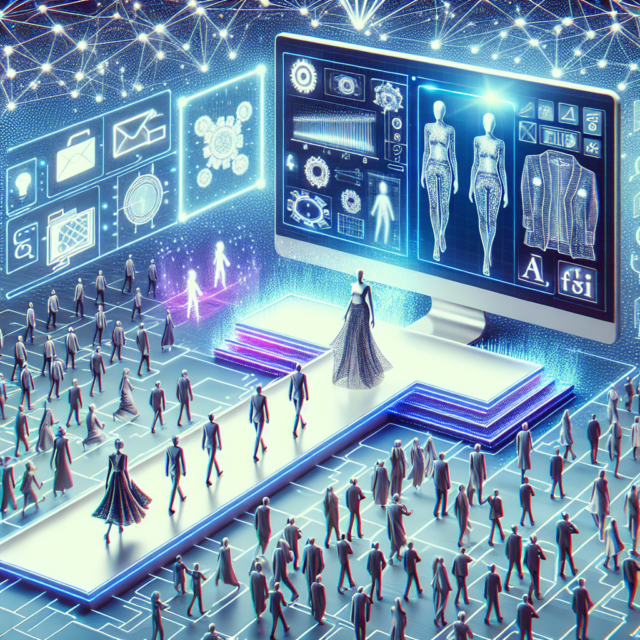
The fashion industry, long celebrated for its creativity and innovation, is experiencing a transformative shift driven by digital technologies. As the world becomes increasingly interconnected, the intersection of fashion and technology is ushering in a new era of possibilities that promise to redefine the way we perceive and engage with clothing. From virtual fashion shows to AI-driven design processes, the digital evolution of fashion is a fascinating journey that reflects the industry’s adaptability and forward-thinking mindset. This article delves into the key aspects of this evolution, exploring the intersection of fashion and technology, the innovations shaping the future, and the crucial role of sustainability in digital fashion trends.

Unveiling the Intersection of Fashion and Technology

The confluence of fashion and technology is not a recent phenomenon, but its acceleration in recent years is noteworthy. This intersection has given rise to a new paradigm where creativity meets technical prowess, resulting in innovations that were once confined to the realm of science fiction. The integration of technology into fashion is not merely about adding digital elements to garments but about reimagining the entire fashion experience. From smart textiles that monitor health metrics to augmented reality (AR) applications that allow consumers to ‘try on’ clothes virtually, the boundaries of fashion are being pushed beyond traditional limits.

One of the most significant developments at this intersection is the rise of digital fashion shows. The COVID-19 pandemic accelerated the adoption of virtual platforms, leading to a redefinition of how fashion collections are presented to the world. Designers and brands have embraced digital mediums to showcase their work, creating immersive experiences that engage a global audience. This shift not only democratizes fashion by making it accessible to a broader audience but also reduces the environmental impact associated with traditional fashion shows.

Artificial intelligence (AI) is another technological advancement that is reshaping the fashion industry. AI algorithms are being employed to analyze consumer preferences, predict trends, and even create designs. This data-driven approach allows for more personalized and efficient production processes, catering to the demands of modern consumers who seek individuality and uniqueness in their fashion choices. Furthermore, AI-powered chatbots and virtual assistants are enhancing customer service, offering personalized styling advice and improving the overall shopping experience.

The rise of wearable technology is further blurring the lines between fashion and function. Smartwatches, fitness trackers, and other wearable devices are becoming fashion statements in their own right, combining style with utility. These devices not only track health and fitness metrics but also integrate seamlessly into everyday fashion, creating a new category of accessories that appeal to tech-savvy consumers. As technology continues to evolve, so too will the capabilities and aesthetics of wearable fashion.

Blockchain technology is also making waves in the fashion industry by addressing issues of transparency and authenticity. By providing a secure and immutable record of a garment’s journey from creation to consumer, blockchain enhances traceability and combats counterfeit products. This technological advancement is particularly significant in the luxury fashion sector, where authenticity and provenance are paramount. Blockchain also opens up new possibilities for digital ownership and fashion NFTs, further expanding the digital fashion landscape.

As the intersection of fashion and technology continues to evolve, it brings with it a host of opportunities and challenges. While technology offers unprecedented possibilities for creativity and innovation, it also raises questions about privacy, data security, and the human touch in fashion design. Balancing these elements will be crucial as the industry navigates the digital future, ensuring that technology enhances rather than diminishes the artistry and craftsmanship that define fashion.

Innovations Shaping Tomorrow’s Fashion Landscape

The fashion industry is on the brink of a technological revolution, with innovations that promise to shape its future in unprecedented ways. One of the most exciting developments is the use of 3D printing technology in fashion design. This technology allows designers to create intricate and complex structures that would be impossible to achieve through traditional methods. 3D printing not only opens up new avenues for creativity but also offers the potential for on-demand manufacturing, reducing waste and promoting sustainability.

Virtual and augmented reality (VR and AR) technologies are also playing a pivotal role in shaping the future of fashion. These immersive technologies are transforming the way consumers interact with brands and products. Virtual fitting rooms, for example, allow consumers to try on clothes digitally, enhancing the online shopping experience and reducing the likelihood of returns. AR applications are also being used in retail environments to create interactive and engaging experiences, bridging the gap between the physical and digital worlds.

The concept of digital fashion is gaining traction, with designers creating garments that exist solely in the digital realm. These digital garments, often sold as NFTs, offer a new form of self-expression in online spaces and gaming environments. Digital fashion eliminates the constraints of physical materials, allowing for boundless creativity and experimentation. As virtual worlds become more integral to our social interactions, digital fashion is poised to become a significant aspect of personal identity and style.

Sustainable fashion is receiving a technological boost through innovations such as biofabrication and eco-friendly materials. Biofabrication involves the use of living organisms to grow materials, offering a sustainable alternative to traditional textiles. Companies are also exploring the use of recycled and biodegradable materials, leveraging technology to minimize the environmental impact of fashion production. These innovations are not only addressing the industry’s sustainability challenges but also paving the way for a more ethical and responsible fashion future.

The integration of AI and machine learning in fashion design is revolutionizing the creative process. AI-powered design tools can generate patterns, suggest color combinations, and even predict future trends based on data analysis. This technology enables designers to streamline their workflow and focus on the artistic aspects of fashion creation. Additionally, AI is being used to optimize supply chain operations, ensuring efficient production and distribution processes that align with consumer demand.

As these innovations continue to shape the fashion landscape, they are redefining the industry’s boundaries and creating new possibilities for designers, brands, and consumers alike. The fusion of fashion and technology is not only enhancing the aesthetic and functional aspects of clothing but also driving a cultural shift towards a more inclusive, sustainable, and interconnected fashion ecosystem. The future of fashion is undoubtedly digital, and the innovations on the horizon are set to transform the way we perceive and engage with style.
The Role of Sustainability in Digital Fashion Trends

Sustainability has become a central theme in the fashion industry, and digital technologies are playing a crucial role in advancing sustainable practices. The fashion sector is notorious for its environmental impact, from resource-intensive production processes to vast amounts of waste generated by fast fashion. However, digital innovations are offering solutions to these challenges, paving the way for a more sustainable fashion future.

The rise of digital fashion is one of the most promising developments in the pursuit of sustainability. By creating garments that exist only in the digital realm, designers can eliminate the need for physical production and the associated environmental impact. Digital fashion allows for limitless creativity without the constraints of traditional materials, offering a sustainable alternative to fast fashion. As consumers increasingly engage with digital platforms and virtual worlds, the demand for digital fashion is expected to grow, reducing the industry’s reliance on physical production.

Blockchain technology is enhancing transparency and traceability in the fashion supply chain, addressing issues of ethical sourcing and production. By providing a secure and immutable record of a garment’s journey, blockchain allows consumers to verify the authenticity and sustainability of their purchases. This technology empowers consumers to make informed choices and supports brands in their efforts to uphold ethical standards. As transparency becomes a key driver of consumer behavior, blockchain is set to play a vital role in promoting sustainability in the fashion industry.

The use of AI and data analytics is optimizing supply chain operations, reducing waste, and promoting efficient resource management. By analyzing consumer data and predicting trends, AI enables brands to produce garments that align with demand, minimizing overproduction and excess inventory. This data-driven approach not only enhances sustainability but also improves profitability, creating a win-win scenario for brands and the environment. As AI technology continues to evolve, its potential to drive sustainable practices in fashion will only grow.

Innovations in textile technology are also contributing to the sustainability movement in fashion. The development of eco-friendly materials, such as bio-fabricated textiles and recycled fabrics, is reducing the industry’s reliance on resource-intensive materials. These sustainable textiles are being integrated into digital fashion trends, offering consumers eco-conscious options that do not compromise on style or quality. As technology advances, the range and accessibility of sustainable materials are expected to expand, further driving the industry’s sustainability goals.

As digital technologies continue to shape the future of fashion, they are also redefining the industry’s approach to sustainability. By leveraging innovations such as digital fashion, blockchain, AI, and sustainable materials, the fashion sector is making strides towards a more ethical and environmentally responsible future. The integration of sustainability into digital fashion trends is not only a response to consumer demand but also a reflection of the industry’s commitment to creating a more sustainable world. As the digital evolution of fashion unfolds, sustainability will remain a guiding principle in shaping the industry’s future.

The digital evolution of fashion is a dynamic and multifaceted journey that is transforming the industry in profound ways. As fashion and technology continue to intersect, new innovations are emerging that promise to shape the future of style and self-expression. From digital fashion shows and AI-driven design processes to sustainable practices and eco-friendly materials, the possibilities are endless. While challenges remain, particularly in balancing technological advancements with the artistry and craftsmanship that define fashion, the industry’s adaptability and commitment to sustainability are paving the way for a brighter future. As we look ahead, the digital evolution of fashion is set to redefine not only what we wear but also how we engage with and experience fashion in an increasingly interconnected world.

Enhancing Retail: AR’s Impact on Customer Experience

Enhancing Retail: AR’s Impact on Customer Experience

In the ever-evolving landscape of retail, businesses are constantly searching for innovative ways to enhance the customer experience. One groundbreaking technology that is making waves in this sector is Augmented Reality (AR). By overlaying digital information onto the physical world, AR is revolutionizing the way consumers interact with products and brands. This article delves into the realm of AR in retail, exploring how it transforms shopping through interactive displays and offers personalized experiences to customers.

Understanding Augmented Reality in Retail

Augmented Reality (AR) represents a significant technological advancement that bridges the digital and physical worlds. In the context of retail, AR enhances the shopping experience by overlaying digital content onto real-world environments. This technology allows consumers to visualize products in their own space before making a purchase, thereby reducing uncertainty and increasing confidence. AR applications in retail range from virtual fitting rooms to interactive product catalogs, offering a new dimension to consumer engagement.

The integration of AR into retail environments is driven by the increasing prevalence of smartphones and other mobile devices. As these devices become more powerful and ubiquitous, they serve as the perfect platform for AR applications. Retailers are leveraging this technology to create immersive shopping experiences that captivate and retain customers. By utilizing AR, businesses can provide detailed product information, virtual try-ons, and even gamified shopping experiences, all of which contribute to a more engaging and informative shopping journey.

One of the primary benefits of AR in retail is its ability to offer a seamless blend of online and offline shopping experiences. Consumers can use AR to explore products in a digital space while still enjoying the tactile experience of visiting a physical store. This hybrid approach caters to the preferences of modern shoppers, who often seek the convenience of online shopping along with the assurance of in-store experiences. Retailers that successfully integrate AR into their operations can offer a cohesive and comprehensive shopping journey that meets the diverse needs of their customers.

Moreover, AR has the potential to transform the way retailers approach product visualization and customization. By allowing customers to see how products will look in their homes or on their bodies, AR reduces the need for physical samples and prototypes. This not only streamlines the shopping process but also minimizes waste and supports more sustainable retail practices. As a result, AR not only enhances the customer experience but also aligns with the growing consumer demand for environmentally conscious business practices.

The adoption of AR in retail is not without its challenges, however. Retailers must invest in the necessary technology and infrastructure to support AR applications, which can be a significant financial commitment. Additionally, there is a learning curve associated with implementing and maintaining these systems, as well as ensuring that they are user-friendly and accessible to all customers. Despite these hurdles, the potential benefits of AR in retail are substantial, making it a worthwhile investment for forward-thinking businesses.

As AR technology continues to evolve, it is likely to become an increasingly integral part of the retail landscape. Retailers that embrace this technology early on will have a competitive edge, as they will be able to offer unique and personalized experiences that set them apart from their competitors. By understanding and harnessing the power of AR, retailers can enhance the customer experience and foster stronger connections with their audience.

Transforming Shopping with Interactive Displays

Interactive displays powered by Augmented Reality (AR) are transforming the traditional retail shopping experience. These displays allow customers to engage with products in a dynamic and immersive way, providing a level of interactivity that was previously unattainable in brick-and-mortar stores. By using AR, retailers can create engaging displays that not only showcase their products but also educate and entertain customers, enhancing their overall shopping journey.

AR-powered interactive displays are particularly effective in attracting and retaining customer attention. Unlike static displays, AR can offer real-time information and demonstrations, making the shopping process more engaging and informative. For example, a customer looking at a pair of shoes in a store might use an AR display to see different color options, view customer reviews, or watch a video of the shoes in action. This level of interactivity not only informs the customer but also empowers them to make more confident purchasing decisions.

Another significant advantage of AR interactive displays is their ability to create memorable brand experiences. By incorporating elements of entertainment and surprise, retailers can leave a lasting impression on customers, encouraging brand loyalty and repeat visits. For instance, an AR display might allow customers to virtually try on makeup or clothing, providing a fun and novel experience that distinguishes the brand from competitors. These interactive experiences can turn a routine shopping trip into an exciting adventure, enhancing customer satisfaction and engagement.

Interactive AR displays also offer retailers valuable insights into customer preferences and behaviors. By tracking how customers interact with AR features, retailers can gather data on which products are most popular, how long customers engage with certain displays, and what features are most appealing. This information can be used to refine marketing strategies, optimize product offerings, and create more targeted and effective advertising campaigns. In this way, AR not only enhances the customer experience but also provides retailers with actionable data to drive business success.

In addition to enhancing the in-store experience, AR interactive displays can also bridge the gap between online and offline shopping. By allowing customers to interact with digital content in a physical space, retailers can create a seamless omnichannel experience that caters to the preferences of modern consumers. For example, a customer might use an AR app to explore a brand’s entire product line while standing in a physical store, combining the convenience of online shopping with the immediacy of an in-store visit. This integration of digital and physical experiences can help retailers stay competitive in an increasingly digital retail landscape.

As AR technology continues to advance, the possibilities for interactive displays in retail are virtually limitless. Retailers that embrace this technology can create innovative and engaging shopping experiences that captivate customers and drive sales. By transforming traditional displays into dynamic and interactive experiences, AR is reshaping the retail landscape and setting a new standard for customer engagement and satisfaction.

Personalized Experiences Through AR Innovations

Augmented Reality (AR) is redefining personalization in retail by offering tailored experiences that cater to individual customer preferences and needs. Through AR innovations, retailers can provide personalized recommendations, virtual try-ons, and customized product experiences, all of which enhance customer satisfaction and loyalty. By leveraging AR, retailers can create a shopping environment that feels uniquely tailored to each customer, fostering a deeper connection between the consumer and the brand.

One of the most impactful ways AR personalizes the retail experience is through virtual try-ons. This technology allows customers to see how products will look on them or in their homes before making a purchase. For example, a customer shopping for furniture can use AR to visualize how a sofa will fit in their living room, while a fashion shopper can try on clothes virtually to see how they look in different styles and colors. This level of personalization helps customers make more informed decisions and reduces the likelihood of returns, benefiting both the consumer and the retailer.

AR also enables retailers to offer personalized recommendations based on customer preferences and behaviors. By analyzing data from previous interactions and purchases, AR systems can suggest products that align with the customer’s tastes and needs. This targeted approach not only enhances the shopping experience but also increases the likelihood of conversion, as customers are more likely to purchase items that are relevant to their interests. By providing personalized recommendations, retailers can create a more engaging and satisfying shopping journey for their customers.

In addition to product recommendations, AR can also personalize the in-store experience by offering customized promotions and discounts. For instance, a customer using an AR app in a store might receive a special offer on their favorite brand or a discount on a product they’ve been considering. These personalized incentives can encourage customers to make a purchase and increase brand loyalty. By tailoring promotions to individual customers, retailers can create a more compelling and personalized shopping experience that resonates with their audience.

AR’s ability to personalize the retail experience extends beyond individual customers to include entire shopping journeys. By using AR, retailers can create customized store layouts and displays that cater to the preferences and needs of their target audience. For example, a store might use AR to create a virtual tour that highlights products of interest to a specific customer segment, or to design an interactive display that showcases new arrivals or seasonal collections. This level of personalization helps retailers create a more engaging and relevant shopping experience that meets the evolving expectations of modern consumers.

As AR technology continues to evolve, the potential for personalized experiences in retail will only grow. Retailers that embrace AR innovations can create unique and tailored shopping journeys that set them apart from the competition and foster long-term customer loyalty. By offering personalized experiences through AR, retailers can not only enhance the customer experience but also drive sales and build stronger connections with their audience.

As the retail industry continues to evolve, Augmented Reality (AR) is emerging as a powerful tool for enhancing the customer experience. By understanding the potential of AR in retail, businesses can create interactive displays that transform the shopping journey and offer personalized experiences that cater to individual customer preferences. As AR technology advances, its impact on the retail sector will only grow, offering new opportunities for innovation and engagement. Retailers that embrace AR early on will be well-positioned to thrive in an increasingly competitive market, delivering unique and memorable experiences that resonate with their customers and drive business success.

Exploring Innovative Digital Customer Experience Trends

Exploring Innovative Digital Customer Experience Trends

In the rapidly evolving landscape of the digital marketplace, businesses are constantly seeking new ways to enhance customer experiences. As technology advances, so too do the expectations of consumers, who now demand seamless, personalized, and engaging interactions with brands. This article delves into the latest trends shaping digital customer experiences, exploring how innovative technologies are being leveraged to meet and exceed these growing expectations. By understanding these trends, businesses can better position themselves to thrive in an increasingly competitive environment.

Unveiling the Future of Digital Customer Experiences

The future of digital customer experiences is poised to be more immersive and personalized than ever before. As consumers become more digitally savvy, they expect brands to not only meet but anticipate their needs. This shift is driving companies to rethink their strategies and invest in technologies that offer more tailored experiences. Personalization, for example, is no longer just about addressing a customer by name; it’s about delivering content and recommendations that are uniquely relevant to each individual.

Artificial intelligence (AI) and machine learning are at the forefront of this transformation, enabling businesses to analyze vast amounts of data to predict customer behavior and preferences. This allows for the creation of highly customized marketing campaigns and product offerings that resonate with the target audience. Furthermore, AI-driven chatbots and virtual assistants are revolutionizing customer service by providing instant support and resolving queries around the clock, enhancing customer satisfaction and loyalty.

Another key aspect of the future digital customer experience is the integration of augmented reality (AR) and virtual reality (VR) technologies. These tools are allowing customers to interact with products in entirely new ways, such as virtually trying on clothes or previewing furniture in their homes before making a purchase. This not only enhances the shopping experience but also reduces the likelihood of returns, benefiting both the consumer and the retailer.

The omnichannel approach is also gaining traction as businesses recognize the importance of providing a consistent and seamless experience across all touchpoints. By ensuring that customers can transition smoothly between online and offline channels, companies can create a more cohesive brand experience that fosters trust and loyalty. This requires a deep understanding of customer journeys and the ability to synchronize data across platforms to deliver a unified experience.

Data privacy and security are becoming increasingly critical in shaping the future of digital customer experiences. As consumers become more aware of data privacy issues, they demand transparency and control over their personal information. Businesses must prioritize data protection and adopt practices that build trust, such as obtaining explicit consent for data collection and being transparent about how data is used.

Finally, the future of digital customer experiences will be heavily influenced by the rise of ethical consumerism. Customers are more likely to engage with brands that demonstrate a commitment to social and environmental responsibility. Companies that align their values with those of their customers and communicate these values effectively will stand out in a crowded marketplace, fostering deeper connections with their audience.

Key Trends Shaping the Digital Customer Journey

One of the most significant trends shaping the digital customer journey is the rise of hyper-personalization. As consumers provide more data through their interactions online, businesses have the opportunity to leverage this information to create highly personalized experiences. This goes beyond simple product recommendations; it involves tailoring the entire customer journey to meet the specific needs and preferences of each individual, from marketing messages to product offerings and customer service interactions.

The increasing prevalence of voice search and voice-activated devices is another trend that is reshaping the digital customer journey. With the advent of smart speakers and virtual assistants like Amazon’s Alexa and Google’s Assistant, consumers are becoming accustomed to using voice commands to interact with technology. This shift requires businesses to optimize their digital content and interfaces for voice search, ensuring that they remain accessible and relevant in this new landscape.

Mobile optimization continues to be a crucial factor in the digital customer journey. As more consumers rely on their smartphones for browsing and shopping, businesses must ensure that their websites and applications are optimized for mobile devices. This includes fast loading times, intuitive navigation, and responsive design that adapts to different screen sizes. A seamless mobile experience is essential for capturing and retaining the attention of today’s on-the-go consumers.

The demand for instant gratification is another trend influencing the digital customer journey. In an era where consumers expect fast and efficient service, businesses must find ways to deliver products and services quickly. This has led to the rise of same-day delivery options, real-time customer support, and other innovations designed to meet the need for speed. Companies that can provide immediate solutions to customer needs are more likely to build loyalty and satisfaction.

Social media continues to play a vital role in shaping the digital customer journey. Platforms like Instagram, Facebook, and TikTok are not only channels for marketing and engagement but also serve as touchpoints for customer service and feedback. Businesses must be present on these platforms, actively engaging with their audience and responding to inquiries and concerns promptly. Social media provides a unique opportunity for brands to build relationships and foster community among their customers.

Lastly, the trend of experiential marketing is transforming the digital customer journey by focusing on creating memorable and engaging experiences. This involves going beyond traditional advertising to create interactive and immersive experiences that resonate with consumers on an emotional level. By leveraging technology such as AR, VR, and interactive content, businesses can create experiences that captivate their audience and leave a lasting impression.

Innovative Technologies Enhancing User Engagement

Artificial intelligence is one of the most significant technological advancements enhancing user engagement in the digital realm. By analyzing user data and behavior, AI can deliver personalized content and recommendations that align with individual preferences. This level of customization not only improves user satisfaction but also increases the likelihood of conversion, as customers are more likely to engage with content that is relevant to them.

Chatbots and virtual assistants are revolutionizing the way businesses interact with their customers. These AI-driven tools provide instant support and assistance, answering queries, resolving issues, and guiding users through their online journey. By offering 24/7 availability and quick response times, chatbots enhance user engagement by ensuring that customers receive the help they need when they need it.

Augmented reality is another technology that is transforming user engagement by providing immersive and interactive experiences. By overlaying digital content onto the real world, AR allows users to engage with products and services in a more meaningful way. Whether it’s trying on virtual clothing or visualizing how furniture will look in their home, AR enhances the decision-making process and creates a more engaging shopping experience.

Virtual reality takes user engagement to another level by creating fully immersive environments that transport users to different worlds. This technology is particularly effective in industries such as real estate, travel, and entertainment, where customers can explore properties, destinations, or experiences from the comfort of their own homes. VR not only captivates users but also provides a unique and memorable experience that can drive brand loyalty.

The integration of gamification into digital experiences is another innovative approach to enhancing user engagement. By incorporating game-like elements such as rewards, challenges, and leaderboards, businesses can create interactive experiences that motivate users to participate and engage. Gamification taps into the natural human desire for competition and achievement, making digital interactions more enjoyable and rewarding.

Finally, the use of data analytics is critical in understanding and enhancing user engagement. By analyzing user behavior and feedback, businesses can gain valuable insights into what drives engagement and satisfaction. This data-driven approach allows companies to continuously refine and optimize their digital experiences, ensuring that they meet the evolving needs and expectations of their audience.

As we navigate the future of digital customer experiences, it is clear that innovation and adaptation are key to success. By embracing the latest trends and technologies, businesses can create meaningful and engaging interactions that resonate with their audience. Whether it’s through personalization, immersive experiences, or seamless omnichannel journeys, the goal is to exceed customer expectations and build lasting relationships. In this dynamic digital landscape, those who can anticipate and respond to the changing needs of consumers will be best positioned to thrive in the years to come.

Exploring the Rise and Impact of Digital Fashion

Exploring the Rise and Impact of Digital Fashion

In an era where technology continues to redefine the boundaries of creativity and commerce, digital fashion emerges as a groundbreaking trend. This novel intersection of fashion and technology is not only reshaping the industry but also challenging our perceptions of clothing and self-expression. As we delve into the rise and impact of digital fashion, we explore its emergence, the technological advancements driving it, and the transformative effects of virtual clothing markets on the global fashion landscape.

The Emergence of Digital Fashion Trends

The advent of digital fashion marks a significant shift in how we perceive and engage with clothing. Unlike traditional fashion, digital fashion exists purely in the virtual realm, allowing designers to experiment without the constraints of fabric and physical production. This freedom fuels creativity, resulting in avant-garde designs that push the boundaries of imagination. As a result, digital fashion trends are characterized by bold colors, intricate patterns, and futuristic aesthetics that captivate a global audience.

The rise of digital fashion can be attributed to the increasing influence of social media and digital platforms. Influencers, fashion enthusiasts, and brands are leveraging these channels to showcase digital collections, reaching audiences worldwide without the limitations of physical showrooms. Platforms like Instagram and TikTok have become vital in popularizing digital fashion, allowing consumers to engage with these trends through virtual try-ons and augmented reality experiences.

Another driving force behind digital fashion is the growing awareness of sustainability issues within the industry. As consumers become more environmentally conscious, the demand for sustainable alternatives increases. Digital fashion offers a solution by eliminating waste associated with traditional garment production. Virtual clothing collections can be created and consumed without the environmental impact, appealing to eco-conscious consumers and brands.

Collaboration between fashion designers and tech companies is also fostering the growth of digital fashion. By combining artistic vision with technological expertise, these partnerships are producing innovative digital garments that blur the lines between reality and virtuality. This synergy is not only enhancing the quality of digital fashion but also expanding its scope and accessibility.

Digital fashion is also gaining traction due to its potential for personalization and customization. Unlike traditional clothing, which often requires mass production, digital garments can be tailored to individual preferences with ease. This capability allows consumers to express their unique style and identity in ways that were previously unimaginable, driving the popularity of digital fashion among younger, tech-savvy demographics.

Lastly, the emergence of digital fashion is closely linked to the evolution of gaming and virtual reality. As these industries continue to grow, the demand for virtual clothing and accessories within digital environments increases. Gamers and virtual world inhabitants seek unique digital attire to enhance their avatars and online personas, further fueling the digital fashion trend.

How Technology Shapes the Fashion Industry

Technology is a pivotal force reshaping the fashion industry, bridging the gap between the physical and digital worlds. One of the most significant technological advancements is the development of 3D modeling and design software, which enables designers to create intricate digital garments with precision and efficiency. These tools allow for rapid prototyping and experimentation, reducing the time and cost associated with traditional fashion design processes.

Augmented reality (AR) and virtual reality (VR) technologies are revolutionizing how consumers interact with fashion. AR applications enable virtual try-ons, allowing customers to visualize how garments will look and fit without physically wearing them. This innovation enhances the online shopping experience, reducing the uncertainty associated with purchasing clothing without trying it on first and decreasing return rates.

Blockchain technology is also making waves in the fashion industry by providing a secure and transparent method for verifying the authenticity and provenance of digital fashion items. Through blockchain, consumers can be assured of the uniqueness and ownership of their digital garments, addressing concerns about counterfeiting and intellectual property theft. This technology is particularly valuable in virtual clothing markets where exclusivity and rarity add value to digital fashion pieces.

The integration of artificial intelligence (AI) is transforming fashion design and production. AI algorithms analyze consumer data to predict trends, enabling designers to create collections that resonate with target audiences. Additionally, AI-powered tools automate various aspects of the design process, such as pattern creation and color selection, streamlining operations and boosting productivity.

Technology is also facilitating greater inclusivity within the fashion industry. Virtual fashion shows and digital platforms democratize access to fashion, allowing independent designers and small brands to showcase their work alongside established names. This inclusivity fosters diversity and innovation, enriching the fashion landscape with fresh perspectives and ideas.

Finally, wearable technology is merging fashion with functionality, creating garments that not only look stylish but also offer practical benefits. From smart fabrics that monitor health metrics to clothing that adapts to environmental conditions, the fusion of fashion and technology is leading to the development of multifunctional apparel that enhances the wearer’s lifestyle.

Analyzing the Effects of Virtual Clothing Markets

The advent of virtual clothing markets is revolutionizing the way consumers purchase and interact with fashion. These platforms provide a space for buying, selling, and trading digital garments, offering a new dimension of commerce that transcends physical limitations. Virtual clothing markets are particularly appealing to the digital-native generation, who value unique and customizable fashion experiences.

One of the most significant effects of virtual clothing markets is the democratization of fashion. These platforms allow independent designers and small brands to reach a global audience without the need for physical retail space. By eliminating traditional barriers to entry, virtual clothing markets foster creativity and innovation, enabling a diverse array of styles and aesthetics to flourish.

Virtual clothing markets also contribute to the sustainability of the fashion industry. By focusing on digital garments, these platforms reduce the need for physical production, minimizing waste and environmental impact. Furthermore, consumers can experiment with different styles and trends without the repercussions of fast fashion, promoting a more sustainable approach to fashion consumption.

The rise of virtual clothing markets is changing consumer behavior and expectations. As digital fashion becomes more prevalent, consumers are increasingly seeking personalized and immersive shopping experiences. Virtual try-ons, customizable avatars, and interactive environments are becoming standard features of these platforms, enhancing user engagement and satisfaction.

The economic impact of virtual clothing markets is substantial, with significant revenue potential for both creators and platforms. Digital fashion items are often sold as limited editions or exclusive releases, creating a sense of scarcity and driving demand. This model not only generates income for designers but also opens up new revenue streams for brands and retailers.

Finally, virtual clothing markets are influencing the cultural perception of fashion. As digital garments gain popularity, the definition of fashion is expanding to include virtual expressions of style. This shift challenges traditional notions of clothing and identity, encouraging a more fluid and dynamic understanding of fashion in the digital age.

The rise of digital fashion is a testament to the transformative power of technology and innovation within the fashion industry. As digital garments and virtual clothing markets continue to evolve, they offer exciting possibilities for creativity, sustainability, and inclusivity. While challenges remain, such as intellectual property concerns and the need for technological literacy, the impact of digital fashion is undeniable. As we move forward, embracing this digital frontier will not only redefine fashion but also shape the way we express ourselves in an increasingly interconnected world.

Exploring Emerging Trends in the World of Digital Art

Exploring Emerging Trends in the World of Digital Art

In recent years, the world of digital art has undergone a transformative evolution, marking a significant shift in how art is created, consumed, and appreciated. This metamorphosis is fueled by technological advancements and new platforms that have democratized access to art creation and distribution. As we delve into this fascinating domain, we will explore the rise of digital art as a new creative era, the innovative tools shaping the art landscape, and the profound impact of NFTs on digital art markets.

The Rise of Digital Art: A New Creative Era

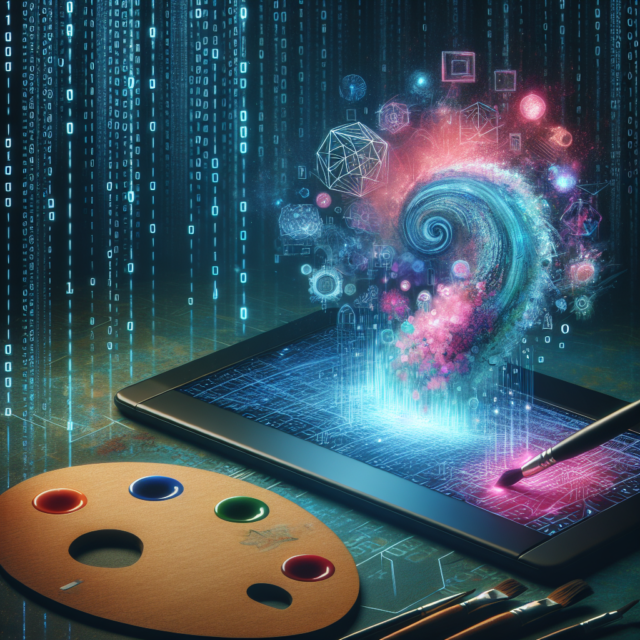
Digital art has emerged as a formidable force in the art world, breaking traditional boundaries and offering artists unprecedented opportunities for creativity and expression. This new creative era is characterized by the fusion of technology and artistry, allowing creators to explore new dimensions in their work. Unlike traditional art forms, digital art is not confined to physical mediums, enabling artists to experiment with vibrant colors, dynamic compositions, and interactive elements that captivate audiences in novel ways.

The accessibility of digital art tools has played a pivotal role in this revolution, making it easier for aspiring artists to enter the field. Software programs and applications offer intuitive interfaces and a wide array of features that empower artists to bring their visions to life without the need for expensive materials or studio spaces. This democratization of art creation has led to an explosion of diverse artistic voices and styles, enriching the cultural tapestry of the digital art world.

Moreover, digital art has redefined the way audiences engage with art. Online platforms and social media have become virtual galleries, where artists can showcase their work to a global audience instantaneously. This shift has not only expanded the reach of artists but also fostered a sense of community and collaboration among creators and art enthusiasts. The interactive nature of digital art, with its potential for virtual reality and augmented reality experiences, further enhances viewer engagement, offering immersive encounters that traditional art forms may not provide.

In educational settings, digital art is gaining recognition as an essential component of contemporary art education. Institutions are incorporating digital art courses into their curricula, acknowledging its significance in the modern art landscape. This integration not only equips students with the technical skills needed to thrive in the digital age but also encourages them to think critically about the intersection of technology and creativity.

The rise of digital art is also influencing the commercial art market. Galleries and auction houses are increasingly featuring digital works, recognizing their growing appeal and investment potential. This shift reflects a broader acceptance of digital art as a legitimate and valuable form of artistic expression, challenging longstanding perceptions of what constitutes "real" art.

As we stand on the cusp of this new creative era, it is clear that digital art is not just a fleeting trend but a profound evolution in the art world. Its rise signals a future where technology and creativity continue to intertwine, offering endless possibilities for artists and audiences alike.

Innovative Tools Shaping the Art Landscape

The digital art landscape is continuously evolving, driven by innovative tools and technologies that are reshaping how artists create and interact with their work. One of the most significant developments in this domain is the advent of advanced software programs that offer a wide range of capabilities. These tools provide artists with the freedom to experiment with different styles and techniques, from hyper-realistic digital paintings to abstract generative art.

Artificial intelligence (AI) is playing an increasingly prominent role in digital art, offering new possibilities for creativity and collaboration. AI-powered tools enable artists to generate unique compositions, enhance their creative processes, and even collaborate with machines to produce artworks that blend human intuition with algorithmic precision. This fusion of human and machine creativity is pushing the boundaries of what is possible in art, opening up new avenues for exploration and expression.

Virtual reality (VR) and augmented reality (AR) technologies are also making significant inroads into the digital art world, offering immersive experiences that transform how art is perceived and interacted with. Artists are using VR to create three-dimensional spaces that viewers can explore, while AR allows for the integration of digital elements into the physical world, creating interactive experiences that engage audiences in unprecedented ways.

The rise of 3D modeling and animation software has further expanded the digital art toolkit, enabling artists to create complex, lifelike representations and animations. These tools are not only enhancing the aesthetic possibilities of digital art but are also being used in industries such as gaming, film, and advertising, where visual storytelling is paramount.

Blockchain technology is another innovation that is influencing the digital art landscape, particularly in terms of authenticity and provenance. By using blockchain, artists can securely register their works, ensuring that ownership and originality are verifiable. This technology is addressing longstanding issues of art forgery and theft, offering new levels of security and trust for digital art transactions.

Overall, the innovative tools shaping the digital art landscape are empowering artists to push the boundaries of creativity and redefine the possibilities of art. As technology continues to advance, the potential for new forms of artistic expression will only grow, offering exciting opportunities for both creators and audiences.

The Impact of NFTs on Digital Art Markets

The emergence of non-fungible tokens (NFTs) has had a profound impact on digital art markets, revolutionizing how digital artworks are bought, sold, and valued. NFTs are unique digital assets that represent ownership and authenticity of a specific piece of digital content, stored securely on a blockchain. This innovation has created a new paradigm for digital art ownership, offering artists and collectors a novel way to engage with art.

One of the most significant impacts of NFTs on digital art markets is the establishment of a new economic model for artists. By minting their artworks as NFTs, artists can directly sell their creations to collectors, bypassing traditional intermediaries such as galleries and auction houses. This direct-to-collector model not only provides artists with greater financial returns but also fosters a closer connection between creators and their audience.

NFTs have also introduced a new level of transparency and traceability in the art market. Each NFT is linked to a specific artwork and contains metadata that verifies its provenance and ownership history. This transparency reduces the risk of fraud and forgery, offering collectors confidence in the authenticity of their acquisitions. As a result, the digital art market has become more accessible and trustworthy, attracting a broader audience of collectors and investors.

The NFT boom has also led to a reevaluation of the value of digital art. Traditional art markets have often undervalued digital works due to their intangible nature and perceived lack of scarcity. NFTs address this issue by creating a sense of scarcity and exclusivity, as each token is unique and cannot be replicated. This shift has resulted in a surge in demand for digital art, with some NFT artworks fetching multimillion-dollar prices at auction.

However, the rise of NFTs is not without controversy. Critics argue that the environmental impact of blockchain technology, particularly the energy-intensive process of minting NFTs, poses significant sustainability challenges. Additionally, the speculative nature of the NFT market has raised concerns about potential market volatility and the risk of financial losses for both artists and collectors.

Despite these challenges, NFTs have undeniably transformed digital art markets, offering new opportunities for artists and reshaping how digital art is perceived and valued. As the technology evolves and matures, it will be crucial for stakeholders to address these concerns and ensure that the benefits of NFTs are realized in a sustainable and equitable manner.

The world of digital art is in the midst of a dynamic evolution, driven by technological innovations and new market paradigms. As we explore the rise of digital art, the innovative tools shaping the art landscape, and the impact of NFTs on digital art markets, it becomes clear that this is a time of unprecedented change and opportunity. While challenges remain, the potential for creativity, collaboration, and connection in the digital art realm is boundless. As artists, collectors, and audiences continue to navigate this exciting terrain, the future of digital art promises to be as diverse and vibrant as the digital canvas itself.

Exploring the Intersection of Art and Technology

Exploring the Intersection of Art and Technology

In recent years, the intersection of art and technology has become a dynamic field of exploration, offering new possibilities for both artists and audiences. As technology continues to evolve, it reshapes the ways in which art is created, experienced, and interpreted. This article delves into three key aspects of this intersection: the historical evolution of art through technological advances, the rise of digital art as a medium that marries creativity with innovation, and the emergence of interactive installations that engage modern viewers in novel ways.

The Evolution of Art Through Technological Advances

Art has always been influenced by the technological advancements of its time, with each era bringing new tools and techniques that expand the boundaries of artistic expression. From the invention of the paintbrush to the development of photography, technology has continuously transformed the art world. The Renaissance, for instance, saw the introduction of linear perspective, a breakthrough that allowed artists to create more realistic and three-dimensional works. This period also witnessed the spread of oil paints, which offered artists a new medium with rich colors and longer drying times.

The Industrial Revolution marked another significant turning point, as it introduced mass production techniques and new materials like steel and glass. These innovations not only influenced the content of art but also its form, leading to the emergence of new movements such as Impressionism and Cubism. Artists began to experiment with these materials and techniques to challenge traditional notions of beauty and representation, paving the way for modern art.

In the 20th century, the advent of photography and film further revolutionized the art world. These mediums offered new ways to capture and depict reality, prompting artists to explore concepts like time, motion, and narrative in their work. The rise of digital technology in the late 20th and early 21st centuries has continued this trend, offering artists new tools like computer software, digital cameras, and virtual reality to push the boundaries of what is possible.

Today, technology continues to shape the evolution of art, with innovations like 3D printing, artificial intelligence, and blockchain opening up new possibilities for creation and distribution. Artists are now able to create works that are interactive, immersive, and even programmable, challenging traditional definitions of art and expanding its potential impact.

As technology advances, it also democratizes the art world, making it more accessible to a wider audience. Online platforms and social media allow artists to share their work with a global audience, while digital tools enable anyone with a computer or smartphone to create and share their own art. This democratization has led to a more diverse and inclusive art world, where voices that were previously marginalized can now be heard.

The evolution of art through technological advances is a testament to the enduring power of creativity and innovation. As artists continue to explore new tools and techniques, they push the boundaries of what is possible, creating works that challenge, inspire, and engage audiences in new and exciting ways.

Digital Art: Bridging Creativity and Innovation

Digital art represents a fusion of creativity and technology, offering artists a new medium through which to express their ideas and visions. Unlike traditional art forms, digital art is created using digital technology, such as computer software, tablets, and digital cameras. This allows for a level of precision and flexibility that is difficult to achieve with traditional tools, enabling artists to experiment with form, color, and composition in innovative ways.

One of the key advantages of digital art is its accessibility. With the proliferation of affordable software and devices, more people than ever before can create digital art, regardless of their background or experience. This has led to an explosion of creativity, with artists from all over the world sharing their work online and collaborating across borders. Digital art platforms and communities have emerged, fostering a sense of connection and collaboration among artists.

Digital art also offers new possibilities for interactivity and engagement. Artists can create works that respond to the viewer’s actions or change over time, creating a dynamic and immersive experience. This interactivity challenges traditional notions of art as a static object, inviting the audience to participate in the creation and interpretation of the work.

The rise of digital art has also led to new forms of artistic expression, such as virtual reality, augmented reality, and generative art. These mediums allow artists to create immersive environments and experiences that engage all the senses, pushing the boundaries of what art can be. Generative art, for example, uses algorithms and code to create complex and intricate patterns that would be impossible to achieve by hand.

Despite its many advantages, digital art also raises questions about authenticity and originality. The ease with which digital works can be copied and shared challenges traditional notions of ownership and value in the art world. However, technologies like blockchain are beginning to address these issues, offering new ways to authenticate and monetize digital art.

Overall, digital art represents a powerful convergence of creativity and innovation, offering new possibilities for artistic expression and engagement. As technology continues to evolve, it will undoubtedly continue to shape the future of digital art, opening up new avenues for exploration and experimentation.

Interactive Installations: Engaging the Modern Viewer

Interactive installations represent a transformative approach to art, where the viewer becomes an active participant rather than a passive observer. These installations use technology to create immersive environments that engage the senses and invite interaction, offering a dynamic and multi-layered experience. By blurring the lines between art and audience, interactive installations challenge traditional notions of art and create new opportunities for engagement.

One of the key features of interactive installations is their ability to respond to the viewer’s presence or actions. This can be achieved through sensors, cameras, or other technologies that detect and react to movement, sound, or touch. The result is an art experience that is personalized and unique to each viewer, creating a sense of connection and engagement that is difficult to achieve with traditional art forms.

Interactive installations often incorporate elements of sound, light, and motion to create a multi-sensory experience. This can transform a simple gallery space into an immersive environment that transports the viewer to another world. By engaging multiple senses, these installations can evoke powerful emotions and create a deeper connection with the audience.

The rise of interactive installations has been fueled by advancements in technology, such as virtual reality, augmented reality, and artificial intelligence. These technologies allow artists to create complex and dynamic environments that challenge the viewer’s perceptions and expectations. For example, virtual reality installations can transport viewers to entirely new worlds, while augmented reality can overlay digital elements onto the physical world, creating a seamless blend of reality and imagination.

Interactive installations also offer new opportunities for collaboration and community engagement. Artists can work with technologists, scientists, and other experts to create installations that explore complex themes and ideas. These collaborations can result in works that are not only visually stunning but also thought-provoking and educational, offering new insights into the world around us.

As technology continues to evolve, the potential for interactive installations is limitless. Artists are constantly exploring new ways to engage and challenge their audiences, creating works that are both innovative and impactful. By inviting viewers to become active participants in the art experience, interactive installations offer a new way to engage with art and the world around us.

The intersection of art and technology represents a dynamic and ever-evolving field of exploration, with each new advancement offering fresh possibilities for creativity and engagement. From the historical evolution of art through technological advances to the rise of digital art and the emergence of interactive installations, this intersection continues to push the boundaries of what is possible. As artists and technologists continue to collaborate and innovate, the future of art promises to be more diverse, inclusive, and engaging than ever before, offering new opportunities for connection and exploration in an increasingly digital world.

Exploring the Evolution and Impact of Digital Art

Exploring the Evolution and Impact of Digital Art

Digital art, a vibrant and dynamic form of creative expression, has revolutionized the way art is perceived, created, and consumed. As technology continues to evolve, so does the realm of digital art, offering endless possibilities for artists and audiences alike. This article delves into the historical roots of digital art, examines the technological advancements that have shaped its development, and evaluates its profound impact on modern culture.

The Historical Roots of Digital Art’s Emergence

The emergence of digital art can be traced back to the mid-20th century, a period marked by rapid technological advancements and an evolving artistic landscape. The post-war era saw the rise of computers, which began to capture the imagination of artists and engineers alike. In the 1960s, pioneers like Frieder Nake and Harold Cohen started experimenting with computer algorithms to create visual art, laying the groundwork for what would later be recognized as digital art.

During the 1970s, the development of early computer graphics software and hardware provided artists with new tools to explore their creativity. The introduction of the first personal computers enabled a broader audience to engage with digital media, making art more accessible and democratizing its creation. This period also saw the rise of video art and the use of television screens as canvases, further expanding the boundaries of traditional art forms.

In the 1980s, the advent of digital photography and image editing software like Adobe Photoshop revolutionized the art world. These tools allowed artists to manipulate images with unprecedented precision and creativity. The ability to create, edit, and distribute art digitally opened up new avenues for artistic expression and collaboration, fostering a sense of community among artists worldwide.

The 1990s marked a significant milestone in the evolution of digital art with the rise of the internet. Artists began to explore the possibilities of this new medium, creating web-based art and interactive installations that engaged audiences in novel ways. The internet also facilitated the global dissemination of digital art, enabling artists to reach a wider audience and participate in international dialogues.

As the new millennium approached, digital art continued to evolve, incorporating emerging technologies such as virtual reality and augmented reality. These innovations allowed artists to create immersive experiences that challenged traditional notions of art and its consumption. The boundaries between the physical and digital worlds began to blur, leading to the rise of hybrid art forms that integrated both realms.

Today, digital art has become an integral part of the contemporary art landscape, with artists pushing the boundaries of technology and creativity. The historical roots of digital art’s emergence reveal a rich tapestry of innovation and experimentation, setting the stage for its continued evolution in the years to come.

Technological Advancements Shaping Digital Creations

The evolution of digital art has been closely intertwined with technological advancements that have continually expanded the horizons of artistic creation. One of the most significant developments has been the enhancement of computer processing power, which has enabled artists to create more complex and detailed artworks. High-performance graphics processors have allowed for the rendering of intricate designs and animations, pushing the limits of what is possible in digital art.

The introduction of sophisticated software has also played a crucial role in shaping digital creations. Programs like Adobe Creative Suite, Blender, and Procreate have provided artists with powerful tools to manipulate images, create 3D models, and design interactive experiences. These software advancements have democratized the creation of digital art, allowing artists of all skill levels to experiment and innovate.

The rise of the internet and social media platforms has further transformed the digital art landscape by providing artists with new avenues for sharing their work and engaging with audiences. Platforms like Instagram, DeviantArt, and Behance have become virtual galleries where artists can showcase their creations to a global audience. This digital connectivity has fostered a sense of community and collaboration, enabling artists to learn from one another and push the boundaries of their craft.

Technological advancements in display technology have also influenced digital art. The development of high-resolution screens, 4K and 8K displays, and virtual reality headsets has enhanced the viewing experience, allowing audiences to engage with digital art in immersive and interactive ways. These technologies have opened up new possibilities for artists to create multisensory experiences that captivate and inspire.

The advent of blockchain technology and non-fungible tokens (NFTs) has introduced a new dimension to digital art, providing artists with a means to authenticate and monetize their work. NFTs have created a digital marketplace where artists can sell their creations directly to collectors, challenging traditional notions of art ownership and distribution. This technological innovation has sparked debates about the value and permanence of digital art, reshaping the art market and its dynamics.

As technology continues to advance, the possibilities for digital art are seemingly endless. Artificial intelligence and machine learning are beginning to play a role in the creation of art, with algorithms generating artworks and assisting artists in their creative processes. These technological advancements promise to further transform the landscape of digital art, offering new tools and opportunities for artists to explore and express their creativity.

Assessing Digital Art’s Influence in Modern Culture

Digital art has had a profound impact on modern culture, influencing the way we create, consume, and interact with art. One of the most significant aspects of this influence is the democratization of art creation, allowing individuals from diverse backgrounds to express themselves and share their work with a global audience. This accessibility has led to a more inclusive art world, where voices that were previously marginalized can now be heard and appreciated.

The rise of digital art has also challenged traditional notions of art and its boundaries. By blurring the lines between different mediums, digital art has expanded the definition of what art can be. This has led to the emergence of new genres and forms, such as digital installations, interactive art, and virtual reality experiences, which engage audiences in novel and immersive ways.

Digital art has also played a significant role in shaping contemporary visual culture. The prevalence of digital imagery in advertising, media, and entertainment has influenced aesthetic trends and visual communication. Artists and designers draw inspiration from digital art, incorporating its elements into mainstream culture and creating a feedback loop that continually evolves the visual landscape.

In addition to its aesthetic impact, digital art has also influenced the way we think about art ownership and distribution. The rise of NFTs and digital marketplaces has challenged traditional art market structures, offering artists new ways to monetize their work and engage with collectors. This shift has sparked discussions about the value and permanence of digital art, as well as its potential to disrupt established art institutions.

The impact of digital art extends beyond the art world, influencing other fields such as education, technology, and social activism. Digital art is increasingly being used as a tool for education and outreach, helping to communicate complex ideas and engage audiences in meaningful ways. Artists are also using digital platforms to raise awareness about social and environmental issues, leveraging their work to inspire change and action.

As digital art continues to evolve, its influence on modern culture is likely to grow, shaping the way we perceive and interact with the world around us. The integration of digital art into everyday life has transformed it from a niche interest into a mainstream phenomenon, reflecting and shaping the cultural zeitgeist in ways that are both profound and far-reaching.

The evolution and impact of digital art are testament to the transformative power of technology and creativity. From its historical roots to the technological advancements that continue to shape it, digital art has redefined the boundaries of artistic expression and cultural engagement. As we look to the future, the possibilities for digital art are boundless, promising new avenues for creativity, innovation, and cultural dialogue. Whether through immersive experiences, new forms of artistic collaboration, or the reimagining of art ownership, digital art remains at the forefront of cultural evolution, inspiring artists and audiences alike.

Popular Posts

My Favorites

New Lego Star Wars BB-8 Droid Building Set Is Available Now

0
The 569-piece BB-8 buildable figure looks like a great recreation of the lovable Astromech Droid from the Star Wars Sequel Trilogy. The model...