
Home Blog Page 1217

The Dream Life Awaits: Play ‘inZOI’ on GeForce NOW Anytime, Anywhere

0
The Dream Life Awaits: Play ‘inZOI’ on GeForce NOW Anytime, Anywhere


A new resident is moving into the cloud — KRAFTON’s inZOI joins the 2,000+ games in the GeForce NOW cloud gaming library.

Plus, members can get ready for an exclusive sneak peek as the Sunderfolk First Look Demo comes to the cloud. The demo is exclusively available for players on GeForce NOW until April 7, including Performance and Ultimate members as well as free users.

And explore the world of Atomfall — part of 12 games joining the cloud this week.

Cloud of Possibilities

Live the life of your dreams in the cloud.

In inZOI — a groundbreaking life simulation game by Krafton that pushes the genre’s boundaries — take on the role of an intern at AR COMPANY, managing virtual beings called “Zois” in a simulated city.

The game features over 400 mental elements influencing Zois’ behaviors. Experience the game’s dynamic weather system, open-world environments inspired by real locations and cinematic cut scenes for key life events — and even create in-game objects. inZOI lets players craft unique stories and live out their dreams in a meticulously designed virtual world.

Dive into the world of Zois without the need for high-end hardware. Members can manage their virtual homes, customize characters and explore the game’s dynamic environments from various devices, streaming its detailed graphics and complex simulations with ease.

A Magical Gateway

Sunderfolk’s First Look Demo has arrived on GeForce NOW, offering a tantalizing look into the magical realm of the Sunderlands. Designed as a TV-first experience, this shared-turn-based tactical role-playing game (RPG) enables using a mobile phone as the gameplay controller. Up to four players can gather around the big screen and embark on a journey filled with strategic battles.

This second-screen approach keeps players engaged in real time, adding new layers of immersion. With all six unique character classes unlocked from the start, players can experience the early hours of the game, experimenting with different team compositions and tactics to overcome the challenges that await.
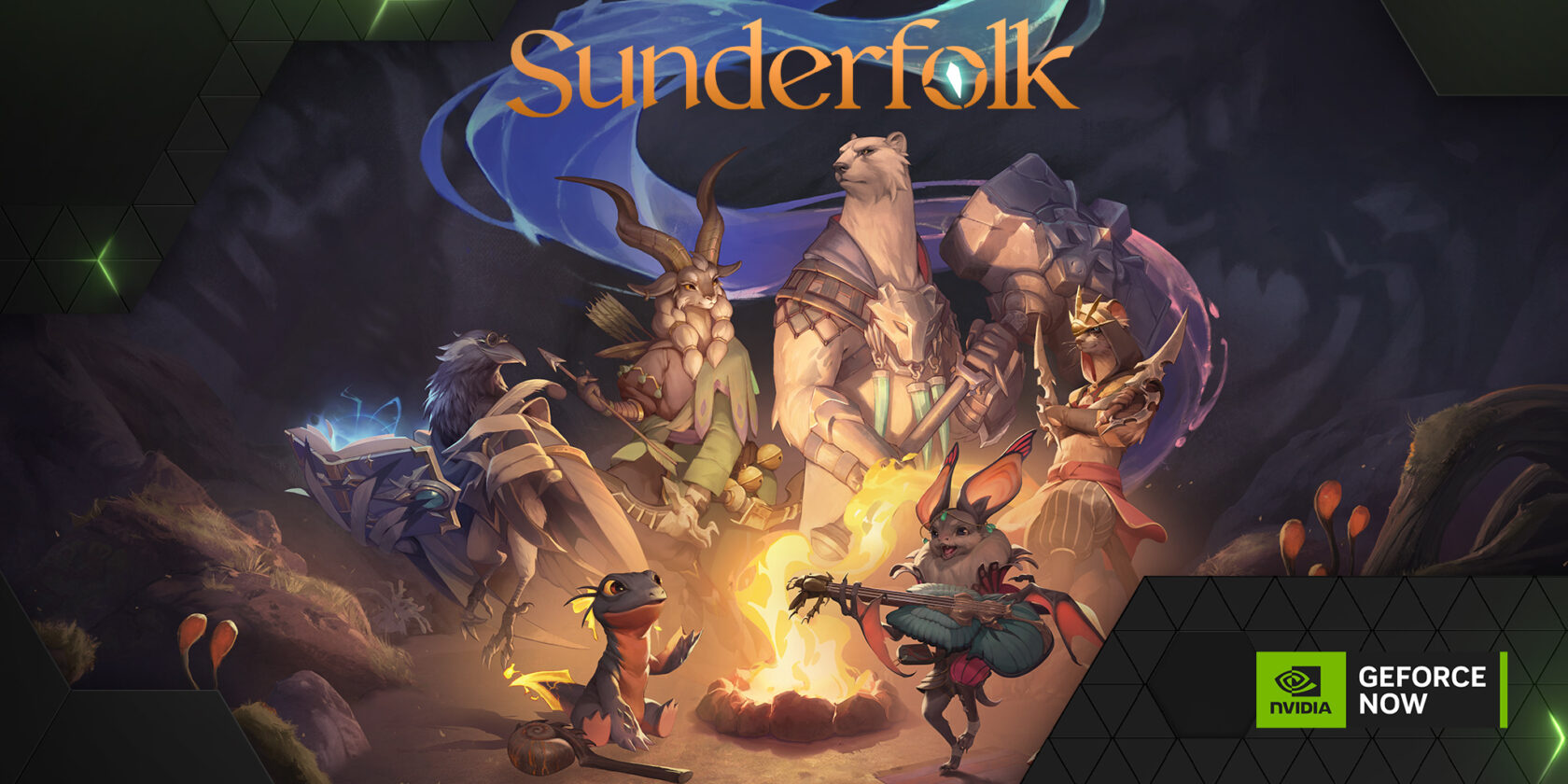
Sunderfolk First Look Demo on GeForce NOW
Let the magic begin.

Accessing the demo is a breeze — head to the GeForce NOW app, select Sunderfolk and jump right in. Explore the Sunderlands, engage in flexible turn-based combat and help rebuild the village of Arden to get a taste of the full game’s depth and camaraderie.

Gather the gaming squad, grab a phone and prepare to write a completely new legend in this RPG adventure. The First Look Demo is only available on GeForce NOW, where members can enjoy high-quality graphics and seamless gameplay on their phones and tablets, along with the innovative mobile-as-controller mechanic that makes Sunderfolk’s couch co-op experience so engaging.

Epic Adventures Await
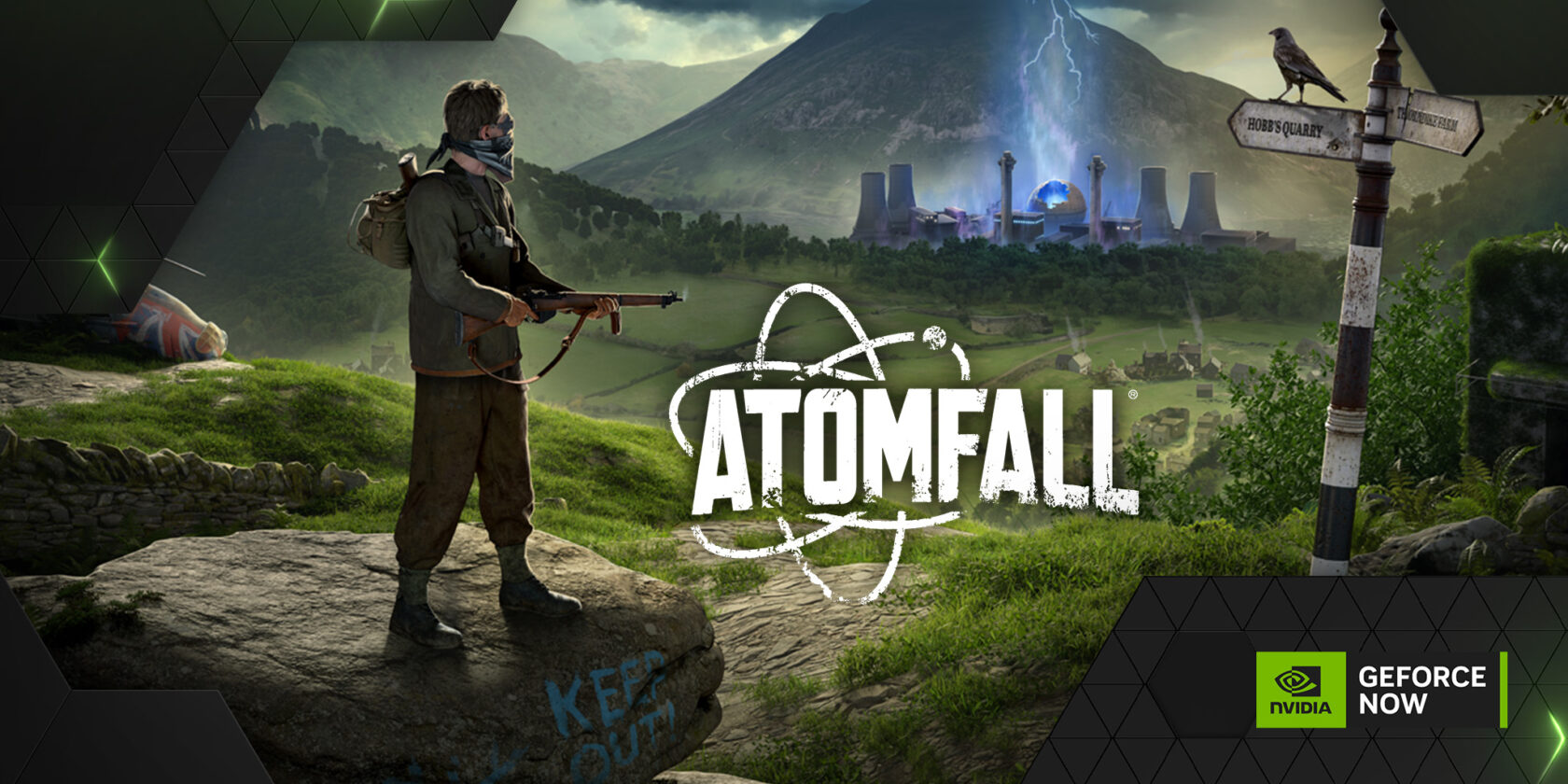
Atomfall on GeForce NOW
Enter a world where danger lurks in every shadow.

Blending folk horror and intense combat, Atomfall is a survival-action game set in an alternate 1960s Britain, where the Windscale nuclear disaster has left Northern England a radioactive wasteland. Players explore eerie open zones filled with mutated creatures, cultists and Cold War mysteries while scavenging resources, crafting weapons and uncovering the truth behind the disaster. GeForce NOW members can stream it today across their devices of choice.

Look for the following games available to stream in the cloud this week:

Sunderfolk First Look Demo (New release, March 25)
Atomfall (New release on Steam and Xbox available on PC Game Pass, March 27)
The First Berserker: Khazan (New release on Steam, March 27)
inZOI (New release on Steam, March 27)
Beholder (Epic Games Store)
Bus Simulator 21 (Epic Games Store)
Galacticare (Xbox, available on PC Game Pass)
Half-Life 2 RTX Demo (Steam)
The Legend of Heroes: Trails through Daybreak II (Steam)
One Lonely Outpost (Xbox, available on PC Game Pass)
Psychonauts (Xbox, available on PC Game Pass)
Undying (Epic Games Store)

What are you planning to play this weekend? Let us know on X or in the comments below.


Source link

Parallel TCG Mobile Debuts in the Philippines

    0
    Parallel TCG Mobile Debuts in the Philippines


    Parallel TCG has officially launched its mobile version on Android—starting with the Philippines.

    This rollout marks the game’s first step into mobile gaming and is part of a broader effort to make the title more accessible worldwide. The release delivers the full Parallel experience in a format optimised for smartphones, allowing players to build decks, choose factions, and battle others.

    Feedback from local players is expected to shape updates and feature refinement.

    Parallel TCG Mobile Debuts in the Philippines Ahead of Global Release Source: Parallel

    Gameplay Overview

    At its core, Parallel TCG is a turn-based strategy game where players select one of five “Parallels”—futuristic factions that represent alternate versions of humanity after a global disaster.

    Each faction offers a distinct playstyle, card pool, and strategic philosophy. Players construct 40-card decks using units, effects, and relics to outsmart opponents and reduce their health to zero.

    Gameplay centres on managing an energy resource system and reacting to an evolving battlefield. With each turn, players make critical decisions about which cards to play and when to strike. The result is a layered, tactical experience that rewards foresight and adaptation.

    Parallel TCG Mobile Debuts in the Philippines Ahead of Global Release
    Parallel TCG Mobile Debuts in the Philippines Ahead of Global Release Source: Parallel

    What’s next for Parallel?

    The mobile version brings the full game experience to Android devices, retaining all of the competitive mechanics seen in the desktop release. Developers say the client has been carefully optimised to deliver smooth performance and intuitive touch controls without compromising strategic depth.

    In addition to portability, the team behind Parallel plans to introduce mobile-only events, seasonal ladders, and social features that support more flexible gaming sessions. Pre-registration for the mobile version opened earlier this month, with thousands of users signing up ahead of launch.

    The Philippine launch signals the beginning of a gradual global rollout, with additional regions expected to gain access to the mobile client in the weeks ahead. Whilst no exact dates have been announced, the team has committed to providing updates on iOS availability and broader market access soon.


    Source link

    Animated series ENA gets a video game with the free surreal adventure ENA: Dream BBQ

    0
    Animated series ENA gets a video game with the free surreal adventure ENA: Dream BBQ


    I’ll admit I’m pretty uncultured apparently as seeing the release of ENA: Dream BBQ today led me down a bit of a rabbit hole about the ENA animated series. After watching what’s available, I still have absolutely no idea what’s going on. Perhaps it’s just not my thing but apparently it is for a lot of people.

    Now available with Native Linux support, ENA: Dream BBQ was announced multiple years ago (2021) with Chapter 1 now available. It’s free but there’s also an optional supporter pack DLC with some extra goodies. The Steam page doesn’t exactly give much away about it:

    The first interactive adventure of the ENA series by Joel G.


    Play as ENA as she searches for the Boss that everyone wants to be. Explore strange worlds, take on side gigs, and meet both sweet and sour characters along the journey.


    There is a lot to encounter on your adventures:


    Explore new environments filled with hidden secrets and oddities.
    Meet different characters who only want you to do things for them.
    Use strange Tools to solve unusual problems.
    Live the experience of being the least popular person at any party.

    Seems people like it with an Overwhelmingly Positive user rating on Steam.

    Article taken from GamingOnLinux.com.


    Source link

    Chronicle Secures $12 Million to Drive Blockchain Excellence in Tokenized Asset Management – Web3oclock

    0
    Chronicle Secures  Million to Drive Blockchain Excellence in Tokenized Asset Management – Web3oclock


    Driving Tokenized Asset Adoption with Verified Data:

    Expanding Infrastructure and Compliance Measures:

    Addressing the Growing Demand for Tokenized Assets:

    Strategic Vision for the Future:

    About Chronicle:


    Source link

    Maiven Gains €1.7 Million to Transform Climate Policy Tracking Through AI – Web3oclock

    0
    Maiven Gains €1.7 Million to Transform Climate Policy Tracking Through AI – Web3oclock


    Addressing Climate Policy Challenges with AI:

    Strategic Partnership with Climate Impact Partners

    Real-Time Monitoring and Automated Alerts:

    About Maiven:


    Source link

    Top NFT Collections – March 27, 2025 | NFT CULTURE | NFT News | Web3 Culture | NFTs & Crypto Art

    0
    Top NFT Collections – March 27, 2025 | NFT CULTURE | NFT News | Web3 Culture | NFTs & Crypto Art


    Top NFT Collections (Last 24h)

    Here are the hottest NFT Collections of the day.

    Rank

    Name
    Volume
    Transactions
    Chains
    URL

    1

    Uniswap v4 Positions NFT
    560.90 ETH
    7
    ethereum
    View

    2
    Courtyard.io
    Courtyard.io
    349.83 ETH
    11731
    polygon
    View

    3
    CryptoPunks
    CryptoPunks
    300.19 ETH
    5
    ethereum
    View

    4
    Pudgy Penguins
    Pudgy Penguins
    195.94 ETH
    19
    ethereum
    View

    5
    Bored Ape Yacht Club
    Bored Ape Yacht Club
    177.67 ETH
    12
    ethereum
    View

    6
    pattern recognition
    pattern recognition
    150.00 ETH
    67
    ethereum
    View

    7
    SMB Gen2
    SMB Gen2
    0.00 ETH
    95
    solana
    View

    8
    Doodles
    Doodles
    103.78 ETH
    33
    ethereum
    View

    9
    Good Vibes Club
    Good Vibes Club
    104.75 ETH
    267
    ethereum
    View

    10
    Azuki Elementals
    Azuki Elementals
    94.75 ETH
    339
    ethereum
    View

    The post Top NFT Collections – March 27, 2025 appeared first on NFT CULTURE.


    Source link

    Elizabeth Warren Calls Stablecoin Bill a Trump and Musk ‘Grift’ – Decrypt

    0
    Elizabeth Warren Calls Stablecoin Bill a Trump and Musk ‘Grift’ – Decrypt


    On Wednesday, U.S. Senator Elizabeth Warren (D-MA) took aim at a stablecoin-focused bill making its way through Congress, accusing U.S. President Donald Trump of using the legislation to further his own financial interests.

    The Massachusetts senator shared the critique while linking a post about President Trump’s decentralized finance project, World Liberty Financial, launching its own stablecoin USD1 on Ethereum and Binance’s BNB Chain.

    Warren voiced her concerns on social media, claiming President Trump is leveraging the project as a “grift” to “enrich” himself. 

    “Congress should step up and fix the current stablecoin bill moving through the Senate that will make it easier for Trump—and Elon Musk—to take control of your money,” Warren wrote, criticizing the “Financial Innovation and Technology for the 21st Century Act” (FIT21) bill.

    The FIT21 bill seeks to create a clear regulatory framework for digital assets, with U.S. Rep. French Hill (R-AR) mentioning that in the “next few days,” legislators will roll out a revised bill.

    In the meantime, the Trump administration is moving to make the U.S. the “crypto capital of the world” through a series of initiatives, including the creation of a SEC Task Force dedicated to overseeing digital asset regulations. 

    President Trump also called for “simple, common-sense rules for stablecoins and market structure” during a video call at the Blockworks crypto conference in New York last Thursday.

    The stablecoin market currently holds over $238 billion in circulation, as per CoinGecko data, with Tether (USDT) making up a significant portion. 

    Trump’s crypto czar, David Sacks, has previously promised to introduce legislation on stablecoins and market structures within the first 100 days of Trump’s second term.

    The Massachusetts senator recently challenged Sacks to prove he’s not “directly profiting off of the Trump Administration’s efforts to selectively pump the value of certain crypto assets,” as he claimed he sold all his crypto assets before beginning in his role as crypto czar.

    Elon Musk’s influence within the government, particularly through his role in the Department of Government Efficiency (DOGE), has only fueled Warren’s concerns. 

    The initiative, which Musk heads, aims to reduce government bureaucracy and eliminate excess regulations, but it has faced criticism for potentially giving Musk—and by extension, his business interests—a disproportionate amount of influence over U.S. financial policy.

    In January, Warren lambasted DOGE in a letter to the Dogecoin aficionado, accusing the department of being a potential “venue for corruption.” 

    The senator’s letter to Musk suggested a range of changes, including cracking down on tax loopholes for the wealthy and reforming government contracts to cut wasteful spending.

    Edited by Sebastian Sinclair

    Daily Debrief Newsletter

    Start every day with the top news stories right now, plus original features, a podcast, videos and more.


    Source link

    Exploring Oscar-Winning Sci-Fi Movies: Defying Genre Norms | MarkMeets Media

      0
      Exploring Oscar-Winning Sci-Fi Movies: Defying Genre Norms | MarkMeets Media


      Sci-Fi’s Struggle at the Oscars

      Oscar-winning Sci-Fi Movies, a rarity in the realm of prestigious awards, often face an uphill battle. Despite their popularity with audiences, these genre films seldom secure recognition from the Academy. While some recent exceptions like “The Shape of Water” and “Everything Everywhere All At Once” have broken barriers, the historical trend reveals a preference for more traditional narratives. However, beneath the surface, a handful of sci-fi classics have triumphed, earning well-deserved accolades from the esteemed institution.

      Dr. Jekyll And Mr. Hyde: A Surprising Triumph

      Best Actor Honors

      The 1931 adaptation of “The Strange Case of Dr. Jekyll and Mr. Hyde” stands as a pioneering moment for sci-fi cinema. Fredric March’s portrayal of the titular characters earned him the coveted Best Actor Oscar, marking a significant milestone in the genre’s recognition by the Academy.

      20,000 Leagues Under The Sea: Disney’s Artistic Feat

      Art Direction and Special Effects

      Disney’s “20,000 Leagues Under the Sea” broke new ground, securing Oscars for Art Decoration and Special Effects. Its innovative visual presentation and technical prowess set a precedent for future sci-fi endeavors, earning it a place in cinematic history.

      2001: A Space Odyssey: A Masterpiece Overshadowed

      Best Special Effects Recognition

      Stanley Kubrick’s magnum opus, “2001: A Space Odyssey,” redefined sci-fi filmmaking. Despite its groundbreaking narrative and visual spectacle, the film received limited recognition at the Oscars. However, its win for Best Special Effects remains a testament to its enduring impact on the genre.

      Star Wars: A New Hope: A Cultural Phenomenon

      Multifaceted Triumph

      “Star Wars” revolutionized cinema, becoming a cultural phenomenon of unparalleled proportions. Its sweeping success at the Oscars, with wins across multiple categories including Best Original Score and Visual Effects, solidified its status as a groundbreaking work of art.

      E.T. The Extra-Terrestrial: A Heartfelt Journey

      John Williams’ Iconic Score

      Steven Spielberg’s “E.T. The Extra-Terrestrial” captivated audiences worldwide with its poignant narrative and endearing characters. While it fell short of securing major awards, John Williams’ emotive score earned the film critical acclaim and four Oscars.

      Aliens: Pushing Boundaries

      Visual and Auditory Excellence

      James Cameron’s “Aliens” elevated the sci-fi genre with its compelling storytelling and immersive world-building. Garnering Oscars for Visual Effects and Sound Editing, the film showcased the genre’s ability to captivate audiences on multiple fronts.

      Terminator 2: Judgment Day: Technological Marvel

      Digital Innovations Recognized

      “Terminator 2: Judgment Day” redefined cinematic spectacle with its groundbreaking visual effects and immersive sound design. James Cameron’s visionary masterpiece garnered widespread acclaim and four Oscars, including Best Visual Effects and Sound Editing.

      Jurassic Park: A Triumph of Imagination

      Visual and Auditory Brilliance

      Steven Spielberg’s “Jurassic Park” captivated audiences with its groundbreaking visual effects and immersive soundscapes. The film’s triumphant recognition at the Oscars underscored its enduring impact on the sci-fi genre.

      Blade Runner: A Dystopian Masterpiece

      Visual and Artistic Brilliance

      Ridley Scott’s “Blade Runner” is a seminal work in the sci-fi genre, renowned for its dystopian vision and stunning visual effects. While it didn’t receive widespread recognition at the Oscars, its enduring influence on cinema is undeniable.

      The Matrix: Redefining Reality

      Revolutionary Visuals

      “The Matrix,” directed by the Wachowskis, shattered conventions with its groundbreaking visual effects and innovative storytelling. While it was recognized with Oscars for its technical achievements, its cultural impact transcends awards.

      Gravity: A Cinematic Spectacle

      Technical Excellence

      Alfonso Cuarón’s “Gravity” stunned audiences with its breathtaking visuals and immersive cinematography. The film’s remarkable technical achievements earned it multiple Oscars, reaffirming its status as a modern sci-fi classic.

      Inception: Exploring Dreams

      Conceptual Ingenuity

      Christopher Nolan’s “Inception” captivated audiences with its mind-bending narrative and innovative visuals. While it received accolades for its technical achievements, its thought-provoking exploration of dreams and reality resonated deeply with audiences.

      Interstellar: A Journey Through Space and Time

      Epic Exploration

      Christopher Nolan’s “Interstellar” took audiences on an epic journey through space and time, exploring themes of love, sacrifice, and the human spirit. While it was recognized for its technical achievements, its emotional depth and philosophical undertones set it apart as a sci-fi masterpiece.

      A Glimpse of Hope: Recent Successes

      Recent triumphs like “Everything Everywhere All At Once” signal a shift in the Academy’s attitude towards sci-fi cinema. As the genre continues to evolve, there’s optimism that future films will receive the recognition they deserve, paving the way for a new era of sci-fi excellence at the Oscars.

      Author Profile

      Stevie Flavio
      Film Writer

      Email https://markmeets.com/contact-form/


      Source link

      The UX overhaul blockchain needs to reach a billion users

      0
      The UX overhaul blockchain needs to reach a billion users


      The following is a guest post from Susannah Evans, IBC Product Lead at Interchain Foundation.

      The future of the internet is shaping up to be promising, and there is no doubt that blockchain and Web3 technologies have been at the forefront of this innovation, promising decentralization, security, and financial sovereignty. However, despite all its advancements, mass adoption of the technology still remains elusive. The primary culprit? A poor user experience. Even though interoperability protocols have improved significantly, the process of moving assets and interacting across multiple chains still remains too complex for institutional and everyday users.

      The recent Cross-Chain Interoperability Report 2024 highlights that the biggest challenge to adoption is the high friction users face when they navigate blockchain ecosystems. As of today, users need to manage multiple wallets, manually sign numerous transactions, and navigate complexities when identifying the optimal route for transferring assets between chains. These inefficiencies have forced users into ecosystem silos rather than encouraging them to explore more cross-chain interactions.

      When comparing the Web2 experience to that of Web3, the difference is night and day. Take traditional financial transactions as an example. There is still a lot of complexity in Web2, but Web2 is just better at hiding it, meaning users can navigate this space without thinking about the backend. For instance, when sending money through a payment app, users need not bother about bank settlement layers, messaging protocols, or verifying different clearing mechanisms. Web3, by comparison, places too much of this burden on users, making it essential for them to understand the backend and thereby forcing them to deal with intricate transaction approvals, security risks involved, and token management systems. This has been fine to date for an audience of crypto enthusiasts keen to understand the tech on which they operate. However, as the Web3 ecosystem looks to scale to a global user base, the industry must rethink this user experience to captivate the attention of the layperson that has no prior dealings with blockchain.

      Interoperability’s growing pains – what’s stopping Web3 from going mainstream?

      There is no denying that interoperability is solving some of the technical limitations of blockchain technology. However, for users, the experience still leaves much to be desired. Recent data indicated that over 85 million people worldwide use blockchain wallets. However, despite the growing adoption, the challenge of wallet fragmentation remains a glaring issue. Unlike in Web2, where a single login provides access to multiple services, blockchain requires users to maintain different wallets for different ecosystems. This makes cross-chain interactions painstaking, as the experience of switching between multiple wallets is neither intuitive nor seamless.

      Managing wallets across chains continues to remain a major point of friction for users. While transaction batching has reduced the burden of multi-signing, users still often need to switch wallets when interacting across different blockchains. This process is not only painstaking but also increases the likelihood of human errors—such as approving the wrong contract accidentally or sending assets to an incorrect address—leading to a potential loss of funds. Seamless interoperability should mean users can move assets and interact across chains without needing to constantly switch wallets or navigate complex approval processes that are still manual.

      Security concerns complicate the case for Web3 adoption further. With an aggregate of $2.7 billion lost in cross-chain bridge exploits from July 2021 till Aug 2024 alone, it should come as no surprise that many users hesitate to move assets across blockchains due to fear of hacks or transaction failures. When a single mistake can result in permanent asset loss, it comes as no surprise that even experienced users remain cautious when engaging in cross-chain transactions. While significant strides have been made in addressing these challenges, it is essential that interoperability solutions factor in differences among chains to build trust and ensure security, reliability, and a seamless experience for everyday users.

      Solver-based bridging: A new approach to UX

      One of the emerging solutions to blockchain’s user experience crisis is intent-centric/solver-based bridging protocols. Acting as a form of chain abstraction, these protocols operate on an “intent” or specific goal that a user wishes to accomplish within a chain—for example, swapping tokens between two chains without the need to navigate the cross-chain complexities themselves. Instead of having to select a bridge, sign multiple transactions manually, and then monitor the process until the transaction is complete, users are simply required to define their intent, and automated solvers execute the action in the most efficient way possible. Intent-based chain abstraction solutions are becoming an increasingly popular architecture, with many component-based products potentially coming together like puzzle pieces to gradually shape the final form of chain abstraction.

      For example, if a user wants to exchange ETH on Ethereum for USDC on Solana, a solver-based protocol has the capability to identify the best route, align all the necessary approvals, and then complete the transaction—all this without the user being required to make any technical decisions. This drastically reduces the high level of friction users face and improves security by minimizing errors due to manual interventions.

      Intent-centric/solver-based bridging protocols aren’t just about simplifying transactions; they are also about making Web3 interactions feel as smooth as traditional Web2 experiences. With these solver-based protocols handling tasks like route optimization and execution, users no longer need to worry about the underlying infrastructure as they simply get their desired result.

      Making the Web3 backend invisible: Are chain abstraction and ZKPs the solution?

      For Web3 to reach a stage of mass adoption, the underlying complexities that users must currently navigate need to be eliminated. While solver-based bridging protocols improve cross-chain interoperability, chain abstraction and zero-knowledge proofs can be implemented in many other ways to make the overall Web3 UX better. While chain abstraction makes blockchain interactions feel seamless, allowing everyday users to engage with dApps without worrying about the underlying infrastructure, zero-knowledge proofs (ZKPs) enable the verification of information without revealing the information itself, giving individuals and organizations assurance that their information is safe. These technologies eliminate the need for users to switch networks, bridge assets, or manage different token standards. Additionally, these advancements move blockchain technology beyond just technical innovation and into a system that simply works well. If it wasn’t evident already, it should be by now that the most successful technology isn’t the most complex—rather, it’s the one people don’t even realize they’re using. This is reflected in the popularity of these technologies, which are already gaining traction.

      The Web3 industry has spent years and significant resources looking for solutions to improve scalability, security, and interoperability along with building trust. It is now time to bring into sharp focus the evolving needs of users and make this pathbreaking technology accessible to everyday users. If the Web3 ecosystem truly wants to onboard the next billion users, it is time the user experience becomes a key priority and the focus shifts from just building infrastructure.

      It can be said in no clearer words—user experience is the key to mainstream adoption. Solutions like solver-based bridging protocols, chain abstraction, and zero-knowledge proofs represent a fundamental shift in how users are beginning to interact with various blockchains. By prioritizing these innovations, the Web3 ecosystem is on a path where the future of Web3 becomes as seamless as what we all have come to expect with Web2. After all, a billion users won’t adopt blockchain technology because of what it can do—it will only see mainstream adoption when individuals can engage with it without even thinking about it.

      Mentioned in this article

      XRP Turbo


      Source link

      How to Play Legend of Ymir: Complete Guide to Features and Gameplay | NFT News Today

      How to Play Legend of Ymir: Complete Guide to Features and Gameplay | NFT News Today


      Legend of Ymir combines Norse mythology with futuristic sci-fi elements in a visually stunning MMORPG built with Unreal Engine 5 by WeMade XR. This comprehensive guide walks through every aspect of gameplay, from mastering combat mechanics to engaging with the game’s unique blockchain economy and seasonal content.

      Key Takeaways

      *   Choose from four distinct classes, including the close-combat Berserker and support-focused Skald, each with unique skill trees

      *   Participate in guild-based territory control and large-scale PvP battles with up to 20 players

      *   Take advantage of the game’s blockchain integration for trading rare materials and items

      *   Master both manual and automatic combat mechanics to succeed in battles

      *   Explore seamless environments with dynamic weather systems that affect gameplay

      Introduction to Legend of Ymir

      Legend of Ymir is an ambitious MMORPG developed by WeMade XR, a subsidiary of South Korean gaming giant WeMade. Built using Unreal Engine 5, the game creates a unique fusion of Norse mythology and futuristic sci-fi elements, resulting in a visually stunning gaming experience. Following its February 2025 launch in Korea, the game quickly topped the Google Play Store charts, with a global release planned for the near future.

      At its core, Legend of Ymir offers a player-driven narrative where your choices influence faction alliances and story outcomes. The game’s dynamic combat system, blockchain-integrated economy, and regular seasonal content updates keep gameplay fresh and engaging for both casual and hardcore gamers.

      World of Ymir

      The game’s world features seamless, diverse environments rendered in Unreal Engine 5’s photorealistic detail. Players can explore icy tundras, volcanic regions, and mystical forests as part of a connected open world. Dynamic systems, including day-night cycles and weather impacts, add depth to exploration – for example, blizzards can reduce visibility in certain areas, changing how you approach challenges.

      Hidden throughout the world are lore locations that reveal more about the game’s unique mythology. The branching narrative allows your choices to shape not just the story but also which factions you’ll align with. Quest types include:

      Main storyline quests that drive the central narrative

      Side quests offering resource rewards and character development

      Epic raid-based missions requiring team coordination

      Combat System and Classes

      Legend of Ymir features an action-oriented combat system that balances manual controls with automatic options for accessibility. The manual control system rewards skill with post-judgment evasion mechanics, while automatic options help newer players enjoy the game without feeling overwhelmed.

      Players can choose from four distinct classes, each with unique playstyles and abilities:

      Berserker: Wields axes for close combat with charged swings that deal area damage

      Skald: Support class using runes and healing abilities to assist allies

      Völva: Magic user deploying elemental spells for ranged combat dominance

      Warlord: Specializes in spears for crowd control and battlefield management

      The combat features 14 fixed paylines for skill activation and combo-based attack systems that reward mastery and timing. Each class has specific skill trees that allow for customization – for instance, Skalds can focus on healing runes while Warlords might specialize in spear combos for maximum battlefield control.

      Character Progression and Customization

      Legend of Ymir offers extensive appearance options including hairstyles, facial features, tattoos, and armor dyes. These cosmetic choices do more than just affect how you look – they can influence NPC interactions. An intimidating appearance might even earn you discounts from blacksmiths who respect strength.

      The game’s Mastery System rewards repeated actions with specialized perks. For example, mining the same resource types regularly will gradually increase your yield, making resource-gathering more efficient over time.

      The crafting system allows players to gather materials throughout the world to forge top-tier gear. Major hubs feature crafting stations where you can create weapons, armor, and consumables to support your adventures.

      Multiplayer Features and PvP

      The guild system forms the backbone of Legend of Ymir’s social experience, with territory control mechanics allowing guilds to compete for zones that provide resource bonuses. Cooperative play includes 10-20 player raids with traditional role-based mechanics (tank, healer, DPS) requiring coordination and strategy.

      PvP options are varied and cater to different playstyles:

      Arena Matches ranging from 1v1 duels to 10v10 team battles with ranking systems

      Open-World Conflict where factions battle in contested zones using siege weapons

      Large-scale PvP sieges focusing on territorial dominance

      These battles create a dynamic player ecosystem where alliances and rivalries develop organically, adding depth to the game world beyond scripted content.

      Economy and Seasonal Content

      Legend of Ymir stands out with its blockchain integration, using Ymir’s Coin Economy to ensure item scarcity and transparency through distributed ledger technology. This system creates a player-driven marketplace where rare materials and items have real value.

      The game maintains freshness through seasonal resets that bring new battlefields, enemies, and story arcs. Limited-time events offer exclusive gear that can’t be obtained through normal gameplay, encouraging regular participation.

      The blockchain marketplace allows players to trade rare materials and items, creating an economy where skilled crafters and resource gatherers can specialize and thrive.

      Technical Requirements and Platform Support

      Built on Unreal Engine 5, Legend of Ymir delivers photorealistic textures and physics that push mobile gaming boundaries. The game supports cross-platform play between Android and iOS devices, with controller compatibility for those who prefer physical controls.

      Storage requirements vary by platform:

      The game’s engine optimization allows for scalable graphics settings, making it playable on a wide range of devices from mid-range phones to high-end gaming PCs.

      Essential Tips for New Players

      If you’re just starting your journey in Legend of Ymir, these tips will help you progress efficiently:

      Prioritize story quests early to unlock fast travel points and essential combat skills

      Join a guild as soon as possible to access group dungeons and valuable crafting blueprints

      Take full advantage of seasonal events to farm limited-time rewards that may not return

      Learn to manage resources efficiently by using the blockchain marketplace

      Experiment with different classes to find the playstyle that suits you best

      Start with Arena Matches before jumping into large-scale PvP conflicts

      By focusing on these fundamental strategies, you’ll build a solid foundation for your Legend of Ymir adventure and avoid common early-game mistakes.

      Sources

      [exitlag.com – Legend of Ymir Game – https://www.exitlag.com/blog/legend-of-ymir-game/ 

      [chaosleague.org – Eclipse LARP Guide] – https://chaosleague.org/eclipse-larp-guide/    

      [asamigames.com – The Upcoming Legend of Ymir MMORPG Release] – https://asamigames.com/the-upcoming-legend-of-ymir-mmorpg-release/ 

      [gamespress.com – WEMADE’s Legend of Ymir Dominates Korea] – https://www.gamespress.com/pt/WEMADEs-Legend-of-Ymir-Dominates-Korea-Tops-Google-Play-Store-Populari


      Source link

      Popular Posts

      My Favorites