Home Blog Page 116

The Truth Behind Buying a Star: A Legal Illusion | Metaverse Planet

The Truth Behind Buying a Star: A Legal Illusion | Metaverse Planet


I couldn’t believe my eyes when I first went down this rabbit hole. For years, I honestly thought “buying a star” for someone was just a sweet, highly romantic, and incredibly unique gift. You pay a fee, you get a beautiful parchment certificate with gold foil, a celestial map pointing to a specific coordinate, and suddenly, a tiny speck of light lightyears away bears the name of someone you love. It sounds like magic, doesn’t it?

But as I started doing some digging for my latest deep dive, that magic quickly faded into a rather shocking reality. Those expensive certificates? They are a complete legal illusion.

It absolutely blows my mind that companies have managed to build a multi-million-dollar industry off a massive legal loophole. Today, I want to take you behind the curtain of the star-registry business, explain why you don’t actually own a thing, and explore the wild world of space law. Buckle up, because this gets fascinating.

The Billion-Dollar Novelty Industry

We’ve all seen the ads. Whether it’s for Valentine’s Day, a memorial for a lost loved one, or a birthday present for the person who has everything, naming a star feels special. The premise is simple:

You pick a star package (usually ranging from $30 to over $100).You choose a name.The company logs that name into their “official registry.”They send you a glossy certificate and a star chart.

When you hold that certificate, it feels official. It looks like a property deed. But here is the catch that I found absolutely crazy: these registries are entirely private. They are nothing more than a copyrighted book or a private database sitting on a company’s server. They have absolutely zero scientific, governmental, or legal authority.

When you buy a star, you aren’t buying real estate. You are buying a novelty item. It’s the equivalent of me writing your name on a piece of paper, pointing to a tree in a public park, and saying, “This tree is now legally named after you in my personal notebook.”

Enter the IAU: The Only Real Name-Givers

To understand why your certificate doesn’t hold up in the real world, we have to look at how space actually gets categorized.

If you ask any astronomer, they will point you to the International Astronomical Union (IAU). Founded in 1919, the IAU is the only internationally recognized authority responsible for naming celestial bodies and their surface features.

The IAU’s stance on commercial star registries is crystal clear: They do not recognize them. Period.

To the scientific community, stars aren’t named “Sarah’s Shining Light” or “John Doe Alpha.” They are given alphanumeric designations like HD 209458 or Kepler-186. On very rare occasions, the IAU might name a star or exoplanet after a historical figure or through highly specific public naming campaigns—but they never sell these names.

So, when you gaze up at the night sky looking at the star you bought, just know that to every telescope, space agency, and scientist on Earth, your chosen name simply does not exist.

Space Law 101: The Outer Space Treaty
Okay, so you can’t officially name the star. But what about the real estate? What if you bought the “deed” to the star and its surrounding planets? This is where my research took a wild turn into international law.

Back in the Cold War era, when the US and the Soviet Union were racing to the Moon, the United Nations realized they needed some ground rules before someone tried to claim the Moon as sovereign territory. The result was the Outer Space Treaty of 1967, which forms the basis of all international space law.

Here are the critical takeaways from the treaty that completely invalidate your star deed:

No National Appropriation: Article II of the treaty explicitly states that outer space, including the Moon and other celestial bodies, is not subject to national appropriation by claim of sovereignty.The Heritage of Mankind: Space is considered the “province of all mankind.”Parallels to International Waters: This is the part I found most fascinating. Space law heavily borrows from international maritime law. Just like no single country or person can own the open ocean (international waters), no one can own a star, a planet, or an asteroid.

Because no nation on Earth can legally own a piece of outer space, no nation can grant a private company the right to sell it. If a company doesn’t own the star, they legally cannot sell it to you. The entire transaction is built on a phantom foundation.

The NASA and SpaceX Colony Paradox

Let’s play with a fun, futuristic scenario. Imagine you bought a star, and it turns out there is a habitable exoplanet orbiting it. Fast forward a hundred years. NASA, SpaceX, or some future intergalactic coalition decides to travel there, set up a massive mining colony, and extract trillions of dollars worth of rare minerals.

You might think, “Hey! I have the certificate from 2024! I own that star system! I’m rich!”

I hate to break it to you, but if you walked into a courtroom with your star registry certificate to sue NASA for royalties, the judge would laugh you out of the room. You couldn’t claim a single penny.

Because international space law dictates that space belongs to everyone (and essentially no one), whoever goes up there and builds a habitat or extracts resources operates under a complex web of international agreements, none of which recognize novelty deeds sold on the internet. Your “ownership” is completely null and void.

Is It a Complete Scam?

This brings me to a tough question. Are these companies running a massive scam?

Legally, they are very careful. If you dig deep into their Terms of Service—which, let’s be honest, none of us ever read—they usually have a disclaimer hidden away. It will say something along the lines of: “This is a novelty gift. The name is only recorded in our private registry and is not recognized by the scientific community.”

Because they disclose this (even if it’s in the fine print), they are technically protected from fraud lawsuits. They are providing exactly what they promised: a piece of printed paper and a database entry.

But ethically? If you ask me, it feels incredibly deceptive. They market these packages using language that implies permanence and official recognition. They prey on our desire to leave a lasting legacy for the people we love, knowing full well that the product they are selling is an illusion. They are profiting massively off the general public’s lack of knowledge about astrophysics and space law.

The Philosophical Dilemma: Who Owns the Universe?
Doing this research really made me take a step back and look at the bigger picture. Why are we so obsessed with owning things?

As humans, we have a deep-seated urge to plant our flag, draw borders, and claim ownership. We’ve done it to every inch of land on Earth, and now, even though we are stuck on this pale blue dot, we are trying to buy the stars in the sky.

There is something inherently beautiful about the fact that space law prevents this. The stars remain untouchable. They aren’t chopped up into real estate plots, sold to the highest bidder, or hidden behind paywalls. When you look up at the night sky, you are looking at something that belongs to all of humanity equally.

You don’t need a $50 piece of paper to look at a star and dedicate it to someone you love. The sentiment, the memory, and the romance—that’s all free, and that’s the only part that actually matters.

I’ve shared my perspective, but I really want to hear from you. What do you guys think about this? Should anyone—whether it’s an individual, a corporation, or a government—be allowed to legally own a piece of space, or does the universe strictly belong to all of humanity? Let me know your thoughts in the comments below, I’ll be reading them all! 👇

You Might Also Like;


Source link

Take That fun facts | MarkMeets Media

    0
    Take That fun facts | MarkMeets Media


    Think you know everything about Take That? Dive deeper into the captivating world of one of the UK’s most beloved pop groups. From their humble beginnings to their grand reunions, Take That has had a fascinating journey filled with surprises, evolutions, and unforgettable moments. With their ninth album This Life just out, and a slew of exciting projects on the horizon, it’s the perfect time to revisit the intriguing facts about this iconic band. So, buckle up as we explore Take That fun facts that will enrich your understanding and appreciation of this legendary group.

    Take That’s Evolution: From Early Beginnings to Stardom

    The Name Game: How Take That Got Their Iconic Name

    Take That wasn’t always known by their now-famous name. The band’s journey began with a different moniker. Initially, Gary Barlow and Mark Owen formed a group called The Cutest Rush. However, as Robbie Williams, Howard Donald, and Jason Orange joined the band, they briefly called themselves Kick It. This name didn’t last long, and after experimenting with Take That and Party, they finally settled on Take That.

    Gary Barlow’s Regret: Living in the Moment

    Gary Barlow, one of the band’s core members, shared his biggest regret in December 2022. He expressed a deep sense of wishing he had savored the moments more, rather than always planning ahead. In an interview with Ross King, Barlow confessed, “Everyone always has their different role, and I was the worrier. It’s my only regret looking back, is that I wish I was in the moment more. I’m always thinking about tomorrow… what do we do next year? Big plans? Always planning ahead, and I don’t ever really enjoy the moment.”

    The Humble Beginnings: Take That’s Early Struggles

    It might be hard to believe, but Take That’s initial singles didn’t make much of a splash. Their debut single, “Do What U Like” (1991), only reached Number 82 in the UK charts. Following up with “Promises” in the same year, they managed a modest Number 38. Their breakthrough came with the hit single “Pray” in 1993, which soared to Number 1, marking the start of their chart-topping success.

    Chart-Toppers: Take That’s Dominance in the UK

    Among Take That’s eight studio albums, six have hit the top spot in the UK charts. This remarkable achievement underscores their lasting appeal and consistent success over the decades.

    The Origins of Take That: A UK Counterpart to New Kids on the Block

    A British Answer to American Pop

    Take That was conceived as the UK’s answer to the American boy band New Kids on the Block. This comparison set high expectations for the band, but they managed to carve out their unique identity and achieve phenomenal success.

    Gary Barlow’s Pre-Take That Career

    Before joining Take That, Gary Barlow had been performing in clubs from a young age. Starting at just 15, his early exposure to the music scene helped shape his future as a leading figure in the band.

    Mark Owen’s Pre-Band Career

    Mark Owen, another key member of Take That, was working at a bank before he joined the band. At 18 years old, this career shift marked the beginning of his journey into the music industry.

    Take That’s Personal Lives: Behind the Music

    Gary Barlow’s Personal Life: A Love Story

    Gary Barlow is married to Dawn Andrews, a former backing dancer for Take That. They wed in 2000 and have three children: Daniel, Daisy, and Emily. Their relationship has been a stable foundation throughout Gary’s career.

    Jason and Howard’s Break-Dancing Days

    Before their Take That fame, Jason Orange and Howard Donald were believed to be part of a break-dancing group called StreetBeat. This experience likely contributed to their dynamic stage presence and performance skills.

    The Rivalries and Achievements: Take That’s Journey Through Success

    The Circus Tour and Its Record-Breaking Success

    In 2009, Take That’s Circus Tour set a new record as the fastest-selling tour of all time. “Take That Present: The Circus Live” tour sold all 650,000 tickets in less than four and a half hours, showcasing the band’s immense popularity and fan following.

    The Influence of Ed Sheeran

    Take That’s eighth album, “Wonderland” (2017), was kept from the top spot by Ed Sheeran’s “÷” album. This competition highlighted the strong presence of both Take That and Ed Sheeran in the music industry.

    The Reunion and Robbie’s Impact

    Robbie Williams was the youngest member to join Take That at just 16 years old. His inclusion, prompted by a newspaper ad his mother responded to, marked a pivotal moment for the band. Robbie’s return to the group in 2010 was a major event, leading to the successful “Progress” album and tour.

    Unforgettable Moments and Fun Facts

    Take That’s Film Ventures

    Did you know there’s a Take That film? Gary Barlow, Mark Owen, and Howard Donald executive produced a musical film titled “Greatest Days”, based on their jukebox production The Band. The film brought their music to the big screen in a new and exciting way.

    The Role of Robbie Williams in EastEnders

    In 1995, Robbie Williams made a cameo appearance in EastEnders. This brief stint in one of the UK’s most popular soaps added another layer to his diverse career.

    Howard Donald’s Lead Vocals

    Though Howard Donald rarely took lead vocals, he famously led on the hit “Never Forget” in 1995. This track, which reached Number 1 in the UK, showcased his vocal talent and added to the band’s array of hits.

    Recent Developments and Future Plans

    The Reformation and Future Projects

    Take That reunited again during the pandemic for a special performance on May 29, 2020. This online concert, which supported Nordoff Robbins and Crew Nation charities, was a unique event for fans.

    Upcoming Releases and Tours

    Take That released their ninth studio album, “This Life”, on November 24, 2023. Following the album, they announced a tour for 2024, creating excitement among their loyal fanbase.

    The Greatest Weekend Festival

    In October 2024, Take That will host “The Greatest Weekend” festival in Malta. This four-day event will feature performances by Take That, along with other artists and exciting activities.

    Conclusion

    From their early days as The Cutest Rush to their latest album “This Life”, Take That’s journey is a testament to their enduring appeal and evolution. Their story is filled with intriguing fun facts that showcase their growth, challenges, and achievements. As they continue to delight fans with new music and live performances, it’s clear that Take That remains a cornerstone of pop music history.

    FAQs

    1. How did Take That get their iconic name?

    Take That initially went by The Cutest Rush and then Kick It before finally settling on Take That after experimenting with other names.

    2. What is Gary Barlow’s biggest regret about his time in Take That?

    Gary Barlow has expressed regret about not living in the moment and always being focused on future plans rather than enjoying the present.

    3. Which Take That single was their first Number 1?

    Take That’s first Number 1 single was “Pray” in 1993.

    4. What was Take That’s fastest-selling tour?

    Their Circus Tour in 2009 was the fastest-selling tour of all time, with tickets selling out in less than five hours.

    5. What upcoming projects does Take That have in 2024?

    In 2024, Take That released their ninth album “This Life”, embark on a new tour, and host “The Greatest Weekend” festival in Malta.

    Author Profile

    Web Desk


    Source link

    Voyage Utah Highlights WorkMax(R) Construction Time Tracking in New Feature Article | Web3Wire

    0
    Voyage Utah Highlights WorkMax(R) Construction Time Tracking in New Feature Article | Web3Wire


    PAYSON, UT / ACCESS Newswire / April 24, 2026 / WorkMax, Foundation Software’s construction mobile time tracking app, was recently featured in Voyage Utah, a prominent regional publication that showcases innovative businesses and the people behind them.

    Foundation CEO Mike Ode was joined by Regional Sales Manager Eric Vittardi and Customer Strategy Specialist Ron Craft, to reflect on WorkMax’s growth.

    Starting as a small startup app in the early 2000s, WorkMax has grown to be a full construction workforce management solution. And it’s this evolution that ultimately sparked Foundation’s decision to add WorkMax to its suite of construction-specific solutions.

    “Bringing [WorkMax] into Foundation’s suite just made sense – it lets customers see labor costs in real-time and keep projects on track,” Ode said. “It also integrates with some of our existing products, so everything works together.”

    After joining Foundation’s portfolio, the company invested in WorkMax’s continued development so it could deliver even greater value in the field.

    “The platform has evolved tremendously – expanding its features, refining its capabilities and becoming a trusted solution for contractors across the country,” Craft said.

    The conversation also covered some of the common industry challenges WorkMax specifically eliminates, including the disconnect between the field and the office.

    “Most of the tools just didn’t fit the way contractors actually work,” Vittardi said. “Seeing the gap firsthand made it clear why WorkMax was needed – it’s designed around real-world construction workflows.”

    Ode expanded on that theme, speaking more broadly about WorkMax’s emergence as a go-to construction software solution.

    “What I’m most proud of brand-wise is the trust and credibility WorkMax has earned in the construction industry,” Ode said. “That focus on solving practical problems, rather than just selling software, is why WorkMax is the standard in the industry.”

    For contractors, that translates into greater confidence in their labor costs and project data from the field to the office.

    To read the full interview, visit Voyage Utah.

    About WorkMax

    WorkMax, a Foundation Software company, is a leading provider of construction mobile time tracking apps and other workforce management solutions. Contractors capitalize on WorkMax’s modern technology to connect their field and office with modules like TIME, ASSETS, FORMS and Insight. For more information, visit http://www.workmax.com.

    Foundation Software, LLC

    Foundation Software has been the leading provider of construction software and services since 1985, delivering products that cover a project’s entire lifecycle, including job cost accounting, expense & pay management, takeoff & estimating, project management, safety management, HR management, mobile field apps and payroll services. For information, call (800) 246-0800, visit http://www.foundationsoft.com or email [email protected].

    Media Contacts

    Tracie Kuczkowski | VP of Marketing[email protected](800) 246-0800 x 7933

    Samantha Ann Illius | Marketing Relations Coordinator and Influence Specialist[email protected](800) 811 5926 x 4823

    SOURCE: WorkMax

    About Web3Wire Web3Wire – Information, news, press releases, events and research articles about Web3, Metaverse, Blockchain, Artificial Intelligence, Cryptocurrencies, Decentralized Finance, NFTs and Gaming. Visit Web3Wire for Web3 News and Events, Block3Wire for the latest Blockchain news and Meta3Wire to stay updated with Metaverse News.


    Source link

    What Is MAGA Coin ($TRUMP)? The Political Meme Token That Surged During the Election — and Where It Stands Now – NFT Plazas What Is MAGA Coin ($TRUMP)? The Political Meme Token That Surged During the Election — and Where It Stands Now

      0
      What Is MAGA Coin ($TRUMP)? The Political Meme Token That Surged During the Election — and Where It Stands Now – NFT Plazas What Is MAGA Coin ($TRUMP)? The Political Meme Token That Surged During the Election — and Where It Stands Now


      MAGA Coin (TRUMP)—a prominent political meme coin during the 2024 U.S. presidential election—once skyrocketed to a peak of $17.82 in early June 2024, as Donald Trump’s campaign reached its height. Currently, the token is trading around $0.04, representing a decline of nearly 99% from its all-time high.

      MAGA is a typical example of the “PolitiFi” token category, where speculative capital often clusters around political narratives and quickly exits once public interest wanes.

      What Is MAGA (TRUMP)?

      MAGA coin, often traded under the ticker TRUMP, is an ERC-20 meme token built around the image and slogan “Make America Great Again,” primarily traded on decentralized platforms. However, the project has no official affiliation with any of President Trump’s campaigns or political organizations.

      Unlike crypto projects with clear products or ecosystems, MAGA provides no specific utility. The token’s value is derived mainly from the virality of the narrative—the story of the U.S. presidential election and the expectation of a Donald Trump victory.

      Before this narrative gained traction, the token traded at very low levels, below $0.01, with limited liquidity and little attention. This laid the groundwork for a highly speculative growth cycle once capital began to flow in.

      Election Momentum Drove a Parabolic Surge

      At the time, MAGA’s upward momentum almost exactly coincided with the developments of the U.S. presidential campaign. In early 2024, as media coverage of the “Make America Great Again” slogan intensified, it contributed to the surge in attention for related assets like MAGA.

      At its peak, the price rose from under $0.15 to a high of $17.82 in early June 2024—a more than 100-fold increase in just a few months, pushing the token’s market capitalization to over $800 million.

      MAGA coin price chart (ALL)

      MAGA coin price chart (ALL). Source: TradingView

      This peak occurred almost simultaneously with the climax of the campaign, when rallies, debates, and Trump-related news reached high density. This political narrative not only captured media attention but also attracted speculative capital into the crypto market.

      Whale Concentration and Thin Liquidity Shaped the Cycle

      On-chain data reveals a high level of concentration: the top 10 wallets hold approximately 73.9% of the total supply, while large wallets account for about 65.6%. Only a very small number of holders control the majority of tokens, with a Gini coefficient of approximately 0.97—reflecting an extremely skewed distribution.

      Holder concentration distributionHolder concentration distribution

      Holder concentration distribution. Source: Etherscan

      During the price surge phase, this structure helped push prices up faster because the actual circulating supply on the market was low. Conversely, the risk of a reversal was also high, as large holders had the potential to significantly impact liquidity and price.

      Currently, MAGA’s liquidity is relatively limited, with total liquidity at approximately $697,000 and the majority of trading occurring on DEX pools. The 24-hour trading volume is around $198,000—much lower than during its peak period, according to data from CoinMarketCap.

      The combination of thin liquidity and concentrated distribution makes this token a market easily influenced by the behavior of a small group of holders, especially as speculative capital weakens.

      After the Peak: A 99% Reset

      After reaching its peak in June 2024, MAGA entered a period of sharp correction. As nomination results became clearer and the market was no longer surprised by political developments, the narrative that once fueled the token began to fade.

      MAGA coin price chart (1D)MAGA coin price chart (1D)

      MAGA coin price chart (1D). Source: TradingView

      In that context, the price quickly dropped from above $17 to below $1 within a few months, before continuing its slide throughout 2025. By the beginning of this year, the token traded around $0.03–$0.05, down more than 99% from its peak.

      Trading volume over 24 hours is approximately $198,000, while liquidity remains low, indicating that the market has shrunk significantly compared to its peak phase.

      At this stage, MAGA no longer operates as a “hot” narrative-driven asset; instead, MAGA primarily trades within a narrow range—a familiar pattern for many meme coins after losing their primary momentum.

      Beyond MAGA: The PolitiFi Pattern

      MAGA is an example of a broader trend in the “PolitiFi” crypto market—where tokens are tied to political figures or events.

      During 2024, many politically themed tokens emerged, such as TRUMP or BIDEN-themed coins, recording sharp gains due to social media buzz, but most of the momentum came from narratives rather than utility or product ecosystems.

      For MAGA, current data shows a price decline of over 99%, low liquidity, and trading mostly moving sideways after the narrative cooled down.

      This does not mean PolitiFi is disappearing, but it shows that this group of tokens depends heavily on the level of interest in political developments. Without a new catalyst or a community strong enough to sustain capital flow, tokens like MAGA (TRUMP) easily fall into a state of thin liquidity after their boom period.


      Source link

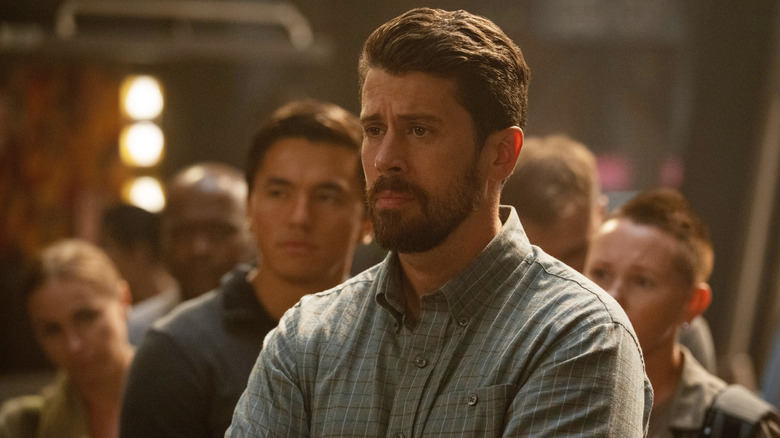
      For All Mankind Season 5 Starts The Revolution Every Sci-Fi Fan Saw Coming – SlashFilm

        0
        For All Mankind Season 5 Starts The Revolution Every Sci-Fi Fan Saw Coming – SlashFilm


        This article contains heavy spoilers for “For All Mankind” Season 5, Episode 5, “Svoboda.”

        It finally happened. After “For All Mankind” teased an anime-like storyline for Season 5, the show’s latest episode, “Svoboda,” finally starts the Martian revolution. The Apple TV sci-fi series, which takes place in an alternate reality where the space race never ended and humanity reached the stars and colonized Mars in the 2000s, has been teasing some big fight for independence on Mars since Season 4. It all began with blue collar workers on the red planet rioting to demand better working conditions and rights.

        Mars has already changed everything for the sci-fi epic that is “For All Mankind.” At the start of Season 5, there’s a thriving settler community on the planet, with entire families who consider themselves Martian. This is now part of their identity, and they take it seriously, enough so that they’re willing to fight for it. There are citizens meeting to promote independentist ideas and even a local tech mogul has plans for a self-sustaining Martian city that can function as a permanent and fully independent settlement. Still, this has mostly been talk … until now.

        Everything changed when Season 5, Episode 4, “Open Source,” revealed that tech giants Helios and Kuragin have been striking clandestine deals to make the entire Martian operation fully automated. Recognizing that this means every worker and settler on the red planet would eventually get kicked out, the people of the Martian colony known as Happy Valley rebelled.

        Though there was already a revolt in Season 4, this one is different, as “Svoboda” ends with rebels about to take the governor of Happy Valley hostage. It’s an exciting development that means “For All Mankind” is also getting to a classic trope of Mars-set stories: Martian revolutions.

        For All Mankind wouldn’t be a proper Mars story without a revolution

        Again, as exciting as “For All Mankind” Season 5’s revolution storyline is, it’s far from surprising. Quite the opposite, ardent sci-fi fans know you can’t tell a proper Mars story without a revolution.

        Whether it’s books like “Red Rising” and Kim Stanley Robinson’s “Mars” trilogy, acclaimed TV shows like “The Expanse” (itself based on a novel series) and “Babylon 5,” movies like “Total Recall” and “Mars Express,” or even video games like “Red Faction,” revolution is inherent to the red planet. Small groups fighting corruption. Blue collar workers rising up against the big corporations that rule Mars. Colonists fighting to gain independence.

        There’s a good reason for this. The sheer amount of work required to colonize Mars makes it easier to think of the red planet as an industrial place first, a second home, well, second. That, in turn, makes the planet ripe for stories about fighting oppression and class warfare. Then there’s the fact that the vast distance between Earth and Mars would make it easy for Earth to hold Martian supplies hostage, leading to conflict.

        That’s exactly what “For All Mankind” showrunner Ben Nedivi and his team looked at when developing Season 5. As he told Space.com, the time needed to ship things from England to its American colonies parallels the journey of going from Earth to Mars in the TV show. “That gap and the control Earth still wants to have over Mars forms a lot of tension that you feel this season,” he explained.

        Space colonies are ripe for stories about revolution and independence, a way to echo our own history in a new setting. “For All Mankind” is now part of that great tradition.

        “For All Mankind” is streaming on Apple TV.


        Source link

        The 5 most iconic weapons in anime (that aren’t all just swords)

        0
        The 5 most iconic weapons in anime (that aren’t all just swords)


        Anime is home to a wide swath of legendary weapons, many of them now immortalized as iconic elements of some of the best stories told in animation. From the razor-sharp Nichirin swords of Demon Slayer to the body-exploding Dominator laser pistols of Psycho-Pass, we’ve seen tradition and horror blended into some of the most unforgettable designs in the medium.

        But which among them is truly the most iconic? It’s not simply a matter of raw power or visual flair. The weapons that leave an unforgettable mark on us tend to carry deep narrative weight, often blurring the line between tool and symbol. Below is a selection of standout armaments from some of the best anime, each one an example of something horrifyingly destructive that conceals profound thematic meaning.

        5

        Sakabato (Ruroni Kenshin)


        Image: Viz Media/Aniplex

        There’s something about a weapon that can’t be used as it was intended that makes that weapon uniquely compelling. The reverse-blade katana Sakabato, owned by the master swordsman of the Hiten Mitsurugi-ryū style, Ruroni Kenshin, is an unforgettable example: a sword designed to preserve life instead of taking it.

        Sakabato isn’t your typical weapon. It’s a moral conundrum and a reflection of Kenshin’s vow to never kill again, creating this interesting tension whenever the swordsman gets into a fight that we rarely get to see in anime. The fun thing about Sakaboto is that it turns the protagonist’s primary tool into a reflection of his own identity.

        4

        DC Mini (Paprika)

        Scene from the anime movie Paprika featuring Dr. Tokita holding the DC Mini device.
        Image: Sony Pictures Entertainment

        While they may not have been designed as weapons, the dream-diving DC Mini headpieces from Paprika still give me nightmares. Satoshi Kon’s 2006 film is a trip into worlds unknown, unlocking some special part of the imagination that’s impossible to explain in words.

        At the center of it all is the psychiatric device known as the DC Mini, a kind of futuristic crown that allows therapists to enter and record the dreams of their patients. Used nefariously, as seen in Paprika, it can lead to the collapse of the boundaries between the waking world and unconscious thought.

        The DC Mini is an ironic twist on a device meant for aid. It might not be a weapon by design, but it’s still capable of turning our own imagination against us, which sounds far more frightening than anything else on this list.

        3

        The Inverted Spear of Heaven (Jujutsu Kaisen)

        Scene from Jujutsu Kaisen featuring the Inverted Spear of Heaven in the hands of Toji Zenin.
        Image: Crunchyroll/Mappa

        If it cuts through Satoru Gojo, it’s iconic. First appearing in the flashback episodes of Jujutsu Kaisen’s Hidden Inventory and Premature Death, the Inverted Spear of Heaven has shown it can be a formidable tool for killing in the hands of Toji Zenin, particularly when it comes to curse users.

        For the characters of Jujutsu Kaisen, the weapon is already well-known as an extraordinarily rare and feared cursed tool. This status is born from the fact that it breaks the established rules of combat by completely nullifying cursed techniques, making it arguably the most dangerous weapon in the series.

        The Inverted Spear of Heaven isn’t notable for its weight or power, though. It’s iconic for the fact that it exists as a narrative disruptor, a tool capable of overriding the very system it exists in, which explains why it has such minimal screen time.

        2

        Eva Units (Neon Genesis Evangelion)

        The mecha genre is itself iconic in anime with titles like Gundam, Macross, Mazinger Z, and Patlabor some of its most notable examples. While each of these shows may serve as its own interesting spin on the genre, few hit that psychological framing quite like the masterpiece that is Neon Genesis Evangelion.

        Whether you’re watching the original 1995 run or the 2007 Rebuild, the Eva units of Evangelion are some of the most terrifying weapons put to animation. It’s not the destructive biomechanical humanoid mechs capable of decimating cities that make the Eva units so horrifying. It’s the underage pilots that are being put through some of the most grueling psychological pressure of their lives, often all for nothing.

        1

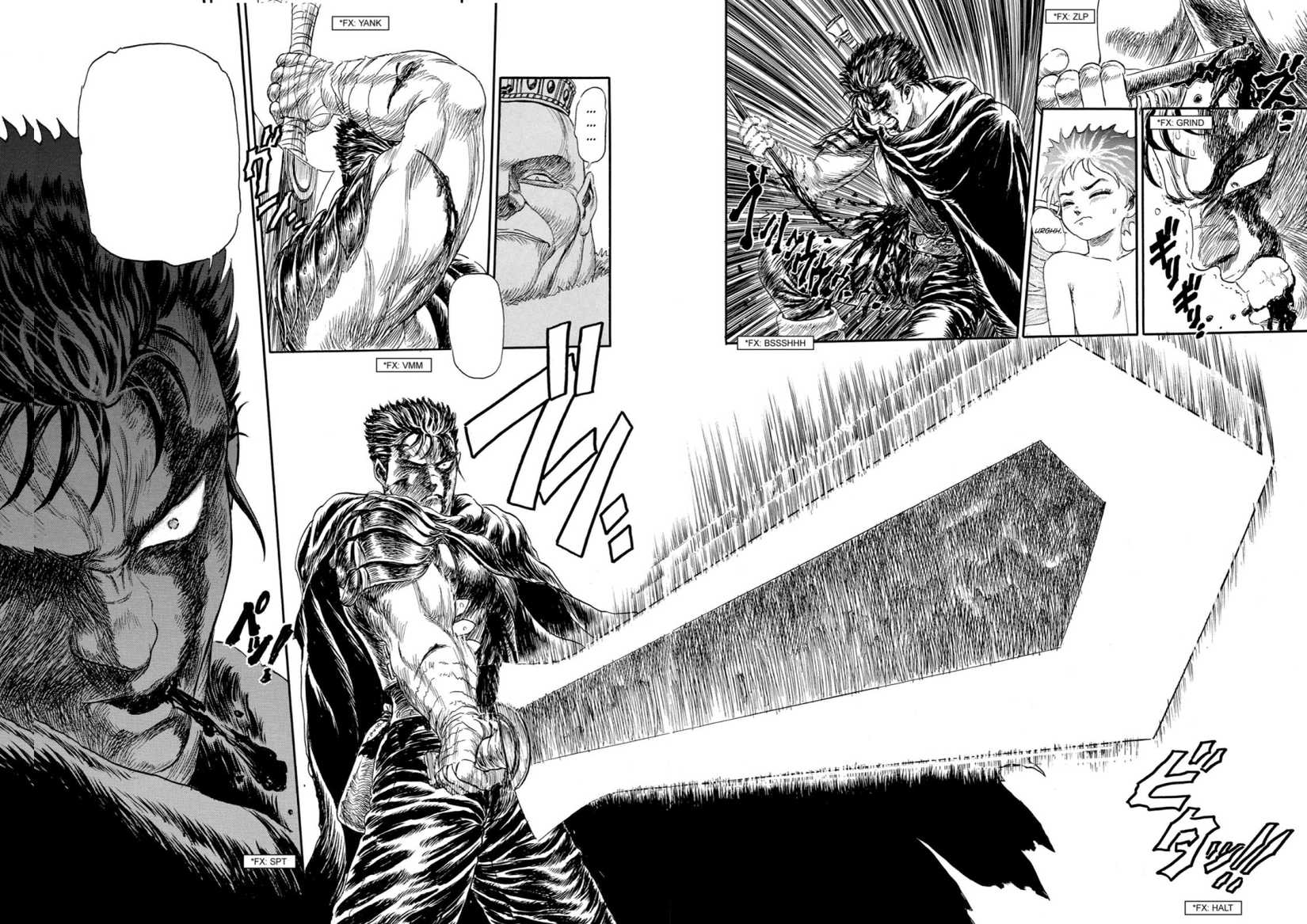
        Dragon Slayer (Berserk)

        Panel from the manga Berserk featuring Guts with the Dragon Slayer in hand.
        Image: Dark Horse Comics/Hakusensha

        Less a weapon and more a massive slab of steel, Guts’ Dragon Slayer of Berserk fame is arguably the most iconic weapon of them all. One swing by Guts, and it tears through foes with a grotesque elegance only the late Kentaro Miura can dream up.

        Unlike traditional katanas or broadswords seen in other anime, the Dragon Slayer of Berserk is this unnecessarily massive blade that defies the refinement of its predecessors, opting instead to put on full display its immense lethality. Yet hiding beneath its absurd scale and brutal savagery is the physical manifestation of strife itself: heavy, exhausting, relentless. It puts on full display the very mentality of its owner, whose relentlessness continues to keep him going despite losing everything.

        If its sheer size in Berserk wasn’t enough, the Dragon Slayer’s influence extends into various other media, from the Greatsword of Dark Souls to Cloud’s Buster Sword in Final Fantasy VII.


        Source link

        ‘Car crash TV!’ I’m A Celebrity South Africa fans in shock as Jimmy Bullard, David Haye and Adam Thomas erupt into almighty row during live final

          0
          ‘Car crash TV!’ I’m A Celebrity South Africa fans in shock as Jimmy Bullard, David Haye and Adam Thomas erupt into almighty row during live final


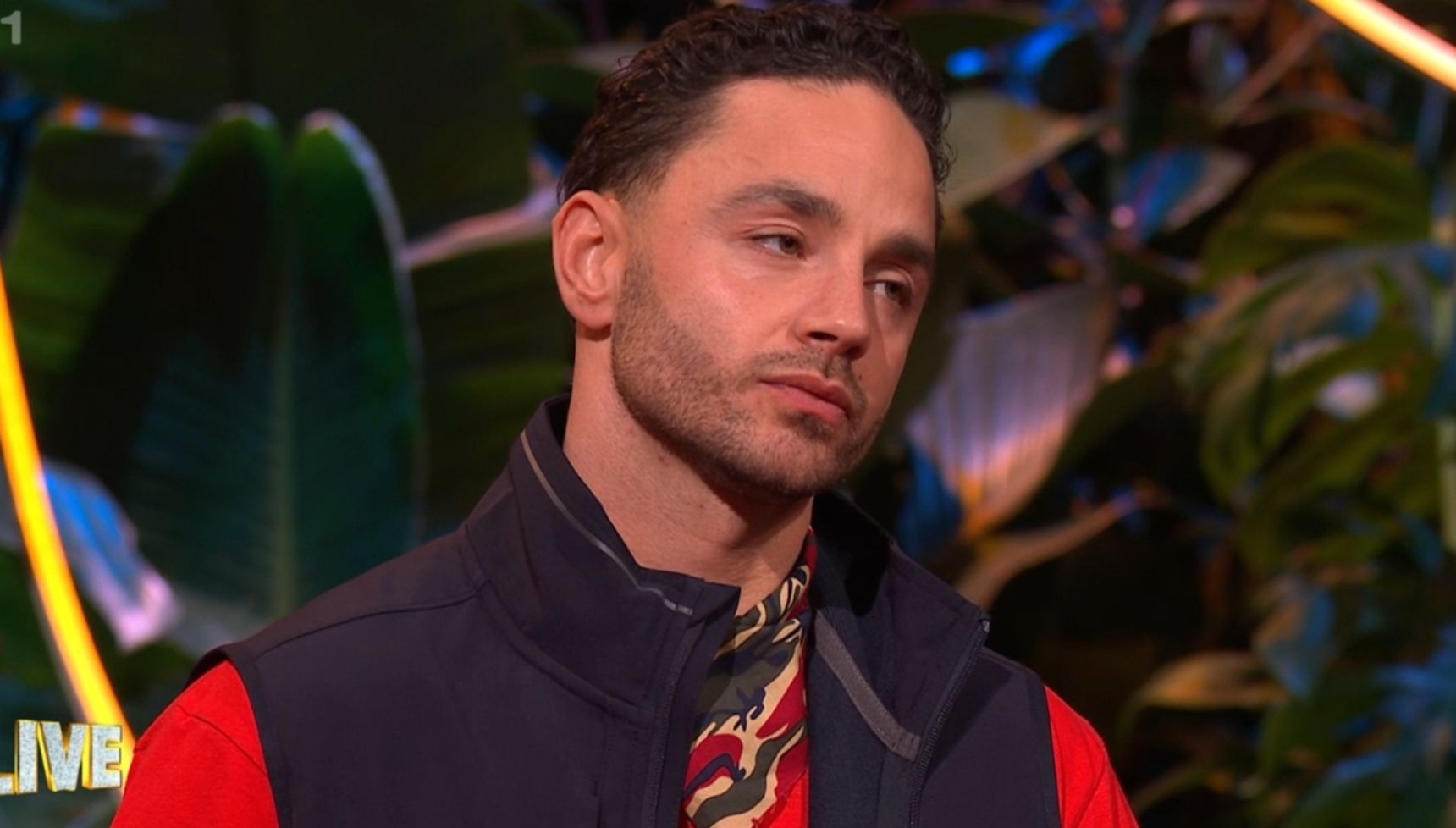
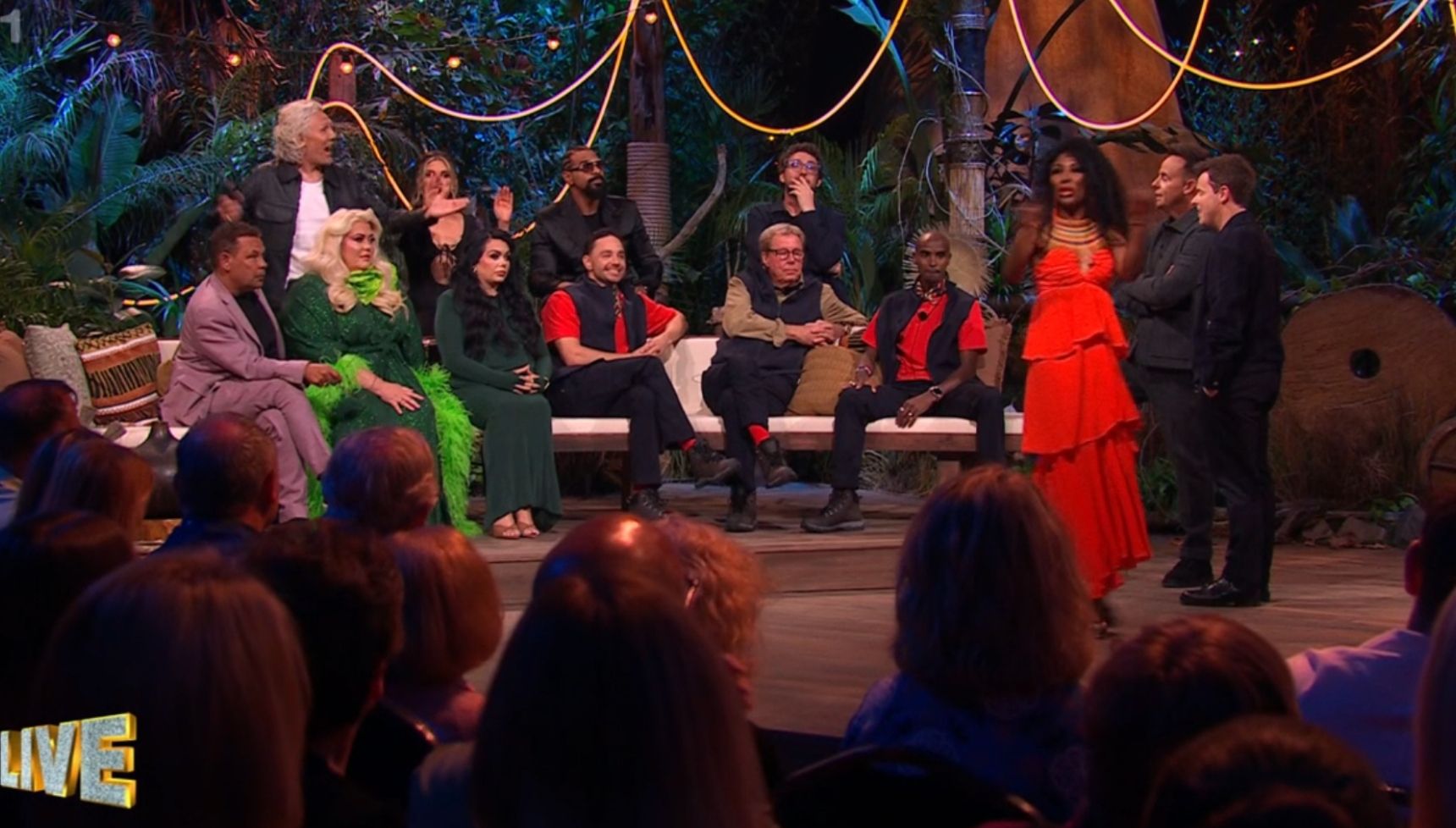
          I’m A Celebrity South Africa 2026 delivered one of its most chaotic moments ever at tonight’s live final, as a fiery row between Jimmy Bullard, David Haye and Adam Thomas erupted on air.

          The explosive clash unfolded live from London, leaving hosts Ant and Dec struggling to regain control as tensions spiralled.

          At one point, Sinitta and Gemma Collins even walked off set as the argument escalated.

          Adam was later crowned the winner of the series, but the tense atmosphere meant the moment felt far from celebratory.

          Jimmy Bullard sparked chaos after kicking off at tonight’s I’m A Celebrity live final (Credit: ITV)

          I’m A Celebrity live final: Jimmy, Adam and David on-air row

          The dramatic scenes began when Ant and Dec invited Jimmy to address his earlier fallout with Adam in camp.

          Viewers had seen the pair clash earlier in the week when Jimmy quit a trial without attempting it, initially sending them both home.

          Although Adam was later allowed to remain, Jimmy did not speak publicly at the time. That changed during the 10pm live show.

          “Let me run you through what happened,” he said. “When we went down for the trial it was originally for stars so I chose Adam.”

          Turning to the hosts, Jimmy added: “Then you sprung a lightbulb moment on me that the bottom two got to go home. I didn’t choose Adam because of this.”

          Adam insisted he has repeatedly apologised to Jimmy (Credit: ITV)

          Jimmy went on to claim he had spoken to a producer named Olly and referenced discussions around his contract.

          “I spoke to Olly, talked through contract and said I’m going to have to pull the plug,” he said.

          He continued with a detailed explanation about pay arrangements, saying: “If I go home and call Adam back, I get full pay.

          “If I go home, stay in and go back, I get a small per centre of that. It’s a job. I have to go home for person reasons. That’s why I took Adam.”

          However, the situation quickly escalated.

          David Haye wades in and Sinitta walks off

          “You can all be upset with me. I threw him under the bus,” Jimmy said, before raising his voice and alleging that key moments had been edited out.

          He claimed Adam had been “abusive, aggressive and intimidating”, prompting David Haye to step in and accuse Adam of “playing the victim”.

          David isn’t the biggest fan of Adam, after they also clashed in South Africa.

          “I don’t stand on someone being abusive, aggressive and intimidating!” Jimmy shouted. “You showed none of the C bombs.”

          Ant pushed back, saying he did not view Adam’s behaviour as intimidating and reminding Jimmy: “I was there.”

          Adam responded by insisting he had apologised several times, saying: “I’ve apologised to Jimmy on many occasions. That’s how I’ve ever shown myself off. I apologise and I am sorry.”

          Sinitta stormed off, followed by Gemma Collins (Credit: ITV)

          David continued, claiming the edit had not reflected everything that happened, while Jimmy called for unseen footage to be shown.

          As tensions peaked, Sinitta stood up and walked off, with Gemma Collins following shortly after.

          Once calm was restored, Ant and Dec revealed Adam as the winner. Despite the victory, he appeared eager for the night to end.

          Viewers reacted in disbelief, with many describing the live final as chaotic viewing.

          One wrote on X: “Absolute Car Crash TV this.” Another added: “Ahahaha proper car crash I love it!”

          And a third wrote: “Best and worst 30 mins of British tv this year so far.”

          Read more: I’m A Celebrity fans slam ITV over major Celebrity Cyclone blunder

          What do you think of this story? Leave us a comment on our Facebook page


          Source link

          Final Fantasy 14 Is Coming To Switch 2, But With An Annoying Caveat

          0
          Final Fantasy 14 Is Coming To Switch 2, But With An Annoying Caveat


          Although Final Fantasy XIV’s time on the PlayStation 4 might soon be coming to an end, the critically acclaimed MMO RPG will soon show up on a new console: the Nintendo Switch 2. But while the prospect of grinding through raids and dungeons from the comfort of your own bed is certainly enticing, it turns out that this port comes with a strange caveat.

          Shortly after Square Enix CEO Takashi Kiryu announced Final Fantasy XIV would be coming to Switch 2 during the game’s North American Fan Festival, Kiryu launched into an explanation of how subscriptions will work on the console. Whereas PC, Xbox, and PlayStation will all work with a standard Final Fantasy XIV subscription, the Nintendo Switch 2 requires players have a distinct subscription for just that console. Thankfully, players will not need a Switch Online subscription to play–though Kiryu did add that Final Fantasy XIV subscribers can get one for 50% less. Additionally, those with an active PC, Xbox, and PlayStation subscription will get 50% off a Switch 2 subscription.

          “After discussions with Nintendo, it was decided that the Switch 2 version of Final Fantasy XIV would require a separate subscription,” Final Fantasy XIV director Naoki Yoshida added. “This was decided after many months of discussions with Nintendo and we understand this is different to how we’ve done things before.”

          Continue Reading at GameSpot


          Source link

          Brazil Issues Sweeping Ban Against Prediction Market Platforms – Decrypt

          0
          Brazil Issues Sweeping Ban Against Prediction Market Platforms – Decrypt


          In brief

          Brazil blocked access to prediction market platforms including Kalshi and Polymarket, citing investor protection concerns.
          Finance Minister Dario Durigan said the platforms violated betting regulations approved by Congress and lacked proper regulatory oversight.
          The central bank prohibited derivatives contracts based on sports, gaming, political events, and other non-economic benchmarks.

          Brazil’s Finance Ministry blocked access to prediction market platforms Thursday, targeting major platforms like Polymarket and Kalshi that traders use to bet on outcomes.

          Finance Minister Dario Durigan said the platforms violated betting regulations approved by the Brazilian Congress, and that prediction markets weren’t legal or regulated in the country. He added that blocking them would protect citizens’ savings amid government efforts to reduce debt levels.

          “We have advocated for stricter enforcement and very rigorous regulation, which will continue to advance, so that we can curb the negative externalities and social harm that unregulated gambling causes to the Brazilian population,” Durigan said.

          Reuters reported that both Polymarket and Kalshi were inaccessible in the country as of Friday afternoon.


          Banco Central do Brasil issued a resolution prohibiting derivatives contracts based on sports events, virtual gaming, political outcomes, and other non-economic benchmarks. The central bank cited risks to investor protections and market integrity.

          Chief of Staff Miriam Belchior said the measure aims to “protect income, prevent financial losses, and reduce families’ exposure to unsafe practices.”

          The Brazilian crackdown reflects mounting global pressure on prediction markets. Portugal restricted Polymarket access in January, while multiple U.S. states have taken action. Most recently, Wisconsin filed lawsuits against Kalshi, Robinhood, Coinbase, Polymarket, and Crypto.com on Friday, alleging their sports event contracts violate the state’s commercial gambling ban.

          Daily Debrief Newsletter

          Start every day with the top news stories right now, plus original features, a podcast, videos and more.


          Source link

          Michael’s Wild Score Swing Just Rewrote the Musical Biopic Playbook

            0
            Michael’s Wild Score Swing Just Rewrote the Musical Biopic Playbook


            When Michael first hit Rotten Tomatoes with a brutal 27 percent critics score, it looked like another high profile biopic was about to crash under the weight of expectations. Then audiences showed up. And everything changed.

            The film has now surged to a staggering 96 percent audience score, instantly flipping the narrative and putting Michael in rare territory as one of the highest rated musical biopics ever from a fan perspective.

            So what happened?

            Critics vs Audience A Familiar Divide

            Early critic reactions focused on pacing, tone, and the film’s approach to controversial moments in Michael Jackson’s life. Some reviews called it uneven, others said it played things too safe. But audiences saw something completely different.

            Fans praised the performance, the music, and most importantly, the emotional connection. Social reactions have been flooded with comments about how the film captures the energy, pressure, and genius of Jackson in a way that feels authentic and powerful. For many viewers, it is not about perfection. It is about feeling. And Michael delivers that in a big way.

            The Power of Music and Nostalgia

            Musical biopics live and die by one thing more than anything else. Connection.

            From the moment the first iconic track hits, audiences are pulled into a shared experience. With a catalog as legendary as Michael Jackson’s, Michael had a built in advantage that critics may have underestimated.

            The film leans heavily into that legacy. The performances, choreography, and stage recreations are being called some of the best ever put on screen in this genre. That alone is driving repeat viewings and word of mouth momentum.

            Jafaar Jackson, Michael [credit: Lionsgate]

            Audience Scores Are Becoming the Real Indicator

            We have seen this trend before. Critics analyze. Audiences react.

            And in the era of social media and instant feedback, audience scores are increasingly shaping a film’s reputation in real time. A 96 percent score is not just good. It signals strong emotional resonance and mass appeal.

            That kind of response can extend box office legs, boost streaming performance, and even reshape award season conversations.

            One of the Biggest Turnarounds in Recent Memory

            Going from 27 percent to 96 percent is not just a rebound. It is a complete narrative reversal.

            For Michael, it means the film is no longer defined by its early reviews. It is being defined by the people actually watching it. And right now, they love it.

            The Bottom Line

            Michael may not be a critic darling, but it is becoming a fan phenomenon.

            And in today’s landscape, that might matter more than ever.


            Source link

            Popular Posts

            My Favorites