

Introduction
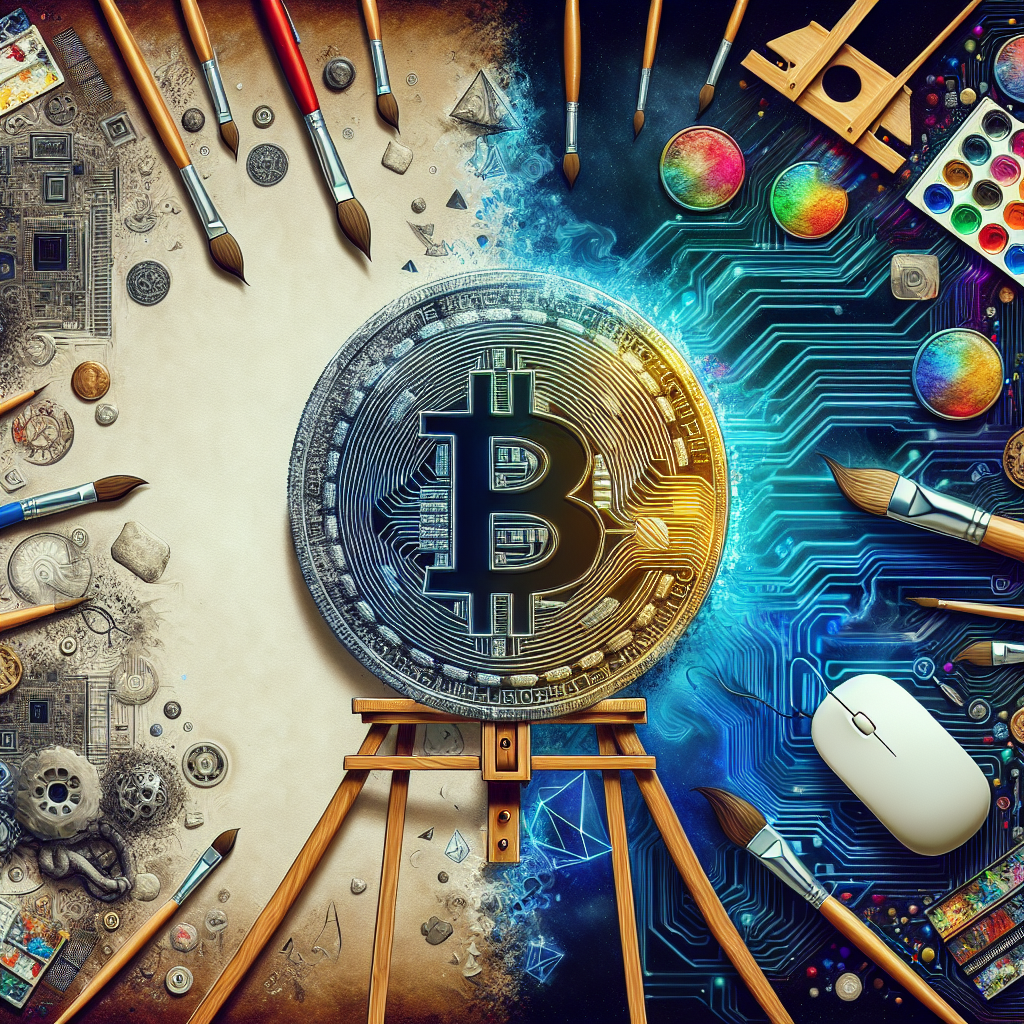
The emergence of Non-Fungible Tokens (NFTs) has created a seismic shift in many industries, but perhaps none more so than the art world. Since their ascendance, NFTs have sparked a heating debate: are they a revolutionary force in art or just a fleeting trend? This article delves into the impact of NFTs on the art landscape, examining their benefits, challenges, and future implications.
Understanding NFTs
At their core, NFTs are digital tokens representing ownership of unique items, secured on a blockchain. Unlike cryptocurrencies like Bitcoin, which are interchangeable and fungible, NFTs are unique and cannot be replicated. This quality makes them particularly appealing for art, where originality is paramount.
NFTs can represent anything from digital artwork and music to virtual real estate and collectibles, allowing creators to tokenize their work and sell it in new ways. Buyers obtain proof of ownership, creating a sense of exclusivity that has attracted artists and collectors alike.
The Rise of NFTs in the Art World
Democratization of Art
NFTs have democratized access to art, allowing a broader range of artists to showcase and sell their work. With platforms like OpenSea, Rarible, and Foundation, artists no longer need to rely solely on galleries or auction houses to reach potential buyers. Emerging artists can gain visibility, allowing new voices and perspectives to flourish in the art scene.
New Revenue Streams
The NFT space offers artists unprecedented ways to monetize their work. Traditionally, artists receive a one-time payment for their art. With NFTs, artists can program royalties into the contracts, ensuring they receive a percentage of future sales. This model empowers artists economically, creating a continuous income stream as their work appreciates over time.
Authenticity and Provenance
One of the primary concerns in the art world is authenticity. Counterfeiting has plagued galleries for centuries. NFTs provide a clear solution by verifying ownership and provenance on the blockchain. This transparency fosters trust between artists and collectors, potentially transforming how artwork is bought and sold.
Challenges and Criticisms
Despite the potential, the NFT landscape is not without its challenges and criticisms:
Environmental Concerns
The blockchain technology underpinning NFTs, particularly Ethereum, has drawn criticism for its high energy consumption. The minting process requires substantial computational power, leading to a significant carbon footprint. Although efforts are being made to transition to more sustainable technologies, the environmental impact remains a concern.
Speculative Bubble
Critics argue that the current hype surrounding NFTs resembles a speculative bubble. The astronomical prices some digital artworks have fetched raise questions about the sustainability of the market. Many fear that the rush to invest in NFTs could lead to a crash, disadvantaging artists and collectors alike.
Accessibility and Digital Divide
While NFTs can democratize art, they also risk creating a new form of exclusivity. The technology and platforms may alienate less tech-savvy artists and buyers, creating a divide between those who understand and can access NFTs and those who cannot. Additionally, the reliance on cryptocurrencies may pose barriers to entry for many aspiring collectors.
The Future of NFTs in the Art World
The future of NFTs in the art world is still unfolding, and several trends may shape their trajectory:
-
Hybrid Models: As the technology matures, hybrid models combining traditional and digital art markets may emerge, facilitating broader acceptance of NFTs.
-
Sustainability Initiatives: Ongoing efforts to create eco-friendly blockchains could mitigate environmental concerns, making NFTs more appealing to conscious consumers.
-
Integration with Physical Art: Upcoming innovations may lead to NFTs that represent ownership or authenticity of physical artworks, bridging the gap between the digital and physical realms.
-
Regulatory Developments: As the NFT market matures, regulations may emerge to protect both artists and collectors, helping formalize and stabilize the market.
Conclusion
NFTs represent a significant shift in how art is created, bought, and sold, offering both opportunities and challenges that will shape the future of the art world. Whether they are a temporary trend or a lasting change remains to be seen. As artists, collectors, and the market continue to adapt, the narrative around NFTs will likely evolve, presenting exciting possibilities for a new era in art. Through this transformation, one thing is clear: the dialogue around art, ownership, and creativity is more vibrant than ever.


