

Introduction
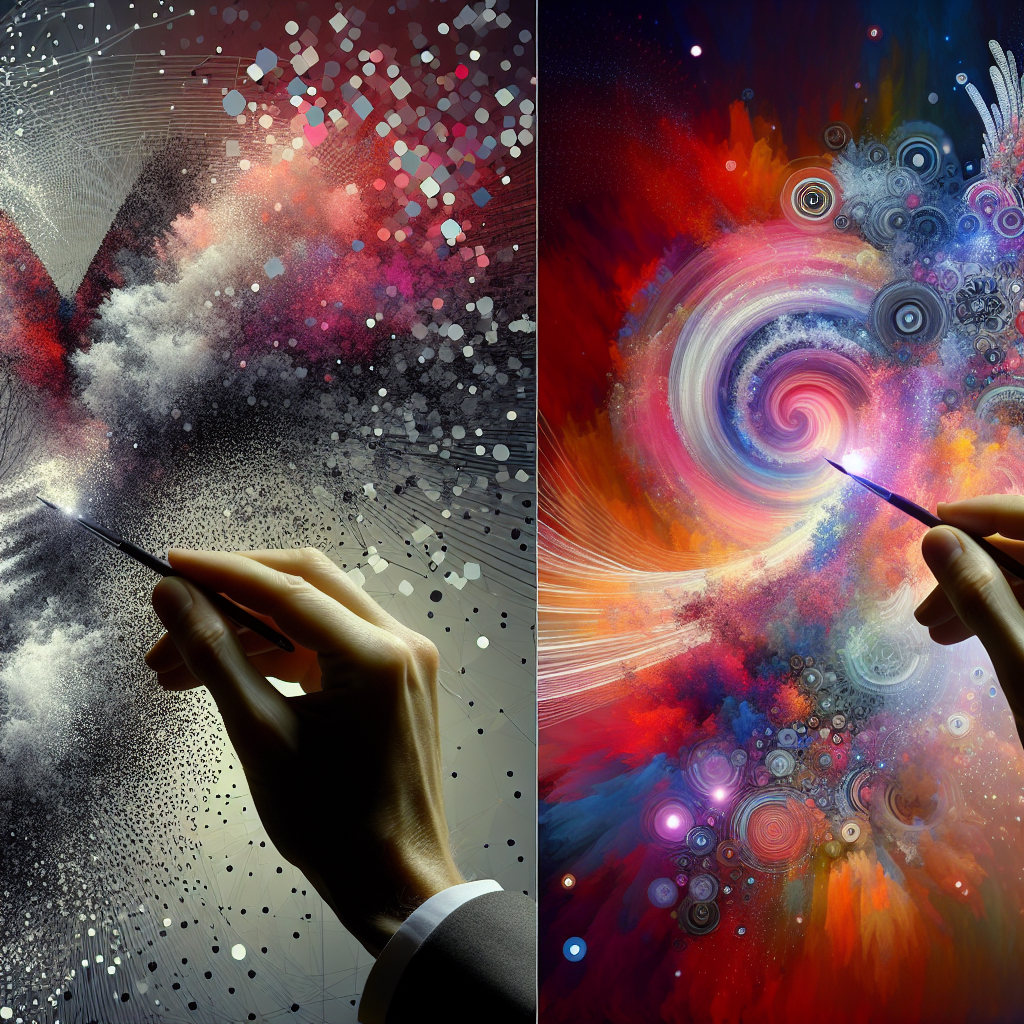
Generative art has emerged as a fascinating domain that blends technology and creativity, allowing artists to create stunning works through algorithms and coding. This convergence of tech and art reflects the duality of chaos and order, resulting in pieces that are both mesmerizing and complex. In this article, we’ll explore how to leverage generative art tools to transform randomness into captivating visuals.
Understanding Generative Art
Generative art refers to artwork created using autonomous systems, often involving algorithms that facilitate unpredictable outcomes. This form of art embraces the chaos inherent in computer-generated processes, offering artists new ways to express their creativity. The central idea is that while artists create the rules and parameters, the resulting imagery is often surprising and uncontrollable.
The Role of Chaos
Chaos in generative art is not merely disorder; it serves as a catalyst for originality. By allowing random elements to participate in the creative process, artists can explore compositions they might not have considered. This interplay between intention and unpredictability leads to a fresh perspective, where the final piece might embody unexpected beauty.
Essential Generative Art Tools
Several tools enable artists to dive into the world of generative art. Here are some popular options:
1. Processing
Processing is a flexible software sketchbook and a language for learning how to code within the context of the visual arts. It provides a user-friendly interface that allows artists to create visuals through simple code snippets effortlessly.
- Use Cases: Draw shapes, create animations, and generate complex visualizations based on algorithms.
2. p5.js
A JavaScript library that brings the Processing experience to the web, p5.js is ideal for developing interactive visual content. Its emphasis on accessibility allows artists with little programming background to start generating art right away.
- Use Cases: Build interactive visual projects, integrate live data sources, and develop web-based art installations.
3. OpenFrameworks
OpenFrameworks is an open-source C++ toolkit designed for creative coding. It’s more complex but offers greater flexibility and power, making it ideal for large-scale projects.
- Use Cases: Create immersive installations, work on advanced visual effects, or develop art pieces that intertwine with sound and multimedia.
4. TouchDesigner
TouchDesigner is another powerful tool, perfect for creating real-time interactive graphics and multimedia content. This node-based visual programming language enables artists to explore a wide array of possibilities.
- Use Cases: Develop live performances, visual installations, and generative visuals in real-time.
Steps to Create Your Generative Masterpiece
-
Define Your Concept:
Start with a clear vision of what you want to create. Are you illustrating nature’s chaos, exploring abstract concepts, or integrating user interaction? Set your intention. -
Select Your Tool:
Choose a generative art tool that aligns with your skill set and project goals. If you’re a beginner, Processing or p5.js can be excellent starting points. -
Understand Algorithms:
Familiarize yourself with fundamental algorithms like Perlin noise, fractals, or L-systems. These can help guide your creative process and yield beautiful results. -
Experiment with Parameters:
Play with variables in your code. Adjust colors, shapes, movements, and other parameters to see how they affect your art. Embrace randomness; sometimes, the best outcomes are unplanned. -
Iterate and Refine:
Don’t be afraid to revisit and adjust your code. Generative art thrives on iteration. Each tweak can lead to new discoveries, gradually refining your vision into a stunning piece. -
Present Your Work:
Think about how to showcase your generative masterpiece. Whether it’s online, in a gallery, or as part of an immersive installation, presentation can significantly enhance the viewer’s experience.
Conclusion
Generative art represents the exquisite dance between chaos and control, providing artists with innovative tools to express their creativity. By mastering generative art tools and embracing the unpredictable nature of creativity, you can transform arbitrary processes into stunning visual narratives. So, unleash your inner artist, experiment boldly, and let chaos guide you to new artistic heights!


