Introduction
Interactive art has emerged as a dynamic intersection of creativity and technology, reshaping the way audiences engage with artworks. As galleries and museums adopt innovative technologies, traditional art viewing transforms into immersive experiences that foster participation, reflection, and dialogue. This article explores the impact of technology on interactive art, highlighting its benefits in the gallery experience and the growing trend of audience involvement.
Understanding Interactive Art
Interactive art refers to works that require audience participation, utilizing technology to create a two-way dialogue between the viewer and the artwork. This can encompass a wide range of mediums, including digital installations, augmented reality (AR), virtual reality (VR), and responsive environments. By shifting attention from passive observation to active engagement, interactive art invites viewers to become co-creators in the artistic process.
The Role of Technology
1. Digital Installations
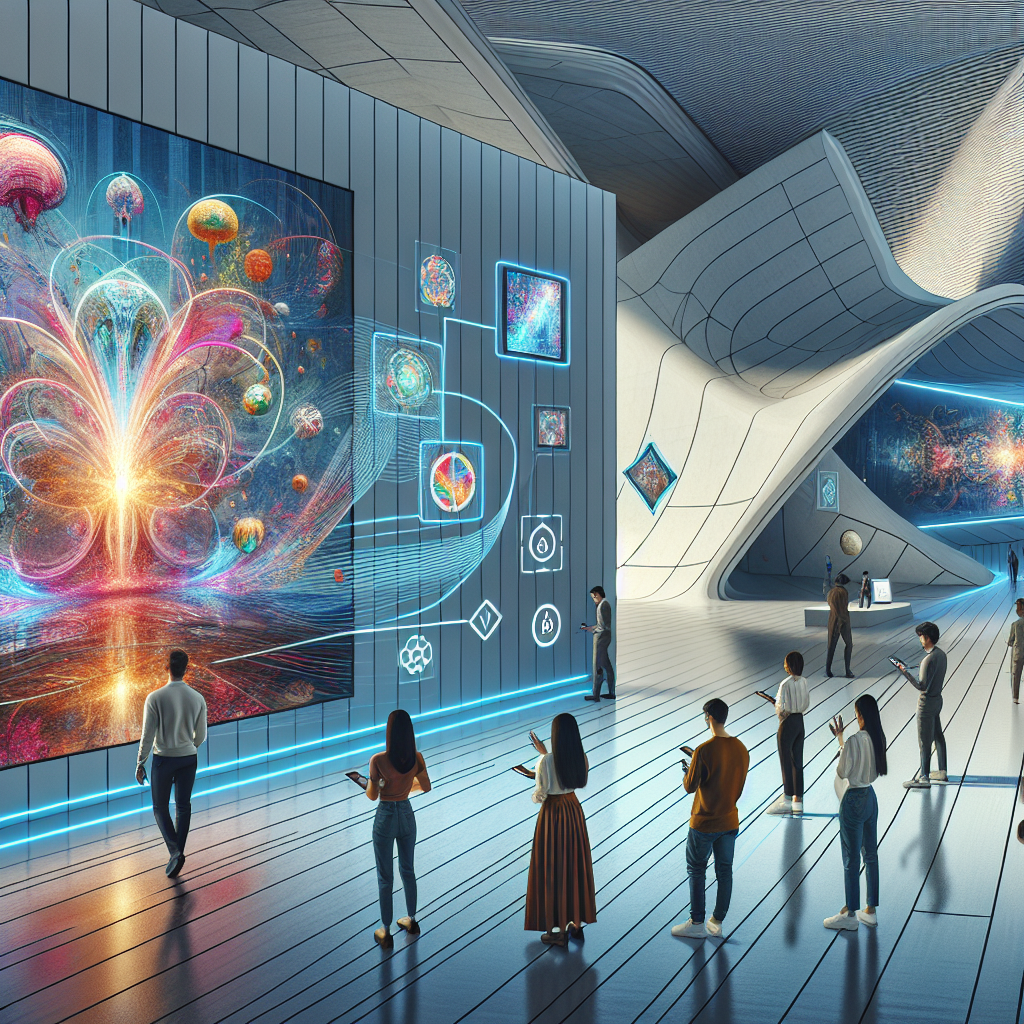
Digital technology has introduced new forms of expression for artists. Multimedia installations can bring together video, sound, and sculpture, allowing for immersive narratives that engage the senses. For instance, large-scale projections can transform gallery walls into dynamic landscapes that change in response to viewer movements, creating a unique experience for each visitor.
2. Augmented and Virtual Reality
AR and VR have revolutionized the way we experience art. Through AR applications, museum-goers can enhance their visit by interacting with artworks via smartphones or tablets, unlocking additional layers of information or visual interpretations. VR allows users to step into entirely virtual worlds, providing environments that are otherwise inaccessible, such as historical sites or the artist’s studio.
3. Responsive Environments
Interactive art often positions viewers within responsive environments. Using sensors and data analysis, these installations react to audience behaviors—such as movement, sound, or even heart rates—creating a feedback loop that alters the artwork in real time. This not only personalizes the experience but also deepens the emotional connection to the art.
Benefits of Interactive Art in Galleries
1. Enhanced Engagement
Interactive art encourages active participation, immediately engaging visitors in a way that traditional art often does not. This heightened engagement can lead to deeper understanding and appreciation of the artwork and its themes.
2. Accessibility
Technology can make art more accessible. Multi-sensory experiences can cater to diverse audiences, including those with disabilities. For example, tactile interactive elements can provide blind or visually impaired visitors with the opportunity to "feel" the artwork.
3. Community Building
Interactive installations often encourage collaboration and dialogue among participants. Group interactions around a piece facilitate community connection within the gallery space, fostering discussions and new perspectives on the artwork.
Challenges and Considerations
Despite the many advantages, there are challenges that come with integrating technology into art experiences:
-
Sustainability and Maintenance: Digital installations require continual updates and maintenance, posing financial and logistical challenges for galleries.
-
Digital Divide: Not all audiences have equal access to technology. Ensuring that digital engagement tools are inclusive remains a priority.
-
Authenticity: The immersive nature of interactive art can blur the lines between art and entertainment, raising questions about the authenticity of artistic intent in such experiences.
Conclusion
Interactive art is redefining the gallery experience, transforming it into a participatory space where technology and creativity merge. As galleries continue to embrace these innovations, audiences are invited to partake in deeper, more meaningful engagements with art. While challenges remain, the potential of interactive art to foster connection, dialogue, and understanding promises a vibrant future for the art world, one where every visitor can find their unique part in the narrative.