

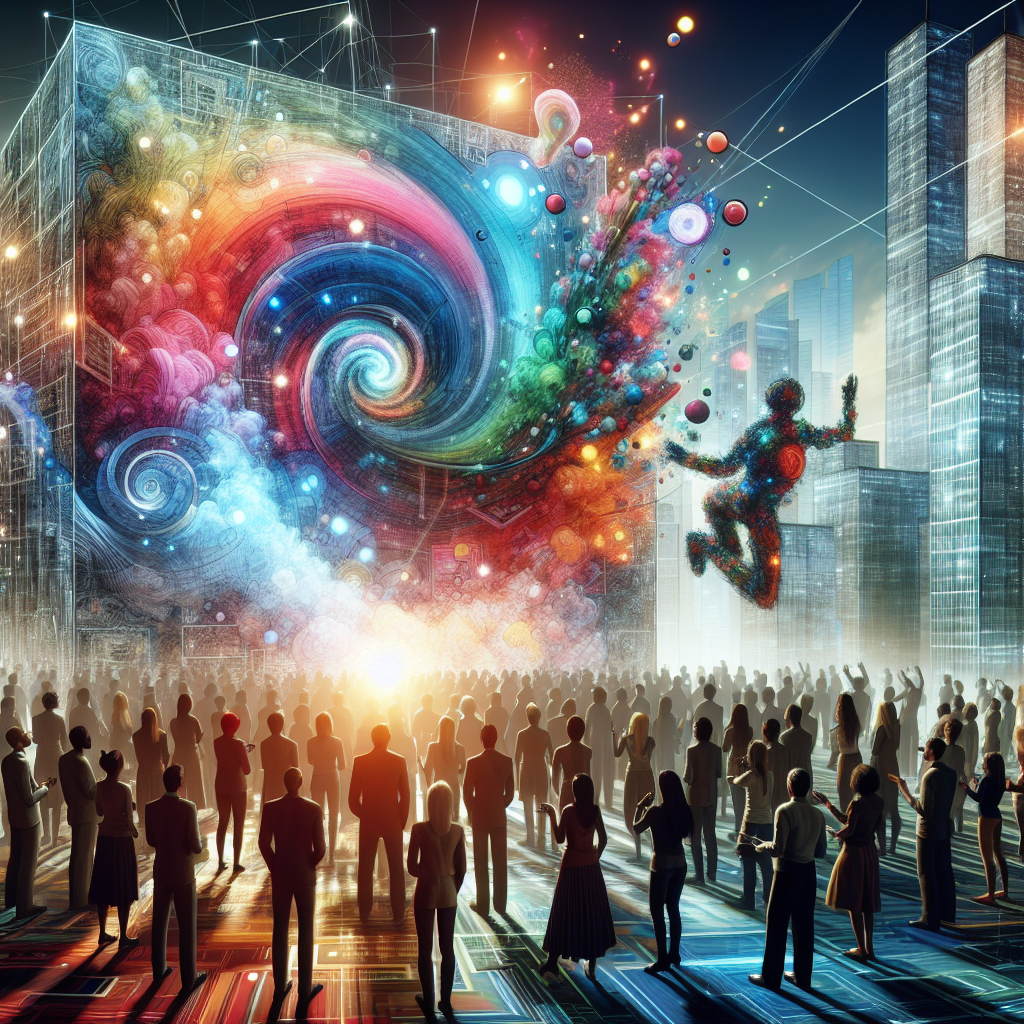
As we move deeper into the 21st century, the art world finds itself undergoing a profound transformation. Traditional forms of artistic expression, while enduring, are increasingly challenged by new media and technology, opening the doors to interactive art. This innovative genre not only invites viewers to engage actively but also redefines the relationship between art, artist, and audience in the digital age.
What is Interactive Art?
Interactive art is a genre that encourages participation, engagement, and interaction from its audience. Unlike passive forms of art, where the viewer sits back and observes, interactive art requires observers to be involved in the creation or interpretation of the work. This can take many forms, from digital installations and virtual reality experiences to augmented reality (AR) and even participatory performances.
In essence, interactive art embraces collaboration. It blurs the line between creator and consumer, allowing audiences to influence the final outcome of the artwork. This collaborative spirit fosters a deeper emotional connection between the audience and the work, making art not just something to behold but something to be experienced and shaped.
The Role of Technology
Technology has been a game-changer in the realm of interactive art. Digital tools and platforms have expanded the possibilities for artists, enabling them to reach audiences in innovative ways. Virtual reality and AR, for example, allow users to immerse themselves in an imaginative world, transforming the viewing experience into an adventure where the viewer becomes part of the narrative.
Moreover, social media platforms have further democratized the access to art. Artists can now showcase their work to a global audience, inviting instant feedback and participation. This instantaneous interaction can significantly affect the evolution of an artwork, as artists respond to audience reactions in real time.
Noteworthy Examples
Several contemporary artists have pushed the boundaries of interactive art:
-
TeamLab: This Japanese collective uses digital technology in immersive installations that react to the movements of their viewers. Their exhibitions, like "Borderless," allow participants to step into a living, moving world of art where their presence alters the environment.
-
Yoko Ono’s "Wish Tree": In this ongoing project, participants are invited to write their wishes on pieces of paper and hang them on a tree. This simple act transforms the work into a mosaic of human desires, making the audience an integral part of the artwork.
-
Rafael Lozano-Hemmer: Known for his interactive installations that harness technology, such as "33 Questions per Minute," where viewers engage with a rapid-fire video that challenges their perceptions of language and communication.
The Community Aspect
One of the most important aspects of interactive art is its ability to foster community. Many interactive art projects are designed to be collaborative, encouraging social interaction and dialogue among participants. Workshops, community events, and public installations create spaces where individuals can come together to explore their creativity and share experiences.
This sense of community engagement is vital, particularly in an age where digital interactions can sometimes feel isolating. Interactive art breaks down those barriers, emphasizing the importance of shared experiences in making art more accessible and meaningful.
The Future of Interactive Art
As technology continues to evolve, so too will interactive art. Innovations in artificial intelligence, machine learning, and immersive technologies will undoubtedly shape new artistic expressions. The future holds exciting potential for artists to further engage and captivate audiences, creating experiences that are more personal and interactive than ever before.
The rise of user-generated content will also play a significant role. As platforms become more interactive, audiences will increasingly expect to participate in and contribute to the art they consume. This shift could lead to new forms of creativity, blurring the boundaries of authorship and inviting collaboration at unprecedented levels.
Conclusion
Interactive art represents a dynamic shift in the relationship between artist and audience, redefining how we experience art in the digital age. It invites participation, fosters community, and utilizes technology to create immersive experiences that captivate and engage. As we navigate this exciting frontier, it’s clear that the future of art lies not only in how it is created but in how it is shared and experienced—together.


