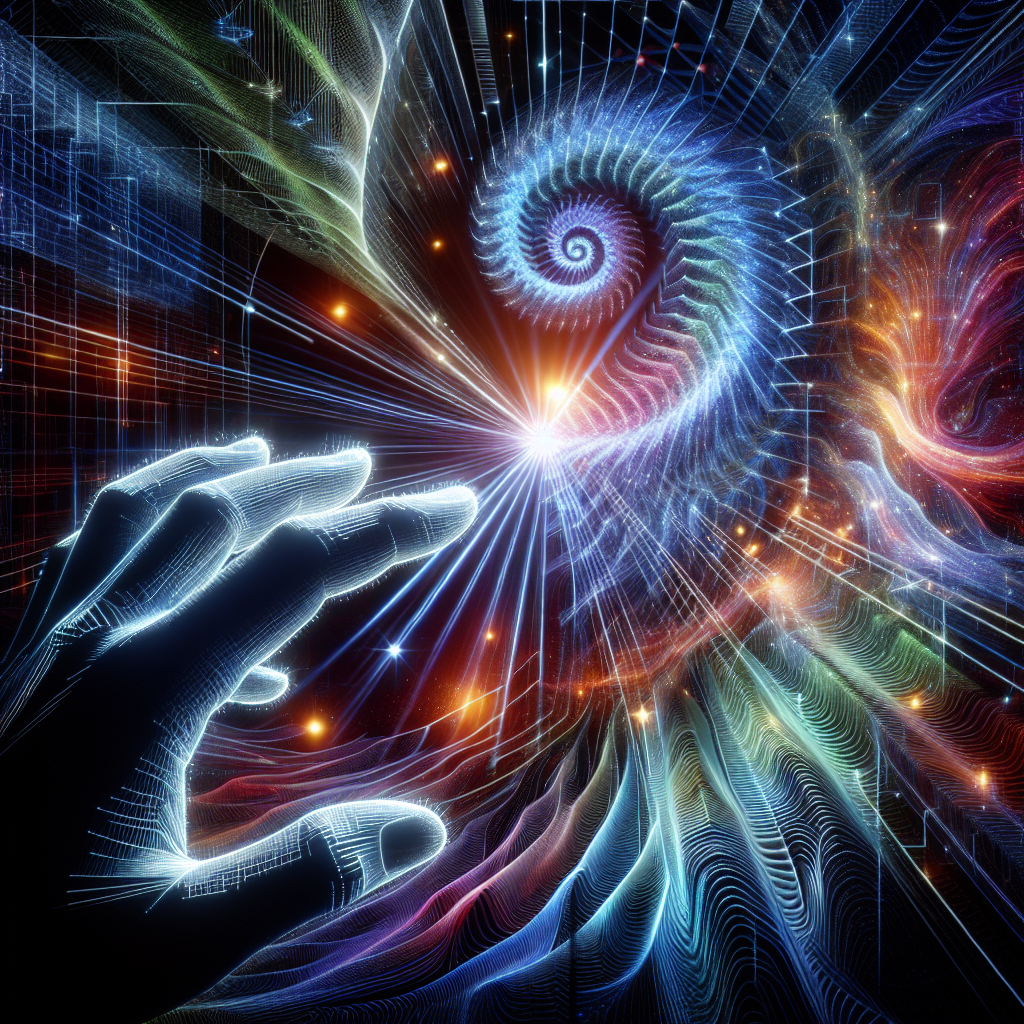
In a world where digital engagement is paramount, the potential for creative coding to enhance user experiences has never been more significant. Interactive aesthetics represent a fusion of art, technology, and user engagement, allowing creators to craft immersive experiences that resonate on multiple levels. This article explores the essence of interactive aesthetics, its applications, and the impact of creative coding on audience engagement.
Understanding Interactive Aesthetics
Interactive aesthetics refer to the artistic qualities that emerge when digital art becomes responsive to user input. Unlike traditional art forms, which often rely on passive observation, interactive art invites audiences to participate actively. This participatory element transforms viewers into users, creating a dialogue between the artwork and the audience.
Key Components
-
User Engagement: At its core, interactive aesthetics seek to captivate and involve users. This engagement can range from simple interactions, like clicking or scrolling, to complex environments where users navigate through 3D spaces or influence narrative outcomes.
-
Dynamic Feedback: Effective interactive art provides immediate, responsive feedback to user actions. This can manifest through visual changes, sound alterations, or even narrative shifts. The feedback loop creates a sense of agency, allowing users to feel their input is meaningful.
-
Multisensory Experiences: Innovative use of sound, visuals, and even haptic feedback enriches the interactive experience. By appealing to different senses, creators can elicit a broader emotional response, making the experience more memorable.
The Role of Creative Coding
Creative coding is the practice of using programming as a medium for artistic expression. Unlike conventional software development, where the aim is functional usability, creative coding prioritizes aesthetics and experience. Here’s how creative coding enhances interactive aesthetics:
1. Accessibility of Tools: Platforms like Processing, p5.js, and openFrameworks offer user-friendly environments for artists and designers to experiment with code. These tools lower barriers to entry, enabling creators from diverse backgrounds to participate in the digital art space.
2. Algorithmic Art: Creative coding allows for the generation of dynamic art through algorithms. Artists can create patterns, visuals, and behaviors that evolve based on user input or randomization, leading to unique experiences with each interaction.
3. Interactivity: With coding, creators can design complex interactions that respond to external data inputs, such as sensors, social media feeds, or user-generated content. This enables a layered, ever-changing artistic landscape.
Applications of Interactive Aesthetics
1. Digital Installations: Art galleries and museums increasingly use interactive installations to engage visitors. For instance, immersive exhibits might allow attendees to manipulate visuals projecting on walls or even influence soundscapes based on their movements.
2. Games: Video games are prime examples of interactive art, merging storytelling, visual artistry, and user agency. Through creative coding, game developers can craft environments that respond to player choices, creating a narrative that is uniquely shaped by the user.
3. Web Art: The internet serves as a canvas for numerous interactive artworks. Websites that allow users to create, navigate, or modify art demonstrate the potential of web technology in fostering interactive experiences. These pieces often blur the line between creator and audience.
4. Education: Interactive aesthetics can transform educational experiences by making learning more engaging. Through gaming elements, AR applications, or interactive simulations, students can explore complex subjects dynamically.
The Impact on Audience Engagement
Interactive aesthetics, driven by creative coding, have notably shifted how audiences engage with digital art. The participatory nature fosters a deeper connection, with users becoming co-creators rather than passive observers.
Emotional Resonance
The immediacy and personal connection offered by interactive experiences evoke emotional responses that traditional art may not achieve. When audiences influence outcomes, they form stronger attachments, making these encounters especially impactful.
Community Building
Interactive art often encourages community involvement, whether through collaborative experiences or user-generated content. This shared interaction fosters networks of engagement, as participants collectively express creativity and share experiences.
A New Paradigm of Art
As interactive aesthetics grow in popularity, the definition of art itself is expanding. No longer confined to static forms, art is becoming a fluid, ever-evolving dialogue between creator, medium, and audience.
Conclusion
Interactive aesthetics, enriched by creative coding, are redefining how audiences experience art in the digital age. By integrating user participation, dynamic feedback, and multisensory aspects, creators can craft engaging, memorable experiences that resonate deeply. As technology continues to evolve, so too will the possibilities for creative coding in the world of interactive aesthetics, paving the way for a new era of artistic expression and engagement. Whether in galleries, on screens, or in games, the synergy of technology and creativity promises to captivate and inspire audiences around the globe.