

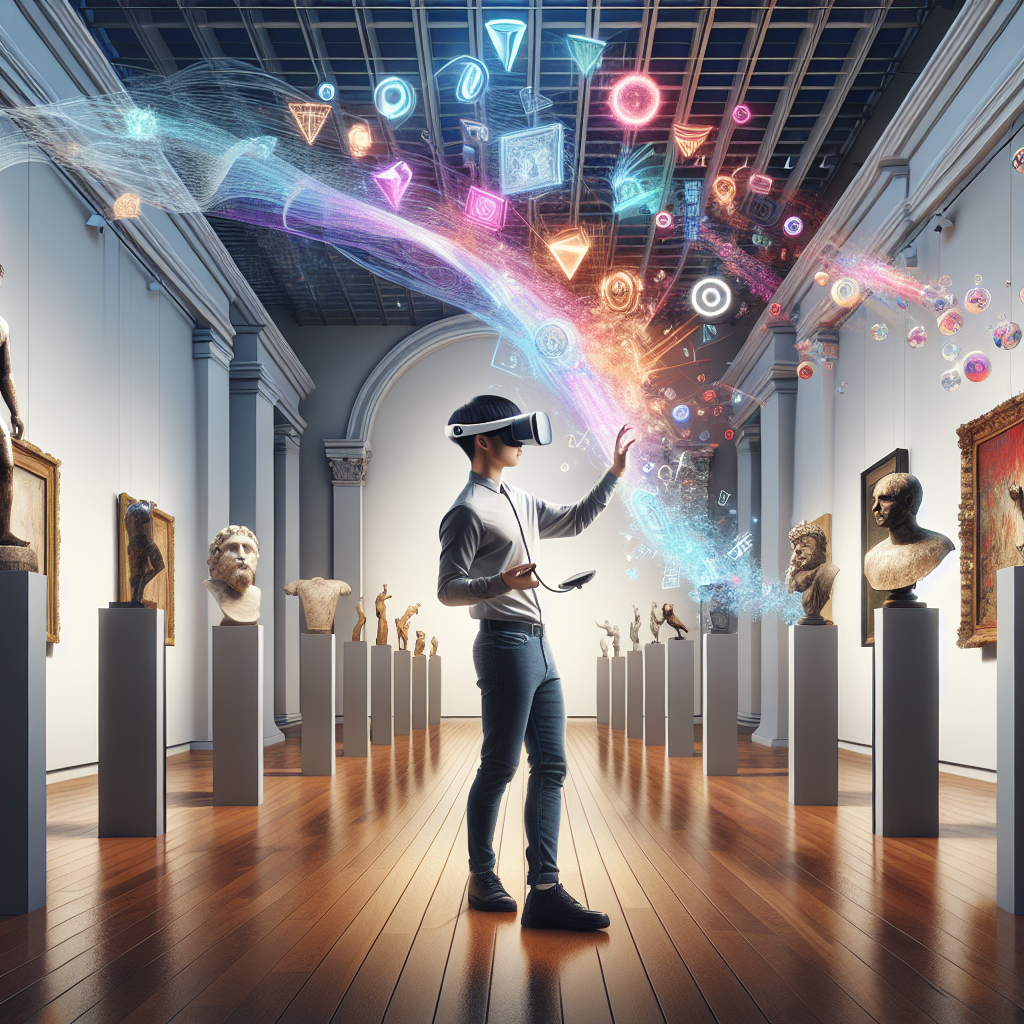
Virtual reality (VR) is more than just a technological novelty; it has emerged as a transformative medium in the world of art, revolutionizing how artists express their ideas and how audiences interact with those ideas. The rise of VR in art installations presents an opportunity for immersion, allowing viewers to engage with artwork in unprecedented ways.
The Evolution of Virtual Reality in Art
Traditionally, art installations were confined to physical spaces, inviting viewers to experience art through observation. However, VR has transcended these limitations, enabling artists to create entirely new worlds that can be explored and interacted with. This shift began gaining momentum in the early 21st century, as advancements in technology made VR more accessible and affordable.
The introduction of high-quality VR headsets, like the Oculus Rift and HTC Vive, combined with powerful software platforms, has allowed artists to push the boundaries of their practice. From interactive sculptures to fully immersive environments, the possibilities are virtually limitless.
Enhancing the Artistic Experience
The primary appeal of VR lies in its ability to create immersive experiences that engage multiple senses. Unlike traditional art forms, VR installations can incorporate sound, movement, and tactile feedback, allowing audiences to be part of the narrative rather than passive observers.
1. Storytelling and Narrative Depth
VR’s storytelling capabilities allow artists to craft compelling narratives that unfold in 360 degrees. Viewers can walk through these narratives, shaping their experience based on their choices and movements. For instance, artists like Marina Abramović have explored this immersion in pieces where participants navigate their emotions through virtual environments.
2. Interactivity and Agency
Interactivity is a key component of VR art installations. Viewers are not mere spectators; they become active participants. This shift in agency fosters a deeper emotional connection between the audience and the artwork. For example, the VR experience "Tree," designed by the artist Megan Ellis, allows users to embody a tree’s perspective, offering them insights into ecological issues.
Case Studies: Pioneering VR Art Installations
Several artists and institutions have embraced VR as a medium for innovative expression:
1. The Night Cafe
Inspired by Vincent van Gogh, this immersive VR experience transports users into the painter’s iconic café. Visitors can explore the vibrant colors and the painter’s distinctive brushstrokes, allowing them to feel like they are part of the artwork itself.
2. VR Exhibitions by TeamLab
The Japanese art collective TeamLab is known for its immersive installations that blend digital projections with physical spaces. Their VR experiences invite users to enter a fluid world where nature, art, and technology merge, encouraging them to engage with the interactive aspects of the installation.
Challenges and Considerations
While the rise of VR in art brings exciting opportunities, it also comes with challenges. One of the foremost concerns is accessibility. Not everyone has access to VR technology, which could limit the reach of these installations. Furthermore, the physical sensation of VR can induce discomfort or motion sickness in some users, potentially detracting from the experience.
The Future of VR in Art
The future of virtual reality in art installations is bright, with continuous advancements in technology paving the way for more innovative experiences. As artists and institutions experiment with VR, we can expect to see a growing intersection of art, technology, and social engagement. Collaborations with other disciplines, such as gaming and performance art, will also contribute to this evolution, creating hybrid forms of expression that redefine what art can be.
Conclusion
Virtual reality has ushered in a new era of immersive experiences in art installations, enabling artists to create transformative environments that engage audiences on multiple levels. As this technology continues to evolve, it offers exciting possibilities for storytelling, interactivity, and emotional engagement, promising to reshape the landscape of contemporary art for years to come. The intersection of art and VR is not just a trend; it’s a glimpse into the future of artistic expression.


