

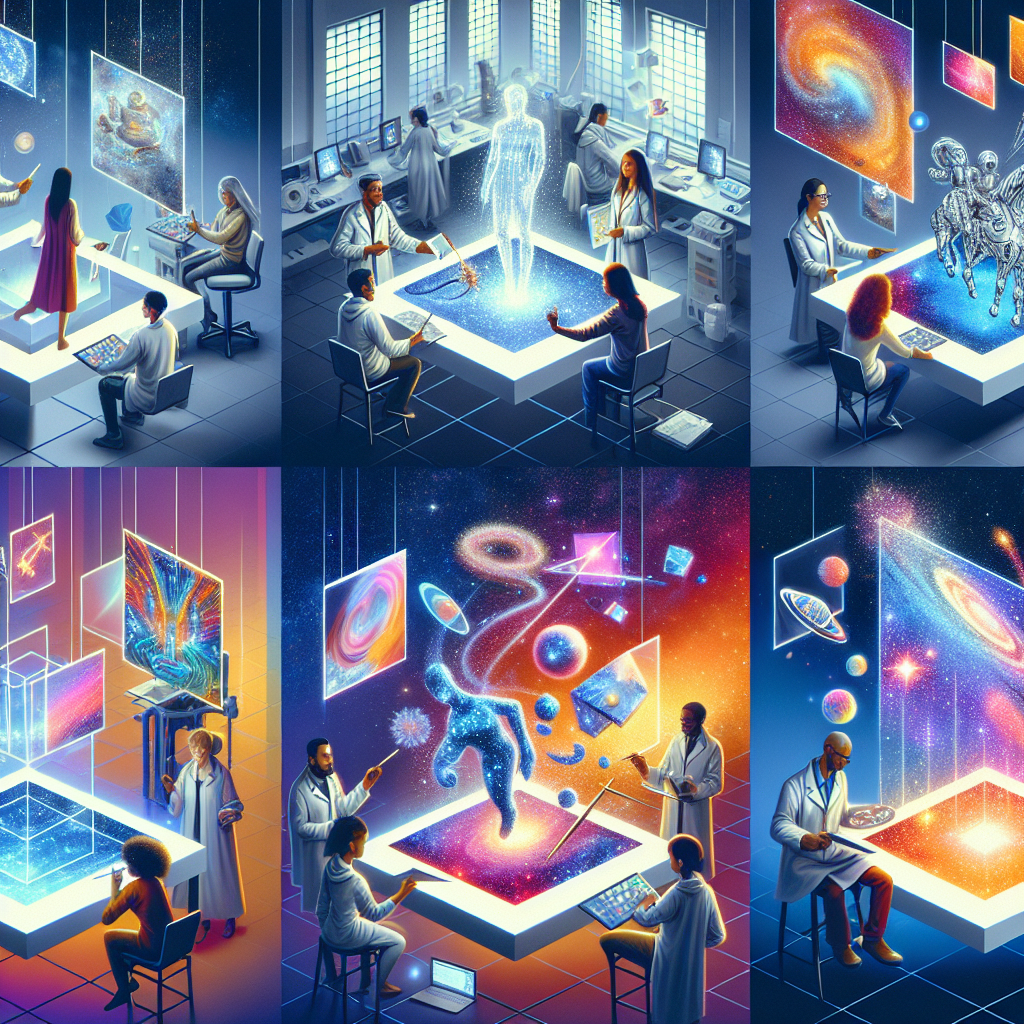
As we step into 2025, the landscape of creativity has significantly transformed, driven by the synergistic fusion of technology and art. Immersive experiences have transcended traditional boundaries, allowing artists to engage audiences in profound, multi-sensory ways. This article explores how innovations in technology—particularly virtual reality (VR), augmented reality (AR), artificial intelligence (AI), and interactive installations—are redefining what it means to create and experience art in our contemporary era.
The Rise of Immersive Art
Immersive art has rapidly gained popularity over the past several years. Unlike conventional forms of art which can often be passive experiences, immersive experiences invite viewers to actively participate in the artistic narrative. Today, exhibitions are not merely a collection of paintings or sculptures, but entire environments that transport visitors into alternate realities where they become part of the artwork.
Technology’s Role in Artistic Expression
Virtual Reality and Augmented Reality
Virtual reality has revolutionized the way we interact with art. By donning VR headsets, individuals can step inside 3D worlds created by artists. Imagine wandering through a digital forest where each tree is a reflection of the artist’s emotional state. Similarly, augmented reality applications allow users to overlay digital art onto physical spaces, bridging the gap between reality and imagination. Such experiences not only engage audiences but also challenge traditional perceptions of space, context, and interactivity.
Artificial Intelligence
AI is also making strides in the art world. Algorithms can analyze vast amounts of artistic data and generate unique works or assist human artists in their creative processes. In 2025, AI-hybrid art studios are becoming commonplace, where human creativity and machine learning collaborate seamlessly. Artists can experiment with AI to create works that evolve over time, reflecting trends, emotions, or even social movements.
Blurring the Lines: Audience as Creator
One of the most exciting aspects of immersive experiences is the shift in the role of the audience—from mere spectators to active participants. In 2025, interactive installations have become a trend where audience input directly influences the artwork. For example, an installation might change based on viewer movements or emotional responses tracked through facial recognition.
Community and Collaboration
The immersive art scene has also fostered a sense of community. Collaborative projects, whether local or global, allow artists and audiences to co-create experiences and share their interpretations. This democratization of art encourages diverse voices and promotes inclusivity, inviting everyone to partake in the creative process.
The Virtual Gallery: Accessibility and Innovation
As we move deeper into 2025, virtual galleries have become fundamental in making art more accessible. No longer are the treasures of creativity confined to physical spaces. Through virtual reality platforms, audiences from around the globe can explore exhibitions that they may have otherwise never had the opportunity to see. This not only brings art to remote communities but also encourages cultural exchange and understanding.
The Future of Tech Art
Looking ahead, tech art is set to evolve even further. Concepts like haptic technology—allowing tactile interaction with digital surfaces—promise to create even more immersive experiences. The emergence of the metaverse as a platform for creativity will likely reshape the way we think about ownership and authenticity in art.
Ethical Considerations
However, with innovation comes responsibility. The integration of AI and technology in art raises ethical questions about originality, copyright, and the essence of human creativity. As we continue to embrace these advancements, artists, technologists, and policymakers must navigate these complexities to ensure a future where creativity flourishes responsibly.
Conclusion
In 2025, immersive experiences crafted through the lens of technology are redefining creativity and challenging our understanding of art. By inviting participation, enhancing accessibility, and fostering collaboration, tech art is not only transforming the artistic landscape but also enriching the human experience. As we continue to explore this exciting frontier, one thing remains clear: the fusion of art and technology is an ever-evolving journey that holds infinite possibilities.
As we stand on the brink of this new era, the only question left is: what will our collective imagination conjure up next?


