

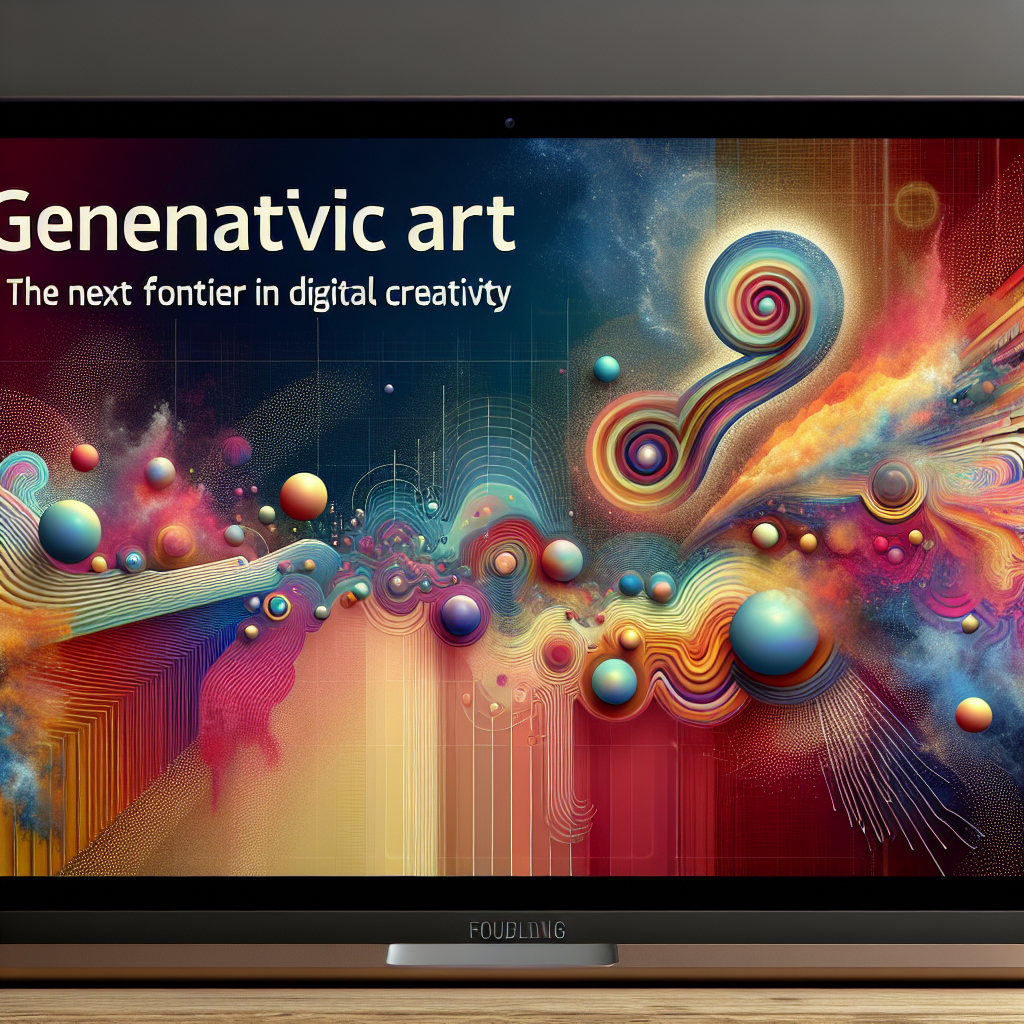
In the ever-evolving landscape of digital art, generative art stands out as a revolutionary form of creativity that combines technology and imagination. This unique genre transcends traditional artistic boundaries, offering both artists and audiences new ways to engage with art. As we delve into the world of generative art, we uncover its origins, its techniques, and the implications it holds for the future of creativity.
What is Generative Art?
Generative art is created using autonomous systems, typically algorithms or computer codes, that generate unique artworks based on defined parameters. Unlike traditional art forms, where an artist directly applies their skill and intention to produce a piece, generative art relies on predefined rules to create endless variations. This method introduces a collaborative dynamic between human creativity and machine learning.
The concept of generative art is not new; its roots can be traced back to the 1960s when artists like Frieder Nake and Harold Cohen began experimenting with computer-generated images. However, it is in recent years, with the rise of advanced technology and software, that generative art has gained mainstream acceptance and recognition.
Techniques and Tools
Generative art is powered by a variety of technologies, ranging from simple algorithms to complex machine learning models. Here are some popular techniques and tools used in the creation of generative artworks:
-
Algorithmic Design: Artists use coding languages such as Processing, p5.js, and OpenFrameworks to create rules that dictate how shapes, colors, and forms interact. By adjusting variables, they can extract myriad artworks from a single algorithm.
-
Fractals and Mathematical Patterns: Many generative artists draw inspiration from mathematical principles, employing fractals and other complex patterns to create visually striking compositions.
-
Artificial Intelligence: Machine learning and neural networks have opened new avenues for generative art. Tools like DeepDream, GANs (Generative Adversarial Networks), and DALL-E allow artists to produce astonishing images that reflect learned patterns from vast datasets.
-
Interactive Installations: Artists are also blending generative art with interactive technology, allowing viewers to influence the outcome of a piece in real time. This creates a dynamic and immersive experience, blurring the lines between creator and audience.
The Impact on the Art World
Generative art challenges traditional notions of authorship and creativity. In a world where algorithms can produce art, questions arise: Who is the true artist—the programmer, the algorithm, or the user? This democratization of creativity has led to diverse expressions and innovative collaborations, reshaping the art market and leading to new artistic movements.
Moreover, generative art has found a place in various sectors, including design, architecture, and gaming. Its applications are vast and continue to expand as more artists embrace the potential of technology. Many generative artworks have been showcased in galleries and museums, affirming their status as legitimate artistic endeavors.
The Future of Generative Art
As technology advances, so too will the possibilities of generative art. The rise of virtual and augmented reality offers exciting opportunities for artists to create immersive environments that evolve and adapt to the viewer’s interactions. Additionally, advancements in artificial intelligence could lead to even more sophisticated creations that challenge our understanding of art and creativity.
While generative art may still be considered niche compared to traditional mediums, its growth signals a broader acceptance of technology in the creative process. As the boundaries between human and machine blur, generative art will likely play a crucial role in shaping the future of digital creativity.
Conclusion
Generative art embodies the intersection of creativity and technology, presenting both challenges and opportunities for artists and audiences alike. As this genre continues to evolve, it invites us to reconsider our definitions of art, authorship, and creativity in an increasingly digital world. Embracing generative art not only opens up new frontiers but also enriches our understanding of what it means to create and appreciate art in the modern age. The future of art is here, and it is dynamic, unpredictable, and utterly fascinating.


