

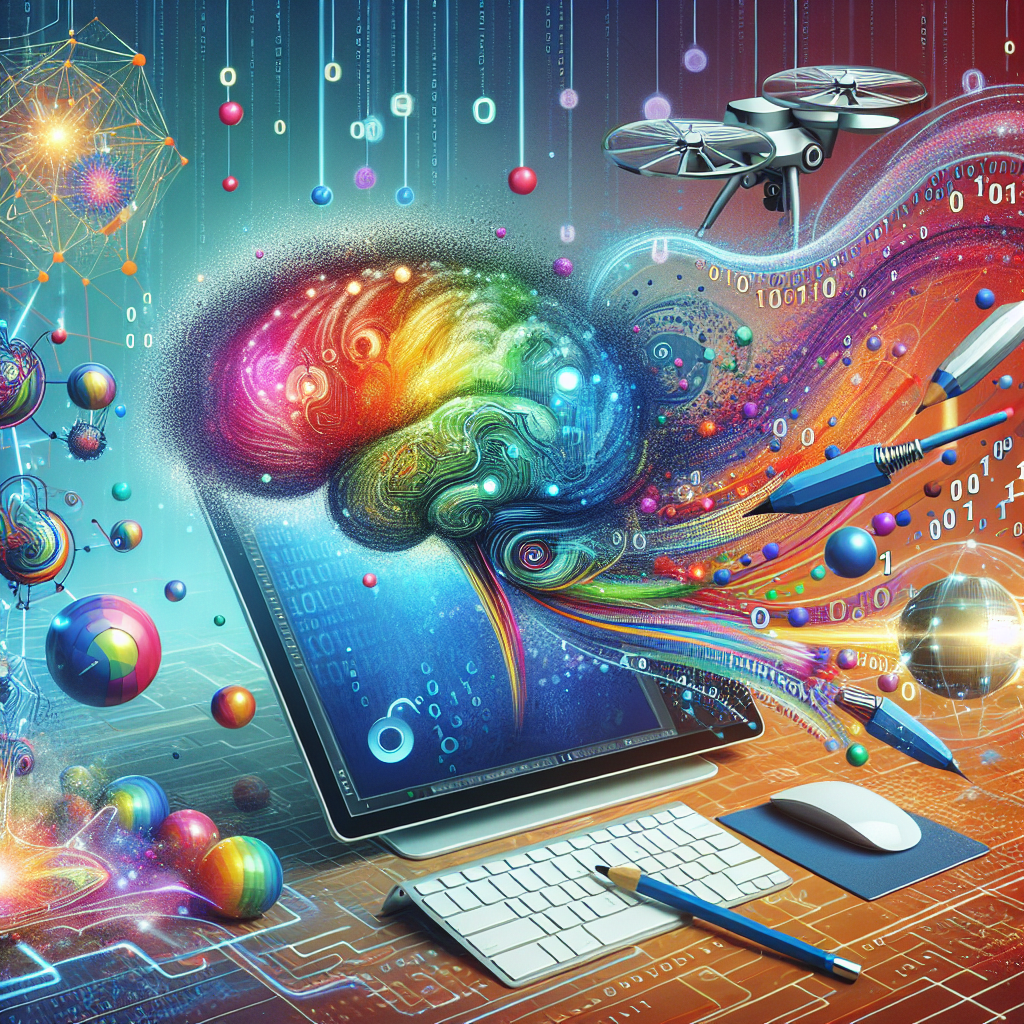
In recent years, the digital art scene has evolved dramatically, largely fueled by advances in artificial intelligence (AI). Originally perceived as a mere tool for enhancing human creativity, AI has transformed into a robust collaborator, enabling artists to explore new realms of imagination and expression. From generating unique visual styles to automating repetitive tasks, AI tools are redefining how art is created and perceived in the digital age. This article delves into the various aspects of AI’s role in modern art, showcasing how these technologies inspire creativity and foster innovative artistic expressions.
The Evolution of AI in Art
The journey of AI in art can be traced back to the early days of computer-generated imagery (CGI), where artists relied on algorithms to create visual effects. However, the last decade has seen revolutionary advancements in machine learning and neural networks, allowing AI to learn patterns, styles, and even emotional undertones. Tools like DeepArt, StyleGAN, and DALL-E have enabled artists to generate intricate designs with minimal input, blurring the lines between artist and algorithm.
Inspiration: AI as a Muse
Many artists now turn to AI for inspiration in their creative process. By inputting specific parameters or themes, artists can generate a multitude of variations that spark new ideas. For instance, an artist might upload a collection of their own works into an AI model, which then generates new styles or compositions based on their unique aesthetic. This interaction can lead to breakthroughs that might not have occurred through traditional methods, expanding the horizons of artistic possibilities.
Moreover, AI tools can analyze vast databases of existing art, provided valuable insights into color palettes, composition, and trends. By leveraging these analytics, artists remain attuned to contemporary movements and historical influences, ultimately enriching their work.
Creation: AI as a Collaborator
The creative process is often tedious, involving countless hours of refinement and iteration. AI tools can alleviate much of this burden by automating repetitive tasks, allowing artists to focus on the more nuanced aspects of their work. Applications like Runway ML provide artists with user-friendly interfaces to manipulate AI-generated content seamlessly.
For instance, AI can assist in background generation, character design, or even texturing, enabling artists to explore different visual narratives without getting bogged down in technicalities. This collaborative dynamic has resulted in a surge of innovative projects in fields ranging from video games to graphic novels, where AI plays an integral role in shaping the final piece.
Ethical Considerations and Creative Ownership
As AI tools become more prevalent, they raise important questions about authorship and the value of human creativity. Who owns the rights to a piece of art generated by AI? Is it the artist who input the parameters, or the developer of the AI? This debate continues to unfold, prompting artists, ethicists, and technologists to consider the implications of AI in creative fields.
Some argue that AI, while capable of producing stunning visuals, lacks the emotional depth and intentionality that human artists bring to their work. This perspective emphasizes that AI should be viewed as a supplementary tool rather than a replacement, highlighting the irreplaceable human touch in artistic expression.
The Future of AI in Digital Art
As AI technology continues to advance, its role in the digital art scene will undoubtedly evolve. We can expect more sophisticated tools that allow for greater customization and personalization, enabling artists to mold the AI to their unique vision. Collaborative platforms may emerge, where artists and AI coexist in a shared creative space, producing works that blur the lines between human and machine artistry.
Furthermore, the democratization of AI tools is likely to open up artistic avenues for a broader audience. Aspiring artists who may lack traditional skills can leverage AI to express their creativity, fostering a more inclusive art community.
Conclusion
AI tools are redefining the landscape of contemporary art, turning inspiration into tangible creation through collaborative processes. While they prompt essential discussions about creativity, ownership, and ethics, the potential for innovation is vast. As artists harness these technologies, the dialogue surrounding human-artifice relationships will continue to inspire both creators and audiences alike, forging a new era of digital artistry marked by endless possibilities. In this brave new world, imagination truly knows no bounds.


