

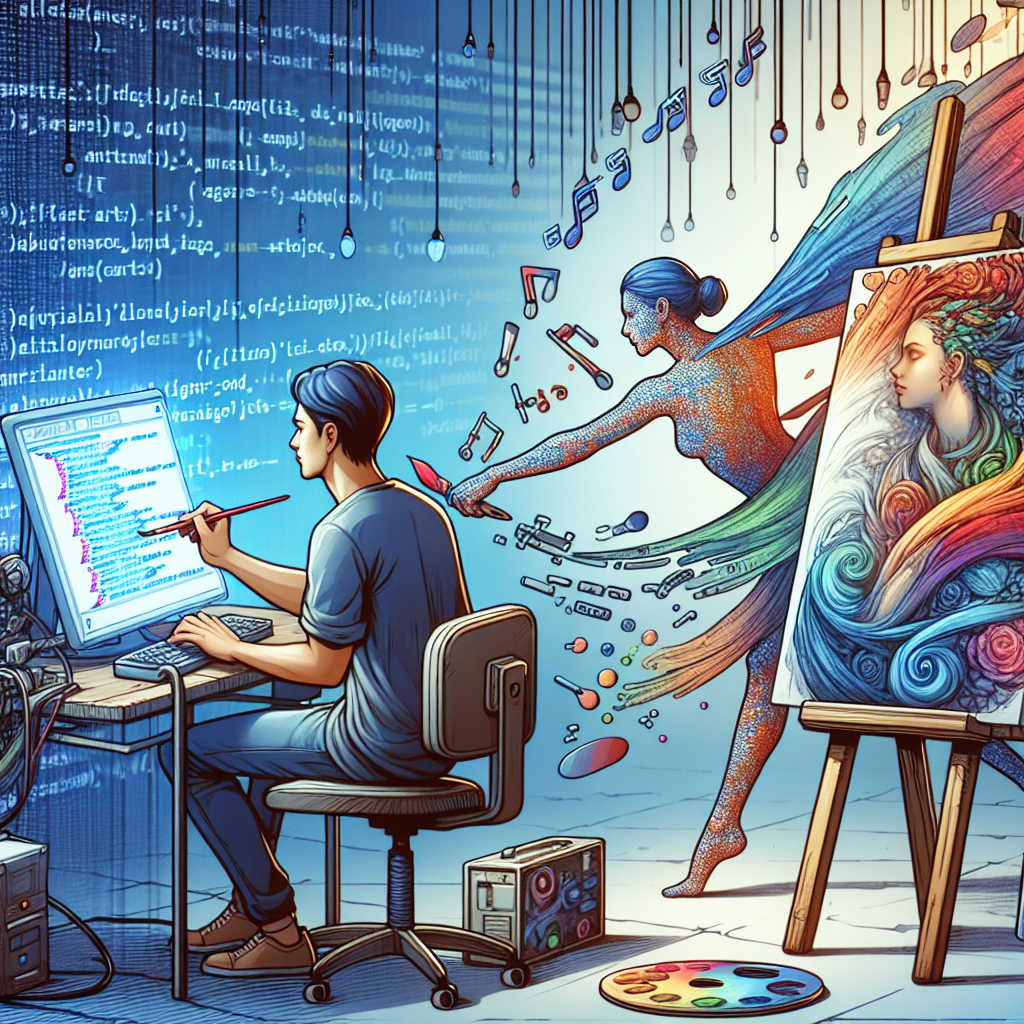
In recent years, the tech art movement has blossomed, merging the realms of digital technology with traditional artistic expression. This fascinating intersection has given rise to a new genre of art that challenges the conventional notions of creativity and craftsmanship. At the heart of this movement are innovative artists who harness the power of coding, algorithms, and digital tools to create immersive and thought-provoking works.
The Evolution of Tech Art
The tech art movement finds its roots in the digital revolution of the late 20th century. As computers became more accessible, artists began experimenting with new mediums. Early pioneers like Manfred Mohr and Frieder Nake explored algorithmic art, using code as a primary tool for their artistic vision. They set the stage for a generation of artists who would redefine what it means to create.
By the 21st century, the proliferation of digital devices and platforms allowed for greater experimentation. Today’s tech artists integrate elements from disciplines like software engineering, data visualization, and interactive design, creating multifaceted experiences that invite audience participation.
Notable Artists in the Tech Art Movement
Casey Reas
Co-creator of the popular programming language Processing, Casey Reas has significantly influenced the tech art landscape. Processing empowers artists to code visuals interactively, and Reas’s own works often reflect themes of algorithmic generation and randomness. His pieces explore the relationship between order and chaos, embodying the beauty that can arise from structured unpredictability.
Rafael Lozano-Hemmer
Rafael Lozano-Hemmer is a luminary in the field of interactive art. His works often blend architecture, performance, and technology, engaging viewers in novel ways. Through projects like "33 Questions per Minute," he creates dynamic installations that respond to real-time data, human interaction, or even space itself, tackling themes of surveillance, identity, and communication in the digital age.
Refik Anadol
Refik Anadol takes the use of AI to new heights, using machine learning algorithms to analyze and visualize data in visually stunning ways. His immersive installations, which often transform architectural spaces, evoke emotional and awe-inspiring responses. Anadol’s work prompts viewers to reconsider the role of technology in shaping our perceptions and experiences of the world around us.
Jenny Holzer
While Jenny Holzer gained fame through her use of text in public spaces, her incorporation of technology into her installations has positioned her as a pivotal figure in the tech art movement. Her LED-based pieces question the nature of communication, signage, and the dissemination of information in the digital age, sparking dialogues on public discourse and media.
The Role of Community and Collaboration
The tech art movement thrives on collaboration. Artists, engineers, and technologists often work together to create cutting-edge projects that push the boundaries of traditional art. Spaces like workshops, hackathons, and online forums provide fertile ground for idea exchange, allowing artists to learn from one another and explore innovative techniques.
Organizations like Rhizome and Creative Coding Amsterdam support emergent artists and projects, fostering community and encouraging inclusivity. Exhibitions dedicated to tech art cultivate a broader audience, often housed in institutions that showcase the dialogue between art and technology.
Challenges and Critiques
Despite its growth and popularity, the tech art movement faces several challenges. Issues relating to accessibility and the digital divide highlight the need for inclusive practices. As technology evolves at a rapid pace, some worry that artworks may become obsolete quickly, potentially alienating audiences unfamiliar with the underlying technologies.
Moreover, the commercialization of art in the tech sphere raises ethical questions. As NFTs and digital assets gain traction, debates around ownership, copyright, and the true value of digital creations increasingly come to the forefront.
The Future of Tech Art
Looking ahead, the tech art movement is poised for even greater innovation. Emerging technologies like virtual reality (VR), augmented reality (AR), and blockchain are set to redefine how we experience art. As these tools become more integrated into artistic practices, they will further blur the boundaries of creative expression.
The future of tech art will likely emphasize sustainability and social consciousness, as artists respond to global issues through technology. By continuing to explore the intersection of art and tech, creators can inspire meaningful conversations about the world we inhabit and the technologies that define it.
Conclusion
From coding to canvas, the artists behind the tech art movement are reshaping the landscape of contemporary art. Their ability to blend creativity and technology invites audiences to engage with art in new ways, challenging our perceptions and expanding the definitions of what art can be. As technology continues to evolve, so too will the capabilities and possibilities for artistic expression, ensuring that the tech art movement remains at the forefront of cultural innovation.


