

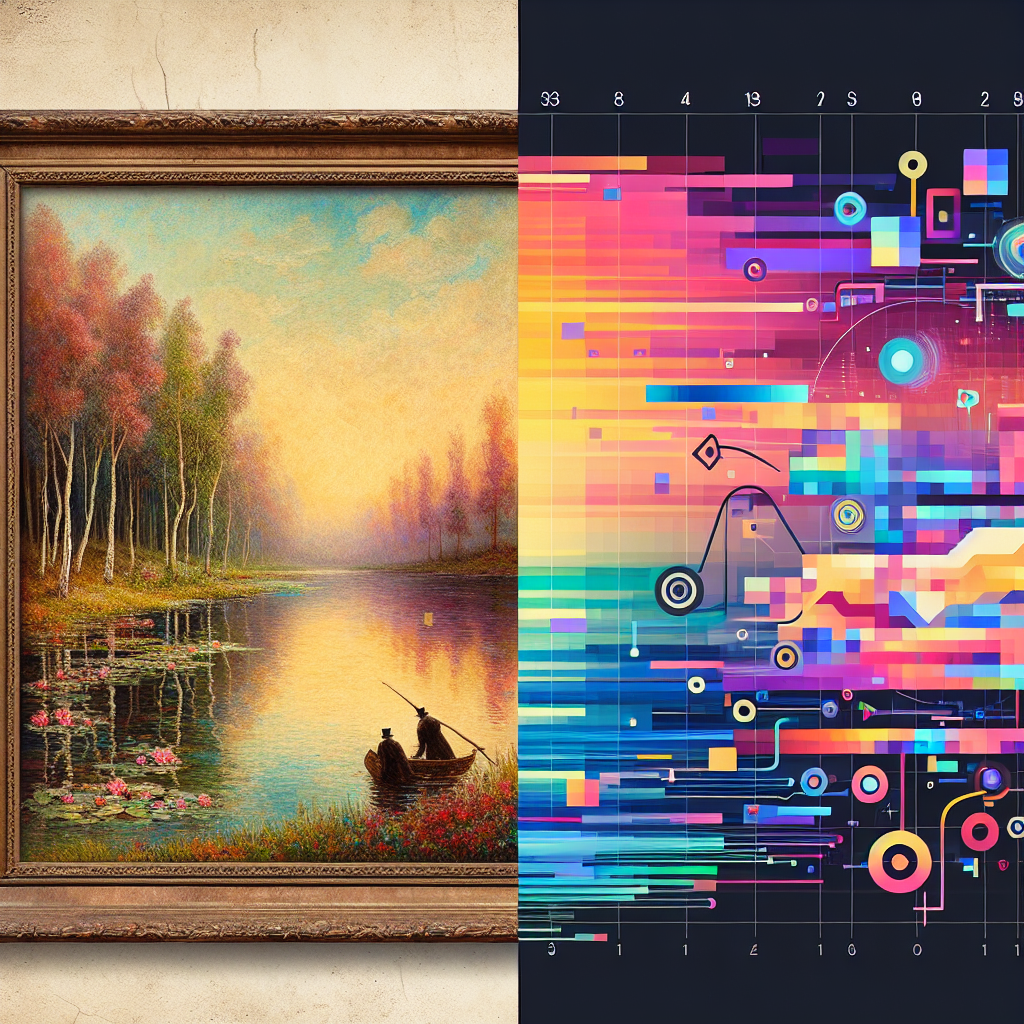
In recent years, the evolution of art has seen a profound transformation, moving from traditional canvases to expansive digital realms. Interactive digital installations, a fusion of technology and creativity, are at the forefront of this shift. These immersive experiences engage audiences in ways that traditional art forms never could, utilizing code and interactivity to create dynamic environments that blur the lines between the observer and the artwork.
The Evolution of Art
Historically, art has been confined to static forms: paintings, sculptures, and prints. While these mediums have achieved immense cultural significance, they lack the capacity for interaction. With the advent of digital technology, a new era of art began to emerge. The introduction of computers and software into the creative process allowed artists to experiment with new forms, resulting in an art movement rich with possibilities.
Pioneering Digital Installations
In the late 20th and early 21st centuries, pioneers like Nam June Paik and Jenny Holzer began exploring the use of video and electronic displays as art forms. These early experiments laid the groundwork for the interactive installations we see today. Artists began integrating sensor technology, robotics, and artificial intelligence, transforming passive viewing into active engagement.
Key Characteristics of Interactive Digital Installations
-
Interactivity: Unlike traditional art forms, interactive installations invite viewers to become participants. This can involve movement, touch, or even voice activation, creating a personal experience that varies from one visitor to another.
-
Immersion: Many digital installations use augmented reality (AR) and virtual reality (VR) to immerse audiences in entirely new worlds. Through these technologies, viewers can step into an environment that engages multiple senses, often invoking strong emotional responses.
-
Real-Time Feedback: The use of sensors and software allows for real-time interaction, where participants’ actions can directly influence the artwork. This creates a dialogue between the viewer and the installation, enhancing the depth of the experience.
-
Collaboration: Digital installations often require collaboration between artists, programmers, and engineers. This multidisciplinary approach not only enriches the creative process but also fosters a community of innovation.
The Cultural Impact of Interactive Digital Art
The rise of interactive digital installations has marked a significant shift in how art is perceived and engaged with in the contemporary world. Art is no longer a solitary experience confined to galleries and museums; it is now more accessible and inclusive, reaching diverse audiences.
Democratization of Art
The digital nature of these installations often allows for broader accessibility. Unlike traditional art, which may be limited to physical locations, digital works can reach global audiences through virtual exhibitions and social media platforms. This democratization broadens the dialogue surrounding art, enabling a wider range of perspectives and interpretations.
Challenging Traditional Norms
Interactive installations challenge notions of authorship, ownership, and value in art. With the ability for viewers to influence the artwork, the question of who is the "artist" becomes complex. Additionally, the code underlying these installations often emphasizes open-source principles, inviting further exploration and modification by others.
Engagement and Social Reflection
Many contemporary digital artists use their work to engage with pressing social issues, such as climate change or social justice. Interactive installations can prompt reflection and discussion among participants, using technology to convey messages that resonate on a personal level.
The Future of Interactive Digital Installations
As technology continues to advance, the potential for interactive digital installations seems limitless. Emerging technologies like artificial intelligence, machine learning, and blockchain will likely play integral roles in shaping the future of this art form.
Artificial Intelligence and Machine Learning
The incorporation of AI can lead to artworks that learn and evolve over time, adapting to user interactions in unpredictable ways. These innovations could deepen the interactivity of installations, creating unique experiences tailored to individual viewers.
Blockchain and Digital Ownership
With the recognition of digital art, notions of ownership and authenticity are shifting. Blockchain technology has opened up discussions about how digital installations can be bought, sold, and owned, potentially leading to a new economy for artists.
Conclusion
From canvas to code, the rise of interactive digital installations represents a significant evolution in the art world. By merging technology with creativity, artists are redefining the boundaries of what art can be. As these installations continue to evolve, they promise to enhance the ways we connect with art, each other, and the world around us. The future holds exciting possibilities, as creativity and technology intertwine to inspire new generations of artists and audiences alike.


