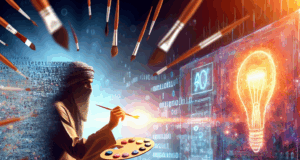
The evolution of contemporary art has been profoundly influenced by the advent of digital tools, transforming traditional practices and redefining the very essence of artistic expression. The shift from canvas to code has not only expanded the palette available to artists but has also opened doors to new forms of engagement and interaction with audiences.
The Rise of Digital Tools in Art
In the past few decades, the art world has witnessed a profound transformation with the introduction of digital technologies. From software applications like Adobe Photoshop and Illustrator to powerful 3D modeling programs and virtual reality environments, these tools have democratized the creation process, allowing artists to experiment and innovate without the constraints of traditional mediums.
Accessibility and Democratization
One of the most significant impacts of digital tools is their democratizing effect on art. Historically, access to artistic creation was often limited by factors such as training, materials, and space. Today, anyone with a computer or tablet can create art, leading to a burgeoning ecosystem of diverse voices and perspectives. Online platforms such as Instagram, TikTok, and Behance have allowed emerging artists to showcase their work globally, fostering a sense of community and collaboration.
New Expression Through Interactivity
The digital medium also allows for unprecedented interactivity. Artists can create works that respond to viewer input, effectively turning the audience into a participant. For example, interactive installations that use sensors and software enable viewers to engage with the artwork in real time. This shift not only enhances the experience of art but also encourages artists to rethink their roles as creators.
Case Studies in Digital Art
Several contemporary artists have harnessed digital tools to produce innovative works that challenge our understanding of art:
-
Rafael Lozano-Hemmer: His interactive installations often involve technology to create immersive environments that respond to audience presence. Works like “33 Questions per Minute” utilize algorithms to generate language, blurring the lines between art, literature, and technology.
-
Refik Anadol: Known for his work in data aesthetics, Anadol turns data into mesmerizing visuals through AI algorithms. His installations question the nature of perception in the digital age and challenge traditional notions of authorship.
These examples illustrate how digital tools not only enhance artistic capabilities but also provoke discussions about the future of art in an increasingly tech-driven world.
Challenges and Criticisms
Despite the benefits of digital tools, there are inherent challenges and criticisms. The ease of access can sometimes lead to an overwhelming saturation of content. Furthermore, the reliance on technology raises questions about authenticity and originality. Critics argue that digital art may lack the ‘soul’ often associated with traditional forms, provoking debates about what constitutes ‘real’ art.
Sustainability Concerns
Additionally, the environmental impact of digital art practices cannot be ignored. The energy consumption of servers housing digital art and the quick obsolescence of devices are significant concerns in discussions about the sustainability of contemporary art practices.
The Future of Art and Technology
Looking ahead, the integration of artificial intelligence, augmented reality, and blockchain technologies promises to further redefine the landscape of contemporary art. Artists are increasingly incorporating AI not only as a tool but as a collaborator in the creative process, leading to fascinating hybrid forms of expression.
Moreover, NFTs (non-fungible tokens) have opened new avenues for artists to monetize their work, challenging traditional art markets and ownership concepts. As these technologies evolve, they will continue to shape the dialogue around art and its societal implications.
Conclusion
The transition from canvas to code marks a pivotal moment in the evolution of contemporary art. Digital tools have broadened the definition of what art can be, fostering innovation, participation, and reflection. As artists navigate this dynamic terrain, the interplay between technology and creativity will undoubtedly continue to spark conversations about the future of art in our ever-evolving digital landscape. The journey from canvas to code is just beginning, and its impact on the art world will resonate for generations to come.