

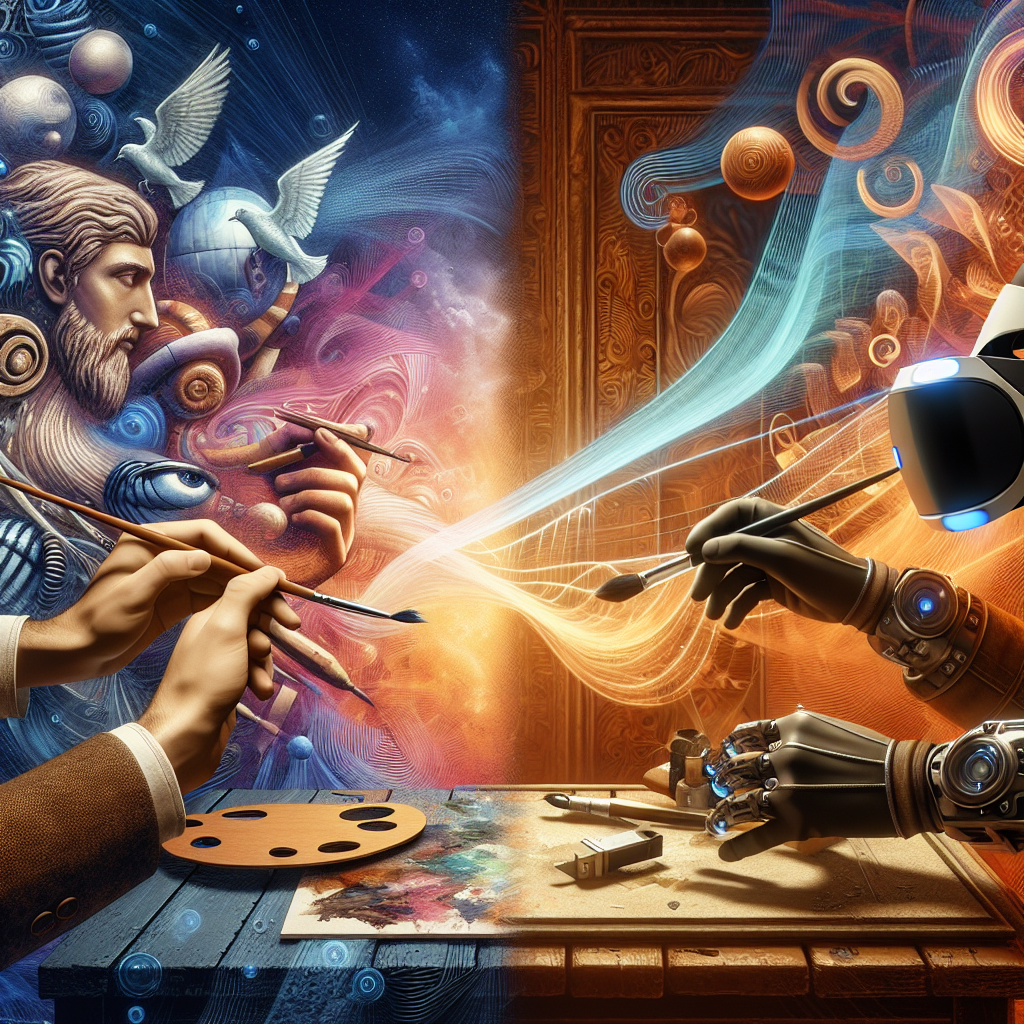
Art has always been a reflective medium, evolving alongside technological advancements and cultural shifts. In recent years, the rise of Augmented Reality (AR) and Virtual Reality (VR) has marked a transformative period in the realm of artistic expression. This article explores how traditional artistic techniques have migrated into digital environments, reshaping the way artists create and audiences experience art.
The Foundation: Traditional Techniques
Historically, artists have relied on physical mediums—oil paints, watercolors, pastels, and clay—to bring their visions to life. Techniques such as brush strokes, layering, and perspective have defined art movements through the centuries. The tactile nature of these traditional forms allowed artists to connect intimately with their materials and audiences.
Nonetheless, as society embraced innovation, artists began experimenting with new mediums. The advent of digital art in the late 20th century set the groundwork for future explorations in AR and VR.
The Dawn of Digital Art
Digital art emerged as a significant form of expression, providing tools such as graphic tablets and software like Adobe Photoshop. Artists were no longer limited by their physical environments; they could manipulate colors and textures with just a few clicks. This evolution democratized art-making, enabling emerging artists to experiment without the constraints of traditional materials.
The integration of 3D modeling software, like Blender and ZBrush, added another dimension to digital artistry. Artists could create intricate sculptures and environments that were virtual yet felt real.
The Leap to Augmented Reality (AR)
As smartphones and AR technology proliferated, artists found new avenues for creativity. AR overlays digital images onto the physical world through mobile applications and smart glasses, bridging the gap between real and digital experiences. This medium allows artists to enhance their works with interactive elements, movement, and additional layers of meaning.
One notable example is the work of digital artists like Kaho Abe, who creates AR experiences that respond to viewer interactions. By merging physical and digital realms, AR challenges the traditional notion of a static art piece, inviting audiences to become active participants in the artwork.
Techniques in AR
-
Layering and Transparency: Artists use layers to transcend the limitations of physical canvases. Transparent overlays can reveal hidden narratives or features.
-
Interactive Elements: By incorporating touch or motion sensors, AR artworks become dynamic and personalized. Viewers can manipulate the experience, making art fluid rather than fixed.
-
Site-Specific Works: Artists can design AR experiences anchored in specific locations, creating context-driven narratives that resonate with local history or culture.
The Immersive World of Virtual Reality (VR)
VR takes the concept of art even further, immersing audiences in entirely digital environments. Users can explore three-dimensional worlds crafted by artists, experiencing artworks from inside out. This immersive engagement redefines the relationship between the viewer and the art, allowing for profound emotional connections.
Techniques in VR
-
3D Sculpting: Tools like Oculus Medium and Quill enable artists to create intricate sculptures in a virtual landscape, akin to traditional clay modeling but with limitless possibilities.
-
Spatial Narratives: Artists can craft narratives that unfold spatially, allowing viewers to walk through the story. This technique blurs the lines between storytelling and visualization, enhancing emotional impact.
-
Social Interactivity: Artists are also exploring multi-user environments where viewers can collaborate or interact with one another within the VR space, creating a communal experience of art-making.
Challenges and Considerations
Despite the abundant opportunities in AR and VR, artists face several challenges. The technical skills required to master these tools can be daunting. Moreover, the rapid pace of technological change can make equipment and software quickly obsolete.
Ethical considerations also arise, especially regarding accessibility and representation. Is this technology only accessible to a privileged few? Are the digital realms created reflective of diverse cultures and narratives?
Conclusion
The evolution of artistic techniques from brush strokes to code signifies not just a shift in tools, but a profound transformation in how art is conceived, created, and experienced. AR and VR invite artists to explore new dimensions of creativity, enabling immersive experiences that redefine the viewer’s role in art.
As we move forward, the blend of tradition and innovation will continue to enrich the art world, opening doors to endless possibilities. The future of art promises to be as vibrant, complex, and dynamic as the technologies that drive it.


