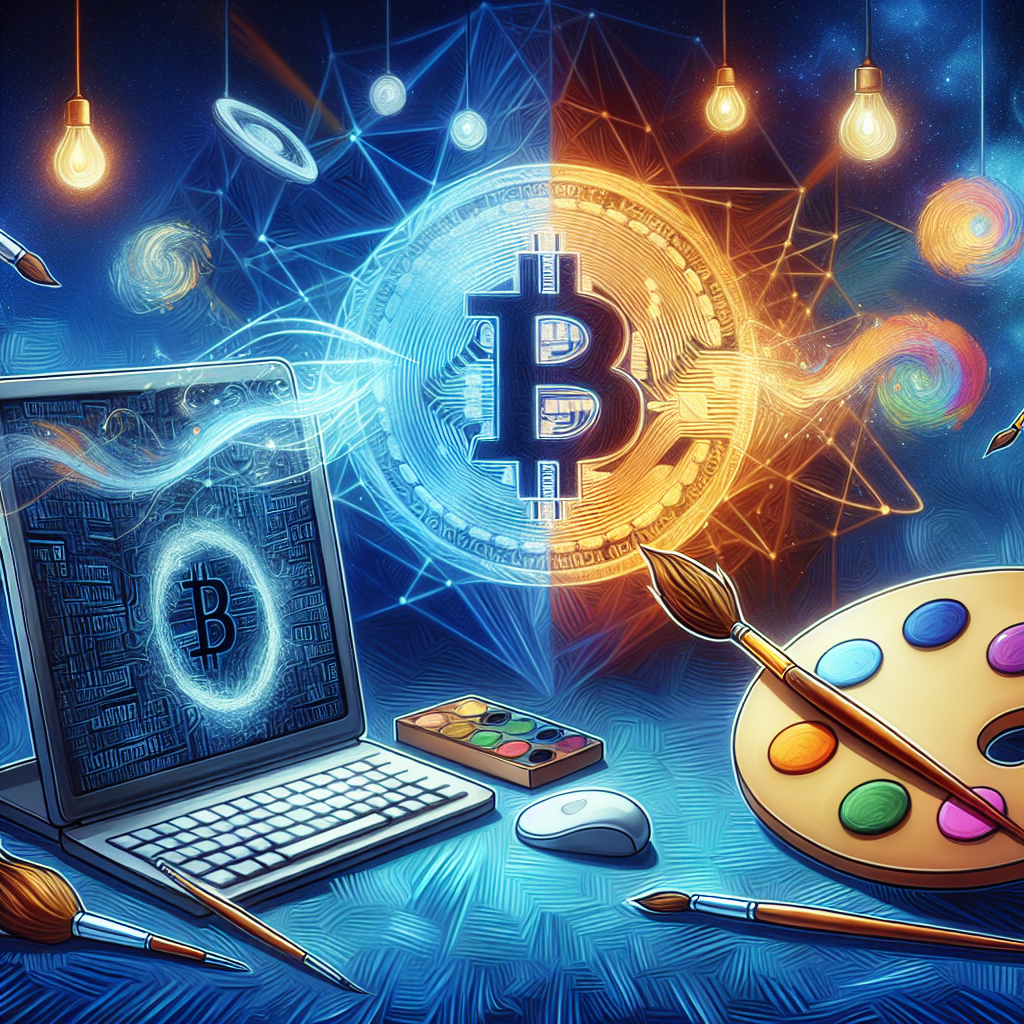
In the rapidly evolving landscape of the digital age, two seemingly disparate worlds are crossing paths: cryptocurrency and art. As technology advances, artists and collectors are increasingly exploring this crossroads, reshaping how art is created, sold, and experienced. This intersection not only reflects a new wave of digital innovation but also poses fundamental questions about the nature of art itself.
The Rise of Cryptocurrency
Cryptocurrency, led by Bitcoin’s meteoric rise, has gained significant traction since its inception in 2009. Initially viewed as a speculative investment, cryptocurrencies are now embedded in the fabric of financial systems worldwide. The decentralization, transparency, and security they offer have attracted diverse sectors, including art. The blockchain technology behind cryptocurrencies provides a verifiable ledger of ownership, revolutionizing how we think about provenance and authenticity in art.
Digital Art and NFTs: A New Canvas
The emergence of Non-Fungible Tokens (NFTs) has become the most visible manifestation of the collaboration between cryptocurrency and art. Unlike traditional currencies, NFTs are unique digital assets that represent ownership of a specific item, making them ideal for art. Artists can now mint their works as NFTs, allowing them to sell directly to collectors while retaining a connection to their creations.
Artists Embracing NFTs
Prominent artists like Beeple and Pak have made headlines, selling digital artworks for millions of dollars. These sales have not only raised awareness of the possibilities within digital art but have also sparked debates about the value and longevity of such works. For many artists, NFTs represent a democratization of the art market, enabling emerging creators to bypass traditional galleries and reach a global audience.
The Impact on Traditional Art
The infiltration of cryptocurrency and NFTs in the art scene has also affected traditional forms of art. Many established galleries are now incorporating NFTs into their exhibitions, showcasing a blend of physical and digital artworks. This hybrid approach allows artists to experiment with new mediums while offering collectors more options for investment.
The Role of Smart Contracts
One of the most significant advantages of merging cryptocurrency with art is the implementation of smart contracts. These self-executing contracts facilitate transactions automatically, ensuring that artists receive royalties each time their work is resold. This model contrasts sharply with traditional art markets, where artists often see little financial benefit after the initial sale. By using blockchain technology, artists can ensure ongoing compensation, fostering a sustainable ecosystem.
Challenges and Critiques
While the intersection of cryptocurrency and art presents exciting opportunities, it is not without challenges. The environmental impact of cryptocurrency mining, particularly for energy-intensive platforms like Ethereum, has drawn criticism from environmentalists and artists alike. Additionally, the speculative nature of NFTs raises questions about the authenticity of value. Are these digital artworks genuinely valuable, or are they mere bubbles fueled by hype?
The Future of Art and Cryptocurrency
As the dialogue between art and cryptocurrency continues to evolve, it is clear that this intersection will shape the future of both industries. Emerging technologies, including augmented reality and virtual reality, could redefine how we experience art, creating immersive environments that exist alongside physical spaces.
Expanding Access to Art
Furthermore, the globalization of the art market enabled by cryptocurrency can democratize access. Artists from underrepresented regions can showcase their work without the constraints of geographic limitations, engaging with a broader audience. Collectors, too, may find new avenues to explore diverse artistic expressions.
Conclusion
The convergence of cryptocurrency and art is a testament to humanity’s ever-evolving relationship with creativity and technology. As we navigate this uncharted territory, we must remain open to new possibilities while critically examining the implications of these changes. Whether through the lens of an NFT or a traditional brushstroke on canvas, the world of art is undergoing a transformation driven by the innovations of the digital age. Embracing this shift offers the potential for a richer, more inclusive art world, where creativity knows no bounds.