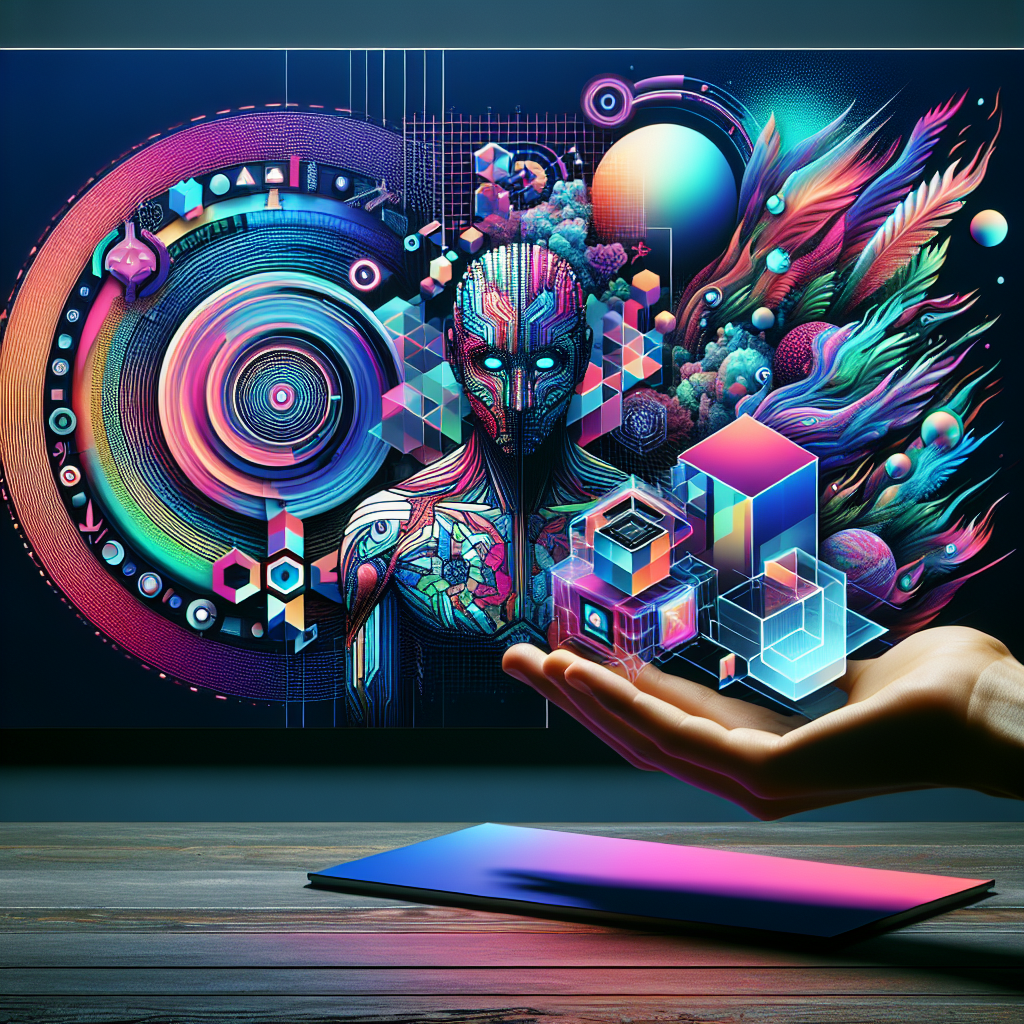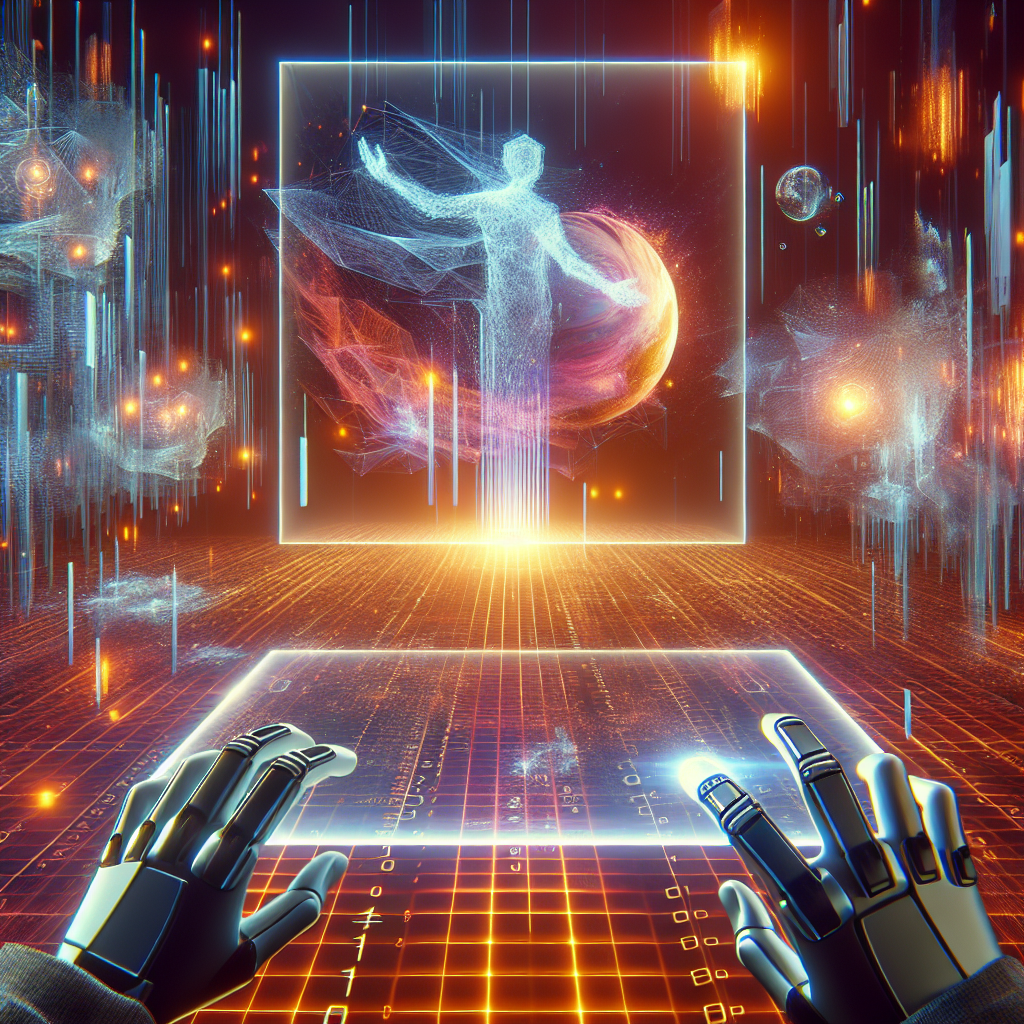
As we stand on the precipice of a new digital era, the intersection of art and technology is evolving in ways we once deemed unimaginable. Virtual Reality (VR), a medium traditionally associated with gaming and simulations, is now emerging as a revolutionary platform for artists. This article explores how VR is reshaping the art world, providing fresh avenues for creativity, interaction, and experience.
The Evolution of Artistic Expression
Historically, art has always mirrored the technology of its time. From the cave paintings of our ancestors to the advent of photography and digital art, each new medium has expanded the possibilities of creative expression. VR represents a seismic shift in this continuum, allowing artists to create immersive, interactive experiences that transcend traditional boundaries.
Immersive Experiences
VR’s ability to immerse viewers in three-dimensional worlds transforms the way we experience art. Instead of merely observing a painting or sculpture from a distance, audiences can step inside a digital canvas, exploring art in a multisensory environment. This level of engagement encourages a deeper emotional connection, as viewers become active participants rather than passive spectators.
Artists like Quill and Tilt Brush pioneers are utilizing VR platforms to create artwork that can only exist in a virtual realm. This new frontier allows for the exploration of dimensions, perspectives, and experiences that traditional media simply cannot offer.
Democratizing Art Creation
The rise of VR technology democratizes the art-making process. No longer are artists confined by the limitations of physical materials or studio space. With a VR headset and a computer, anyone can become an artist, giving rise to a new generation of creators from diverse backgrounds.
Moreover, platforms like Oculus Medium and Artivive empower creators to share their work with a global audience. This accessibility is not just beneficial for artists; it also allows consumers to engage with art in innovative ways. Audiences can explore virtual galleries or participate in collaborative art projects, breaking down barriers and fostering a sense of community.
New Realities and Narratives
Virtual Reality enables storytellers to construct narratives that unfold in engaging and interactive ways. VR art installations can alter our perceptions of reality, inviting audiences to explore complex themes and social issues. Artists can make powerful statements on topics like climate change, identity, and technology, offering immersive experiences that provoke thought and dialogue.
For instance, works like "Tree" by the artist Marco Tempest create a thought-provoking visual journey that encourages environmental awareness, while projects focused on social justice allow users to experience realities beyond their own. By stepping into different perspectives, audiences can foster empathy and understanding in ways that traditional art forms may struggle to convey.
Challenges and Opportunities
While the potential of VR in the art world is vast, it is not without challenges. Issues such as accessibility, hardware costs, and the need for technical skills can limit participation. However, as technology continues to develop and become more user-friendly, these barriers are likely to diminish.
Additionally, the art market itself is undergoing transformation. New forms of monetization are emerging, from virtual galleries that host exhibitions to NFTs (Non-Fungible Tokens) that provide verifiable ownership of digital art. Artists are exploring these possibilities, redefining how art is valued and collected.
Conclusion: Shaping the Future
As we look towards the future, it is clear that Virtual Reality is more than just a passing trend; it is a catalyst for change in the artistic landscape. With its ability to immerse, democratize, and challenge perceptions, VR is shaping how we create, share, and experience art.
As artists continue to push the boundaries of this medium, we can expect a vibrant and dynamic evolution of the art world—one where digital dreams become an intrinsic part of our cultural narrative. As we embrace this new reality, we are reminded that art will always be a reflection of humanity, transcending time and space, and connecting us in ways we are just beginning to understand.