

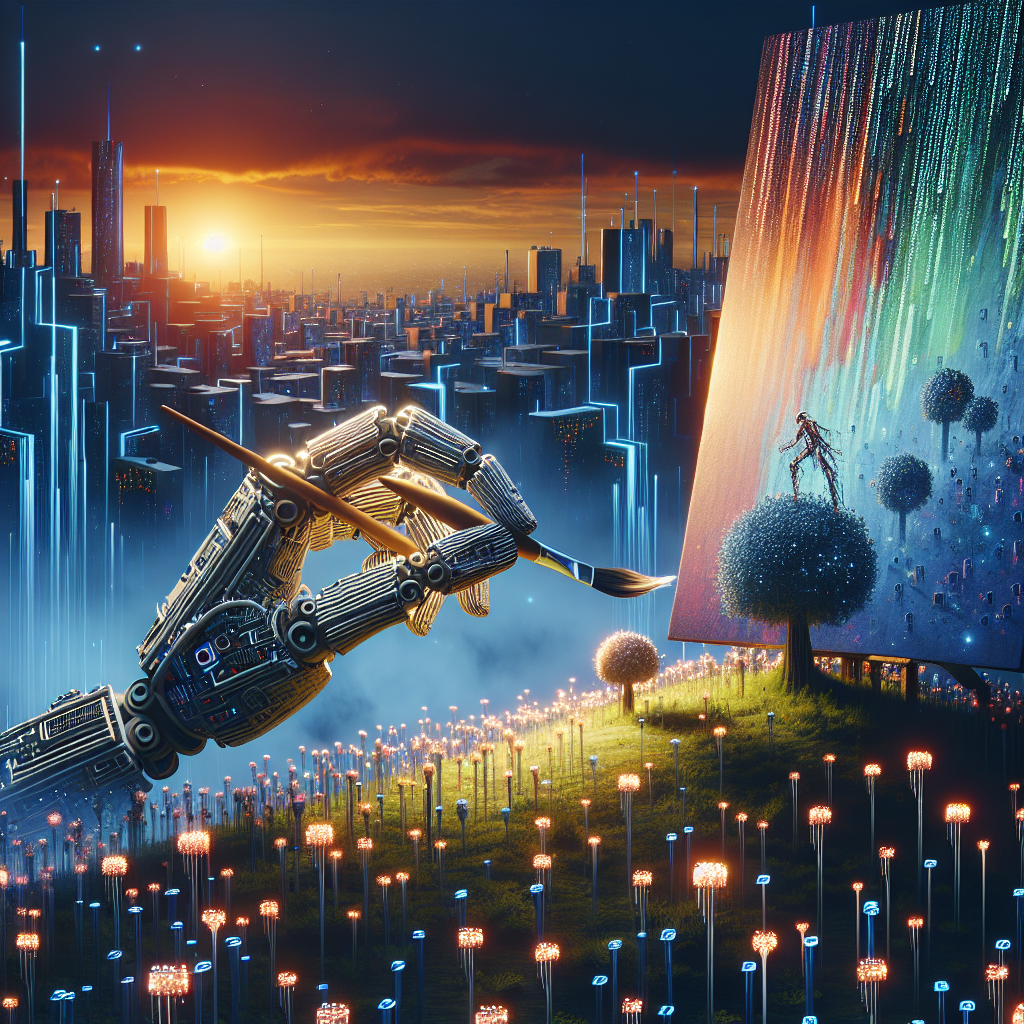
The art world has long been a realm of creativity, expression, and cultural dialogue. However, in recent years, technology has emerged as a powerful catalyst, reshaping what art means and how it is created, experienced, and consumed. From digital installations to virtual reality exhibitions, the intersection of art and technology is resulting in a revolution that is opening new doors and fostering unprecedented possibilities.
The Rise of Digital Art
Digital art has gained significant traction, moving away from the niche it once inhabited. With tools like graphic tablets, software applications, and generative algorithms, artists can create works that were previously unimaginable. Programs such as Adobe Creative Suite, Procreate, and Blender enable creators to experiment with styles and techniques that transcend traditional boundaries.
Moreover, platforms like Behance and DeviantArt offer artists a space to showcase their work, reaching global audiences without the gatekeeping often found in traditional galleries. The accessibility of digital tools has democratized the creation process, encouraging a new generation of artists who are unafraid to blend mediums and push limits.
Interactive Art Experiences
Interactivity has become a hallmark of contemporary art, thanks in part to technology. Artists are increasingly incorporating elements that allow viewers to participate actively. Installations that respond to audience input, like sound, movement, or even thought patterns, create immersive experiences that challenge the passive nature of traditional viewing.
Exhibitions like the "TeamLab Borderless" in Tokyo exemplify this shift, featuring interactive rooms where participants dissolve barriers between art and reality. Such experiences invite audiences to become a part of the artistic process, fostering a deeper connection with the work and its message.
Virtual and Augmented Reality
Virtual reality (VR) and augmented reality (AR) have pushed art into entirely new dimensions. VR allows for fully immersive environments where viewers can explore 3D worlds crafted by artists, while AR blends digital imagery with the physical world, giving new life to galleries and public spaces.
Museums are beginning to embrace these technologies. The Louvre, for example, has developed VR experiences that allow users to ‘walk’ through pieces of art, dissecting their layers and context in ways that traditional viewing cannot replicate. This has proved particularly valuable during recent global events, offering alternatives for art engagement when physical access is limited.
Blockchain and the Art Market
The introduction of blockchain technology has brought about the phenomenon of non-fungible tokens (NFTs), which have changed the way art is bought and sold. NFTs offer digital provenance—verifiable ownership of digital assets—creating opportunities for both artists and collectors. High-profile sales have made headlines, with works by artists selling for millions of dollars, emphasizing the growing acceptance of digital artworks as valuable assets.
However, while NFTs open new revenue streams, they also spark debates about accessibility and sustainability. The environmental impact of blockchain technology has raised concerns, pushing artists and platforms to explore more eco-friendly alternatives.
Social Media and Art Distribution
Social media has transformed the way art reaches audiences. Platforms like Instagram, Pinterest, and TikTok accelerate visibility, allowing artists to share their work instantly with millions of users. Hashtags and trends help in democratizing exposure, enabling emerging and established artists alike to thrive without relying solely on traditional gallery representation.
For many artists, social media isn’t just a platform for sharing art; it’s a space for community, collaboration, and conversation. It transcends geographical boundaries, allowing artists to connect and engage with global audiences, influencing styles and trends across cultures.
Challenges and Future Prospects
Despite the many advantages offered by technology, challenges persist. Issues such as digital copyright, privacy concerns, and the digital divide threaten to undermine the inclusivity that technology promises. As digital art continues to grow, it’s essential for creators and platforms to navigate these concerns carefully, ensuring equity and access for all.
Moreover, as technology evolves, so too will the tools and techniques available to artists. Future advancements, potentially like AI-driven art generators, promise to spark fresh debates about authorship and creativity, compelling us to reconsider what it means to be an artist in a tech-driven world.
Conclusion
The interplay between technology and art is a dynamic and evolving narrative that is redefining the creative landscape. Digital art, interactive experiences, and innovative market structures are just the beginning of a broader transformation. As artists harness these tools, they not only expand their creative horizons but also invite audiences to re-imagine their relationship with art. In this digital age, the canvas is limitless, and the dreams are more vivid than ever. As we look ahead, it’s clear that the future of art will be as much about technology as it is about human expression.


